12 ATV Trails Muddy With Roll-Over Ravines
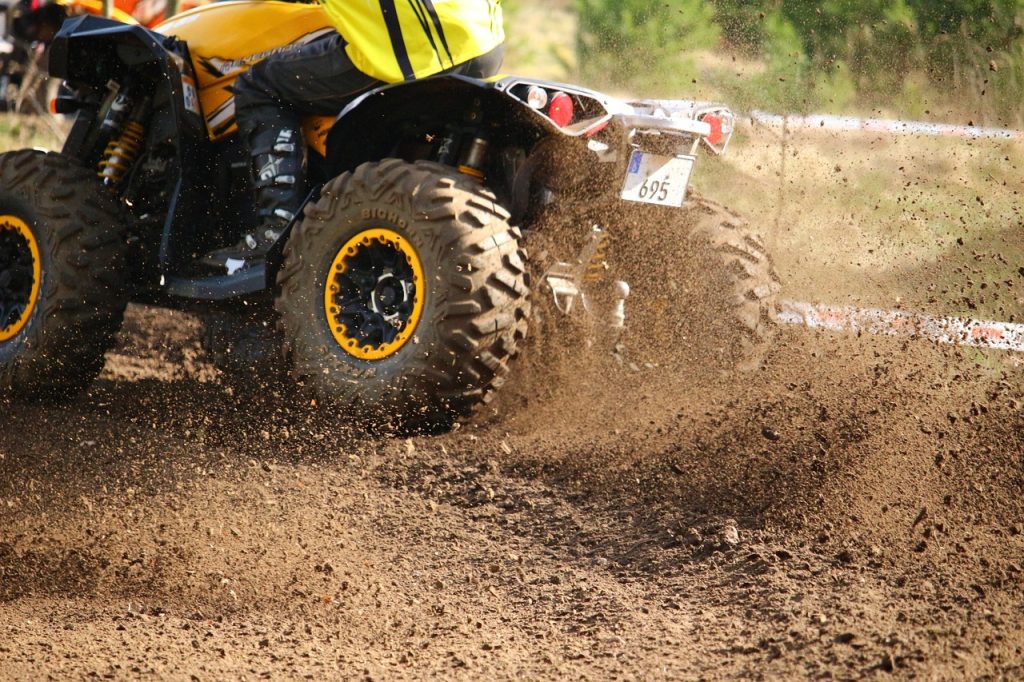
Mud can make an ATV ride feel lighthearted until the ground starts guiding the tires. After a hard rain, ruts deepen, clay turns slick, and the tidy dip that once drained a trail becomes a small ravine with a soft lip. Add traffic, and the surface changes hour by hour as water keeps finding the same low line.
On busy routes, runoff follows tire tracks like rails, carving channels that pull machines off center and widening weak shoulders with every pass. Shade slows drying, and repeated throttle turns wet soil into a polished chute. The risk is quiet geometry, and it builds fast. Even mild grades feel steeper when ruts steer.
Red Clay Switchback Ridge
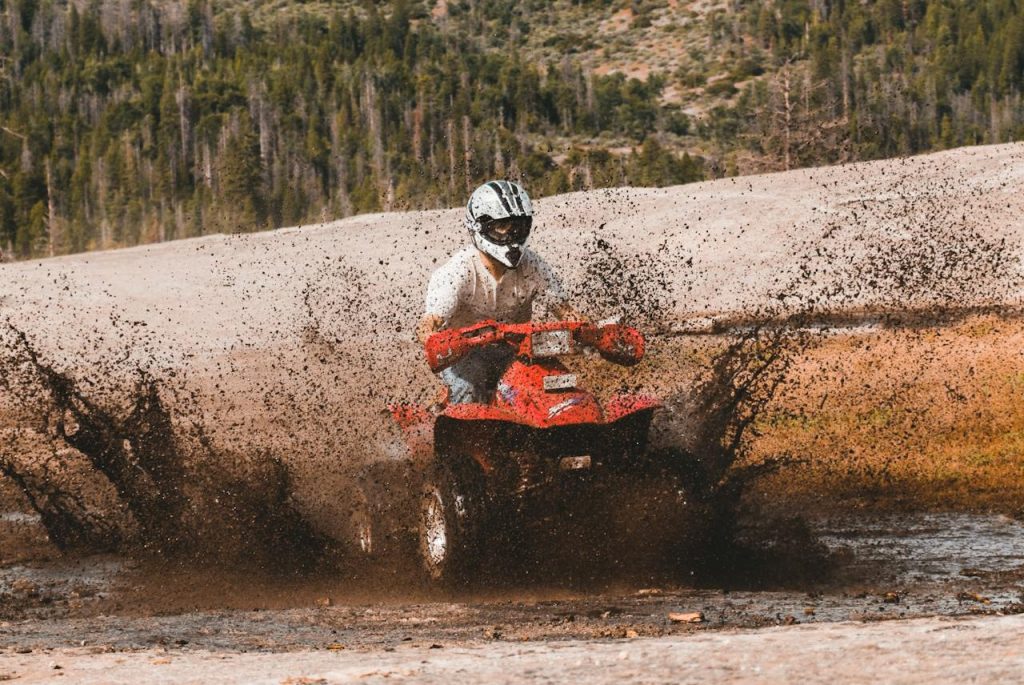
Red clay holds shape when dry, then flips slick after warm rain, and switchbacks keep traffic stacked in the same grooves. Runoff rides those ruts past roots and embedded stone, polishing them smooth and pushing clay toward the downhill edge where sightlines are short. On shaded ridges, the surface can stay shiny well into the next day.
With each storm, the inside line becomes a trench while the outside lip crumbles into a short ravine. Puddles mirror the sky to hide depth, and braking bumps funnel water into one deep channel. When a tire drops into the groove mid-turn, the rut can guide it farther than expected before grip returns.
Logged Hillside Skid Road
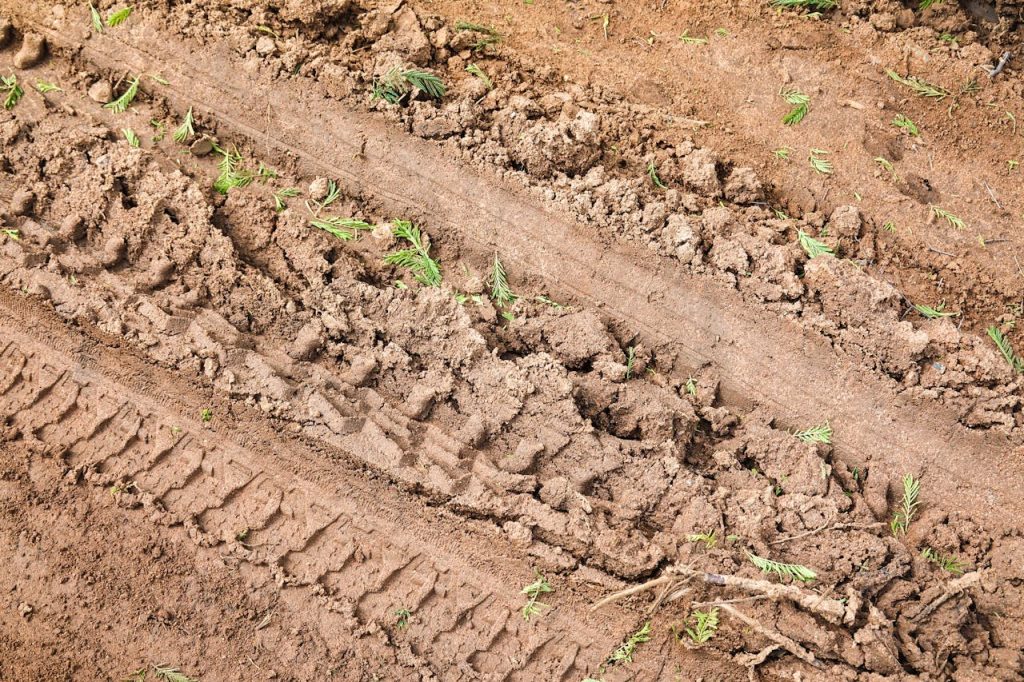
Old logging skid roads look wide and friendly, but a packed center sheds water to the edges, and storms carve twin trenches fast. Because many runs follow the fall line, runoff accelerates, stripping fine soil and exposing slick roots and rounded rock. Fresh grading can leave a thin cap that turns to paste after one wet weekend.
Where the trenches meet a drainage dip, the cut can drop into a muddy ravine with soft shoulders. Wet bark and sawdust act like grease, and repeated passes chew the edges into a soft berm that slumps. If one wheel sinks, steering can feel pinned while the machine leans toward the deeper channel fast.
Desert Wash After Monsoon
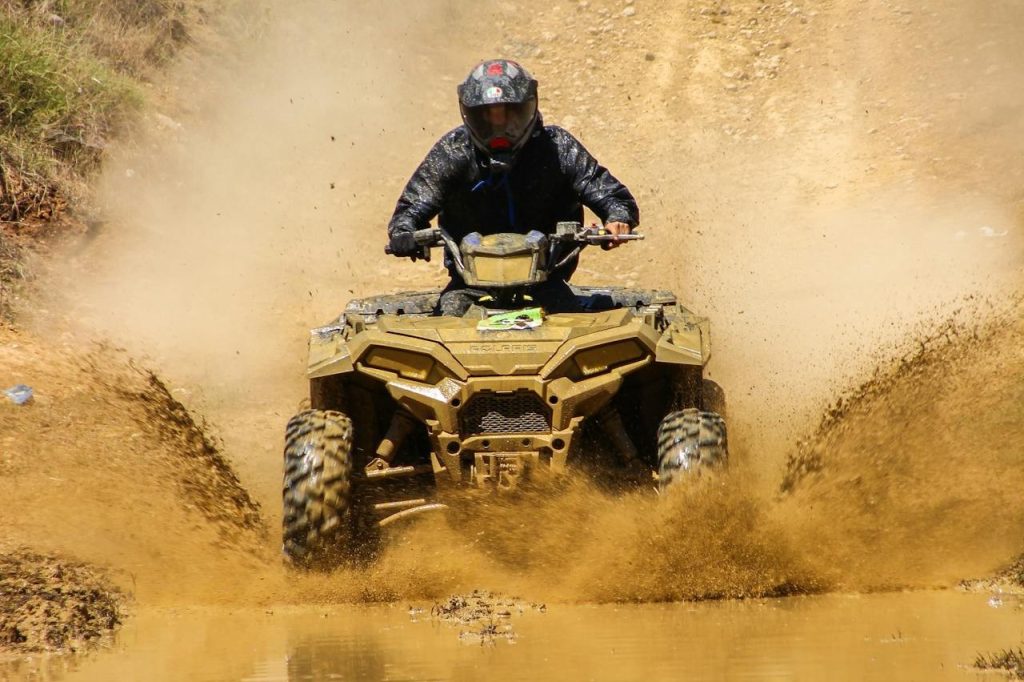
Desert washes stay flat most of the year, then a monsoon rewrites them overnight, undercutting banks and laying silty mud like wet mortar. Flash flow cuts sharp steps at bends, piles sticks at crossings, and leaves tire-width channels that guide the next runoff. Even a shallow curve can hide a new cut in the bottom.
A crust can form on top while slurry stays underneath, so a surface that looks firm breaks at the edge. At confluences, scouring creates a narrow ravine with a crisp lip, and the bank can slump in slabs. The line that worked yesterday may be gone, replaced by a drop that starts exactly where puddles look safest.
Coastal Dune Access Cut
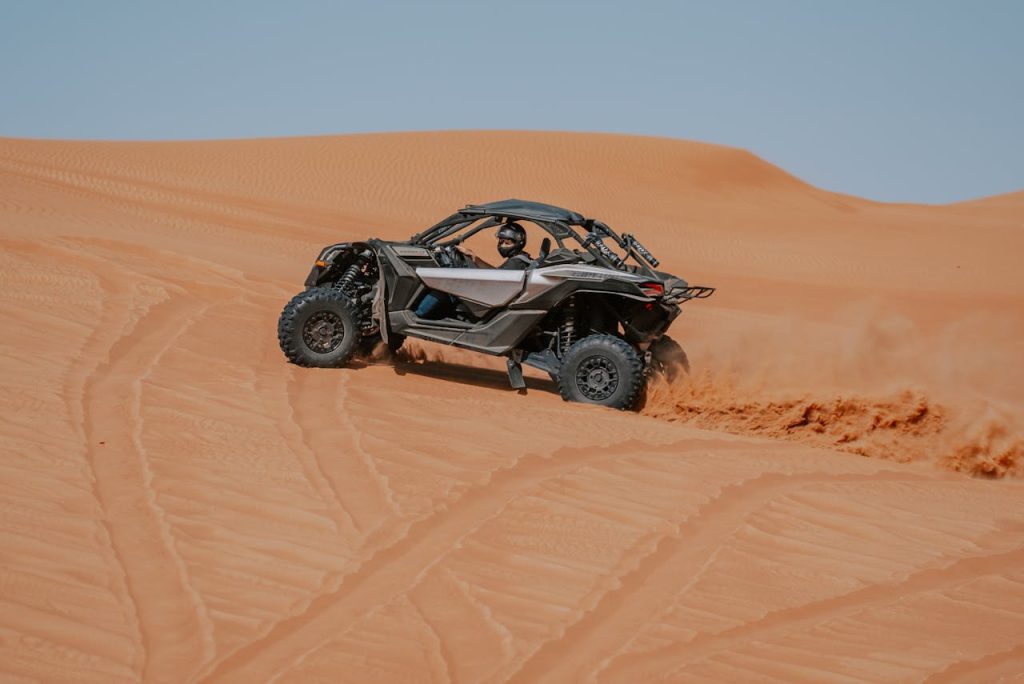
Coastal dune access cuts are short, steep corridors that get churned by repeated climbs, and wind packs sand over damp layers that never fully dry. After fog or rain, the top looks firm, but the base stays heavy where tires and footprints seal the surface. Salt spray adds moisture that lingers in the shade of dune grass.
Traffic carves a V-shaped trench that drains into a muddy bowl, and the dune face can slump into a sharp-lipped ravine. Roots hold one side stiff while the other breaks away, so the corridor leans toward the soft edge. When the trough holds water, the real depth is hard to read, and the climb line narrows to a single rut.
Mountain Meadow Two-Track
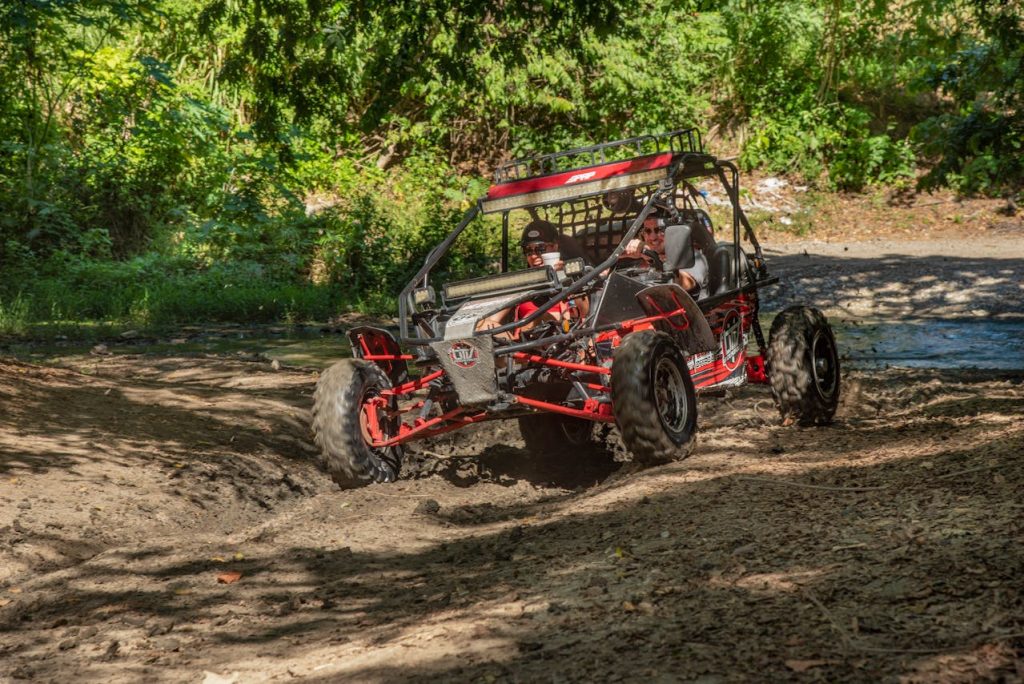
Mountain meadow two-tracks feel gentle, but spring soil stays saturated, and each pass compresses the center while pushing water into twin ruts. Because the route looks open, traffic spreads out, widening the wet zone and breaking sod that normally holds the surface together. Seeps can keep one side wet after sunny mornings.
By afternoon, the track becomes a slick canal with steep sides, and the meadow edge turns into a soft ravine where tires sink unevenly. Hoof prints add surprise holes that fill with water, and tufts hide pockets. The grade may look mild, yet weight keeps drifting toward the lowest line once the ruts begin to steer.
Creekside Rock Garden Bypass
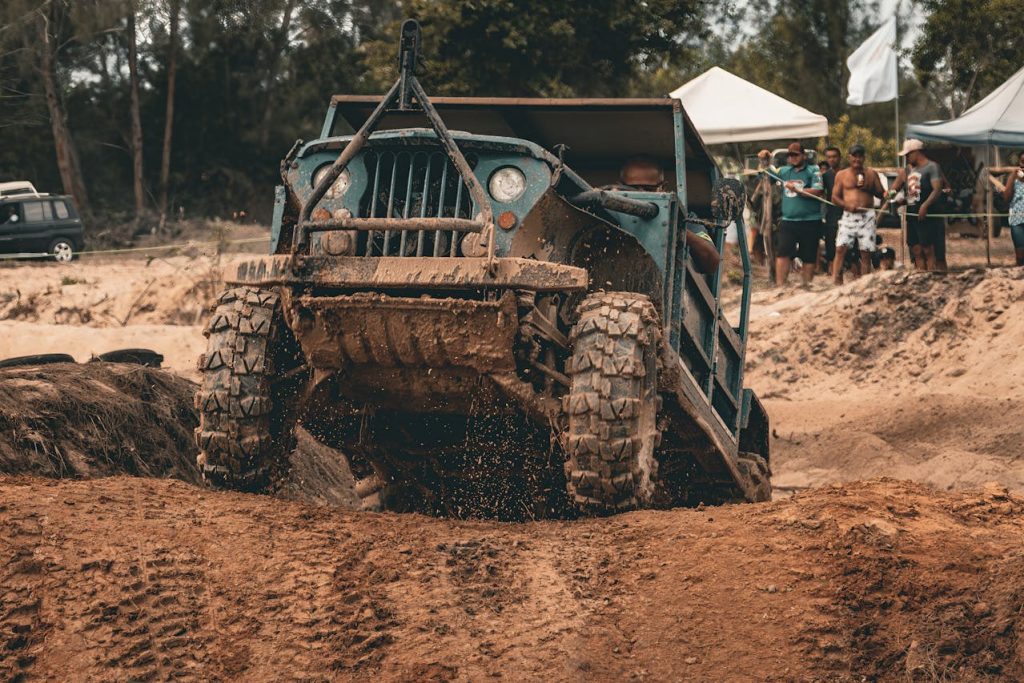
Rock gardens push traffic onto bypasses, and those detours often hug creek banks where soil stays damp under shade all day. Canopy drip keeps the tread wet, and the creek nibbles the outside edge at bends, thinning support where the path pinches. Braids form around puddles, then merge back into one narrow line.
The route becomes a ribbon with mud on one side and a shallow ravine on the other. Loose stones roll under load like bearings, nudging machines sideways, and roots lift the tread into slick little ramps. A shoulder that felt solid last week can break after a small overnight rise, leaving a fresh edge with no warning.
Burn Scar Canyon Track
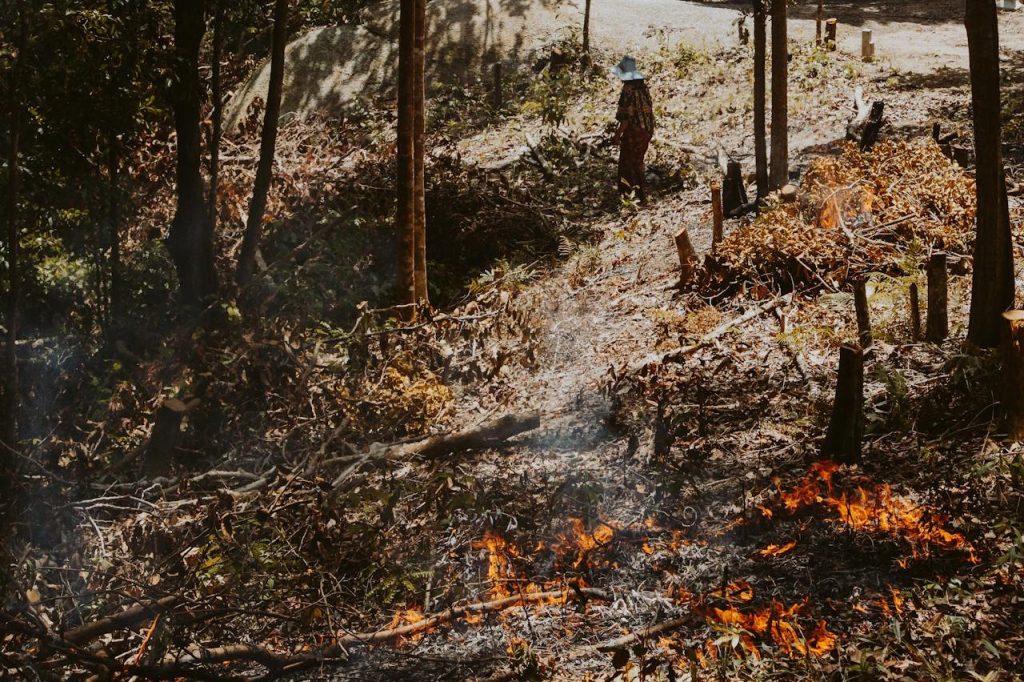
Through a recent burn scar, the plants that held soil are gone, and rain hits bare ground hard while ash can seal the surface like a crust. Water then races downhill, carrying fine sediment that cuts gullies and undermines trail edges between one ride and the next. The first heavy storm after a fire often changes the whole corridor.
Those gullies turn into muddy ravines with steep sides, and the tread tilts off-camber where erosion eats the downhill line. Charred branches can hide holes, and loose pebbles slide into the rut, tightening the usable track. What looks like a small groove can be a deep notch once tires start following it.
Clay Bowl Trailhead Loop
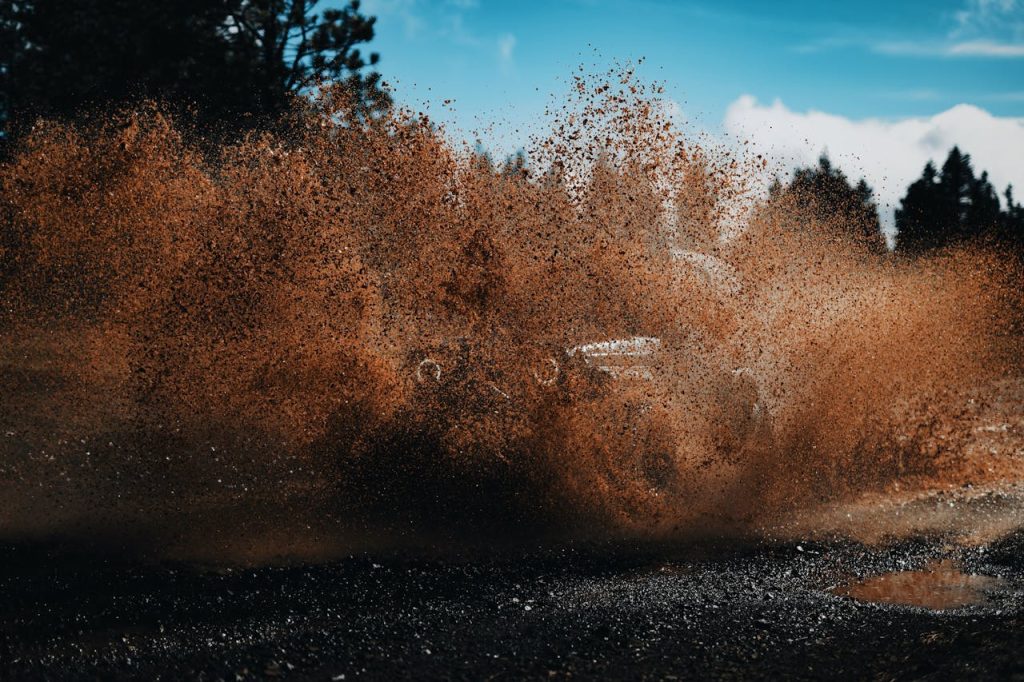
Some trail systems start with a low loop near the staging area, and in clay country it turns into a mixing bowl after rain. Tires churn the top layer, water pools in the bottom, and the exit slope gets polished because everyone climbs the same narrow line. Stop-and-go traffic keeps stirring the surface into a slick slurry.
The loop drains through one low point, and that outlet erodes into a muddy ravine with a sharp lip. A puddle that looks shallow can hide a sudden drop, and slick sidewalls tug tires sideways as the rut deepens. As riders skirt the worst mud, the loop widens, but the center trench keeps cutting downward.
High Desert Bentonite Flats
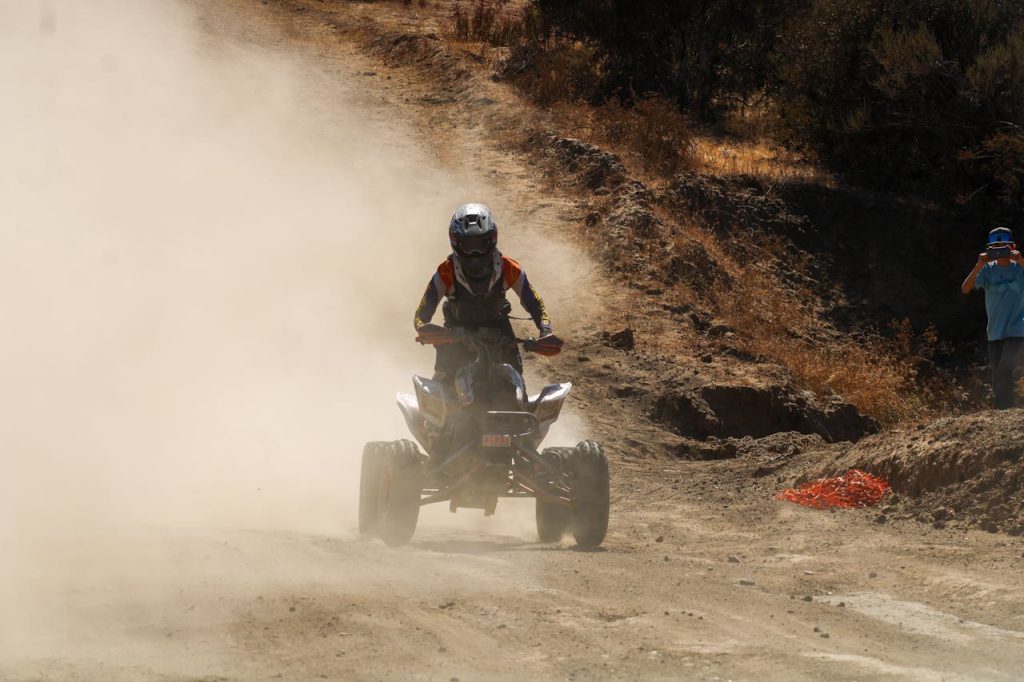
Bentonite and other swelling clays turn sticky with very little moisture, and the surface can go from firm to slick in minutes. Sun dries the top into a thin crust while the layer underneath stays tacky, and mud packs onto tires in heavy rings that erase tread bite. Steering grows vague, and braking feels delayed even at easy pace.
Near shallow cuts where water drains off the flat, the edge stays wet longer and slumps into a narrow ravine. The crust can crack, and the soft layer grabs unevenly, pulling machines toward the low side until it finally dries. Tracks that look harmless from a distance can turn into glue close up.
Appalachian Holler Bench Cut
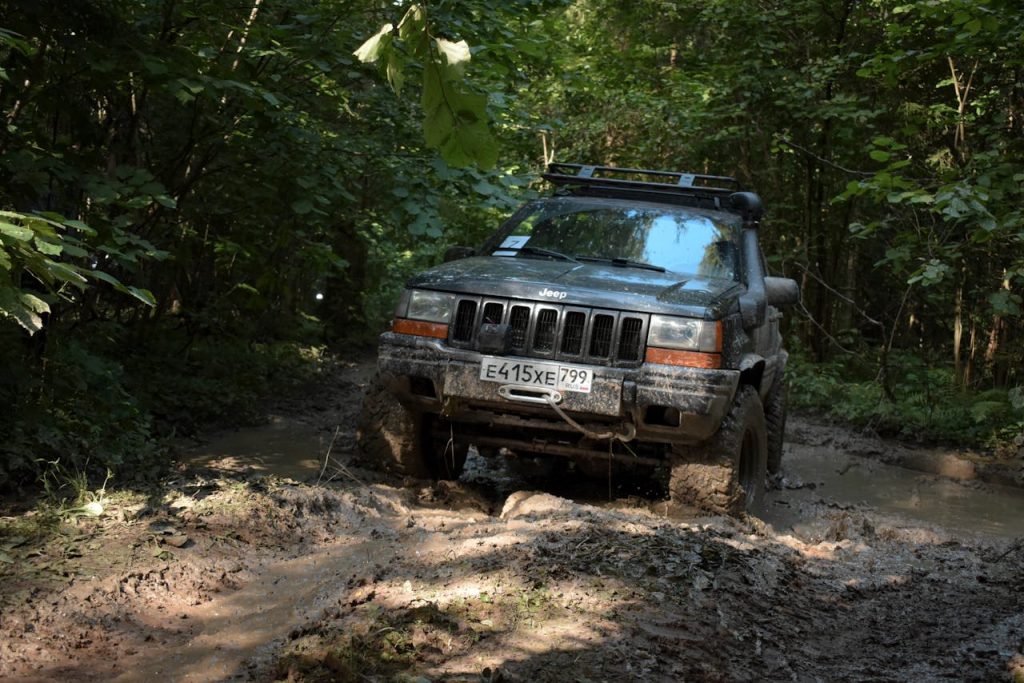
Bench-cut trails in Appalachian hollers cling to a slope with a bank on one side and a drop on the other, so water runs along the tread. Seeps keep patches wet for days in early spring, and leaf litter hides slick clay on shaded corners where the surface looks dry. Once a rut starts, it becomes the drain and keeps growing.
As the downhill edge erodes, the tread narrows and tilts off-camber, and the soft shoulder becomes a muddy ravine with a crumbling lip. Rock outcrops pinch the line, funneling traffic into one rut that cuts deeper with every pass. Passing spots get chewed into pockets that drain straight into the main groove.
Pine Plantation Sand-Clay Mix
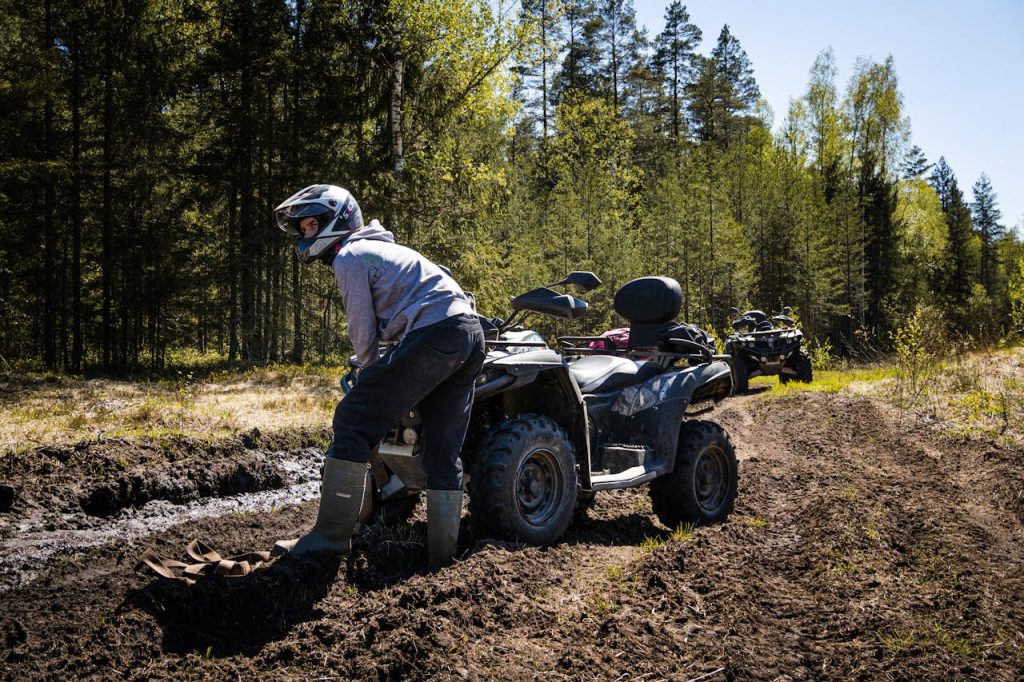
Pine plantation trails often sit on sand over clay, so the top drains while the layer beneath holds water and turns slick after scattered storms. Straight rows block sunlight and crosswind, and once wet, sand skates on clay while tire tracks cut long ruts that guide runoff. Pine needles mat down, keeping dampness close to the surface.
Those ruts funnel into low swales that slump into muddy ravines, and needles hide depth and soften edges. A puddle can mask where the channel drops, and spinning tires polish sidewalls until the trail tries to steer itself toward the lowest line. Even afternoons can leave the ground greasy under the trees.
Glacial Till Hill Climb
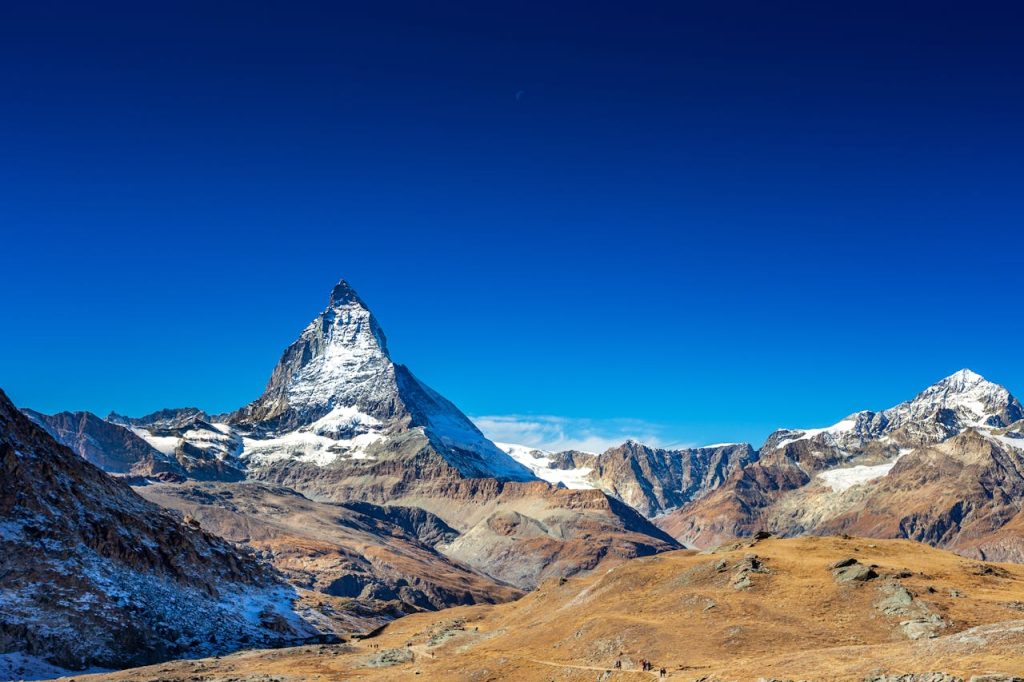
Glacial till mixes rock, silt, and clay in a way that changes every few yards, so a hill climb alternates between grip and slide after rain. Water runs around embedded stones, merges into a rut down the fall line, and polishes sidewalls until the center becomes a muddy chute. Freeze-thaw loosens the top layer and feeds the rut.
Loose stones roll into the groove and act like bearings under load, and the rut edges harden into sharp rails that trap tires. Near the crest, runoff can cut a short exit gully that drops into a hidden ravine in brush. The finish feels tighter than it looks, because the deepest line keeps pulling the machine downhill.