12 Charming Villages in Italy Fighting American Tourist Influx

Many Italian villages have experienced rapid increases in American tourism, creating new challenges for communities working to protect historic identity while supporting economic vitality. Narrow streets, fragile structures, and limited infrastructure often struggle with seasonal surges that exceed local capacity. Residents and municipal leaders collaborate on sustainable tourism strategies designed to preserve architecture, landscapes, and cultural rhythms. These efforts help ensure ongoing appreciation of each village’s character while reducing strain on everyday life and long-standing traditions.
Civita di Bagnoregio (Managing Visitor Volume and Erosion Risks)

Civita di Bagnoregio rises on a fragile volcanic outcrop shaped by continuous erosion, placing the village at particular risk when visitor numbers surge. Increased American tourism intensifies pressure on historic buildings, narrow lanes, and the single pedestrian bridge linking the site to surrounding areas. Local authorities introduced entrance fees to support preservation and regulate daily foot traffic. Conservation experts monitor hillside stability and structural conditions while guiding long-term restoration plans. These combined measures work to protect the village’s architectural integrity and prevent accelerated deterioration.
Vernazza (Balancing Trail Access and Harbor Capacity)
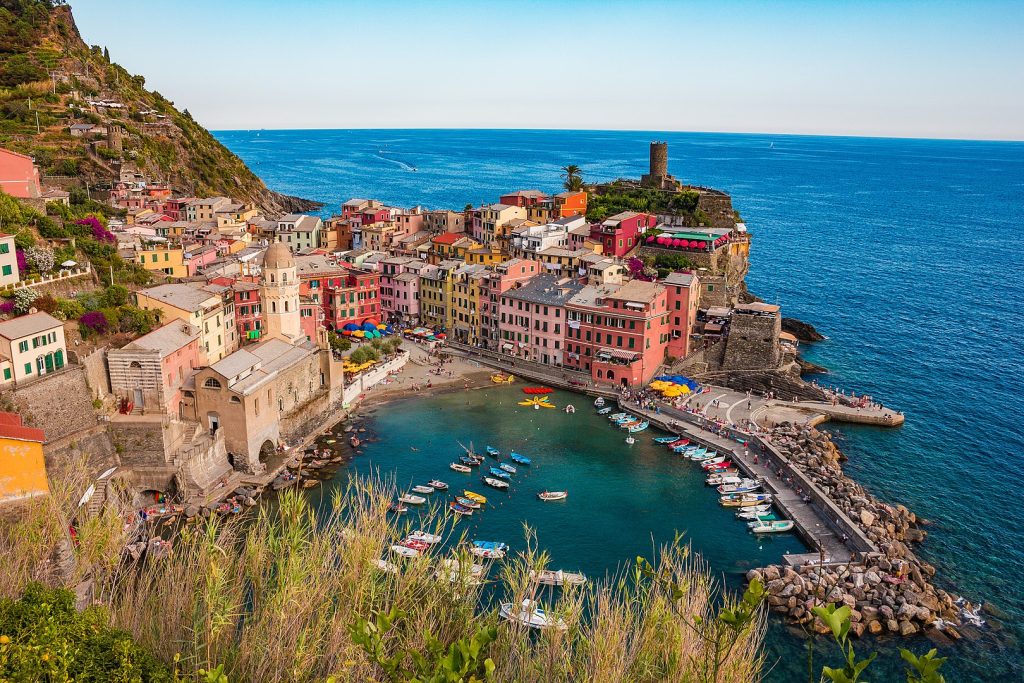
Vernazza in the Cinque Terre faces heavy seasonal tourism that strains its harbor, steep passageways, and terraced hillsides. Rail access funnels concentrated crowds into the compact village, creating challenges related to trail erosion, waste management, and rising housing pressures linked to short-term rentals. Officials assess strategies to regulate foot traffic along coastal paths and distribute visitors across neighboring towns. Preservation efforts prioritize maintaining agricultural terraces central to the region’s heritage. Local initiatives emphasize maritime traditions and sustainable practices designed to protect the village’s long-term resilience.
Matera (Protecting Historic Districts from Overcrowding Impacts)
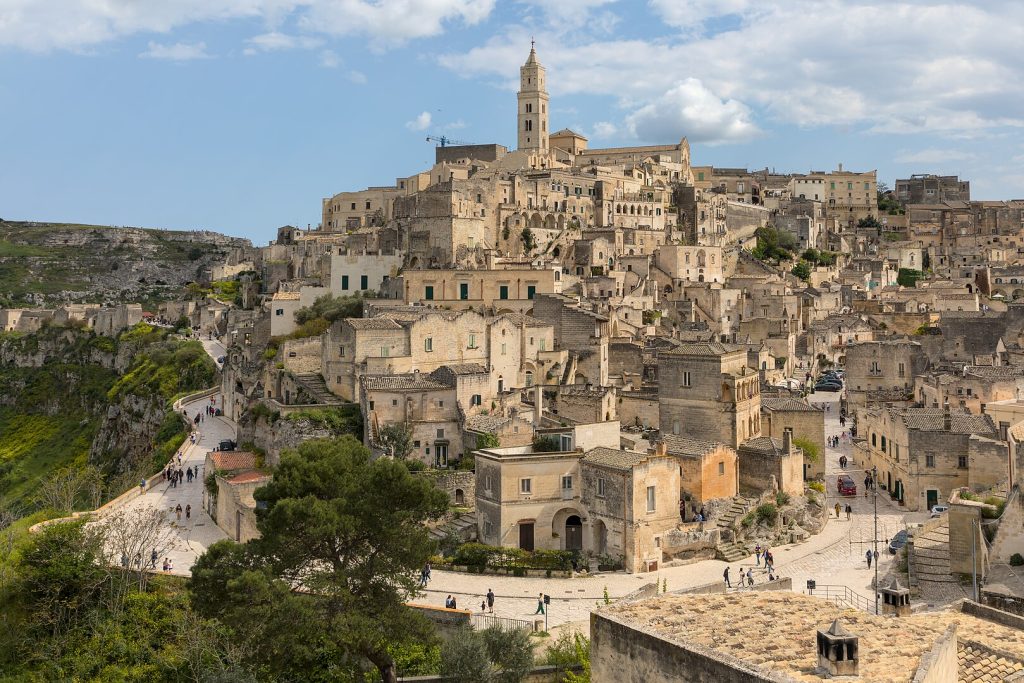
Matera’s ancient cave dwellings carved into limestone cliffs draw substantial international interest, including marked increases in American tourism. Recognition as a European Capital of Culture expanded visitor demand for lodging, restaurant services, and transport access within historic zones not built for modern volume. Planners work to manage vehicle flow on narrow roads and safeguard archaeological layers that lie beneath residential structures. Restoration programs focus on preventing wear within the Sassi districts while encouraging respectful engagement with cultural sites. Matera continues to reinforce preservation priorities amid growing global attention.
Pienza (Preserving Renaissance Architecture and Rural Landscapes)
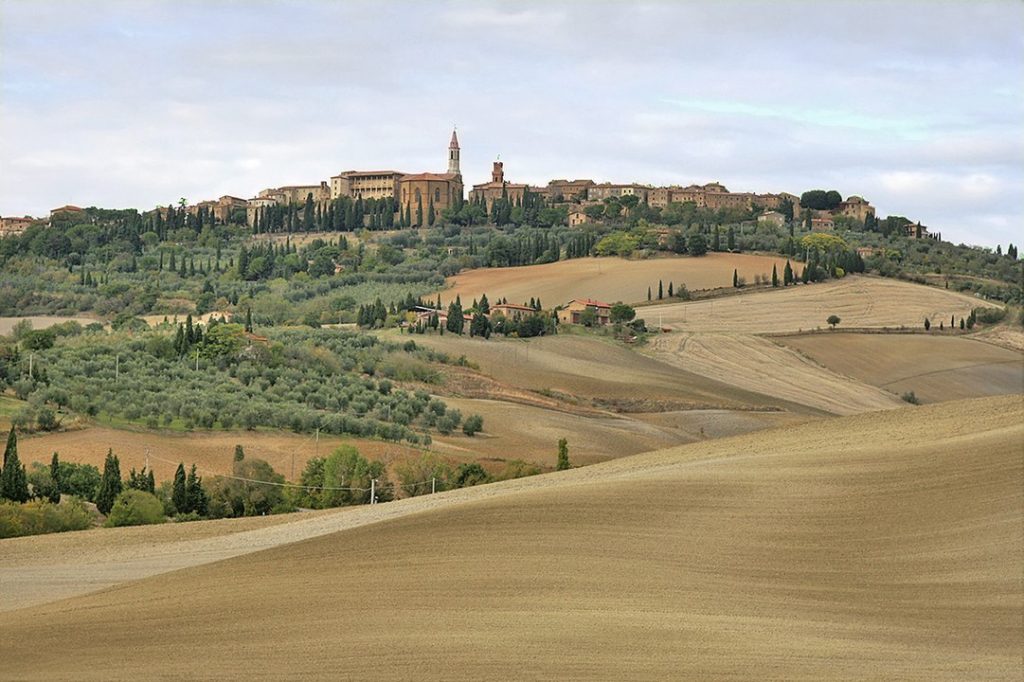
Pienza in Tuscany attracts travelers drawn to its Renaissance architecture and sweeping pastoral surroundings. Rising tourism places strain on limited parking areas, narrow pedestrian corridors, and scenic overlooks that were not designed for large groups. Local leaders consider regulating tour schedules and encouraging visitation to nearby communities to relieve pressure on the town center. Preservation plans stress the importance of architectural harmony and rural land stewardship. Coordinated tourism strategies aim to maintain the town’s cultural cohesion while accommodating interest in its historic environment.
Positano (Managing Coastal Infrastructure and Visitor Density)
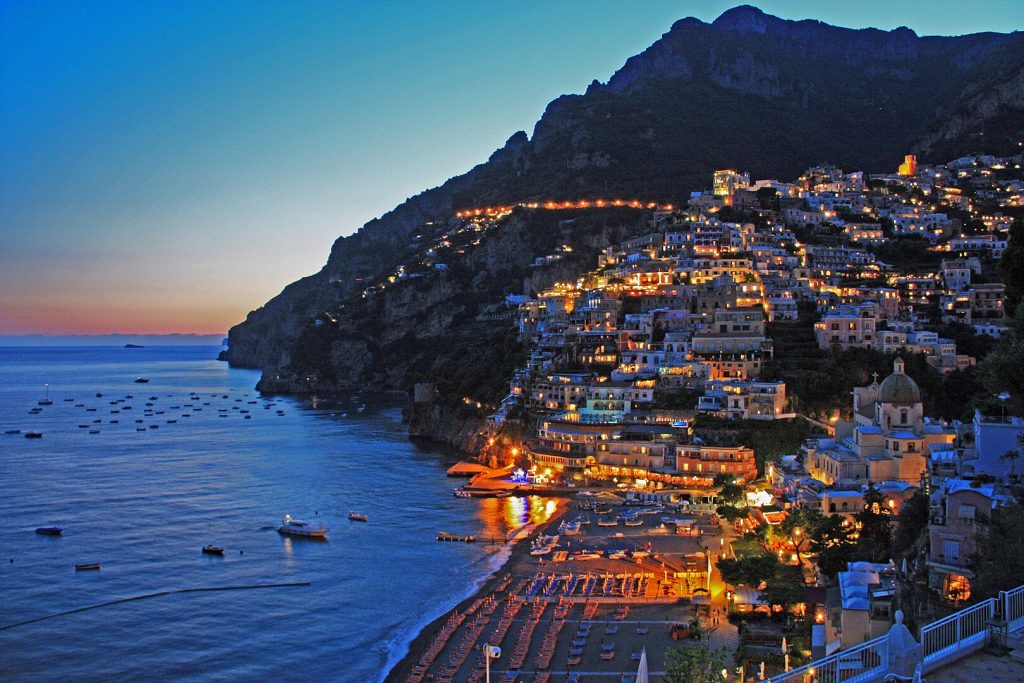
Positano along the Amalfi Coast features cliffside homes, steep stairways, and winding coastal roads that become heavily congested during peak travel periods. Increased American tourism heightens demand on ferry terminals, bus routes, and hospitality services. Local authorities explore options for limiting group tours and reducing traffic bottlenecks that affect both residents and travelers. Concerns include environmental stress on beaches and rising costs in the surrounding community. Preservation efforts highlight maintaining historic stair systems, coastal pathways, and structural alignment within the village’s distinctive vertical layout.
Ravello (Protecting Gardens, Terraces, and Cultural Venues)
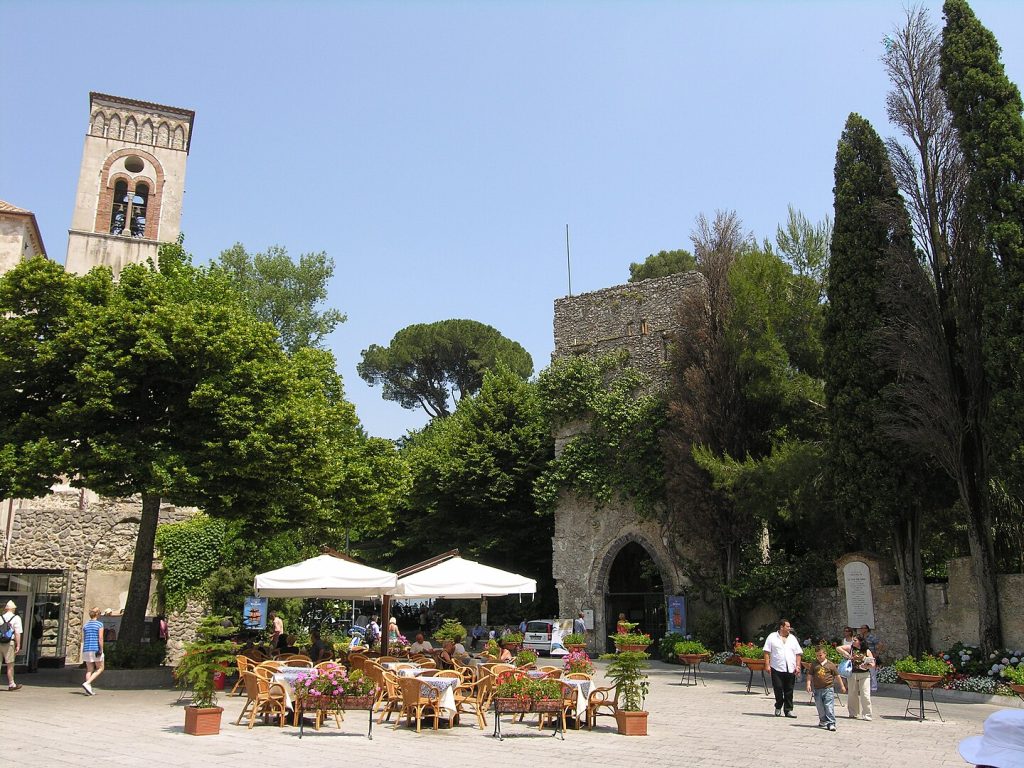
Ravello overlooks the Amalfi Coast and is celebrated for its landscaped villas, terraced gardens, and classical music heritage. Visitor growth has created crowding within historic estates and narrow plazas, prompting consideration of timed reservations and improved access planning. Limited parking and steep entry routes amplify strain during major cultural events. Authorities support ongoing efforts to safeguard heritage sites while reducing disruptions to local routines. Preservation strategies emphasize terraced landscape protection and maintaining the peaceful atmosphere valued by long-term residents and cultural institutions.
Manarola (Reinforcing Coastal Paths and Vineyard Terraces)
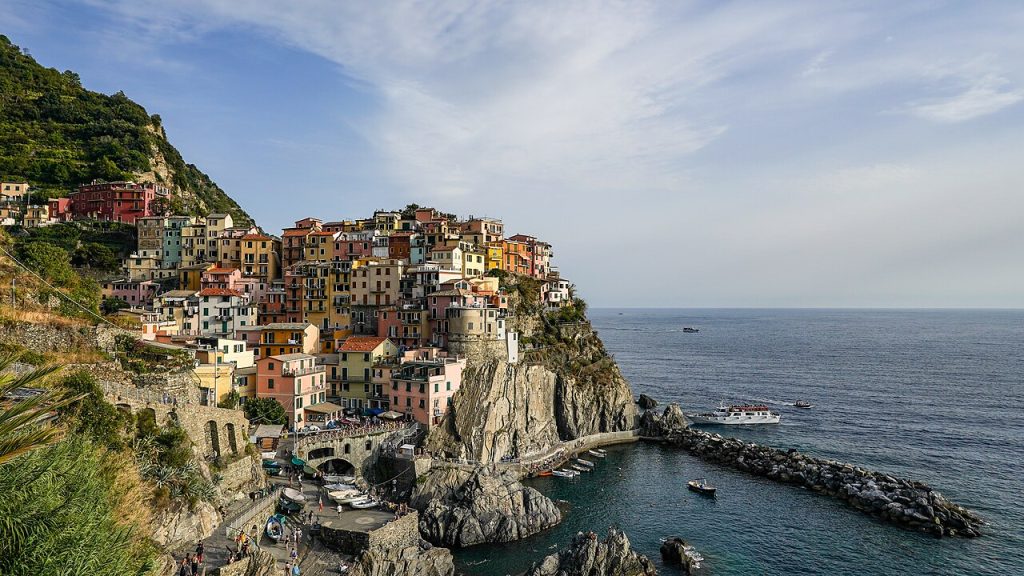
Manarola in the Cinque Terre confronts challenges from rising foot traffic along coastal trails and vineyard terraces that form a vital part of its cultural landscape. Increased tourism creates congestion around the marina and steep hillside walkways, placing stress on fragile stone structures. Local planners examine options for distributing visitors more evenly and reinforcing trail systems vulnerable to erosion. Residents cite concern over reduced housing availability tied to short-term rentals. Sustainable initiatives center on protecting traditional viticulture and stabilizing steep paths that define Manarola’s identity.
Portofino (Regulating Harbor Access and Environmental Protections)
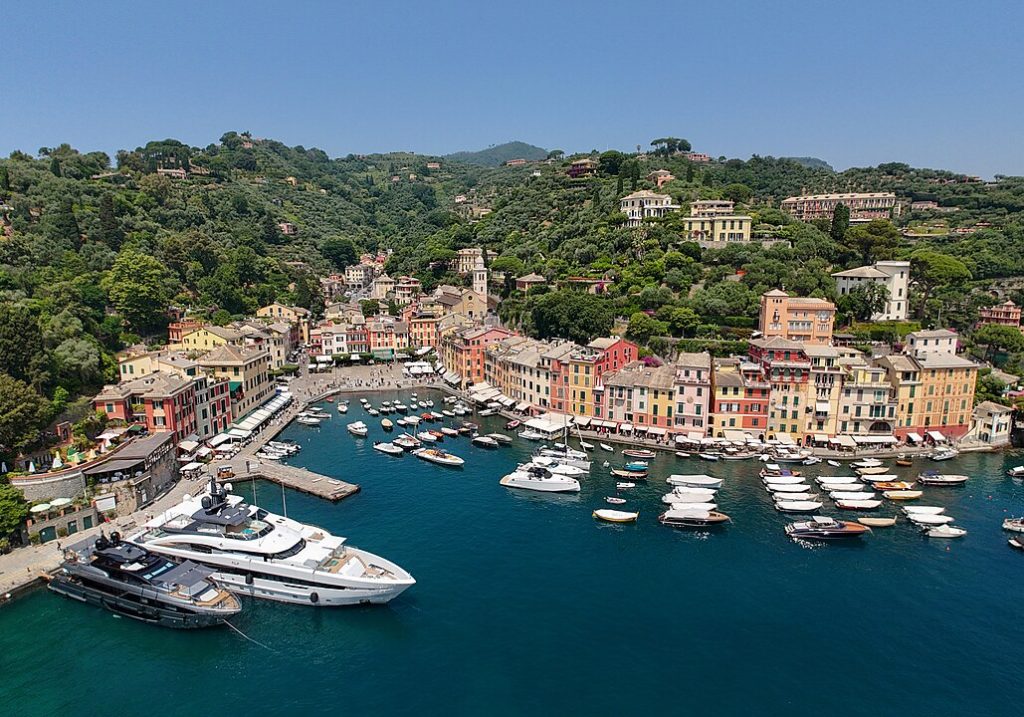
Portofino in Liguria, known for its picturesque harbor and protected marine zone, faces congestion linked to increased American tourism and seasonal boating activity. Local authorities implemented controlled entry to popular viewpoints to safeguard sensitive habitats across the peninsula. Monitoring programs track boat traffic and crowd density to minimize environmental strain. Businesses collaborate on sustainable tourism practices aimed at preserving the village’s high-quality cultural and natural character. Conservation priorities include protecting coral ecosystems and maintaining the architectural identity of the historic fishing harbor.
Monte Isola (Supporting Sustainable Mobility and Cultural Practices)
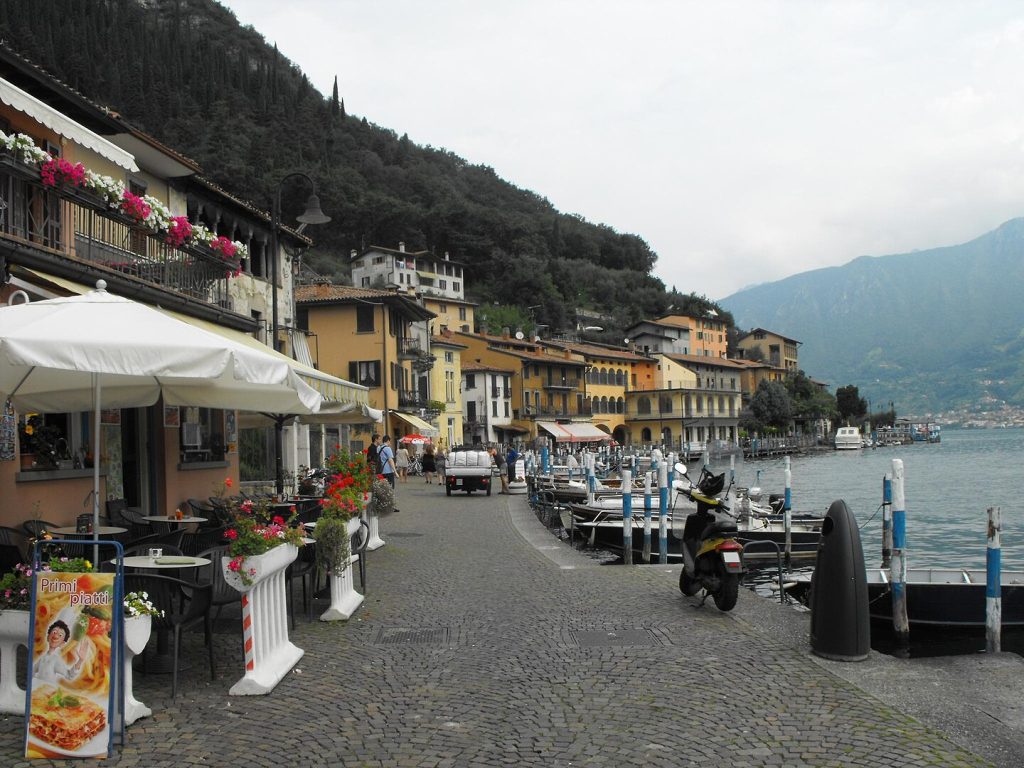
Monte Isola on Lake Iseo features car-free villages and lakeside walkways that become crowded during peak travel months. Rising American interest intensifies demand on ferry services, footpaths, and public spaces that accommodate limited daily capacity. Local officials introduced traffic restrictions and mobility guidelines that emphasize sustainable movement across the island. Preservation efforts aim to protect traditional net-making practices and wooded areas on elevated trails. Long-term planning focuses on conserving the island’s quiet character while managing seasonal tourism pressure responsibly.
Castelmola (Managing Infrastructure Strain and Heritage Protection)
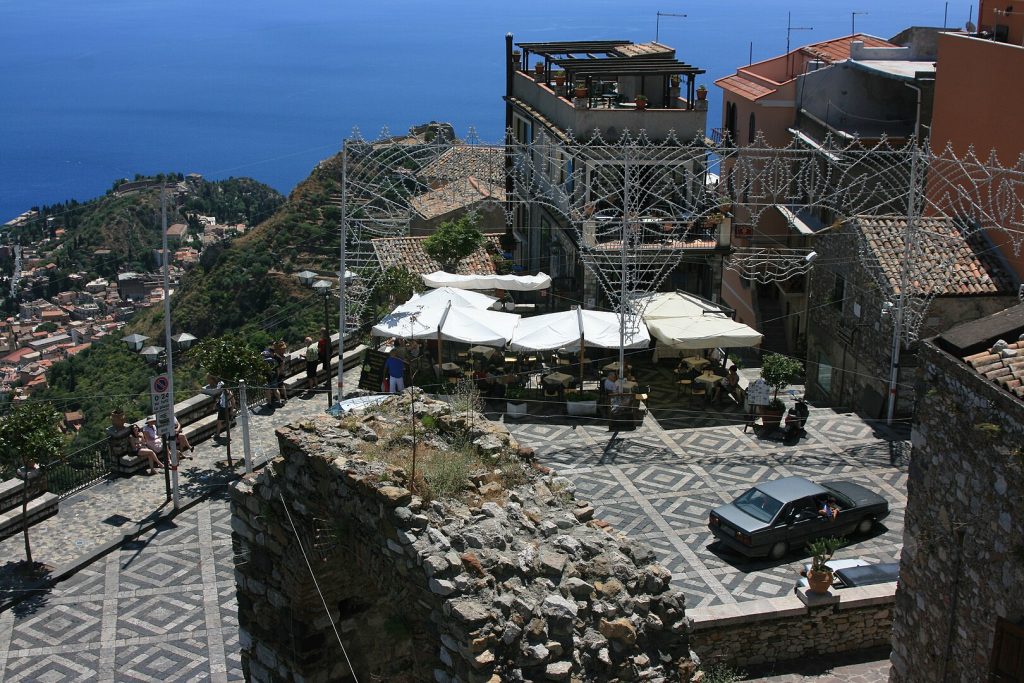
Castelmola in Sicily sits above Taormina and draws visitors seeking panoramic views, narrow medieval streets, and historic structures. Increased tourism places stress on limited public areas, steep pathways, and aging infrastructure not suited to high volume. Officials explore strategies for crowd management and improved transport coordination with nearby hubs. Preservation plans prioritize maintaining architectural unity and safeguarding traditional village patterns. Residents express concerns regarding commercial expansion in confined zones. Sustainable planning efforts aim to balance cultural authenticity with rising international visibility.
Alberobello (Safeguarding Trulli Districts from Commercial Pressures)
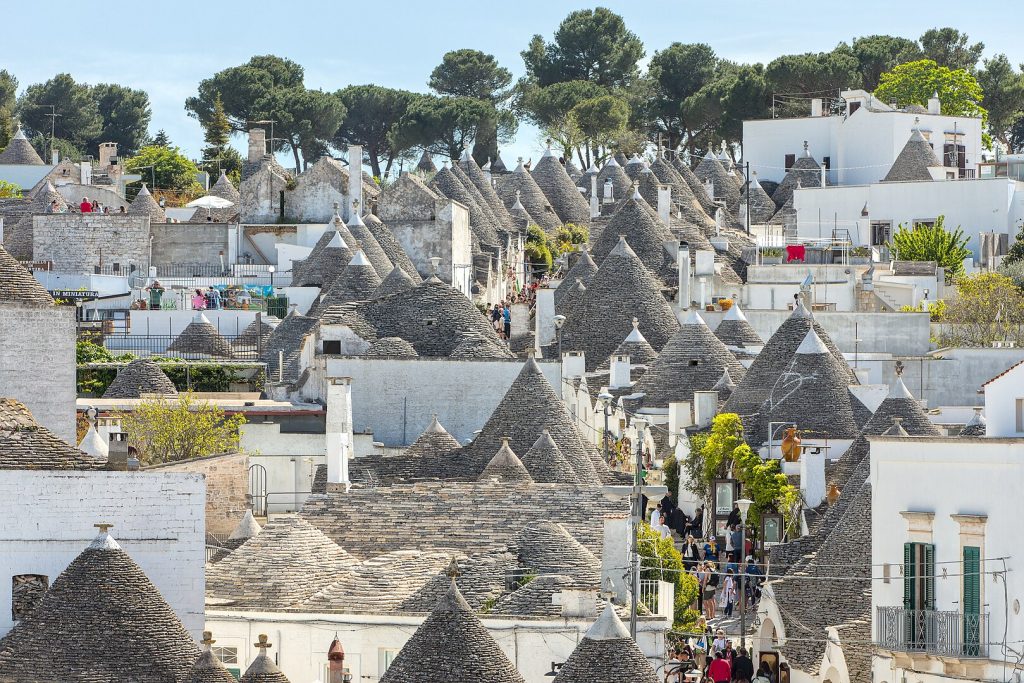
Alberobello in Puglia is renowned for its trulli homes designated as a UNESCO World Heritage Site, attracting large groups that exceed the village’s intended capacity. Increased tourism produces challenges involving overcrowding, commercialization, and stress on stone pathways. Local leaders consider regulations to limit commercial activity within residential trulli zones. Preservation programs center on maintaining traditional construction methods and preventing unauthorized alterations to historic structures. Efforts encourage broader regional distribution of visitors to reduce concentrated pressure on the trulli district.
Atrani (Maintaining Safety and Cultural Continuity in Tight Spaces)
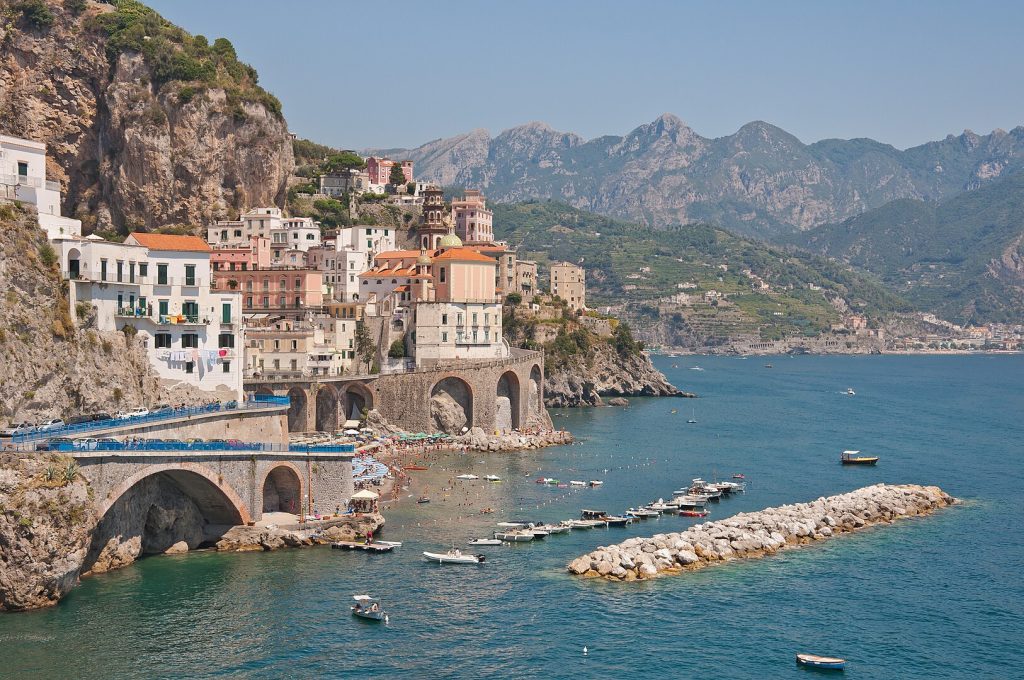
Atrani on the Amalfi Coast is one of Italy’s smallest municipalities, with a compact network of alleys and waterfront spaces that face strain from increased tourism. Rising visitor numbers challenge emergency access routes, public services, and pedestrian flow. Officials study traffic restrictions and improved crowd management to support resident safety. Preservation advocates highlight protecting fishing traditions and architectural consistency within the village’s tight footprint. Tourism strategies aim to maintain balance between cultural continuity and seasonal visitor growth.