12 Cities Expats Say Were Far More Difficult to Adjust to Than Expected
Expats rarely struggle because a city is bad. The harder adjustments come from friction a short visit hides: paperwork that demands exact wording, housing hunts that stretch for weeks, and social rules that stay implied. Add climate extremes, dense transit, and workdays that run long, and the first year can feel like learning a new operating system without a manual. Banking, healthcare sign-ups, and school forms can take more steps than expected, especially when language nuance matters. Most people adapt, but many say they wish they had planned for delays, fees, and the emotional dip that arrives after the first burst of novelty.
Tokyo, Japan
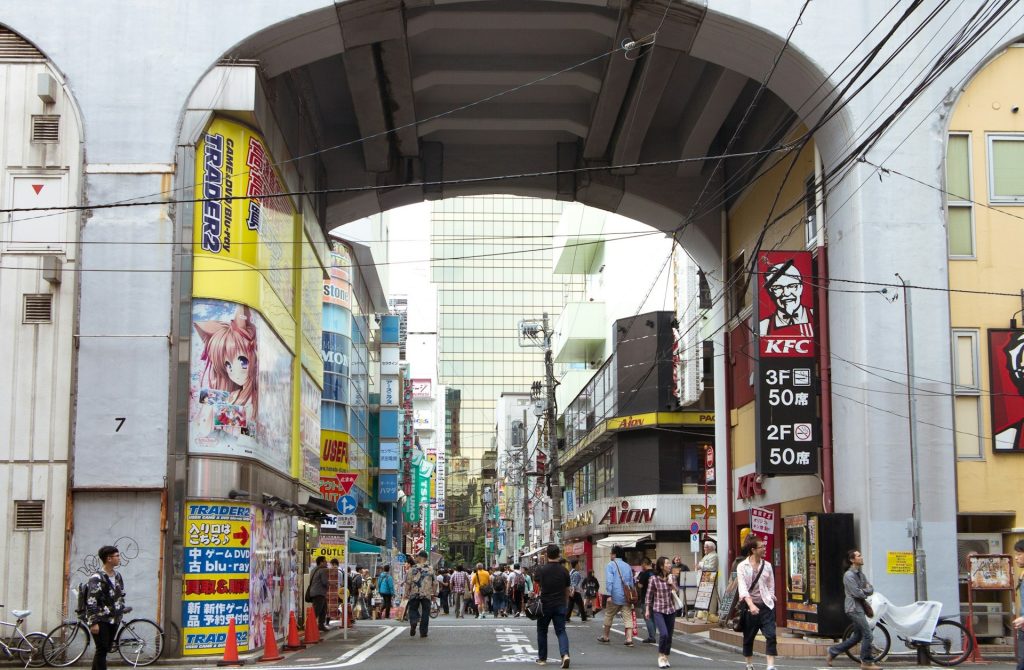
Tokyo can feel effortless on a short stay, then demanding once it becomes home. The pace is fast, rules are detailed, and daily life depends on cues that are rarely explained, from quiet train etiquette to building procedures and strict recycling calendars. Apartment hunting can involve sizable deposits, guarantor requirements, and multiple fees, and small homes can feel tighter than expected. Even when workplaces are supportive, many expats describe social distance at first, plus forms at banks or clinics that still require careful translation. The city rewards consistency, but the learning curve can feel steep in the first months.
Paris, France

Paris looks familiar from films, yet many expats say the hardest adjustment is administrative, not romantic. Renting can require thick paper files, guarantors, and repeated viewings, and routine tasks can bottleneck around narrow office hours and slow replies. Language nuance matters on calls with landlords, schools, and utilities, where a small phrasing difference can change outcomes. High prices for small apartments, transit disruptions, and the slow work of finding a regular doctor can add pressure until a steady routine forms. The city can feel emotionally loud at first, and friendships often deepen only after repeated, unhurried time.
Dubai, United Arab Emirates
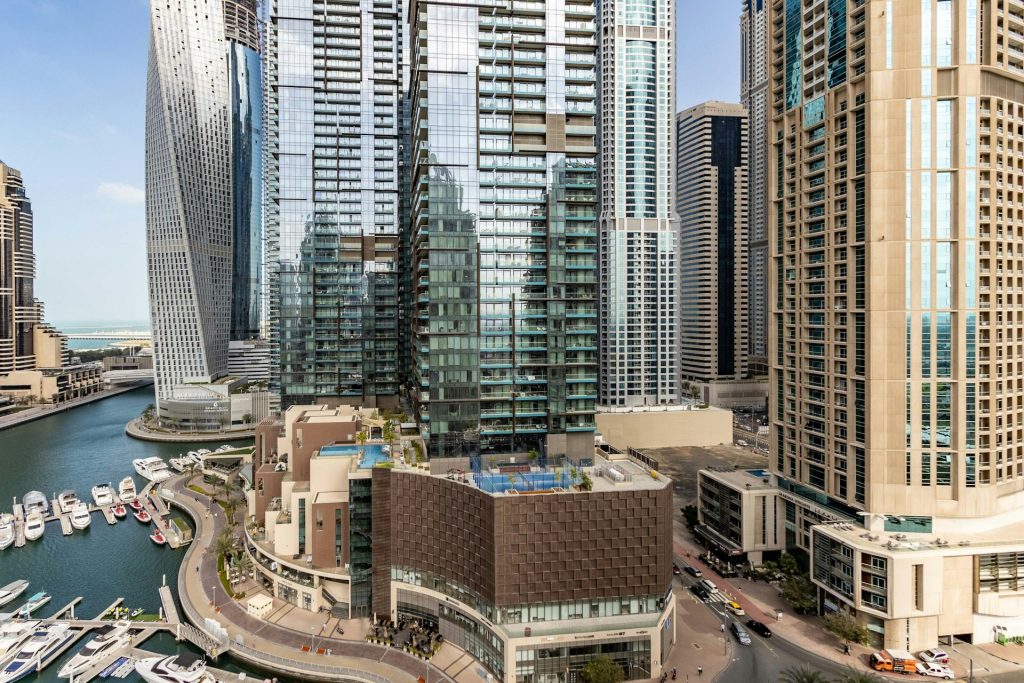
Dubai can feel simple at first, then complicated once life moves beyond hotels and short stays. Many expats are surprised by how segmented social life can be, with friendships clustered by industry, nationality, and neighborhood. Visa and sponsorship rules shape job changes, banking, and schooling timelines, so planning tends to revolve around documents and deadlines. Summer heat limits outdoor life for months, pushing routines indoors and car-heavy, which can raise costs. Adjustment often improves after joining hobby groups, community clubs, or workplace circles that stay consistent. The city rewards structure.
Singapore
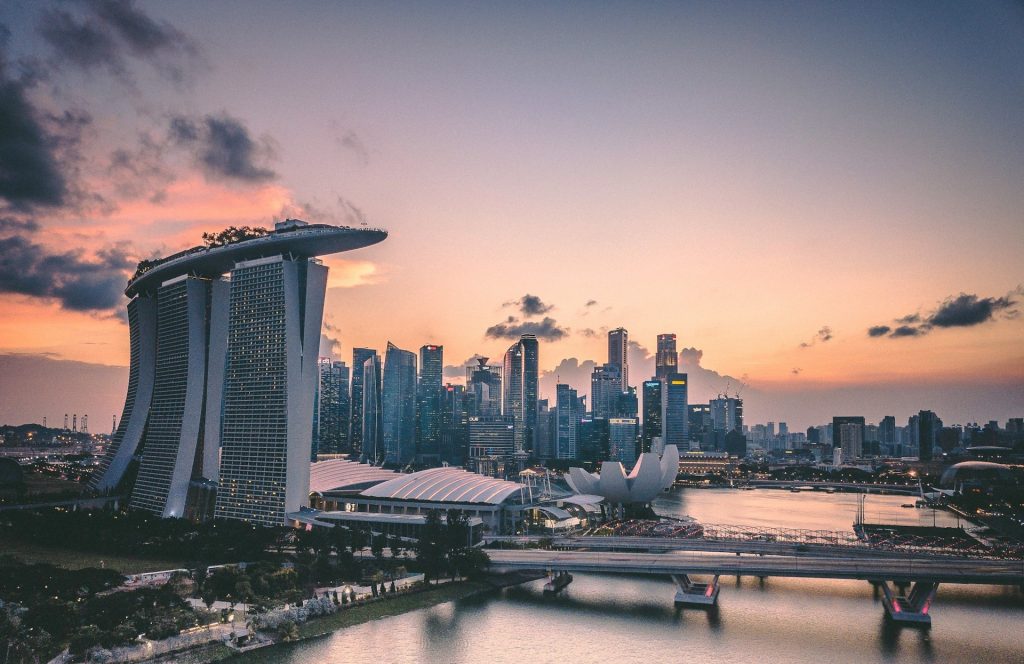
Singapore is famously organized, yet many expats say the adjustment is tougher than expected because the cost and pace arrive together. Rents can rise quickly, apartments can feel compact, and childcare and car ownership are expensive, while rules are clear and strictly enforced, so small mistakes feel costly. The climate is constant humidity, and workdays can run long, which compresses social time. Friendships often develop slowly unless newcomers commit to clubs, volunteering, or parent networks and keep showing up week after week. Even casual conversation can feel careful until local slang, tone, and expectations become familiar.
Hong Kong
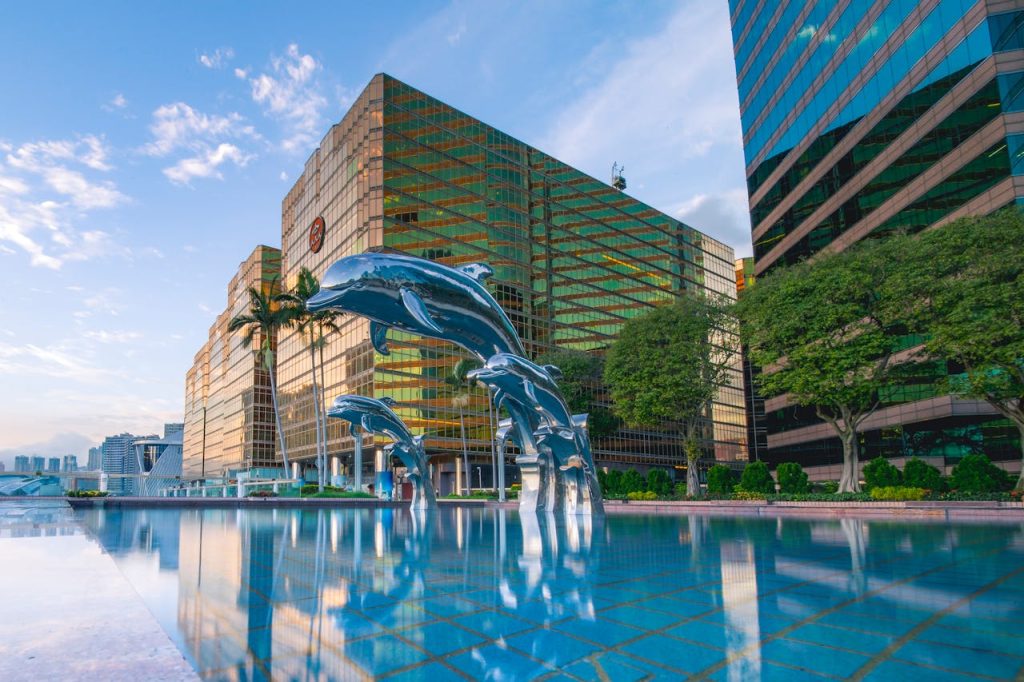
Hong Kong can be exhilarating, but the density can wear down newcomers faster than expected. Apartments are small and expensive, deposits and agency fees can be steep, and the pressure to live near work tightens budgets immediately. Elevator waits, street noise, and tiny kitchens can make home feel like a temporary stop rather than a refuge. Even when English is common, leases, school paperwork, and clinic visits still bring language edges. Humid summers and constant crowds mean downtime has to be protected, not assumed. Many expats also mention frequent moves as rents change, which makes community harder to keep stable.
Zurich, Switzerland
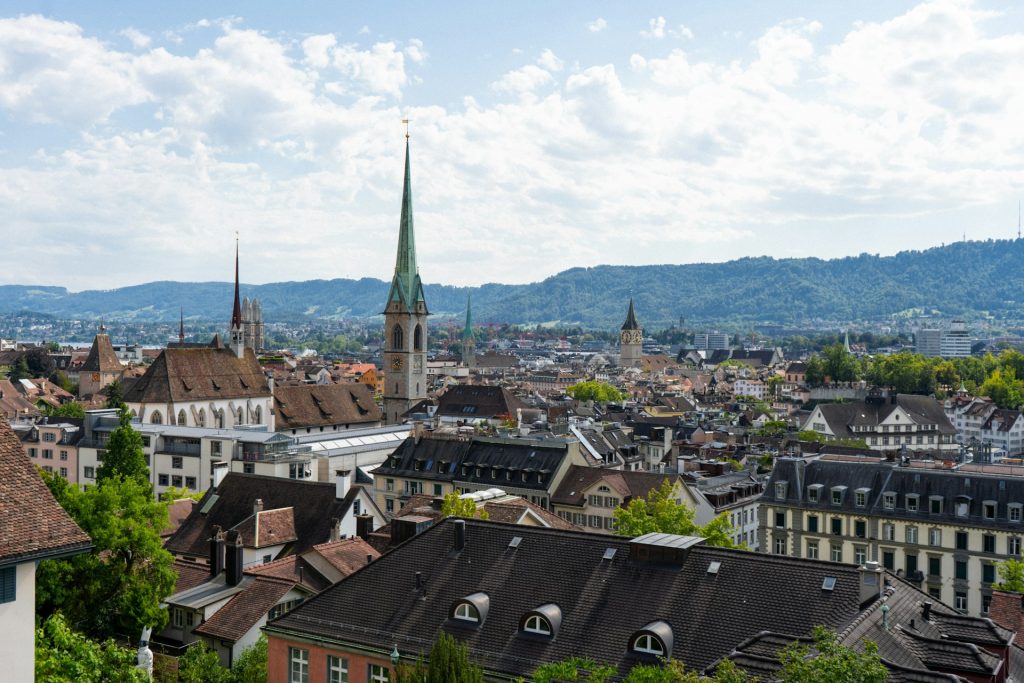
Zurich is safe and efficient, yet expats often underestimate how expensive ordinary life can be. Health insurance premiums, childcare, dining, and basic services run high, and the apartment market is competitive, with careful applications and strict building rules. Social norms can read as reserved, so friendships may form slowly even when colleagues are kind. German helps with landlords, schools, and local services, and without it, small tasks can feel heavier than expected. Over time, many say the city opens up, but it rewards patience and planning. Early shop closures and quiet Sundays can also surprise those used to flexible hours.
Stockholm, Sweden
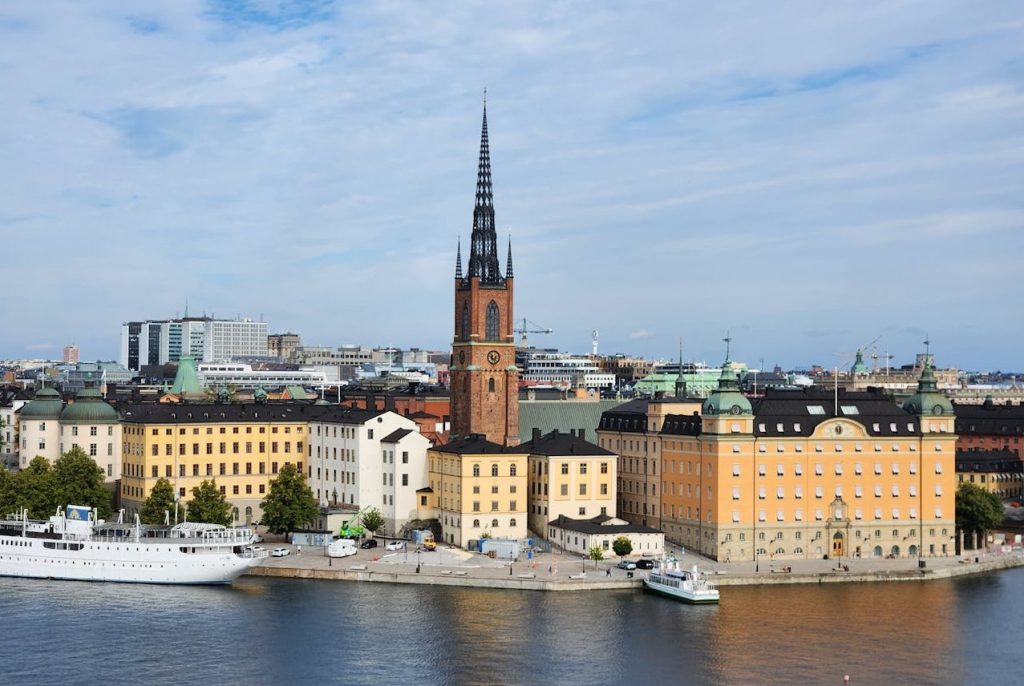
Stockholm’s quality of life is real, but many expats struggle with the social and seasonal adjustment. Winters bring long darkness and icy streets, and the shift from bright summer evenings to midwinter afternoons can feel abrupt. Social circles can be private, so friendships often require repeated invitations and time, not quick charm. Even with strong digital services, housing queues, leases, and local norms still demand guidance. Many say the city feels easier after finding a regular group through sports clubs, language classes, or workmates who meet outside the office. The first winter is the hardest.
Berlin, Germany
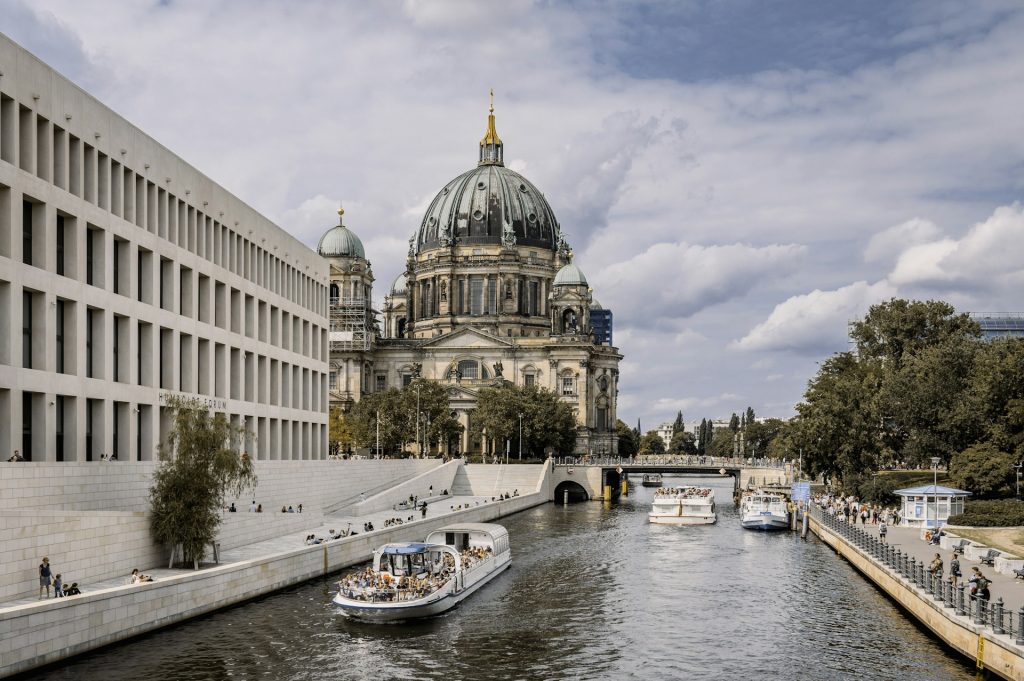
Berlin feels relaxed and creative, yet many expats say the toughest adjustment is the bureaucracy behind the vibe. Registration appointments, mail-based systems, and exact paperwork can turn simple milestones into hurdles, especially without German. Housing is another shock: fierce competition, long searches, and occasional scams push newcomers into temporary rooms for months. The city’s direct communication style can feel sharp at first, and frequent address changes complicate banking and contracts. Once routines settle and a neighborhood circle forms, Berlin becomes gentler, but the early months can feel like constant admin.
Seoul, South Korea
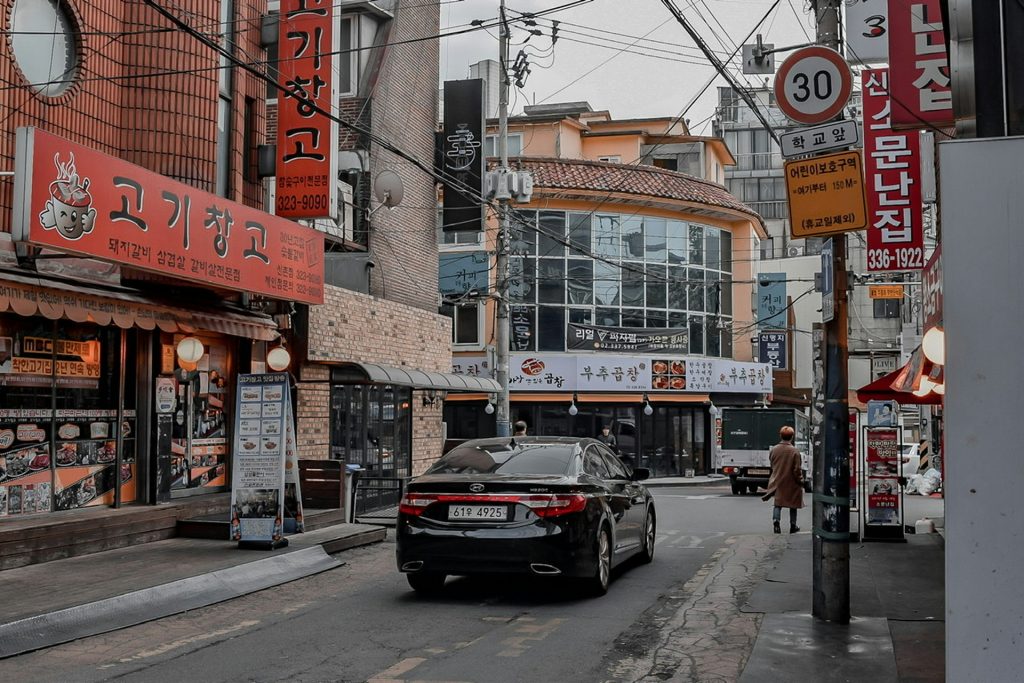
Seoul can feel electrifying, but adjustment can be tougher than expected because everything moves fast and runs on context. Korean is essential for many everyday tasks, and even with translation apps, contracts, clinic forms, and bank steps can be stressful. Housing can involve large deposits through jeonse or high monthly rents, and buildings often have strict rules about trash and deliveries. Work culture can be hierarchical in some sectors, with after-hours dinners shaping relationships. Many expats say life clicks only after finding a stable routine, learning practical phrases, and building a circle outside work.
Milan, Italy
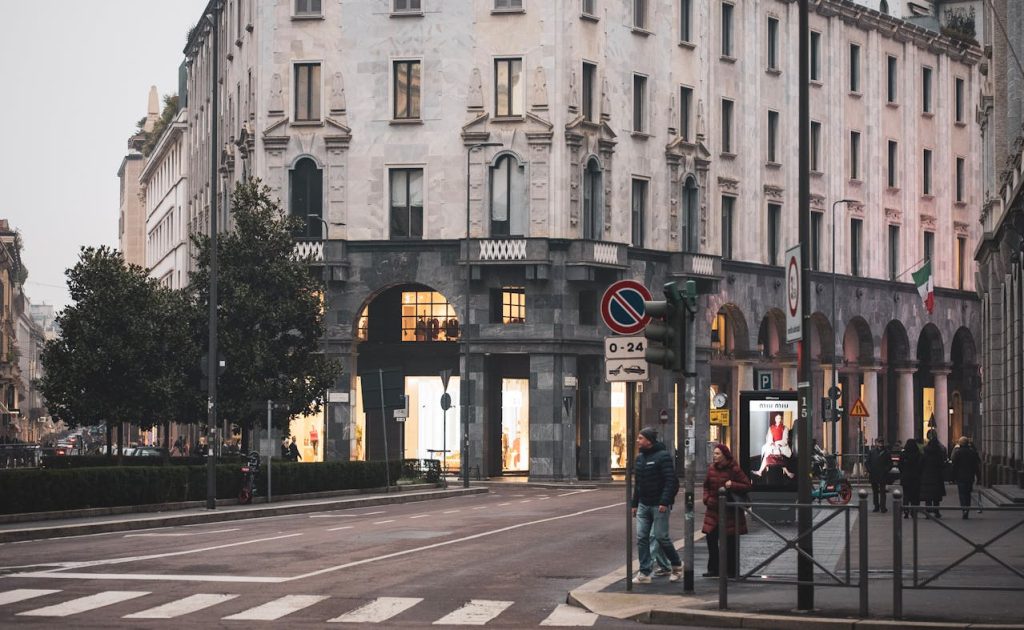
Milan is stylish and well connected, yet many expats say the everyday setup is harder than expected. Renting can require multiple documents, upfront payments, and patient negotiation, while utilities and residency paperwork can involve long waits and inconsistent information. Wages in some fields do not match housing costs, so budgets tighten quickly for those without relocation support. Social life can feel closed at first, with friendships built through repeated dinners and introductions, not quick small talk. Once Italian improves and routines settle, the city feels warmer, but the first months can be draining.
Mumbai, India
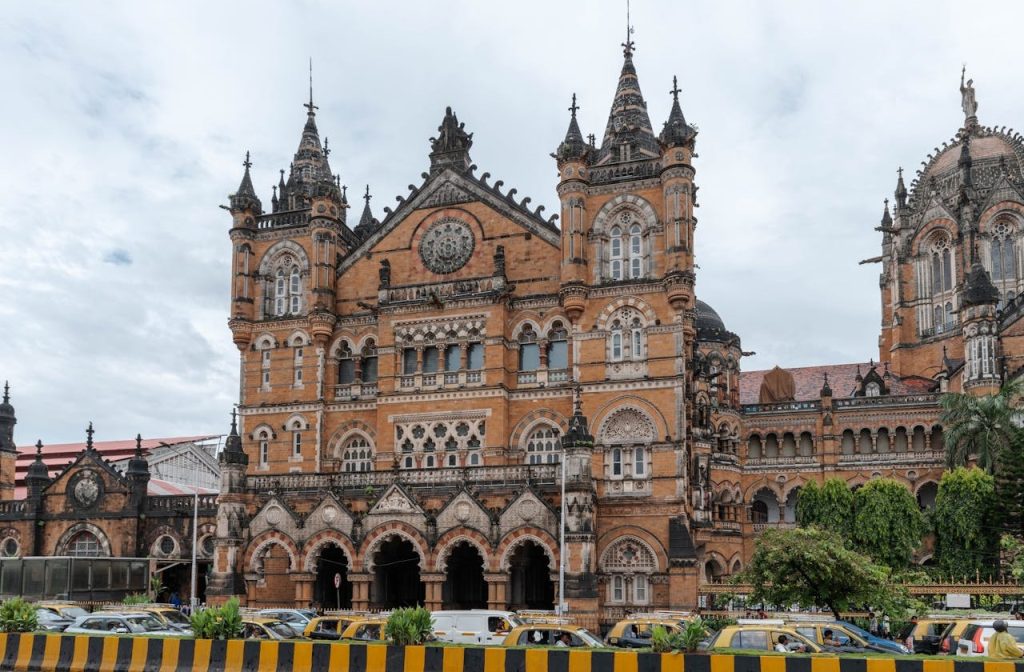
Mumbai can seem straightforward in guides, then overwhelming in daily reality. The city is intense, with crowds, noise, and traffic that stretch short distances into long commutes, and monsoon season can disrupt plans for weeks. Finding housing often involves broker networks, high deposits, and buildings with strict rules, while reliable utilities and internet depend on neighborhood and backup systems. Social life can be vibrant, yet it often runs on local connections and family networks that take time to enter. Many expats adjust best after choosing a smaller radius, building routines, and treating convenience as a real budget line.
São Paulo, Brazil
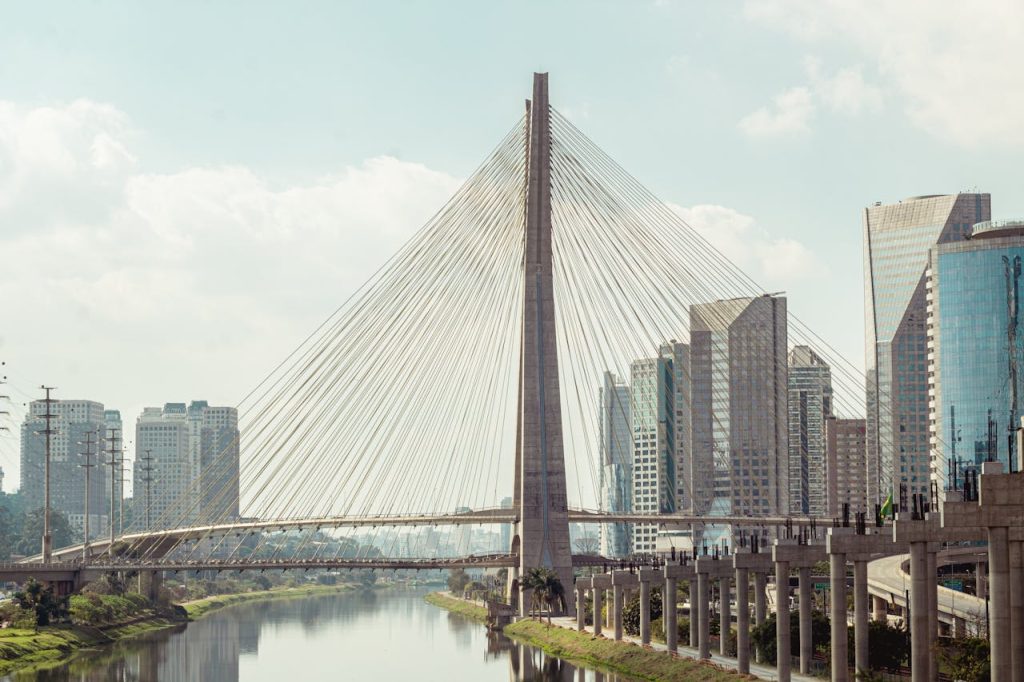
São Paulo is often described as Brazil’s opportunity capital, yet many expats say it takes longer to feel settled than expected. The city’s scale is enormous, so commutes can dominate the day, and neighborhood choice affects everything from grocery options to social life. Portuguese matters more than newcomers assume, especially for leases, repairs, and medical appointments, and bureaucracy can involve repeated visits and stamps. High-end districts can be expensive, while cheaper areas can mean longer travel times. Adjustment improves once routines shrink to a few walkable anchors and a trusted local network forms.