12 Cities That Feel Emptier — and More Unsettling — in Winter
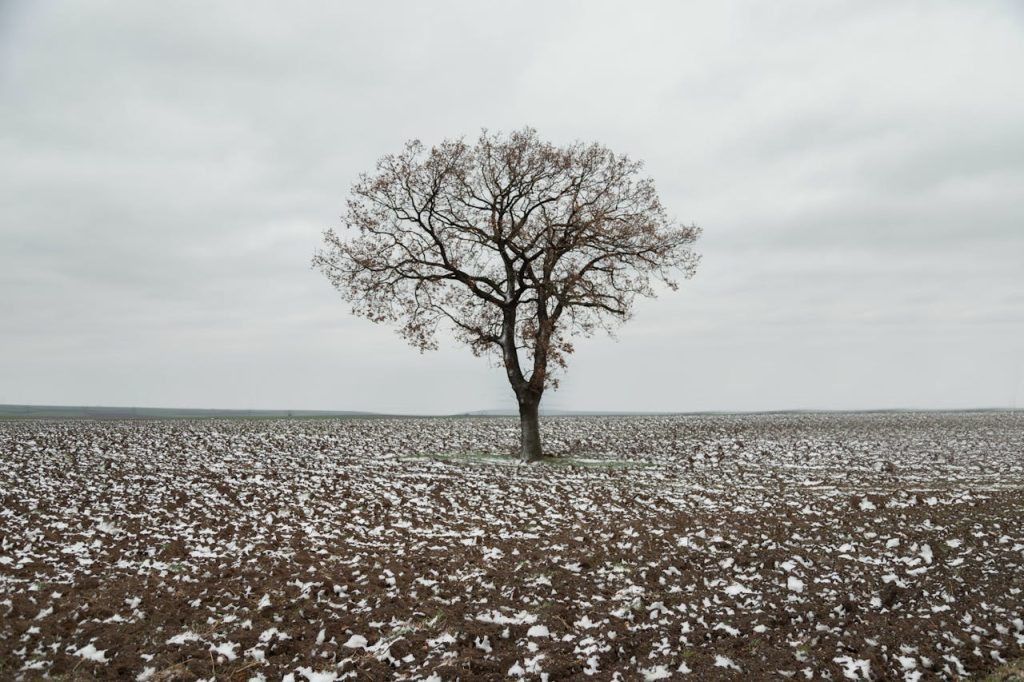
Winter can change a city’s tempo in ways that feel surprisingly tangible, especially when tourism slows and daylight fades earlier. Streets that stay lively in summer may quiet down after dinner, and waterfronts, outdoor markets, and seasonal attractions often shift hours or pause operations. Cold temperatures and weather also nudge residents indoors, concentrating activity in a smaller set of neighborhoods and venues. None of this makes a city less interesting, but it does reshape what feels “open” and how far a day stretches. These twelve cities stand out for winter calm driven by visitor cycles, climate, and shorter evenings, especially when midweek schedules shrink and outdoor festivals pause until spring.
Bar Harbor, Maine
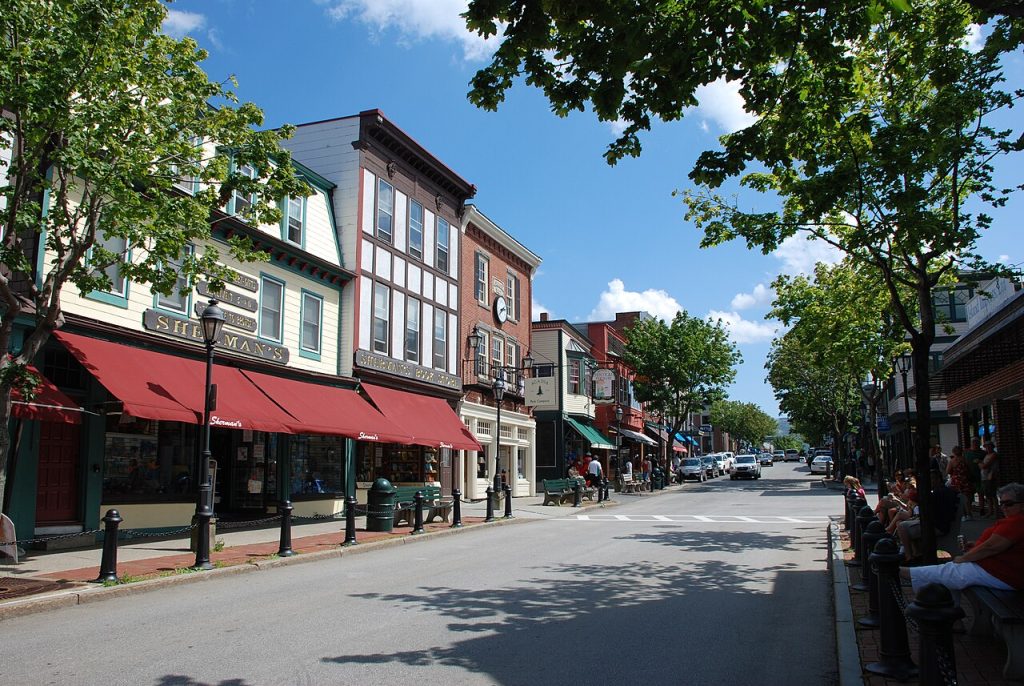
Bar Harbor leans heavily on warm-weather visitors headed for Acadia National Park, so winter often brings a pronounced slowdown. Many seasonal shops and some restaurants close or reduce hours, and foot traffic thins along the village streets near the waterfront. Short days and cold coastal winds can make evening strolls feel brief, encouraging earlier dinners and more time indoors. Acadia remains a draw, but winter conditions and limited services change how people explore, with more emphasis on careful driving and layered clothing. The quieter rhythm can feel peaceful for travelers who enjoy off-season stillness and a pared-back, local pace, especially when sunrise comes late and coastal roads turn slick.
Mackinac Island, Michigan
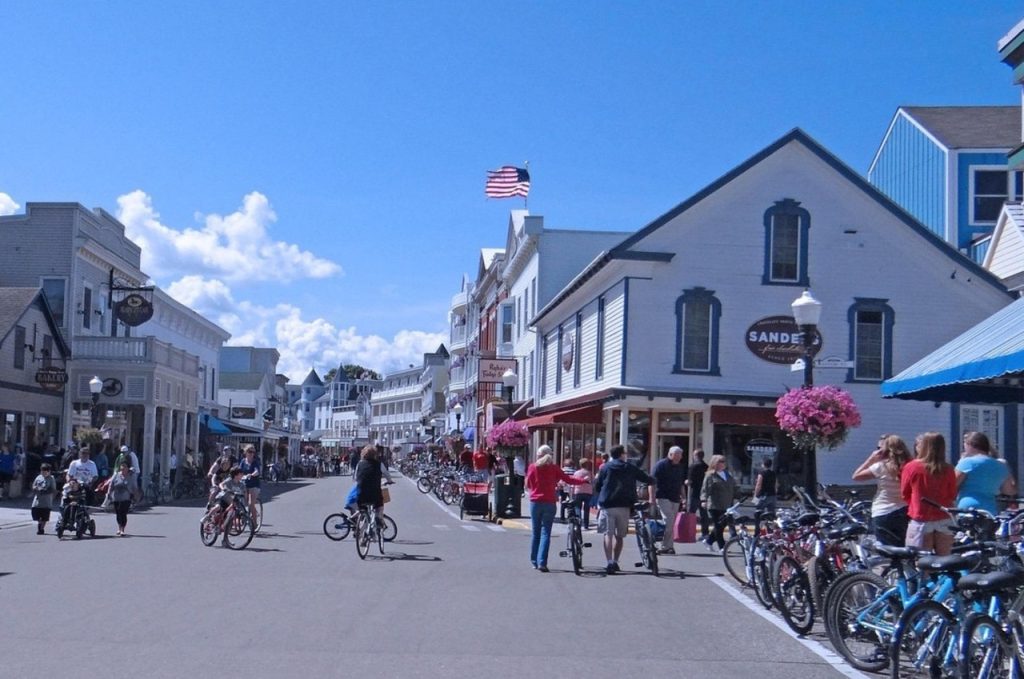
Mackinac Island becomes dramatically quieter in winter because ferries stop running and most seasonal businesses close after the fall. Access shifts to limited winter travel options, and the usual bustle of bikes and visitors disappears from the streets. The car-free setting feels especially still when cold weather settles in, and short daylight reduces the hours for outdoor exploring. Many hotels and restaurants operate seasonally, so choices narrow and planning matters more. For those who make the trip during winter events, the calm can feel distinctive, with open spaces and minimal crowds. The island’s winter pace highlights how closely its energy ties to the tourist season, especially when lake ice limits travel and services pause.
Cape May, New Jersey
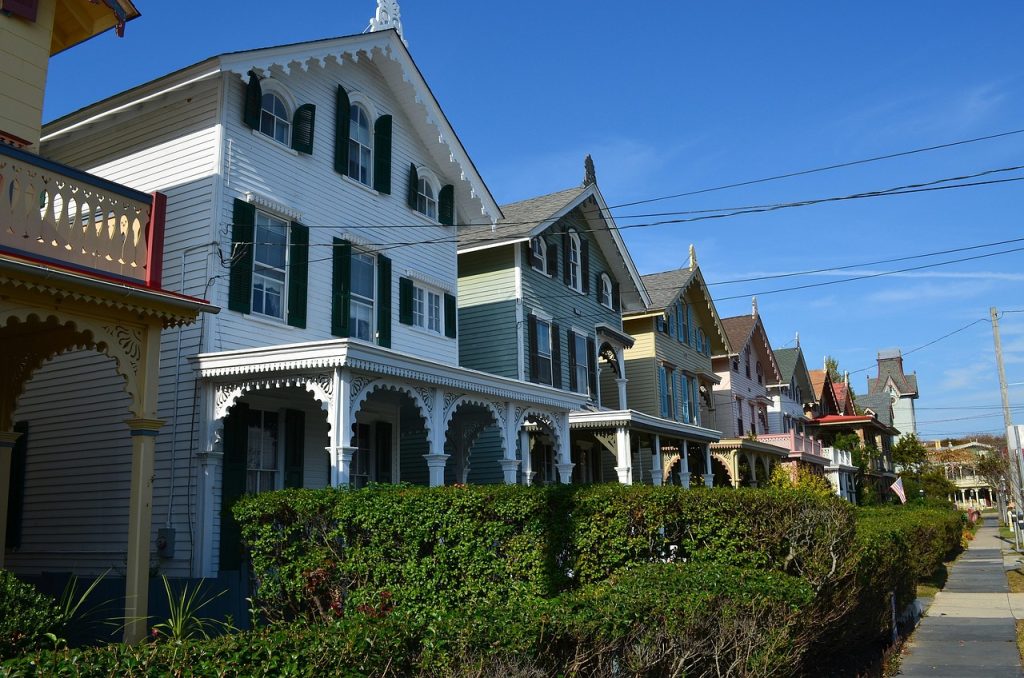
Cape May thrives during summer beach season, so winter often brings quieter streets, fewer visitors, and shorter operating hours. Many businesses remain open, yet the atmosphere shifts as beach days vanish and evening activity concentrates in a smaller set of spots. Cold ocean winds can make the promenade feel brisk and empty, especially after sunset arrives early. Seasonal tours and events may run on reduced schedules, and weekday dining options can shrink compared with peak months. The town’s Victorian charm still shows, but the off-season mood feels slower and more residential. A winter visit works best with flexible plans and a focus on indoor attractions, especially when shops close early and sidewalks stay quiet.
Galena, Illinois
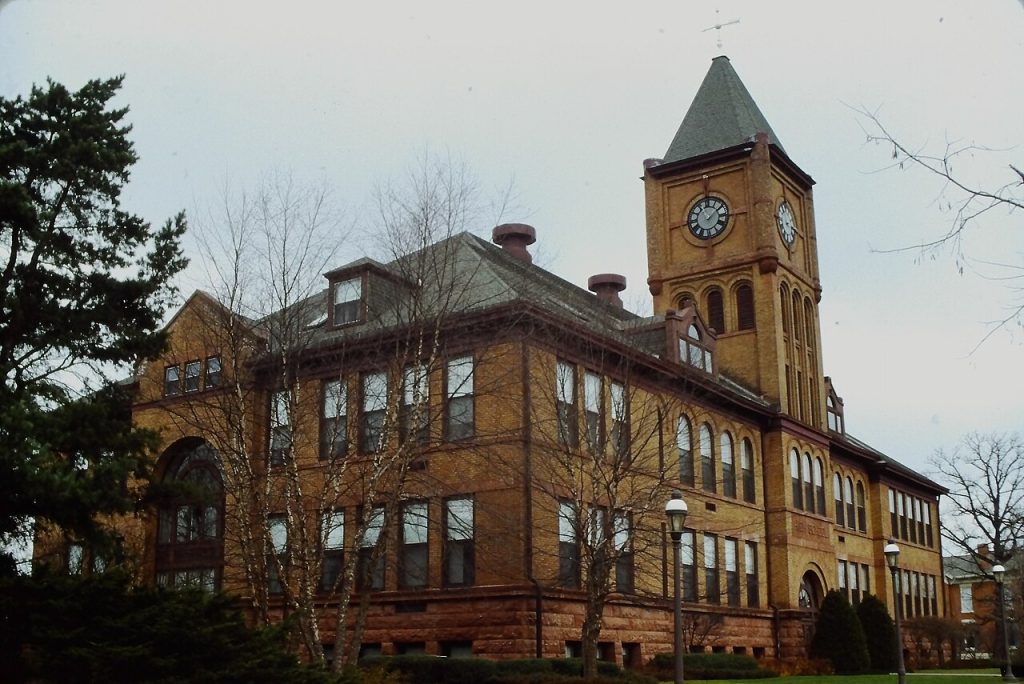
Galena draws many visitors for weekends and warmer-season touring, yet winter can make its historic main street feel quieter between events. Short daylight hours and cold temperatures pull activity indoors, so sidewalks can appear sparse during evenings. Some attractions and tours run limited schedules, and certain smaller shops may adjust hours after the holiday rush ends. Snow and ice can also affect driving into town and parking choices near the hilly downtown. The slower pace can feel cozy for travelers who enjoy cafés, local history, and a calm atmosphere. Winter planning helps, especially for lodging and dining times, since choices may be fewer on weekdays, especially when storms delay arrivals and restaurants close earlier.
Taos, New Mexico
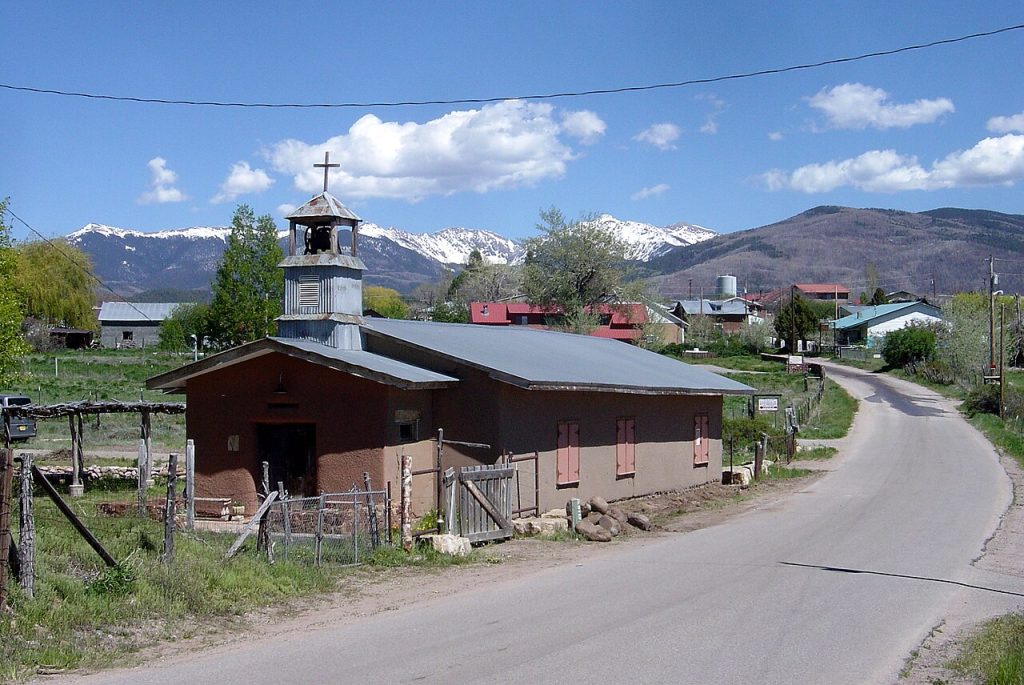
Taos can feel calmer in winter as tourism patterns shift and colder nights push street life toward indoor spaces. High-desert elevation brings chilly temperatures after sunset, and shorter days can make galleries and shops feel quieter outside peak weekends. Ski season at Taos Ski Valley draws visitors, but activity concentrates around resorts and specific corridors rather than spreading evenly through town. Some outdoor attractions become less comfortable during cold snaps, and road conditions can change quickly with snow. A winter trip often feels more focused, with time split between art spaces, warm meals, and carefully timed excursions. The result is a slower rhythm than during summer travel months.
Jackson, Wyoming
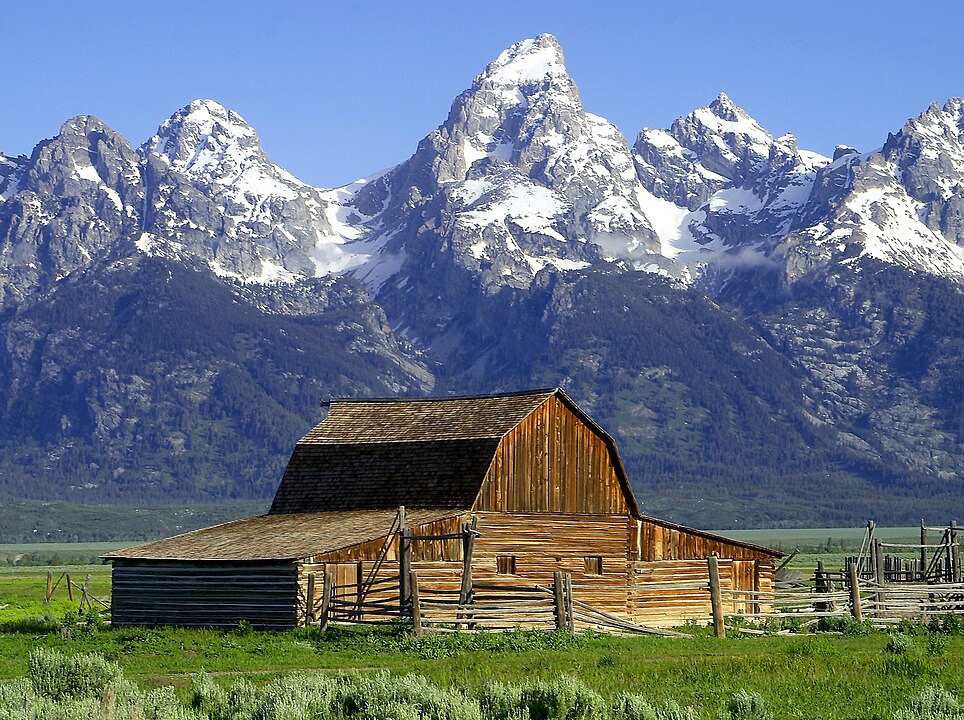
Jackson stays active in winter due to nearby ski areas, yet the town can feel emptier in certain pockets as activity concentrates around resorts and planned evenings. Short daylight brings earlier sunsets, and cold temperatures discourage casual wandering after dinner. Visitors often move between lodging, restaurants, and shuttle routes, leaving some streets quieter outside peak times. Weather can also affect flights and road access, which influences how crowded town feels on a given week. Some non-ski tours operate seasonally, narrowing options for daytime variety. Winter still offers plenty to do, but the rhythm can feel more contained and structured than in summer, especially when shuttle schedules tighten and sidewalks clear after dark.
Savannah, Georgia
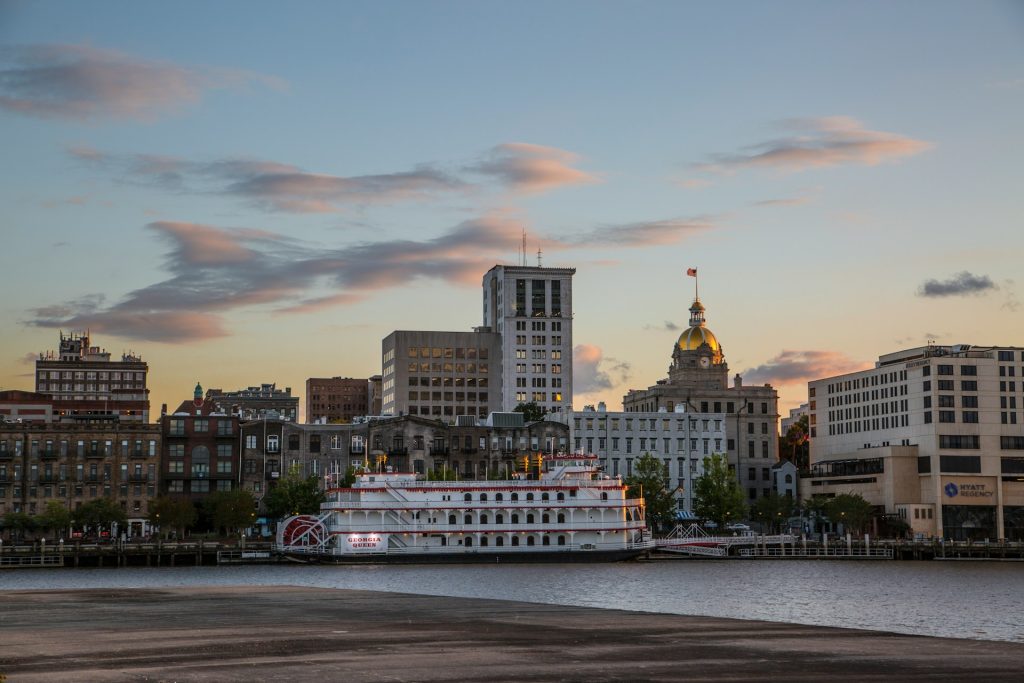
Savannah in winter often feels quieter because the heavy summer visitor flow eases and early nights change how people move through historic squares. Mild temperatures can still support walking, yet shorter daylight can compress sightseeing into earlier hours, making evenings calmer on weeknights. Some seasonal tours and waterfront activities adjust schedules after the holidays, and crowds around popular photo spots thin out. Outdoor dining may feel less lively when cool breezes roll in, nudging activity indoors. The city remains charming, but the pace becomes more relaxed and local. A winter visit often rewards those who enjoy museums, cozy meals, and unhurried neighborhood strolls, especially when weekday patios empty and tours end earlier.
Charleston, South Carolina
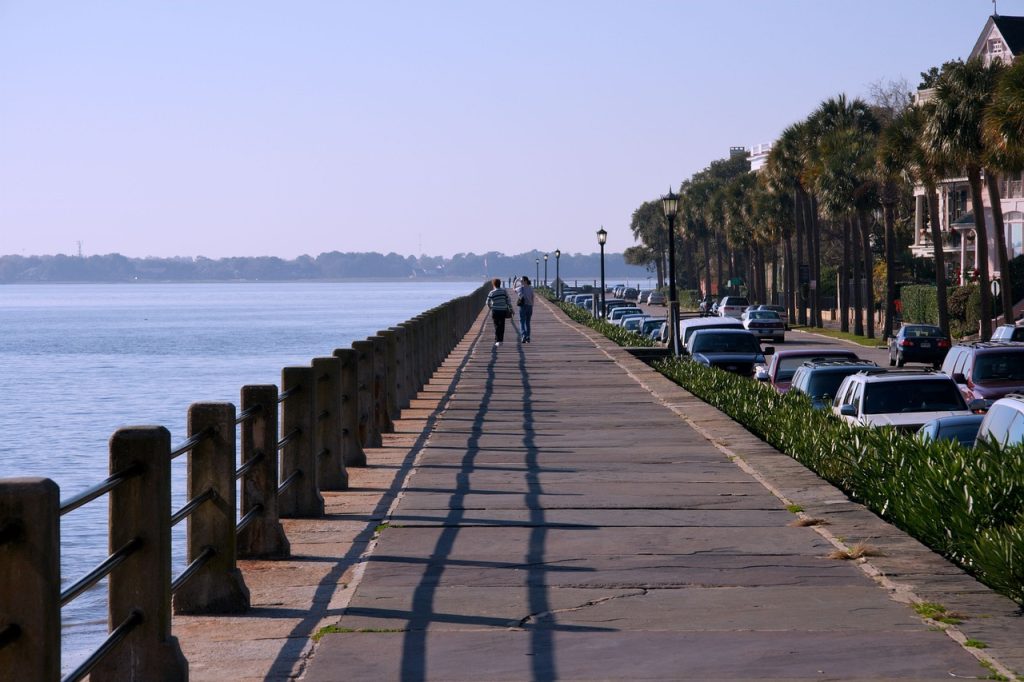
Charleston can feel noticeably quieter in winter as peak tourism fades and cooler evenings bring earlier returns indoors. The historic district remains walkable, yet the buzz around patios, harbor cruises, and late-night strolling softens once temperatures drop. Some tours and seasonal experiences adjust hours after the holidays, and weekday streets can feel calmer than in spring or summer. Short daylight also shifts sightseeing earlier, which can make evenings feel subdued outside restaurant hubs. The slower pace highlights architecture and neighborhood texture without big crowds. Planning around reduced schedules helps, especially for reservations, carriage tours, and waterfront activities that may run less frequently.
Key West, Florida
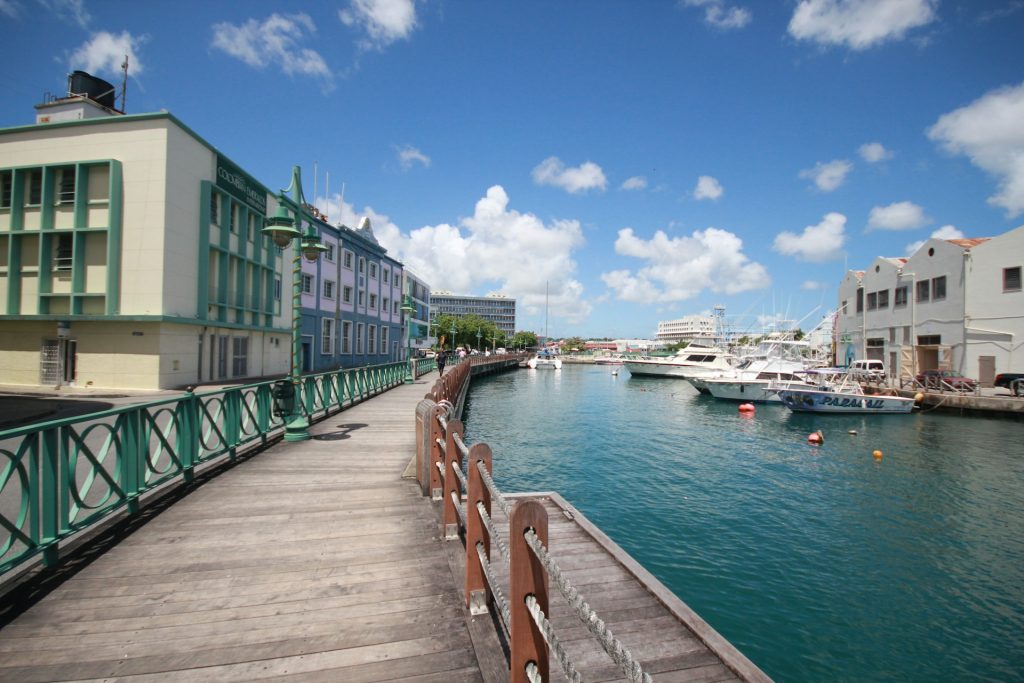
Key West stays popular year-round, yet it can still feel quieter in winter compared with peak holiday surges and spring-break energy. Early sunsets change how long outdoor plans feel comfortable, and cooler evenings can shift nightlife toward a smaller cluster of busy streets. Water activities depend on wind and sea conditions, and winter breezes can reduce the number of boat trips that run on a given day. Some visitors also stick to organized tours, which concentrates crowds into predictable windows. The island remains lively, but the rhythm can feel more structured and less spontaneous. A winter stay often benefits from daytime planning and flexible expectations for the water, especially when evening winds rise and docks quiet down.
Santa Fe, New Mexico
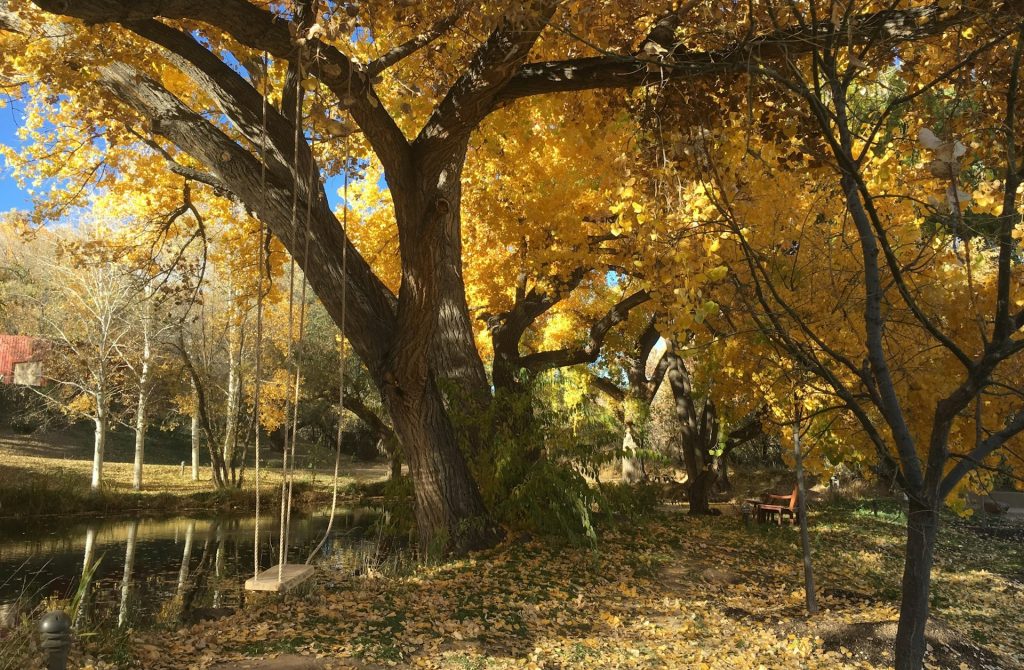
Santa Fe often feels calmer in winter as tourist crowds thin and cold nights settle in quickly at its high elevation. Short daylight pushes browsing and gallery visits into earlier hours, leaving evenings quieter outside a few restaurant districts. Snow can arrive, and that can slow travel on nearby highways and change the comfort level for outdoor wandering. Some seasonal programming continues, yet schedules may shift after holiday events end. The city still offers strong museum and dining options, but the pace feels more intimate and local. Winter visitors often enjoy the quieter plazas, warm interiors, and a slower cadence that highlights art and history, especially when weekday streets stay quiet and galleries close earlier than usual.
Sedona, Arizona
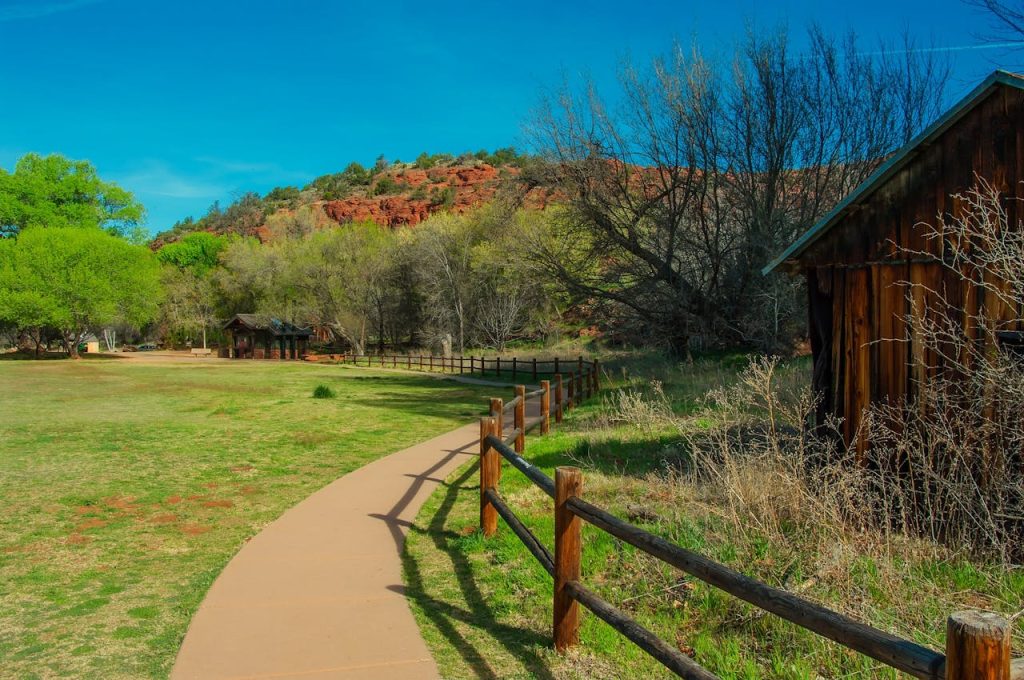
Sedona draws visitors year-round, yet winter can make the red rock landscape feel quieter as daylight shortens and cooler temperatures change hiking routines. Trails remain accessible much of the season, but mornings can be cold, and occasional snow or ice can affect higher elevations and shaded paths. After sunset, outdoor activity drops quickly, and the town’s energy concentrates into restaurants and a few indoor venues. Some tours reduce frequency outside peak periods, and that can make scheduling more important. The result is a calmer feel than spring’s busy season. Winter visits often work best with midday hikes, layered clothing, and early dinner plans, especially when sunsets arrive fast and temperatures drop sharply after dusk.
Nantucket, Massachusetts
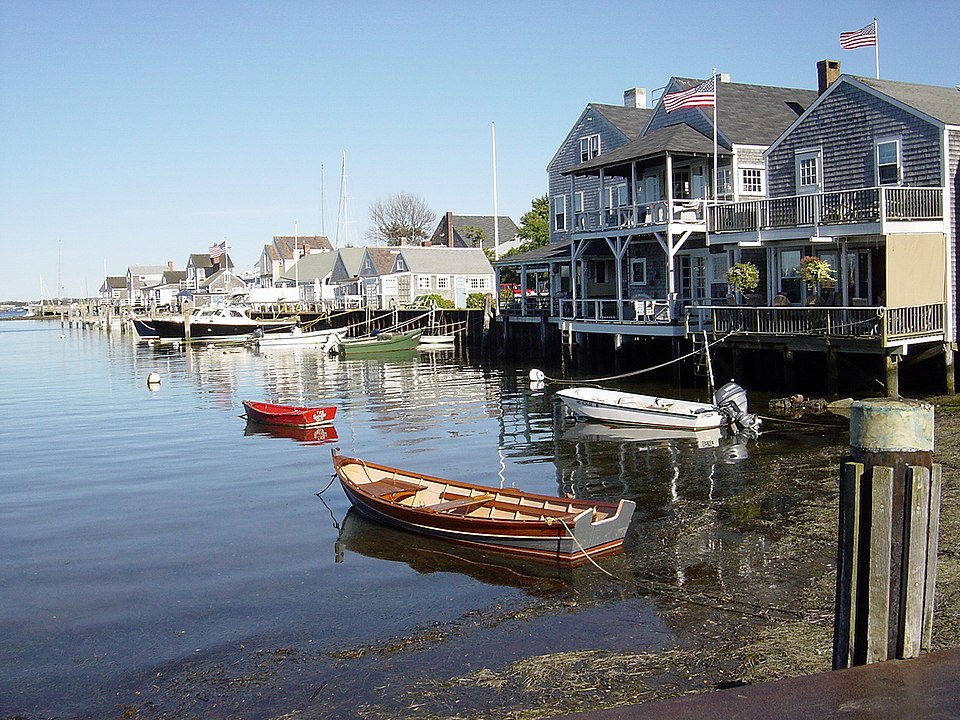
Nantucket, Massachusetts feels markedly quieter in winter because ferry schedules thin, flights run less frequently, and many seasonal businesses scale back after fall. The island’s summer crowds vanish, leaving streets calmer and beaches nearly empty. Short daylight and cold Atlantic winds discourage long evening walks, and dining options can narrow to a smaller set of year-round spots. Some attractions and shops close entirely until spring, which shifts the experience toward simple routines and local life. Weather can also delay crossings, making flexibility useful. A winter visit suits travelers who enjoy stillness, coastal scenery, and a slower pace that highlights the island’s off-season character.