12 Cities That Ruined Their Downtowns Trying to Attract Tourists
Downtown revitalization projects often aim to attract visitors, support local businesses, and breathe new life into aging urban centers. Yet even well-intentioned plans sometimes stir strong reactions when residents feel the changes prioritize tourism, overlook community needs, or shift the character of neighborhoods. These redevelopment efforts often involve major investments, new zoning decisions, and reimagined public spaces, all unfolding under close public scrutiny. As cities attempt to balance modern amenities with historic identity, disagreements naturally arise about which priorities deserve the most attention. Local concerns range from affordability and accessibility to infrastructure changes and business displacement, reflecting how deeply communities value their central districts. By examining places where redevelopment faced notable criticism, travelers and residents alike gain insight into the complex relationship between economic ambition and local expectations, as well as the importance of thoughtful urban planning in shaping a city’s long-term future.
Seattle, Washington
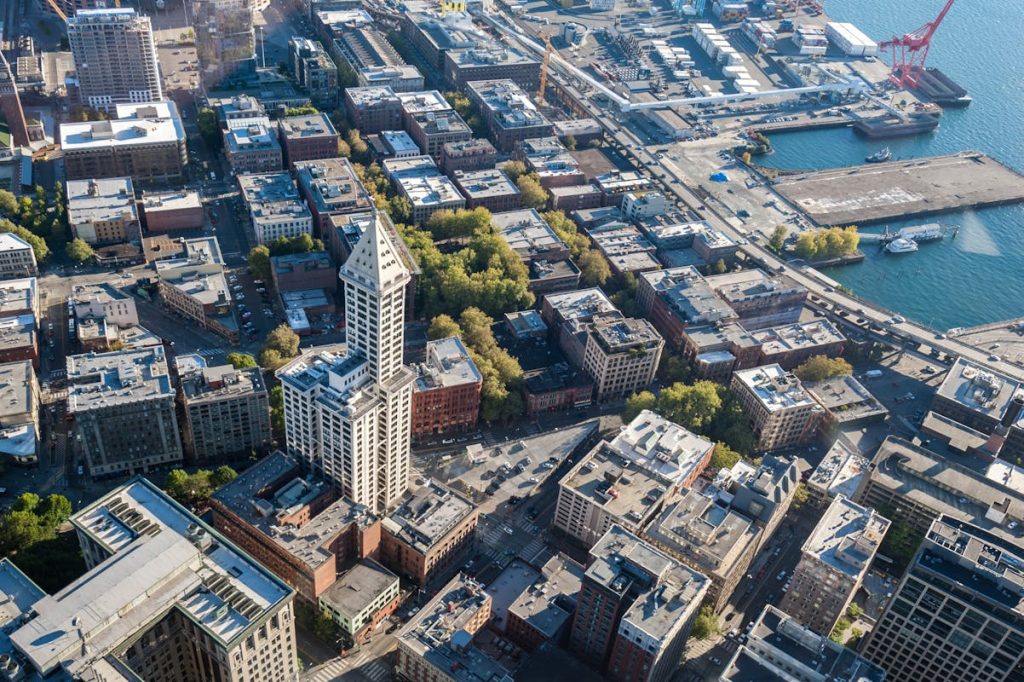
Seattle’s downtown redevelopment plans have faced sustained criticism from residents concerned about affordability, accessibility, and the balance between tourism and community needs. Efforts to revitalize key areas, including Pike Pine and the waterfront, brought major construction projects and shifting traffic patterns that some locals felt prioritized visitors over longtime residents. Businesses struggled during extended construction phases, and many expressed worry about rising commercial rents tied to redevelopment. Critics also raised concerns about the loss of historic character in certain blocks as modern design elements replaced familiar landmarks. While the city aimed to attract investment and boost walkability, the process highlighted tensions between preserving neighborhood identity and pursuing large-scale urban transformation.
Austin, Texas
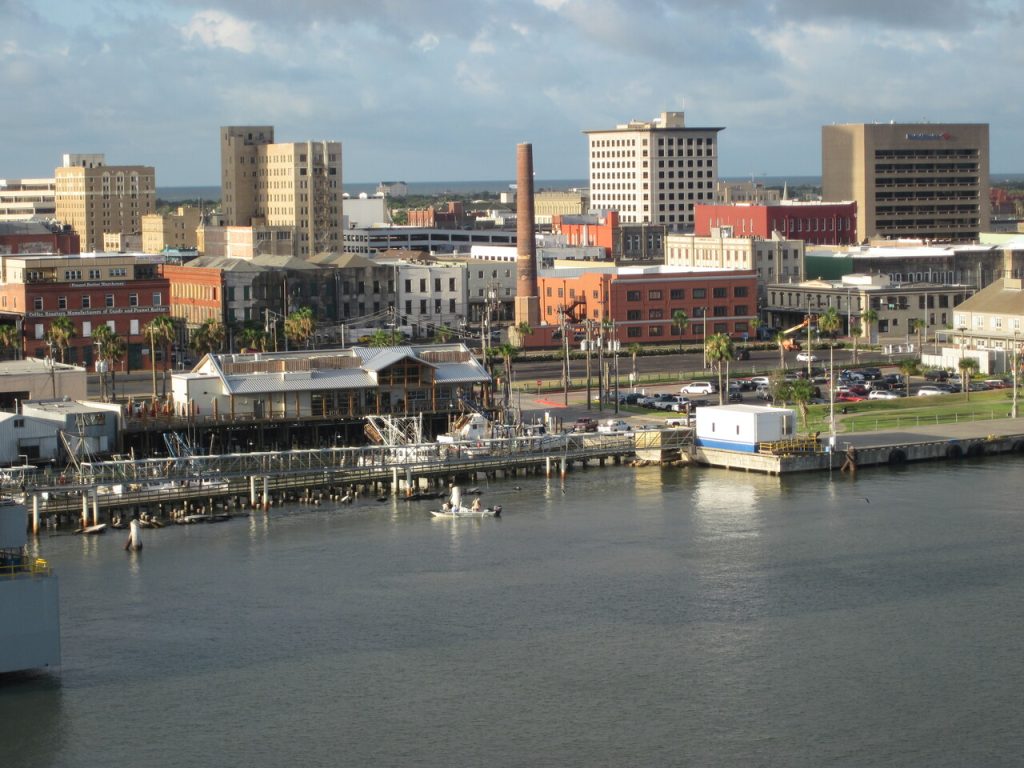
Austin’s rapid downtown development has sparked debate as the city expands tourism infrastructure amid a fast-growing population. Locals have expressed concerns about tall luxury hotels, rising rental costs, and increased congestion in the central business district. Redevelopment near entertainment corridors such as Sixth Street intensified conversations about safety, public space management, and the balance between nightlife and residential comfort. Many longtime residents feel that the pace of construction and influx of visitors strain local resources while altering the cultural identity that once defined downtown. Although the city promotes walkable districts and improved amenities, the transformation continues to draw mixed reactions from those who question whether redevelopment aligns with Austin’s community-focused values.
Denver, Colorado
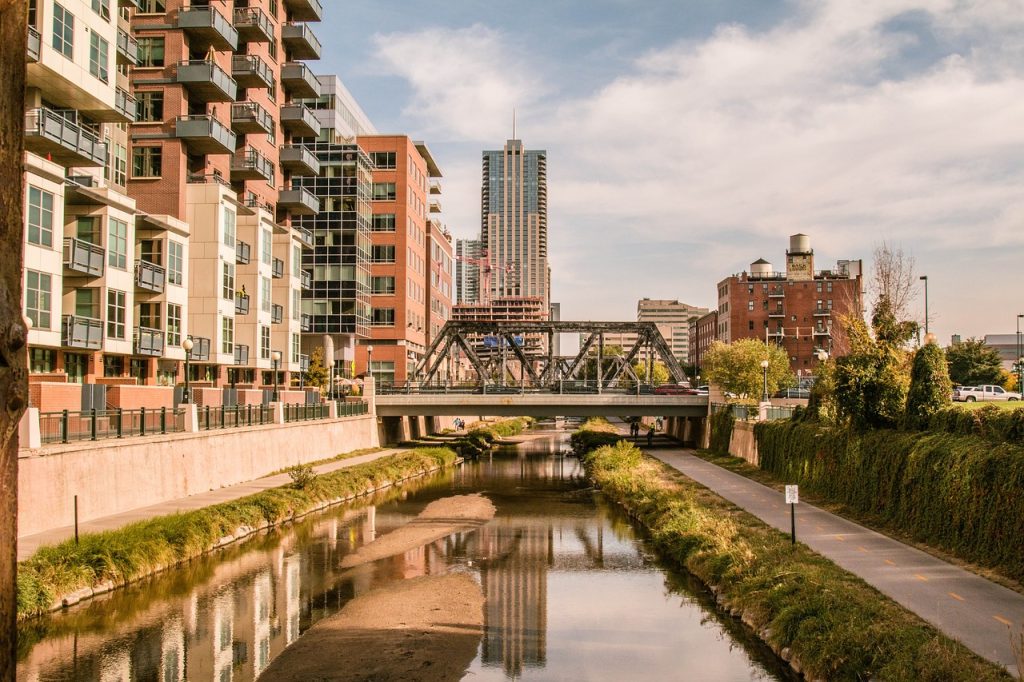
Denver’s downtown redevelopment efforts, including major upgrades around Union Station and adjacent neighborhoods, have received praise for modernizing infrastructure yet also generated criticism related to rising costs and displacement. Residents voiced concerns about luxury housing developments pushing out long-established communities, while others questioned whether the emphasis on tourism-driven amenities overshadowed everyday local needs. Increased commercial rent affected small businesses trying to maintain a foothold in revitalized areas. Some critics argued that pedestrian-friendly enhancements and public art installations, though attractive, arrived alongside escalating living expenses. These debates reveal the challenge of balancing economic growth with inclusive development that supports residents across varied income levels.
Nashville, Tennessee
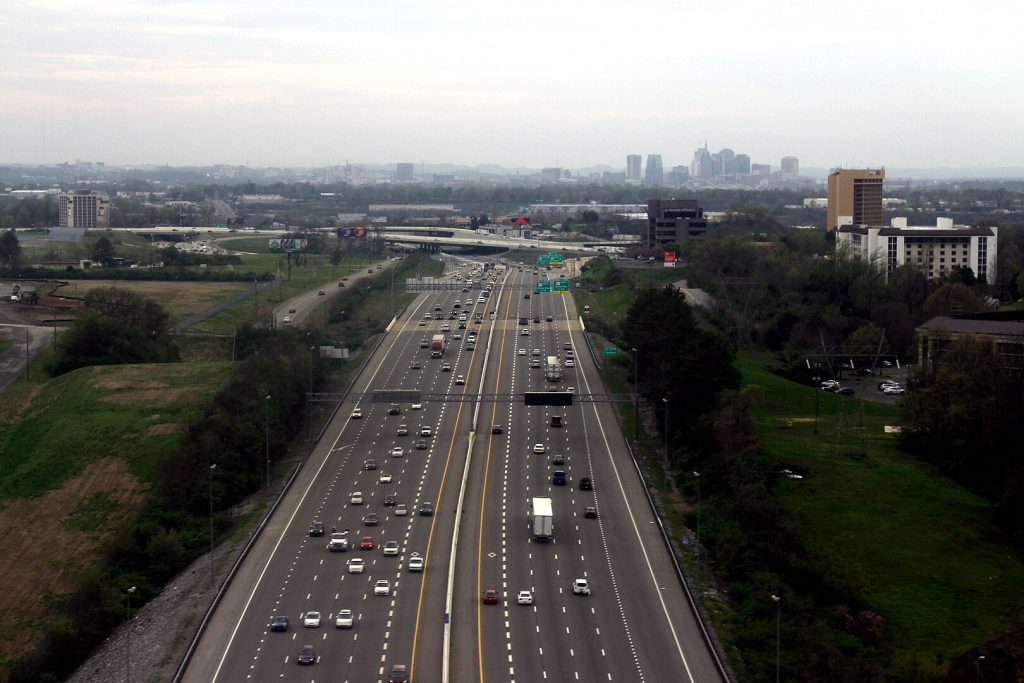
Nashville’s booming tourism attracted major downtown redevelopment, particularly around Lower Broadway and the riverfront, but the changes prompted strong pushback from locals who felt the area shifted too heavily toward visitors. Crowded streets, rising commercial property values, and a proliferation of bars and themed venues altered the character of a once community-oriented downtown. Some residents argued that the focus on entertainment overshadowed public infrastructure needs such as transit and housing. Businesses unrelated to tourism found it increasingly difficult to remain in the district, leading to concerns about economic overreliance on hospitality. Nashville’s experience highlights the challenge of maintaining everyday livability while supporting a tourism industry that continues to expand rapidly.
New Orleans, Louisiana
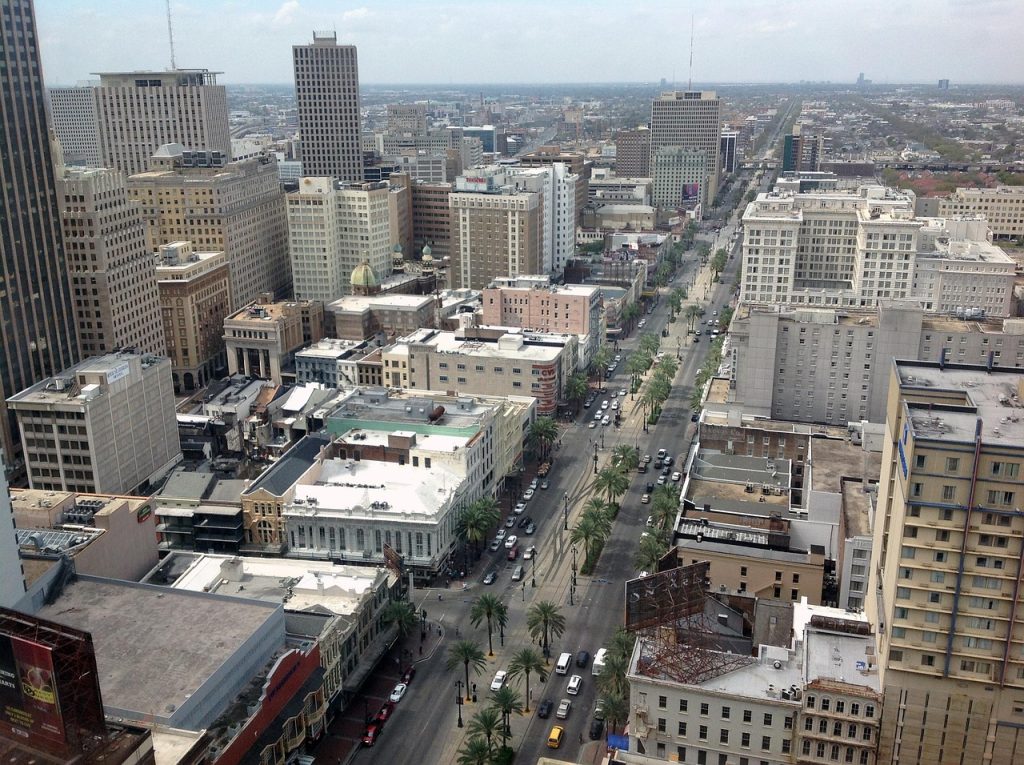
New Orleans often navigates complex redevelopment debates due to its unique cultural heritage and history of community resilience. Downtown projects, including updates to the riverfront and warehouse districts, drew criticism from residents who felt that tourism-driven priorities overshadowed neighborhood needs. Some locals expressed concern about rising rents, increased commercialization, and the potential loss of historic character that defines the city’s identity. Others noted that redevelopment efforts did not always address long-standing infrastructure challenges. While improvements attracted travelers and boosted business in some areas, the pushback highlighted the importance of protecting cultural authenticity and ensuring that revitalization benefits long-term residents alongside visitors.
Miami, Florida
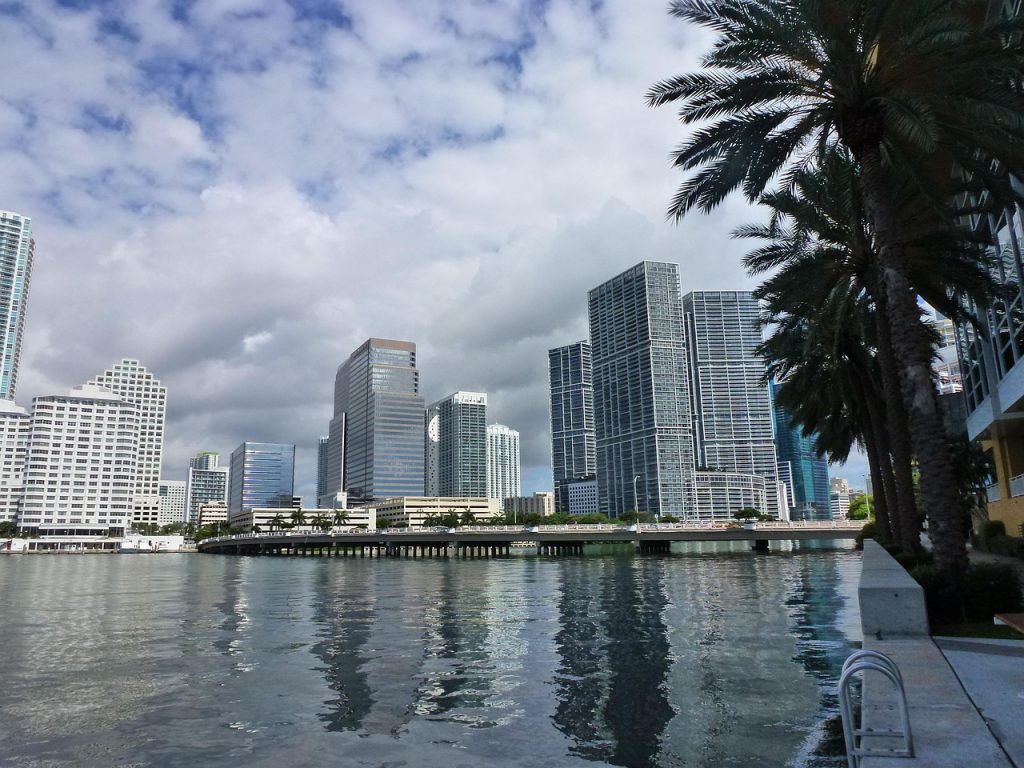
Miami’s downtown redevelopment accelerated as the city invested in new entertainment districts, luxury residences, and large-scale infrastructure projects designed to attract tourism and international interest. However, many residents voiced concerns about rising housing costs, increased traffic congestion, and limited attention to long-term community needs. Critics argued that expansive commercial developments did not always align with Miami’s existing neighborhoods or historic architecture. Flood mitigation and climate resilience also became central topics in the conversation, as redevelopment often intersected with environmental risk zones. The mix of rapid growth and tourism-focused planning created ongoing tensions about the future character of Miami’s urban core.
Portland, Oregon
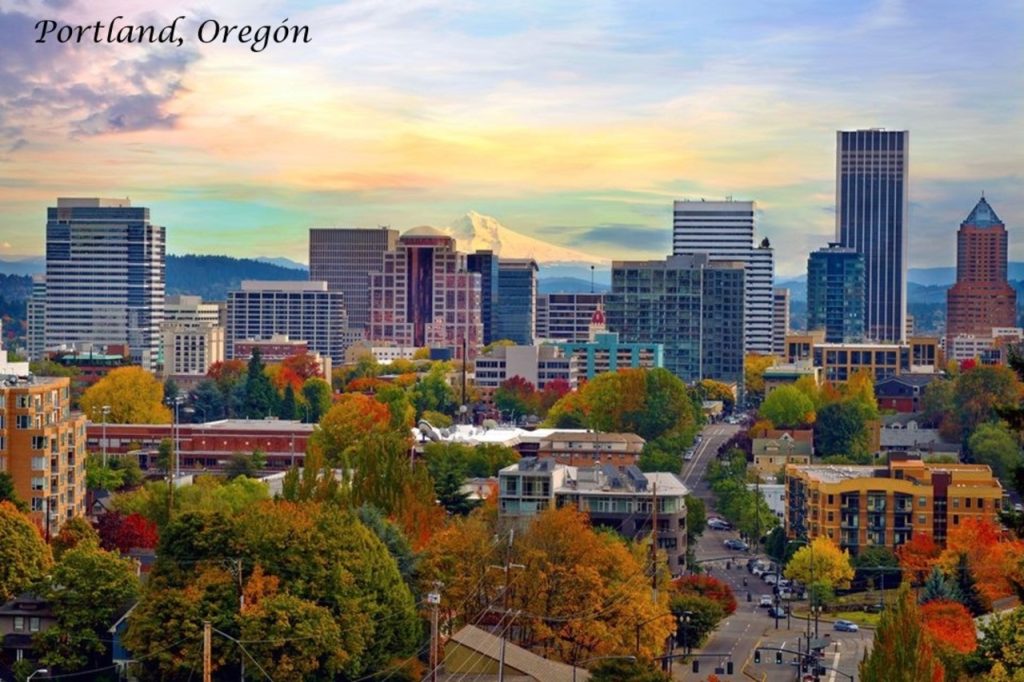
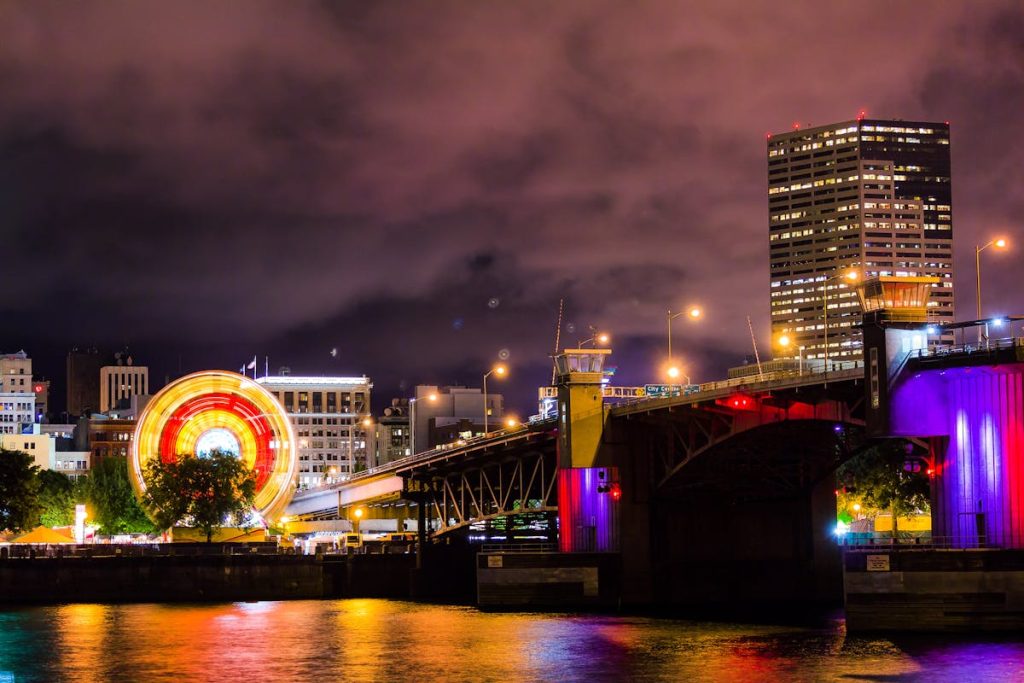
Portland’s efforts to revive downtown faced criticism as residents debated the effectiveness of new retail initiatives, streetscape improvements, and tourism-oriented marketing. Some locals argued that redevelopment projects prioritized visitor experiences rather than addressing challenges facing small businesses and long-term residents. Others expressed frustration that revitalization attempts did not adequately consider public safety concerns or provide support for struggling storefronts. While the city sought to enhance walkability and encourage cultural events, many residents questioned whether the changes aligned with Portland’s community-oriented values. The debate underscored the difficulty of revitalizing downtown spaces while staying true to local expectations and evolving civic identity.
San Diego, California
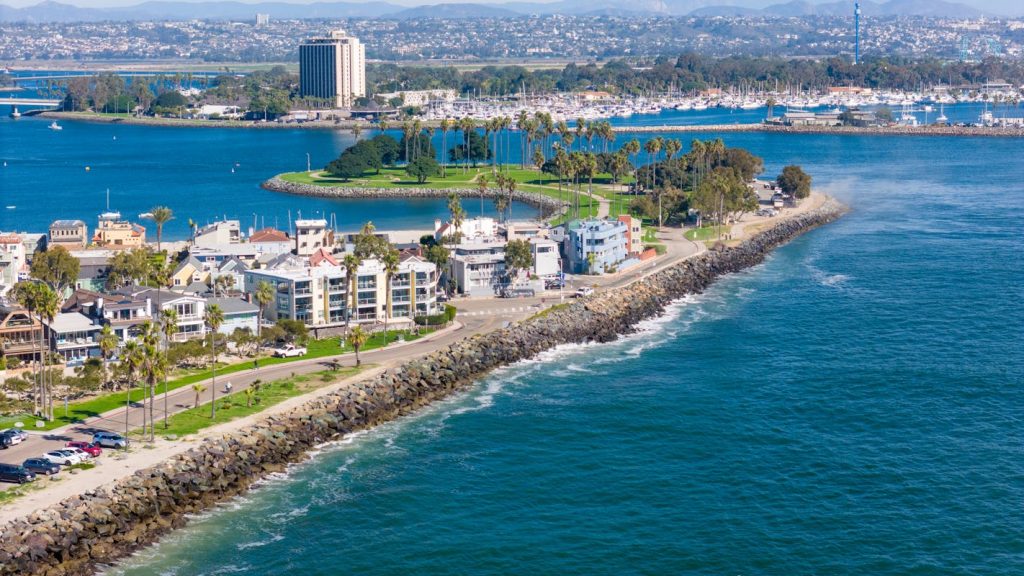
San Diego’s downtown redevelopment, especially around the waterfront and Gaslamp Quarter, sparked mixed reactions among residents who felt the area increasingly catered to tourists. New hotels, entertainment venues, and commercial developments reshaped the district, prompting concerns about affordability and congestion. Some locals argued that redevelopment contributed to the loss of smaller, character-rich businesses replaced by national chains. Others questioned whether public investment focused too heavily on tourism at the expense of long-term infrastructure improvements. While the revitalized waterfront remains popular, the criticism highlighted ongoing discussions about balancing economic growth with the needs of those who call San Diego home year-round.
Baltimore, Maryland
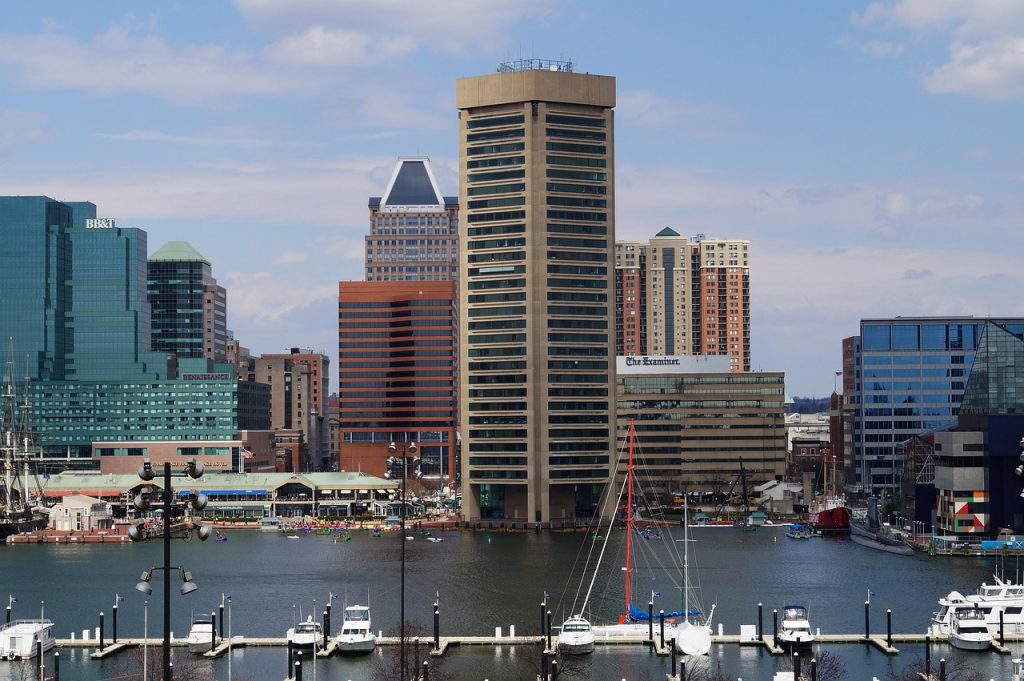
Baltimore’s downtown redevelopment centered on the Inner Harbor drew significant attention for its mix of tourist attractions and commercial spaces. Over time, residents voiced concerns that revitalization efforts did not address deeper economic disparities or support surrounding neighborhoods equally. Critics argued that investments concentrated heavily on visitor-focused amenities while small businesses and longtime residents faced rising costs and limited support. Vacancies and shifting retail trends added to frustrations, as redevelopment failed to produce lasting stability in some areas. Baltimore’s experience demonstrated how revitalization, while visually appealing, must consider broader community needs to ensure inclusive progress.
Atlanta, Georgia
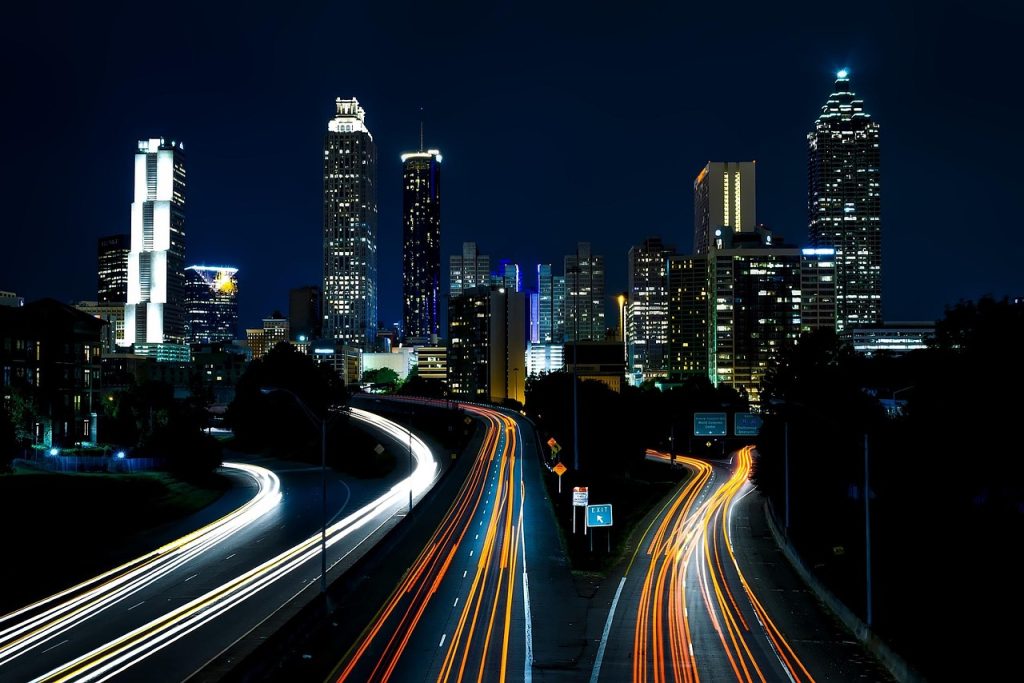
Atlanta’s downtown redevelopment projects, including work around Centennial Olympic Park and the central business district, have been met with mixed reactions as residents question whether tourism-oriented investments overshadow local priorities. Large-scale developments brought increased foot traffic and entertainment options, but many locals felt concerns about transit access, affordability, and neighborhood connectivity remained unaddressed. Critics noted that some redevelopment plans prioritized convention visitors and sporting events rather than small businesses or community gathering spaces. These conversations reveal ongoing tensions between economic ambitions and the desire to preserve everyday livability across Atlanta’s diverse neighborhoods.
Las Vegas, Nevada
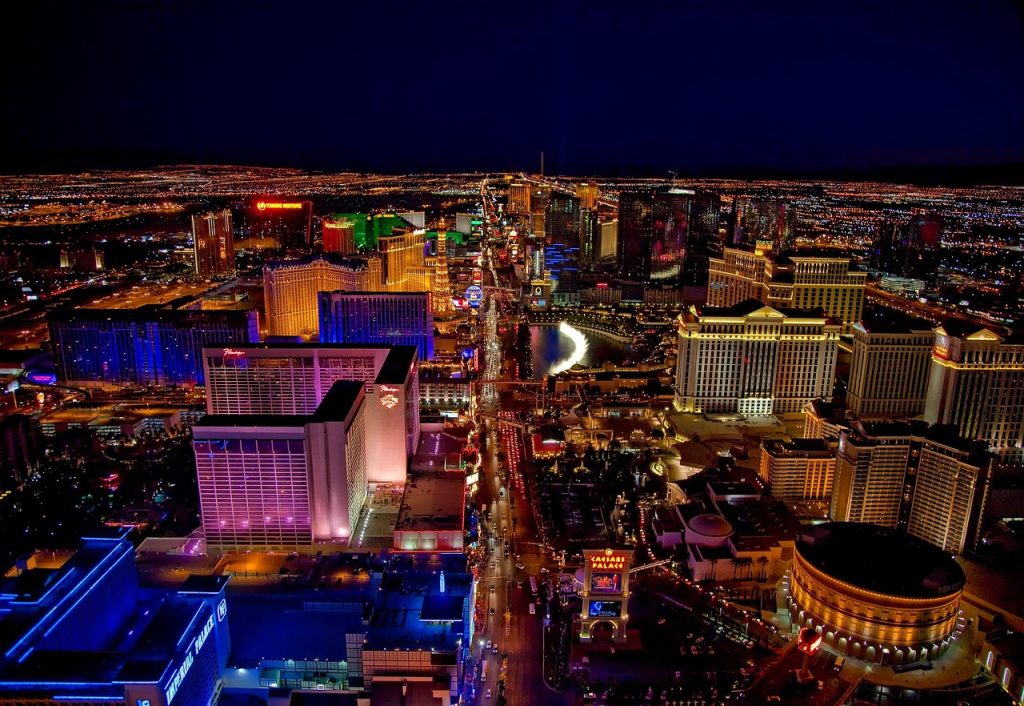
Las Vegas continually reinvents its downtown to attract visitors, yet redevelopment efforts have faced criticism from residents who feel the district sometimes leans too heavily toward commercial spectacle. Projects such as the Fremont Street Experience generated economic activity but also contributed to debates about noise, crowding, and the displacement of local businesses. Some Las Vegas residents argued that investments favored tourists while diverting attention from issues such as affordability and transportation. These critiques reflect the challenge of revitalizing a globally recognized entertainment destination while maintaining a sense of community grounded in the needs of full-time residents.
St. Louis, Missouri
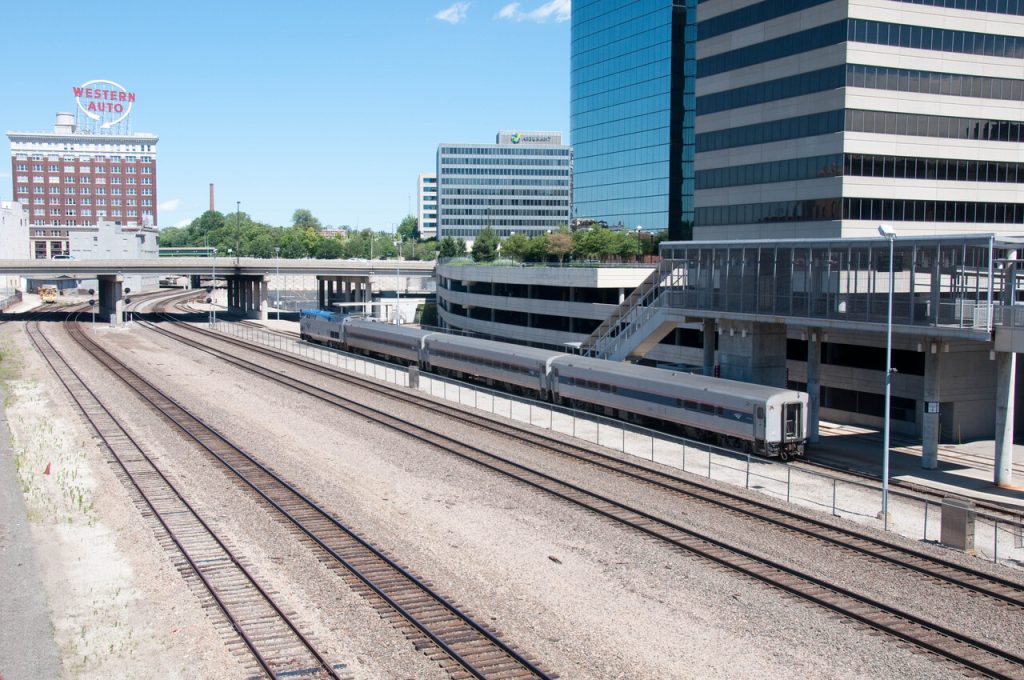
St. Louis pursued various downtown redevelopment strategies involving entertainment districts, sports venues, and commercial complexes, all designed to reenergize the urban core. Yet many residents criticized these projects for inconsistent outcomes and uneven benefits. Some felt that investments centered too heavily on attracting visitors rather than supporting local businesses or historic preservation. Others questioned whether development incentives created long-term value or simply shifted activity between neighborhoods. Vacant storefronts and fluctuating foot traffic fueled further debate. St. Louis’s experience illustrates how revitalization success depends not only on physical upgrades but also on policies that strengthen community engagement and sustained economic opportunity.