12 Cities Where Back-to-School Means Empty Attractions
Back-to-school season has a quiet superpower. As families lock into routines, the travel noise drops, and cities that felt packed in July start to breathe. Lines shorten, reservations open up, and weekdays regain their normal tempo. The shift is not dramatic, but it is noticeable in all the right places: museum entrances, popular viewpoints, and transit platforms that stop feeling like a tide. Late Aug. and Sept. can deliver the same weather with fewer distractions, which lets a city’s details land instead of rushing past.
Orlando, Florida
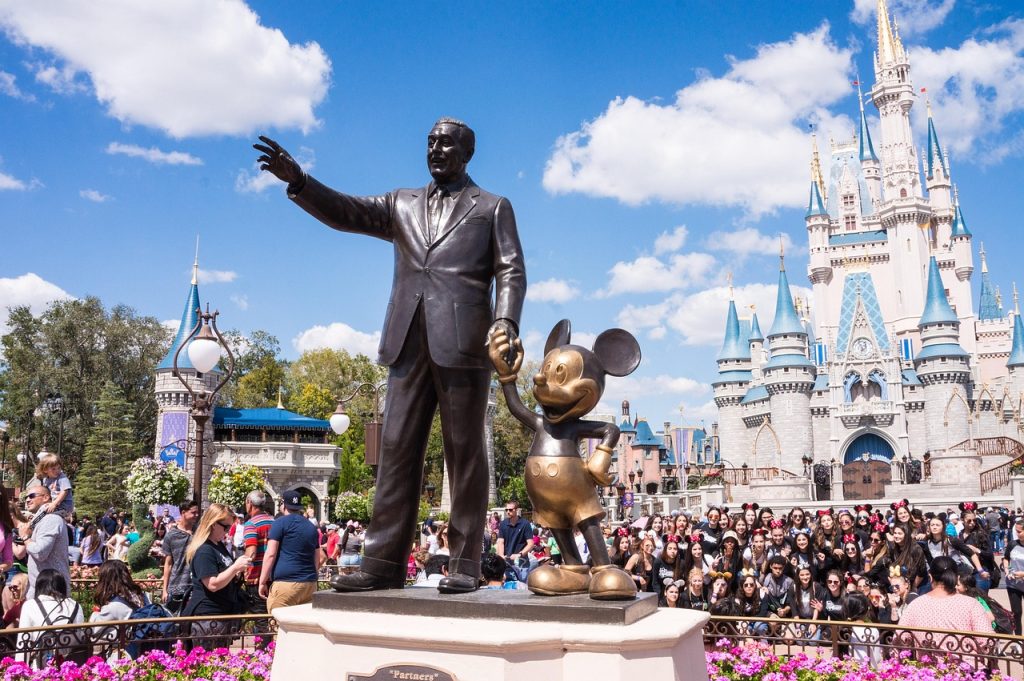
Back-to-school weeks change Orlando’s math fast. The parks still run at full energy, but many multi-day family trips fade once classes start, and midweek crowding often loosens into something manageable. That shows up in smaller security backups, more breathing room near headline rides, and meal bookings that stop feeling like a lottery. Late-summer heat and quick rain still dominate, so the smoothest days pair indoor shows with shaded loops, water breaks, and a slower pace. After 7 p.m., the temperature dips, the strollers thin, and even busy areas feel easier to enjoy. Lines can still spike, but the day feels less like a sprint.
Anaheim, California
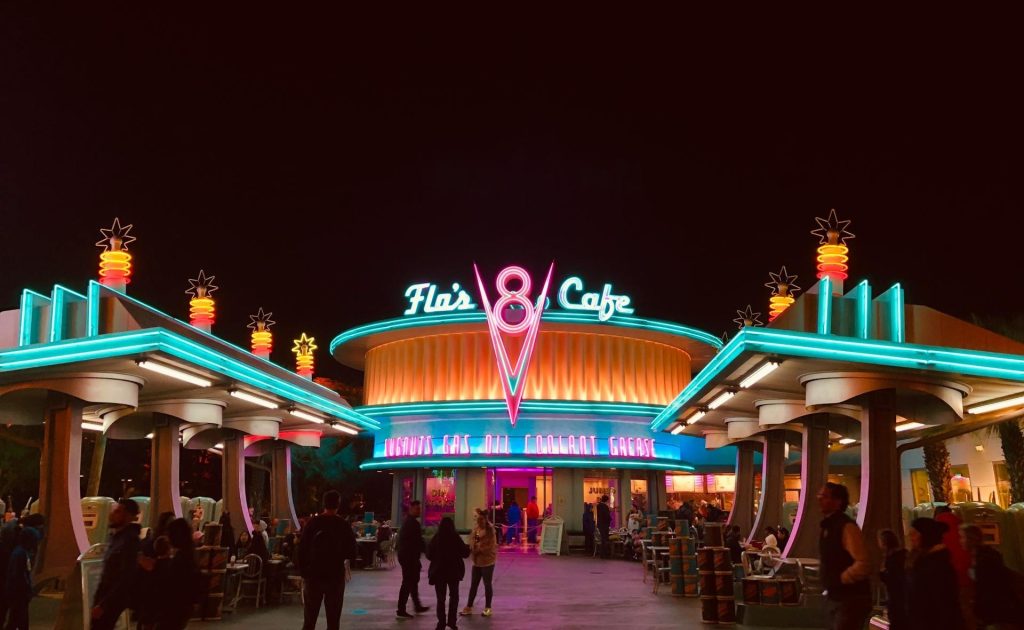
Anaheim eases up once school schedules restart across Southern California. Summer’s wave of multi-day family vacations thins, and weekday crowds lose some of their edge, especially outside holiday weekends. The difference is felt in the unglamorous moments: less congestion on Harbor Boulevard, smoother hotel check-ins, and more flexible dinner plans after a long park day. Even when rides stay popular, late evenings can feel calmer, with less jostling near security and more room to linger in shops, snacks, and nighttime shows. Nearby day trips to Laguna or Long Beach also feel lighter, since families are back to routines.
San Diego, California
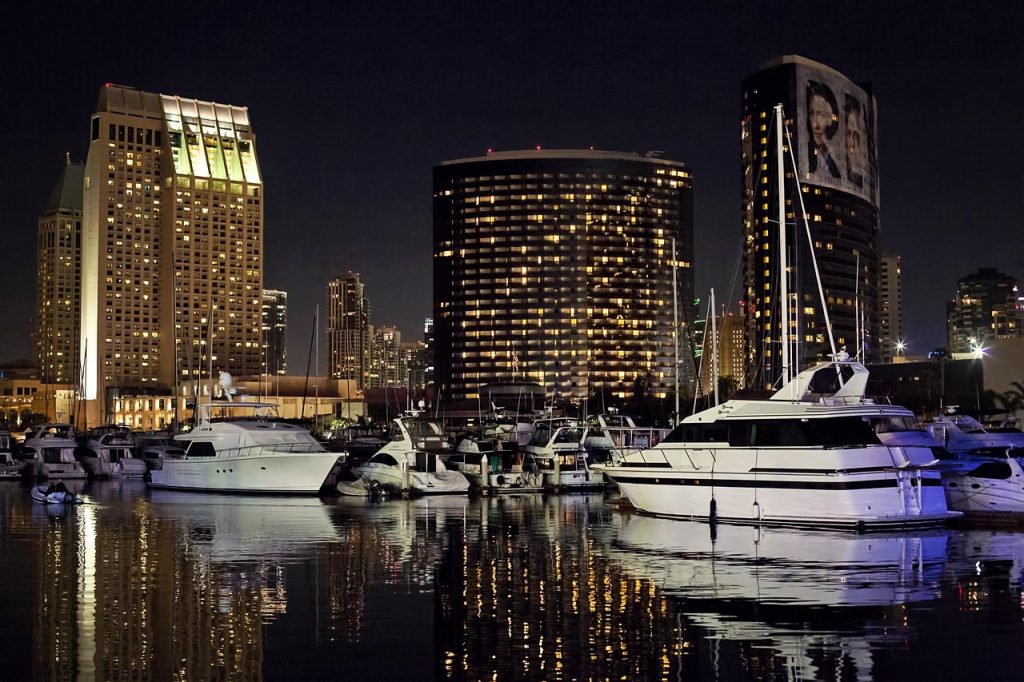
San Diego often hits a sweet spot after back-to-school, when the weather stays friendly but the July intensity fades. Beach parking becomes less of a contest, Balboa Park museums feel more breathable, and the waterfront stops getting blocked by dense tour clusters at every corner. The city’s best rhythm shows on weekdays: a slow coffee in North Park, a walk along the Embarcadero, and time to actually read the plaques and exhibits instead of threading through crowds. Even sunset viewpoints feel calmer, which makes the light on the water feel like the main event. It is still lively, just easier to move through.
Washington, D.C.
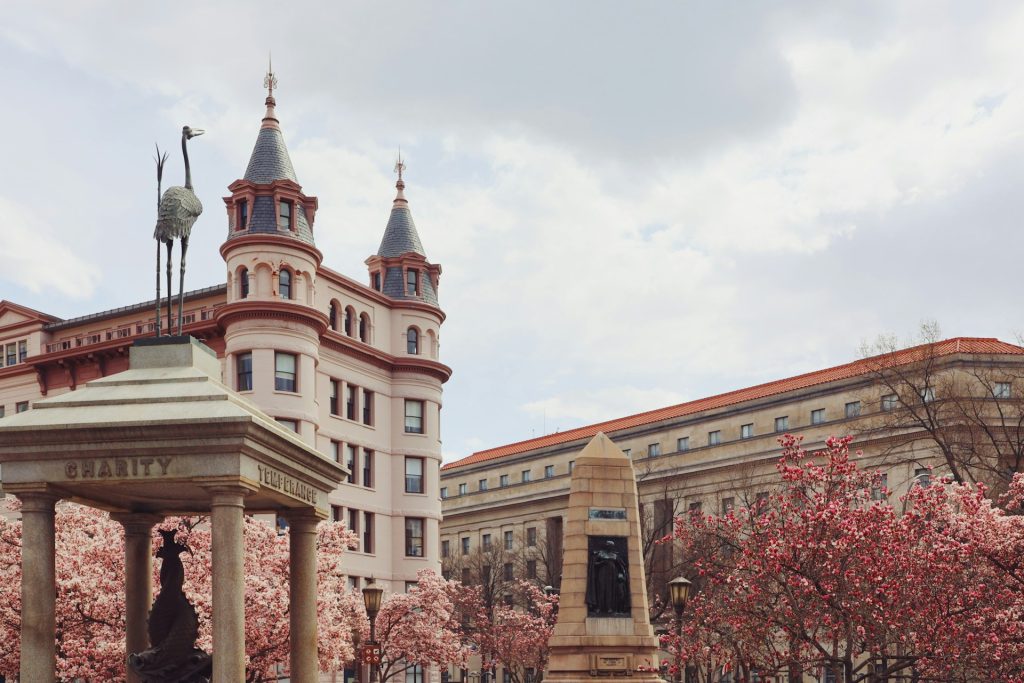
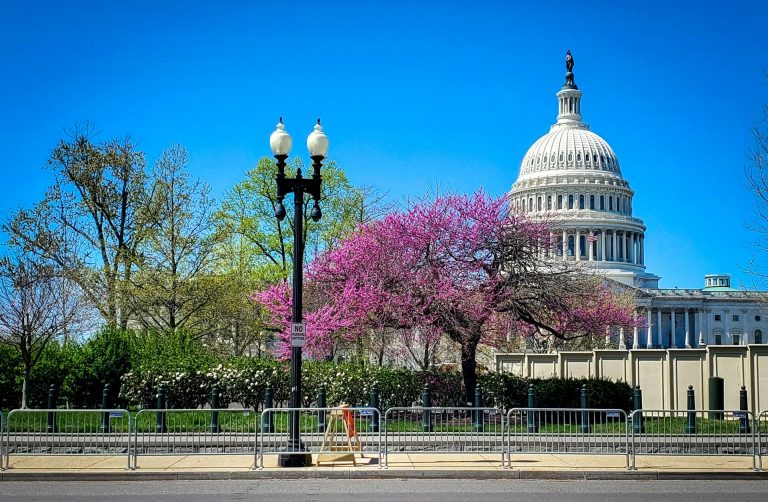
Washington, D.C. feels built for the back-to-school lull. When summer family trips slow down, the National Mall becomes easier to cross, and museum entrances lose that peak-season surge that can drain a day before it starts. The Smithsonian museums reward attention, and quieter weekdays make it possible to sit with an exhibit instead of standing in a moving line. Monuments also read differently with more space: dusk at the Lincoln Memorial, a calm loop past the Tidal Basin, and long pauses that turn history from a checklist into something felt. Fewer tour buses also mean simpler Metro rides, and Georgetown feels less rushed.
New York City, New York

New York never turns quiet, yet it does loosen after Labor Day. With many families back in class, museum halls and observatory lines often feel more navigable on weekdays, and restaurant reservations open up outside the trendiest rooms. The city’s real win is space to improvise: lingering in a gallery, catching a matinee without a long queue, or walking Central Park without constant detours around dense tour groups. Even Midtown feels less compressed early in the week, so a simple coffee stop can become a real pause instead of a standing sip. Ferries, rooftops, and waterfront paths also feel easier to claim for an hour.
Chicago, Illinois
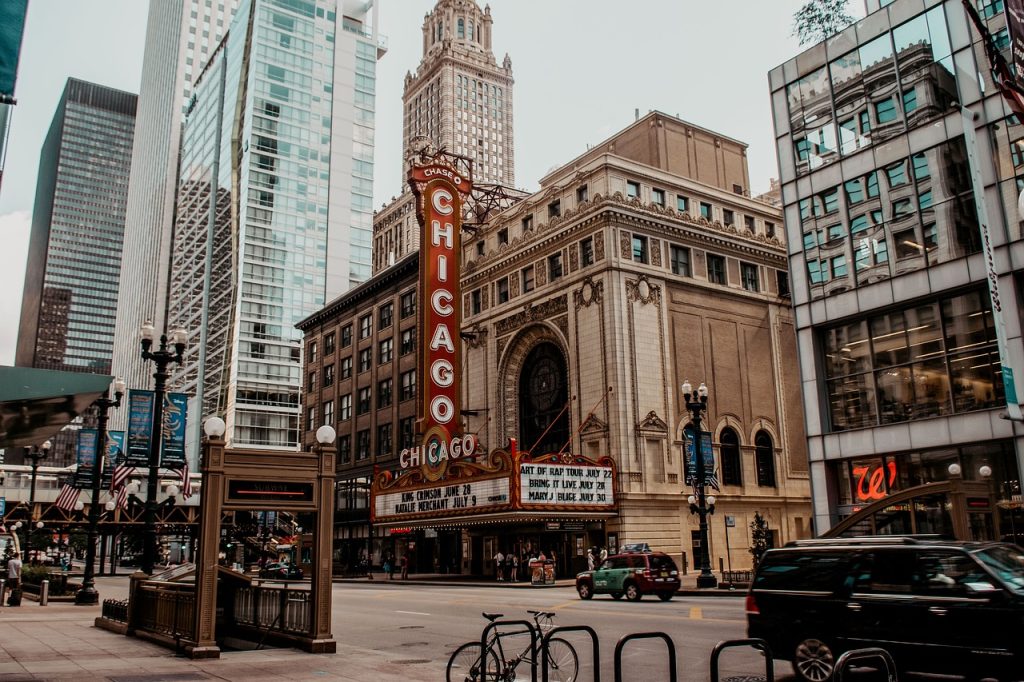
Chicago’s shift from summer to school season is easy to feel along the lakefront. Festival crowds thin, hotel rates often soften, and the city’s big attractions stop pulsing with constant family groups. The Art Institute and Field Museum become more pleasant when hallways are not packed shoulder to shoulder, and even the Riverwalk feels like a place to sit instead of a lane to keep moving. Cooler evenings add comfort, so architecture cruises, neighborhood patios, and skyline viewpoints can be enjoyed with time to linger, not just time to snap a photo. The city keeps its energy, but loses the squeeze.
London, England
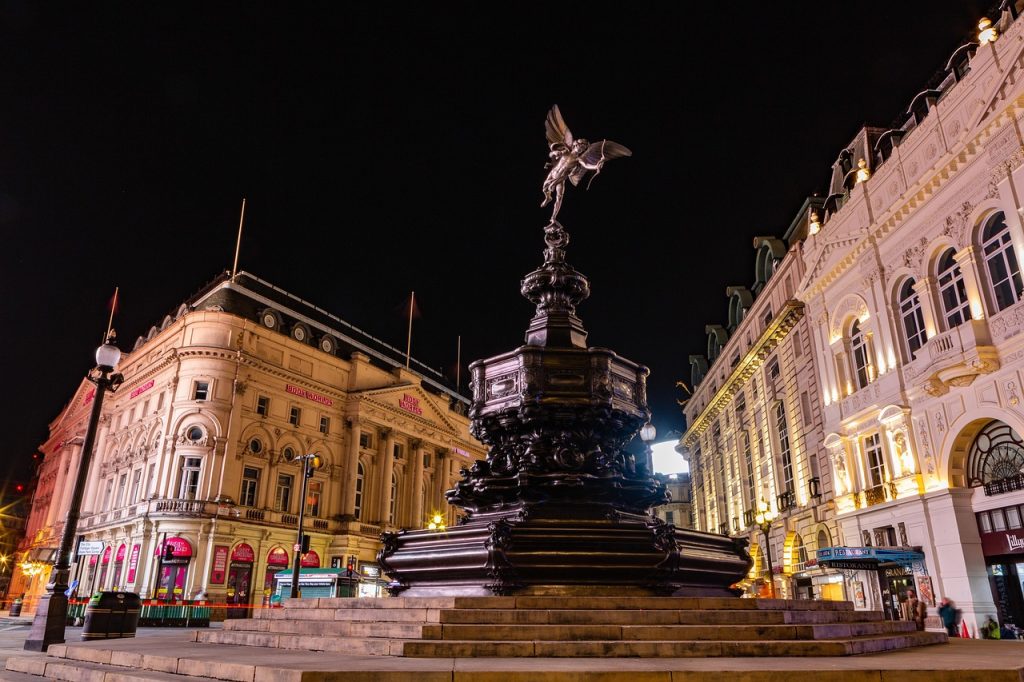
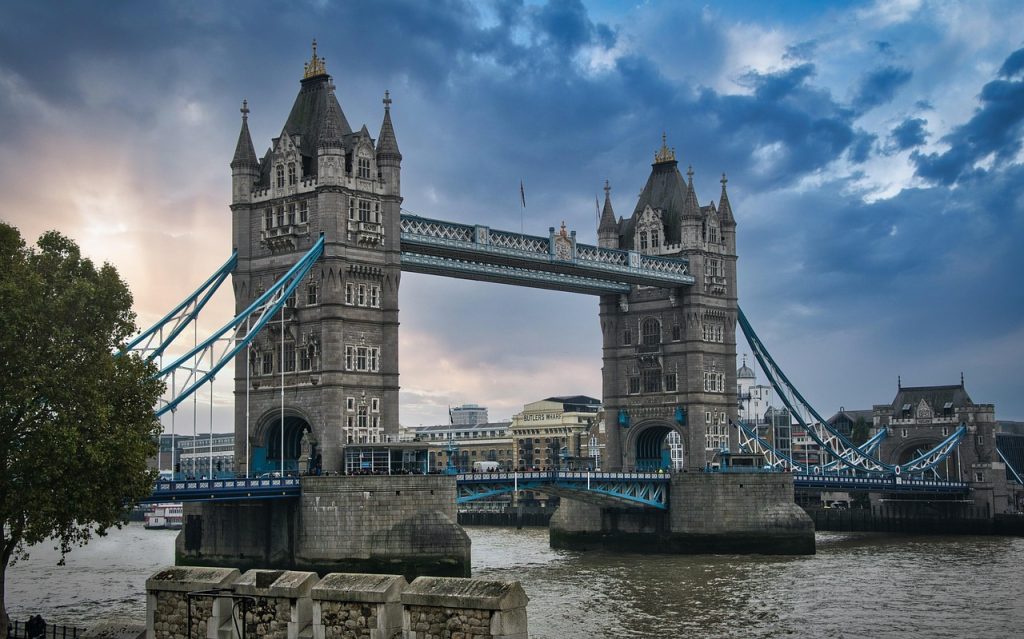
London’s busiest stretch can ease once school routines return, especially on weekday mornings when tour groups arrive in smaller waves. Major museums still draw crowds, but entrances and cafés often feel less jammed than mid-summer, and parks recover their everyday rhythm. That breathing room improves everything: a calmer walk through South Kensington, time to browse bookshops, and a pub lunch that is not squeezed between timed tickets and transport sprints. With daylight fading earlier, evening strolls along the Thames can feel calmer, with fewer queues competing for the same bridge viewpoints.
Paris, France
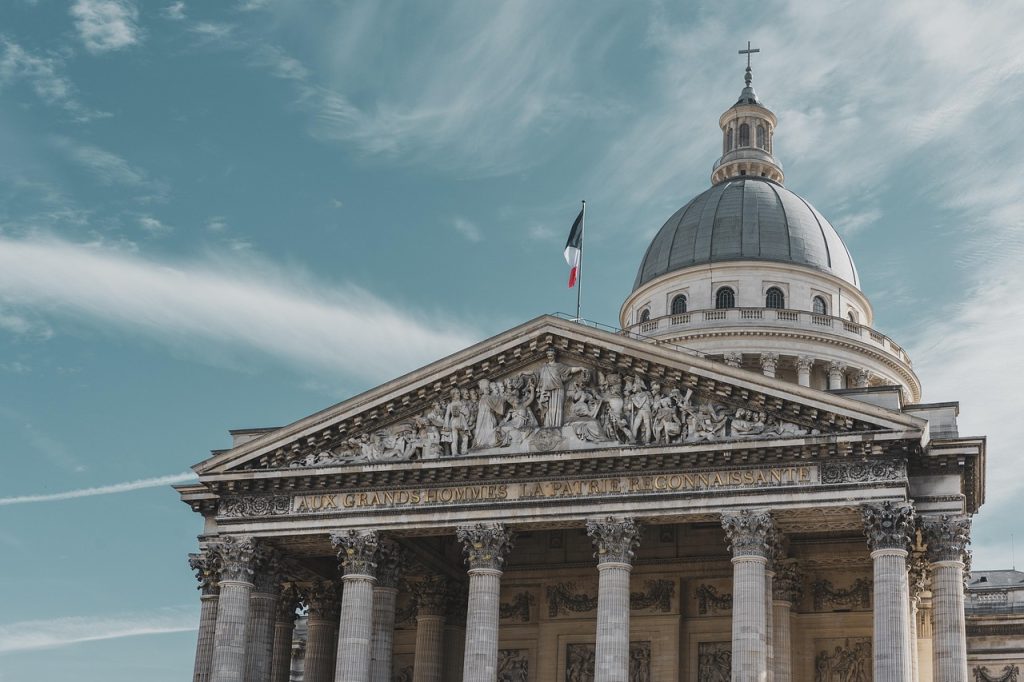
Paris often feels more like itself in Sept., when the crush of August travel eases and the city’s pace turns less performative. Museums and landmarks still require planning, but fewer peak-season clusters can make entrances, benches, and café terraces easier to claim. The payoff is not emptiness, but room to notice: a slower walk along the Seine, neighborhoods that feel lived-in after dark, and bakeries where the line moves without stress. With more space, the city stops feeling like a photo route and starts feeling like a place where small routines matter. Even popular viewpoints feel less tense midweek.
Rome, Italy
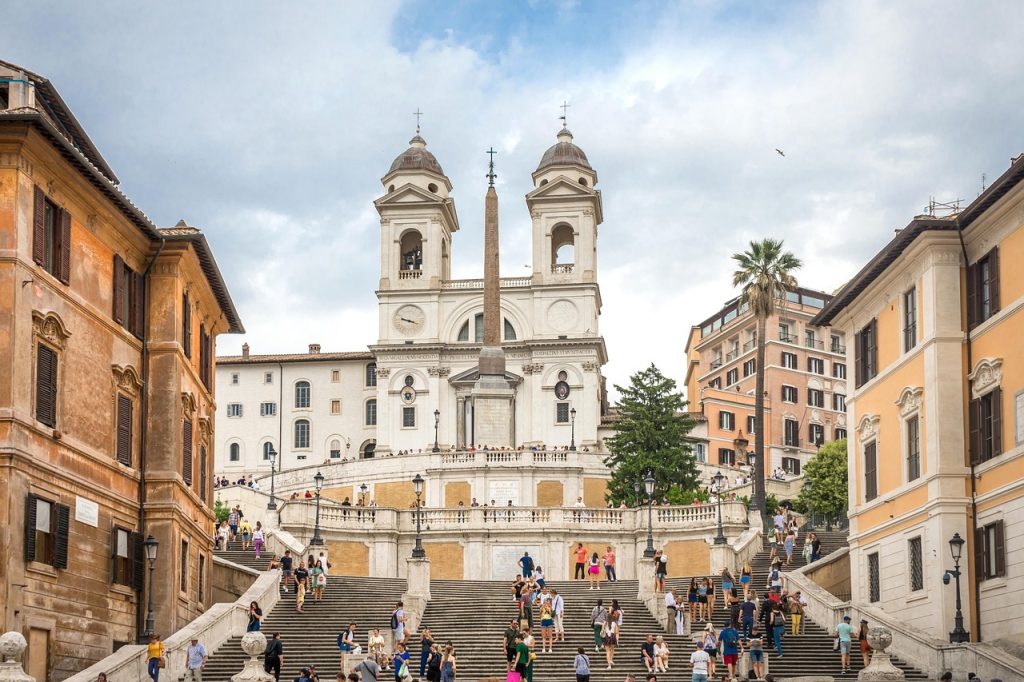
Rome’s summer pressure often lifts in early fall, when back-to-school calendars reduce the steady stream of family groups that can turn every major site into a single long line. With a bit more space, the city becomes easier to read: quieter churches, cooler evenings, and piazzas that invite sitting instead of dodging. That change helps the classics too, because entry times feel less fragile and transit between stops takes fewer nerves. Meals stretch toward their natural length again, and the best moments often happen between highlights, when a side street, a fountain, or a small market gets to hold attention for more than a minute.
Barcelona, Spain
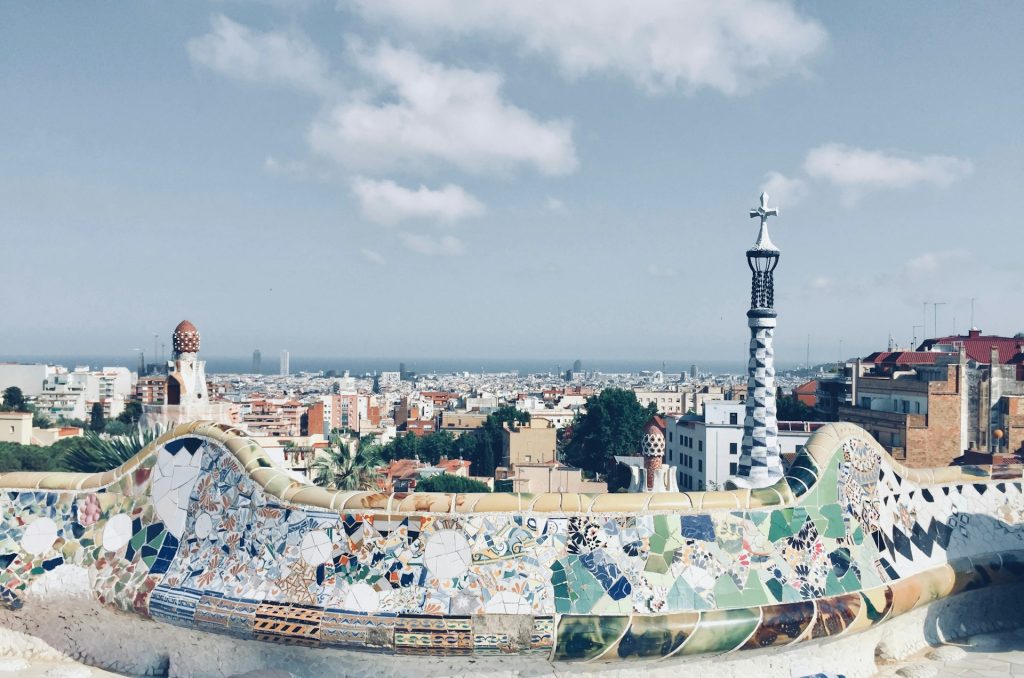
Barcelona can feel packed in high summer, but the back-to-school shift often loosens the city’s tightest knots, especially midweek near major landmarks and the beach. With fewer large family clusters, it becomes easier to move through older streets, find a table in a small tapas bar, and enjoy Gaudí interiors without constant shuffling. The quieter pace also makes markets and courtyards more rewarding, because conversations with vendors are possible again. Even the shoreline settles after the holiday surge, so evening walks feel calmer, with less noise and more room for the city’s softer light.
Amsterdam, Netherlands
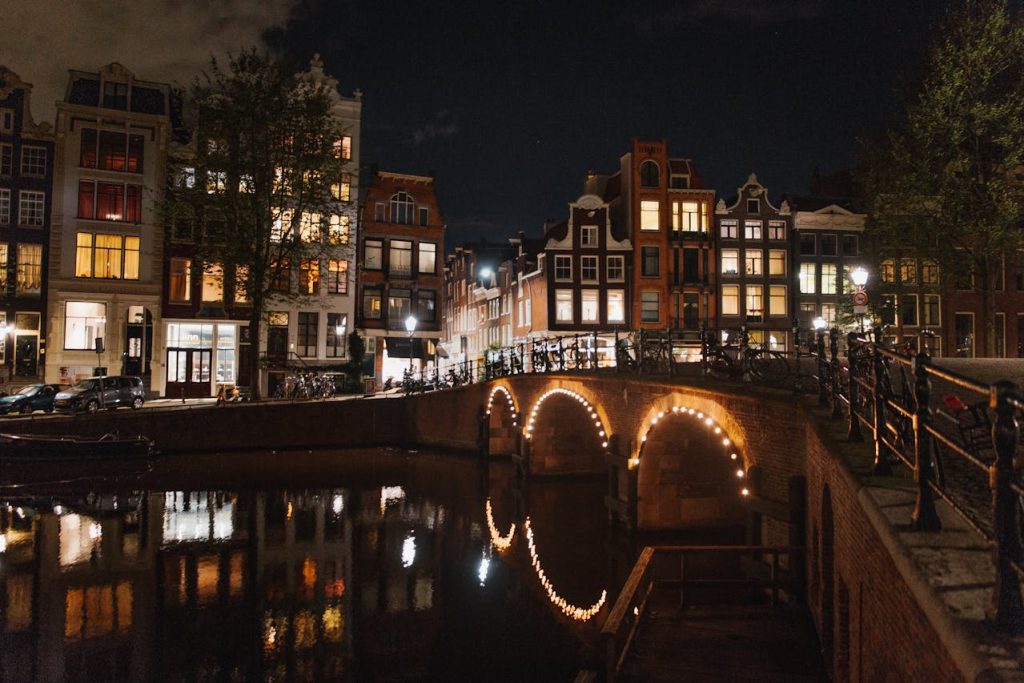
Amsterdam’s narrow streets and bridges feel kinder once summer’s peak begins to fade. Back-to-school season can mean fewer bulky tour clusters on canal crossings, and museum entry lines often feel less relentless on weekdays. The city’s compact scale becomes an advantage again: walking from the Jordaan to the Museumplein without constant stop-and-go, finding a canal-side seat, and taking a boat ride where the narration can actually be heard. Early fall also brings better strolling weather, so long walks and café pauses feel natural, not like escapes from crowds. It is still busy, but less tense.
Honolulu, Hawaii
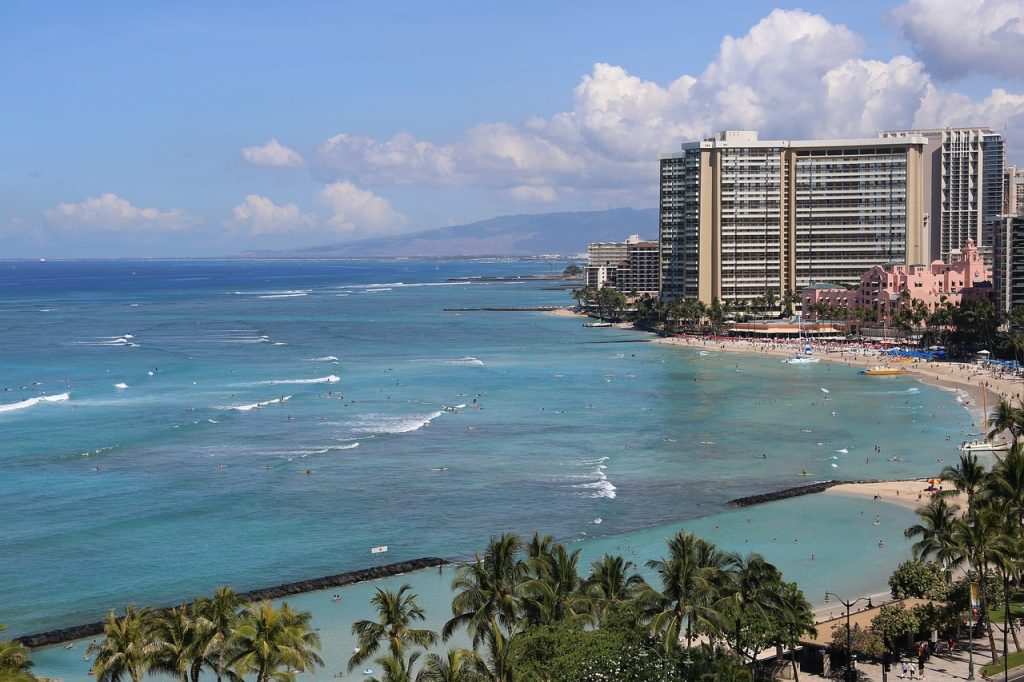
Honolulu often feels more breathable after Labor Day, when shoulder-season patterns and school schedules can thin the densest family travel weeks. Waikiki is never empty, but mornings can feel calmer, and popular lookouts and trailheads may be easier to access without circling for parking. The island’s pleasures land better at that pace: long swims, slow lunches, and sunsets that are not fought over from behind a wall of umbrellas. Even simple errands, grabbing shaved ice or local plate lunch, feel less hurried when sidewalks are not packed edge to edge. The result is a steadier, more local rhythm without losing the holiday glow.