12 Cities Where Back-to-School Travel Feels Local Again
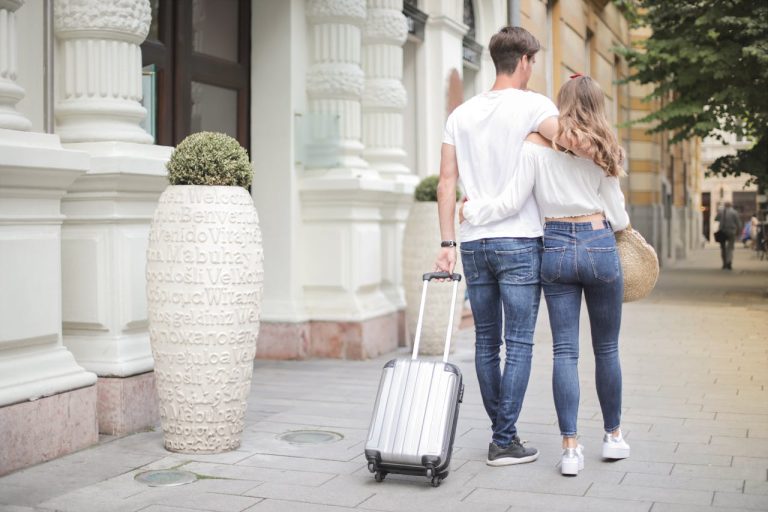
Back-to-school season changes cities in small, meaningful ways. The summer surge thins, reservations loosen, and sidewalks stop feeling like a constant parade of rolling suitcases. Late Aug. and Sept. often bring decent weather without the loudest crowds, which means museums feel calmer, transit feels more predictable, and neighborhoods sound like themselves again. Travel does not become empty. It becomes easier to blend in, eat well without planning every step, and notice the everyday details that make a place feel real. These cities shine in that quieter window, when daily life returns to the foreground.
Lisbon, Portugal
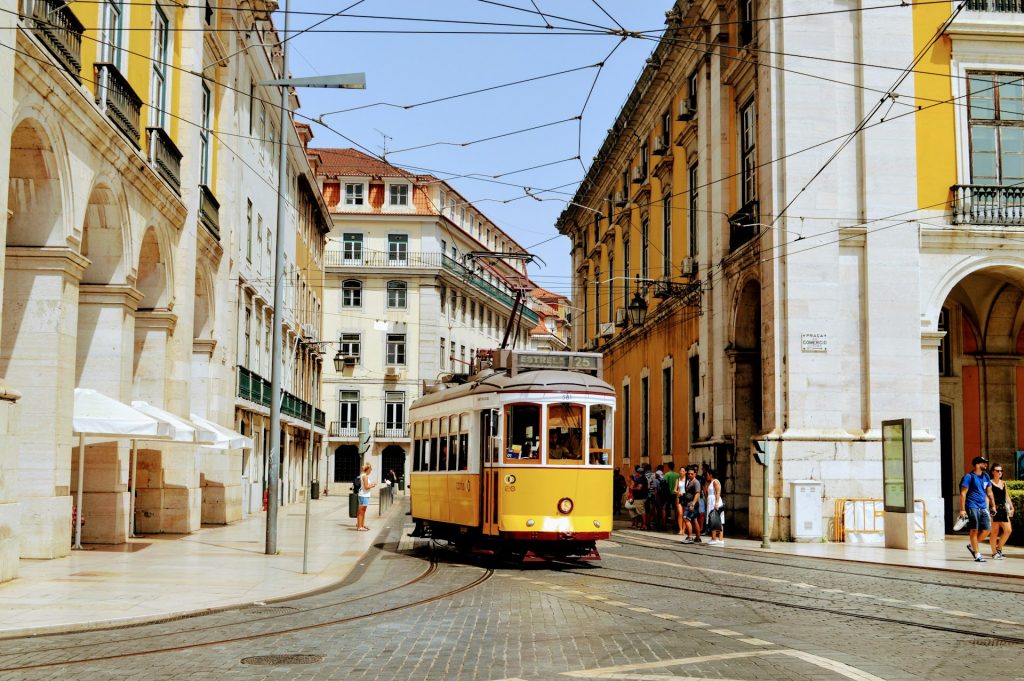
Lisbon settles quickly after summer, and the change shows up in simple wins: less waiting for trams, more breathing room at viewpoints, and more local faces back at neighborhood cafés. The miradouros still glow at sunset, but the mood is calmer, so a day can be built around coffee, a museum stop, and a slow walk down to the river without feeling rushed. Sintra and Cascais become easier to tackle without packed trains, and small markets in residential districts feel like routines again. It is a city that rewards wandering, and early fall makes wandering feel natural.
Mexico City, Mexico
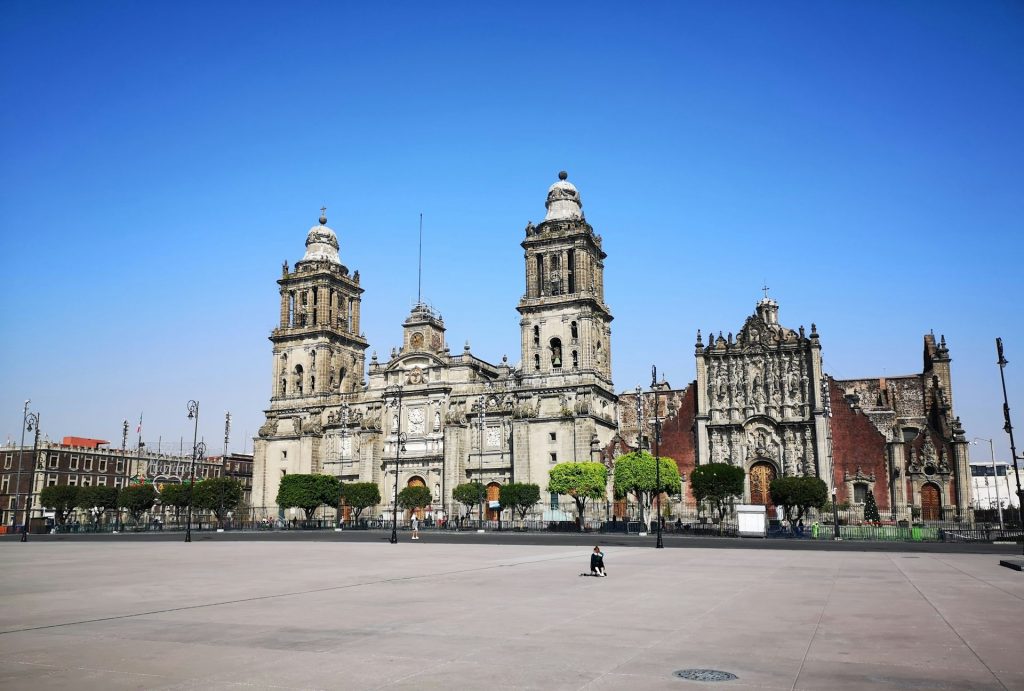
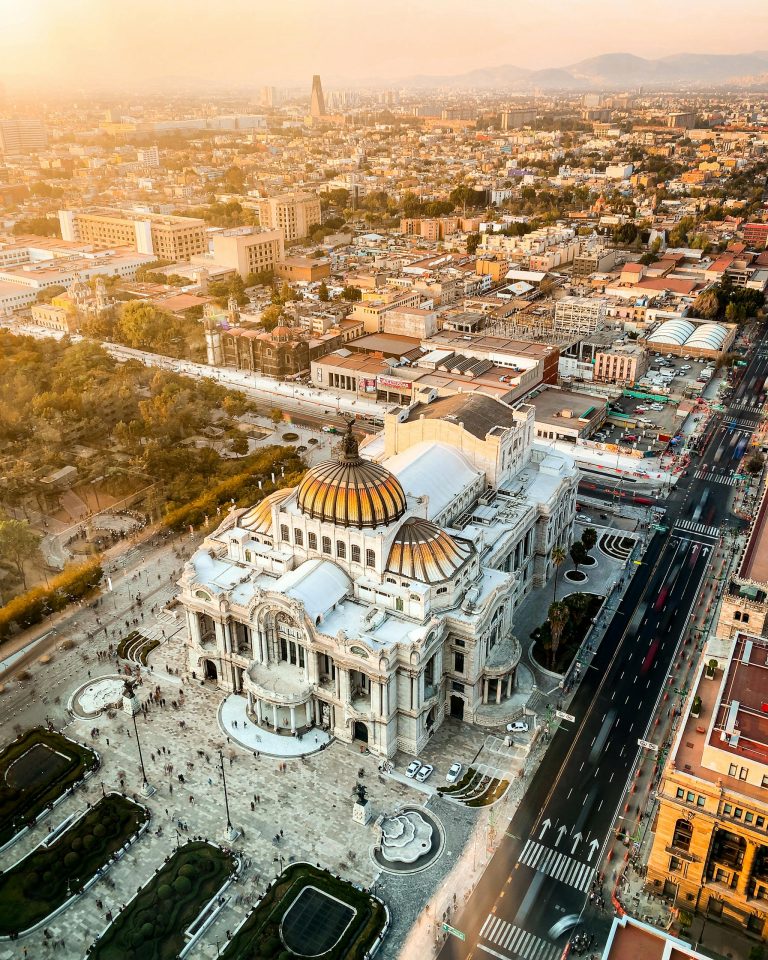
Mexico City feels more livable once summer travel fades, because the city’s best parts depend on rhythm, not reservations. Roma and Condesa regain their weekday pace, with bakeries, parks, and casual lunch spots filled by locals on errands. Museums become easier to enter without strict timing, and markets feel less compressed, so browsing turns into actual shopping, not a quick shuffle. The weather can still be warm, but the city moves well under shade and tree-lined streets. It becomes easier to plan loosely and let the day build from street food, galleries, and long walks without friction.
Kyoto, Japan
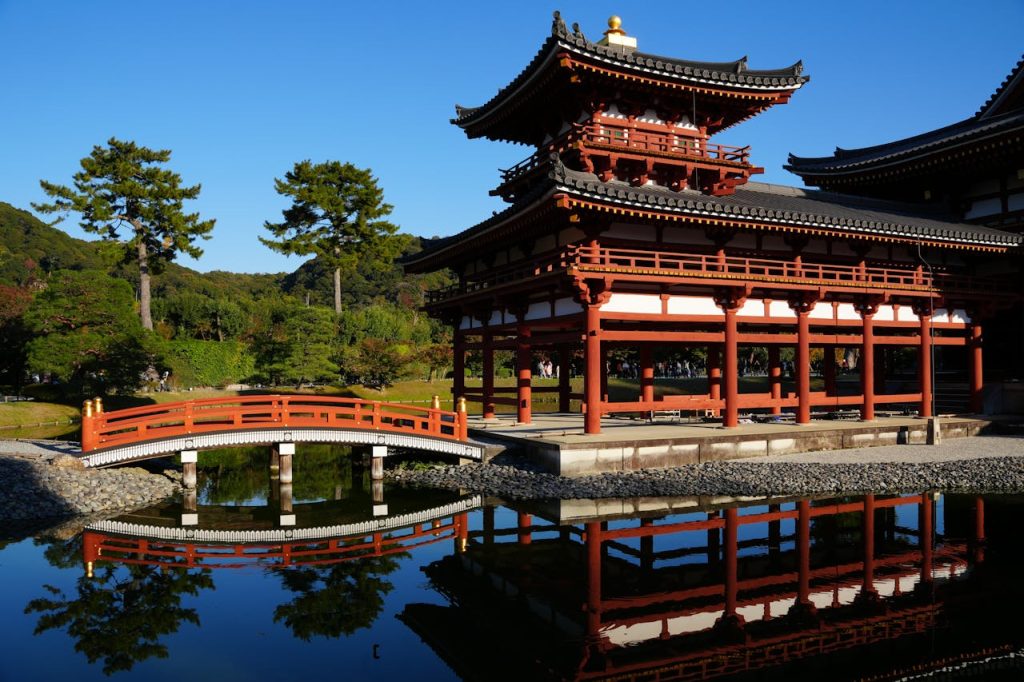
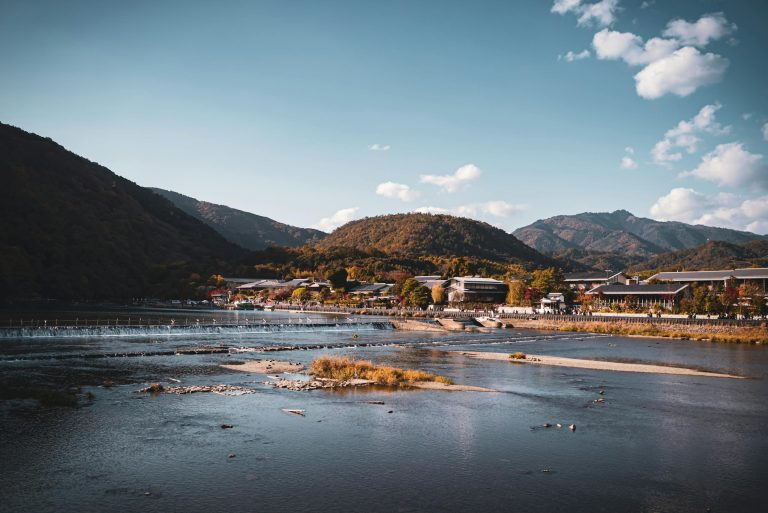
Kyoto’s back-to-school window can feel like a reset after summer crowds turn famous lanes into a slow crawl. As late Aug. turns to Sept., temple grounds and gardens start breathing again, and morning quiet returns to routes like Arashiyama, Philosopher’s Path, and smaller shrines that reward unplanned turns. The weather may still be warm, but the pacing improves: trains feel manageable, tea houses feel less rushed, and evening walks along the Kamo River feel like a local habit, not a shared event. Kyoto’s charm lands best when it is not under peak pressure.
Paris, France

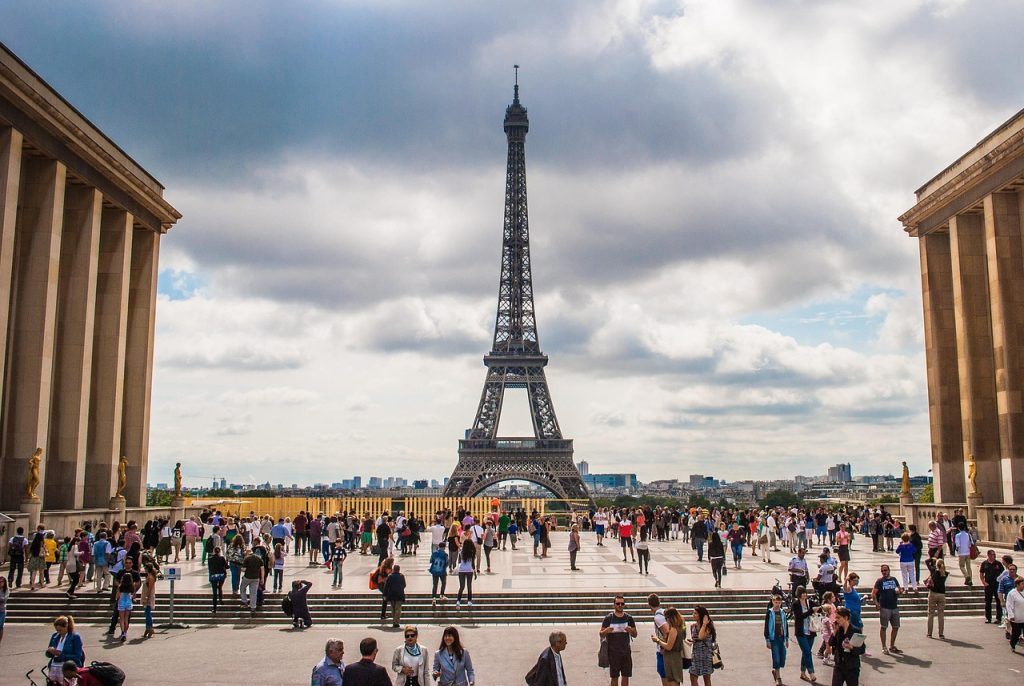
Paris often feels most like itself in early fall, when vacation season ends and the city shifts back into workday habits. Café terraces fill with residents, museums stop feeling like endurance tests, and neighborhood streets in the 9th, 10th, and 11th regain their casual pace. Sept. light can be soft and flattering, and the Seine walkways become easier to enjoy without constant detours. It is the kind of timing that rewards simple plans: a morning market run, a long lunch, a small gallery, and a late stroll, with fewer crowds forcing decisions and more space for the everyday Paris locals actually live.
Barcelona, Spain
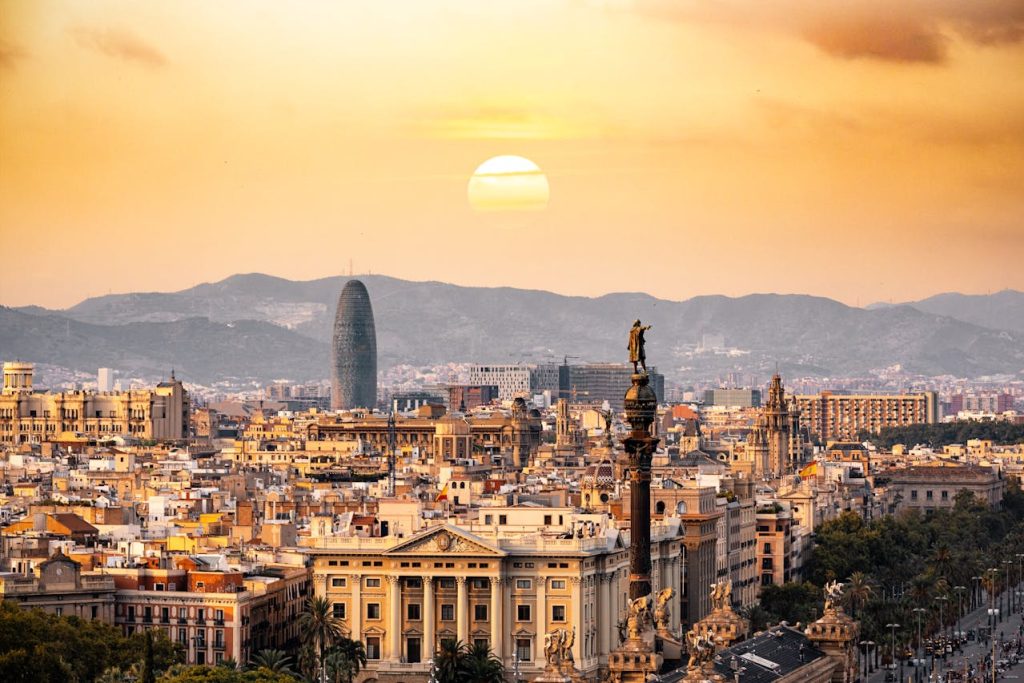
Barcelona’s summer intensity often eases once school routines return, and the city starts feeling less like a stage set and more like a lived-in place. Beaches still draw people, but tapas bars loosen up, metro rides feel less packed, and neighborhoods like Gràcia and Sant Antoni regain their steady evening rhythm. Early fall weather stays friendly, yet there is more space to enjoy it, from Montjuïc gardens to slow walks through the Gothic Quarter. The best moments show up in the background: locals reclaim plazas, kids return to parks, and normal city life becomes the main attraction again.
Montreal, Quebec
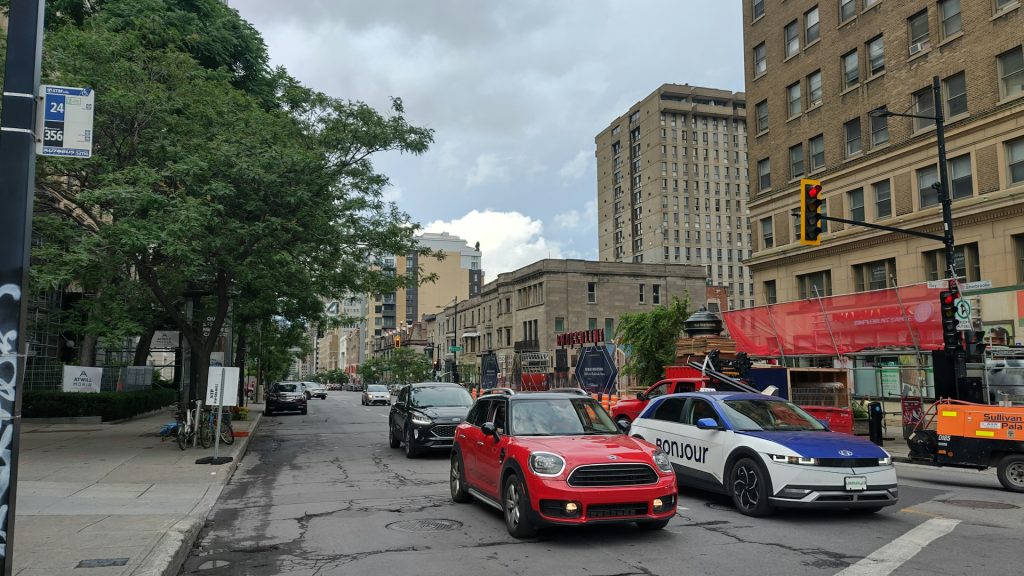
Montreal shifts into a more local tempo once back-to-school hits, and it becomes easier to enjoy the city without scheduling every meal. Markets, cafés, and bike paths start looking like routines again, and neighborhoods like Plateau and Mile End feel less like a weekend crush and more like a relaxed, walkable home base. Nights turn crisp, patios still run, and museums and food halls become calm anchors between long walks. It is a good moment for simple pleasures: bagels, galleries, river views, and a slow afternoon in a park, with fewer festival crowds deciding where everyone goes.
Edinburgh, Scotland
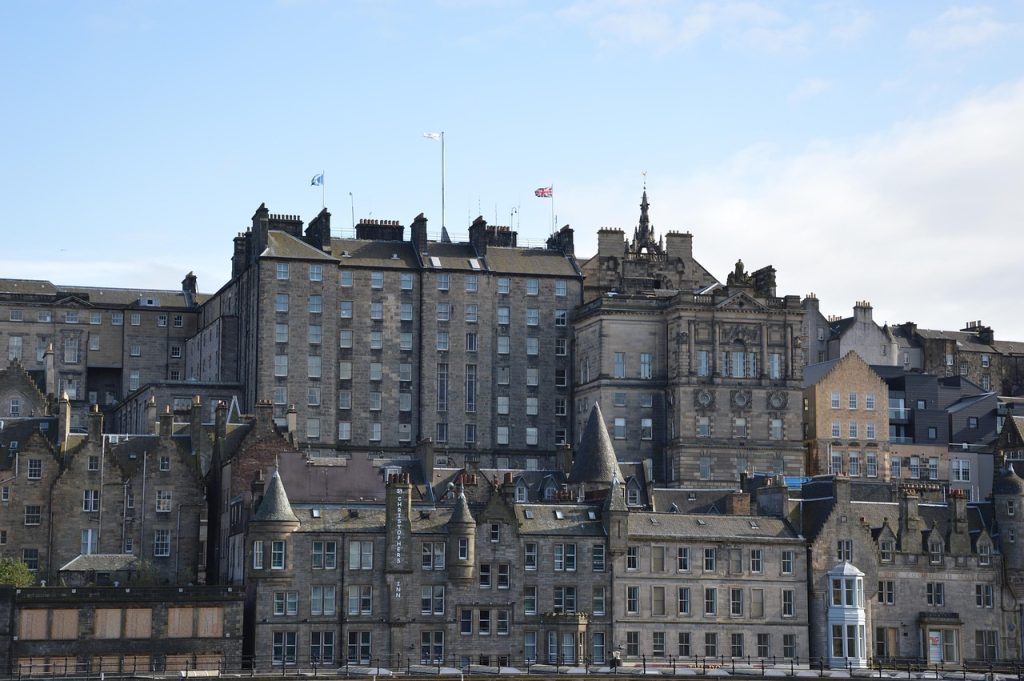
Edinburgh can feel packed through summer, then noticeably calmer as late Aug. ends and the festival wave recedes. Streets around the Royal Mile regain breathing room, pubs become easier to enter without a line, and the city’s resident rhythm returns, from neighborhood bakeries to quieter corners of Princes Street Gardens. Sept. weather can change quickly, but Edinburgh handles it well, with museums, bookshops, and cafés ready when clouds move in. The payoff is a more grounded visit, where views from Calton Hill or Arthur’s Seat feel less like a group activity and more like a personal moment.
Copenhagen, Denmark
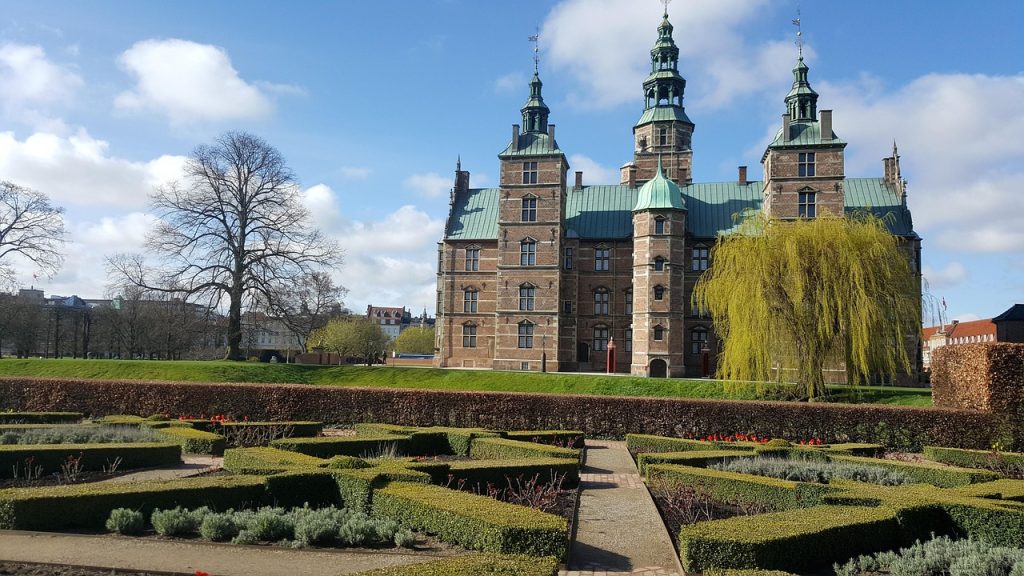
Copenhagen in back-to-school season slips into its most functional, local mode, with fewer vacation crowds and a steadier daily flow. Bike lanes, canals, and neighborhood bakeries take center stage, and it becomes easier to get a table without planning around peak tourist hours. Tivoli can still glow in late summer, but the deeper charm sits outside attractions: long walks in Nørrebro, quiet waterfront pauses, and design shops that feel browsable again. The mood is practical and calm, with a sense that residents are back in charge of the city’s pace, and visitors can blend in without competing for space.
Istanbul, Turkey

Istanbul feels more grounded after peak summer, when waterfront hotspots relax and neighborhoods regain their normal pace. September ferry rides across the Bosphorus feel like daily life again, not an event, and markets like Kad?köy return to real shopping rather than constant sightseeing traffic. The city’s scale can be intense, but back-to-school timing helps: shorter lines at major sites, less gridlock in tourist corridors, and more locals filling tea gardens on weeknights. It becomes easier to wander without pressure and let the city’s layers unfold, from street food to courtyards to long, unhurried evenings.
New Orleans, Louisiana
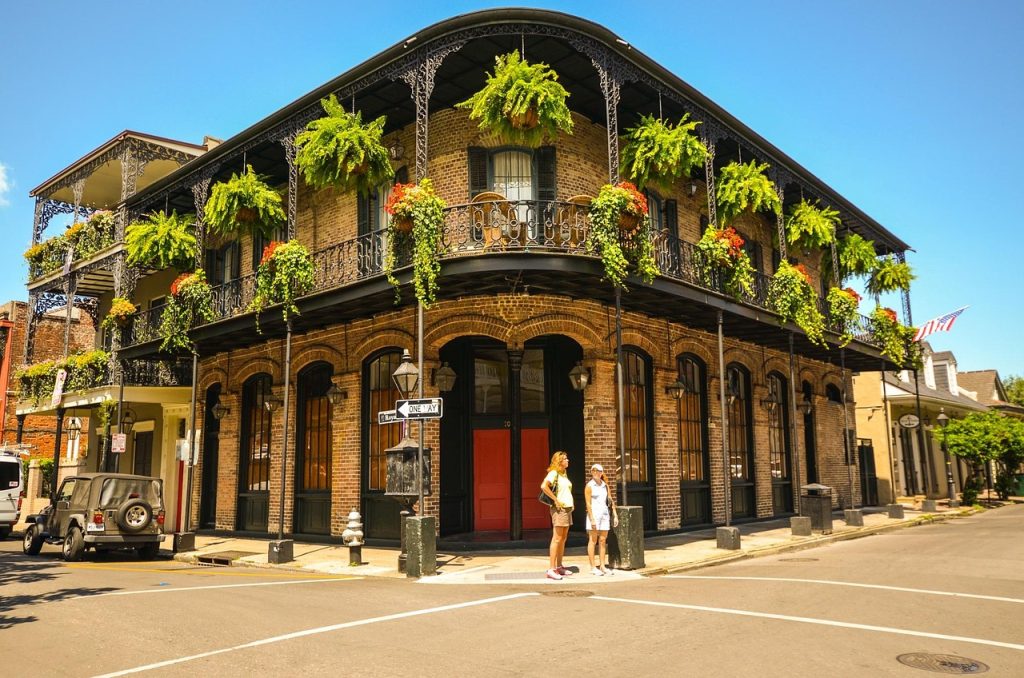
New Orleans often feels more like itself once summer crowds thin, especially in early fall when nights soften and local routines reappear. Music clubs, neighborhood bars, and smaller restaurants stop feeling like they are managing a constant surge, and it becomes easier to follow a recommendation without a long wait. Weather can still be humid, but the pace feels local: slower afternoons, longer dinners, and more residents out on porches and stoops. It is a good time to explore beyond the French Quarter, catch live music on a weeknight, and let the day build around food, sound, and small neighborhood details.
Hanoi, Vietnam
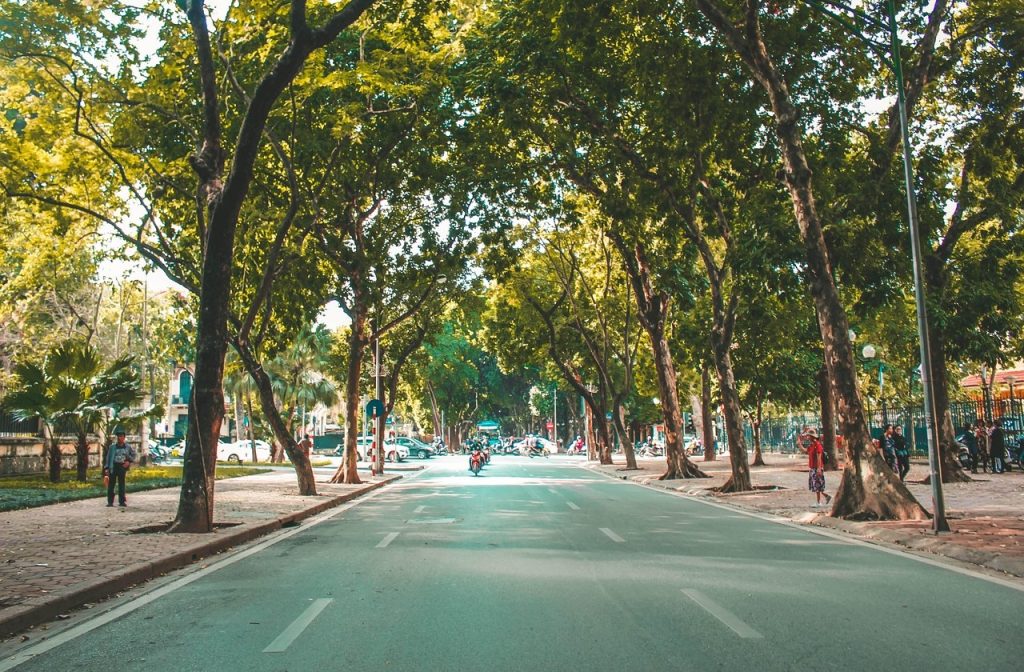
Hanoi feels more intimate when it is not competing with peak travel churn, and back-to-school timing can bring that calmer texture back. The Old Quarter still buzzes, but it is easier to move, grab a seat at a small food stall, and watch street life without feeling pushed along. Lakeside walks, cafés, and temple visits fit together smoothly, and there is more room for everyday moments like a morning market run or a long egg-coffee break. Sept. weather can be mixed, yet the city’s indoor-outdoor balance works well, and the slower pace makes the atmosphere feel more local than performative.
Florence, Italy
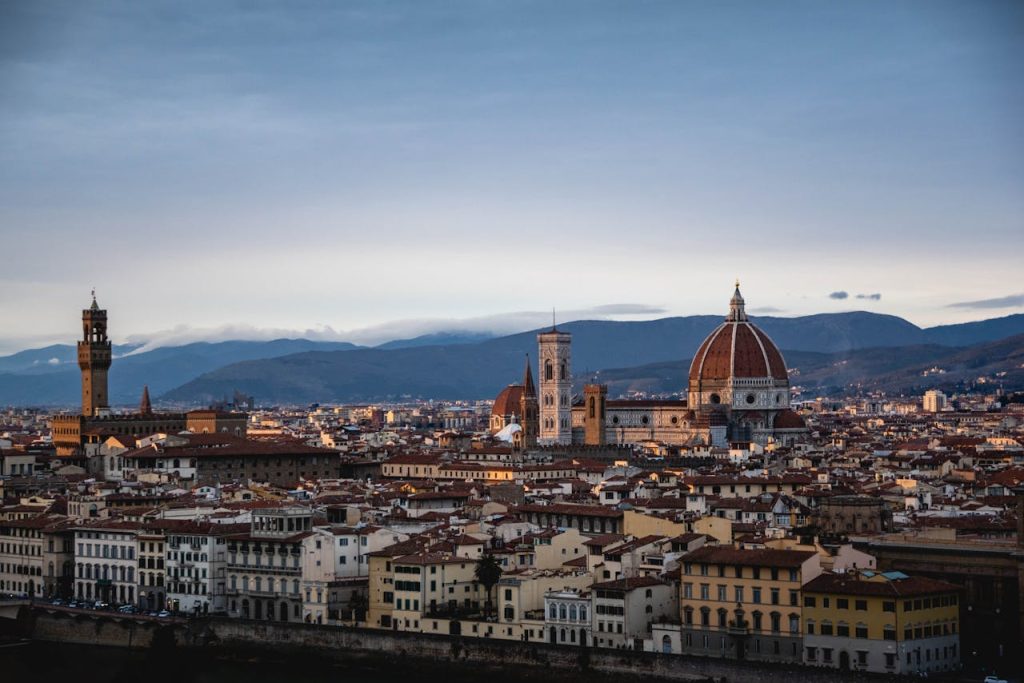
Florence can feel crowded in high season, then surprisingly calm once late summer gives way to Sept. and the city returns to routine. The historic center still draws visitors, but museum lines ease, dinner reservations become less necessary, and streets in Oltrarno feel like neighborhoods again, with workshops, small groceries, and locals lingering after work. The light stays warm, and a simple day, market browsing, a church visit, and a slow river walk can feel complete without rushing between headline sites. Florence is at its best when it feels lived-in, and early fall brings that feeling forward.