12 Cities Where Cultural Rules Affect Tourist Access
Cities welcome visitors with open plazas and familiar routes, yet access still hinges on expectations older than modern tourism. In many places, clothing standards, prayer schedules, neighborhood etiquette, or permit systems are not symbolic extras; they decide who enters, when entry happens, and which spaces stay off-limits.
A simple sightseeing plan can shift at a gate, checkpoint, or temple door. These rules are framed as respect for residents, worship, and heritage, and they work best when travelers treat them as part of the destination’s culture, not a barrier to the day. The result is a trip that feels grounded and less transactional.
Kyoto, Japan
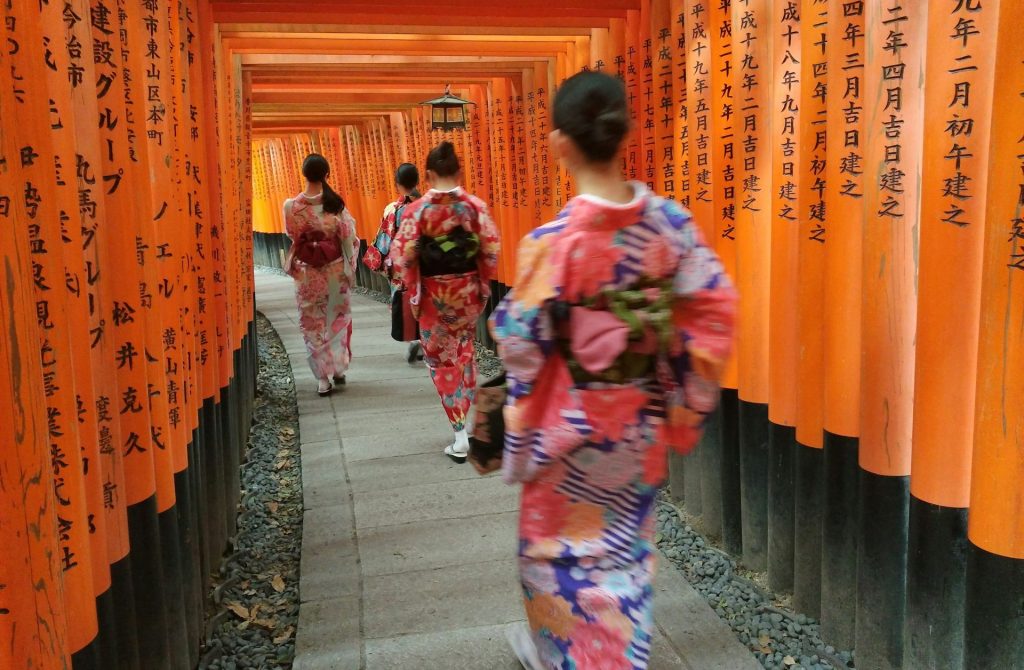
In Kyoto’s southern Gionmachi, local groups and the city tourism office frame the district as a lived neighborhood, not an open-air set. Posted guidance asks visitors not to block lanes, chase or touch geiko and maiko, or photograph people without permission, and it warns that nuisance behavior can trigger police response under Japanese law.
Access is practical, not theoretical: a street may be public, but conduct determines whether a visit stays welcome. The city’s message is direct, and the idea is simple: cultural continuity depends on daily respect, not just heritage branding. Even brief stops work best when pace and volume stay modest.
Bangkok, Thailand
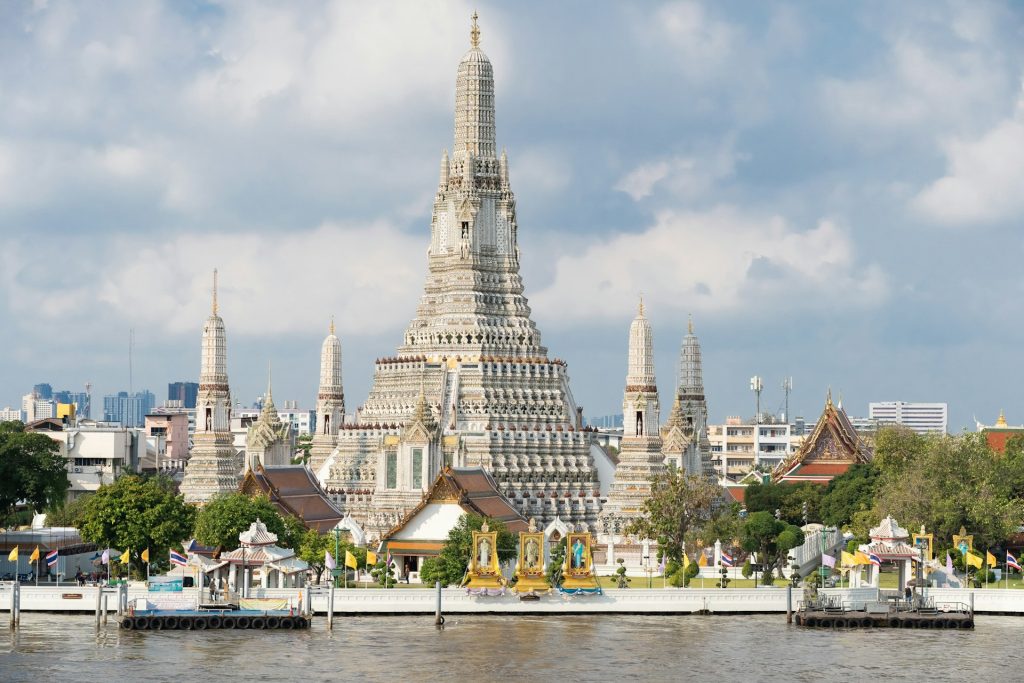
At Bangkok’s Grand Palace and Wat Phra Kaew, entry starts with attire. Official rules ban sleeveless tops, see-through fabric, short shorts, torn pants, and mini skirts, because the complex remains a place of reverence tied to Thai monarchy and religion, not only a monument on a postcard itinerary.
The gate becomes a filter for preparedness. Travelers who arrive in casual beachwear often pause to adjust plans, while those dressed for temple standards move through faster and with less friction. The rule is straightforward, but it quietly shapes pacing, crowd flow, and access across the day, especially in midday heat and heavy queues.
Vatican City
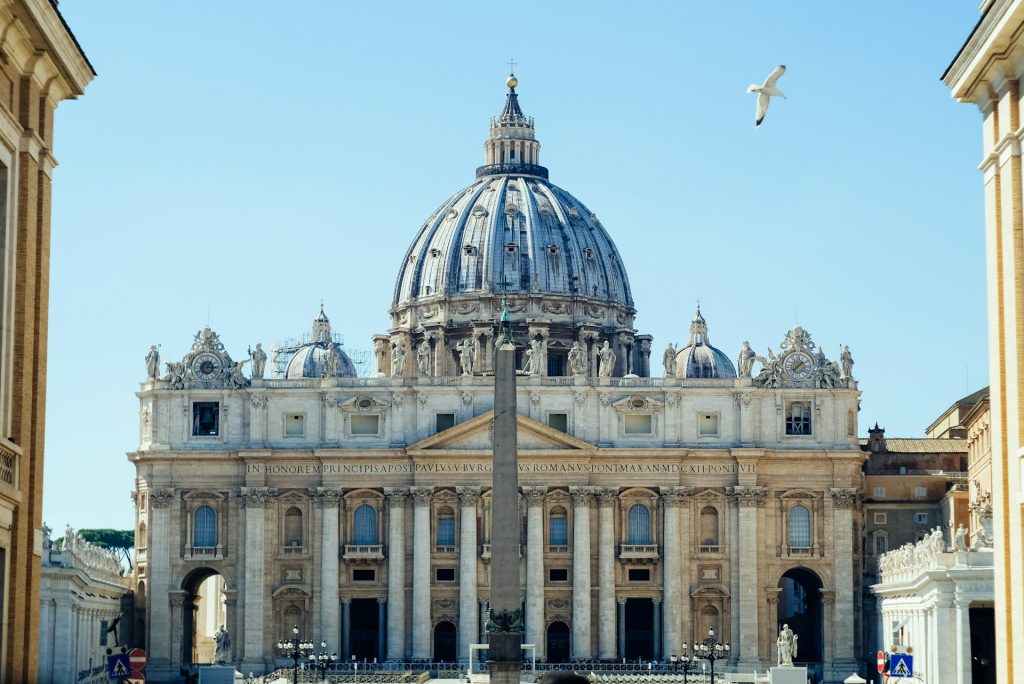
Inside Vatican Museums and major basilica spaces, clothing policy is explicit: low-cut garments, sleeveless tops, shorts above the knee, and hats inside sacred areas are not accepted. The requirement reflects religious decorum in active worship settings, where tourism operates alongside ritual and institutional tradition.
In practice, that code changes who crosses the threshold at any given hour. Visitors who treat the site like a museum-only stop can be turned away, while those who plan for liturgical context usually avoid delays. Access here is not just about tickets; it is about entering a sacred civic space on its terms.
Florence, Italy
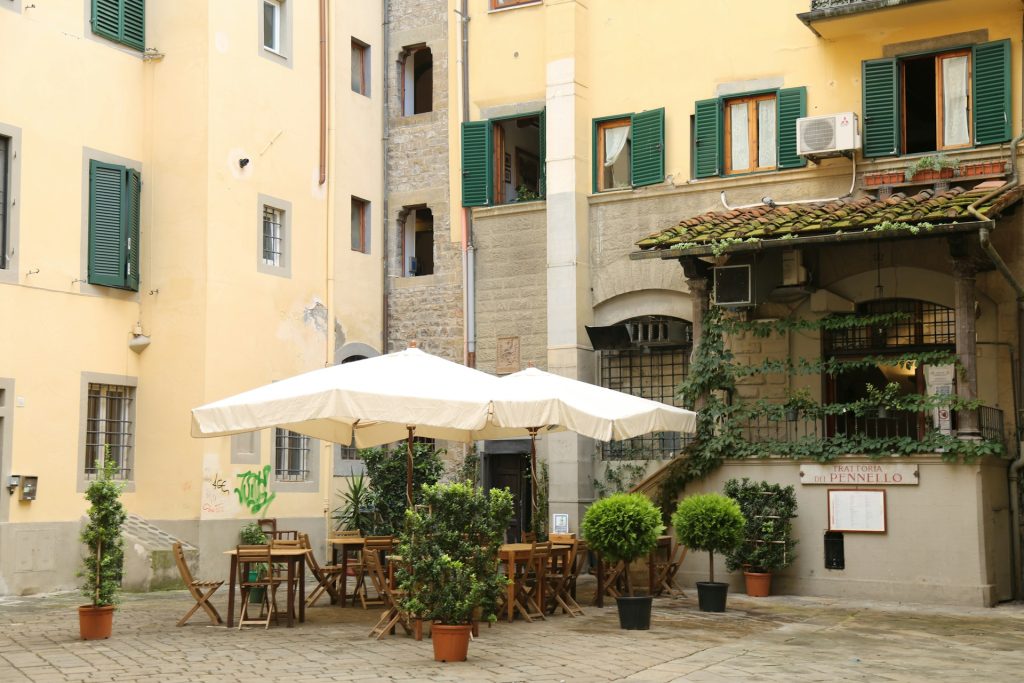
Florence’s Duomo complex still enforces church-entry clothing standards even as visitor demand climbs year-round. Official guidance asks for covered shoulders and clothing of appropriate length, reminding guests that the cathedral is an active religious site before it is a sightseeing icon.
That cultural framing matters at the door. People who arrive straight from summer streets in minimal clothing may need to change or postpone entry, while prepared guests move through security with fewer interruptions. In a city built on art and devotion, access is shaped as much by etiquette as by reservation slots and timing discipline.
Barcelona, Spain

At Barcelona’s Sagrada Família, the basilica’s rules ask for dignified dress and behavior consistent with a Catholic place of worship. Beachwear, transparent clothing, and garments designed for leisure settings are discouraged or refused, even though the site functions as one of Europe’s busiest tourism anchors.
The result is a subtle but firm boundary between city life and sacred interior space. Visitors who arrive from nearby promenades often recalibrate before entry, and that pause can reset the tone of the visit itself. Cultural expectations here are not decorative signage; they are part of how access is organized each day.
Venice, Italy
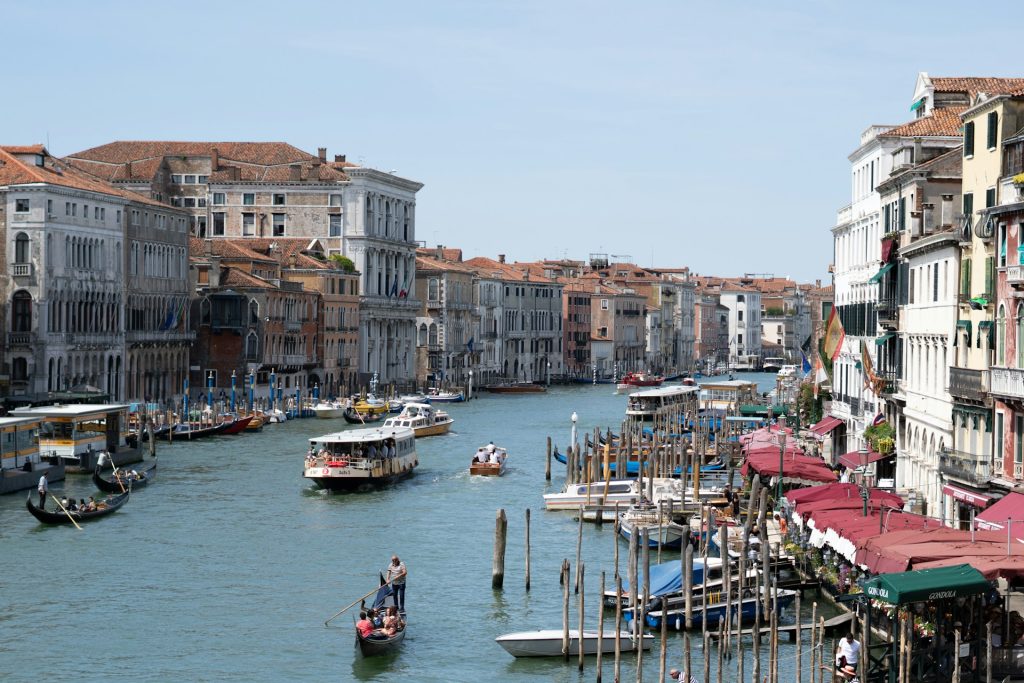
Venice’s St. Mark’s Basilica applies entry norms that prioritize sanctity over spectacle. Official visitor information highlights modest attire, discourages exposed shoulders and short hemlines, and reinforces quiet conduct in a church that still hosts worship within one of the world’s most photographed squares.
That creates a layered threshold in a city known for visual excess. Outside, piazza energy runs high; inside, rules narrow behavior and pace. People who prepare for those expectations enter smoothly, while others stall at screening points. The building remains open to tourism, but access is continuously shaped by religious context.
Abu Dhabi, UAE
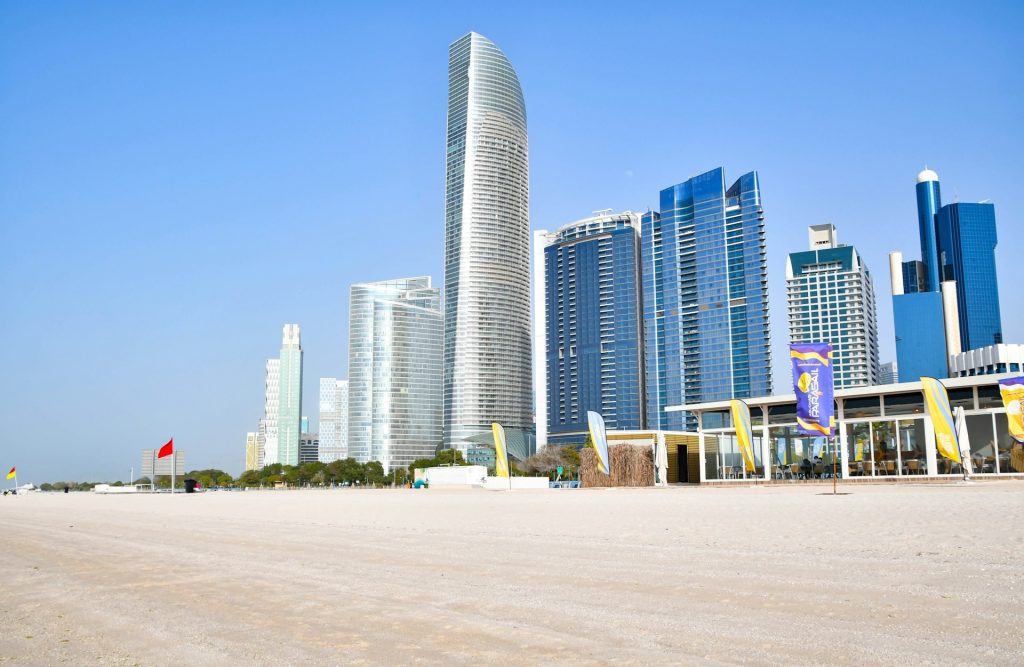
At Sheikh Zayed Grand Mosque in Abu Dhabi, visitor access is governed by clear standards for respectful clothing, and Friday prayer hours also affect what non-worship visitors can enter and when. Official guidance emphasizes that tourism takes place inside a functioning mosque, not a decontextualized landmark.
So timing and attire become operational details, not small print. Guests who plan around prayer windows and dress requirements generally move through calmly, while unprepared groups face delays or rerouting. The policy does more than preserve decorum; it organizes circulation and protects religious practice within a major attraction.
Kathmandu, Nepal
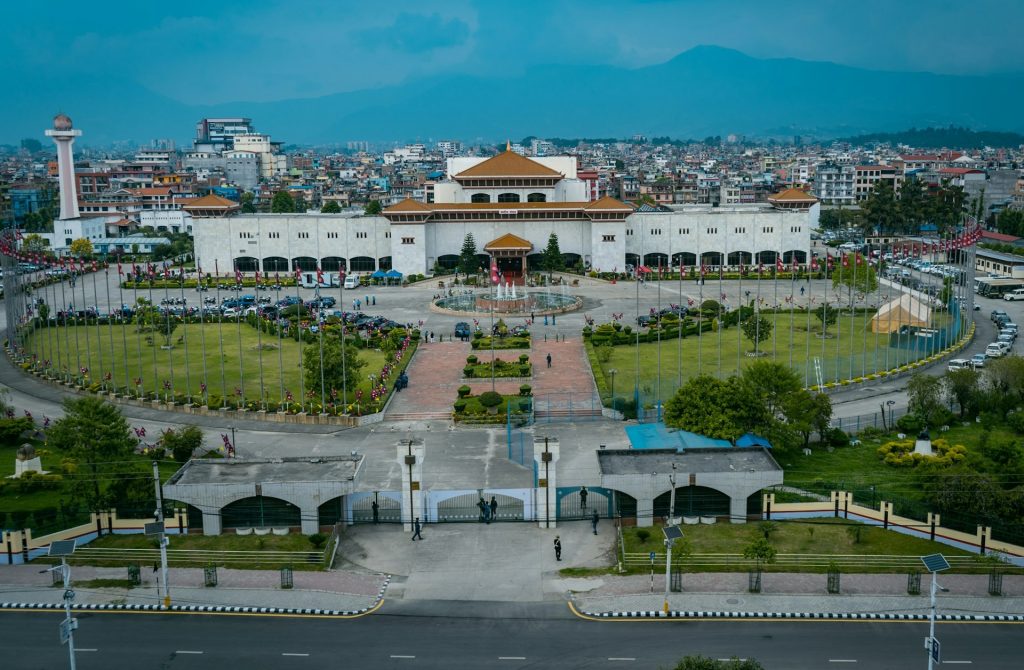
In Kathmandu, Pashupatinath remains a major pilgrimage center where the main temple is restricted to Hindus, while other visitors observe from designated external areas. Nepal’s tourism guidance presents this boundary as religious protocol tied to living worship, not a temporary crowd-control measure.
For travelers, access becomes about perspective rather than total entry. The site still offers strong architectural and ritual visibility, but the core sanctum stays reserved by faith tradition. That distinction can surprise visitors, yet it also explains how a historic temple can host global tourism without diluting devotional identity.
Kandy, Sri Lanka
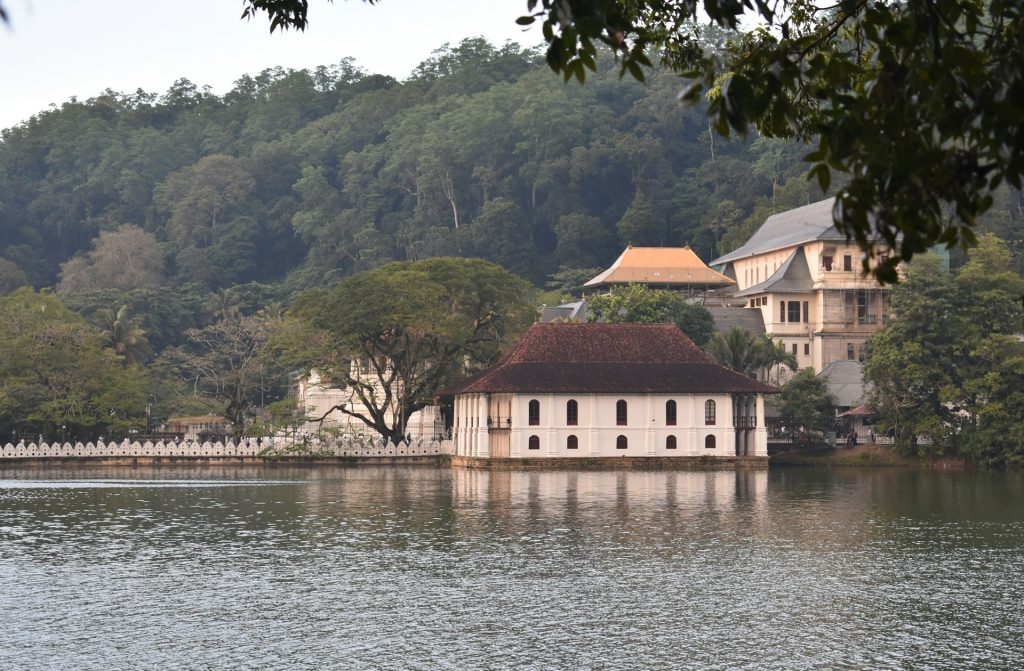
Kandy’s Temple of the Sacred Tooth Relic welcomes international visitors, but entry remains conditioned by temple etiquette: modest dress, removed footwear, and respectful conduct in active ritual space. Local guidance treats these norms as daily obligations in a living Buddhist institution, not optional museum manners.
That expectation changes how the visit unfolds from the first checkpoint. People who arrive dressed and prepared for temple rhythm pass with minimal disruption, while others pause to adjust before entering. Tourism is fully present, yet access stays anchored to worship practice, ceremonial dignity, and local custodianship.
Siem Reap, Cambodia
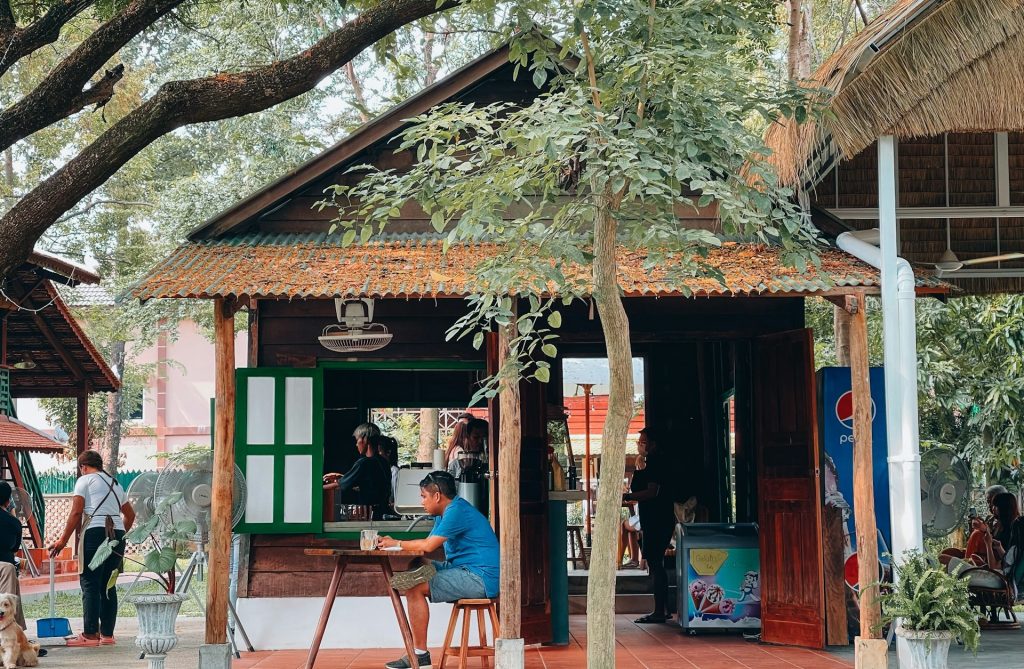
At Angkor in Siem Reap, visitor codes emphasize respectful dress in sacred zones, including covered shoulders and appropriate hemlines, alongside conduct limits designed to protect monuments and worship contexts. The policy emerged as authorities balanced rising global tourism with spiritual and archaeological stewardship.
In everyday terms, the rule shapes who enters smoothly and who is stopped at key points during peak hours. It also signals that Angkor is not only a backdrop for photos but a revered landscape with active cultural meaning. Access remains broad, yet it is conditioned by behavior that supports preservation and dignity.
Denpasar, Bali, Indonesia
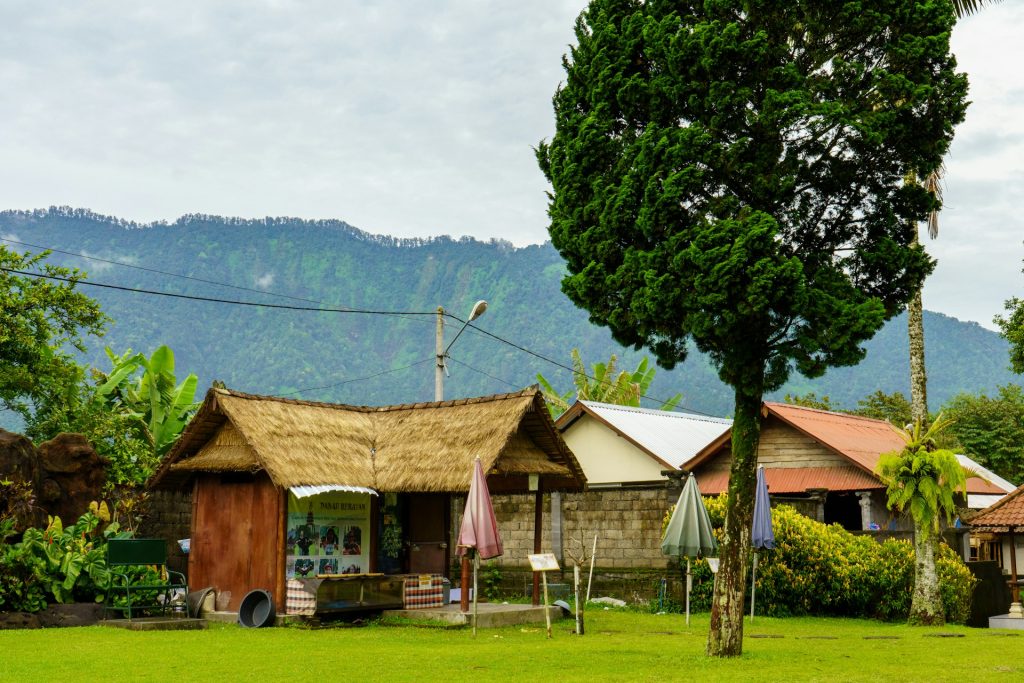
In Bali, cultural rules can extend beyond a single building to the rhythm of an entire day. During Nyepi, the Hindu Day of Silence, airport operations pause and movement restrictions apply across the island, reflecting a province-wide observance rooted in reflection, stillness, and ritual order.
For tourists based around Denpasar gateways, access shifts from mobility to pause. Flights stop, roads quiet, and itineraries are rebuilt around local spiritual time rather than market convenience. It is a rare case where cultural protocol temporarily overrides standard travel infrastructure, and that reset clarifies who sets the terms of entry.
Ouranoupoli, Greece
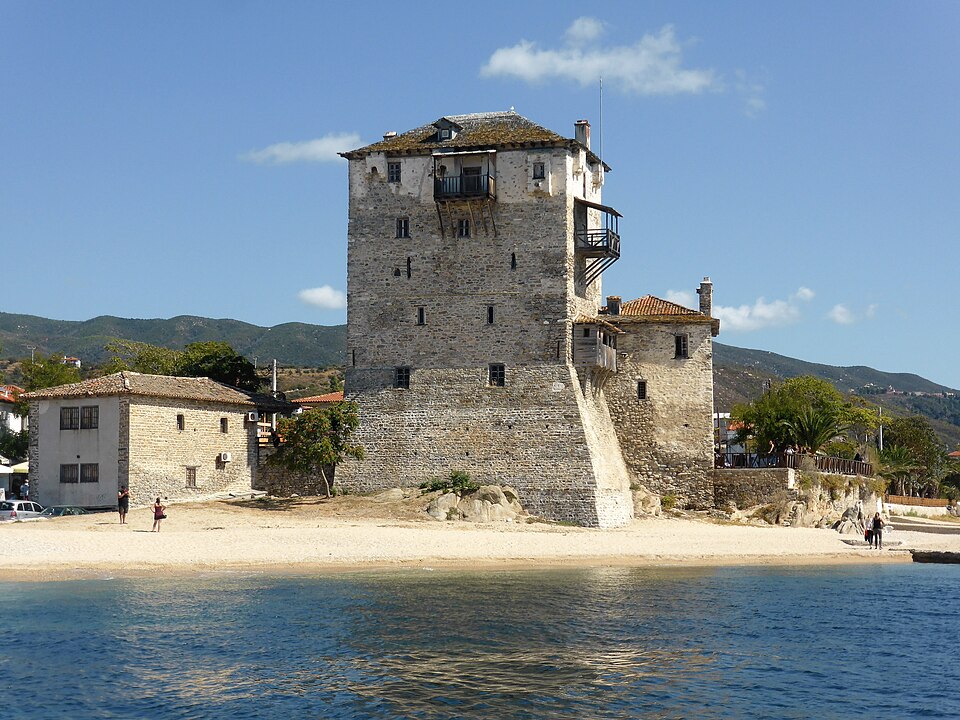
From Ouranoupoli, entry to Mount Athos is controlled by permit, quota, and the long-standing avaton rule that bars women from access. Official pilgrimage guidance also limits non-Orthodox admissions by day and requires advance authorization, preserving monastic autonomy on a peninsula with special legal status.
Tourism therefore works through managed invitation, not open arrival. Even eligible visitors face lead times, documentation checks, and conduct expectations that differ from typical coastal travel in Greece. The process can feel rigorous, yet it helps this monastic landscape remain active, protected, and historically continuous.