12 Cities Where Hotel Wi-Fi Is Still Shockingly Bad
Travel carries a quiet promise: new streets and new views without losing touch with plans, work, or home. Yet even in cities full of polished lobbies and premium room rates, hotel Wi-Fi can feel stuck in another decade. A weak signal turns tiny tasks into long waits, and it can make a late arrival feel even later. Boarding passes, maps, and chat apps now live on phones, so the network matters more than ever. In places with older buildings, dense towers, and heavy guest loads, connectivity becomes its own challenge.
Atlanta, Georgia
Atlanta hotels absorb huge surges from conventions, sports weekends, and airport delays, and that volume can punish Wi-Fi fast when hundreds of rooms connect at the same time. A well-known Hotel WiFi Test report once ranked Atlanta last among 20 major U.S. cities it measured, suggesting the typical guest experience lagged behind other big markets. The real frustration shows up after 9 p.m., when everyone returns, streams, and uploads at once, and the signal shifts from steady to jumpy depending on the room’s distance from access points. In practice, the lobby might feel fine, then a room two floors up becomes the place where video calls wobble and simple pages hang.
San Antonio, Texas

San Antonio’s busiest hotel zones can feel packed, especially around the River Walk and big event weekends, and full properties often mean overloaded networks. The same Hotel WiFi Test snapshot that compared 20 major U.S. cities once placed San Antonio near the bottom, which tracks with what guests often describe: decent connectivity in public areas, then slower, inconsistent performance once the door closes. Older layouts and long hallways can create weak pockets where the signal drops without warning, making tasks like pulling up tickets, joining a call, or uploading a short file feel strangely difficult. When the city is hosting conventions, the slowdown can become a nightly pattern rather than a rare glitch.
New Orleans, Louisiana

New Orleans hotels often live inside historic shells, and brick, plaster, ironwork, and odd corridor shapes are not friendly to Wi-Fi signals. The result can be a stay where the lobby feels lively and connected, yet rooms deeper in the building turn into quiet dead zones that force guests to shuffle toward hall tables or lean by the door for a stable connection. Hotel WiFi Test once placed New Orleans among the weakest big U.S. markets it measured, which matches the common experience in older properties near the French Quarter. When every guest returns after dinner and music, bandwidth gets stretched thin, and the network that worked at 6 p.m. can start hesitating by midnight.
Las Vegas, Nevada

Las Vegas hotels are built like small cities, and the Wi-Fi load looks the same once check-in lines form and the casino floor never really quiets down. A single resort can host conferences, concerts, families, and late-night gamblers all at once, which means thousands of phones, laptops, and streaming devices competing for the same network capacity. Even when a property advertises high-speed access, performance can dip during peak hours, and the experience swings by tower, floor, and even which side of the hallway a room sits on. The frustration is how random it feels: one moment a map loads instantly, the next a simple login stalls, and guests start toggling airplane mode like it is troubleshooting.
New York City, New York

New York’s hotel stock ranges from brand-new towers to prewar buildings carved into tight rooms, and Wi-Fi suffers when walls are thick, corridors are long, and every room is packed with devices. Dense neighborhoods add another layer, with overlapping networks and signal noise that can make even a strong router feel unreliable at certain times. The result is inconsistency: the speed might be fine at check-in, then a room at the end of a hallway becomes the place where logins fail, video calls freeze, and cloud backups crawl. Guests often notice it most during evenings, when everyone is back at once, and the hotel’s shared bandwidth gets divided into thinner and thinner slices.
Paris, France

Paris sells romance in stone, and that same stone can punish connectivity once guests step away from the lobby. Many small hotels sit in older buildings with thick walls, narrow stairwells, and tucked-away rooms where signals weaken quickly, so a fast lobby test can give false confidence. Even upgraded networks still fight the physics of historic layouts and crowded blocks, where neighboring signals crowd the air and access points do not reach evenly. The pattern often feels familiar: good service in the morning, weaker service after dinner, then a room that turns into a slow zone right when reservations, tickets, and transit updates are most needed. It is not always terrible, but it can be surprisingly stubborn.
Rome, Italy

Rome’s hotels often trade space for character, and character can be a challenge for Wi-Fi. Thick walls, interior courtyards, stone arches, and renovations layered over decades can make a network behave unpredictably from room to room. A hallway might have strong signal, while a room set back behind two doors struggles to hold a stable connection for even basic browsing. Peak season amplifies the issue as more rooms fill, more devices connect, and everyone returns in the evening to upload photos, message family, and plan the next day’s route. The common frustration is the swing: it works, then it slows, then it drops, and the guest ends up moving around the room like the signal is a puzzle.
London, England
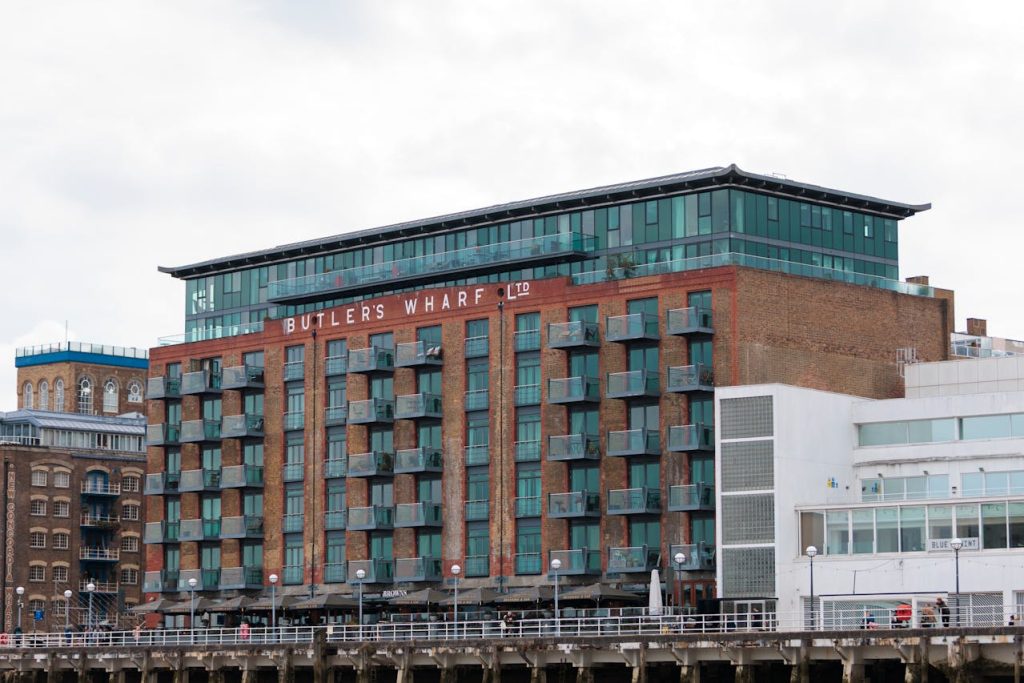
London’s lodging scene is a mix of converted townhouses, basement rooms, and modern high-rises, and Wi-Fi performance can vary wildly even within the same address. Older properties tend to have dense masonry and awkward layouts that block clean signal paths, so access points placed for convenience do not always cover every corner evenly. Add a full hotel and heavy evening demand, and the network can buckle at the exact moment guests need it most, when work calls start, streaming begins, and maps refresh after a long day out. The irritation is not just slow speed. It is the stop-start feel, where pages half-load, logins time out, and small tasks take multiple tries.
Athens, Greece

Athens can deliver spectacular rooftop views and stubborn hotel Wi-Fi in the same night, especially in older properties near the historic center. Hotel WiFi Test once ranked Greece at the bottom of its country results in that period, a signal that many hotels were still operating below a basic speed standard. In practice, the problem often appears after dark, when everyone returns to the hotel and the shared connection gets strained by uploads, streaming, and group chats. Thick walls, tight footprints, and uneven upgrades can create rooms where a signal exists but lacks stability, so calls wobble and apps stall. Many guests end up leaning on mobile data to get through bookings and confirmations.
Istanbul, Turkey
Istanbul’s hotels frequently sit in buildings with layered histories, and the architecture that makes a stay memorable can also swallow a Wi-Fi signal once guests move away from the lobby. Hotel WiFi Test once placed Turkey among weaker countries in its measurements, suggesting uneven investment and inconsistent room coverage at the time. In real stays, the weak points often show up in courtyard-facing rooms, narrow stairwells, and long corridors where access points do not reach cleanly. Guests notice it when a quick task becomes a ritual: stepping into the hallway to download tickets, waiting for a ride request to refresh, or trying three times to send a file. The city moves fast, and the network sometimes does not.
Manila, Philippines
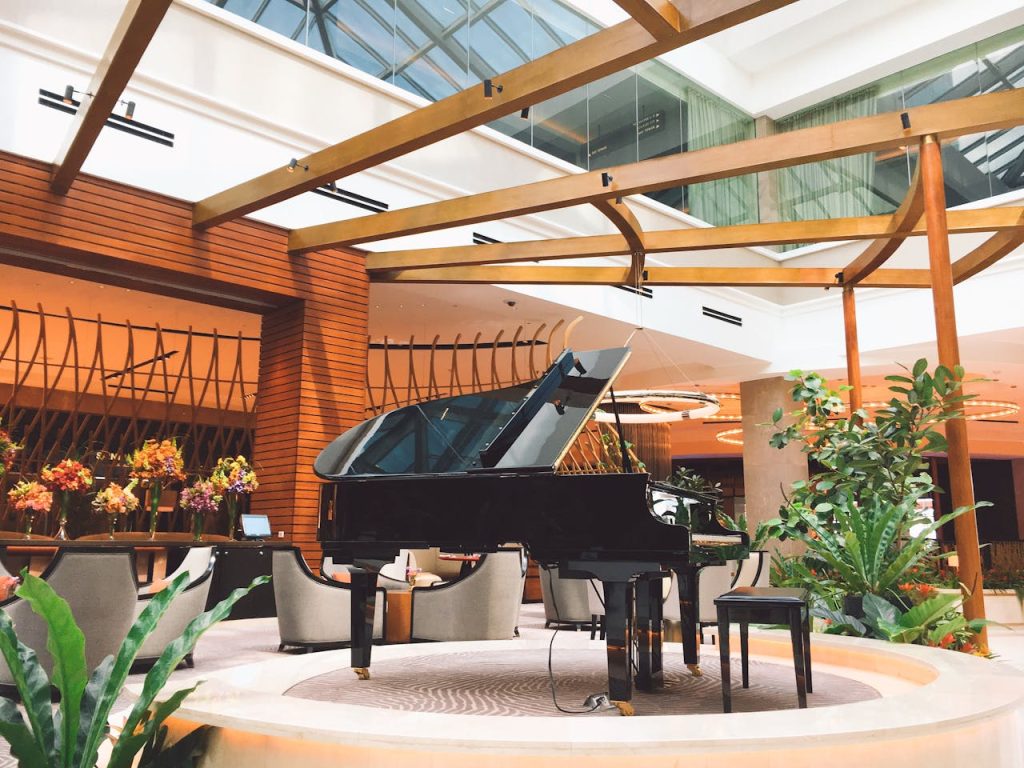
Manila’s hotel Wi-Fi can feel unpredictable, especially when heavy evening usage collides with weather shifts and a property full of guests online at the same time. Hotel WiFi Test once placed the Philippines near the bottom of its country rankings, suggesting many hotels were below a basic standard for speed and stability during that snapshot. The experience often looks like this: service is fine mid-afternoon, then becomes sluggish at night as everyone streams, updates, and joins calls, and time-sensitive apps begin timing out. Business travelers feel it sharply because the tasks are practical, not optional, from sending documents to confirming transport. When it fails, guests lean on hotspots, burning mobile data just to keep plans intact.
Jakarta, Indonesia
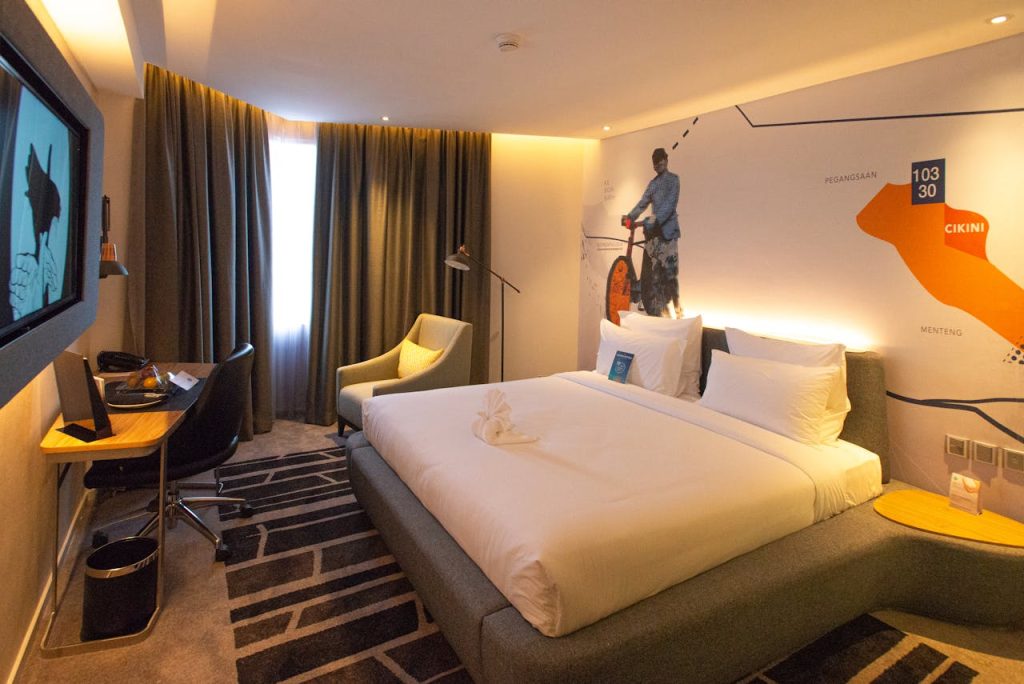
Jakarta is a city of constant motion, but hotel Wi-Fi can lag behind the pace, particularly in large properties where thousands of guests share one pipeline. Hotel WiFi Test once ranked Indonesia among weaker countries for adequate hotel Wi-Fi, pointing to uneven upgrades and inconsistent room-by-room coverage in its measurements. In practice, the connection may feel decent in public spaces, then thin out in rooms once evening demand hits and everyone’s devices start syncing, streaming, and backing up photos at once. The problem is not always speed on paper. It is reliability, the kind that matters when a booking screen refreshes, a payment page stalls, and guests have to restart the process from the top.