12 Cities Where January Feels More Traditional Than Touristy
Christmas feels different in cities where traditions guide the season more than spectacle. Streets glow softly, churches anchor celebrations, and local customs shape daily rhythms. These places emphasize community, faith, and history rather than crowds or commercial excess. Seasonal markets serve residents first, music follows long held patterns, and meals reflect regional heritage. Visitors notice slower pacing, familiar rituals, and genuine atmosphere. Exploring cities where Christmas remains rooted reveals how the holiday can feel intimate and authentic. These destinations prioritize meaning over performance, preserving customs that continue quietly each December within historic communities worldwide today.
Vienna
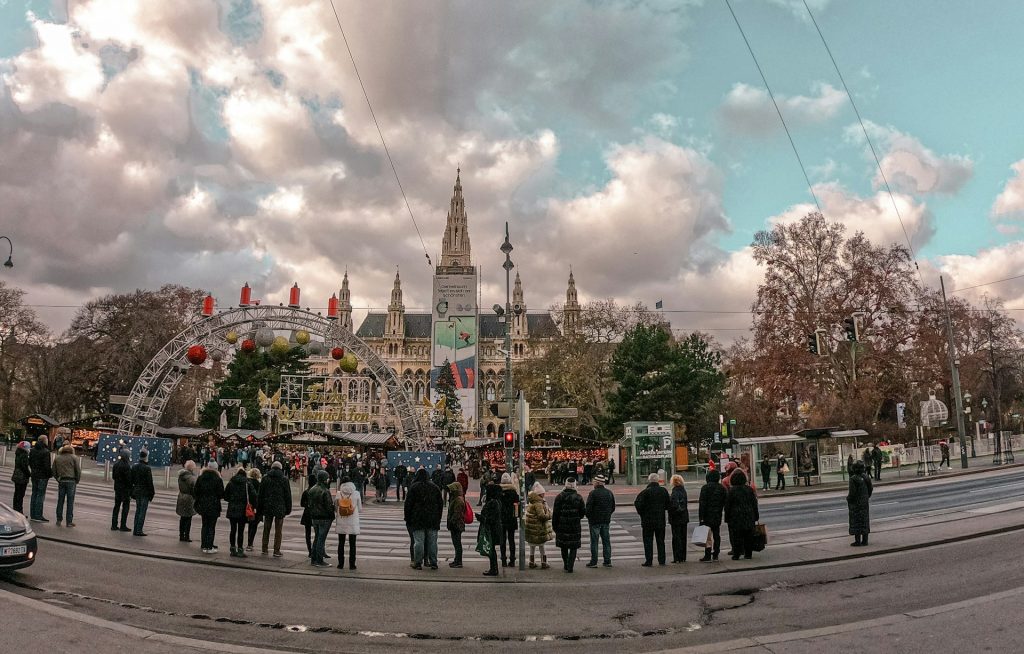
Vienna presents Christmas through long standing customs rather than spectacle. Advent markets operate across neighborhoods, serving mulled wine, pastries, and handmade goods for residents. Classical concerts fill churches and halls with seasonal programs rooted in tradition. Decorations remain elegant and restrained, highlighting architecture instead of novelty. Shops close early on holidays, encouraging home gatherings. Public transport slows slightly, reinforcing a calmer pace. Christmas Eve and Christmas Day focus on family meals and church attendance, creating an atmosphere that feels lived in, reflective, and deeply connected to Austrian cultural history and seasonal continuity each winter season.
Prague
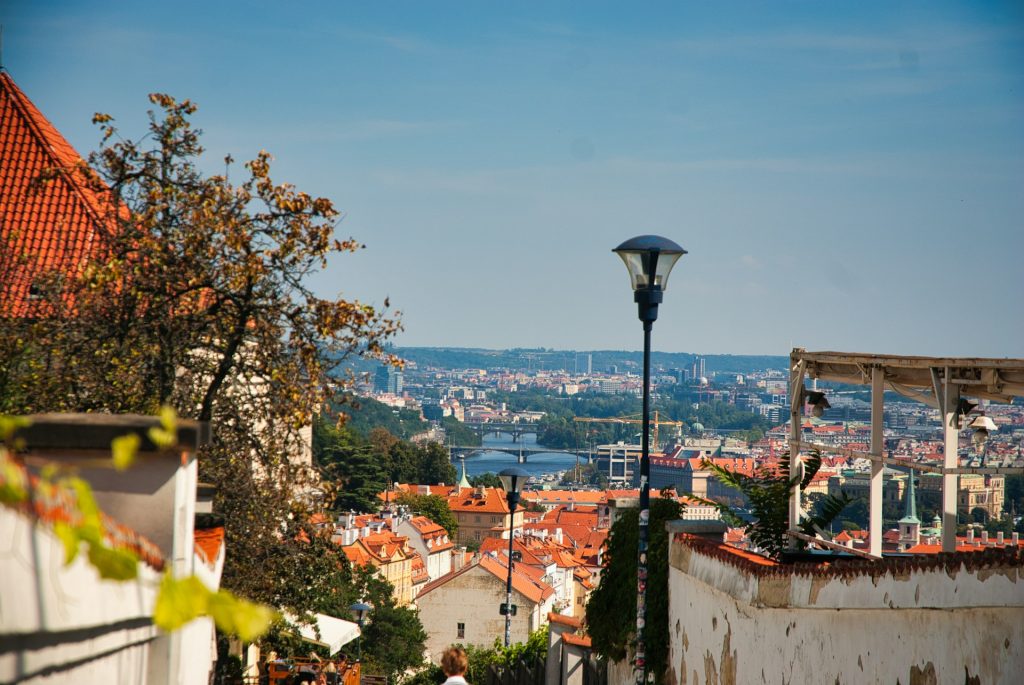
Prague feels traditionally Christmas centered through its religious calendar and historic setting. Old Town Square hosts markets that emphasize crafts, carols, and regional foods rather than entertainment. Churches hold well attended services, filling gothic interiors with music and candlelight. Streets remain modestly decorated, respecting medieval architecture. Shops close on major holidays, reducing commercial activity. Families gather for meals tied to Czech customs. Snow often enhances the atmosphere. Christmas unfolds at a measured pace, shaped by faith, local habit, and centuries old traditions still practiced across the city during December celebrations annually without tourist focus influence.
Strasbourg
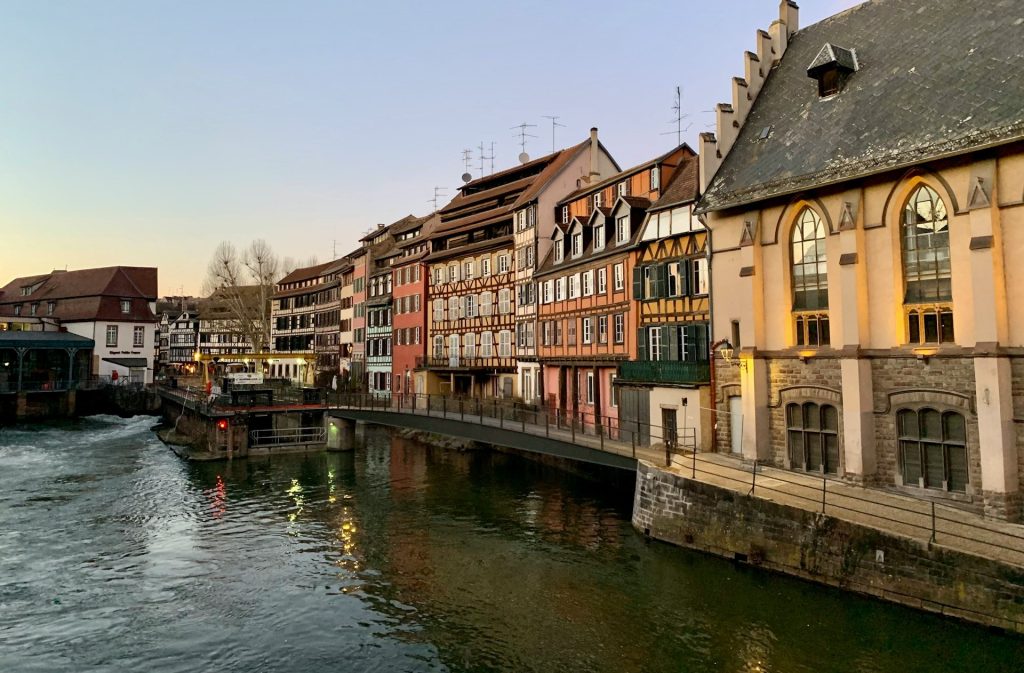
Strasbourg approaches Christmas as a deeply rooted cultural season. Often associated with early Christmas market traditions, the city centers celebrations on Alsatian customs. Timbered houses frame modest lights and nativity scenes. Markets prioritize local foods, crafts, and seasonal music for residents. Churches remain central, hosting services and concerts throughout Advent. Shops close earlier on holidays, and family meals follow regional recipes. Streets feel calm despite visitors. Christmas in Strasbourg reflects continuity, faith, and local pride rather than staged spectacle or excessive commercial emphasis rooted in history and shared community memory passed through generations locally today.
Cologne
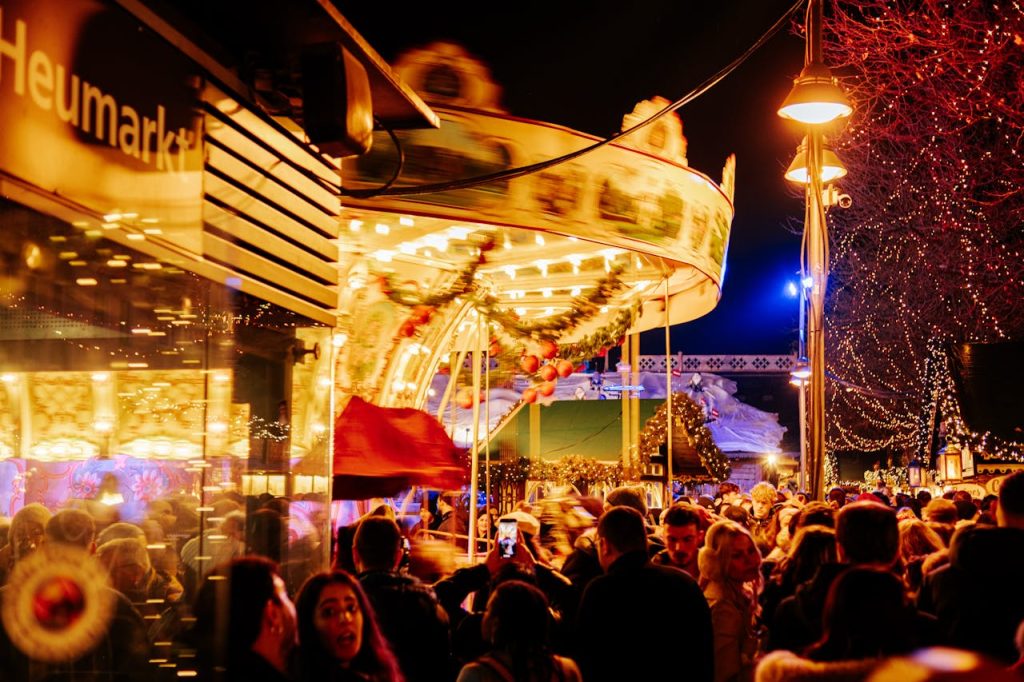
Cologne observes Christmas through strong religious tradition and neighborhood focus. The cathedral anchors seasonal life with Advent services and music. Markets spread across districts, emphasizing regional food, crafts, and community gathering. Decorations remain simple, complementing historic streets. Shops and offices close on Christmas Day, quieting the city. Families prioritize home meals and church attendance. Public celebrations avoid excess. The Rhine waterfront stays calm. Christmas in Cologne feels sincere and familiar, shaped by Catholic customs and everyday rituals practiced annually rather than performances created for visitors seeking quiet seasonal continuity within local life and shared identity.
Salzburg
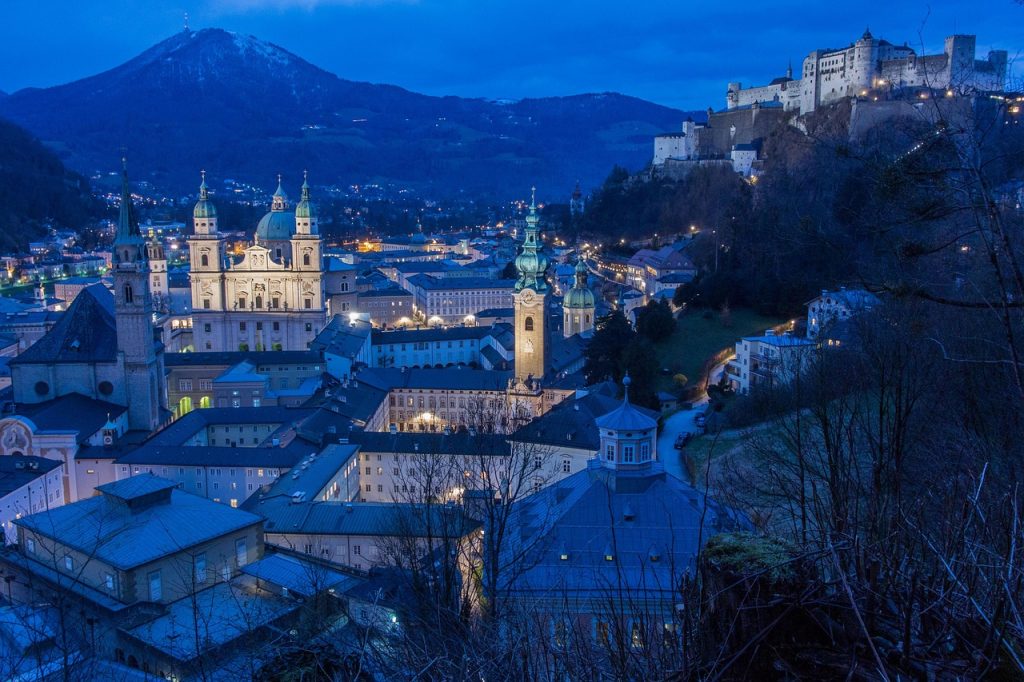
Salzburg celebrates Christmas with restraint shaped by music and faith. Baroque churches host Advent concerts rooted in choral tradition. Markets near the cathedral focus on crafts, baked goods, and community warmth. Decorations remain understated, allowing historic streets to define atmosphere. Shops close early on holidays, and evenings quiet quickly. Families gather for traditional meals and church services. Snow often softens the landscape. Christmas here feels contemplative and sincere, reflecting Austrian customs maintained carefully rather than reshaped for tourism or spectacle through generations of residents valuing continuity and shared seasonal memory across alpine communities each year.
Bethlehem
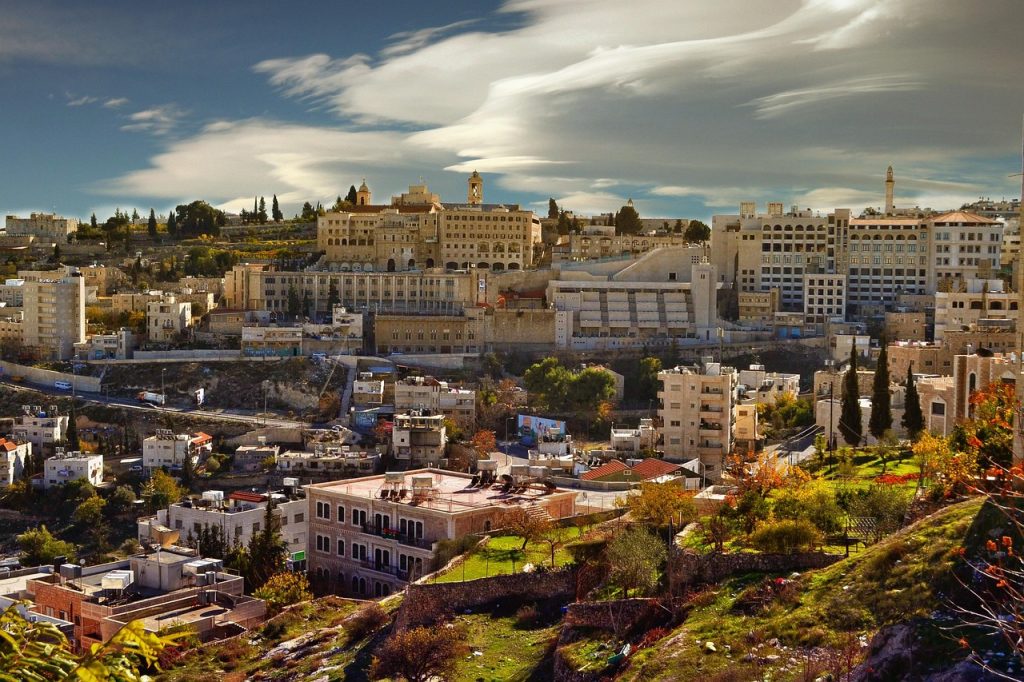
Bethlehem observes Christmas as a central religious event rather than a tourist performance. Churches organize processions, services, and prayers following longstanding Christian traditions. Decorations remain focused on sacred spaces. Local families gather around church calendars rather than shopping schedules. Streets quiet during holy days, and businesses close. The atmosphere reflects reverence and continuity. Music, language, and ritual follow historic patterns. Christmas in Bethlehem centers on faith and community identity, shaped by centuries of observance that prioritize spiritual meaning over spectacle or commercial display within a living cultural and religious landscape sustained by local Christian communities.
Nuremberg
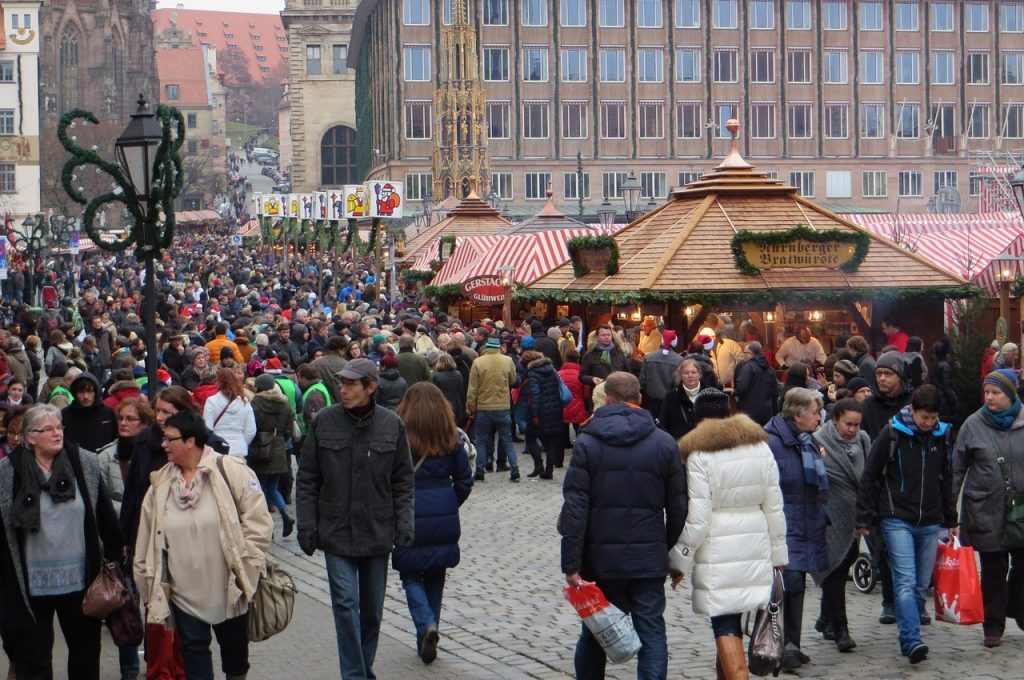
Nuremberg presents Christmas through deeply preserved local customs. The Christkindlesmarkt centers seasonal life with traditional foods, crafts, and music. The Christkind figure opens celebrations following historic ritual. Decorations stay classic, emphasizing continuity. Shops close on major holidays, and evenings quiet quickly. Families focus on home gatherings and church services. The city’s medieval layout enhances atmosphere. Christmas here feels rooted and familiar, reflecting Franconian traditions maintained for residents rather than altered to meet modern tourist expectations through annual practices repeated across generations within the region and supported by civic institutions churches families and local history today.
Tallinn
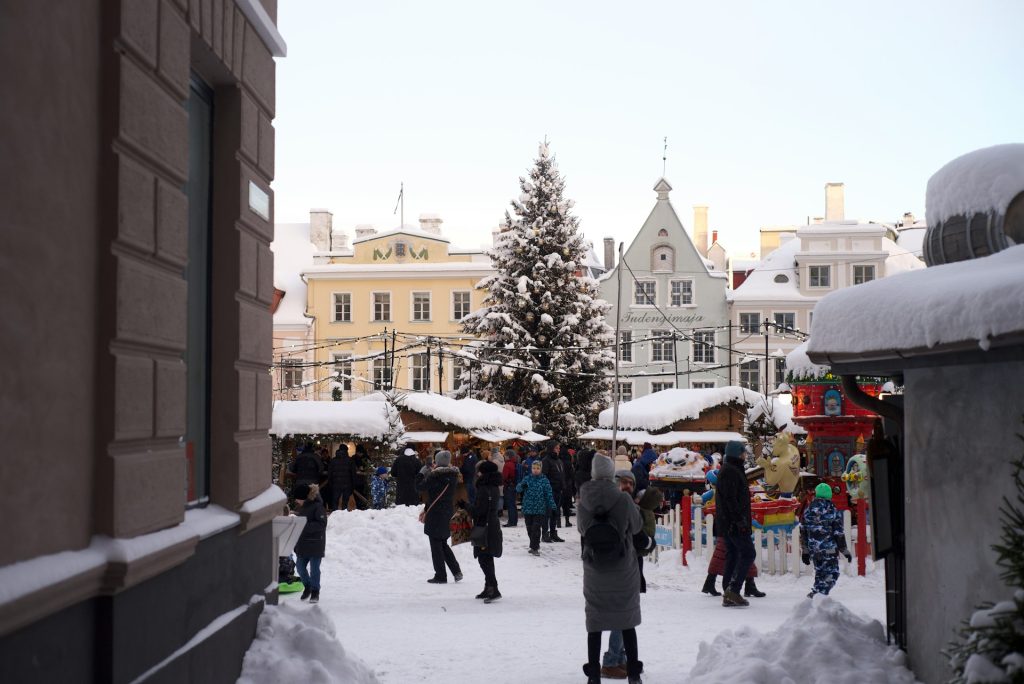
The Tallinn celebrates Christmas through medieval tradition and local rhythm. The Old Town market emphasizes crafts, food, and seasonal music rooted in Estonian culture. Decorations remain modest, blending with historic walls and streets. Many churches host services reflecting Lutheran heritage. Shops close early on holidays, quieting the city center. Snow often shapes the scene. Many families gather at home for meals. Christmas in Tallinn feels sincere and intimate, guided by community customs and historical continuity rather than large scale tourism or commercial excess preserved across generations within Estonia’s capital city through shared seasonal memory and tradition today annually.
Krakow
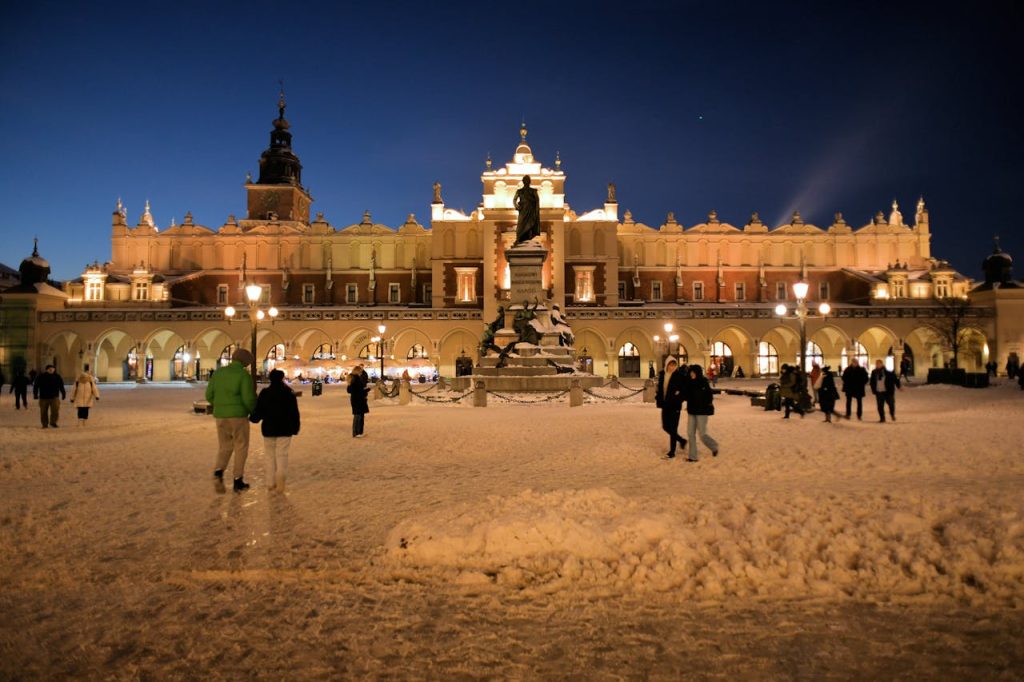
Krakow observes Christmas through strong religious and family centered traditions. Churches host Advent services and midnight Mass with significant attendance. Markets emphasize regional crafts, foods, and carols. Decorations remain simple, respecting historic architecture. Shops close on holidays, slowing city life. Families gather for Wigilia, the traditional Christmas Eve meal. Snow often enhances atmosphere. Christmas in Krakow unfolds quietly, shaped by Catholic customs and long held rituals practiced consistently across generations rather than designed as entertainment for visitors within Poland’s cultural heart and historic urban setting rooted in faith community memory and seasonal continuity today annually.
Quebec City
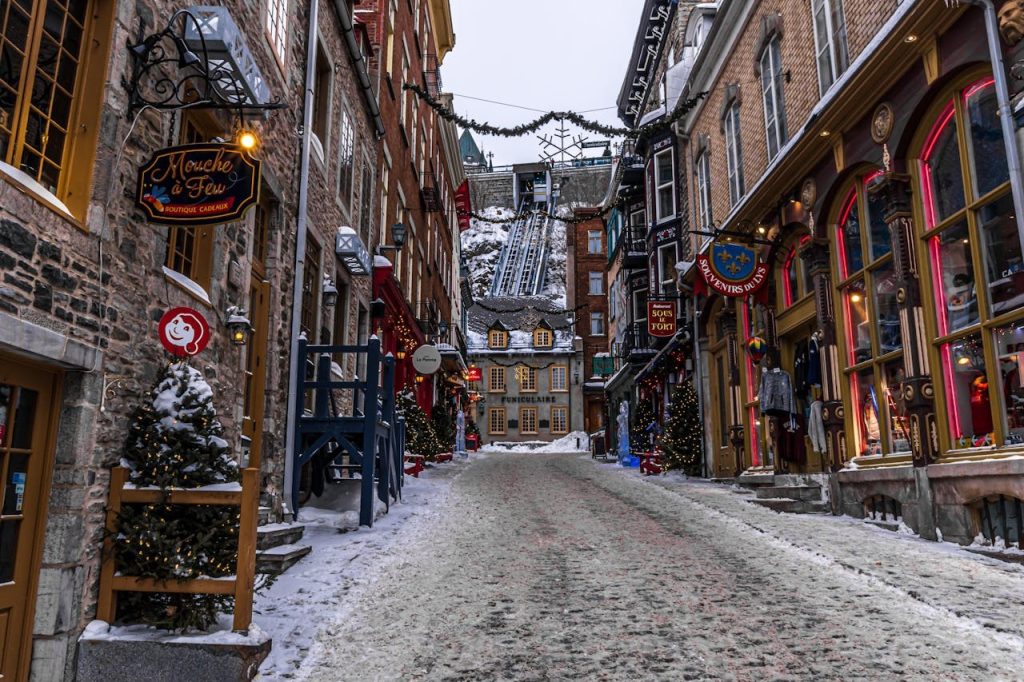
Quebec City celebrates Christmas with traditions tied to French Canadian heritage. Churches anchor seasonal observance with services and music. Streets display restrained decorations that complement historic stone architecture. Shops close on major holidays, encouraging family gatherings. Winter weather shapes a slower pace. Markets emphasize regional foods and crafts. Families gather for meals and church. Christmas here feels intimate and familiar, guided by longstanding customs, language, and faith rather than commercial programming aimed at mass tourism within a walled city preserving seasonal continuity through shared history winter resilience and community life today across generations locally annually.
Seville
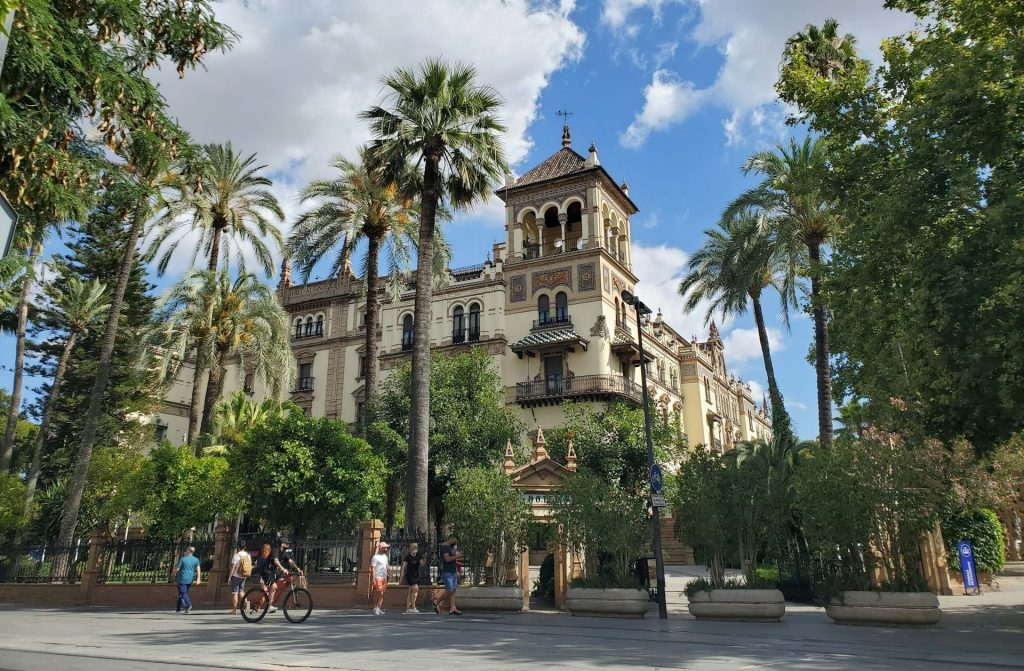
Seville marks Christmas through religious observance and neighborhood tradition. Churches host Advent events, and Mass reflecting Catholic heritage. Streets feature modest lights rather than elaborate displays. Shops close on major holidays, slowing daily pace. Families prioritize home gatherings and seasonal meals. Nativity scenes appear in public buildings. Weather allows outdoor processions without crowds. Christmas in Seville feels communal and sincere, shaped by Andalusian customs and faith practices maintained consistently rather than reframed for tourism or spectacle within historic neighborhoods where tradition guides celebration across generations families parishes and local communities today annually together seasonally.
York
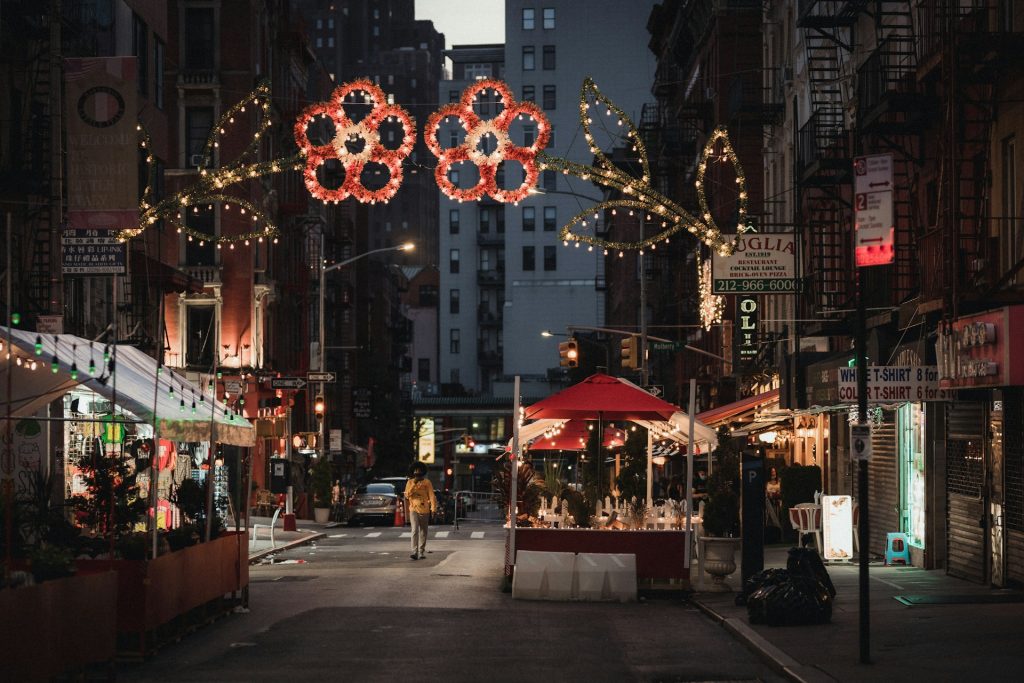
York experiences Christmas through historic continuity and local ritual. Medieval streets frame restrained decorations and seasonal markets. Churches host carol services rooted in Anglican tradition. Shops close early on holidays, quieting the city center. Families gather for meals and worship. Museums and attractions reduce hours. Winter weather encourages a slower pace. Christmas in York feels familiar and grounded, shaped by heritage, faith, and community customs rather than high energy events designed primarily for large scale tourism preserved within northern England’s enduring seasonal traditions practiced annually by residents families churches and neighborhoods across centuries locally today.