12 Cities Where Late Christmas Lights Are the Main Attraction
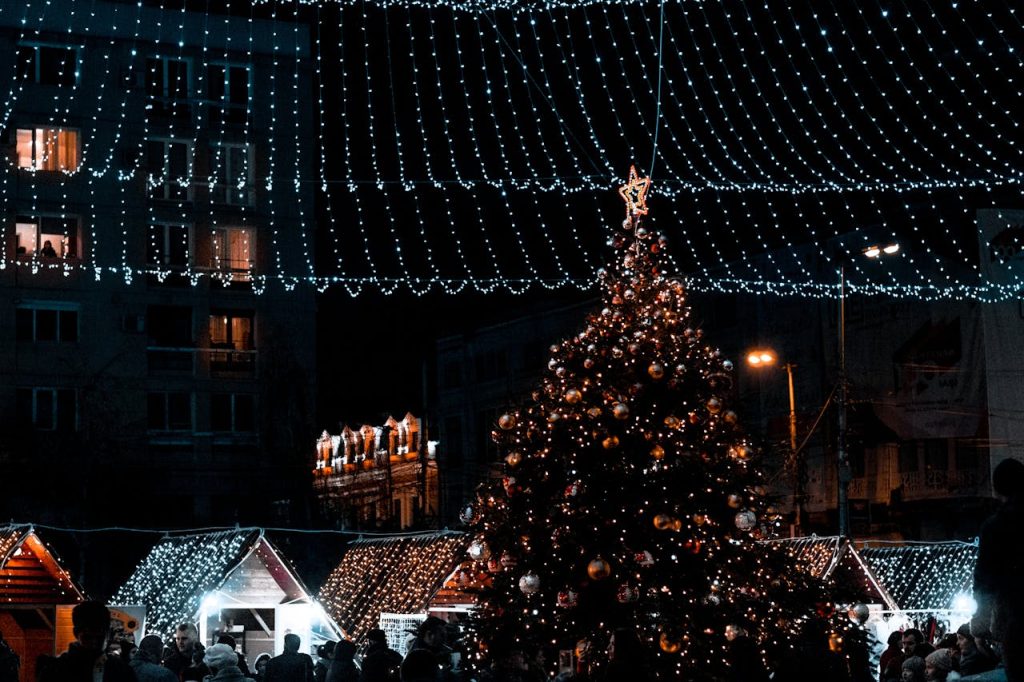
Christmas lights often transform cities into evening destinations where streets, landmarks, and neighborhoods glow with seasonal intent. In some places, light displays move beyond decoration and become the central reason people venture out after dark. These cities design winter experiences around illumination, drawing residents and visitors into shared public spaces. From historic squares to waterfronts and residential streets, light installations create atmosphere, guide movement, and shape holiday routines. The following cities stand out for making Christmas lights the defining feature of the season, where nighttime displays anchor traditions, encourage gathering, and reshape familiar urban landscapes each December.
New York City
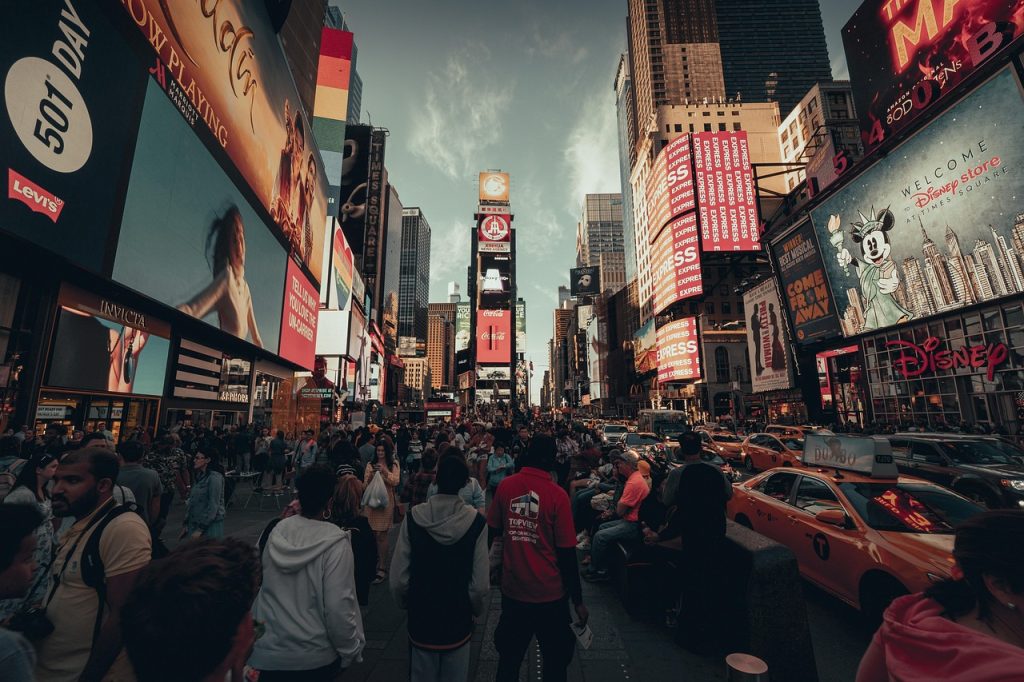
New York City treats Christmas lights as a seasonal language spoken across boroughs. Rockefeller Center anchors the tradition, but neighborhoods like Dyker Heights elevate residential displays into nightly attractions. Fifth Avenue storefronts contribute carefully designed lighting, turning sidewalks into viewing corridors. Parks, bridges, and public buildings adopt coordinated illumination that draws steady crowds. The scale reflects the city itself, expansive yet structured. Lights shape walking routes and evening routines, encouraging exploration across districts. In New York, Christmas lighting becomes a shared urban experience, blending commercial centers, community streets, and iconic landmarks into one continuous spectacle.
London
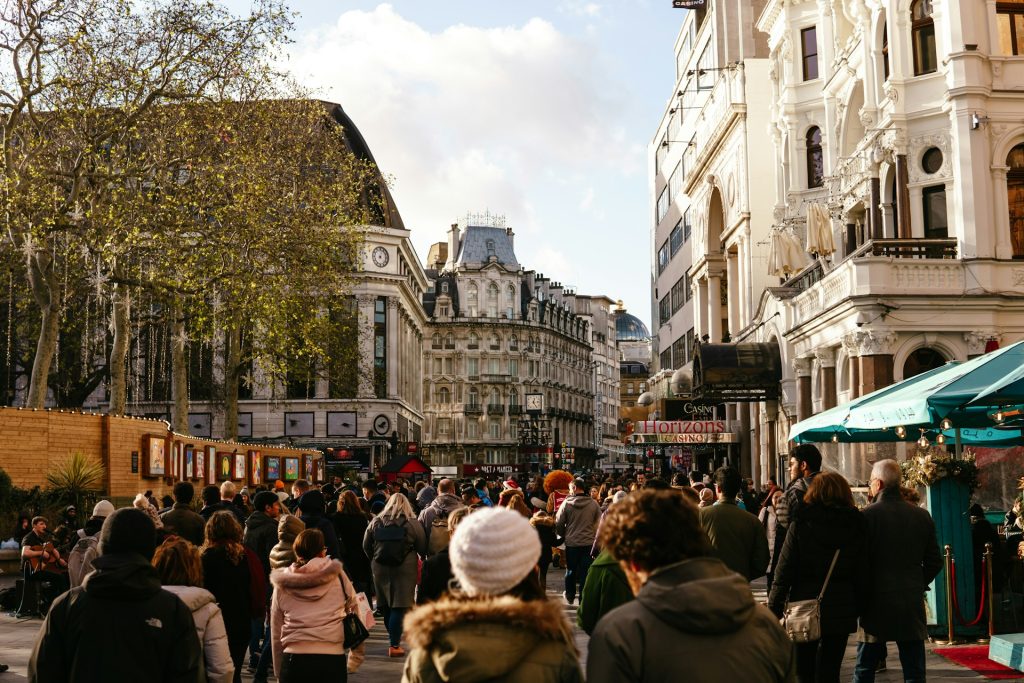
The London uses Christmas lights to redefine its streetscape during winter evenings. Major corridors such as Oxford Street and Regent Street unveil coordinated installations that stretch for blocks. Neighborhoods add distinctive touches, reflecting local character through design. Historic architecture provides a dramatic backdrop, allowing lights to emphasize facades rather than overwhelm them. The displays guide pedestrian flow and encourage evening walks despite shorter days. Across the city, illumination becomes an organizing feature of the season. Christmas lights in London function as both decoration and destination, shaping how people move through and experience the city after dark.
Paris
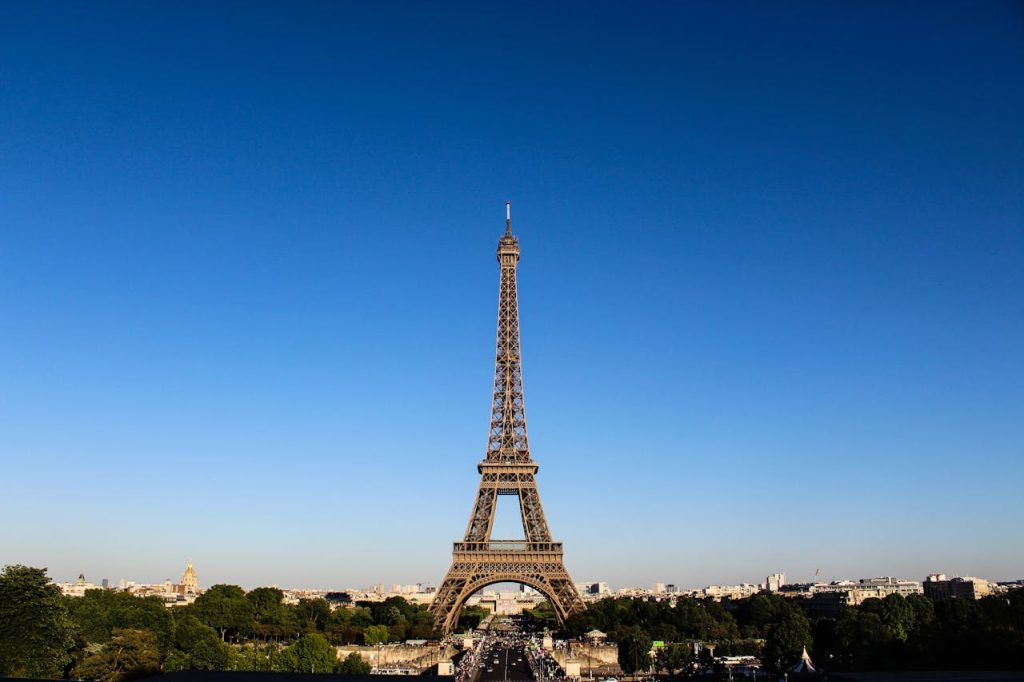
Paris approaches Christmas lights with restraint and emphasis on setting. Avenue des Champs Élysées becomes the focal point, lined with carefully timed illumination that highlights the boulevard’s scale. Nearby streets and bridges echo the glow with subtle coordination. Rather than overwhelming displays, the city uses light to enhance architecture and urban rhythm. Public spaces feel theatrical yet controlled, encouraging evening strolls. Seasonal lighting supports Paris’s identity as a walking city, where atmosphere matters. Christmas lights here serve as the main attraction by framing familiar landmarks in a softer, winter focused visual language. Evening crowds move slowly, reflections, and quiet seasonal elegance together.
Tokyo
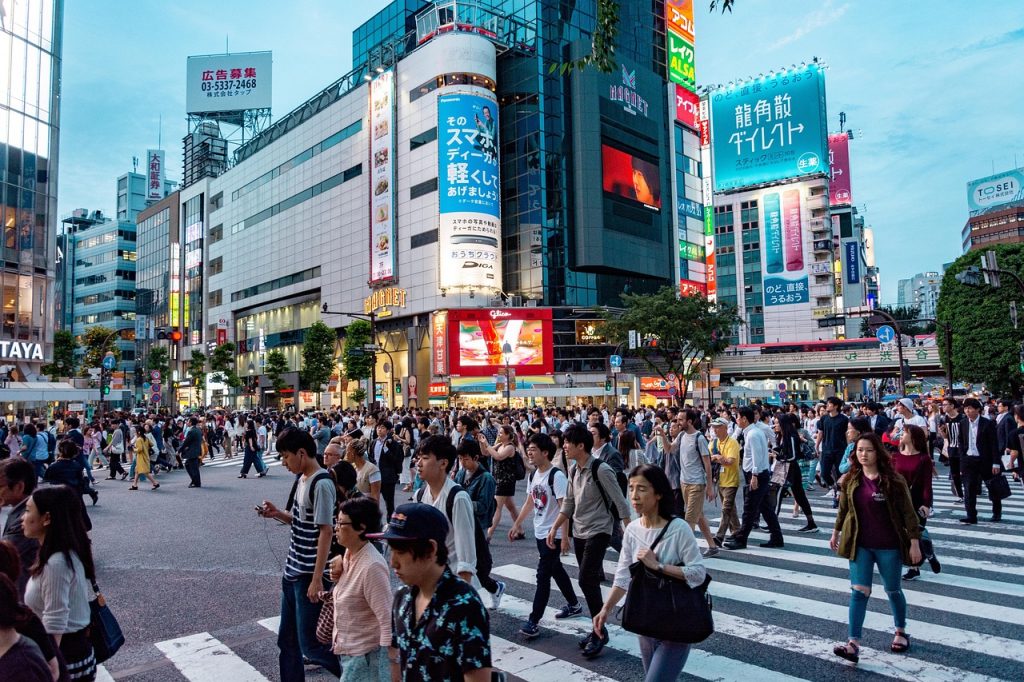
Tokyo transforms Christmas lights into immersive urban experiences across multiple districts. Areas like Shibuya, Roppongi, and Marunouchi design large scale illuminations that draw nightly crowds. Displays emphasize modern aesthetics, synchronized lighting, and expansive coverage rather than traditional motifs. Commercial complexes and public spaces collaborate, creating continuous illuminated zones. The lights become evening destinations independent of religious tradition. Residents treat these areas as seasonal gathering places. In Tokyo, Christmas lighting defines winter nightlife, shaping travel patterns and social routines through visual spectacle that feels distinctly contemporary and city focused.
Vienna
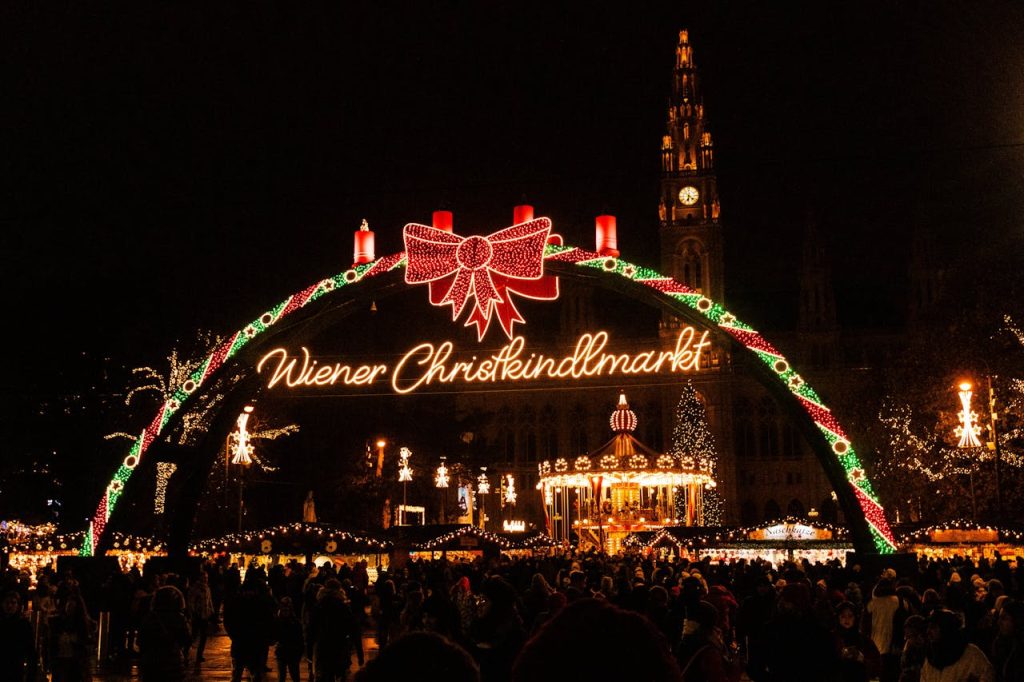
Vienna integrates Christmas lights into its historic core, allowing illumination to complement centuries old architecture. Streets around Stephansplatz and major shopping areas adopt coordinated designs that guide visitors through the city center. Rather than isolated displays, lighting connects plazas, markets, and thoroughfares. The approach emphasizes warmth and continuity. Evening walks become central to seasonal routines. The lights highlight Vienna’s formal urban layout while adding seasonal softness. Christmas illumination here functions as a navigational and social feature, encouraging lingering movement through streets where history and winter atmosphere intersect naturally each year.
Berlin
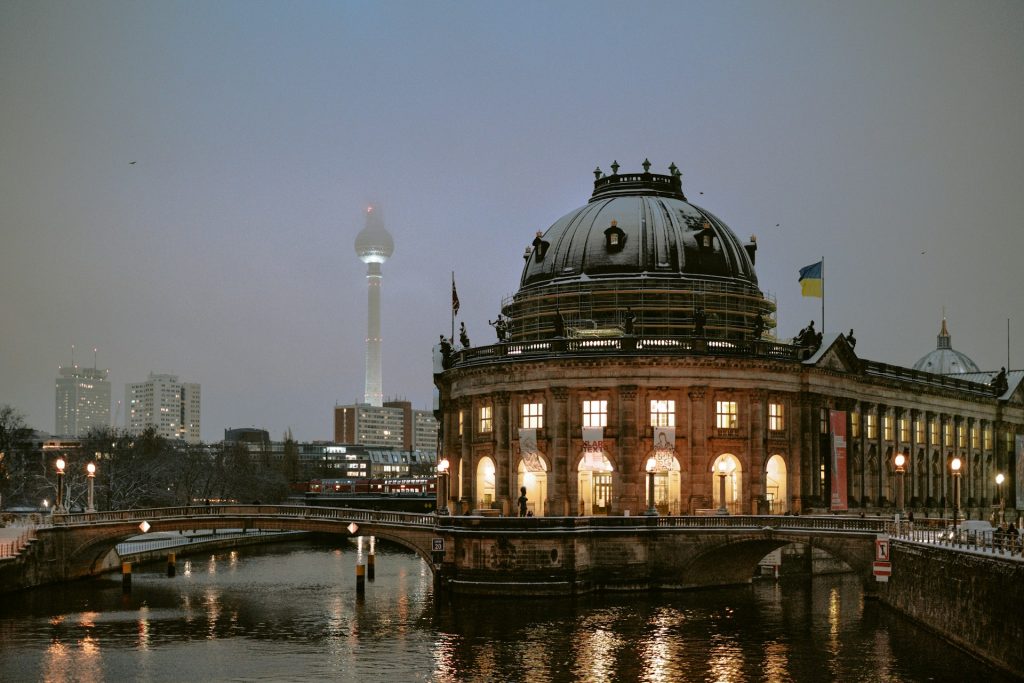
Berlin treats Christmas lights as neighborhood expressions rather than a single focal event. Districts like Charlottenburg, Mitte, and Prenzlauer Berg adopt distinct lighting styles that reflect local identity. Major avenues glow steadily, while residential streets contribute smaller displays. Historic sites and modern structures share the seasonal focus. The city’s scale allows lights to act as connectors across varied environments. Evening movement shifts toward illuminated streets. In Berlin, Christmas lighting becomes the primary seasonal attraction by turning everyday routes into visual experiences that encourage exploration across diverse neighborhoods throughout the winter period.
Chicago
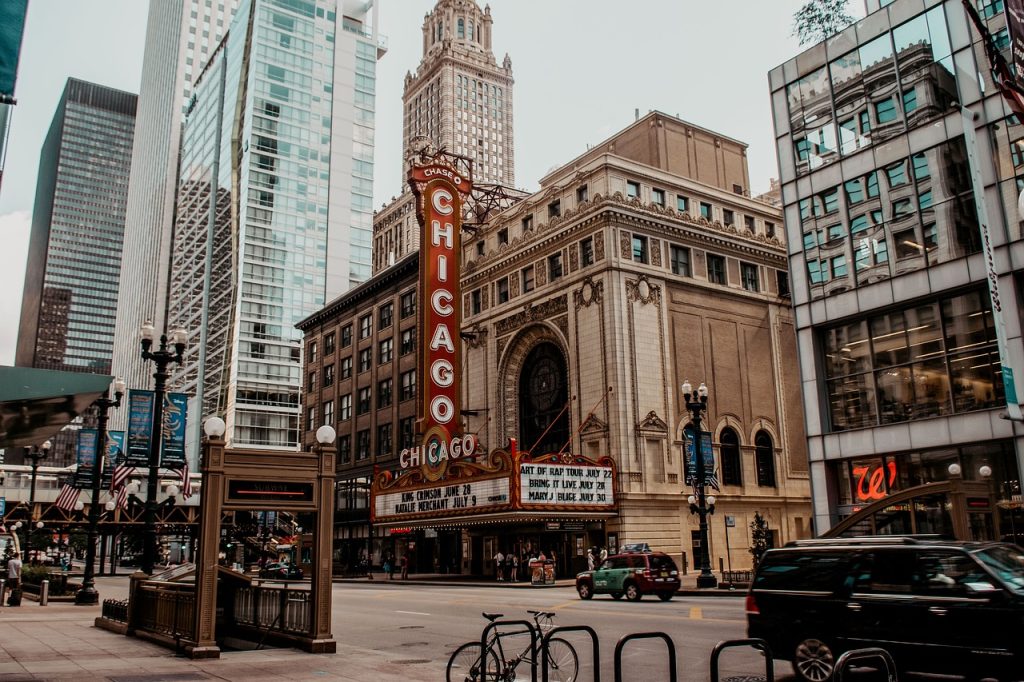
Chicago uses Christmas lights to activate its downtown and neighborhoods during winter. Michigan Avenue installations anchor the experience, while Millennium Park and nearby streets extend the glow. Residential areas add coordinated displays that draw evening foot traffic. The city’s grid amplifies visibility, allowing lights to stretch across long corridors. Cold weather makes illumination especially important for outdoor appeal. The lights provide structure and warmth to the urban environment. In Chicago, Christmas lighting serves as the central attraction by transforming streets into welcoming winter spaces despite seasonal temperatures. Neighborhood traditions and lakefront reflections deepen the seasonal glow across winter nights.
Prague
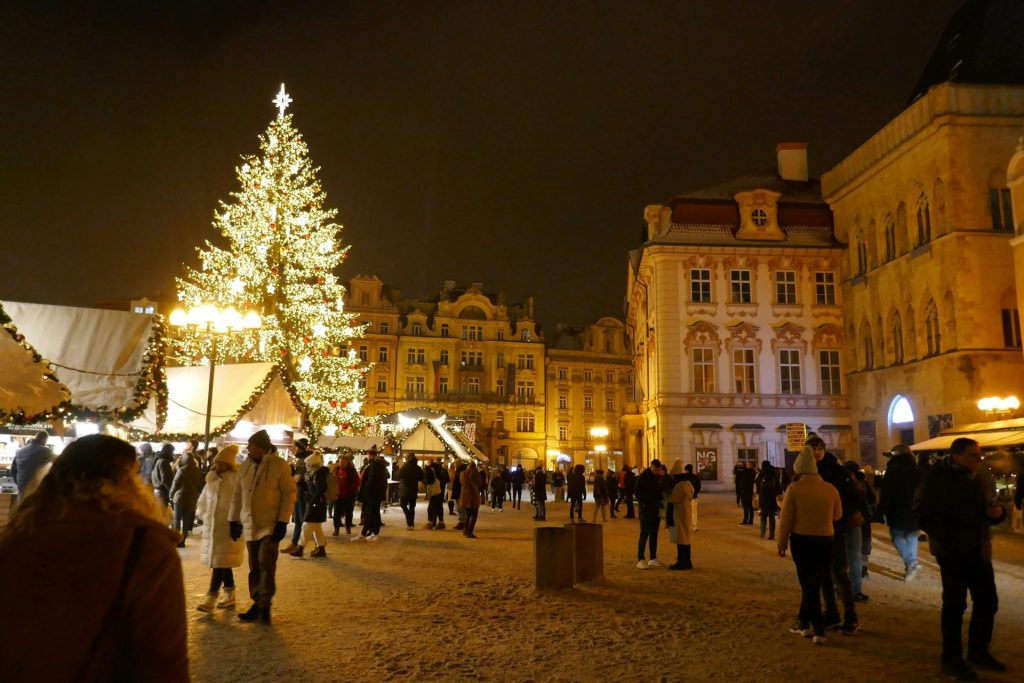
Prague relies on Christmas lights to emphasize its historic streets and public squares. The Old Town and surrounding areas adopt lighting that highlights architectural detail rather than spectacle alone. Narrow streets glow evenly, guiding movement through medieval layouts. Bridges and river views gain subtle illumination that enhances nighttime atmosphere. The displays support walking based exploration during winter evenings. Christmas lights in Prague feel integrated into the city’s fabric. They become the main attraction by reinforcing the character of the setting, allowing history and seasonal light to work together seamlessly. Soft illumination encourages lingering walks, highlighting textures, silhouettes, and centuries old stonework.
Madrid
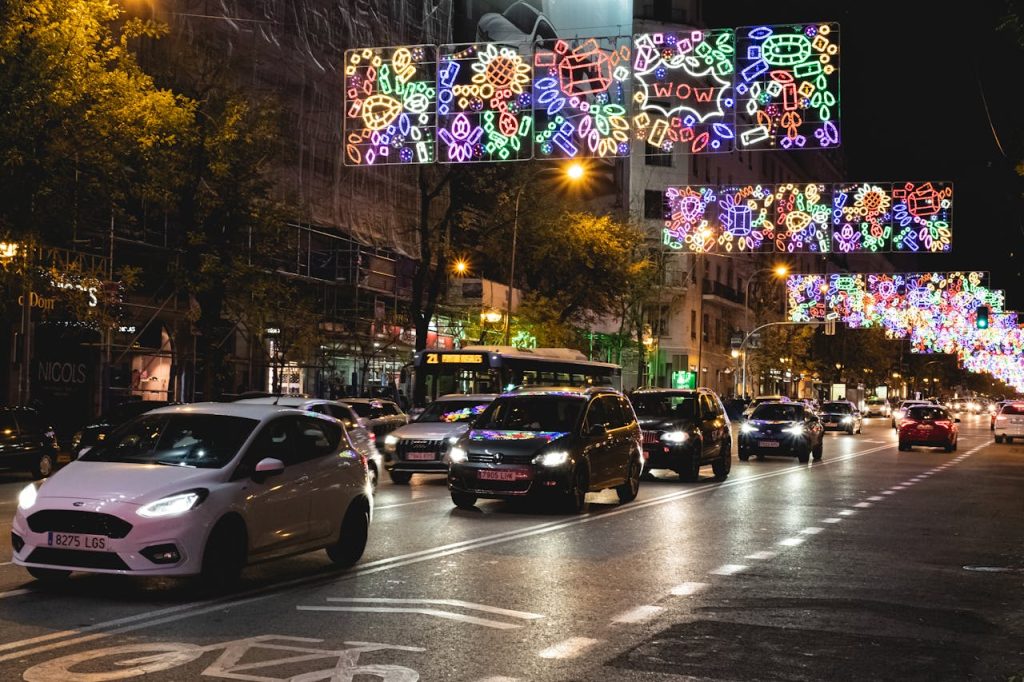
Madrid uses Christmas lights as a citywide feature that encourages evening activity. Major streets like Gran Vía receive elaborate installations, while neighborhoods contribute complementary designs. The scale creates continuity across districts. Lights emphasize movement, drawing people through commercial and residential areas alike. Public spaces feel active later into the night, reflecting local social habits. The displays shape seasonal routines without relying on singular landmarks. In Madrid, Christmas lighting becomes the primary attraction by extending urban life outdoors, using illumination to maintain energy, visibility, and shared public experience throughout December.
Copenhagen
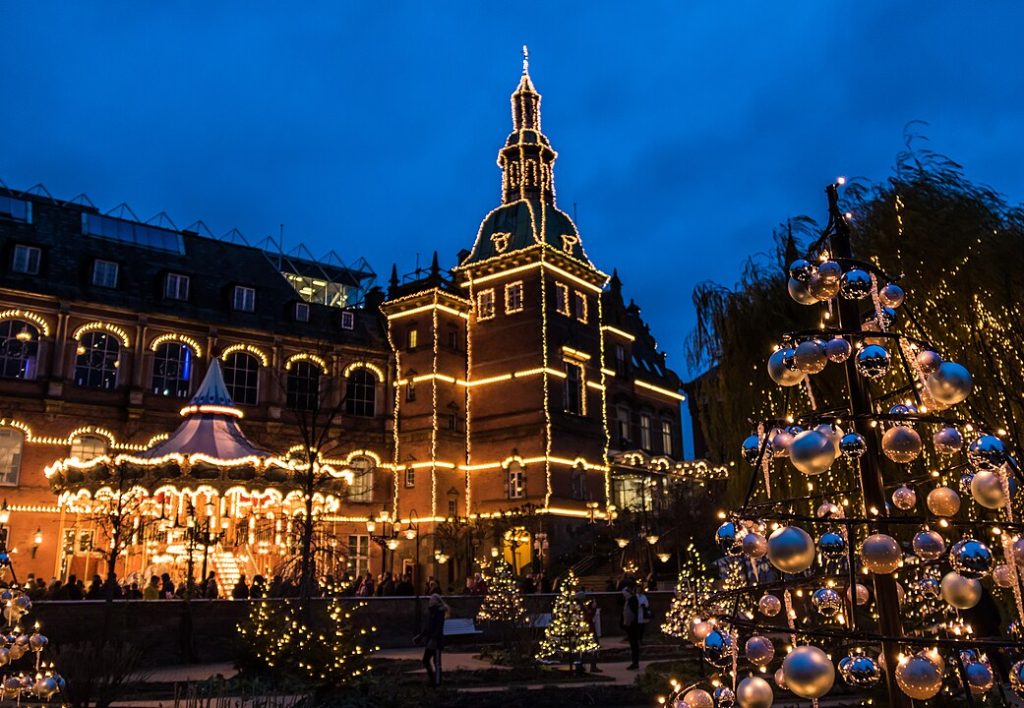
The Copenhagen centers Christmas lights around pedestrian friendly streets and public squares of the city. Areas like Strøget adopt coordinated illumination that emphasizes intimacy rather than scale. The city uses light to counter short daylight hours, making evening movement comfortable. Residential neighborhoods add understated displays that support local routines. Waterways and historic buildings reflect seasonal glow. Christmas lighting here focuses on atmosphere and accessibility. In Copenhagen, the lights function as the main attraction by shaping how people experience winter evenings, reinforcing walkability, community presence, and the city’s emphasis on shared public spaces.
Quebec City
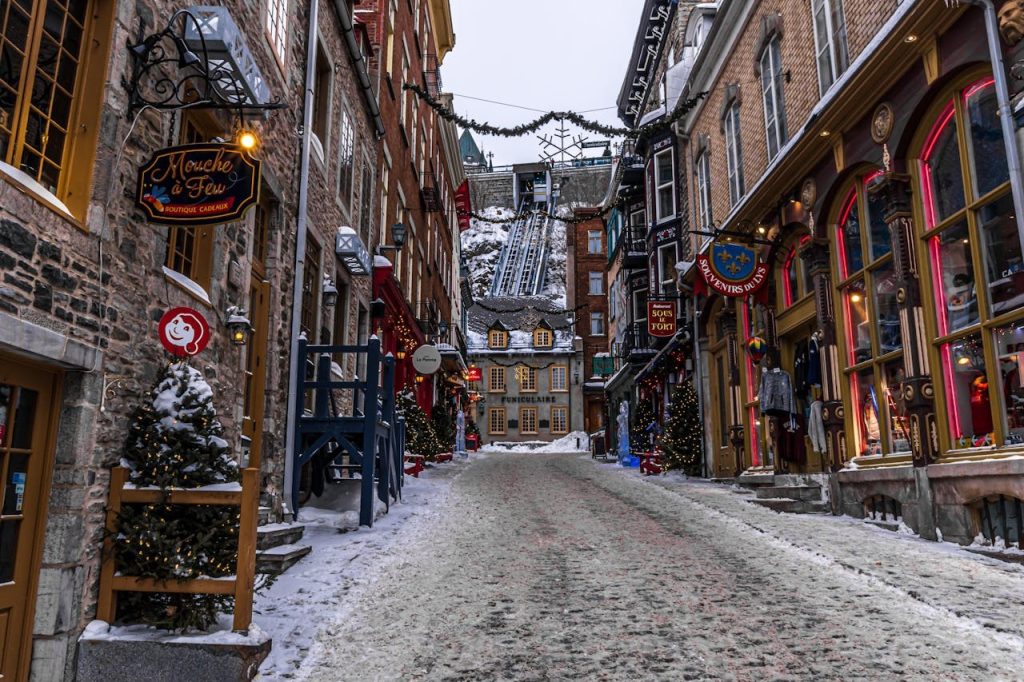
Quebec City uses Christmas lights to enhance its historic environment and winter identity. The Old Town becomes the focal point, with illumination highlighting stone streets and fortified walls. Lighting follows the contours of the city’s layout, guiding visitors through narrow passages and open squares. Snow amplifies the effect, reflecting light naturally. Displays feel integrated rather than separate events. Christmas lights in Quebec City become the central attraction by transforming familiar streets into evening destinations where history, weather, and illumination combine into a cohesive seasonal experience. Local traditions and winter festivals quietly support the visual spectacle nightly there.
San Antonio

San Antonio centers its Christmas lighting around the River Walk, turning water level paths into illuminated corridors. Lights reflect off the river, doubling their visual impact. Bridges, trees, and building facades contribute to a continuous display that encourages movement along the water. The layout naturally guides visitors through the experience. Evening boat traffic adds perspective to the lighting. In San Antonio, Christmas lights define the season by transforming the River Walk into the city’s primary attraction, where illumination shapes both navigation and atmosphere throughout December nights. Seasonal music and gatherings complement illuminated walks along the river during December.