12 Cities Where Ride-Share Safety Complaints Are Increasing
Ride share services transformed urban transportation, yet safety concerns increasingly shape public discussion. Passengers value convenience, but reports involving misconduct, accidents, and security gaps continue to surface. City size, tourism, nightlife, and congestion often influence complaint patterns. Local governments and companies track reports through hotlines, lawsuits, and media. This article highlights twelve cities where ride share safety complaints have drawn growing attention in recent years. Each city reflects unique conditions rather than identical problems. The focus remains on documented concern trends, public reporting, and environmental factors that shape rider experiences across diverse metropolitan areas.
New York City
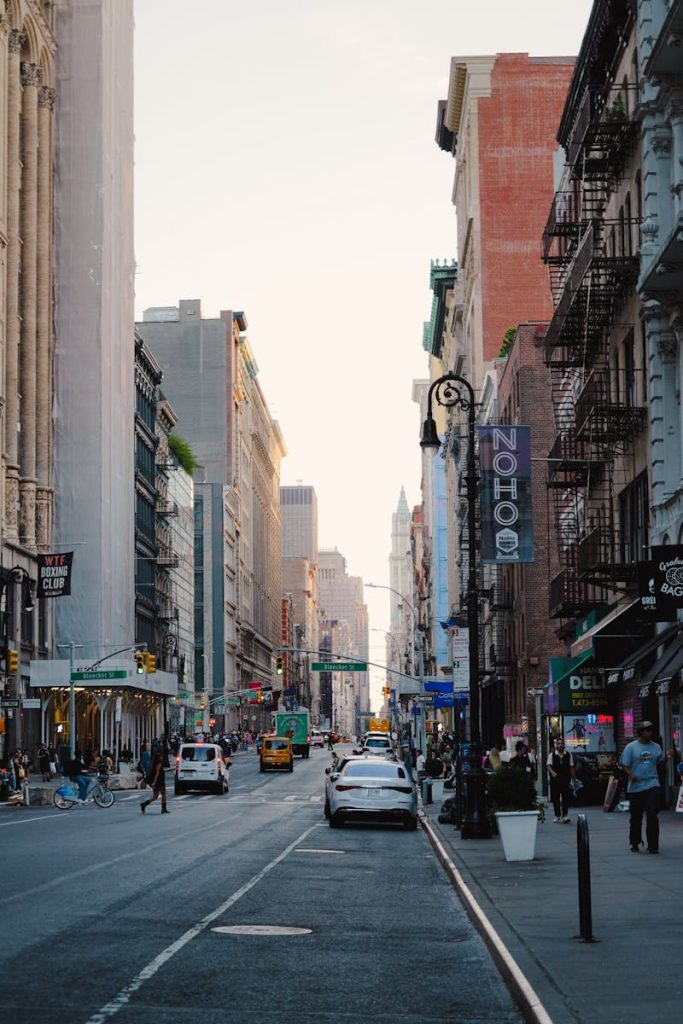
New York City consistently generates high volumes of ride share safety complaints due to scale alone. Millions of daily trips increase exposure to incidents involving traffic accidents, aggressive driving, and passenger disputes. Dense streets, frequent congestion, and late night travel elevate risk. Media investigations and city records show recurring concerns about driver screening and response times. Tourism and nightlife amplify usage, especially during weekends. While most trips conclude safely, the sheer volume magnifies reported problems. Regulatory scrutiny remains active as officials balance mobility demand with rider protection in one of the nation’s busiest urban transportation environments.
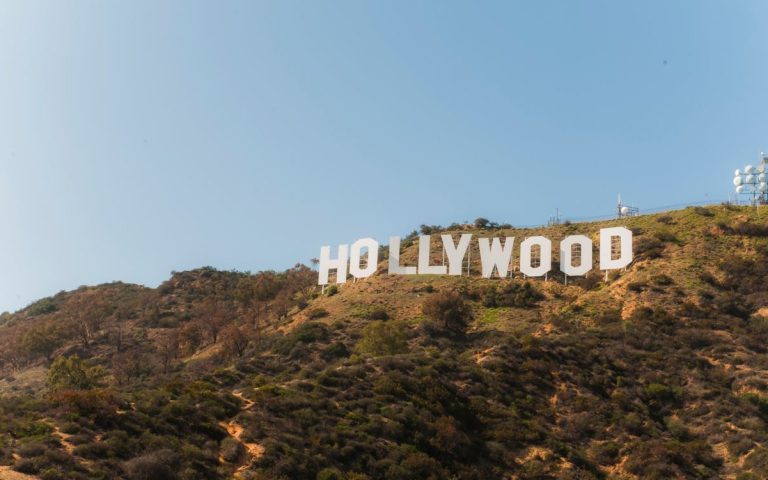
Los Angeles
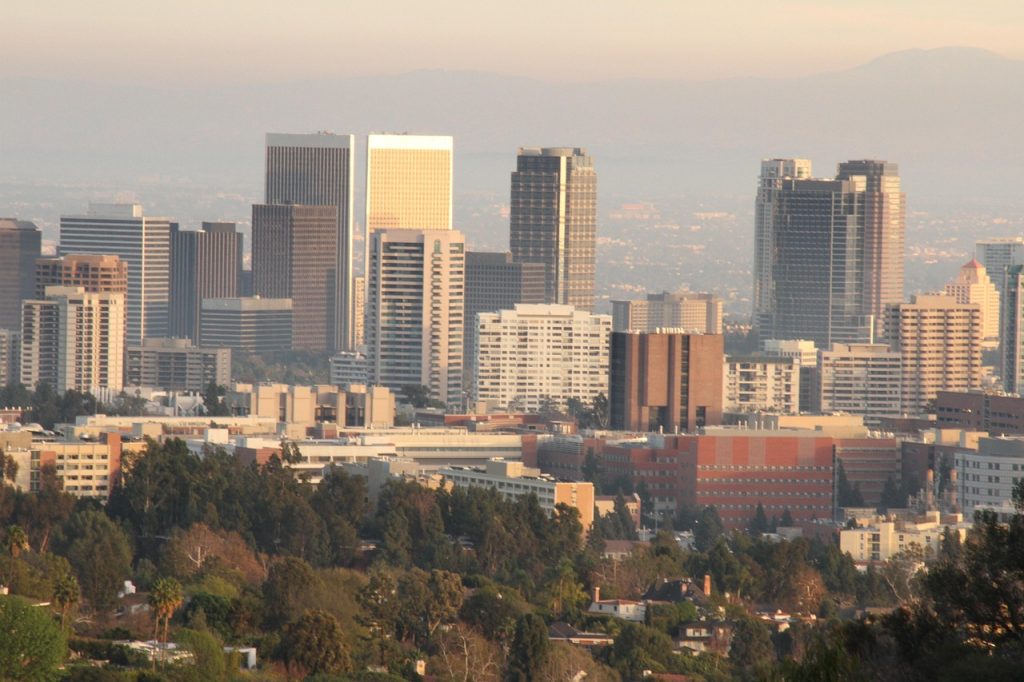
Los Angeles presents unique ride share safety challenges shaped by distance and car dependence. Long trips increase fatigue related risks, while freeway driving raises accident severity. Complaints often involve distracted driving, speeding, and navigation errors across complex road networks. Late night entertainment zones generate reports tied to impaired passengers and confrontations. Sprawling geography complicates rapid response when incidents occur. Media coverage and legal filings highlight ongoing concerns. As reliance on ride share remains strong, safety discussions continue, reflecting how traffic volume, extended travel times, and nightlife culture intersect within Southern California’s largest metropolitan area.
Chicago
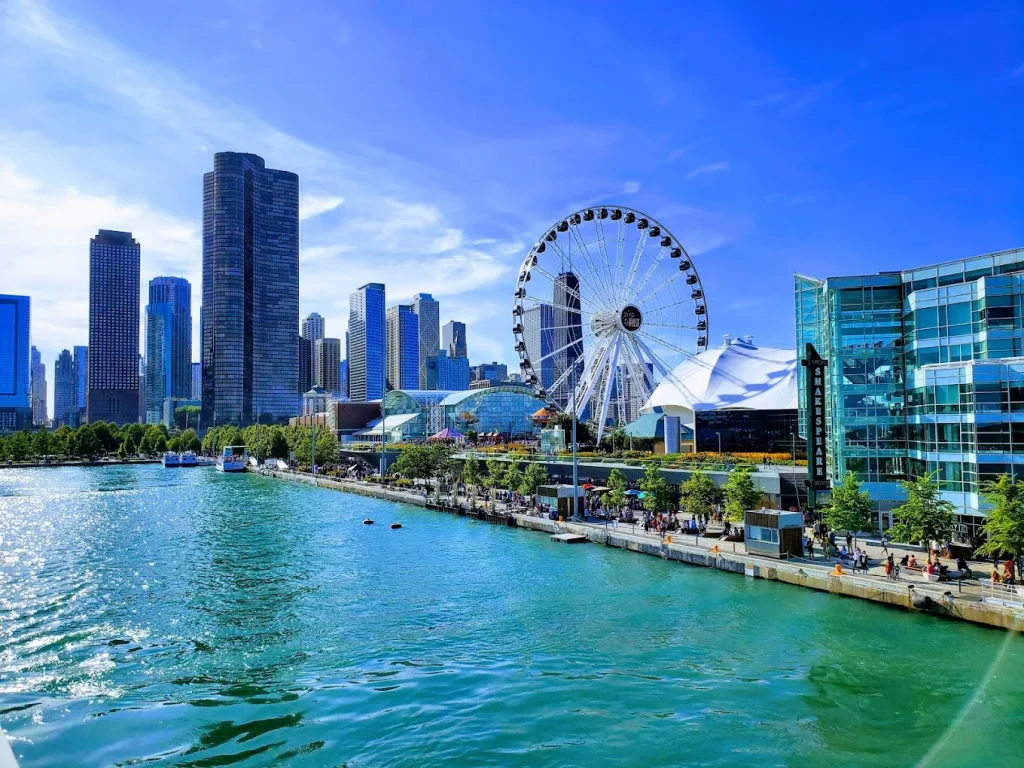
Chicago experiences rising ride share safety complaints tied to seasonal shifts and urban density. Winter weather introduces hazards like icy roads and reduced visibility. Reports also reference driver unfamiliarity with certain neighborhoods and delayed assistance. High usage during events and nightlife hours contributes to passenger conflict claims. Traffic congestion downtown increases collision risk. City oversight and public reporting platforms capture these patterns regularly. While many riders rely on services daily, attention to safety grows as usage expands. Chicago’s mix of tourism, extreme weather, and busy streets shapes ongoing concern regarding ride share reliability and passenger protection.
San Francisco
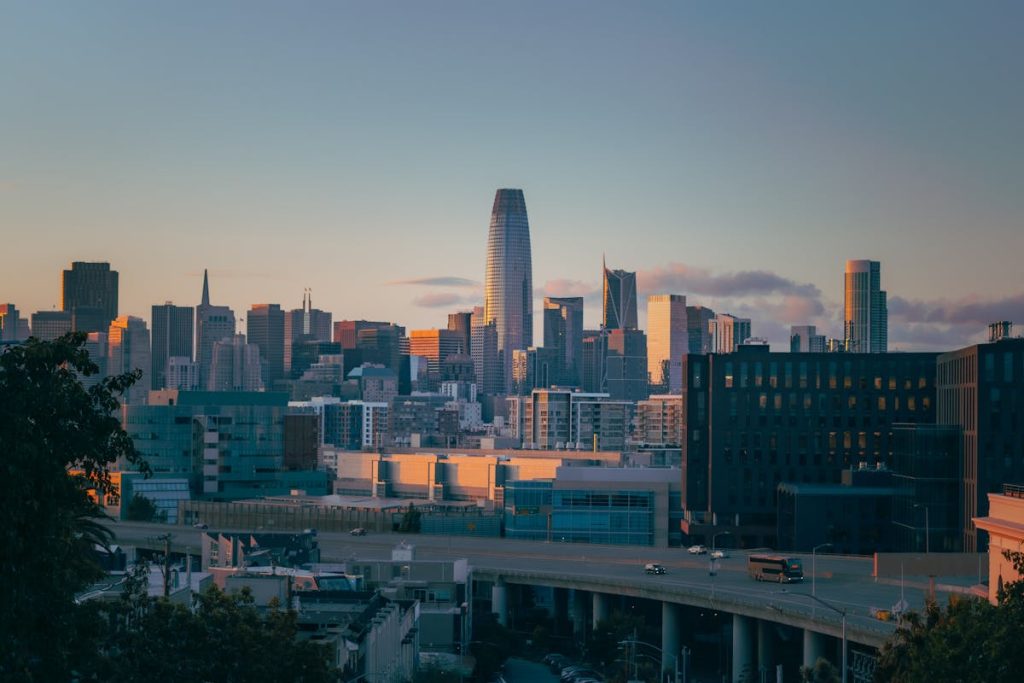
San Francisco remains closely associated with ride share growth, yet safety complaints continue to surface. Steep hills, narrow streets, and heavy pedestrian traffic complicate driving conditions. Reports frequently involve abrupt stops, curbside conflicts, and cyclist interactions. High tourist volume adds navigation challenges for drivers. Nightlife areas increase late hour usage, raising risk exposure. Public records and media coverage document ongoing issues despite technological innovation. As ride share remains embedded in daily commuting, safety discussions persist. San Francisco’s compact layout and mixed transportation ecosystem make consistent, cautious driving essential to reducing complaint frequency across the city.
Houston

Houston’s ride share safety complaints reflect its expansive roadways and limited public transit alternatives. Long distances encourage reliance on ride share for routine travel. Complaints often cite speeding on highways, missed turns, and aggressive driving behaviors. Severe weather events like heavy rain increase accident risk. Late night usage connected to entertainment districts contributes to reported incidents. Houston’s size complicates oversight and response coordination. Public concern grows as ridership expands. The city’s driving culture and infrastructure place emphasis on driver judgment and situational awareness, factors that directly influence reported safety issues across this large metropolitan area.
Miami
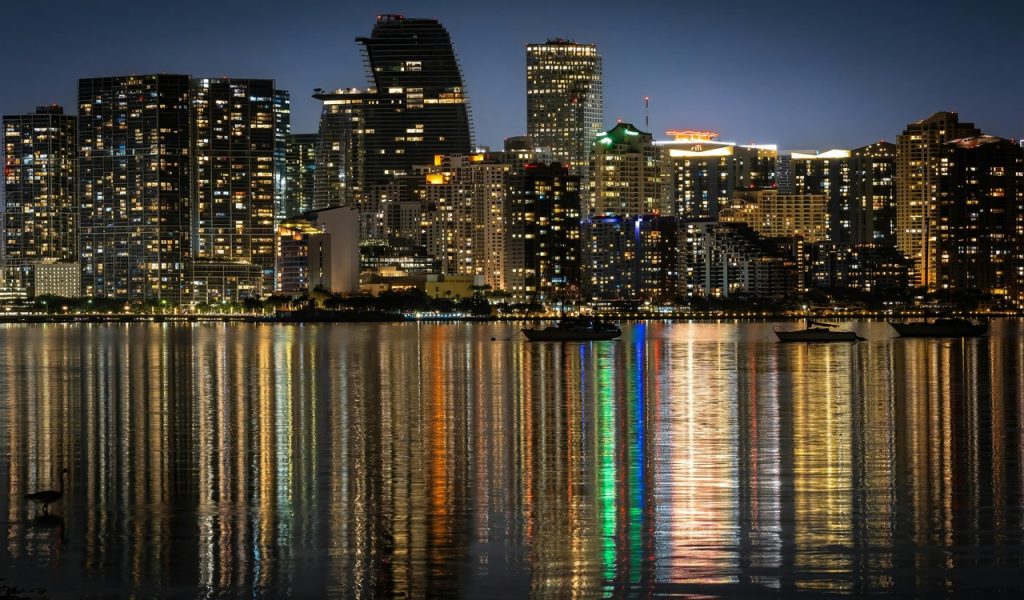
Miami’s ride share safety complaints frequently involve tourism and nightlife patterns. High visitor traffic leads to unfamiliar riders and drivers navigating crowded areas. Reports include reckless driving, language barriers, and disputes during late hours. Heavy congestion and frequent road construction add complexity. Seasonal population surges intensify demand, increasing exposure to risk. Media investigations highlight recurring concerns during peak travel months. Miami’s mix of beaches, nightlife, and international visitors creates conditions where safety expectations and communication challenges intersect, contributing to growing attention on ride share conduct and passenger experience in South Florida.
Atlanta
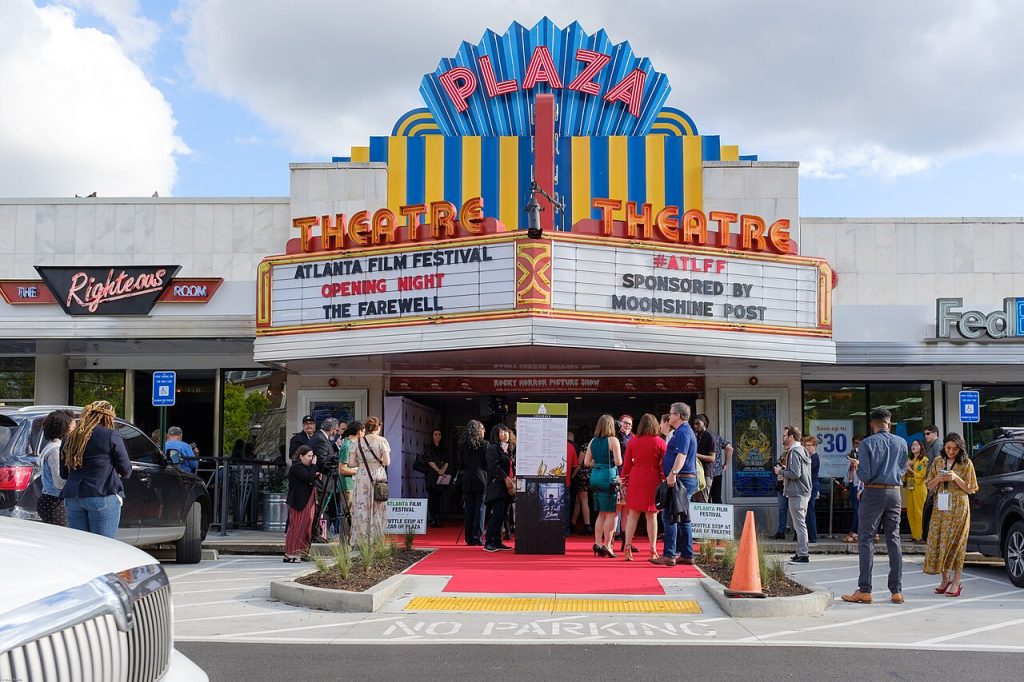
The Atlanta sees increasing ride share safety complaints linked to congestion and rapid growth. Sprawling suburbs and limited transit options drive heavy ride share usage. Police reports often mention speeding, sudden lane changes, and confusion at complex interchanges. Event traffic and nightlife increase late night ride volume. Long travel times heighten fatigue concerns. Local reporting and legal cases reflect rising attention. The Atlanta’s car centered layout demands careful navigation and consistent driver behavior. As the metro population expands, safety oversight becomes more visible, highlighting how infrastructure strain and demand contribute to complaint patterns within the region.
Philadelphia
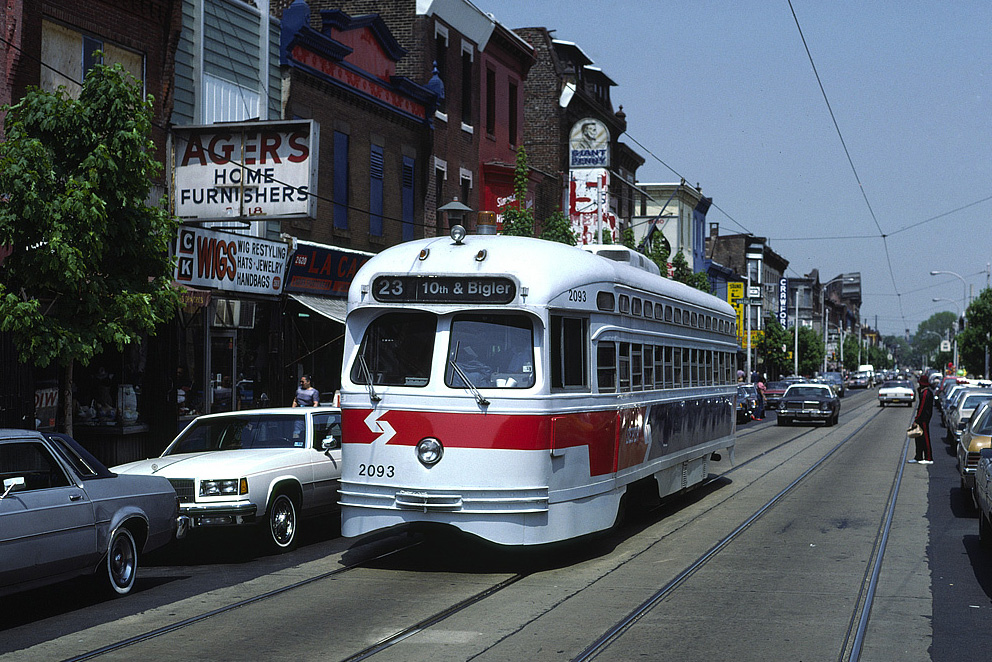
The Philadelphia’s historic street layout presents challenges for road ride share safety. Narrow roads, uneven pavement, and dense pedestrian zones complicate navigation through road. Complaints often involve abrupt stops, missed turns, and curbside conflicts. Nightlife districts increase late hour activity. Tourists unfamiliar with the city add to complexity. Media reports and public complaint channels note growing concerns. Philadelphia’s mix of old infrastructure and modern transportation demand creates friction. As ride share remains popular for short trips, attention to safe maneuvering and passenger awareness grows, reflecting broader discussions about urban mobility safety in the city.
Seattle
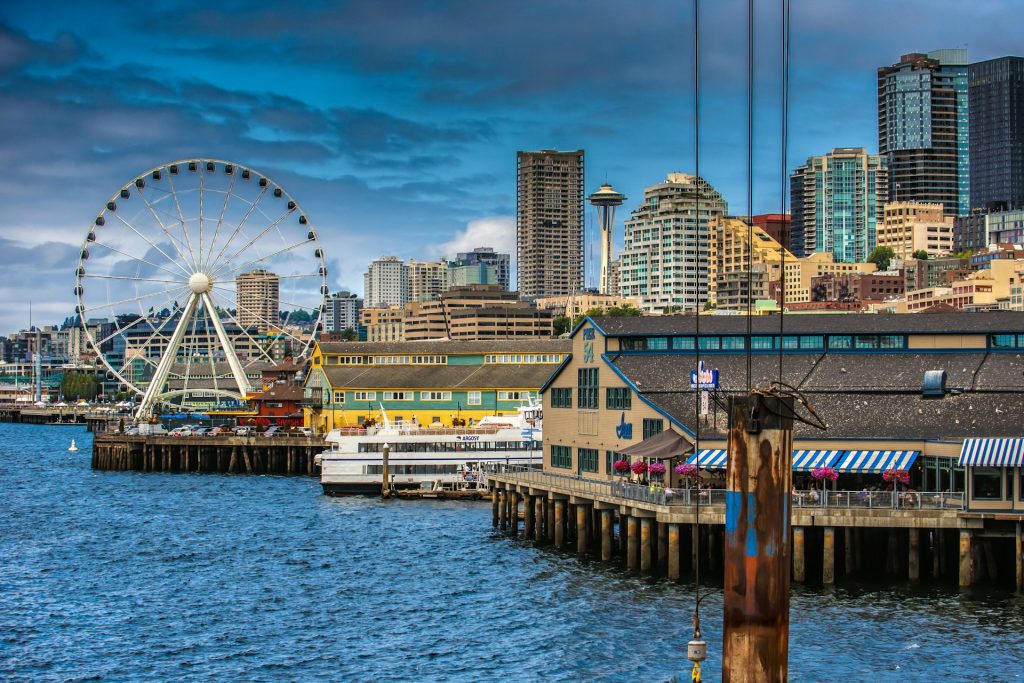
The Seattle’s road ride share safety complaints often connect to weather and terrain. Frequent rain reduces visibility and road traction. Steep hills challenge braking and acceleration control. Reports include concerns about distracted driving and delayed pickups. High tech sector employment increases commuter reliance on ride share. Event traffic and nightlife raise late hour demand. Public discussions highlight safety as usage grows. Seattle’s combination of weather, elevation changes, and dense neighborhoods requires attentive driving. These environmental factors contribute to rising attention on ride share safety as the city continues to grow and transportation options remain in flux.
Denver
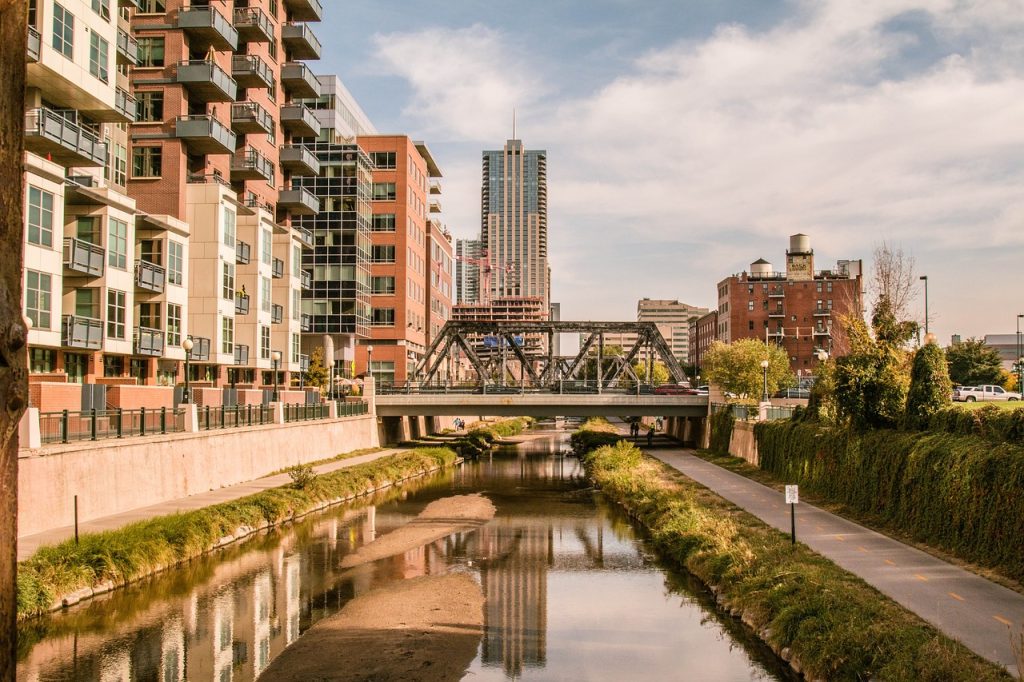
The Denver’s ride share safety complaints reflect altitude, weather, and tourism. Sudden snowstorms and icy roads create hazardous conditions for drivers. Visitors unfamiliar with mountain weather increase risk. Reports often mention delayed response times during peak seasons. Nightlife and event traffic raise late night usage. Expanding suburbs extend trip lengths, adding fatigue concerns. Local reporting notes growing attention to these issues. Denver’s outdoor culture and seasonal population swings influence ride share patterns. As demand increases, safety discussions emphasize preparation and adaptability when operating vehicles in rapidly changing conditions across the metropolitan area.
Las Vegas
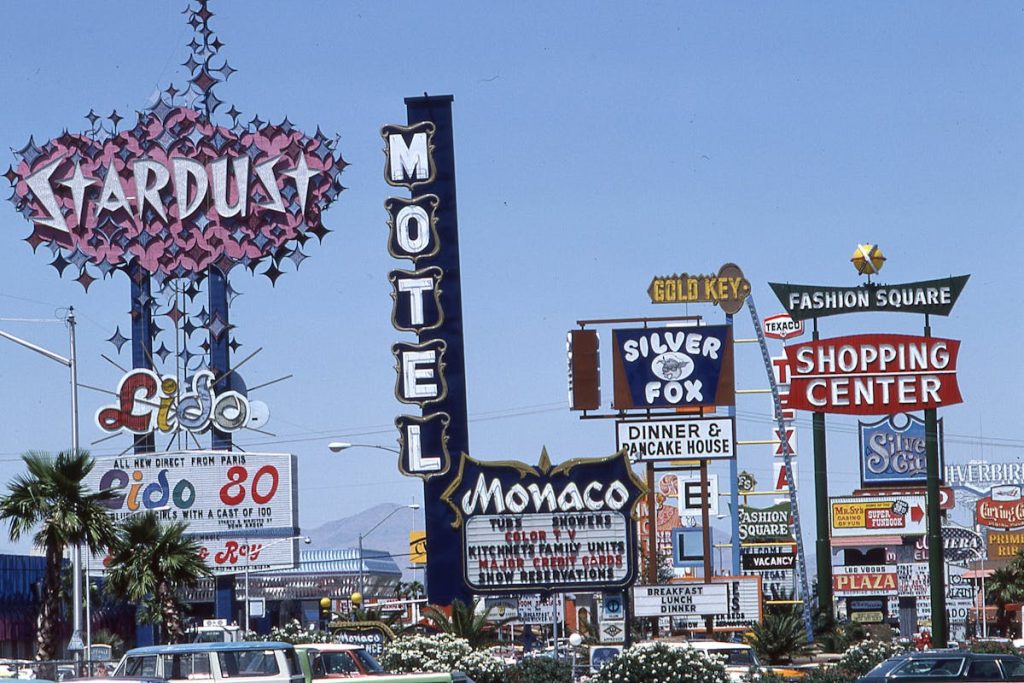
Las Vegas generates ride share safety complaints tied to tourism and constant nightlife. High volumes of intoxicated passengers increase conflict and risk. Congested resort corridors challenge navigation. Reports include aggressive driving and pickup confusion. Continuous events keep demand high around the clock. Media coverage highlights recurring concerns during peak weekends. Las Vegas’s unique economy drives reliance on ride share for visitors. Safety expectations vary widely among riders. As usage remains intense, attention to driver training and passenger management continues, reflecting how entertainment driven transportation demand influences safety discussions within the city.
Washington, D.C.
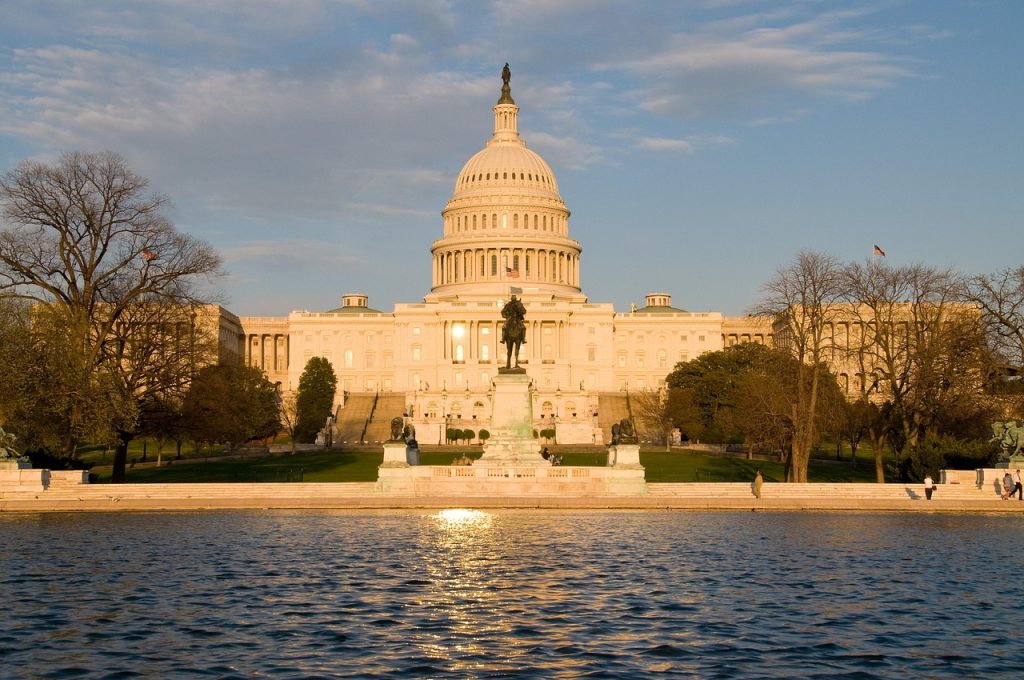
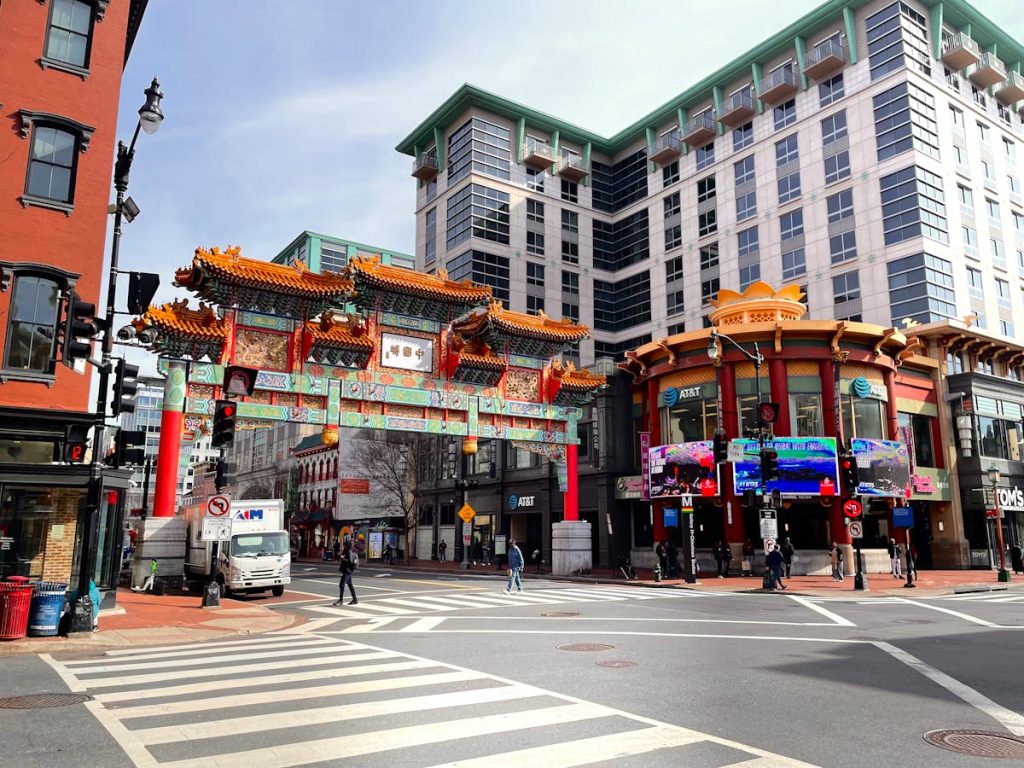
Washington, D.C. experiences ride share safety complaints shaped by traffic patterns and regulatory complexity. Heavy congestion, frequent road closures, and government events complicate driving. Reports often involve navigation issues and delayed pickups. Late night usage increases during events and nightlife. Tourists unfamiliar with local traffic rules add challenges. Public oversight remains active due to federal presence. Media reports track complaint trends regularly. D.C.’s dense layout and security considerations influence ride share operations. As reliance grows, safety discussions focus on coordination, driver awareness, and consistent standards within the nation’s capital transportation environment.