12 Coastal Cities Where Surfers Still Rule the Waves
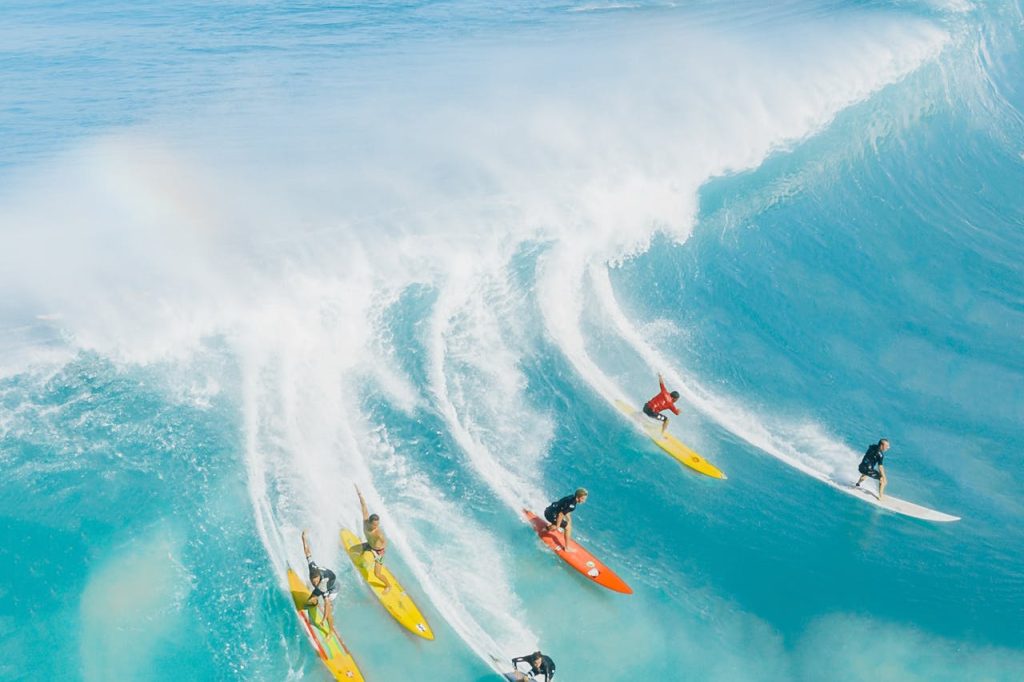
Some coastal cities continue to be shaped by surfing in ways that extend far beyond recreation, maintaining cultures where tides, winds, and seasonal swells influence everything from morning routines to local business hours. In these places, surfing is integrated into social habits, long term planning, and community identity, forming connections that endure even as tourism expands and development reshapes the shoreline. Residents, athletes, and visitors all interact with the ocean as a central reference point, relying on its cycles to determine daily priorities and shared experiences. By exploring these twelve cities, we see how surf heritage remains a defining force, preserving traditions rooted in respect for the water, local knowledge, and the evolving relationship communities maintain with their coastlines.
1. Santa Cruz, California
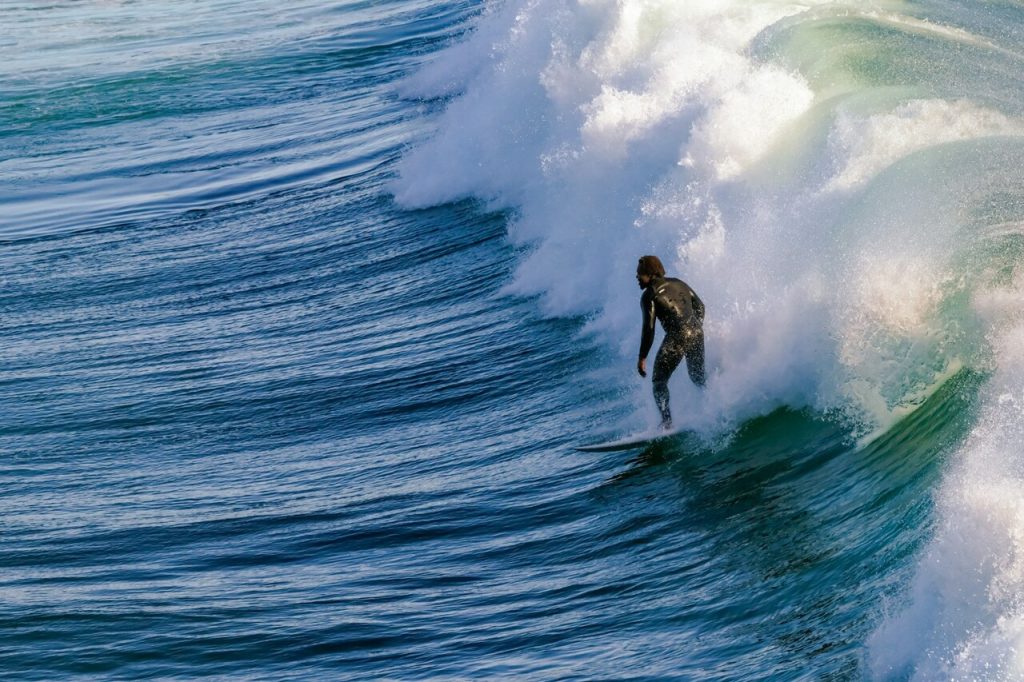
Santa Cruz sustains a deep surf tradition centered around its well known breaks, where local riders have long shaped the community’s sense of identity and routine. Daily life often begins with early morning checks along West Cliff Drive, where surfers gauge winds and incoming sets before choosing the best spot. This coastal awareness influences everything from traffic patterns to crowd flow at shops that provide repairs, wetsuits, and custom boards. Competitions are treated as community gatherings rather than large spectacles, reinforcing a multigenerational bond rooted in shared respect for the ocean. Even as the city grows, its rhythm remains closely tied to the water, reflecting a stable relationship between residents and the waves that define their lifestyle.
2. Huntington Beach, California
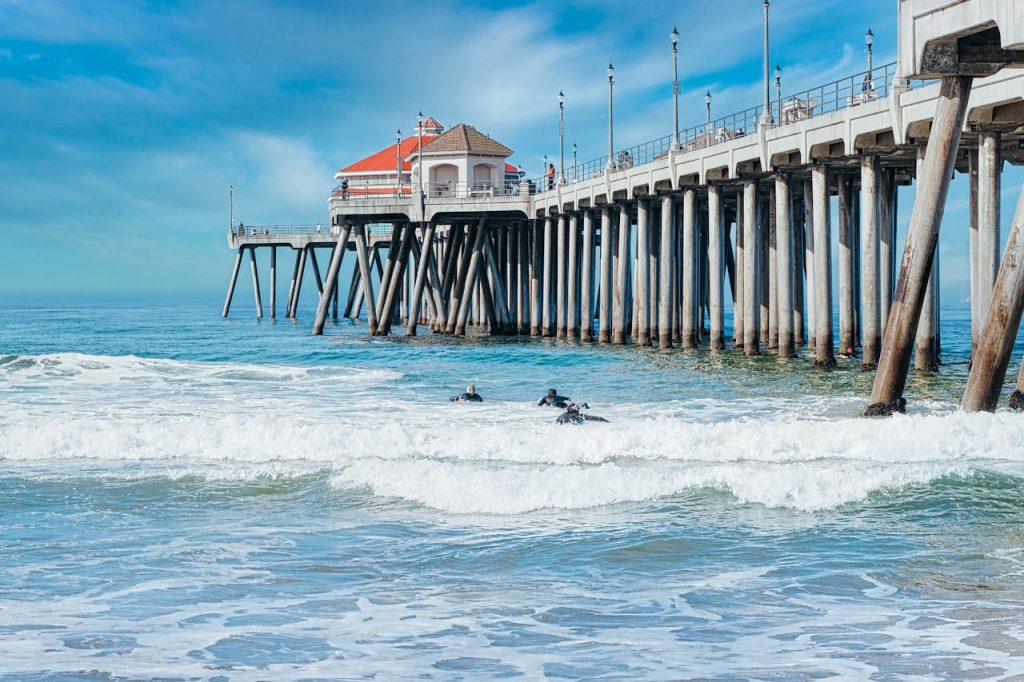
Huntington Beach remains strongly guided by surf culture thanks to its consistent breaks and long history of community involvement in the sport. Surfers gather daily near the pier, monitoring tide changes and wind direction that shape conditions hour by hour. This routine influences weekday schedules, business hours, and the flow of visitors who come as much for local energy as for the waves themselves. Board shops, training centers, and long-standing clubs contribute to a network that provides resources and mentorship, reinforcing the city’s connection to the water. While tourism adds vibrancy, the presence of dedicated daily surfers ensures that the culture remains grounded in long-term habits and coastal familiarity rather than short-term trends.
3. Haleiwa, Oahu, Hawaii
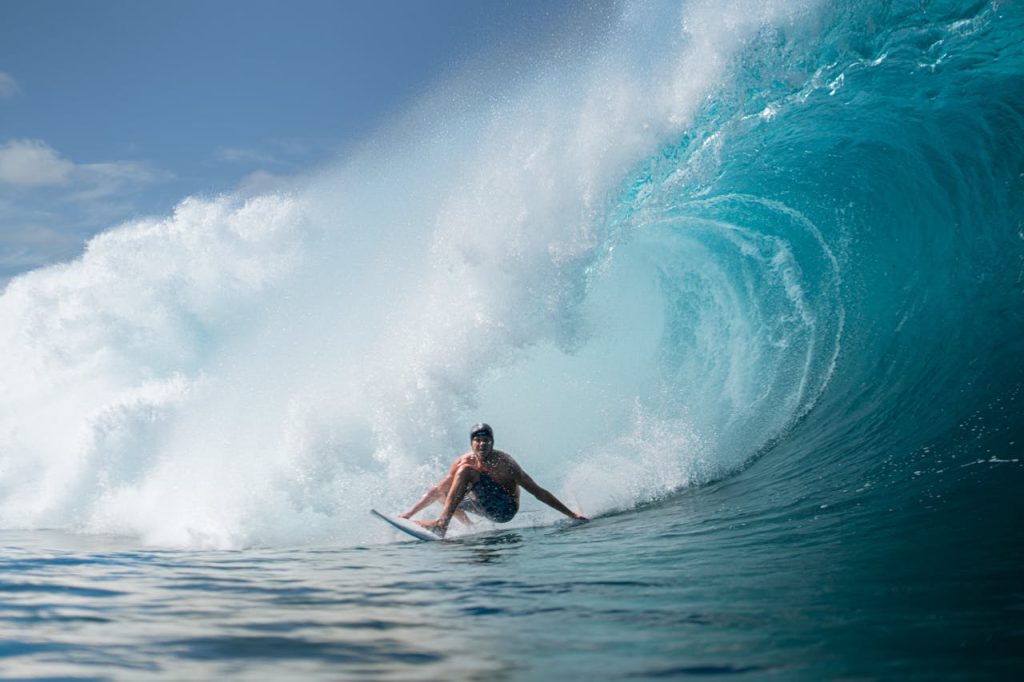
Haleiwa’s identity continues to be shaped by its proximity to the powerful and highly respected breaks of the North Shore, where seasonal swells can transform the coastline and dramatically influence local routines. During winter, many residents schedule their days around surf windows, preparing for conditions that require advanced skill and careful timing. Even during quieter months, surfers gather early to assess nearby breaks and move between spots depending on winds and currents. Businesses adapt by offering early openings, ocean-safety guidance, and specialized equipment. This long-standing surf culture builds a sense of continuity, reinforcing Haleiwa’s reputation as a community deeply aligned with its natural environment and its demanding waves.
4. Byron Bay, Australia
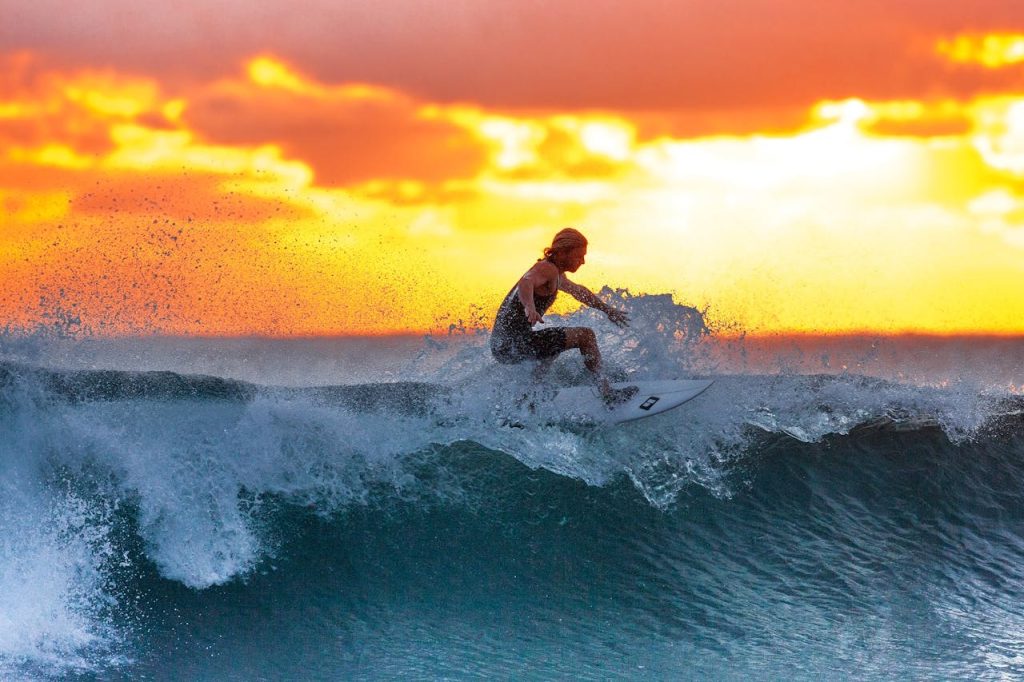
Byron Bay maintains a relaxed atmosphere reinforced by a strong surf culture that continues to shape both daily life and long-term development. Surfers gather at The Pass and Wategos Beach at first light, forming lineups that reflect longboarding traditions and a respectful understanding of shared space. The town’s slow pace stems partly from this ocean-driven lifestyle, as many residents plan their workdays around tide cycles and seasonal swell variations. Local board builders, instructors, and environmental groups contribute to an economy rooted in wave awareness and coastal stewardship. Despite increasing tourism pressures, Byron Bay’s identity remains anchored in surfing’s influence on community values and natural rhythms.
5. Durban, South Africa
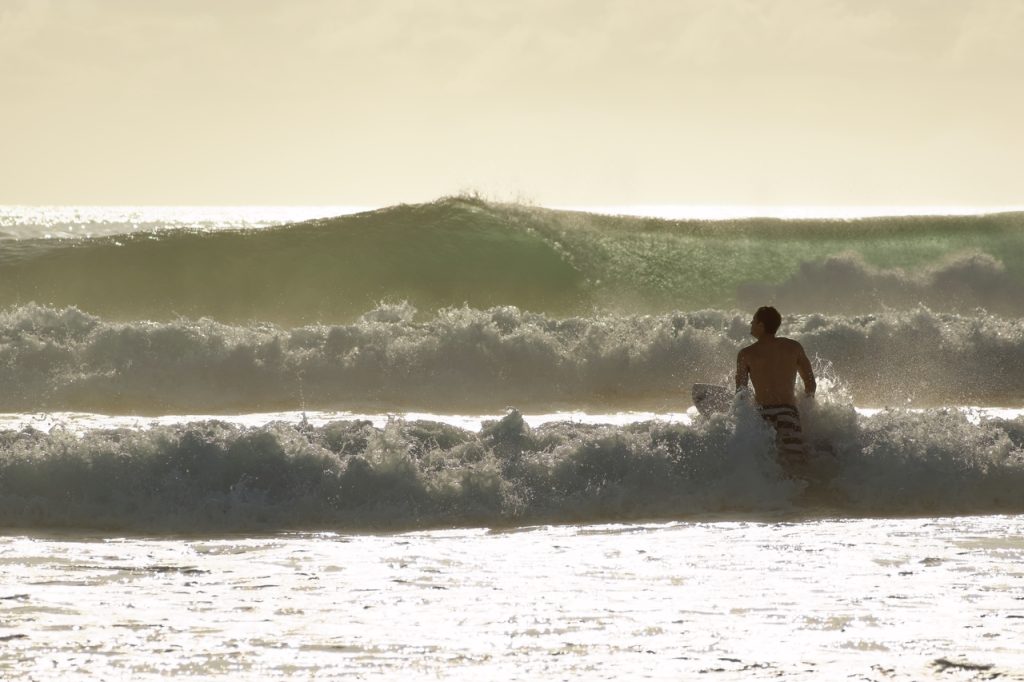
Durban’s Golden Mile showcases an active surf culture supported by warm water and consistent waves that attract riders throughout the year. Residents frequently begin their mornings by checking conditions, heading out early to take advantage of cleaner swells before winds shift. The waterfront’s businesses and food stalls often open in time to serve post-session crowds, forming a routine that ties commercial activity to the surf community. Local clubs maintain strong traditions, coaching younger surfers and maintaining collective knowledge of currents, reef changes, and seasonal patterns. This close relationship with the ocean remains a defining feature of Durban, shaping its social atmosphere and coastal engagement.
6. Ericeira, Portugal
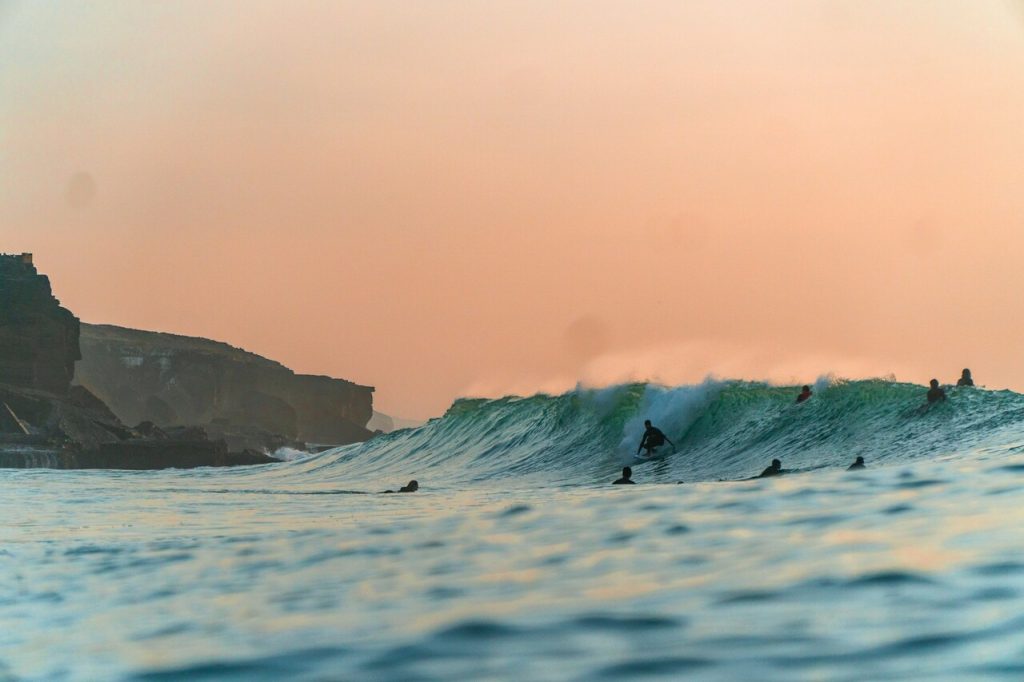
Ericeira’s status as a World Surfing Reserve reflects a deep commitment to preserving both its wave quality and surrounding coastal landscape. Surfers frequently walk its cliffside viewpoints to monitor incoming sets along renowned breaks such as Ribeira d’Ilhas and Coxos, making wave assessment part of the area’s daily rhythm. Shops and local businesses cater to skilled riders seeking technical gear for these powerful point breaks, reinforcing a community shaped by ocean literacy and performance-focused surfing. Environmental initiatives remain central to Ericeira’s identity, as residents understand that coastal preservation directly supports the traditions and quality of life associated with their surf culture.
7. San Sebastián, Spain

San Sebastián integrates surfing into a vibrant urban setting, particularly around Zurriola Beach where consistent peaks maintain a steady flow of riders throughout the year. Residents often fit sessions into their daily routines, taking advantage of early mornings or late afternoons when conditions shift and crowds thin. Surf schools and community gatherings help preserve local etiquette, creating an environment where newcomers learn from experienced riders. Even during busy seasons, the presence of dedicated surfers helps balance tourism by maintaining a sense of local identity. This connection to surfing influences how the city approaches coastal space, prioritizing access and shoreline maintenance.
8. Gold Coast, Australia
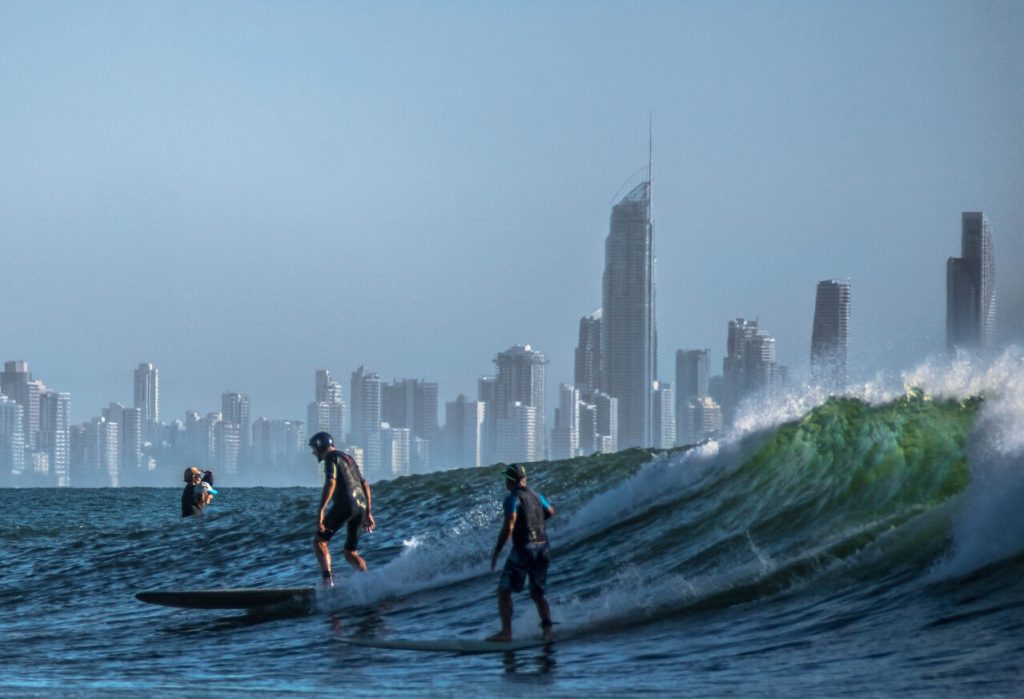
The Gold Coast continues to thrive as a surf-centered region with an infrastructure designed to support high-performance wave riding and a large community of dedicated surfers. Spots like Snapper Rocks and Kirra produce long, technical rides that shape training routines, daily decisions, and even commuting patterns. Coastal pathways accommodate board carriers and early-morning traffic, while local businesses adapt to serve the flow of surfers responding to real-time conditions. Seasonal competitions create additional activity but do not overshadow the everyday habits that define life here. The area’s year-round surf consistency reinforces a culture where wave conditions influence personal schedules and long-term community planning.
9. Tamarindo, Costa Rica
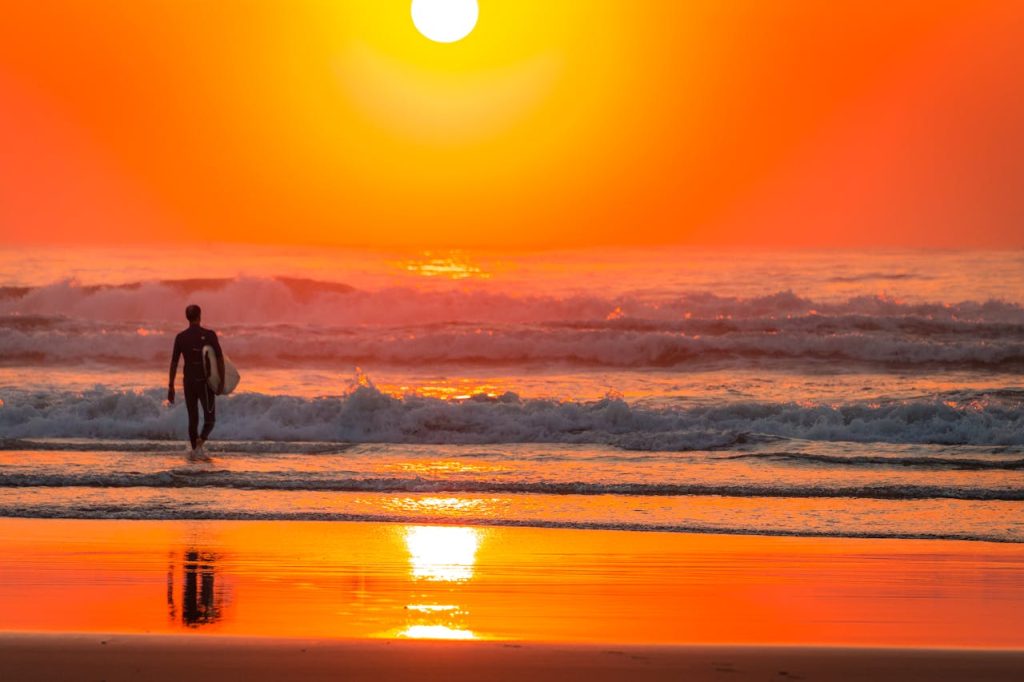
Tamarindo sustains a balanced blend of tourism and authentic surf practices that revolve around tide-driven beach breaks and shifting sandbars. Residents and long-term surfers organize their days around windows of clean conditions, often gathering at predictable times when swells align with local tides. Surf schools led by experienced locals maintain strong community ties, offering instruction based on generational awareness of the coastline’s subtle changes. Early business hours accommodate dawn patrol activity, reinforcing a culture where surfing influences the pace of daily life. This ocean-centered identity remains visible in Tamarindo’s social fabric, shaping how residents and visitors engage with the town.
10. Raglan, New Zealand
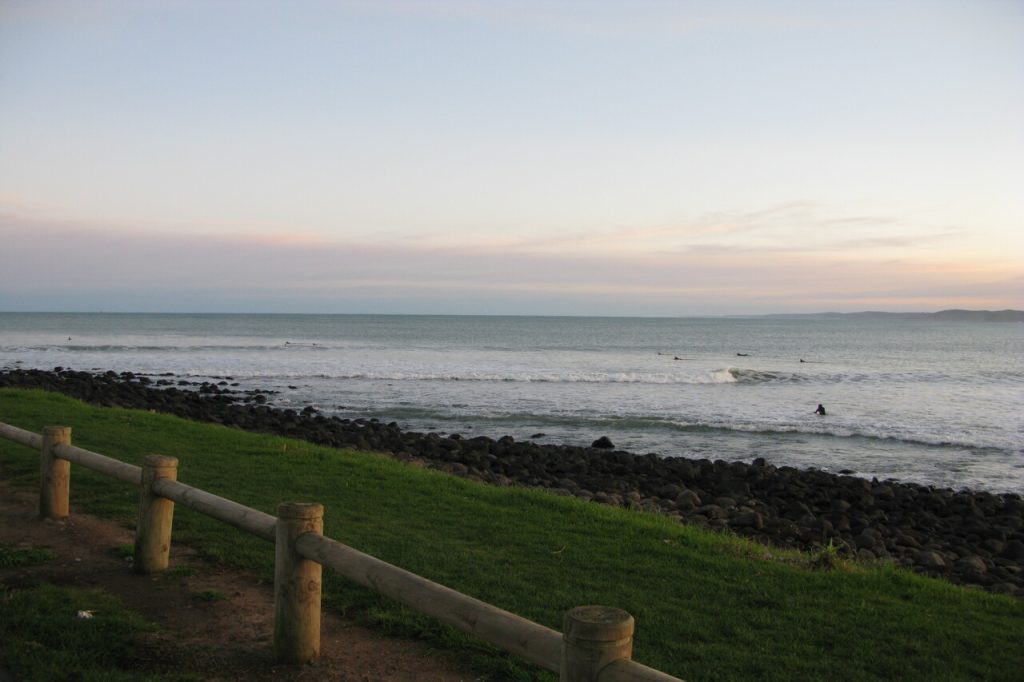
Raglan’s famous point breaks, particularly Manu Bay and Whale Bay, define a community built around environmental awareness, local etiquette, and consistent wave patterns. Residents often plan their schedules according to tides and wind conditions, adjusting other commitments to make time for long rides along the region’s smooth left-hand walls. Surfboard repair shops, eco-friendly markets, and coastal cafés reflect the values of a population shaped by both performance surfing and environmental stewardship. Local efforts focus on preserving the surrounding landscape, recognizing that clean coastlines and natural beauty are essential to the town’s identity and the quality of its surf.
11. Florianópolis, Brazil
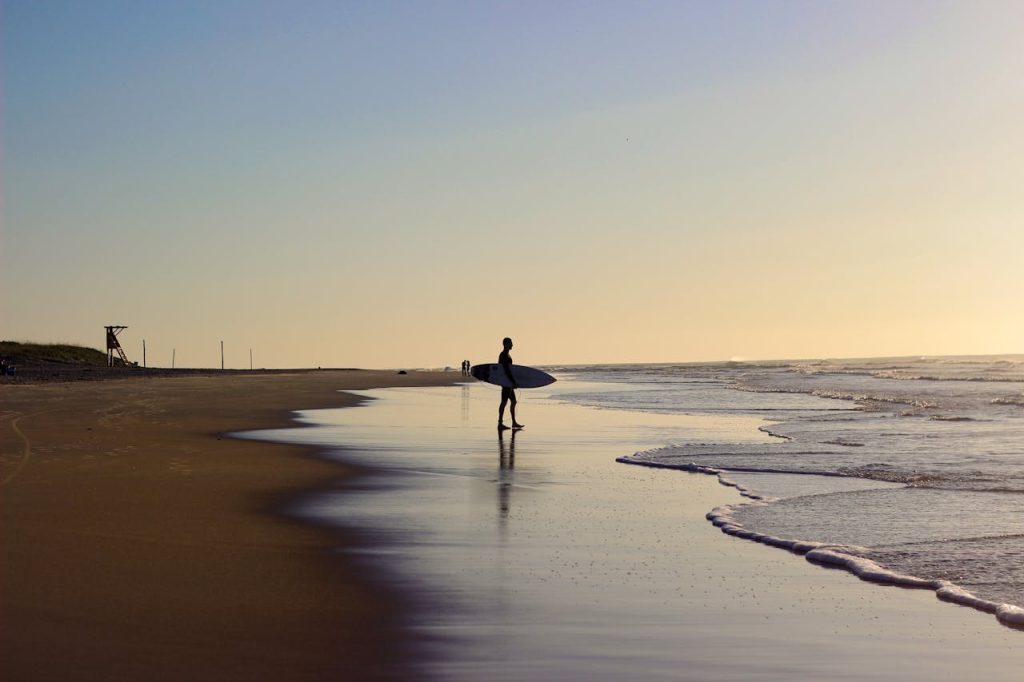
Florianópolis maintains a widespread surf culture supported by numerous accessible breaks, with Joaquina Beach serving as a focal point for daily activity. Residents monitor conditions closely, planning surf windows around changes in swell, wind, and tide. Surf academies, board makers, and ocean-safety programs play an important role in the community, reinforcing knowledge that allows surfers to adapt to diverse beach and reef setups. Coastal neighborhoods often display marine-inspired art and design, highlighting the city’s connection to the ocean. This ongoing relationship with the water helps define Florianópolis as a place where surfing influences both social life and local development.
12. Biarritz, France
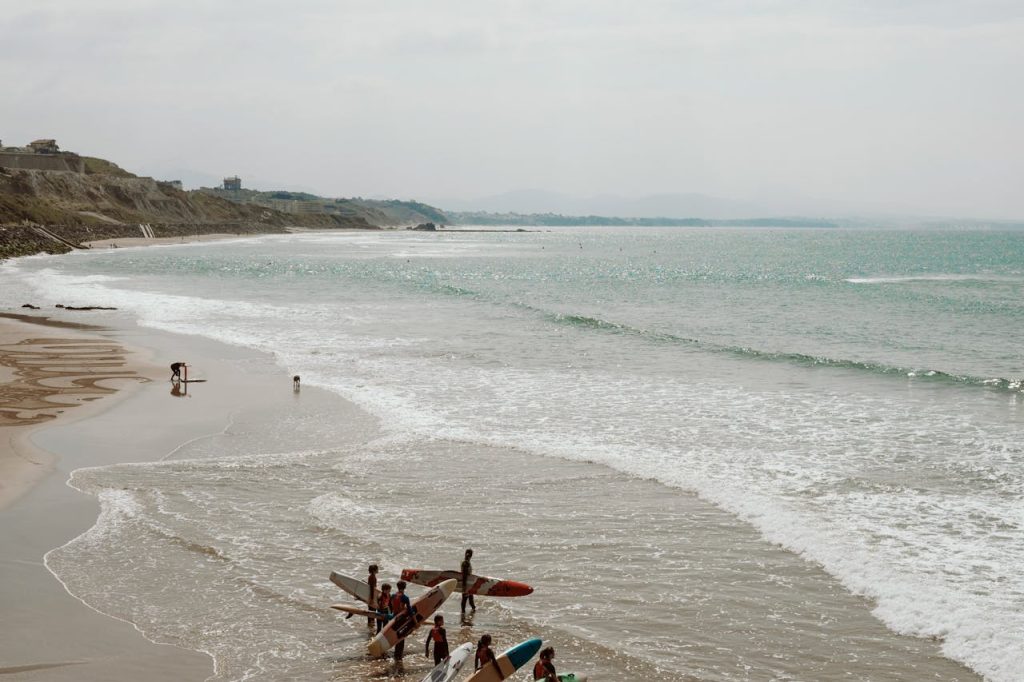
Biarritz maintains its legacy as one of Europe’s earliest surf capitals, continuing to draw riders who value both its consistent waves and long-standing traditions. At La Côte des Basques, surfers gather throughout the year to navigate shifting swells, building a shared awareness of local etiquette and conditions. Surf academies and long-established board craftsmen contribute to a strong sense of continuity, passing techniques and ocean knowledge across generations. The city’s shoreline layout and access points reflect thoughtful planning shaped by surfers’ needs. Despite tourism, Biarritz retains a coastal character that remains firmly grounded in its surf heritage, maintaining a culture shaped by respect for the ocean.