12 Countries Where Christmas Isn’t a Major Travel Season

December travel can feel universal, yet the world’s calendars do not agree on what matters most. In many places, Christmas lands softly, as a workday or a small family moment, while the big journeys cluster around lunar new years, Eid holidays, harvest festivals, or spring traditions. That difference changes prices, crowd patterns, and even the mood of a city. These countries show how travel season is shaped less by Dec 25 and more by the dates a culture protects for time off.
Japan
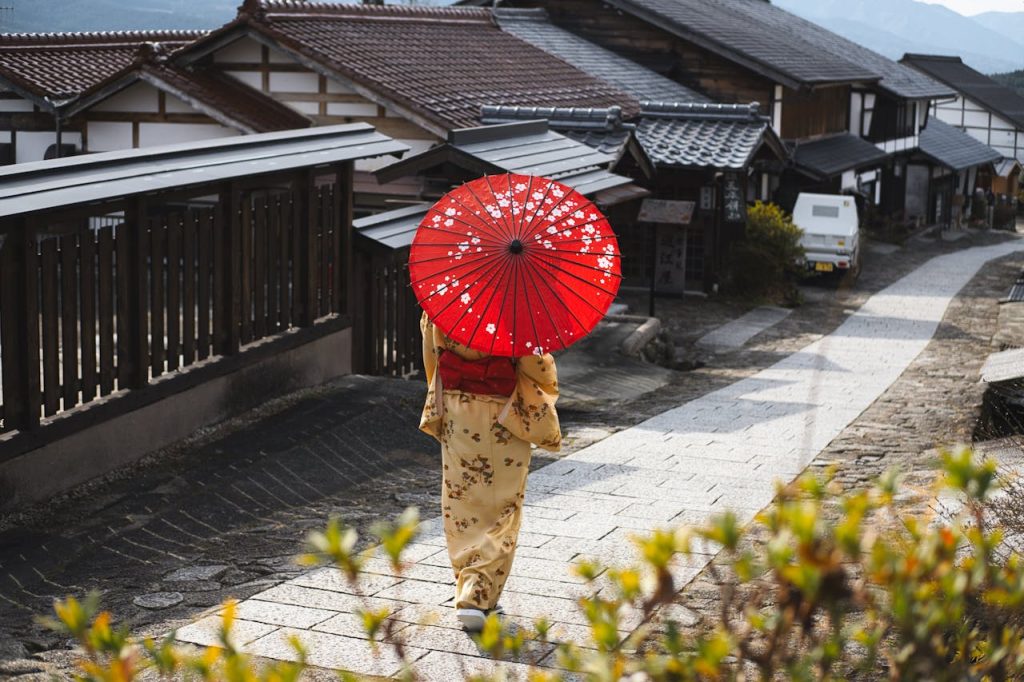
In Japan, Christmas leans pop culture: street illuminations, couple plans, limited-edition desserts, and seasonal menus in cafés and fast-food chains, not a nationwide homecoming. Travel pressure rises with New Year’s, when many return to hometowns, visit shrines for hatsumode, and book the first train seats of the year as offices and schools pause and city centers thin out, while families plan quiet meals and long visits. Hotel rates often stay fairly stable through Dec 25, then tighten quickly as the New Year corridor approaches, and the clearest domestic peaks still arrive at Golden Week and Obon.
China
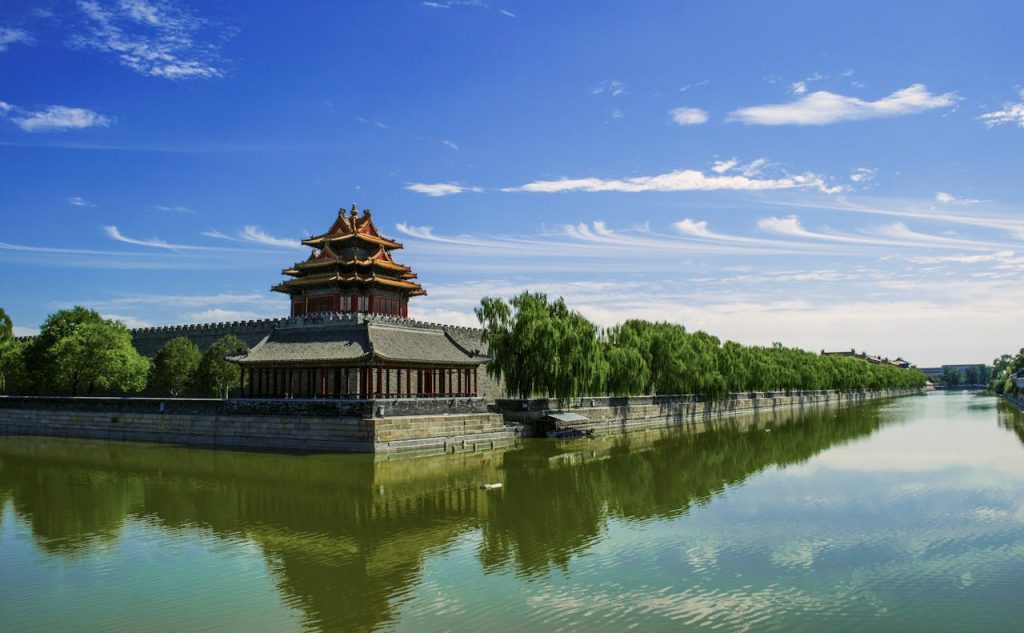
In mainland China, Dec 25 is not a public holiday, so it rarely triggers broad time off or family travel beyond a bit of urban nightlife and themed shopping in major cities. The national peak is tied to the Spring Festival, when Lunar New Year reunions fill trains, flights, and long-distance buses for weeks, with demand stretching across provinces and tickets planned early by families and employers. Christmas week can look festive in big-city malls and cafés, but the steep price rises and fully booked routes arrive with the dates that bring widespread closures, paid leave, and homecoming dinners.
Thailand
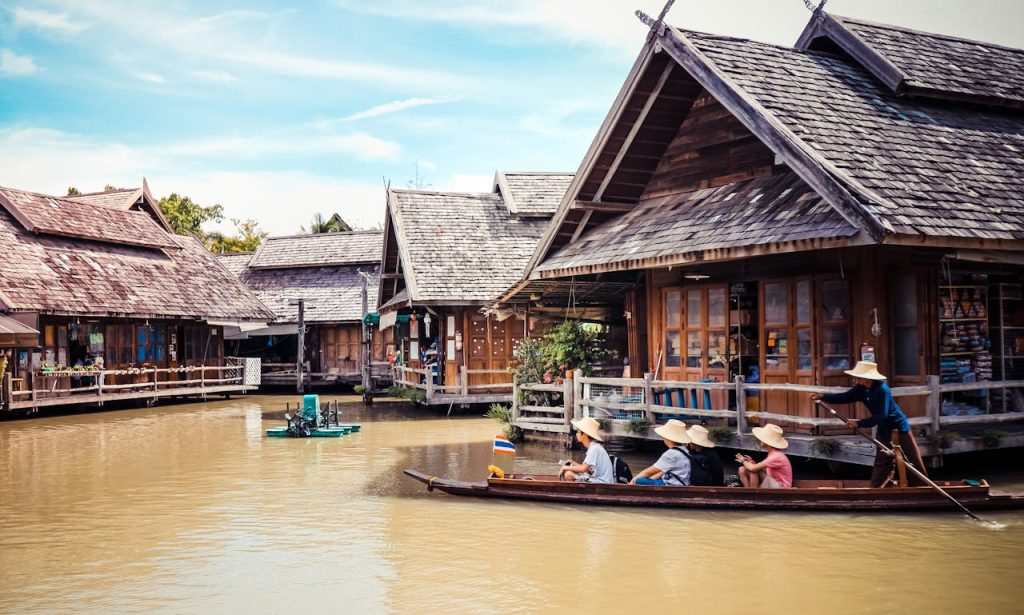
Thailand’s travel calendar is shaped less by Christmas and more by Songkran, the Thai New Year in mid-April, when reunions and official breaks push roads, buses, and airports into high demand. December is popular for visitors because the weather is cool and dry, yet that lift is driven largely by international winter holidays, beach escapes, and city shopping rather than a shared nationwide Christmas trip. Within Thailand, many households keep late December routine in many provinces, saving longer domestic journeys, reunion meals, and higher fares for Songkran leave and other school-break corridors.
Vietnam
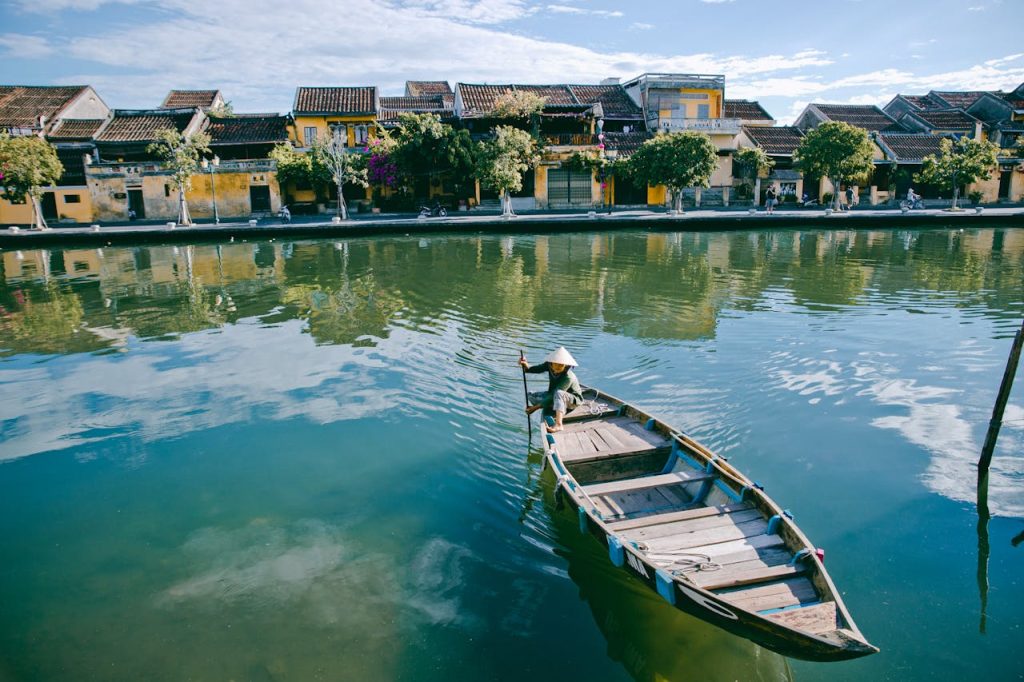
Vietnam can feel bright in late December, especially in large cities where cafés and storefronts enjoy seasonal décor, but the true travel season is T?t, the Lunar New Year. T?t centers on ancestor remembrance, homecoming meals, and the idea that early-year visits matter, so transport fills as people return to family towns and many businesses slow or close for extended days. Compared with that, Christmas week often behaves like a normal stretch of the cool season, with steadier bookings overall and more flexible room inventory until the T?t window nears and demand compresses into a short period.
South Korea
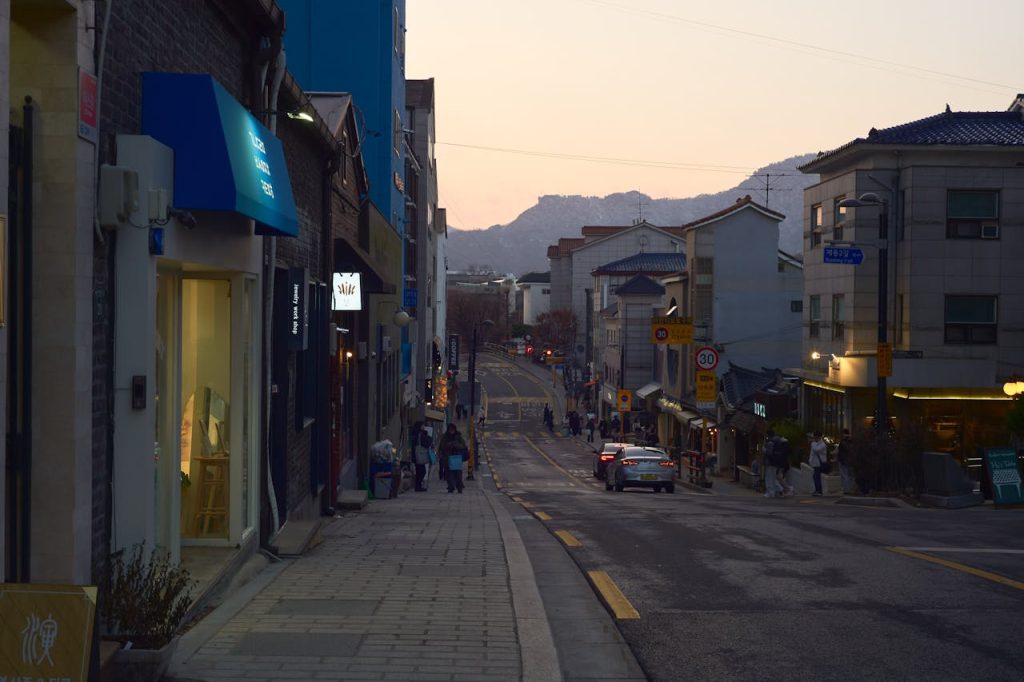
South Korea observes Christmas, yet the biggest domestic travel peaks are Seollal, the Lunar New Year, and Chuseok, the autumn harvest holiday, both treated as core family homecoming dates. Those breaks carry obligations and ancestral rites, pushing highways, express buses, and rail lines into heavy demand, and turning reservation windows, traffic forecasts, and crowded rest stops into familiar holiday scenes. Christmas is often more city-centered, tied to lights, shopping streets, concerts, and short trips, so December travel builds gradually while the sharp nationwide movement clusters around Seollal and Chuseok.
India
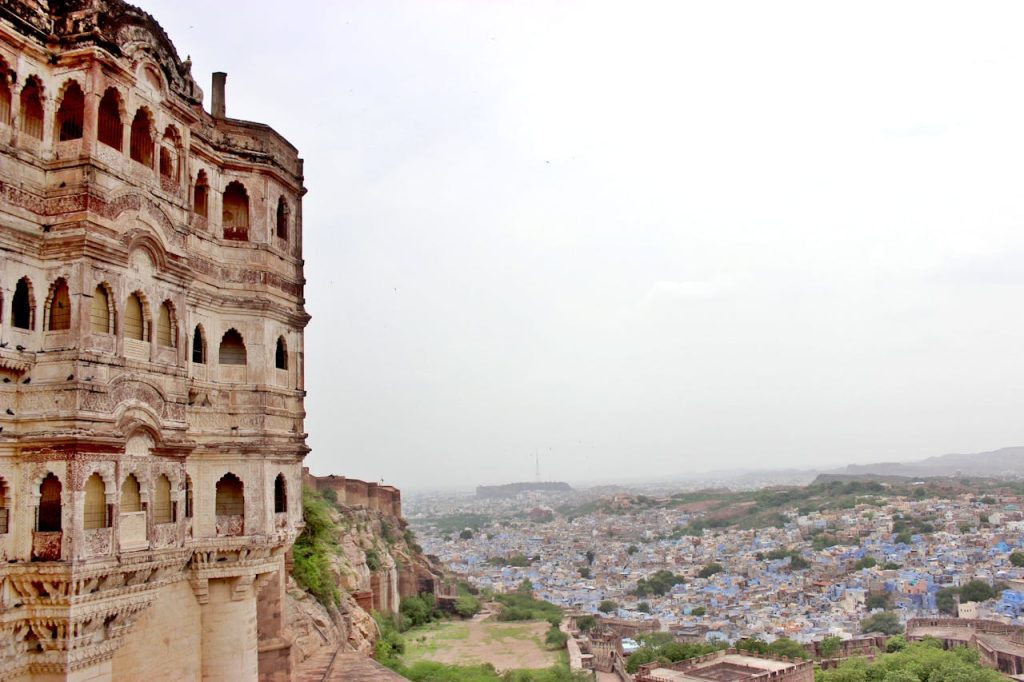
India celebrates Christmas in many communities, but the country’s broad travel surges usually follow other holidays and regional festival calendars that cover far larger populations. Diwali, along with major state festivals, drives widespread home visits across long distances, raising demand on trains and flights far beyond what Dec 25 triggers nationally and often pushing fares higher on key routes. Christmas travel concentrates in pockets such as Goa, parts of Kerala, the Northeast, and metro events, while much of the country treats late December as a bridge between bigger family seasons and winter school breaks.
United Arab Emirates
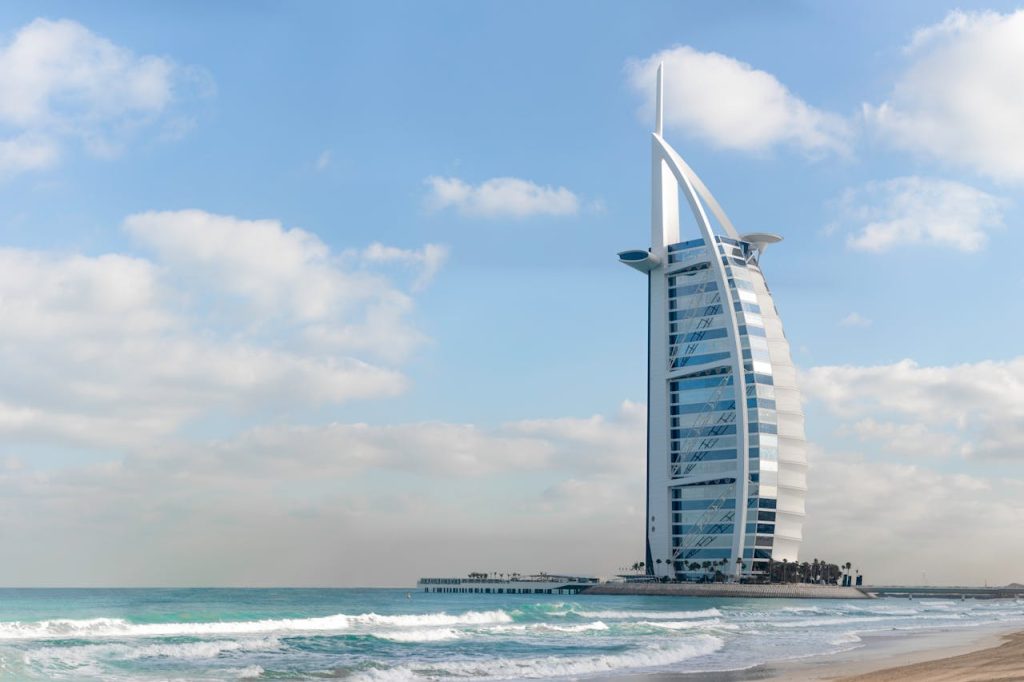
In the United Arab Emirates, Christmas is visible in hotels, malls, and expat neighborhoods, especially in Dubai and Abu Dhabi, but it does not set the main travel rhythm for residents or government schedules. Sharper peaks often align with Eid breaks, when longer leave and family visits raise airport volumes, while December demand spreads across weeks for weather, shopping festivals, concerts, and New Year events. That pattern keeps late December steadily busy without a single Christmas spike, and prices tend to move more with school holidays, headline events, and Eid timing than with Dec 25 itself.
Saudi Arabia
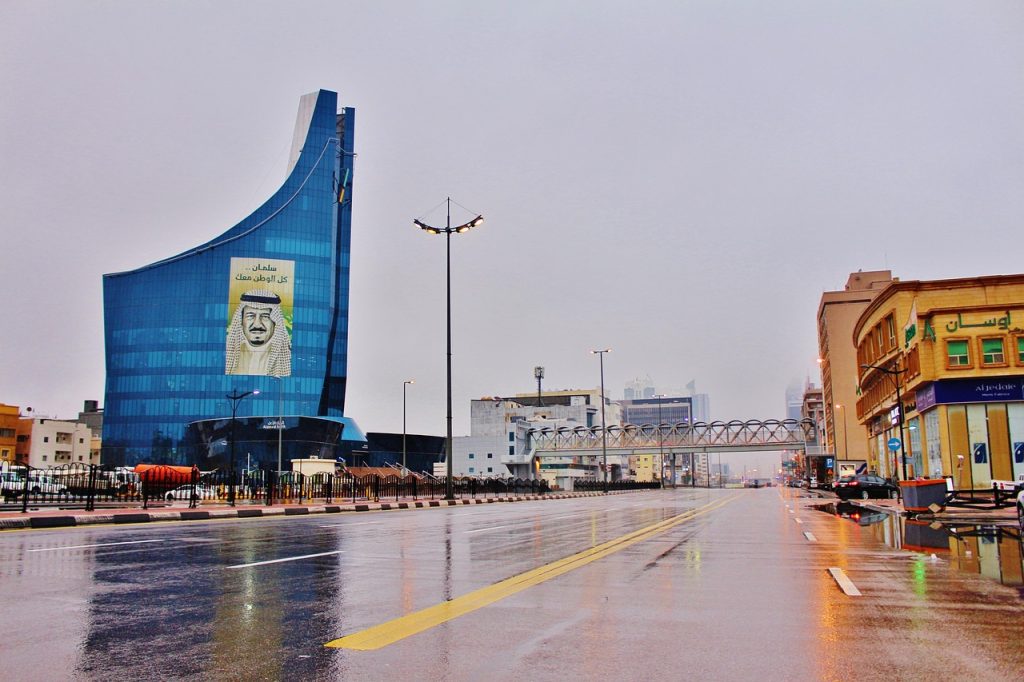
In Saudi Arabia, Christmas is not an official public holiday, so it does not anchor nationwide time off or family travel, even if seasonal décor appears in some commercial areas and resort districts. Movement still centers on Eid al-Fitr and Eid al-Adha, when closures, visits, and extended breaks reshape schedules, and domestic flights and highways see heavier demand tied to family gatherings and leave policies. Trips also follow school holidays and winter festival programming, making late December active in major hubs but usually less defined by Christmas than by the country’s own holiday cycle.
Turkey
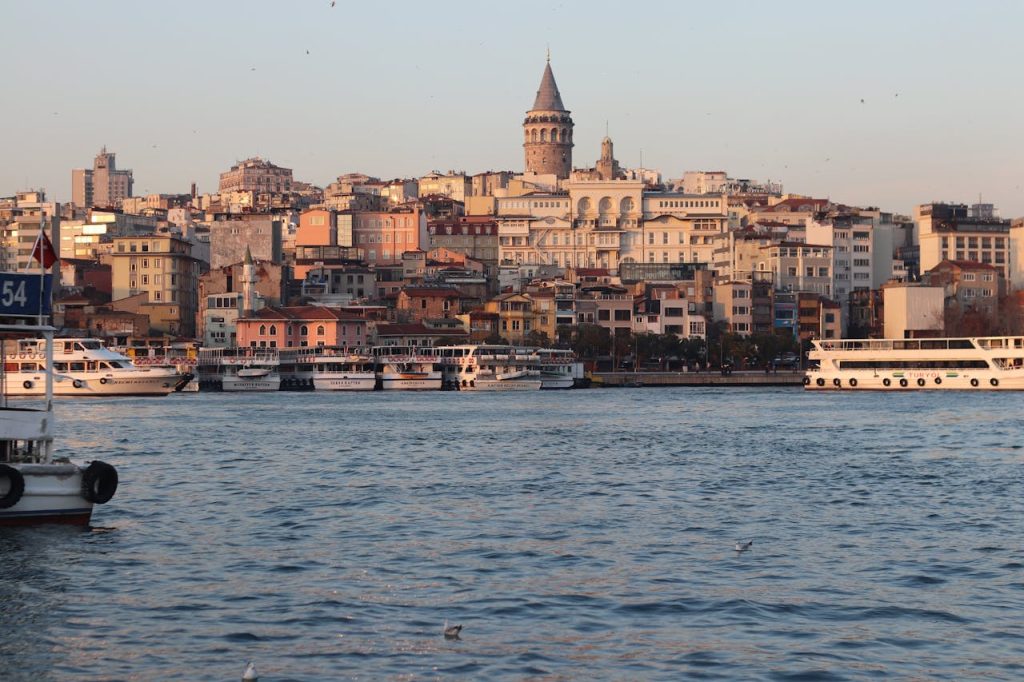
Turkey’s late-December travel tends to follow school breaks and New Year plans, since Christmas is not the central family holiday for most households and many workplaces treat it as a normal week. The bigger domestic peaks are tied to Bayram breaks, especially Ramazan Bayram? and Kurban Bayram?, when multi-day closures and family visits raise demand on buses, highways, and flights across the country. Istanbul can feel lively in December, but the strongest nationwide pressure on transport and pricing usually arrives when Bayram days connect cleanly to weekends, extra leave, and long return trips.
Morocco
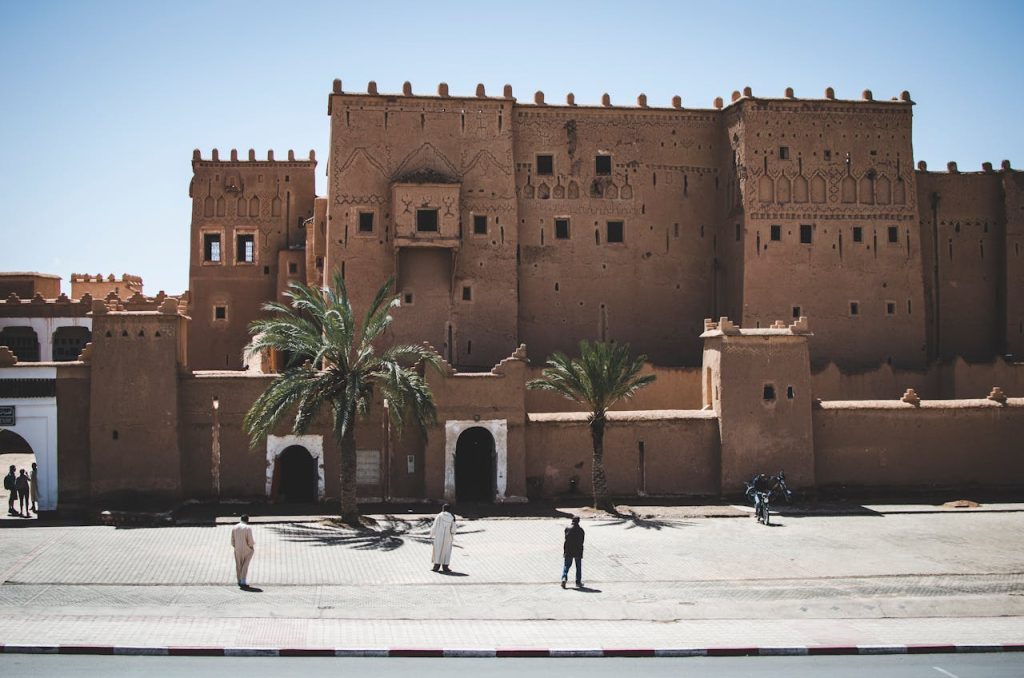
In Morocco, Christmas is a minor marker, so it rarely drives widespread domestic travel, even though winter tourism can be strong in cities, riad districts, Atlas villages, and Atlantic coast towns. Local movement more often clusters around Eid holidays, when families gather for meals, visits, and shared rituals that shape time off, and transport demand rises on the days surrounding the celebrations. This creates two parallel Decembers: visitors arrive for mild weather and markets, while residents travel most intensely on dates set by religious holidays, school breaks, and extended family obligations.
Iran
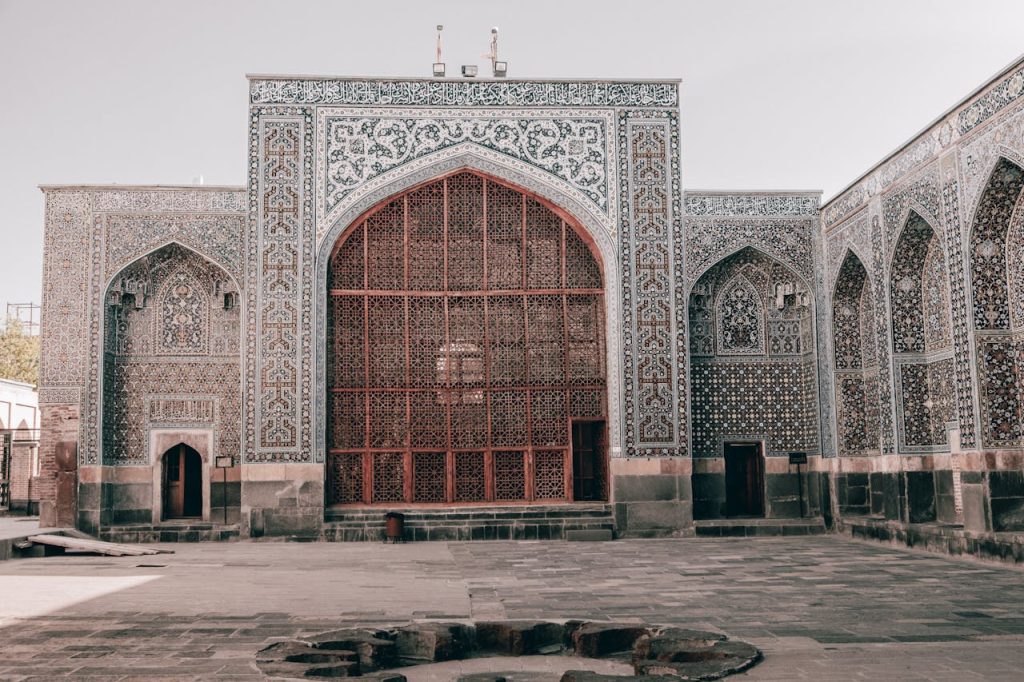
In Iran, the major travel season is Nowruz, the Persian New Year at the spring equinox, when extended leave, family visits, and holiday trips reshape the country’s pace and fill popular destinations nationwide. With schools and many workplaces closing, transport demand rises and cities shift into a celebratory tempo that lasts for days, encouraging longer journeys, fuller hotels, and busy intercity routes. December carries no national Christmas break, so travel is usually weekend-driven and practical, making late December comparatively steady until the spring Nowruz corridor arrives in March.
Ethiopia
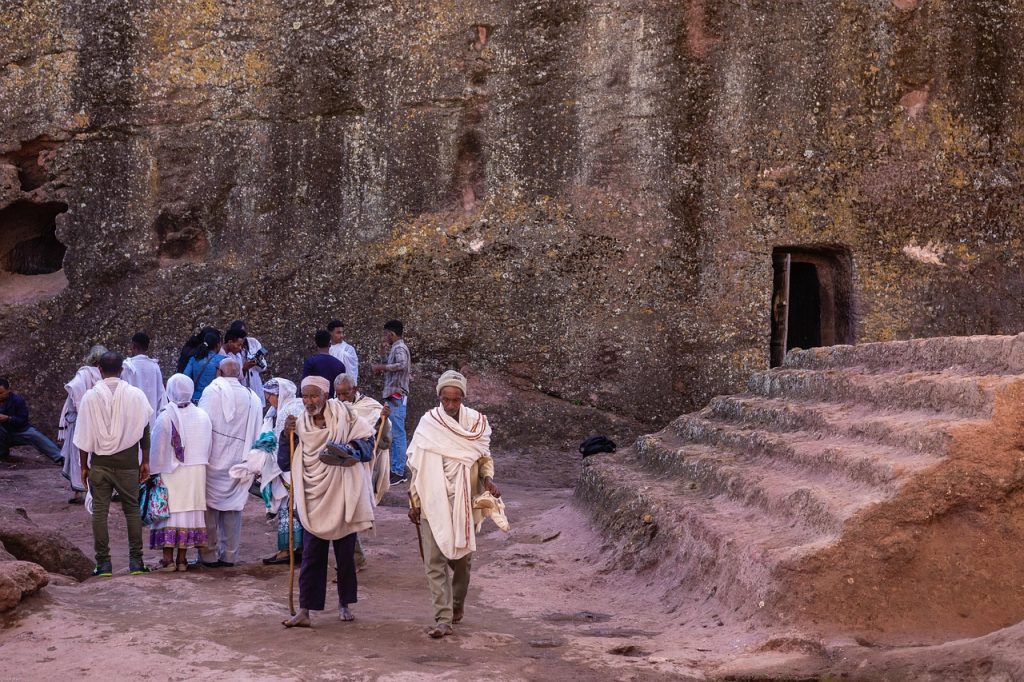
In Ethiopia, Christmas is widely celebrated, but for many Orthodox Christians it falls on Jan 7, so late December does not automatically become a peak travel week or a default school-break moment. The holiday, often called Genna, follows a fasting period and centers on church services, traditional foods, and community gatherings that carry more spiritual weight than a shopping calendar. Trips increase closer to early January, especially to family homes and historic religious sites such as Lalibela, which keeps international-style Christmas pressure lower in December while still offering a strong festive season.