12 Countries Where Travell Is More Cultural Than Touristy
Christmas means different things around the world, and in some countries it remains rooted in tradition rather than tourism. Streets feel lived in, not staged. Celebrations focus on family, religion, and local customs instead of large scale visitor attractions. Businesses often close, schedules slow, and communities turn inward. Travelers expecting spectacle may find simplicity instead. These places prioritize meaning over marketing. Understanding this distinction helps set expectations and appreciate quieter rhythms. These twelve countries experience Christmas as a cultural moment rather than a tourist season, where daily life, faith, and heritage guide how the holiday unfolds across towns, cities, and countryside alike.
Poland
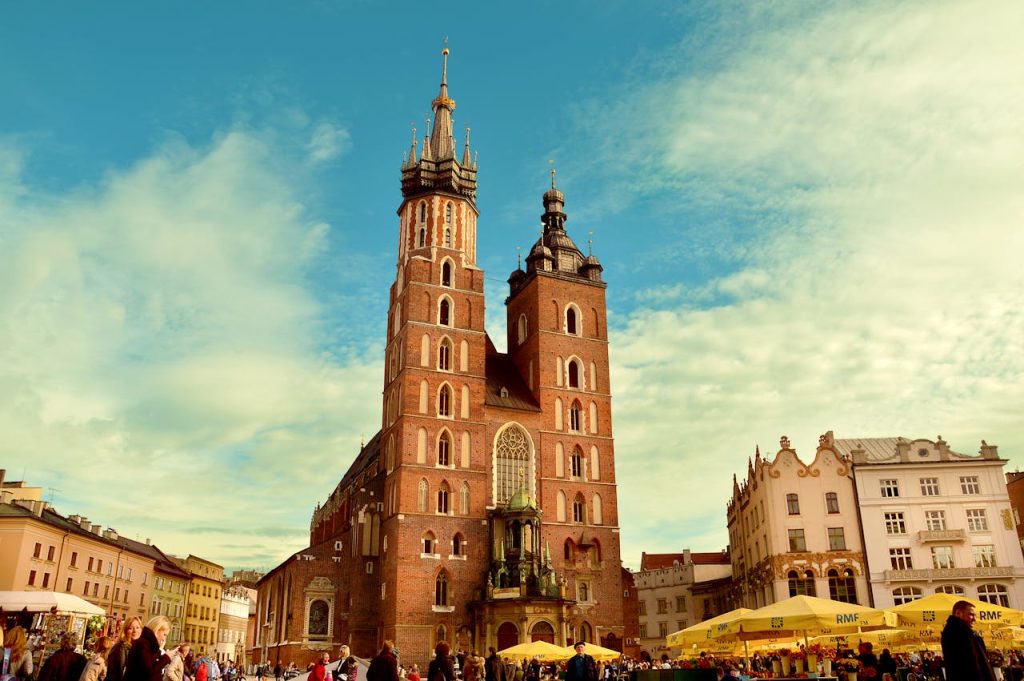
Poland treats Christmas as a deeply cultural and religious observance. Families gather for Wigilia on Christmas Eve, sharing traditional dishes and symbolic rituals. Streets grow quiet as businesses close early. Churches fill for midnight Mass. Decorations remain modest and locally driven. Travel slows noticeably. Visitors encounter closed shops and limited services. Tourism does not dominate the season. Instead, communities focus inward. Meals, prayer, and family time define the holiday. Poland’s Christmas emphasizes continuity and faith rather than spectacle, making the period feel private and reflective, shaped by long standing customs rather than visitor expectations or seasonal entertainment designed for outsiders.
Austria
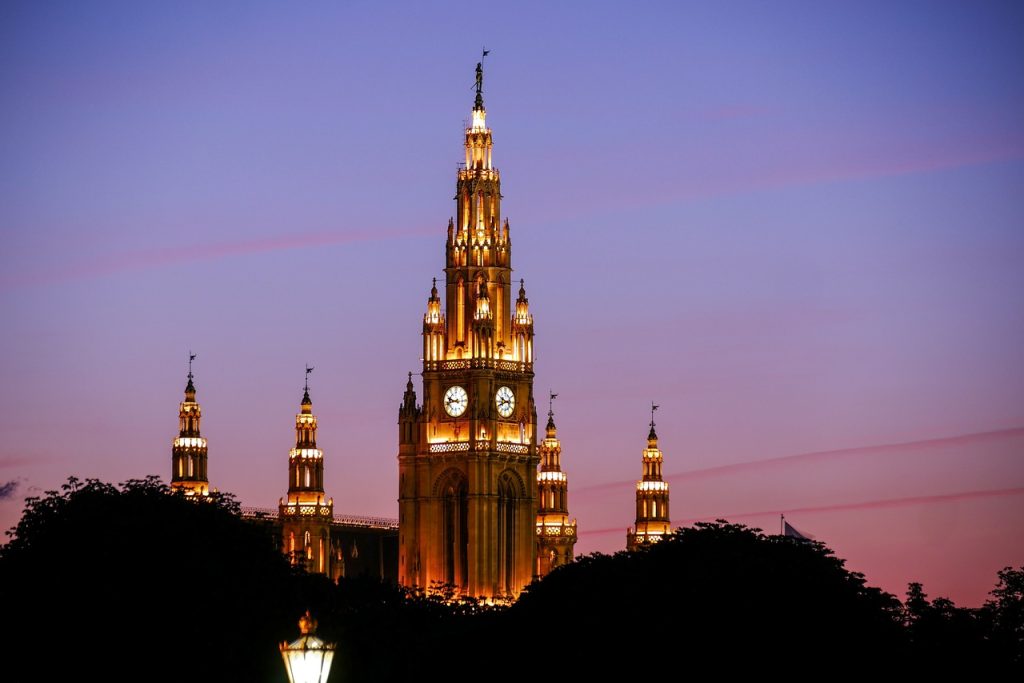
Austria approaches Christmas through tradition rather than tourism. Local Advent customs shape December routines. Families attend church services and gather at home. While markets exist, they primarily serve residents. Many businesses close for holidays. Streets quiet quickly in evenings. Travel infrastructure slows. Christmas Eve holds the most significance. Decorations feel restrained and consistent. Visitors notice limited availability. The holiday centers on food, music, and ritual. Austria’s Christmas atmosphere reflects cultural continuity, not attraction driven programming. The season feels lived in, where daily life pauses for reflection and family rather than expanding outward to accommodate large tourist crowds.
Finland
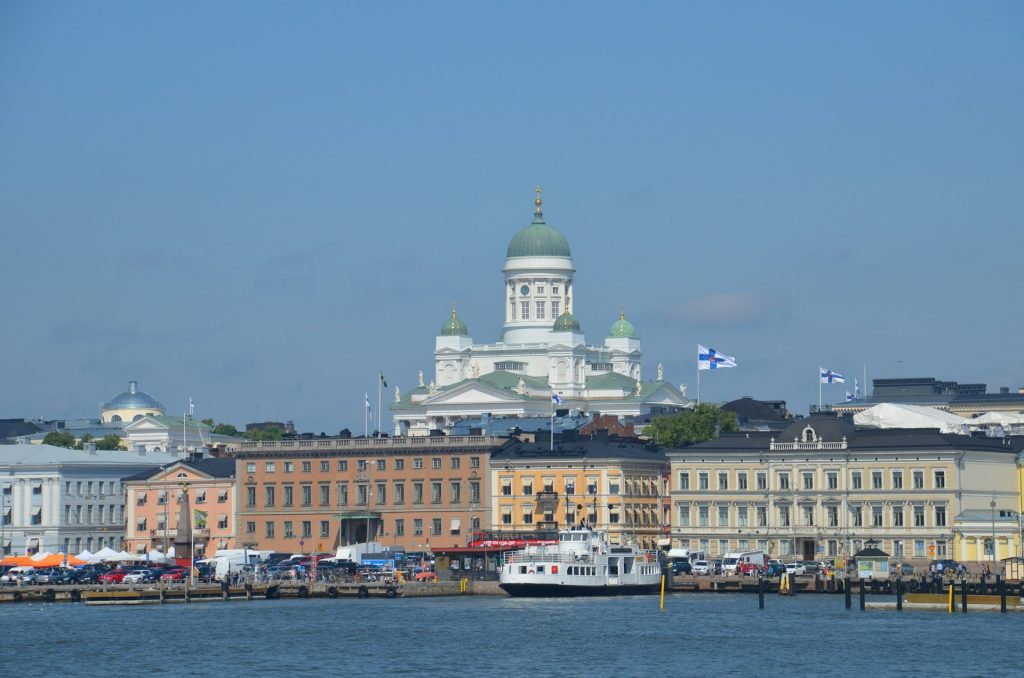
Finland treats Christmas as a private cultural holiday centered on home and tradition. Families gather quietly. Businesses close extensively. Streets empty early. Christmas Eve holds primary importance. Saunas, candles, and cemetery visits define the season. Decorations remain subtle. Tourism exists but does not dominate daily life. Public transport reduces schedules. Visitors encounter calm rather than activity. Finns value stillness during this time. The holiday emphasizes reflection, not entertainment. Finland’s Christmas feels inward and personal. Travelers expecting festive bustle instead experience silence, closed doors, and a society prioritizing rest, ritual, and family connection over seasonal tourism.
Japan
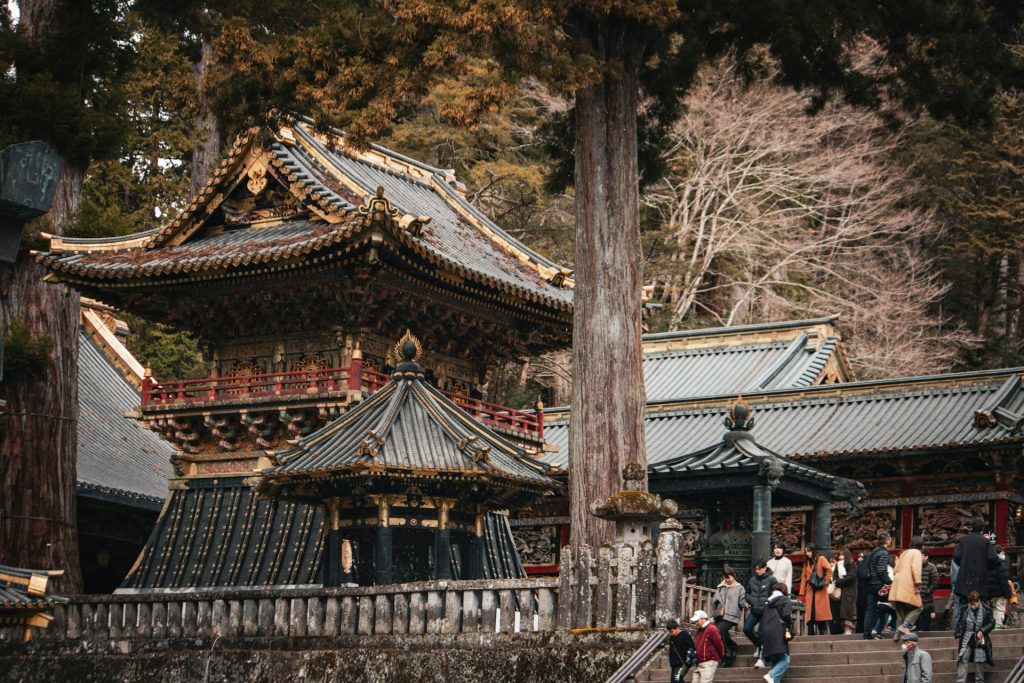
The Japan experiences Christmas as a cultural curiosity rather than a tourist event. The holiday is not religiously observed by most. Daily life continues normally. Decorations appear briefly in commercial areas. Families do not travel extensively. Businesses remain open. Christmas Eve is more symbolic than traditional. New Year holds far greater importance. Visitors encounter limited holiday closures but minimal festive programming. There is no nationwide tourism focus. Christmas functions as a seasonal aesthetic moment rather than a cultural anchor. In Japan, the holiday passes quietly, shaped by modern custom and commercial imagery rather than deep tradition or visitor driven celebration.
Norway
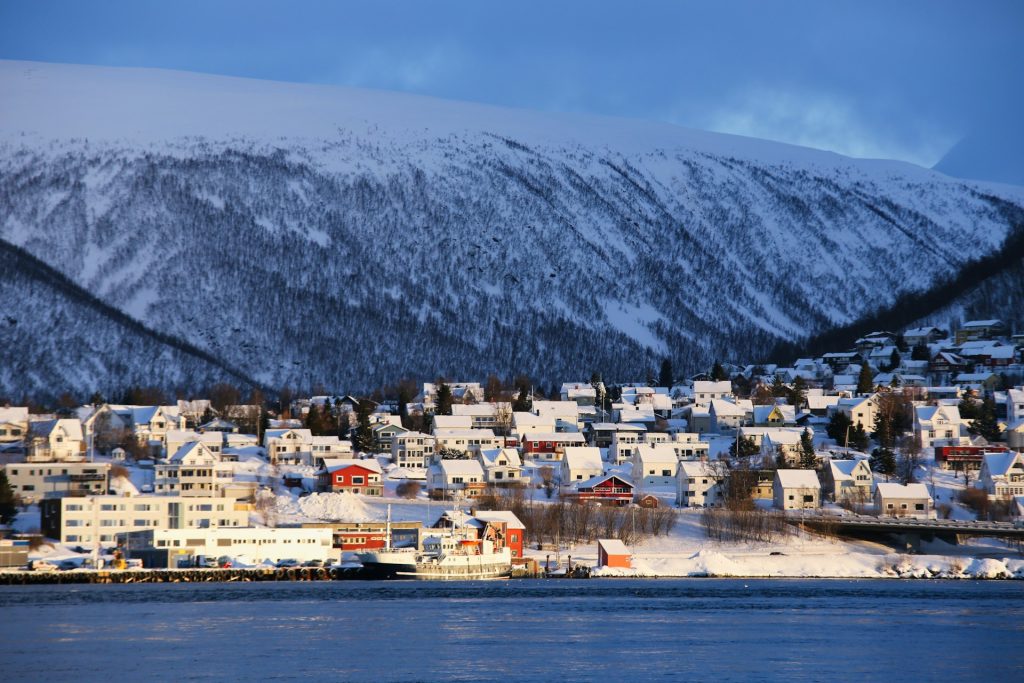
Norway treats Christmas as a time for family and rest. Businesses close early. Offices shut down between holidays. Travel decreases. Homes become the center of celebration. Religious services remain important. Decorations are understated. Streets grow quiet. Tourism slows noticeably. Norwegians value privacy during the season. Visitors encounter reduced services and limited entertainment options. Christmas Eve holds primary significance. The holiday emphasizes calm and continuity. Norway’s approach feels introspective rather than performative. Travelers experience a country pausing rather than hosting, where the season belongs to residents, not visitors, and cultural rhythms take precedence over outward facing holiday activity.
Ethiopia
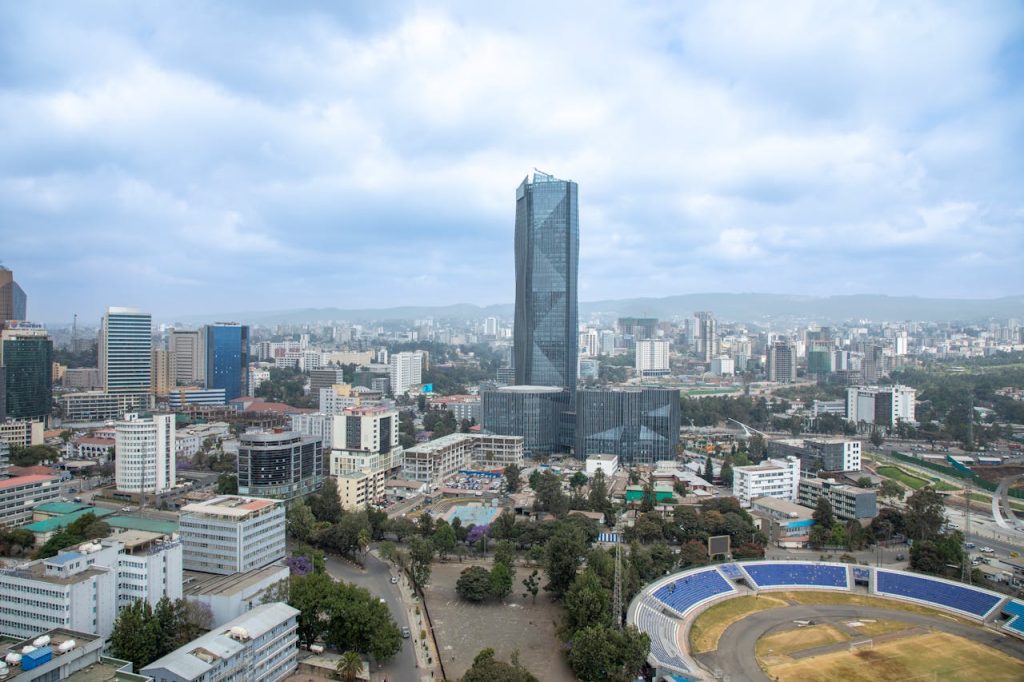
Ethiopia observes Christmas, known as Gena, according to the Ethiopian Orthodox calendar in January. The holiday focuses on fasting, prayer, and church services. There is little commercial decoration. Tourism does not increase. Families attend early morning Mass. Streets remain quiet. Celebrations are religious and local. Businesses may close briefly. Visitors see authenticity rather than performance. The holiday reflects faith rather than festivity. Ethiopia’s Christmas holds deep cultural meaning without tourist framing. The experience centers on spiritual practice and community, making it a solemn and traditional observance rather than a season designed for travel, entertainment, or spectacle.
Greece
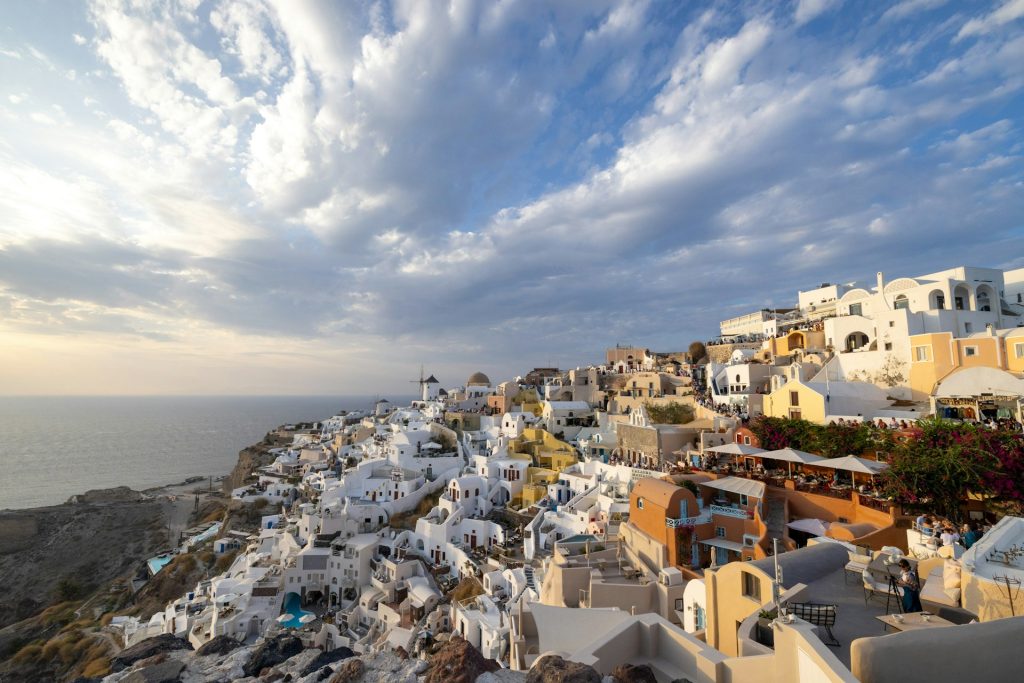
Greece approaches Christmas as a cultural and religious holiday rather than a tourist season. Families gather at home. Churches hold services. Businesses close for holidays. Decorations appear but remain modest. Travel slows after early December. New Year’s celebrations carry more emphasis. Visitors encounter reduced services and quieter streets. The focus remains on tradition, food, and family. Coastal tourism pauses. Greece’s Christmas feels grounded and local. Rather than staging experiences for outsiders, communities prioritize routine and faith. Travelers experience a country temporarily turned inward, where everyday life pauses and cultural continuity shapes the season more than visitor demand.
Armenia
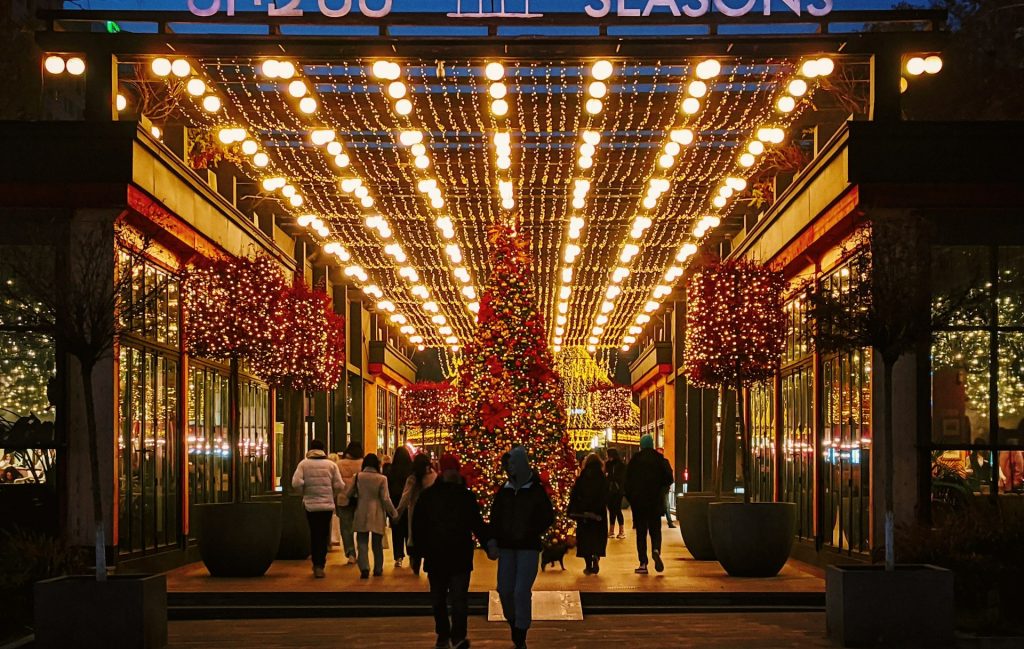
Armenia celebrates Christmas on January sixth according to the Armenian Apostolic Church. The holiday centers on religious services and family gatherings. There is minimal commercial activity. Tourism remains low. Decorations are limited. Businesses close briefly. Streets feel calm. The focus remains spiritual rather than festive. Visitors witness authentic observance without spectacle. Armenia’s Christmas does not cater to tourism. Instead, it reflects deep historical faith. The experience emphasizes continuity and ritual. Travelers encounter sincerity rather than entertainment, making the season feel intimate and culturally grounded rather than outwardly celebratory or designed to attract international holiday visitors.
Germany

Germany’s Christmas remains cultural despite popular markets. The holiday itself centers on family. Christmas Eve holds primary importance. Businesses close extensively. Travel drops sharply. Locals leave cities to be with relatives. Markets wind down before Christmas Day. Visitors arriving late encounter closures. The season emphasizes tradition over tourism. Decorations reflect regional identity. Churches remain active. Germany’s Christmas pauses daily life rather than expanding it. Travelers expecting activity find stillness. The experience feels authentic but quiet. Cultural practice defines the period, making it less about sightseeing and more about continuity, reflection, and family rituals rooted in long established custom.
Mexico
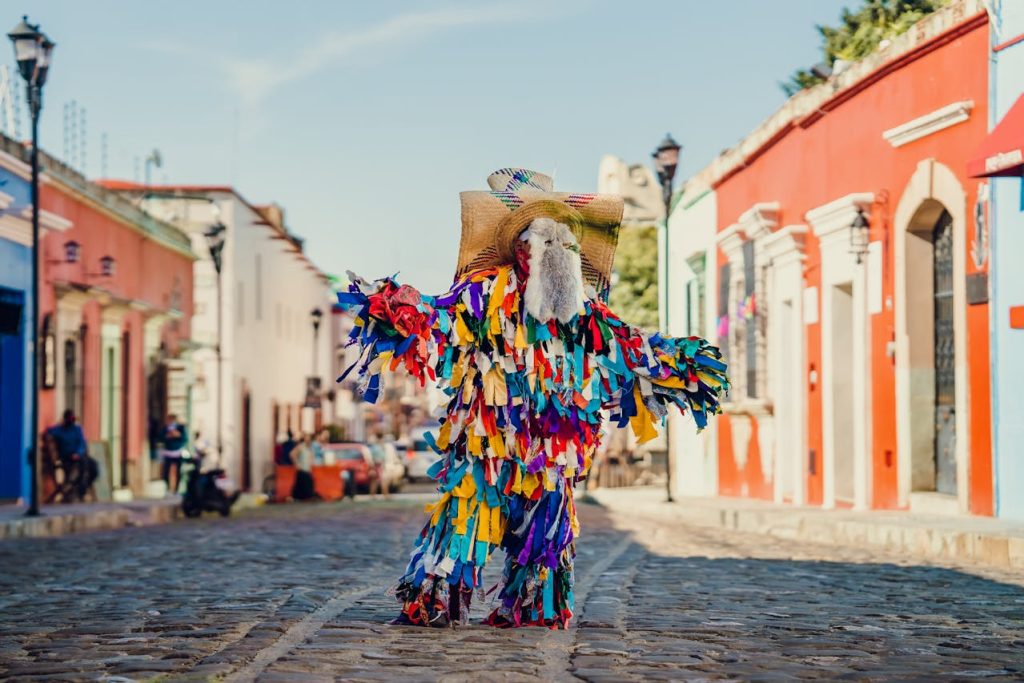
Mexico’s Christmas centers on religious tradition and family rather than tourism. Las Posadas processions shape December evenings. Christmas Eve gatherings matter most. Businesses close or reduce hours. Travel slows briefly. Decorations appear neighborhood based. Visitors experience community focused celebration rather than spectacle. Tourism does not dominate the holiday itself. Instead, faith and family guide activity. Christmas Day remains quiet. Mexico’s approach emphasizes ritual continuity. Travelers encounter authenticity but limited services. The holiday belongs to residents. It unfolds through tradition and participation, not through visitor focused programming or large scale holiday attractions designed for tourism.
Romania
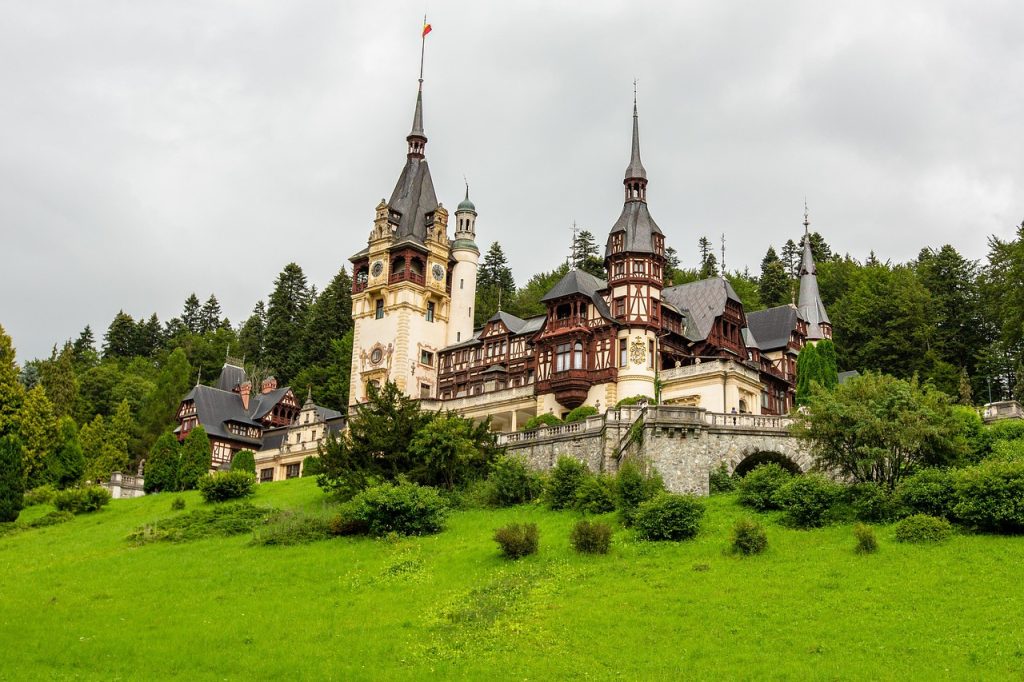
Romania observes Christmas through deeply rooted religious and folk traditions. Families gather at home. Caroling remains important. Churches hold services. Businesses close early. Streets quiet noticeably. Decorations stay modest. Tourism remains minimal. The holiday focuses on continuity and faith. Visitors encounter limited availability. Travel slows. Christmas emphasizes spiritual practice rather than spectacle. Romania’s celebrations feel personal and local. The season does not expand outward. Instead, daily life pauses. Travelers experience sincerity rather than entertainment. Christmas in Romania reflects cultural depth, where heritage and belief guide observance more than visitor interest or commercial holiday activity.
Georgia
Georgia treats Christmas as a religious and cultural observance rooted in Orthodox tradition. Celebrated on January seventh, the holiday centers on church services and family gatherings. Businesses close briefly. Decorations remain simple. Tourism does not increase. Streets stay calm. Communities participate in traditional rituals. Visitors encounter authenticity rather than programming. Christmas feels inward focused. Georgia’s approach emphasizes faith and continuity. There is little commercial emphasis. The holiday does not reshape the country for visitors. Instead, it reinforces local rhythm. Travelers experience a society honoring tradition quietly, where cultural meaning outweighs tourism and the season passes with dignity.