12 Destinations That Don’t Look Impressive Online But Feel Different in Person
Some places lose their force on a screen. A phone flattens distance, silence, wind and scale, turning layered destinations into something that can seem plain, repetitive, or oddly small. That is why certain places land as surprises when the body finally enters them.
Their power is often physical before it is visual. Salt underfoot, canyon echo, wet grass, sea spray, or desert dusk can change the meaning of a landscape in minutes. What looked modest online starts to feel spacious, textured, and quietly unforgettable once real air and real sound begin doing their work. That change is less about spectacle than presence, which no image can hold.
White Sands National Park, New Mexico
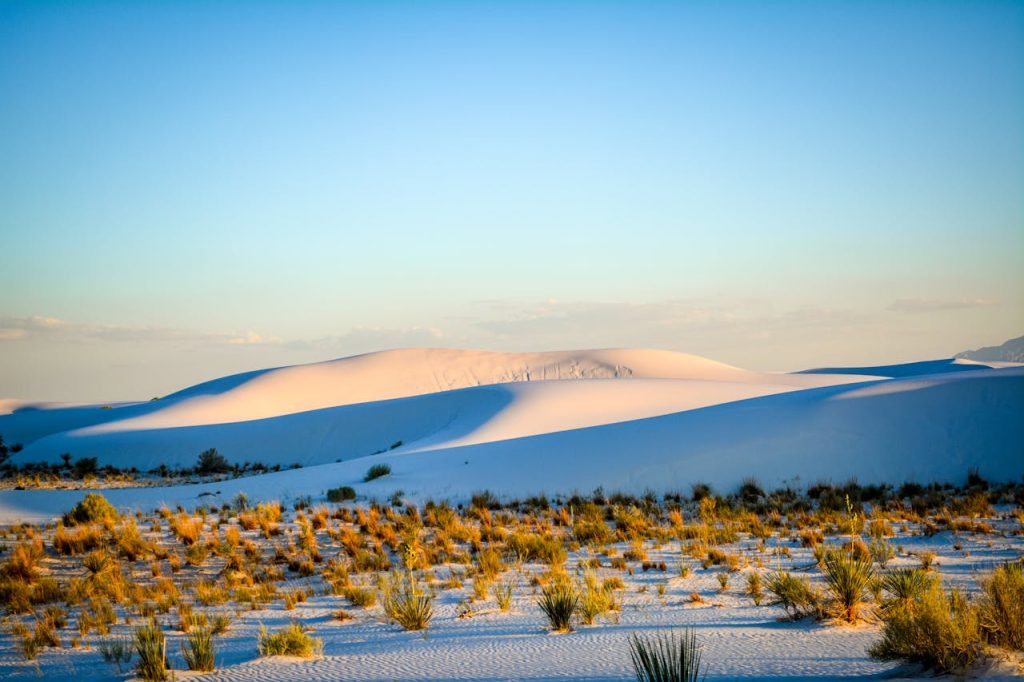
White Sands can look almost too simple online. On a screen, it often reduces to pale curves and open sky, as if the whole place were one long repetition. In person, the light keeps remaking the dunes, and the white surface feels less decorative than atmospheric, almost like weather turned solid underfoot.
NPS says White Sands protects much of the world’s largest gypsum dunefield, spread across 275 square miles in the Tularosa Basin. That fact matters, but the stronger surprise is tactile. The sand stays cool, the silence feels clean, and the emptiness starts reading as presence rather than absence. The eye slows down, and scale arrives late.
Source:
Big Bend National Park, Texas
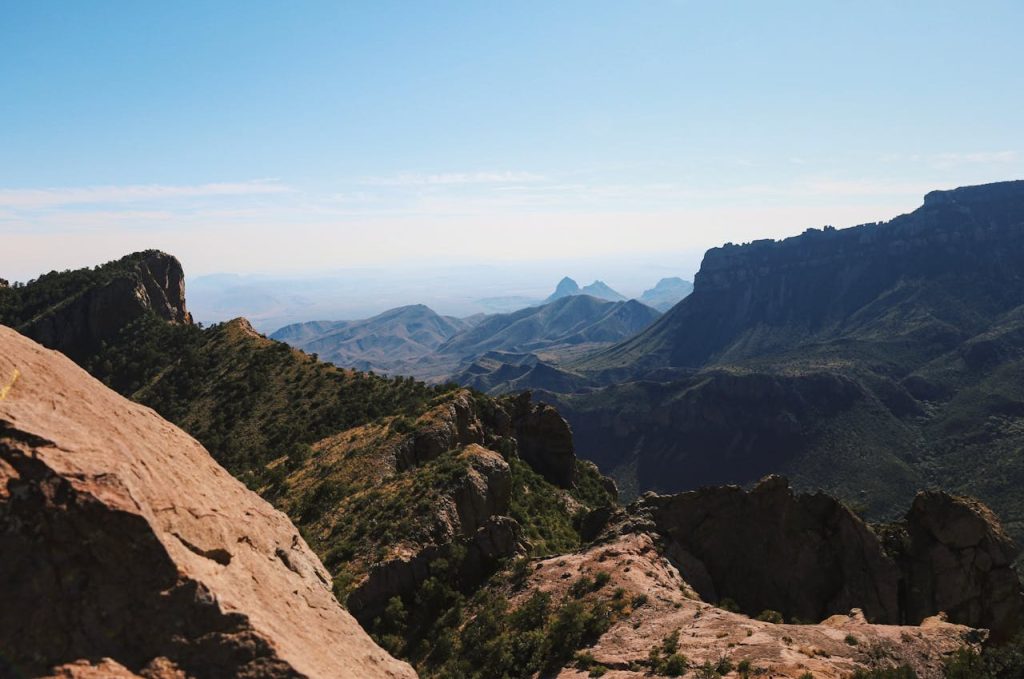
Big Bend often photographs as emptiness. Wide roads, dry ground, and distant mountains can make it look severe rather than inviting, especially in quick travel clips. In person, the scale changes everything. The desert does not feel vacant. It feels layered, with river corridors, volcanic heights and long quiet distances that hold their own kind of company.
NPS says the park covers more than 800,000 acres and includes desert, mountain, and river environments in one protected stretch. That mix is what a screen misses. The Chihuahuan Desert, the Chisos Mountains, and the Rio Grande all register differently once the road begins connecting them.
Source:
Giant’s Causeway, Northern Ireland
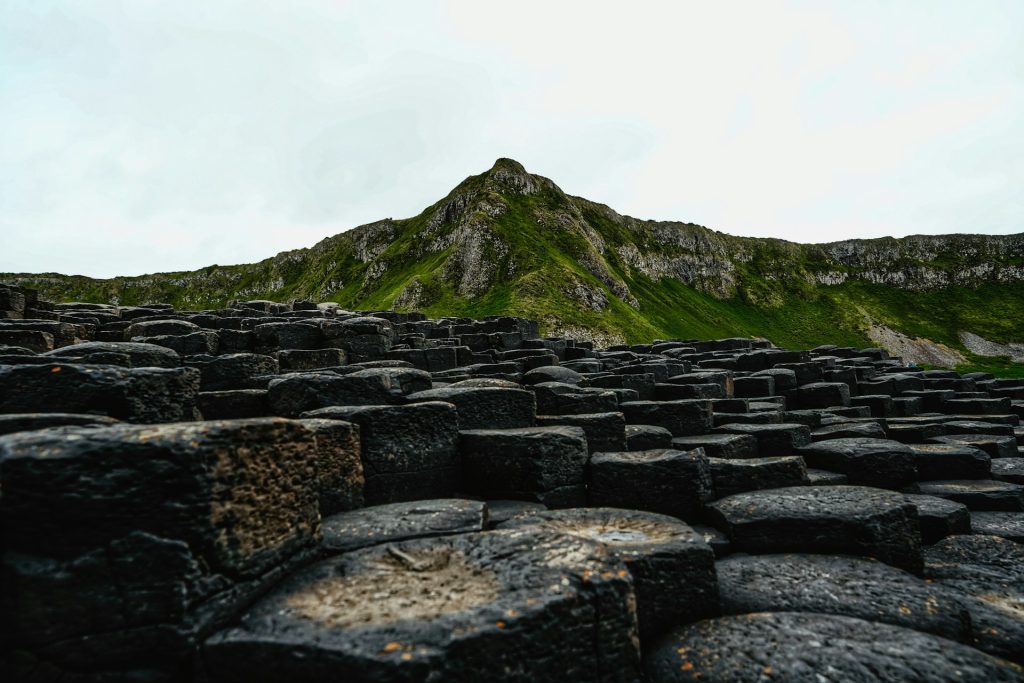
The Giant’s Causeway can look like a neat geological curiosity in photos, a patch of dark stones beside the sea. In person, it feels larger, stranger, and more exposed than that. The columns run outward under shifting coastal light, the surf keeps sounding against the rocks, and the cliff backdrop gives the whole place a tension flat images rarely keep.
UNESCO describes the site as 40,000 basalt columns rising beside the sea at the foot of basalt cliffs. That physical setting is the real surprise. The pattern matters, but the atmosphere matters more. Wind, spray and the dark geometry of the shore make the whole place feel active, not static.
Source:
Everglades National Park, Florida
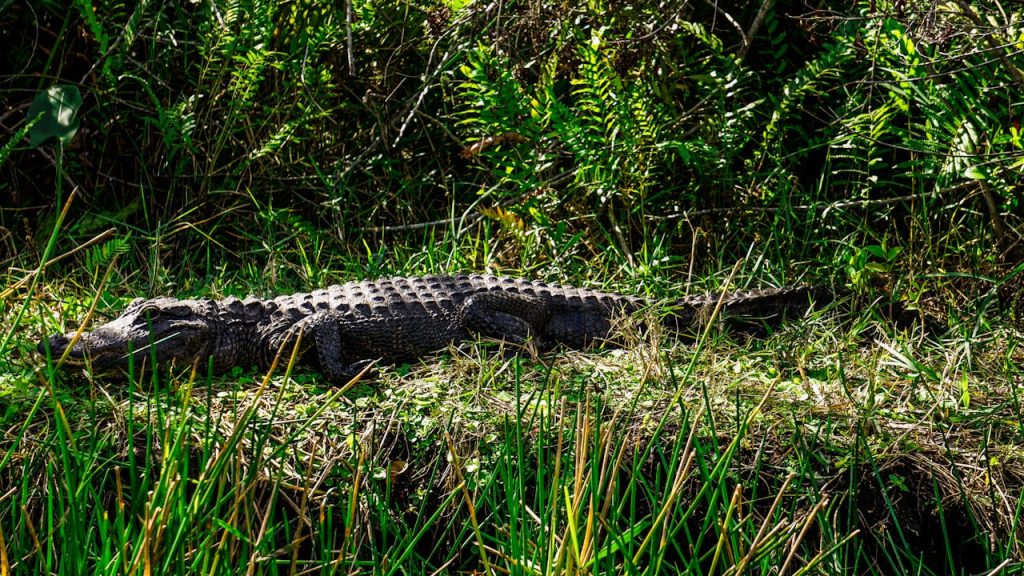
The Everglades can look underwhelming online because so much of its drama is horizontal. Screens reduce it to flat water, reeds, and sky, which misses the way the place moves. In person, the wetlands feel alive with slowness. Birds rise suddenly, water shifts almost invisibly, and the openness starts to feel immersive instead of empty.
NPS notes that Everglades National Park was established in 1947 as the first national park created for its biodiversity, protecting 1.5 million acres. It also carries the long echo of Marjory Stoneman Douglas’s River of Grass. What changes in person is simple: the park reads as a living system, not a backdrop.
Source:
Badlands National Park, South Dakota
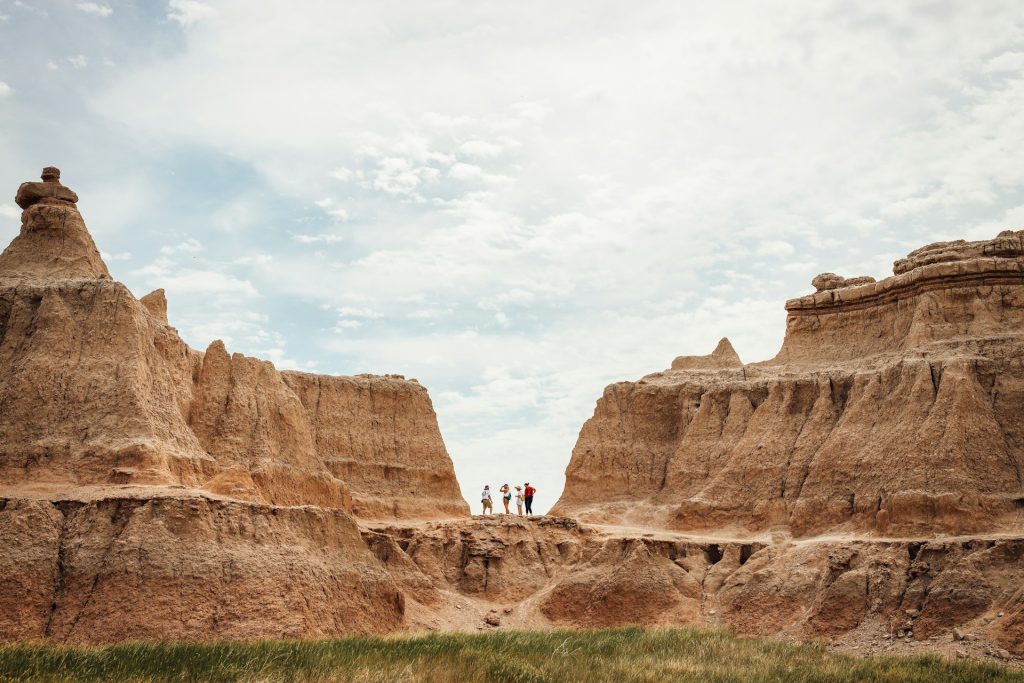
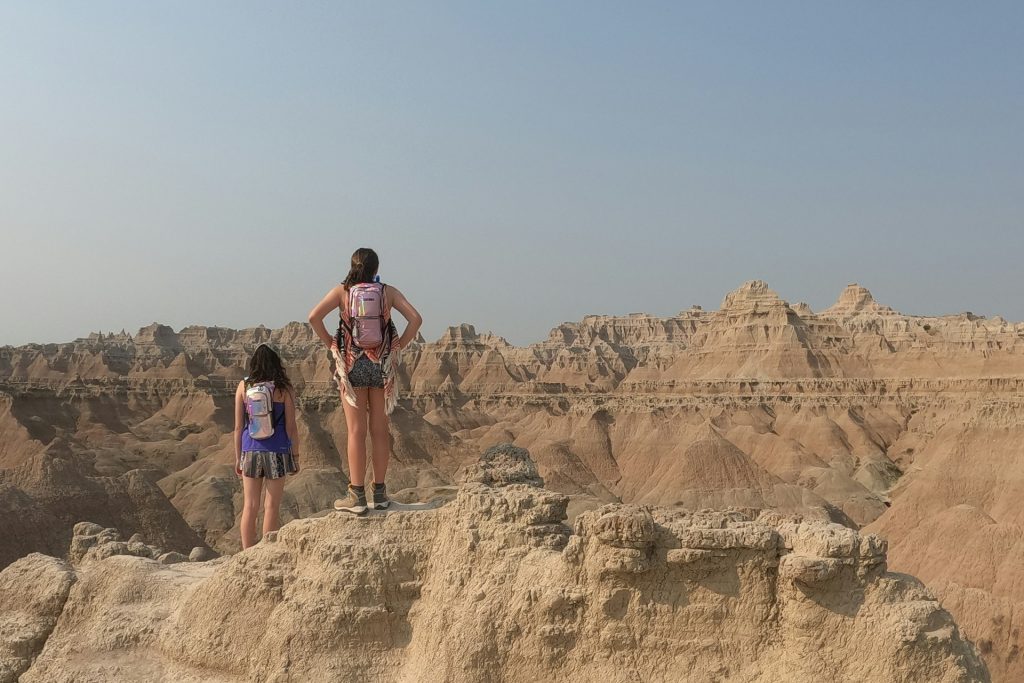
Badlands images often show striped ridges and pale stone, but they rarely carry the full mood of the place. In person, the formations rise out of prairie in a way that feels sudden and severe, and the color shifts with cloud cover far more than most photos suggest. The land looks exposed yet it never feels thin once the horizon opens around it.
NPS says the park’s 244,000 acres protect sharply eroded formations alongside a mixed grass prairie and one of the world’s richest fossil beds. That combination is why Badlands lasts in memory. It is not only about strange stone. It is also about ancient exposure meeting living grassland in one sweep.
Source:
Saguaro National Park, Arizona
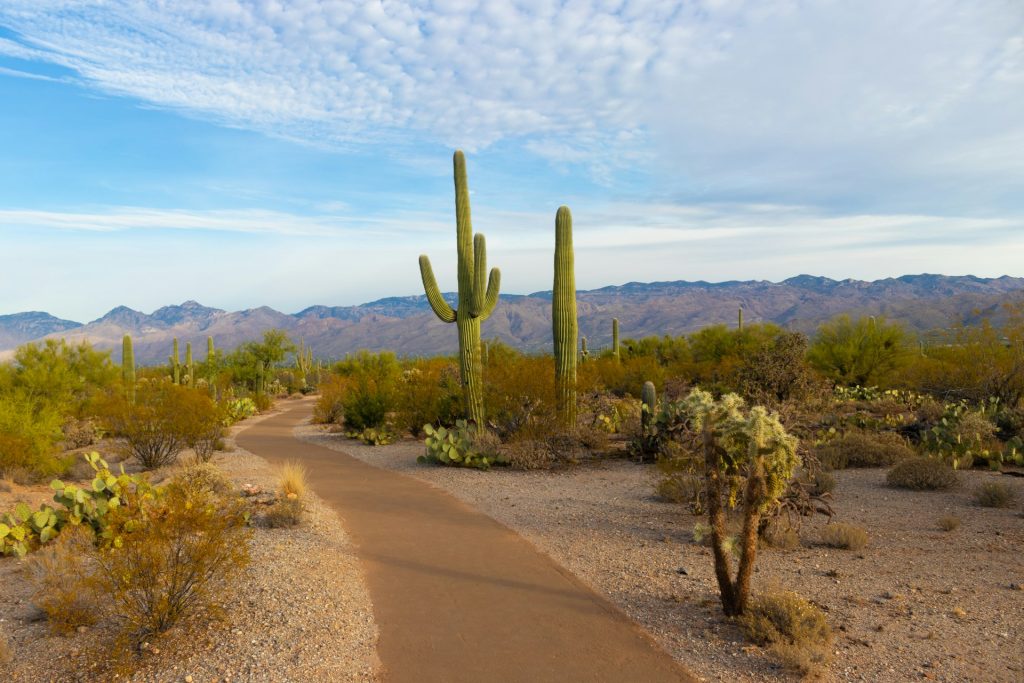
Saguaro can seem familiar online before anyone arrives. The outline of a giant cactus has been repeated so often that it risks becoming a symbol instead of a place. In person, the desert feels more textured than the icon suggests at full scale. Plant spacing, wash light, and the mountains give the landscape depth that quick images usually strip away.
NPS says saguaros are found only in a small portion of the United States and are protected here, on both sides of Tucson. The east district includes the 8 mile Cactus Forest Drive. What looks obvious online becomes intricate once the desert starts reading as habitat rather than postcard scenery.
Source:
Mesa Verde National Park, Colorado
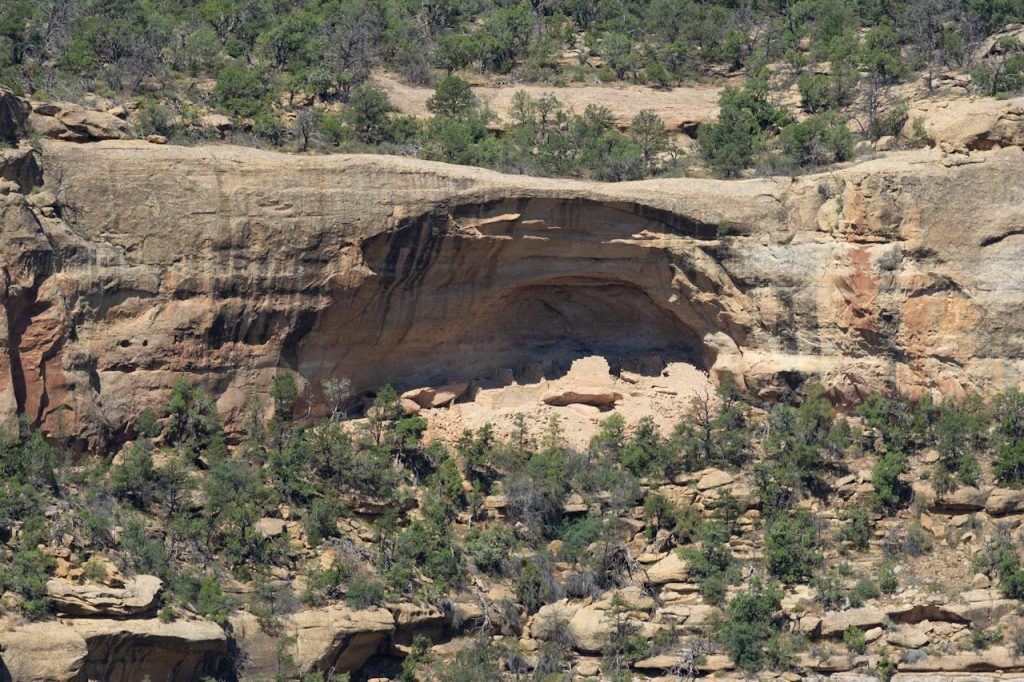
Mesa Verde can look distant in photographs, almost like a museum display fitted into rock. In person, the cliff dwellings feel less like isolated ruins and more like deliberate architecture placed inside the land. The alcoves, shadows, and stonework reveal a level of intention that is hard to read until the cliff face stands at full scale.
NPS says Ancestral Pueblo people began moving into cliff alcoves in the late 1190s, and that Cliff Palace holds 150 rooms and 23 kivas. Those facts help, but the deeper effect is spatial. Site changes once the eye starts measuring human skill against the height, shelter, and depth of the surrounding stone.
Source:
Petrified Forest National Park, Arizona
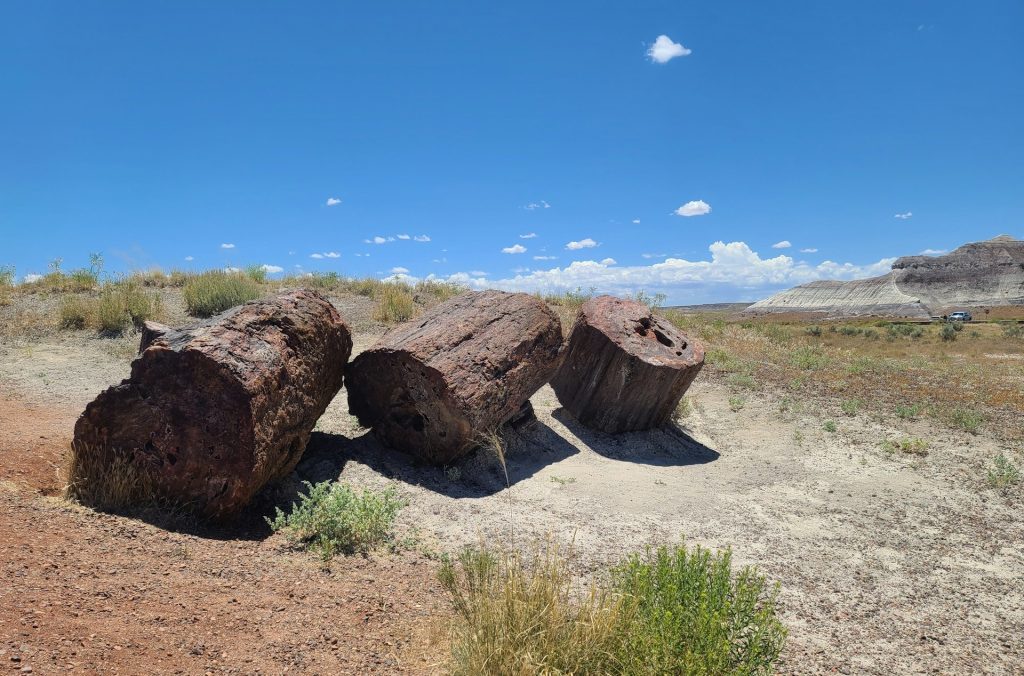
Petrified Forest can look oddly static online. Colored logs, painted hills and roadside stops do not always translate into urgency on a screen. In person, the park feels wider and older than the photos imply. The wood looks heavier; the colors travel farther, and Painted Desert opens in bands that make the land feel suspended in deep time.
NPS says the park preserves Triassic rocks laid down by enormous rivers between 208 and 225 million years ago. It is famous for petrified wood, but the wider surprise is scale. The fossil history and the living desert belong to the same view, and that overlap gives the place more force than images suggest.
Source:
Death Valley National Park, California and Nevada
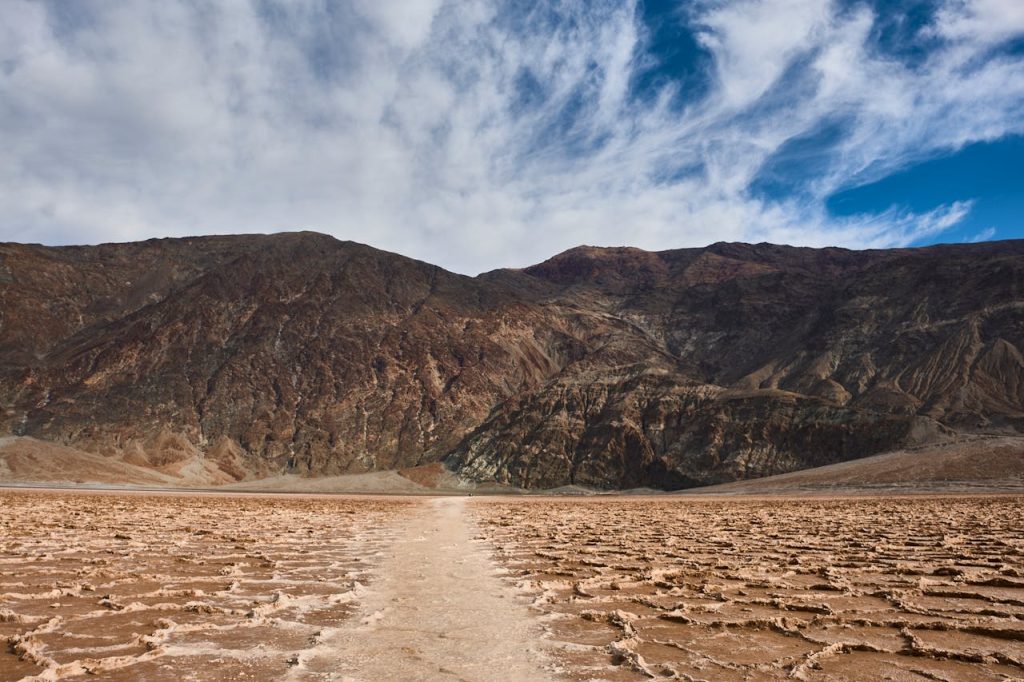
Death Valley often gets reduced online to extremes: hottest, driest, lowest. Those claims are true, but they flatten the place into a headline. In person, the valley feels less like a record than a series of contrasts. Salt, shadow, height, distance, and sudden pockets of life keep changing the emotional temperature of the landscape.
NPS notes Badwater Basin sits 282 feet below sea level while nearby Telescope Peak rises to 11,049 feet. That contrast is what photos usually miss. Death Valley does not impress through one image. It works through contradiction, scale, and the way silence keeps shifting from harsh to beautiful. Scale lands late.
Source:
Monument Valley Navajo Tribal Park, Arizona and Utah
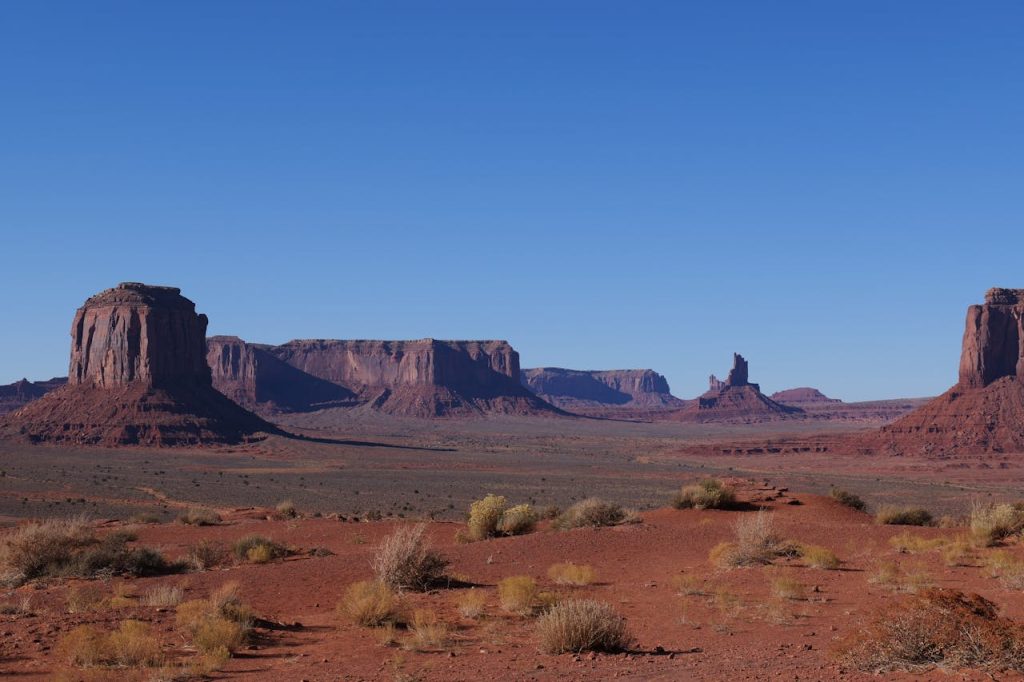
Monument Valley may seem like an odd fit because it is already famous online. That fame can work against it. Repetition makes the buttes feel familiar before the road even begins. In person the scale resets everything. The formations no longer read like movie scenery. They feel spatial, solitary, and more commanding than their images suggest.
Navajo Nation Parks describes the valley drive as a 17 mile loop with rough terrain and deep sand in spots. That slow reveal matters. The buttes arrive one by one, gradually and the space between stops becomes part of the experience. The land keeps withholding its real scale until the body is inside it.
Source:
Brú na Bóinne, Ireland
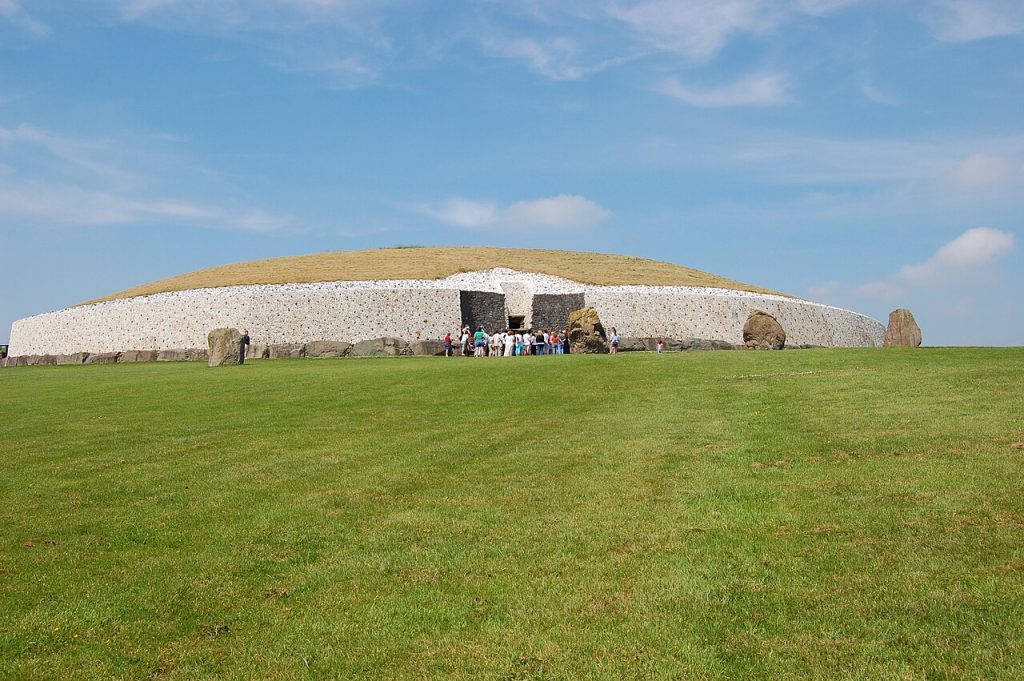
Brú na Bóinne can look modest in photos. From a distance, the main monuments can read as grassy forms in a gentle landscape, more archaeological than emotional. In person, the valley carries a different weight up close. The mound, the carved stones, and the river setting give the place a stillness that feels ceremonial rather than merely old.
UNESCO says Newgrange, Knowth, and Dowth sit 50 kilometers north of Dublin on the River Boyne, forming Europe’s largest concentration of prehistoric megalithic art. The facts matter, but the deeper surprise is temporal. The site stops feeling academic and starts feeling continuous with the present land.
Source:
Aït Benhaddou, Morocco
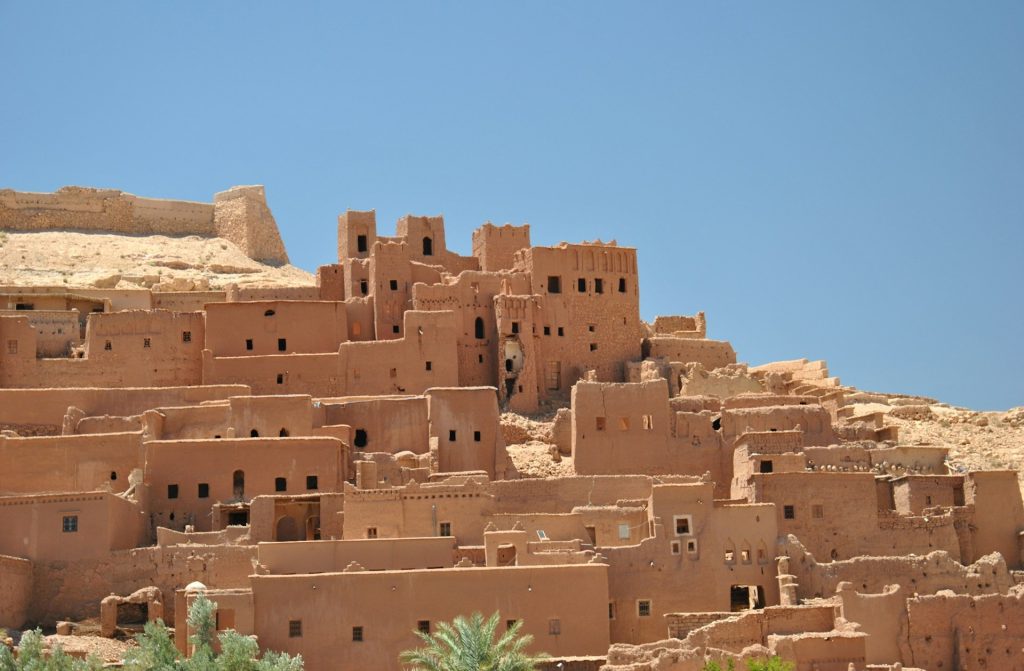
Aït Benhaddou can look like one old earthen village online, and that is part of the problem. Photos capture the outline but not the material presence of the place. In person, the walls hold light differently, the stacked geometry feels denser, and the whole ksar seems less like a postcard than built landscape.
UNESCO calls it an eminent example of a ksar in southern Morocco and says it represents a traditional pre Saharan habitat made vulnerable by socio economic and cultural change. That description points to what a screen misses. The site is not only striking. It carries the weight of a living building tradition shaped by climate and time.
Source: