12 Destinations Where Fall Travel Is Underrated
Fall travel often goes unnoticed despite offering some of the most balanced and rewarding experiences of the year. As summer crowds fade, destinations regain rhythm, affordability, and accessibility. Cooler temperatures improve walkability, cultural calendars resume, and landscapes shift in color and character. Transportation systems stabilize, and accommodations become easier to secure. Yet many travelers continue to focus on peak seasons. These twelve destinations show how autumn delivers depth, comfort, and authenticity without sacrificing activity or atmosphere. Each place demonstrates why fall remains an underrated window for travel shaped by local life, seasonal transitions, and calmer, more immersive conditions worldwide.
Lisbon, Portugal
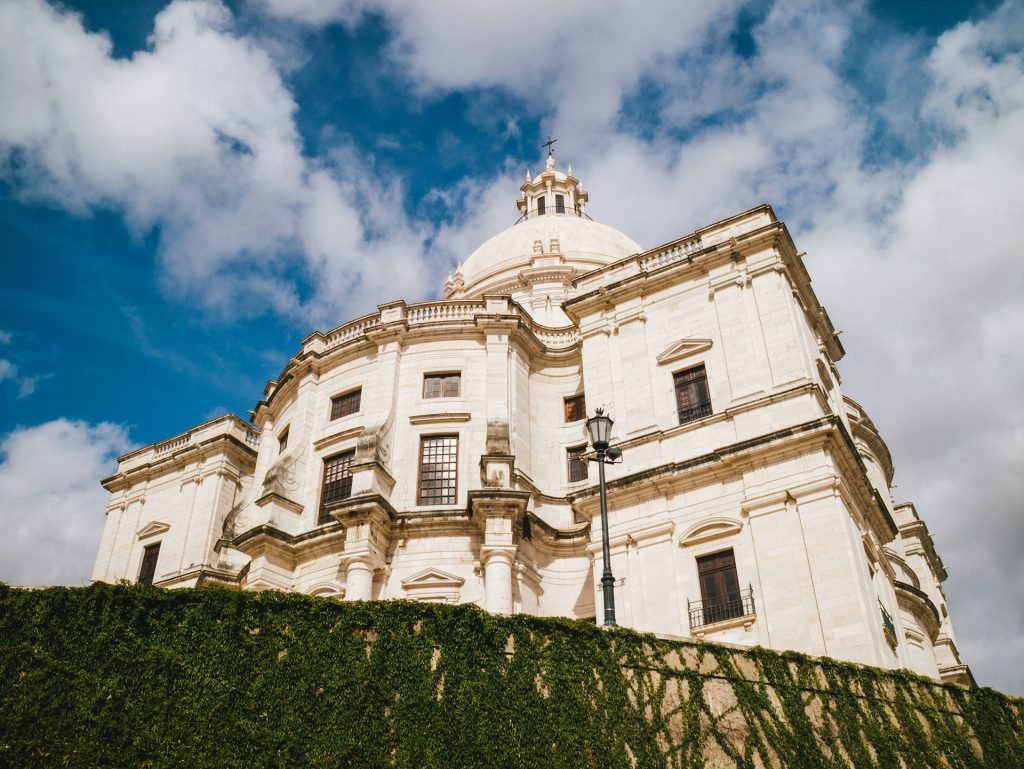
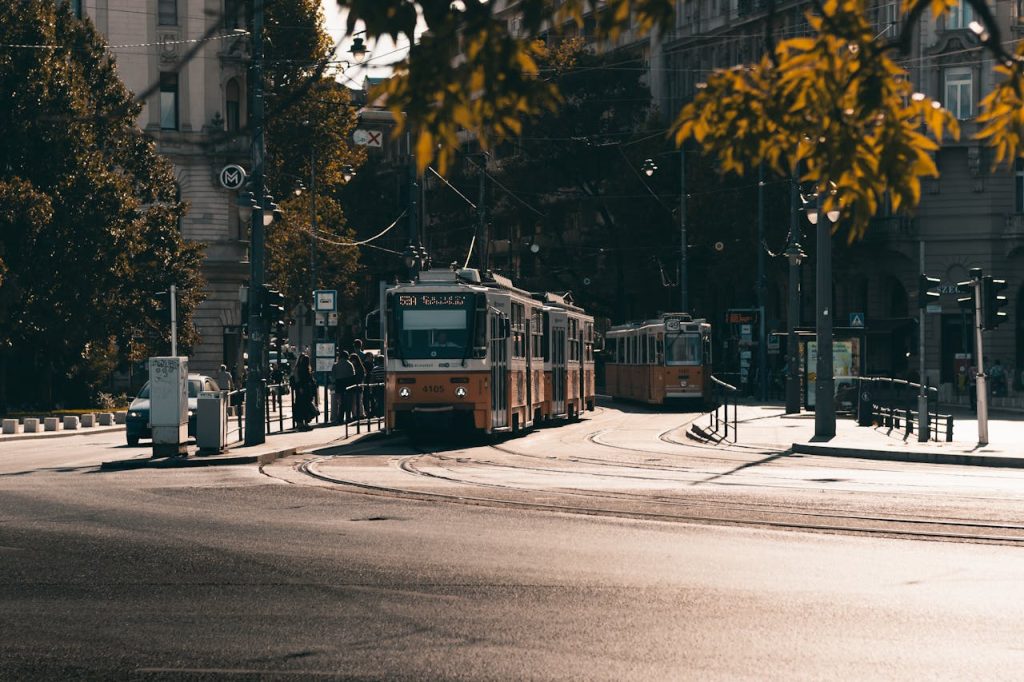
Lisbon feels more livable in fall as summer tourism recedes across the city. Temperatures cool, making hills, trams, and riverfront walks more comfortable. Historic neighborhoods regain local rhythm, and viewpoints feel less crowded. Hotel rates ease, and dining becomes more spontaneous. Public transportation operates smoothly without summer pressure. Fall travel in Lisbon highlights architecture, music, and everyday neighborhood life, offering visitors clearer access to the city’s character without intense heat, packed streets, or constant competition for space and reservations during daily exploration. Travelers enjoy relaxed pacing, better availability, authentic encounters, quieter streets, and seasonal comfort.
Kyoto, Japan

Kyoto becomes notably calmer during fall as summer travel declines and school schedules resume. High heat fades, allowing comfortable visits to temples, gardens, and residential districts. Tourist crowds thin before peak foliage season, keeping prices moderate. Public transportation feels less congested, and local routines become visible. Cultural sites remain fully accessible without heavy tour traffic. Fall travel in Kyoto emphasizes balance between heritage and daily life, offering quieter mornings, reflective walks, and a pace shaped more by residents than seasonal tourism demand dominating popular areas. Visitors gain unhurried access, improved pricing, deeper cultural immersion, and restorative seasonal atmosphere.
Prague, Czech Republic
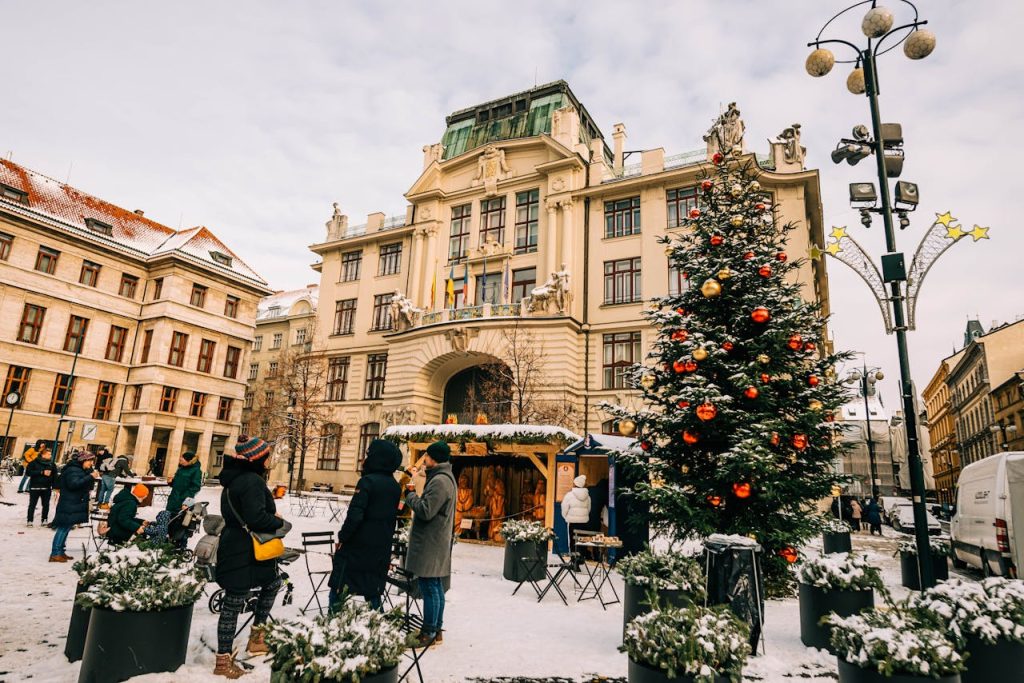
Prague benefits from fall as summer tour volume decreases across its historic center. Streets remain active but manageable, especially during weekdays. Mild temperatures support long walks across bridges and neighborhoods. Museums and galleries feel calmer, improving engagement. Hotel pricing stabilizes after peak season. Public squares regain local presence. Transportation becomes more predictable. Fall travel reveals Prague’s architectural detail and everyday rhythm without overwhelming crowds, allowing visitors to experience the city’s history, cafés, and river views in a more relaxed, authentic setting shaped by daily life rather than constant tour flow. Visitors enjoy flexible pacing, clearer routes, improved access.
Vancouver, Canada

Vancouver experiences a natural slowdown in fall once summer travel ends. Parks, waterfronts, and neighborhoods feel less crowded while remaining active. Mild weather supports outdoor activities and city exploration. Public transportation returns to commuter patterns, improving reliability. Cultural institutions launch fall schedules. Hotel availability increases, and dining reflects local routines. Fall travel in Vancouver highlights the balance between urban life and surrounding nature, offering access to mountains, coastlines, and cultural spaces without peak season congestion or inflated demand shaping daily movement and visitor experience. Travelers enjoy quieter spaces, steadier transit, value, and relaxed exploration.
Buenos Aires, Argentina
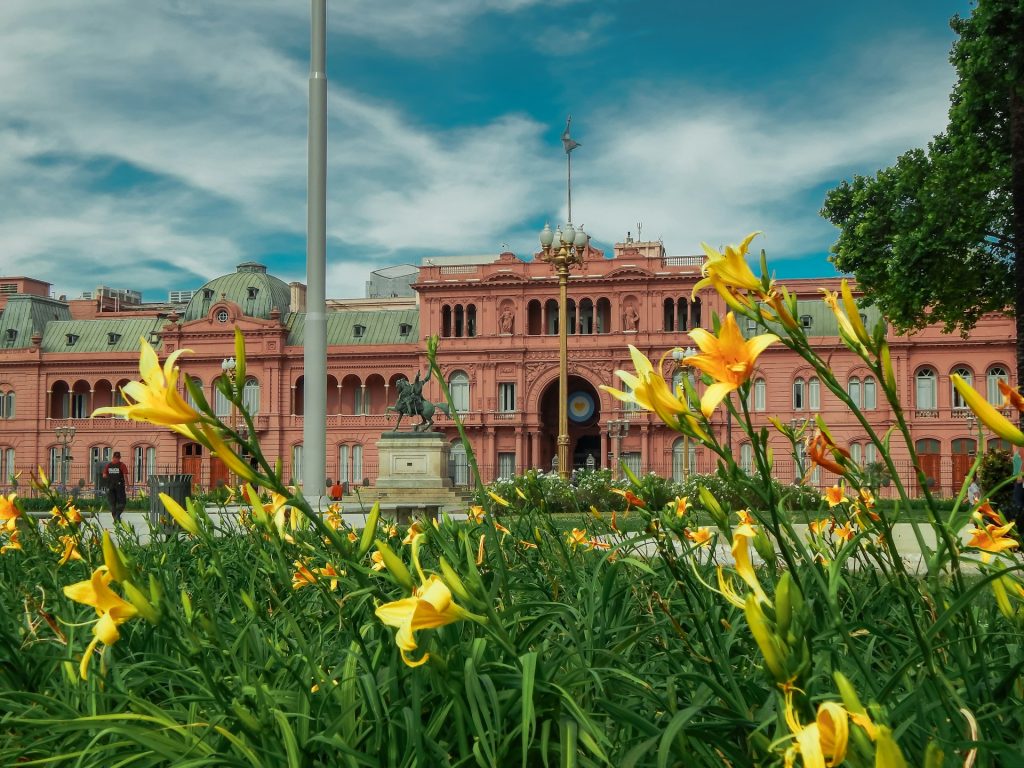
Buenos Aires enters a comfortable travel period in fall as temperatures cool and tourism eases. Streets become more walkable, and neighborhoods settle into daily rhythm. Cultural institutions remain active, while crowds thin after summer. Hotel prices soften, and dining reflects everyday patterns. Outdoor cafés and parks stay inviting. Transportation functions reliably. Fall travel in Buenos Aires emphasizes architecture, food, and neighborhood culture without peak demand, allowing visitors to experience the city’s character at a calmer pace shaped by local life rather than seasonal tourism intensity. Visitors enjoy longer stays, better availability, authentic interactions, flexible schedules, quieter evenings.
Seoul, South Korea
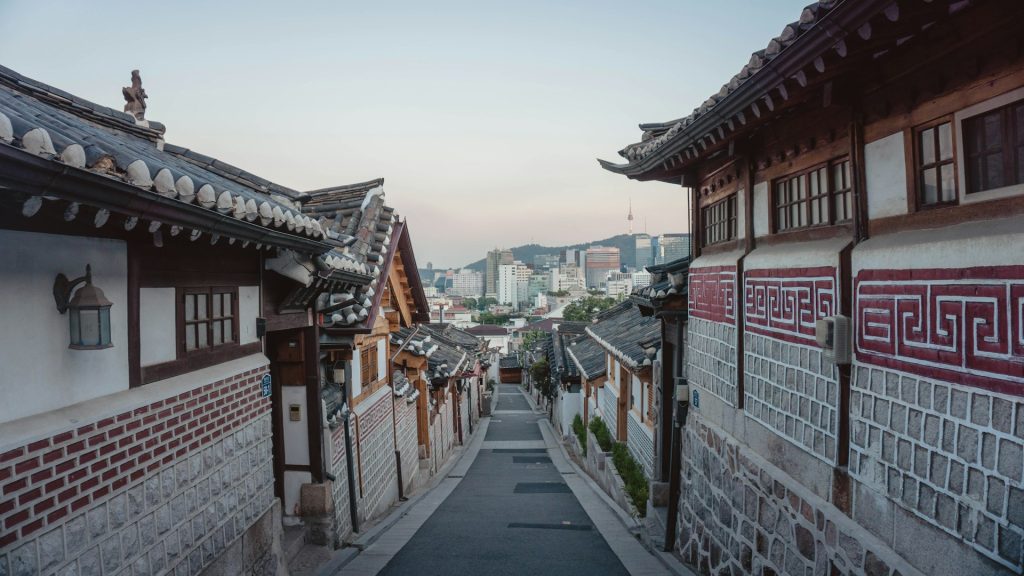
Seoul feels more balanced in fall as summer heat and humidity recede. Cooler weather supports walking, hiking, and open air markets. Tourist numbers drop after school holidays end, easing congestion. Cultural festivals continue without peak pressure. Transportation remains efficient, and hotel availability improves. Neighborhoods feel more local as routines resume. Fall travel in Seoul offers access to palaces, shopping districts, and surrounding nature without summer strain, allowing visitors to experience urban energy and seasonal scenery together in a more comfortable and navigable environment. Travelers benefit from easier planning, steadier pacing, clearer access, and relaxed daily movement.
New England, United States
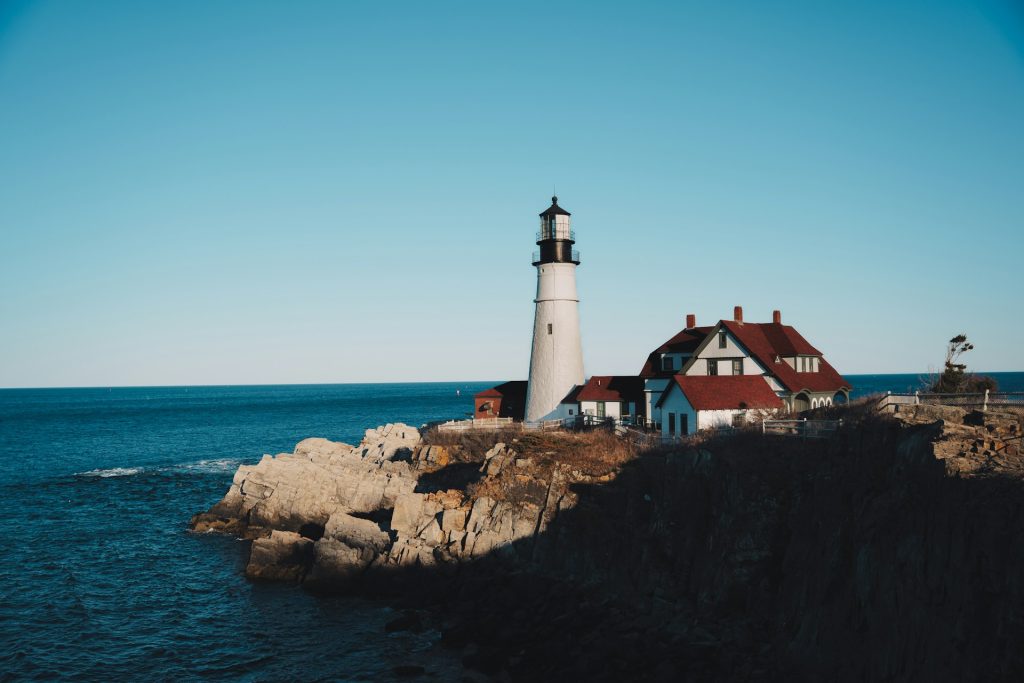
New England’s fall season brings balance as summer crowds retreat from coastal towns. Cooler weather supports scenic driving and walking. Foliage shifts attention inland, spreading visitors more evenly. Cultural towns remain active, and local festivals reflect harvest traditions. Accommodation planning becomes more predictable. Roads feel calmer. Fall travel in New England highlights how seasonal identity moves beyond beaches, offering visitors a visually rich, relaxed experience shaped by landscapes, small towns, and traditions rather than peak summer congestion and coastal crowding. Travelers enjoy slower mornings, scenic routes, seasonal events, quieter towns, better rates, and deeper connections.
Andalusia, Spain
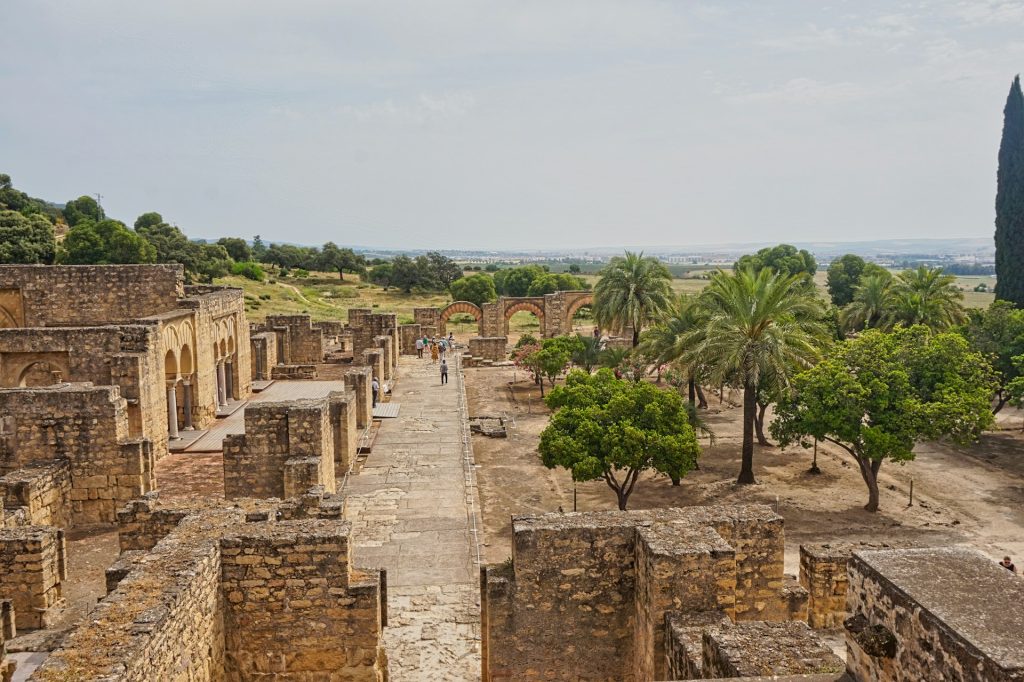
Andalusia becomes significantly more comfortable in fall after intense summer heat fades. Cities like Seville, Córdoba, and Granada feel walkable again. Tourist crowds thin, improving access to historic sites. Hotel rates ease, and dining becomes less competitive. Cultural life continues through performances and festivals. Transportation operates smoothly. Fall temperatures support extended outdoor exploration. Travel during this season highlights Andalusia’s architecture, cuisine, and daily rhythms without physical strain or crowd density dominating movement and experience throughout urban and historic districts. Visitors enjoy longer evenings, improved comfort, and deeper appreciation across regions.
Bavaria, Germany
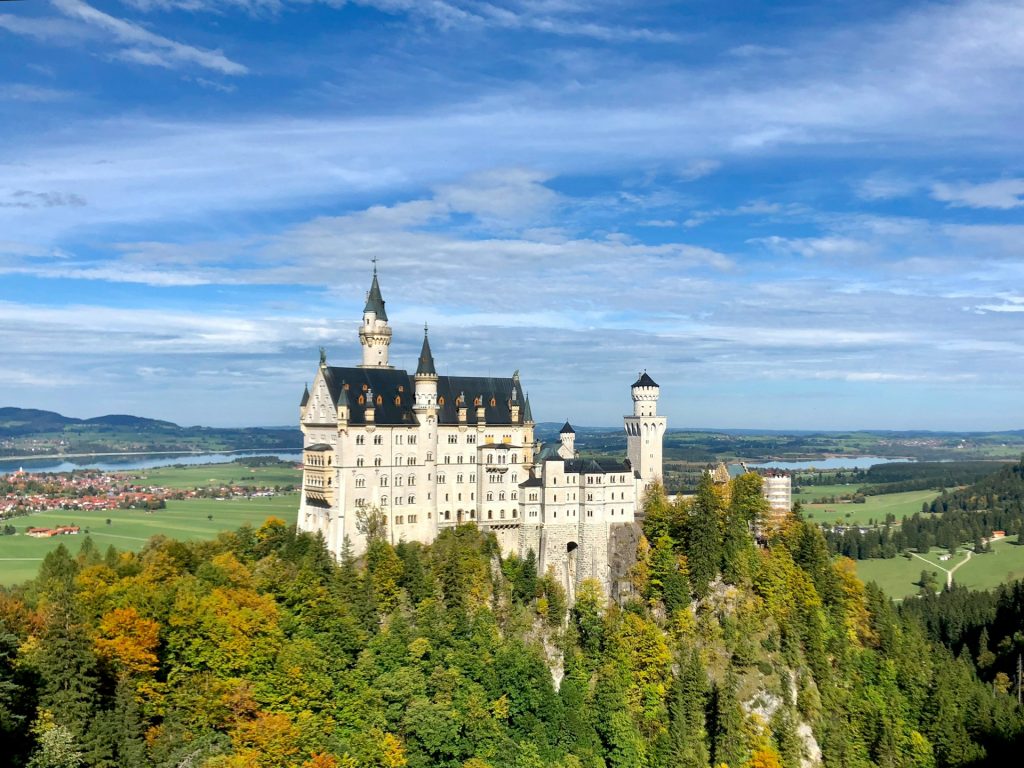
Bavaria settles into a quieter rhythm during fall as summer tourism declines. Cooler air supports walking through towns, forests, and alpine foothills. After early Oktoberfest crowds, calmer weeks follow. Landscapes shift color, and rural areas feel accessible. Hotel availability improves outside major events. Local festivals continue at a smaller scale. Transportation remains reliable. Fall travel in Bavaria balances scenery, heritage, and everyday life, offering visitors a grounded experience that highlights regional identity beyond peak summer or winter holiday travel cycles. Visitors appreciate slower pacing, clearer access, cultural depth, seasonal foods, countryside walks, and village evenings.
Patagonia, Argentina And Chile
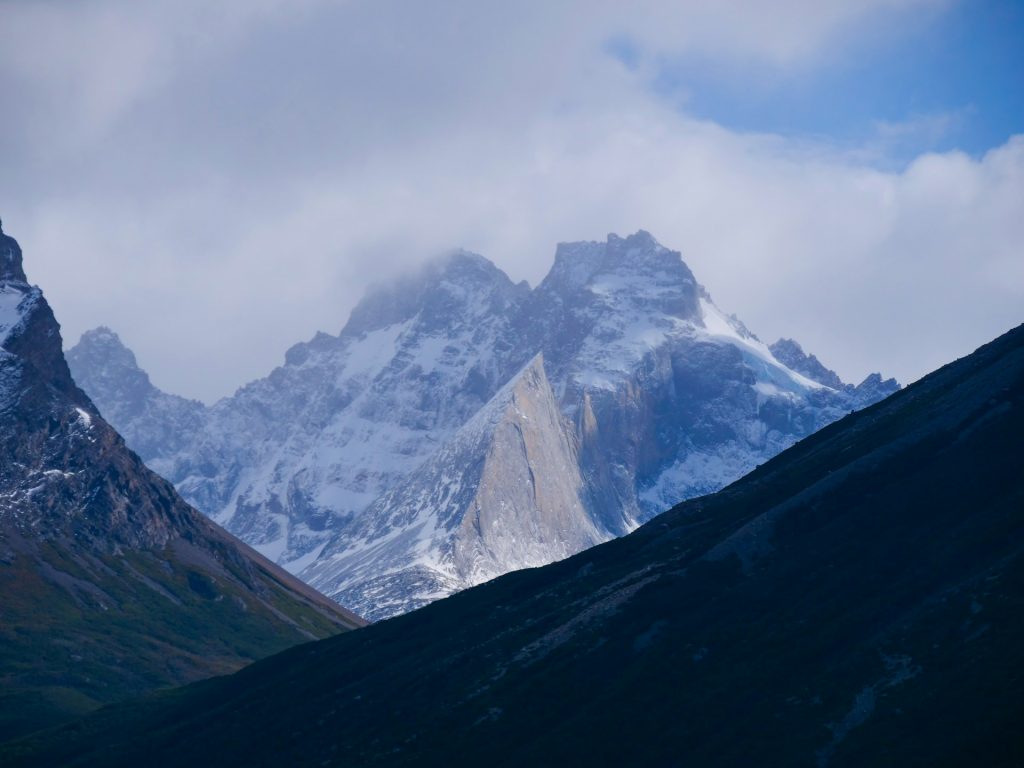
Patagonia enters a favorable fall window as summer crowds depart. Cooler temperatures improve hiking comfort. Trails and viewpoints feel less crowded, increasing solitude. Accommodation availability improves, and pricing moderates. Wildlife remains active. Transportation operates with fewer delays. Weather stabilizes before winter conditions arrive. Fall travel in Patagonia offers clearer access to mountains, lakes, and open landscapes, allowing visitors to experience the region’s scale and natural beauty without peak season pressure or logistical strain influencing daily planning. Travelers enjoy longer daylight, quieter trails, flexible itineraries, and improved access across remote regions seasonally.
Scottish Highlands
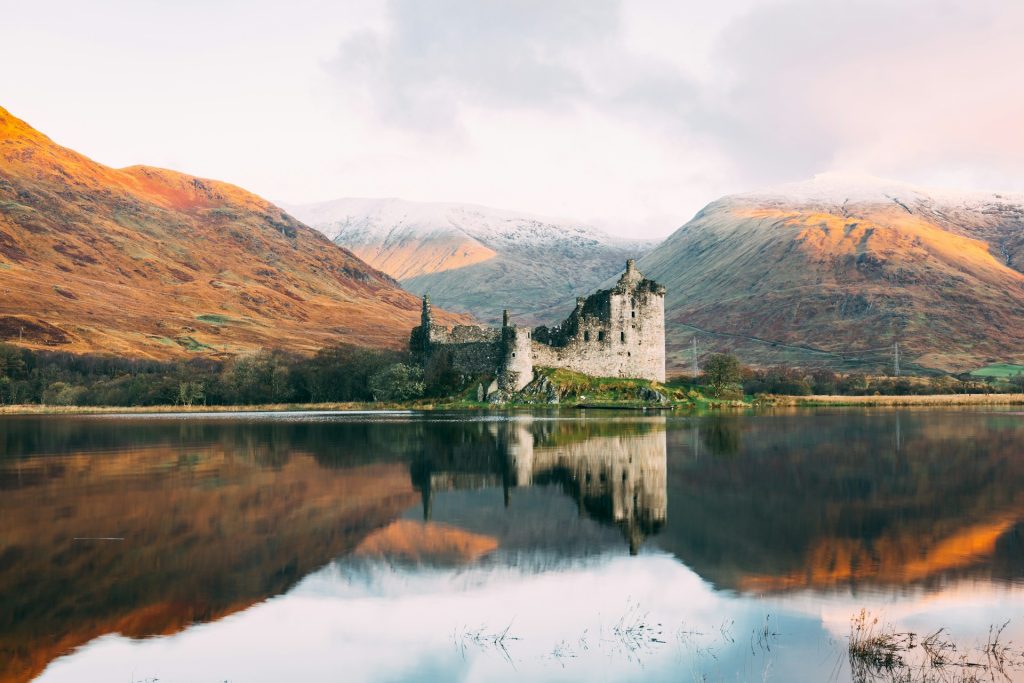
The Scottish Highlands grow quieter in fall as summer tourism tapers. Cooler temperatures support hiking and scenic driving. Autumn colors deepen landscapes, adding visual interest. Visitor numbers drop, easing pressure on small communities. Accommodation availability improves. Cultural sites remain open. Roads feel calmer. Fall travel in the Highlands emphasizes atmosphere, scale, and weather, offering a more immersive experience shaped by landscape and local rhythm rather than crowded itineraries and peak season congestion. Travelers experience longer stays, better availability, clearer routes, richer scenery, steadier pacing, improved access, quieter evenings, and deeper connection with place during autumn months regionwide.
Atlas Mountains, Morocco
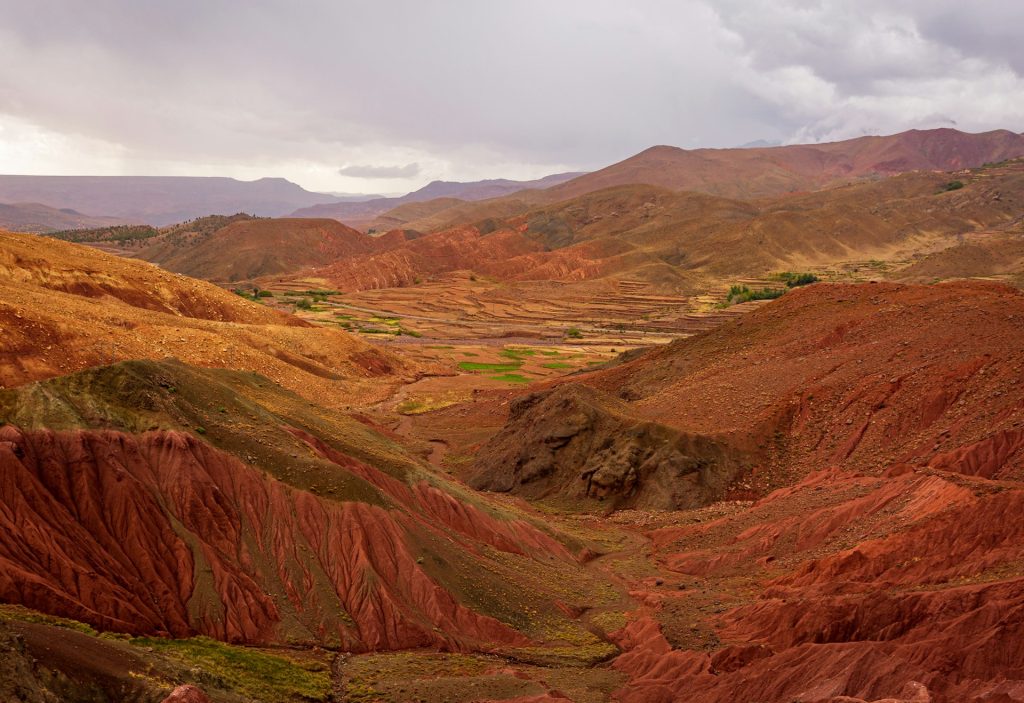
The Atlas Mountains offer ideal fall conditions once summer heat subsides. Temperatures become comfortable for hiking and village visits. Crowds thin noticeably, improving access to trails. Transportation becomes more reliable. Local routines continue steadily. Accommodation prices ease. Fall travel highlights mountain landscapes, markets, and daily life without extreme weather challenges, allowing visitors to experience the region’s culture and scenery in a balanced, approachable season shaped by moderate conditions and reduced tourism pressure. Travelers benefit from longer daylight, clearer skies, safer routes, improved planning flexibility, and more meaningful exploration throughout rural mountain communities during autumn.