12 Destinations Where Fewer Tourists Changed The Experience
Travel used to be judged by how many people showed up. Now, more places are asking a harder question: what kind of experience survives when numbers get too high. Global tourism bodies have pushed destinations to manage pressure with better timing, caps, pricing, and local-first planning, not just bigger marketing.
That shift is visible on the ground. Venice expanded its entry-fee calendar, and Amsterdam moved to block new hotel supply as part of a strategy to limit pressure in the city center. The message in both places is direct: access still exists, but it is no longer unlimited by default.
When the flow slows down, the atmosphere changes first. Queues shorten, early hours feel less frantic, and locals stop feeling like extras inside their own neighborhoods. Visitors notice it too, because the day starts to feel less like a race between selfie points and more like a place with its own rhythm.
The destinations below do not all use the same tools, and they should not. Some rely on fees, others on strict bed caps, timed entry, or volunteer-based conservation access. What links them is practical intent: fewer random surges, more predictable days, and a travel experience that feels less extracted and more grounded.
Venice, Italy
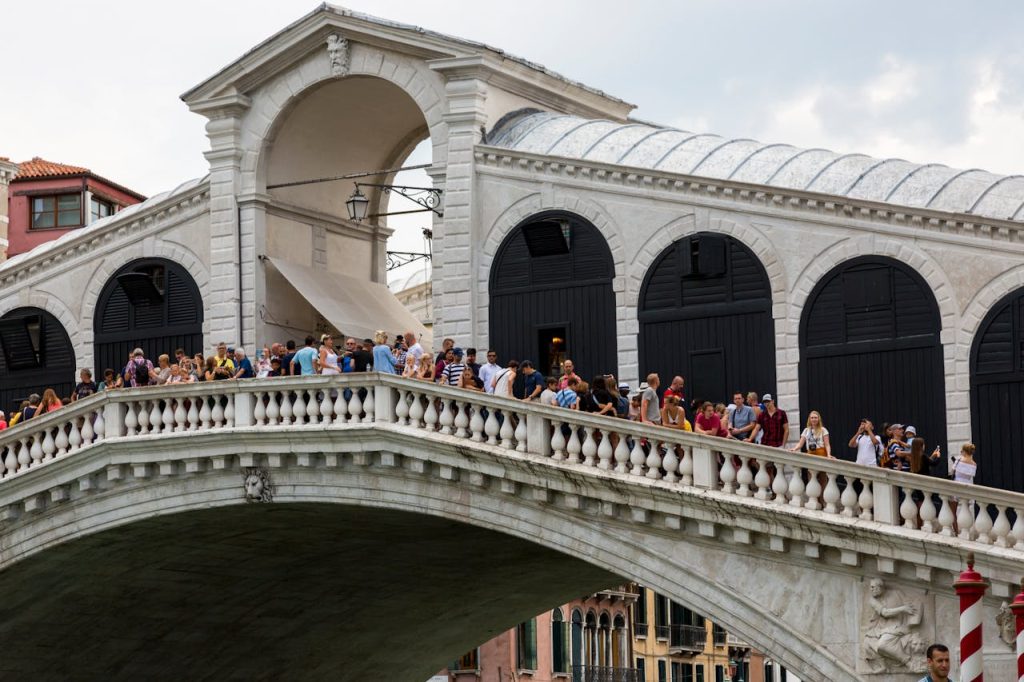
Venice has moved from discussion to enforcement. Its official access-fee system now applies on selected peak dates, with different prices depending on how early a visitor books, and the city has continued expanding the program beyond a small pilot window.
City officials frame it as crowd management, not a full barrier. The goal is to reduce day-trip compression on the busiest dates, especially when streets and vaporetto stops become hard to move through. That approach sits alongside wider European efforts to rebalance tourism pressure.
What changes for travelers is not just cost. The city feels different when arrival is planned, timing matters, and the day starts with intention instead of impulse. Morning lanes open up a bit more, waterfronts stay walkable longer, and even short visits feel less performative.
For residents, the benefit is predictability. For visitors, the tradeoff is simple and fair: more planning up front, less friction once inside. Venice still offers the same beauty, but the experience is slowly shifting from chaotic throughput to managed presence.
Amsterdam, Netherlands
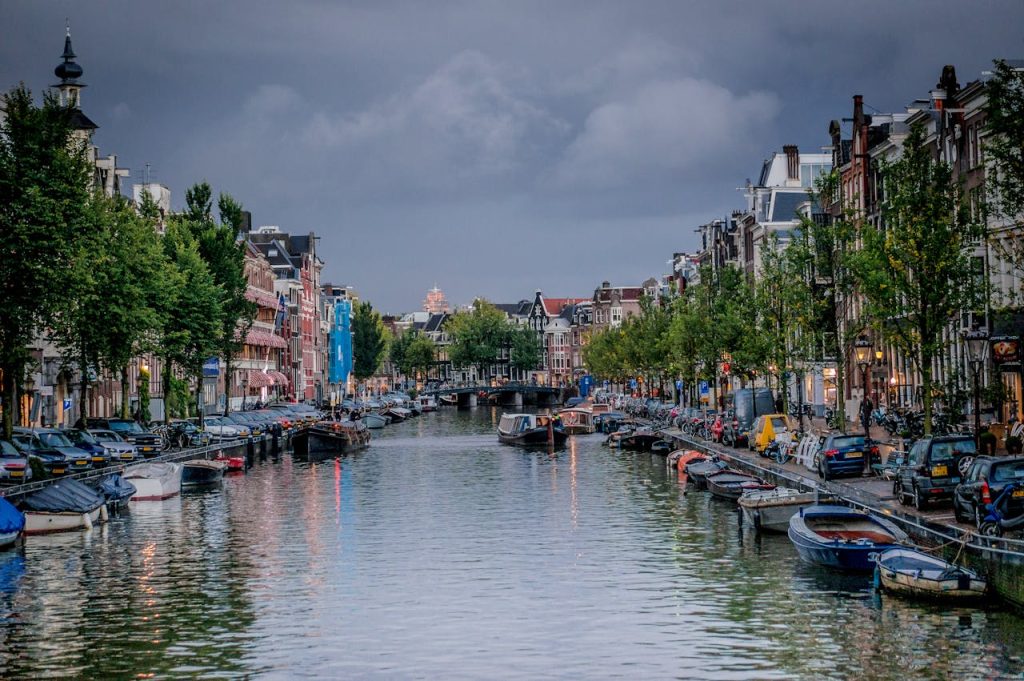
Amsterdam has openly tied tourism policy to livability goals. Reuters reporting cites the city strategy to keep annual overnight stays below a threshold while also stopping new hotel development in much of the city.
That decision signals a bigger change in mindset. Growth for its own sake is no longer the headline metric, and the city is treating bed supply as a policy lever rather than a neutral market outcome. The result is a tighter balance between visitor demand and neighborhood stability.
The street-level experience follows that logic. Areas that once felt permanently saturated can breathe when the pipeline of new rooms slows and visitor behavior is nudged toward broader, less concentrated patterns. The city starts to feel like a place people live in, not just pass through.
For travelers, this can actually improve quality. Time gets spent in fewer lines and more local spaces, with less crowd stress shaping every route. The city is still busy, but the experience is increasingly designed to be usable rather than merely popular.
Santorini, Greece
Santorini became a symbol of cruise-driven overload, and Greece responded with targeted policy. Reuters reported national moves to impose higher cruise passenger charges for Santorini and Mykonos to ease peak pressure and fund local needs.
The logic is practical: when arrivals come in huge bursts, infrastructure and public space absorb the shock all at once. A per-passenger levy does not erase demand, but it helps smooth incentives and gives authorities budget room to protect basic systems.
For visitors, the island can feel calmer when those surges are moderated. Viewpoints become less congested at midday, transfers are less chaotic, and local businesses can operate without constant crowd spikes that strain staffing and service quality.
The deeper change is cultural. Santorini shifts from being consumed in a rush to being experienced in sequence: village by village, hour by hour. Fewer compressed arrivals make space for slower choices, and that usually produces better days for everyone involved.
Mykonos, Greece
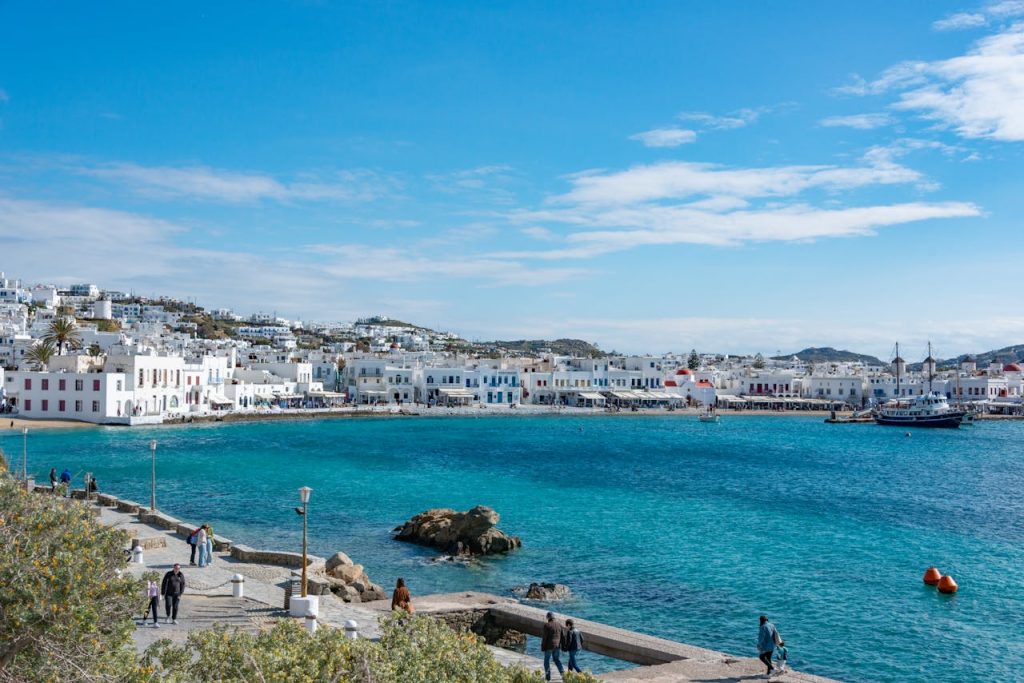
Mykonos sits in the same policy frame but with its own pressure profile. Cruise levy rules and seasonal pricing structure were designed to target peak-time crowd intensity, especially when short-stay passenger volumes overwhelm core areas.
That makes Mykonos an example of time-based management, not blanket restriction. Instead of treating every month equally, authorities focus on the periods where density harms both visitor flow and local life most sharply. It is a blunt problem, so it needs a practical tool.
The on-island experience improves when arrivals are less stacked. Transport nodes run more smoothly, dining feels less rushed, and beaches recover some of the relaxed energy that originally made the island famous beyond its nightlife branding.
This is the core shift many destinations are trying to make. Not fewer people forever, but fewer collisions at once. Mykonos shows how managing timing can change the feel of a place without pretending tourism itself will disappear.
Machu Picchu, Peru
Machu Picchu has leaned into formalized access systems. Peru’s official platform centralizes online ticketing through state-managed channels, which supports tighter control over daily entry logistics and visitor planning.
That structure matters because spontaneity at iconic archaeological sites often creates bottlenecks, resale confusion, and uneven on-site flow. A clearer ticket path shifts energy from gate chaos toward site stewardship and visitor sequencing.
For travelers, the emotional tone changes when entry is settled before arrival. The day starts with confidence rather than uncertainty, and time on site feels more focused. The place remains dramatic, but the pressure around access becomes less of the story.
For heritage management, this is a durable model. Control points are visible, expectations are clear, and operational discipline protects both the monument and the people moving through it. A world-famous site can still feel intimate when the flow is treated seriously.
Galápagos Islands, Ecuador
The Galápagos tightened its funding and access framework through revised national park entrance fees, with tiered rates by visitor category including international travelers, regional blocs, and Ecuador residents.
These fee structures are not only revenue mechanics. They reflect a conservation-first model where fragile ecosystems need predictable financing to maintain trails, monitoring, waste systems, and enforcement capacity over time.
Visitors often feel the difference in subtle ways: cleaner routes, better site management, and less uncontrolled pressure at sensitive points. The islands still deliver wonder, but the experience is more curated around ecological limits rather than pure volume.
In places like Galápagos, fewer unmanaged surges protect the core promise. Wildlife encounters stay meaningful when habitats are not constantly stressed by peak-day overload. Conservation policy and visitor experience align more than many travelers expect.
Bhutan
Bhutan’s tourism model openly connects visitor access to national priorities through its Sustainable Development Fee framework. The official tourism platform describes the fee as support for social, cultural, environmental, and infrastructure programs.
There are also stated incentives for longer stays, which pushes travel away from quick checklist behavior and toward deeper itineraries. That pairing is important: price signal plus pacing signal, both aimed at quality over raw throughput.
For travelers, the country feels less like a transit stop and more like a complete environment. Days stretch out, routes slow down, and interactions with local culture become less transactional. The trip asks for attention and rewards it.
Bhutan shows that fewer visitors can still mean strong tourism value when intent is clear. The system is not built for endless churn. It is built for coherence, where policy, culture, and landscape are treated as one connected experience.
Palau
Palau’s visitor model is famous for ethics at the point of entry. The Palau Pledge framework asks incoming travelers to commit to responsible behavior tied to environmental and cultural protection.
Policy has also moved through legal channels on environmental fee design, including legislation tied to higher conservation funding per visitor. That keeps the system focused on impact, not only arrivals.
The practical result is a clear social contract before the vacation even starts. Travelers are reminded that reefs, coastlines, and community life are not unlimited resources. That framing changes choices once people are on the ground.
Palau’s lesson is simple and powerful. Behavior expectations work better when they are explicit, visible, and backed by policy. Fewer careless interactions can protect what people came to see in the first place.
Faroe Islands
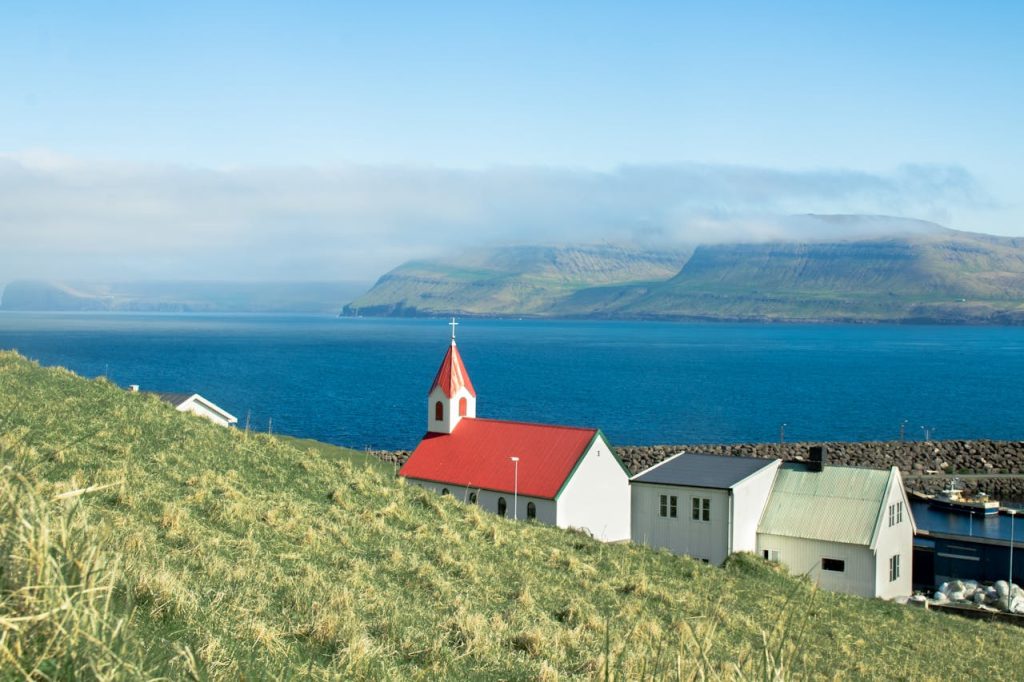
The Faroe Islands built one of the most distinctive responses to visitor pressure through Closed for Maintenance, Open for Voluntourism. The official program temporarily limits regular tourism and invites volunteers to work on preservation projects.
This approach reframes access as participation. Instead of treating maintenance as a back-office task, it turns trail repair and site care into a public-facing part of the destination story. The model is narrow by design, which is why it works.
Travelers who join arrive with a different mindset. They are not just extracting scenery; they are adding labor and learning local priorities. That tends to create more respectful movement through landscapes that can be fragile under mass foot traffic.
For everyone else, the idea still matters. It proves a destination can pause, reset, and communicate boundaries without losing identity. In fact, that honesty can deepen appeal by signaling that nature is being protected, not packaged.
Lord Howe Island, Australia
Lord Howe Island is a classic case of hard limits holding over time. Tourism promotion and planning documents point to a strict cap around 400 visitors at once, enforced through accommodation and bed-license controls.
That cap is not symbolic. It is an operating rule that shapes flights, bookings, and development pressure, keeping the island’s ecological load within a manageable range. Scarcity here is governance, not marketing theater.
For visitors, the payoff is immediate. Trails feel quiet, snorkeling sites feel less crowded, and daily life moves at a human pace. The destination experience is defined by space and stillness, not by crowd choreography.
For destination planners worldwide, Lord Howe is a long-running proof point. Clear caps can survive politically when they are consistent, transparent, and tied to place-based limits people can actually understand.
Maui, Hawaii, United States
Maui’s tourism pattern shows how recovery and restraint can coexist. DBEDT data reported July 2025 arrivals on Maui still well below 2019, even as spending and some year-over-year signals improved after wildfire impacts.
That gap changed the visitor experience in complex ways. Some areas saw a calmer pace and less compression, while local conversations remained centered on respectful travel, recovery spending, and community-sensitive behavior. Data and mood did not move in lockstep.
For travelers, the key shift was tone. Trips became less about maximizing activity and more about understanding context. The island was still welcoming, but it asked for better judgment about where, when, and how to spend time.
Maui reminds people that fewer visitors are not always a policy target. Sometimes they are part of a post-crisis reality. What matters is whether that period is used to rebuild systems that support both residents and long-term visitor quality.
Oahu, Hawaii, United States

Oahu has also seen measurable shifts in volume versus pre-2019 baselines in state reporting, with periods where arrivals were lower even as spending patterns stayed resilient. That mix changes how busy core districts feel across the day.
At the same time, Hawaii moved forward with tax policy changes under Act 96, including an increase in transient accommodations tax rates effective January 2026. Fiscal tools like this can influence how tourism growth is funded and managed.
For visitors, the outcome is less visible than a gate or cap, but still real. Better-funded systems and moderated pressure can improve everything from mobility to beach management and public-space upkeep, especially in high-use corridors.
Oahu’s case shows that crowd experience is not only about headcount. It is also about governance quality. When policy and funding align, even popular destinations can feel more functional, less frantic, and more livable for everyone sharing the island.
Sources
- UN Tourism
- Comune di Venezia Access Fee Portal
- Reuters on Venice Access Fee Expansion
- City of Amsterdam
- Reuters on Amsterdam Hotel Policy
- Reuters on Greece Cruise Measures
- Kathimerini on Cruise Fee Implementation