12 Destinations Where Past Politics Shape Present-Day Travel
I used to plan trips around the same default picks, the famous coastal city with nonstop flights, the well-worn expat hub with familiar hotels, and the capital that promised an easy itinerary. I also assumed that the “classic” route stayed simple, even when crowds and costs kept climbing.
I started revisiting that plan in 2025, and the pressure carries into 2026. Airline pricing shifts, housing-driven hotel inflation, insurance concerns, and disruption risk keep forcing sharper tradeoffs, even for experienced travelers. That is the shift. Travel researchers, museum professionals, and destination risk analysts tend to agree on one practical move, build itineraries around places with strong institutions, clear historical interpretation, and predictable infrastructure, then treat the political past as a map for what still shapes access, neighborhoods, and rules today.
Berlin, Germany
Berlin works as a clear example of how Cold War politics still shape a modern city break. Historians and museum professionals often point to the Berlin Wall landscape as a rare case where the border story stays visible through preserved segments, documentation centers, and planned memorial space. That focus creates an itinerary with high readability, since the city offers well-labeled sites that connect the same theme across multiple neighborhoods.
Berlin also fits the 2025 and 2026 travel math because many of the most meaningful stops rely on public institutions instead of expensive headline attractions. Housing economists note that high-demand European cities can push lodging prices up quickly, so a trip that earns its value through museums, memorials, and walkable districts can hold up better when nightly rates rise. The place identity feels specific without tourism gloss, since the city pairs dense transit culture with parks, canals, and districts that still show the seams of reunification.
A real tradeoff remains. Analysts who study visitor behavior often flag that Berlin’s biggest history sites can draw heavy crowds, and the emotional weight can build across back-to-back memorial visits, so pacing matters for comfort and comprehension.
Belfast, Northern Ireland
Belfast makes political history legible at street level, which changes how the city functions as a travel choice. Peace and conflict researchers often describe Northern Ireland as a place where agreements reshaped institutions while neighborhoods still carry visible identity markers. That reality shows up through murals, interfaces, and memorial spaces that require context to read accurately.
Travel planners who focus on educational itineraries often treat Belfast as a city where guided interpretation improves both safety and clarity. The city can also support shorter stays that still feel complete, which matters when budgets tighten and travelers avoid the old default of a crowded, overbooked hub. That tradeoff matters because the best learning often comes from structured visits, not a rushed loop of landmarks.
A downside sits in complexity. Researchers who study memory tourism often warn that symbols can be misread without grounding, and the experience can feel intense, so reputable guides and museums tend to improve the visit.
Sarajevo, Bosnia and Herzegovina
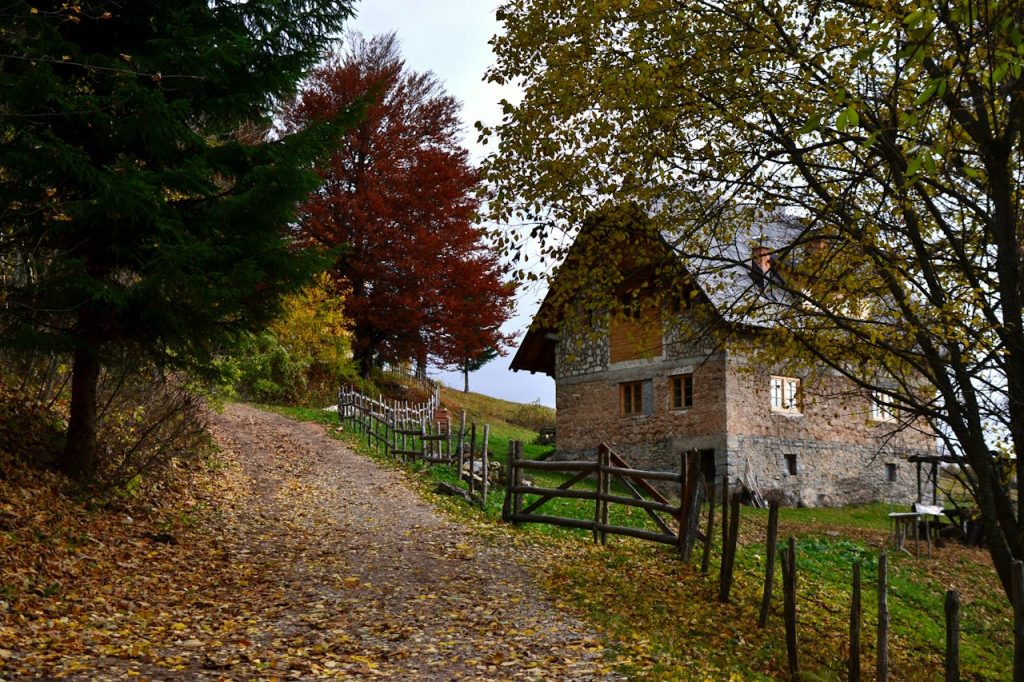
Sarajevo often earns its place on an itinerary because recent political history still shapes infrastructure and public memory. Conflict historians commonly use the city to explain how siege conditions can affect urban movement long after the fighting ends. Museums and memorial sites help visitors understand what survival logistics looked like, which makes the trip more educational than a typical capital stop.
Budget-focused travel analysts also note that Sarajevo can deliver strong value when travelers want depth without paying premium prices found in Europe’s most saturated markets. The city identity feels distinct through a compact center, river corridors, and neighborhoods where Ottoman-era streets and Austro-Hungarian civic buildings sit close together. That mix can keep walking days varied while the political narrative stays coherent.
A tradeoff appears in emotional weight and sensitivity. Experts in ethics and heritage interpretation often stress respectful behavior at memorial spaces, and long history days can exhaust visitors without planned recovery time.
Nicosia, Cyprus
Nicosia stands out because modern politics created a capital with a visible dividing line, which shapes how people move through the city today. Political geographers often highlight Cyprus as a case where a buffer zone influences commerce, property questions, and neighborhood identity. That makes the city especially readable for travelers who want to understand how borders operate inside everyday life.
Practical travel planners often treat Nicosia as a compact base that supports shorter transfers and easier budgeting, which matters in 2025 and 2026 when lodging and transportation costs can rise quickly. The city identity stays grounded through walled streets, small cafés, and a walkable pace that makes institutional visits feel integrated rather than scattered. That is why the math changes.
A downside sits in administrative complexity. Residency and crossing expectations vary by passport and current procedures, and experts in travel risk often recommend flexible timing around checkpoints and documentation requirements.
Jerusalem, Israel and the Palestinian Territories
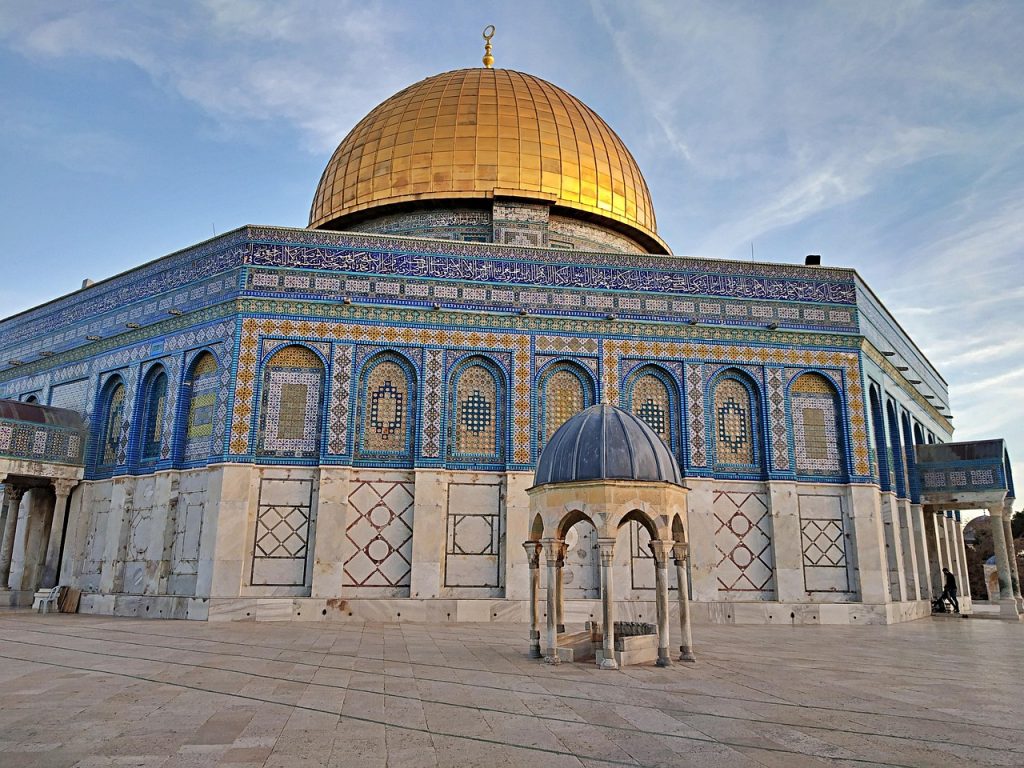
Jerusalem requires a planning style that treats politics, governance, and sacred calendars as part of basic logistics. Heritage institutions and conservation professionals often describe the Old City as a place where stewardship disputes and crowd pressure shape access patterns and visitor flow. That institutional framing improves readability because it encourages a slower route built around major museums and well-documented heritage sites.
Travel risk analysts also tend to flag this destination as one where flexibility protects the itinerary. Conditions and security procedures can change, and high-volume periods can intensify congestion, so the old default of a tightly scheduled “must-see” day often breaks down. That tradeoff matters because the city rewards time for context more than speed.
A real downside remains. Navigation can feel demanding, and the emotional and political intensity can build quickly, so planners often avoid overstacking sites and treat rest blocks as essential.
Havana, Cuba
Havana shows how policy history can shape daily travel mechanics, from payment friction to service availability. Consumer finance researchers and travel operations experts often note that destinations shaped by long-running sanctions or restricted financial pathways can require more redundancy in planning. That reality makes the city a practical test of preparedness rather than a purely spontaneous getaway.
In 2025 and 2026, that planning discipline can help control costs and stress, especially when travelers move away from the old default of a frictionless, card-friendly hub that now feels expensive and overcrowded. Havana also offers a distinctive place identity through compact streets, public waterfront life, and strong cultural institutions that do not rely on resort packaging. That is the shift.
A tradeoff sits in variability. Infrastructure reliability and reservation consistency can change by neighborhood and season, and planners often build extra buffer time for confirmations, transportation, and connectivity.
Buenos Aires, Argentina
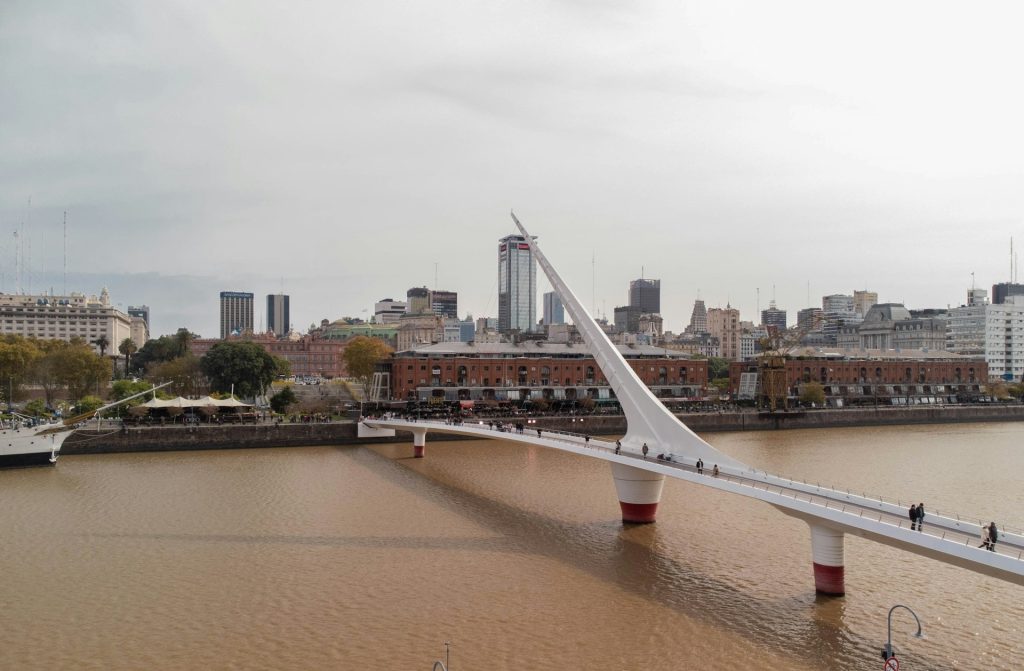
Buenos Aires blends civic life with formal memory institutions that interpret dictatorship-era violence and democratic recovery. Human rights organizations and museum professionals often emphasize the role of designated memory sites in preserving evidence and public understanding. That approach creates a visit that stays coherent, since museums and memorial spaces anchor the political narrative in specific locations.
Economic analysts also point out that currency conditions can affect how travelers experience pricing, which becomes more important in 2025 and 2026 budgeting. A flexible itinerary that leans on museums, parks, and walkable districts can deliver strong value even when certain costs move unpredictably. The city identity feels specific through grand avenues, neighborhood cafés, and cultural venues that support slower days.
A downside appears in volatility and planning complexity. Inflation exposure can complicate budgeting, and museum-heavy days can feel emotionally demanding, so structured pacing helps.
Cape Town, South Africa
Cape Town reflects how apartheid-era governance shaped space, mobility, and opportunity, and how modern institutions interpret that legacy. Historians and heritage professionals often present Robben Island and related civic museums as core to understanding the political story. That structure supports readability because the trip can follow a clear narrative arc from imprisonment and resistance to constitutional change.
Infrastructure planners and urban economists also note that cities with segregated planning histories can require more intentional routing. That matters in 2025 and 2026 when travelers look for predictable transportation and safer, simpler movement patterns. The place identity stays grounded through a coastal setting, strong food culture, and a mix of dense city neighborhoods and natural overlooks that do not require constant long-haul transfers.
A tradeoff remains in logistics and ethics. Weather can affect access to certain sites, and responsible operators matter for neighborhood-based tours, so careful selection improves both comfort and integrity.
Kigali, Rwanda
Kigali often centers on remembrance and learning, with national memorial institutions shaping how visitors approach the country’s recent history. Museum professionals and genocide scholars commonly stress that structured interpretation prevents shallow consumption of trauma history. That framing can make the visit feel clearer and more respectful, since the itinerary can rely on established institutions rather than informal storytelling.
Travel planners also describe Kigali as a city that can feel orderly and manageable, which matters when travelers try to reduce friction in 2025 and 2026. A compact city layout and a small-city pace can support reflective time, and public spaces can provide breathing room between heavier visits. That tradeoff matters because recovery time often improves comprehension.
A downside sits in emotional intensity. The experience can feel heavy, and cultural context can require careful attention, so planners often keep the schedule simple and avoid stacking multiple high-impact sites in a single day.
Phnom Penh, Cambodia
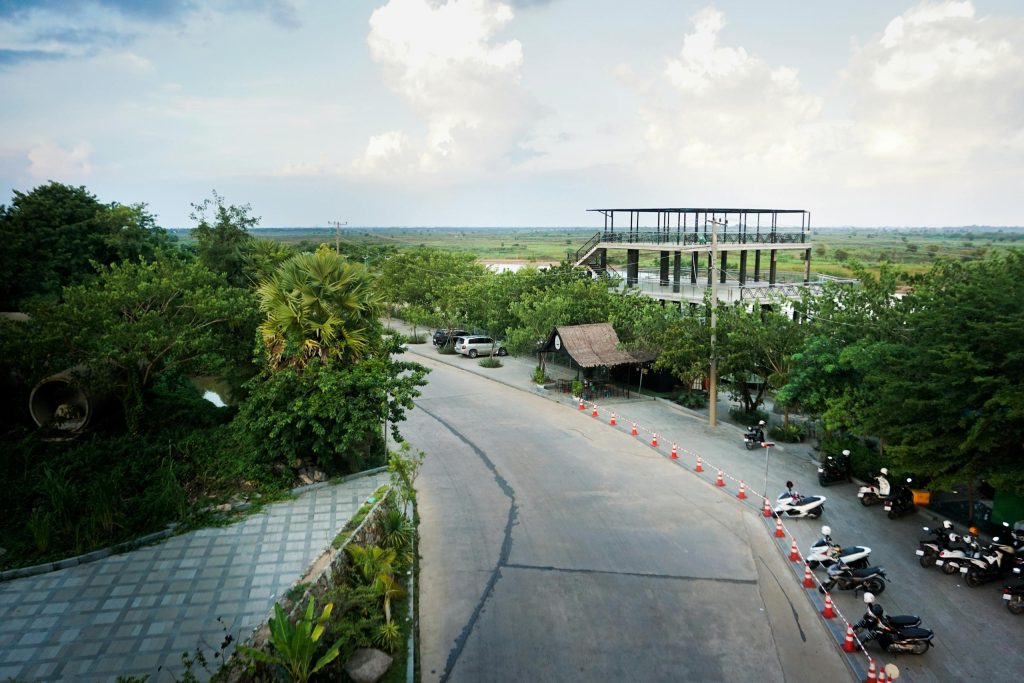
Phnom Penh often builds an itinerary around formal sites that document the Khmer Rouge period, which makes the political past central rather than optional. Historians and museum professionals frequently point to Tuol Sleng and related memorial spaces as key to understanding how state power operated through documentation, detention, and fear. That institutional foundation helps readability, since the trip can follow a clear sequence of context, evidence, and reflection.
Cost and logistics also matter more in 2025 and 2026, and Phnom Penh can support a value-focused plan that relies on museums and riverfront public space instead of premium-priced attractions. The city identity shows up through a river confluence setting, busy markets, and walkable pockets that work well for slower afternoons after more demanding museum visits. That is why the math changes.
A tradeoff appears in heat, fatigue, and emotional strain. Long museum hours can overwhelm attention, so planners often space visits carefully and prioritize hydration, shaded breaks, and shorter transfers.
Seoul and the Korean DMZ, South Korea
Seoul offers a modern metropolis with a nearby border landscape shaped by armistice-era politics, which still influences security procedures and travel access. Security analysts often describe DMZ-related visits as tightly controlled experiences where rules and availability can change due to safety conditions. That reality pushes a planning style built around flexibility, not guarantees.
In 2025 and 2026, that flexibility matters because many travelers are pulling away from the old default of a single, overcrowded hotspot day trip that assumes everything runs on schedule. Seoul itself supports backup plans well, with strong transit culture, major museums, and districts that reward neighborhood-based travel even when a DMZ tour changes. That tradeoff matters because the city can carry the itinerary on its own.
A downside sits in uncertainty and documentation. Access rules can shift, tour operators can face sudden constraints, and the experience can feel highly regulated, so contingency planning improves the trip.
Warsaw, Poland
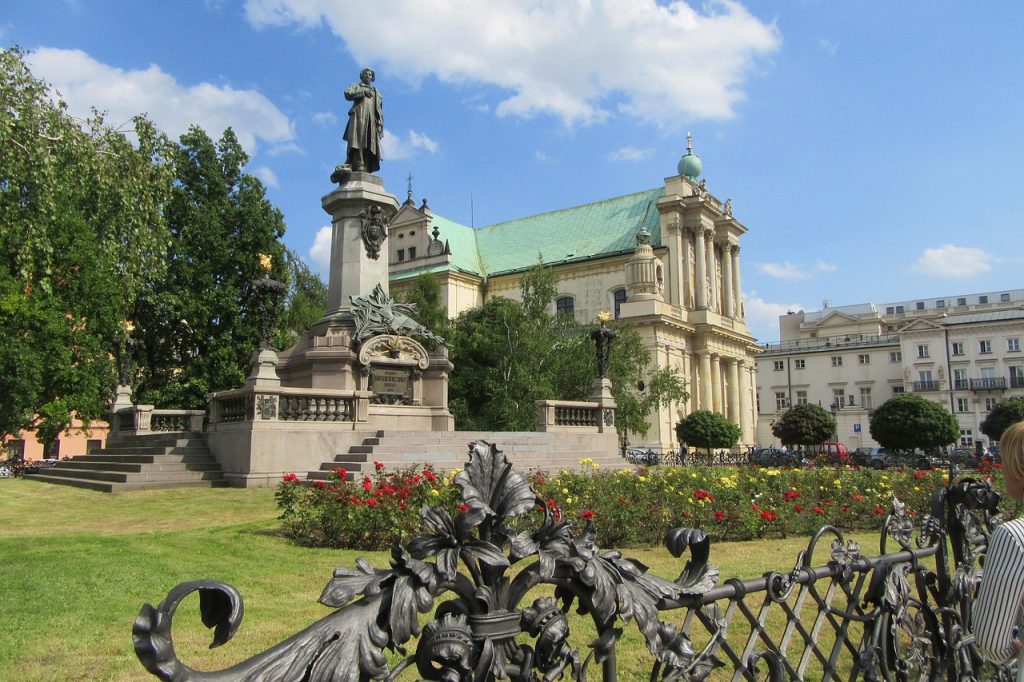
Warsaw often shows how wartime politics and postwar governance shaped reconstruction decisions that still define the city’s layout and memory culture. Historians and museum professionals commonly highlight the Warsaw Rising narrative as a key thread that explains monuments, museums, and civic identity. That structure improves readability because a visitor can connect sites through a consistent storyline rather than isolated stops.
Housing economists and consumer travel analysts also note that some Central European capitals can offer better value than the most saturated Western markets, which matters in 2025 and 2026. Warsaw supports a museum-forward itinerary that relies on public institutions, parks, and walkable districts, reducing dependence on high-cost attractions. The city identity feels specific through wide boulevards, rebuilt old-town streets, and a steady café culture that supports slower days.
A tradeoff appears in seasonal conditions and emotional load. Weather can affect walkability, and museum-heavy days can feel intense, so balanced pacing helps maintain attention and comfort.
Source
15 Best Berlin Cold War Sites To Visit (2025/2026 Update)
Belfast Murals and Taxi Tours: A 2026 Visitor Guide
Sarajevo Attractions Opening Times & Planning Guide 2026
Cyprus Travel Advice: Green Line Crossing Rules 2026
Robben Island Museum: Official Tour Times and Rates 2026
Kigali Genocide Memorial: Know Before You Go (2026)
How To Visit The DMZ From Seoul: 2026 Security Updates