12 European Coastal Towns That Stay Peaceful Even in Summer
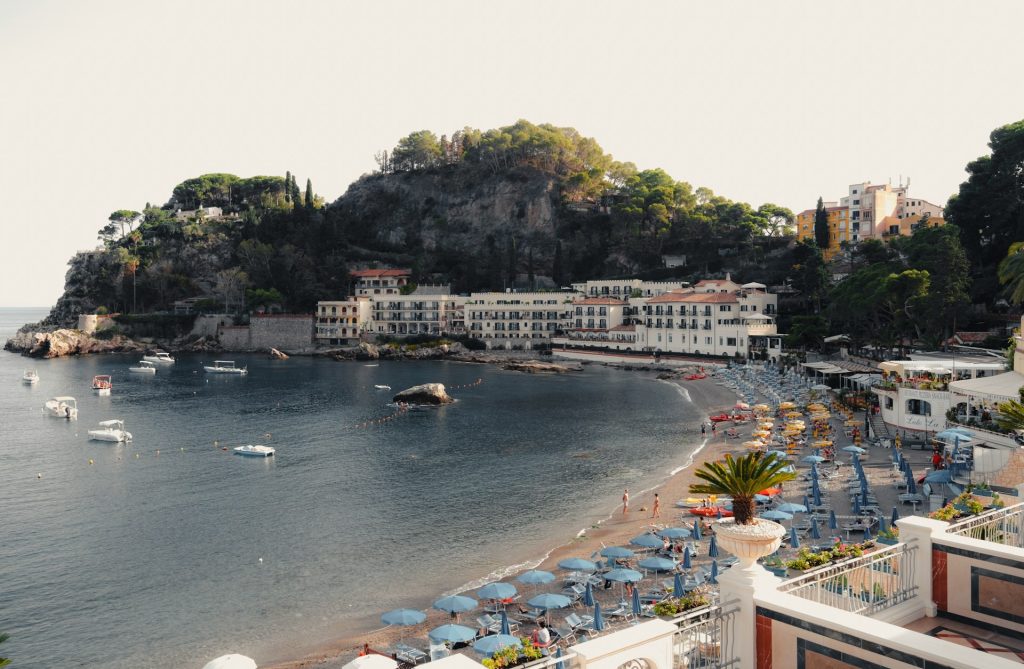
Summer travel feeds on beautiful proof. Short clips of bright water, sunset stone alleys, and polished café tables can outrun any guidebook, because memory content feels personal, immediate, and emotionally clean. The trouble starts when those fragments quietly replace context and make ordinary friction disappear.
Across Europe’s coasts, the most peaceful towns are rarely the loudest online. They hold shape through local routines, walkable scale, and geography that disperses crowds. What keeps them calm is not perfection, but rhythm, proportion, and a pace people can actually live with.
Salema, Portugal
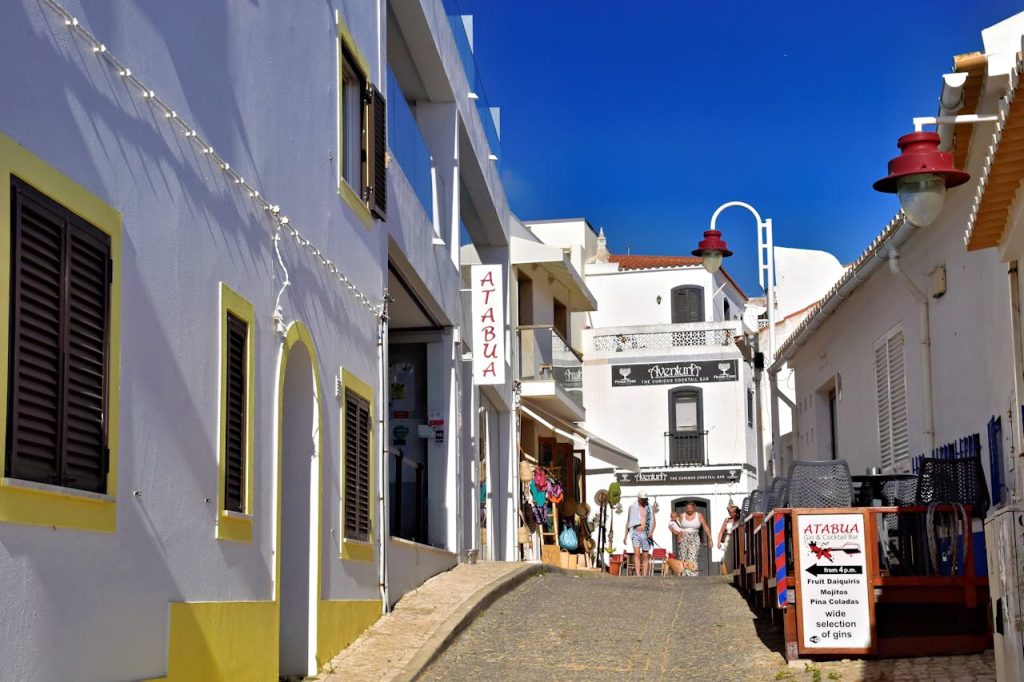
Salema on the western Algarve still feels like a fishing village first and a beach stop second. Portugal’s official tourism pages describe narrow lanes, whitewashed houses, and boats pulled close to shore, which keeps the town tied to daily work even in high season. That working rhythm softens the usual summer rush and keeps mornings grounded.
Even in July and Aug., activity stays compact rather than sprawling. The waterfront is walkable, meals cluster around local catch, and nights stay low-key. Peace comes from scale and routine, not isolation, so calm feels earned instead of staged, with fewer abrupt swings between quiet and hype.
Collioure, France
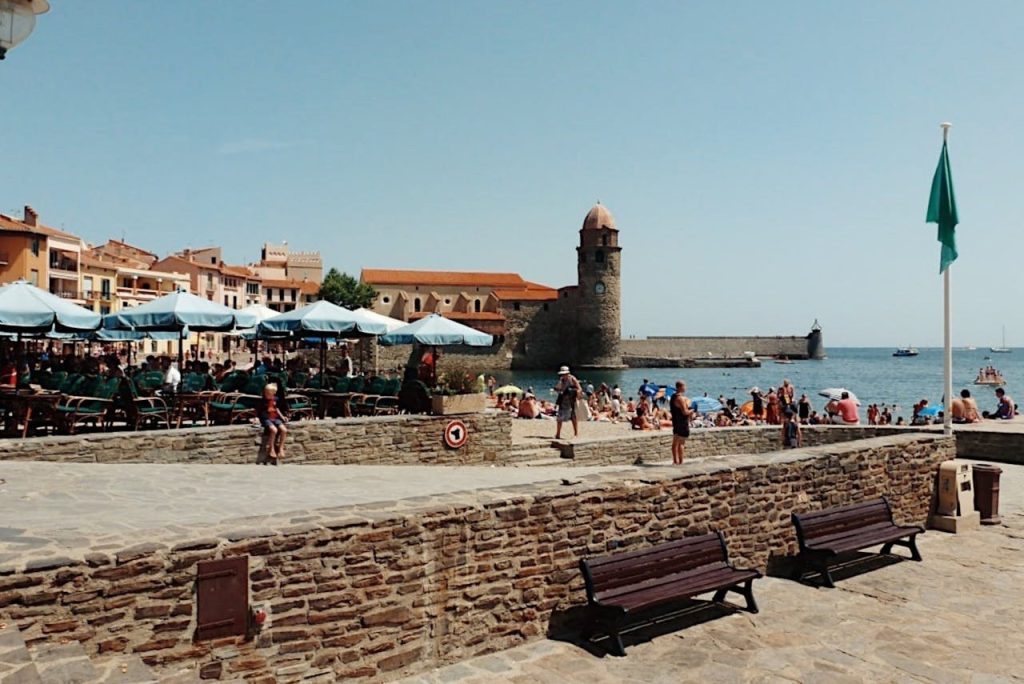
Collioure sits where the Pyrenees meet the Mediterranean, and Occitanie tourism still frames it as an unspoiled Catalan seaside town shaped by art, fishing history, and a small harbor core. That compact layout matters in summer because movement stays on foot through tight streets, waterfront paths, and short links between landmarks, markets, and galleries.
The town gets busy at times, yet rarely feels inflated beyond its size. People spread between the castle, coves, and old quarter, then settle into long evening meals by the water. The mood stays lively but measured, with a clear local pulse through peak months and a strong sense of place.
Ærøskøbing, Denmark
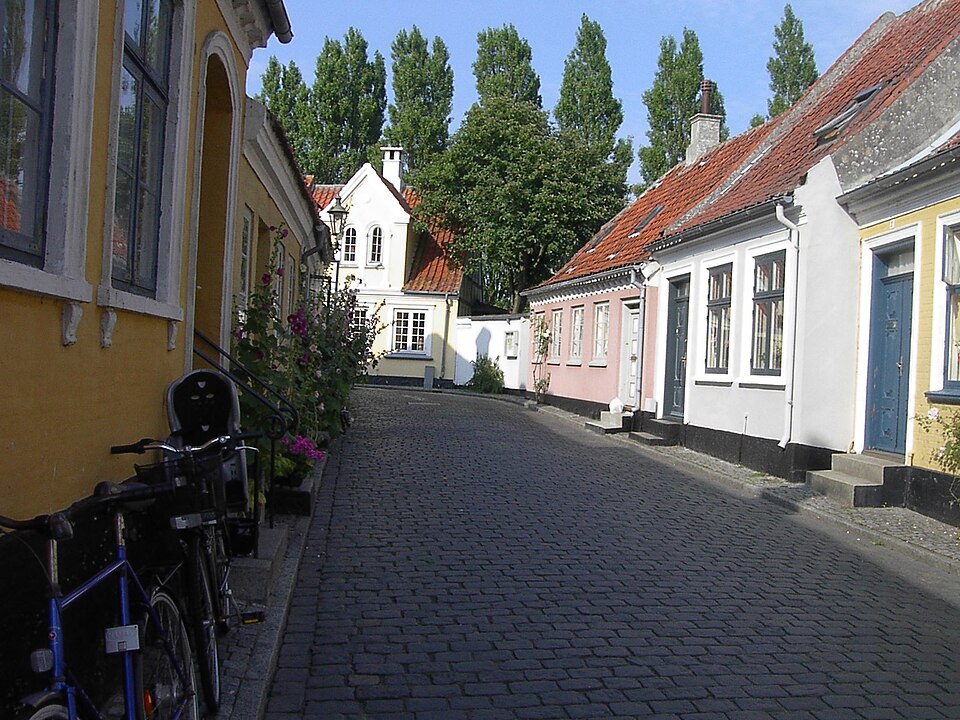
Ærøskøbing feels preserved rather than polished for fast tourism. Visit Ærø describes it as Denmark’s best-preserved 18th-century town, with cobbled streets and conservation rules that protect its original texture. Arrival by ferry also resets the tempo before anyone reaches the center, which naturally filters the day’s pace.
Summer remains gentle because the town is small, walkable, and easy to cross without rush. Markets, harbor strolls, and bike loops replace traffic pressure and heavy nightlife patterns. Calm lasts here not because nothing happens, but because everything happens at village speed and human scale, minute by minute.
Dingle, Ireland
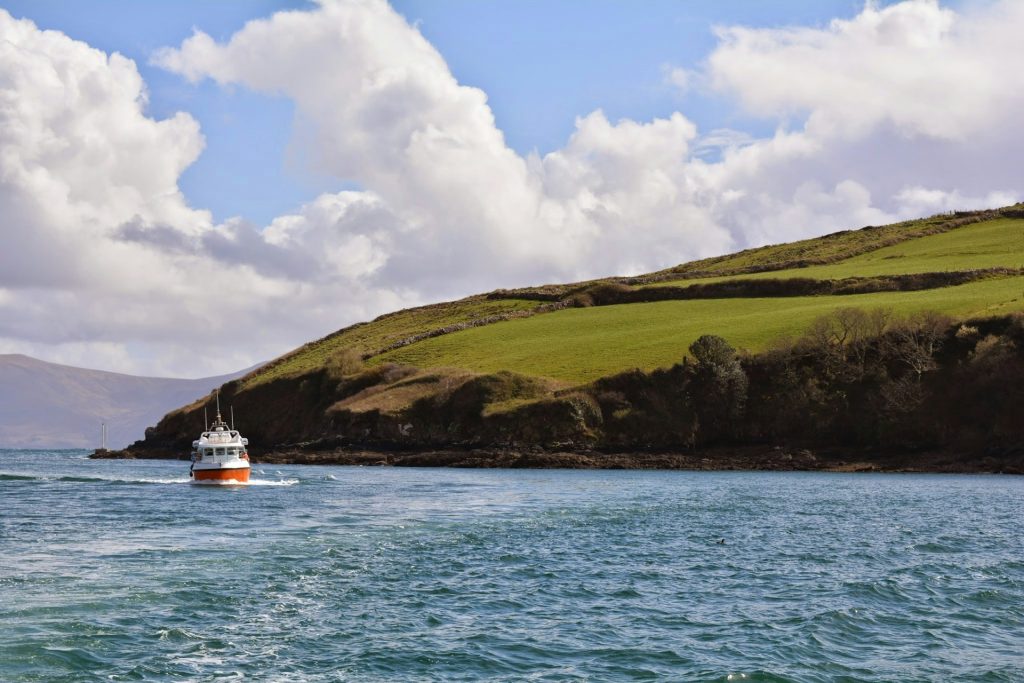
Dingle’s coastal energy comes from balance, not spectacle. Ireland’s destination pages frame the peninsula as a key Wild Atlantic Way stretch, while local tourism sources highlight villages, beaches, and trails that spread visitors across land and sea instead of funneling everyone into one waterfront strip.
That distribution keeps summer breathable. Mornings fill with harbor activity, afternoons move outward to cliffs and sandy coves, and evenings return to music-led pub culture with a communal tone. The town stays animated, yet rarely feels over-compressed or pushed beyond its natural rhythm, even on holiday weekends in late July.
Cefalù, Sicily, Italy
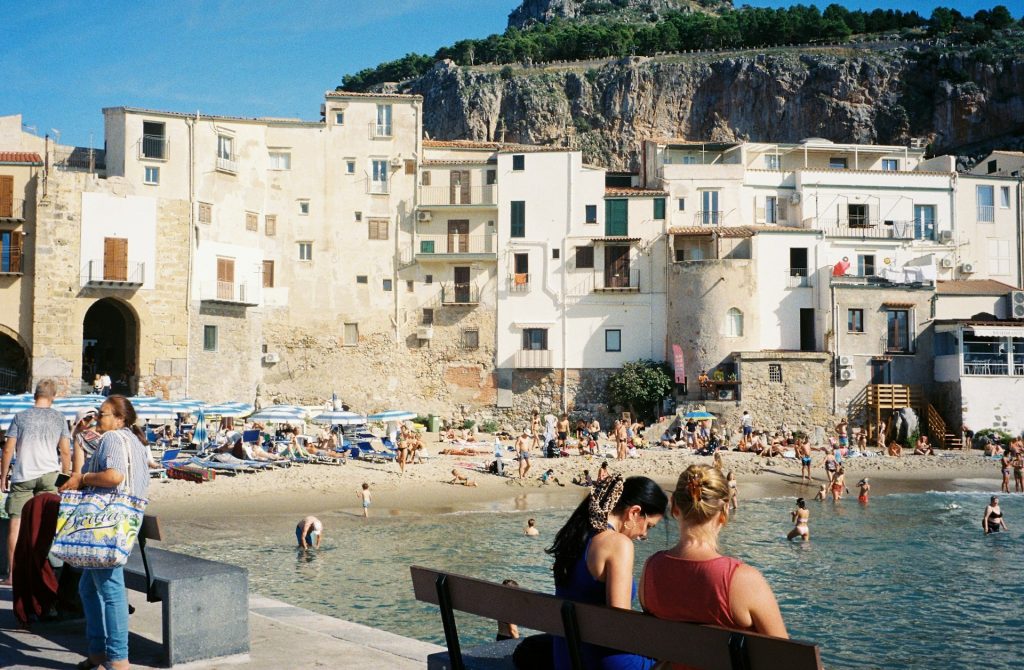
Cefalù pairs strong heritage with a compact shoreline footprint. Sicily’s official tourism portal places it on the north coast near Palermo and emphasizes both medieval streets and beach access, which helps explain why the town can absorb summer arrivals without losing character block by block.
Its calm comes from timing. Beach hours, cathedral visits, and old-town wandering peak at different moments, so the center breathes between waves. Even when the promenade is busy, side lanes and stone stairways offer quieter pockets where local routines remain visible and steady through the warm season from morning to dusk, with fewer hard edges.
Hydra, Greece
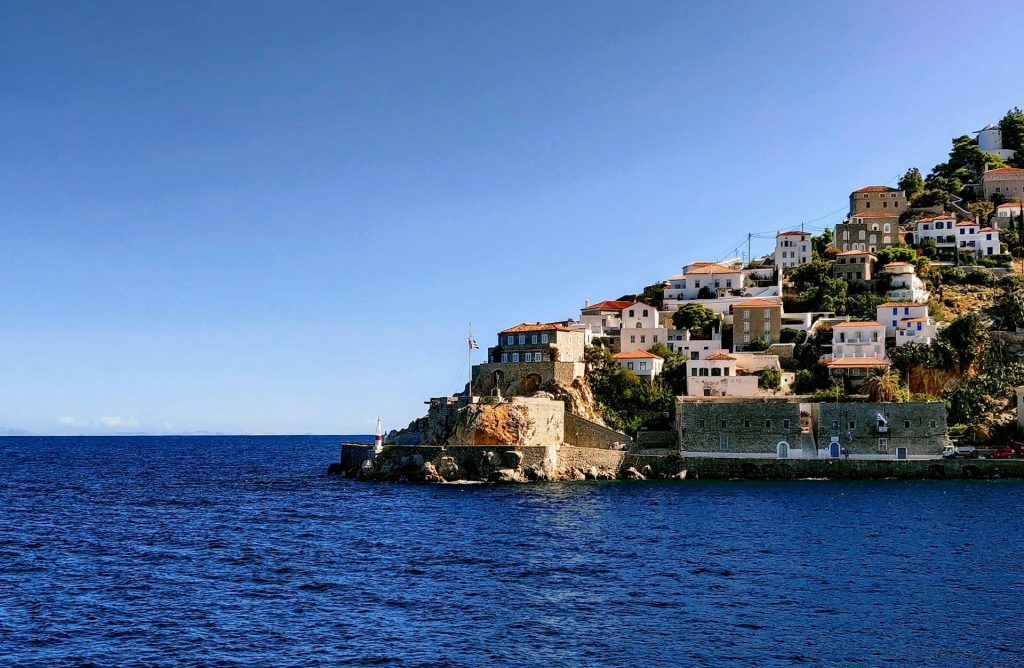
Hydra’s strongest peacekeeper is policy. Greece’s official tourism site highlights that the island is car-free, and National Geographic likewise describes movement built on walking, boats, and pack animals. Without engine traffic through the harbor core, ambient noise drops, and crowded moments feel less abrasive.
Summer ferries still bring heavy day traffic from Athens, yet the town absorbs it differently than road-linked islands. Footpaths, sea-taxi links, and steep lanes spread people over time instead of stacking everyone in one corridor. The social mood stays bright, while the soundscape remains softer than expected.
Spetses, Greece
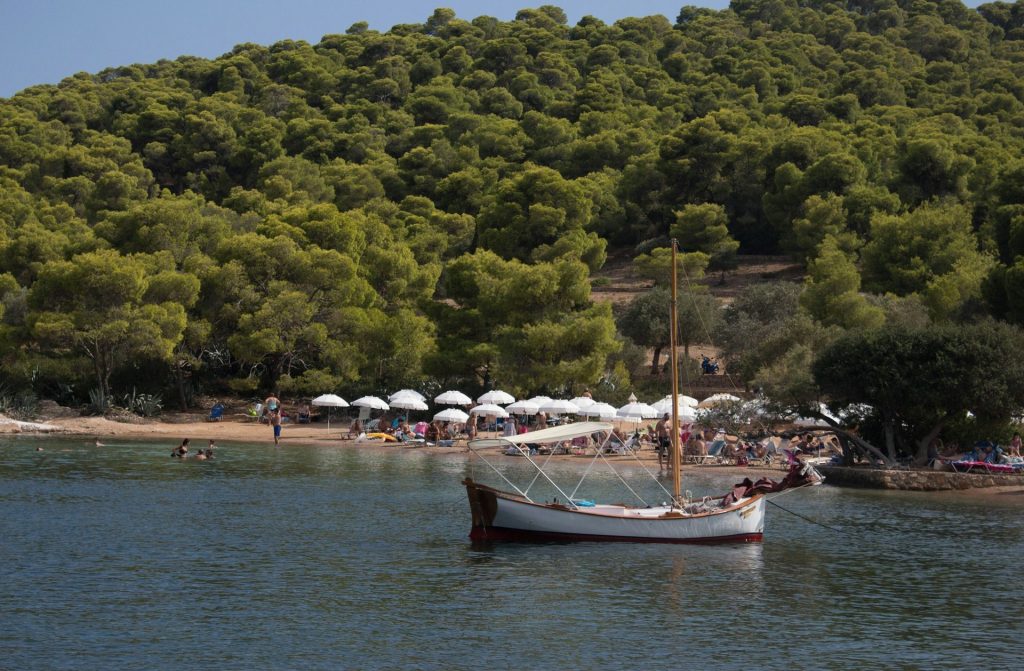
Spetses blends elegance with a transport pattern that protects calm. Visit Greece presents the island as car-free and emphasizes maritime heritage, old captains’ mansions, and promenades linking Dapia with the old harbor. That layout favors strolling and sea movement over constant road pressure through the center.
In peak season, the harbor is social and polished, yet the island rarely tips into frenzy. Visitors split between coves, museums, and waterfront cafés, then drift back at dusk along coastal paths. Summer feels active and stylish, but still readable, with enough breathing room after sunset and before the first ferries.
Barneville-Carteret, France
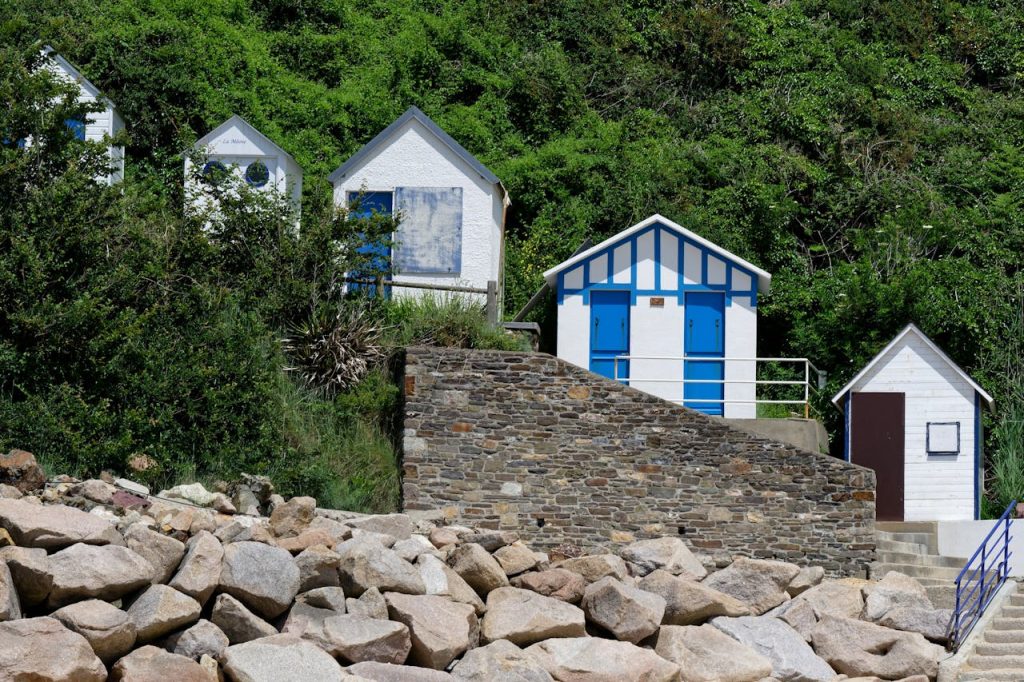
Barneville-Carteret on the Cotentin coast is shaped by dunes, long beaches, and cliff paths rather than dense resort blocks. Manche and Normandy tourism sources highlight Hatainville dunes, cape walks, and a preserved natural setting, while local offices frame the town as family-oriented and nature-led year after year.
That geography helps summer stay comparatively calm. Visitors spread across beaches, headlands, and walking routes instead of clustering in one narrow strip. Even on bright weekends, the area feels spacious, with wind, tide, and open horizons shaping the day more than queues, traffic, or nightlife noise near the seafront.
Pärnu, Estonia
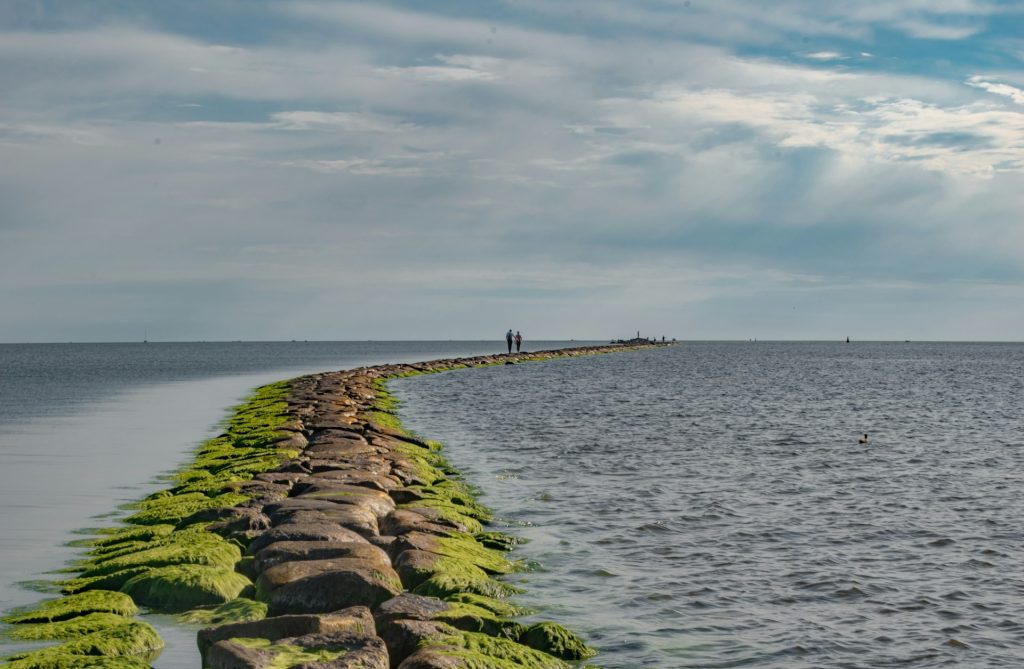
Pärnu is Estonia’s best-known summer seaside town, but its identity leans toward spa culture, promenades, and a long shallow beach rather than all-day intensity. Visit Estonia describes a laid-back atmosphere, and the broad shoreline helps distribute people instead of compressing activity into short sections.
Peace here is practical. Days are paced by cycling, wellness routines, and easy waterfront walks, not tight reservation grids. Even when events lift evening energy, park belts and open seafront space absorb pressure quickly. Summer feels social and bright, yet rarely sharp-edged or chaotic in tone during the busiest weekends.
Rovinj, Croatia
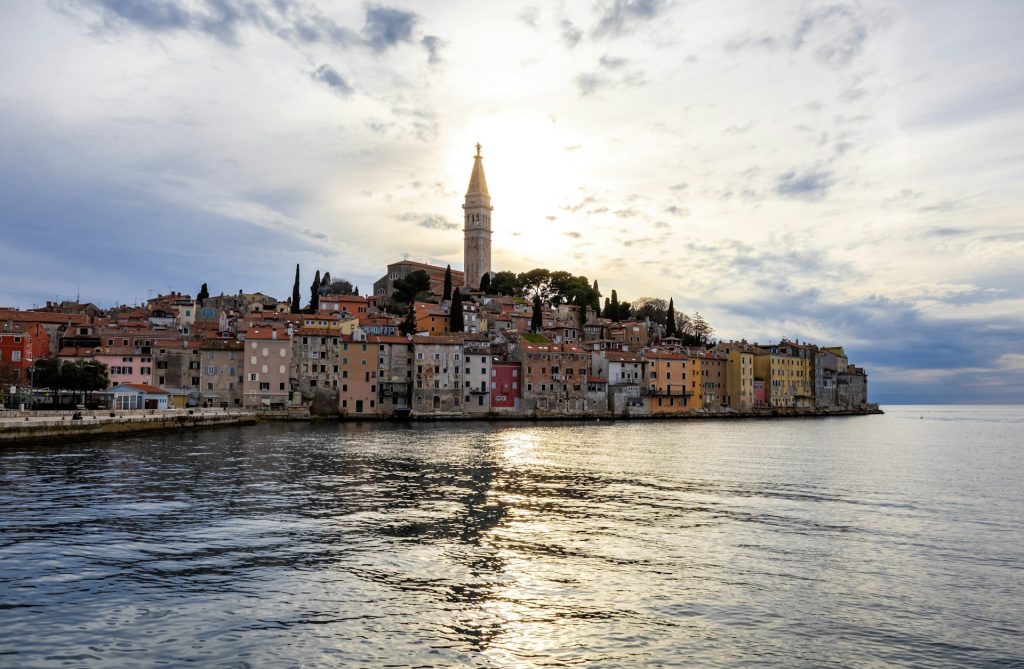
Rovinj is highly photogenic, yet its old town still runs at pedestrian scale. The official tourist board and regional culture pages center the historic core and the Church of St. Euphemia, both reached through narrow stone streets that naturally slow movement and break up crowd flow through the day.
Crowds do arrive, especially near sunset, but they disperse across alleys, coves, and waterfront edges instead of locking into one bottleneck. Cafés, galleries, and harbor steps create many small pauses rather than one giant stage. The atmosphere stays vibrant, often calmer than larger Adriatic hubs with heavier cruise turnover.
El Cotillo, Fuerteventura, Spain
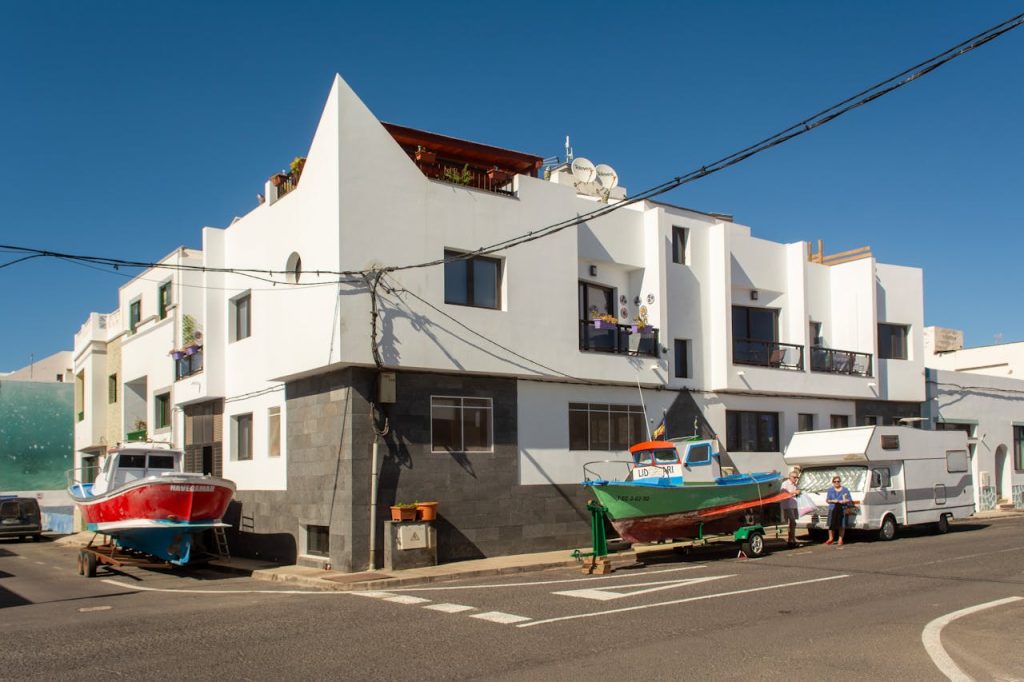
El Cotillo on Fuerteventura’s northwest coast is still identified by official tourism sources as a historic fishing village, with surf culture and open beaches shaping daily life. Spain’s tourism portal echoes that seafaring identity, including the old tower-fort and working-port heritage that still defines local character.
Its calm depends on low-rise form and wide horizon. Activity spreads between lagoons, surf breaks, and relaxed harbor dining, so the center rarely feels compressed for long. Even in peak sun months, wind, sea, and distance keep the mood airy. The pace stays unforced and clear-headed, with room to breathe at every hour.
Sønderho, Denmark
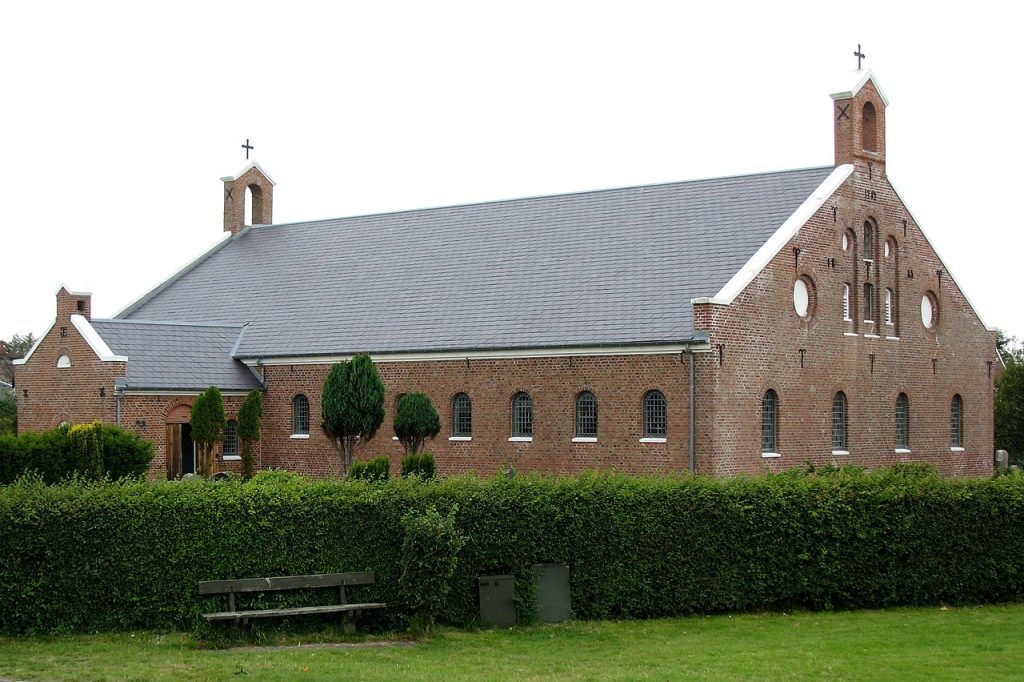
Sønderho sits behind dunes on Fanø and keeps a village rhythm that resists summer overdrive. VisitDenmark and Fanø tourism sources describe it as Denmark’s most beautiful village, with preserved homes and direct access to Wadden Sea landscapes. Built form stays intimate, while nature remains the dominant frame.
That combination supports a quieter high season. People come for walking, birdlife, and coastal light, then move slowly through narrow lanes and open beach edges. Even when visitor numbers rise, the area feels buffered by wind, marsh, and tide. Summer here tends to soften, not accelerate, and evenings stay remarkably still.