12 European Regions Americans Visit for Calm, Not Attractions
Travel industry analysts and luxury tour operators report a significant shift in American travel habits across Europe. While first-time visitors still flock to the famous capitals of London, Paris, and Rome, a growing demographic of repeat travelers is bypassing these congested hubs in favor of lesser-known destinations. Experts note that these locations, often smaller cities or large towns, offer the cultural density of a capital without the overwhelming crowds or inflated prices.
Heritage conservationists and urban planners emphasize that the appeal of these hidden gems lies in their livability and authenticity. Unlike major tourist centers that can feel like open-air museums, these towns function as living communities where visitors can engage with locals in meaningful ways. Data from travel booking platforms confirms high return rates for these specific destinations suggesting that once Americans discover the slower pace and distinct character of these twelve regions they are eager to return.
Alentejo In Portugal
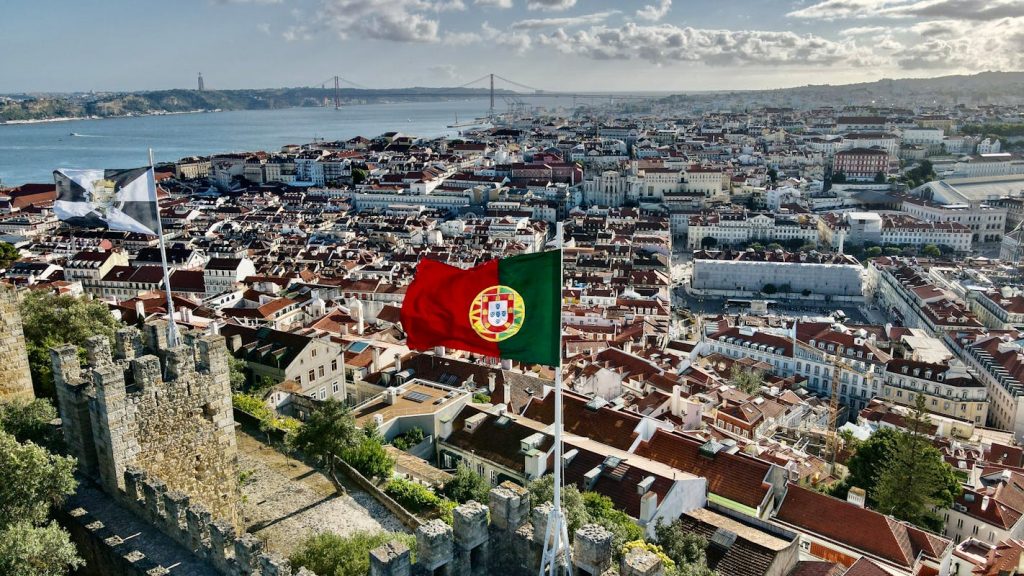
Travel consultants often describe the Alentejo as the slow travel paradise of Portugal because it is a vast region of cork forests and wheat fields that stands in stark contrast to the bustling Algarve. Viticulture experts note that the region is rapidly gaining a reputation for its wine tourism where tastings happen in family-run quintas rather than crowded commercial estates. The landscape here is defined by silence and space attracting Americans who want to drive for hours on empty roads through whitewashed villages like Monsaraz and Évora.
Hospitality insiders highlight the focus on herdade tourism which involves staying on working farm estates that have been converted into luxury retreats. This accommodation style allows visitors to disconnect completely often with no agenda other than reading by a pool overlooking olive groves. The lack of major monuments is the primary asset of the region forcing travelers to adopt the local rhythm of long lunches and afternoon siestas.
Istria In Croatia
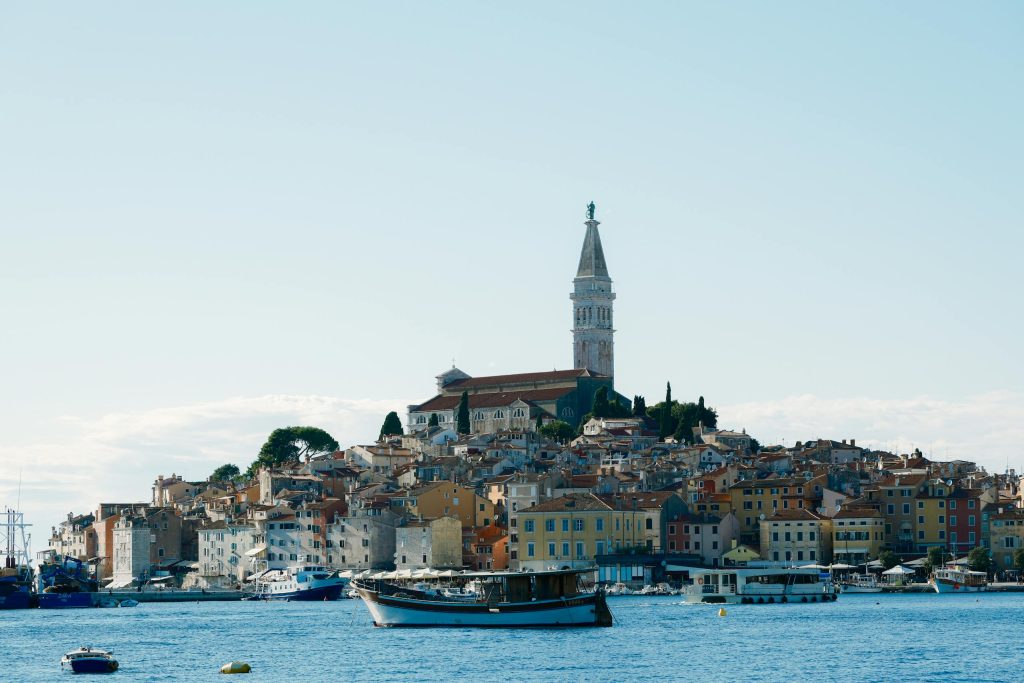
Regional travel specialists frequently refer to Istria as the new Tuscany but with a distinct Slavic and Italian heritage and a fraction of the crowds. Unlike the cruise ship congestion of Dubrovnik and Split, the interior of Istria is a network of quiet medieval hill towns like Motovun and Grožnjan. Gastronomy experts emphasize that the primary draw here is the truffle hunting and olive oil tasting which are activities inherently slow and connected to the land.
Coastal geographers note that while Istria has beaches they are often rocky and secluded discouraging the mass sun-seeking tourism found further south. This geography filters the visitor demographic to those who prioritize culture and cuisine over partying. For American travelers the appeal lies in the authenticity of the konoba culture where dinner is a multi-hour affair involving locally cured prosciutto and Malvazija wine.
Umbria In Italy
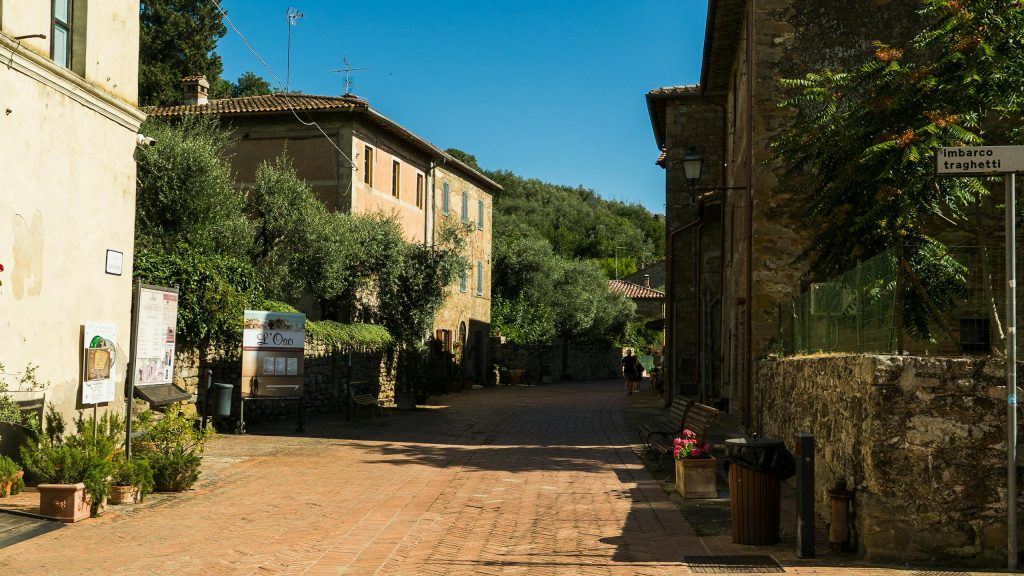
Italian heritage experts and real estate agents have long championed Umbria as the green heart of Italy offering the medieval charm of Tuscany without the tour buses. Art historians point out that towns like Spoleto and Orvieto house world-class frescoes and cathedrals that can be viewed in solitude a rare luxury in Italy. The identity of the region is rooted in its mystical history as the birthplace of St. Francis creating an atmosphere of spiritual quiet that permeates the landscape.
Agricultural tourism consultants observe that Umbria remains deeply agricultural meaning the views are of working farms rather than manicured villas. This authenticity resonates with Americans seeking a real Italian experience. The absence of a major international airport and high-speed rail hub acts as a natural barrier to day-trippers preserving the tranquility of the hilltop villages for those willing to make the journey.
The Scottish Highlands
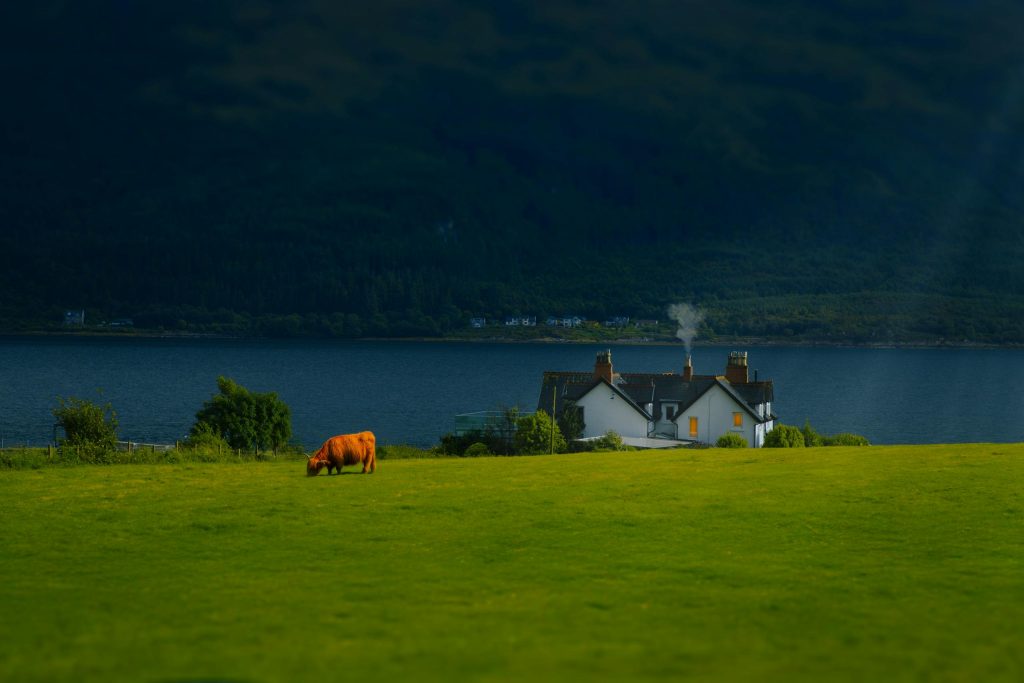
Luxury travel designers report a surge in high-net-worth Americans booking remote lodges in the Scottish Highlands specifically for the isolation. Wildlife biologists explain that the vast peatlands and lochs of the region offer a level of wilderness that is virtually nonexistent elsewhere in Western Europe. The primary activity here is not sightseeing but simply being by walking in the glen fishing in a river or sitting by a peat fire.
History guides emphasize that the Highlands are best experienced through their atmosphere rather than their museums. The empty glens cleared during the Highland Clearances carry a poignant silence that visitors often describe as hauntingly beautiful. For travelers accustomed to the noise of American cities the profound quiet of a location like Assynt or Torridon offers a mental reset that is becoming increasingly valuable.
The Azores In Portugal
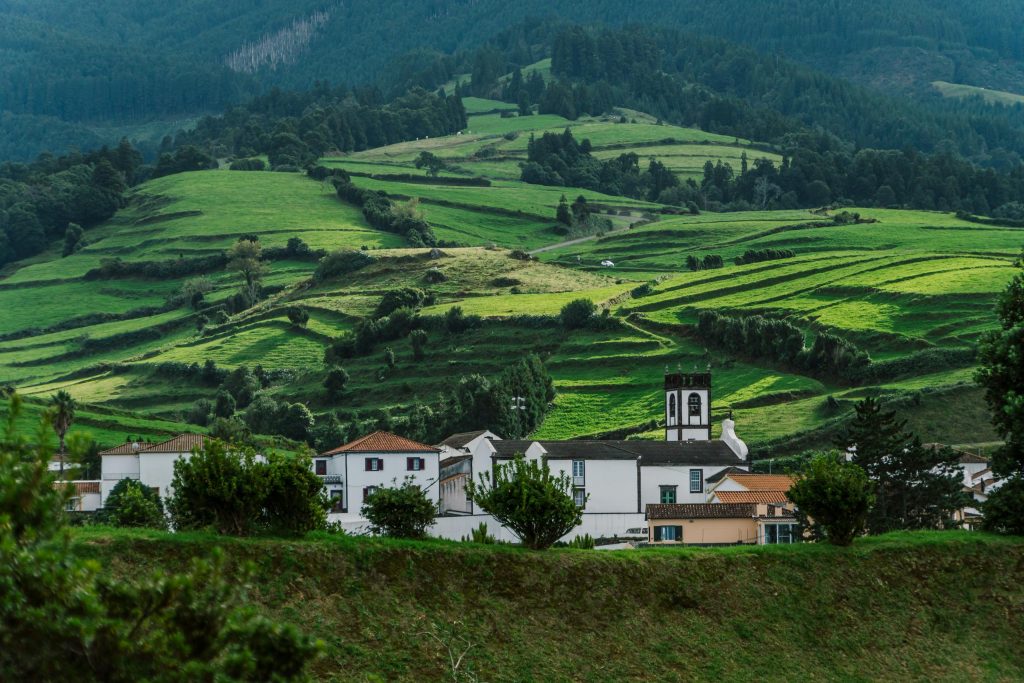
Eco-tourism consultants and marine biologists identify the Azores as a premier destination for wellness through nature. Located in the middle of the Atlantic this archipelago is defined by its volatile volcanic landscapes and lush prehistoric vegetation. Hiking experts note that the trails here lead to crater lakes and thermal pools rather than gift shops attracting a demographic of traveler who prioritizes physical activity and ecological immersion.
Sustainable tourism advocates praise the strict limits on development by the local government which have prevented the construction of high-rise resorts. The attraction is the weather and the landscape itself featuring fog rolling over green cliffs hydrangeas blooming along the roads and the chance to spot whales from the shore. It is a destination that demands patience and flexibility rewarding those who are willing to slow down and watch the weather change.
Galicia In Spain
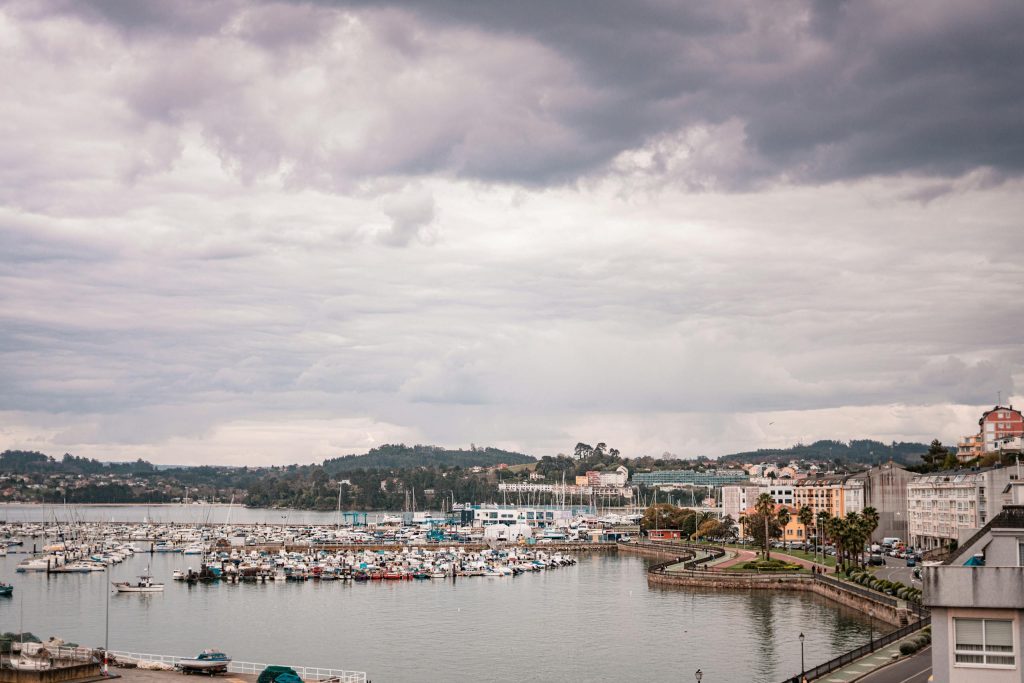
Cultural anthropologists and pilgrimage guides describe Galicia as Green Spain a region with a Celtic soul that feels more like Ireland than Madrid. The famous Camino de Santiago ends here but experts note that many Americans visit not to hike the trail but to absorb the spiritual calm that the pilgrimage infrastructure has created. The region is defined by its fjords and mist-covered hills creating a moody atmosphere that encourages introspection.
Seafood experts rank Galicia as having some of the best produce in the world served in unpretentious taverns where the focus is entirely on the quality of the catch. The lack of package holiday infrastructure means that visitors are integrated into the local flow of life. Whether exploring the wild Costa da Morte or the Roman walls of Lugo the experience is one of discovery rather than consumption.
Gascony In France
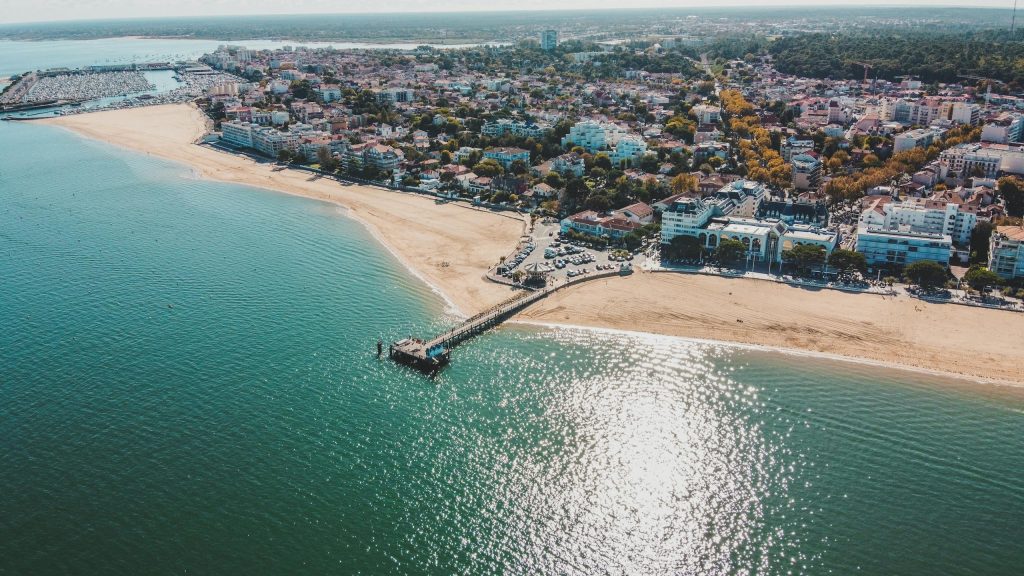
Food historians and slow travel advocates view Gascony as the last bastion of deep France a region that has stubbornly resisted modernization. Unlike the polished chateaus of the Loire or the glitz of the Riviera, Gascony is rural, rustic, and famously empty. Demographers note that it has one of the lowest population densities in Western Europe meaning traffic jams are non-existent and silence is the default state.
Culinary experts emphasize that life here revolves around the duck farm and the village market. Travelers visit to eat foie gras drink Armagnac and explore fortified bastide towns that have barely changed in seven hundred years. The absence of major highways and industrial centers preserves a way of life that feels suspended in time offering a profound sense of peace to visitors escaping the continuous news cycle.
The Peloponnese In Greece
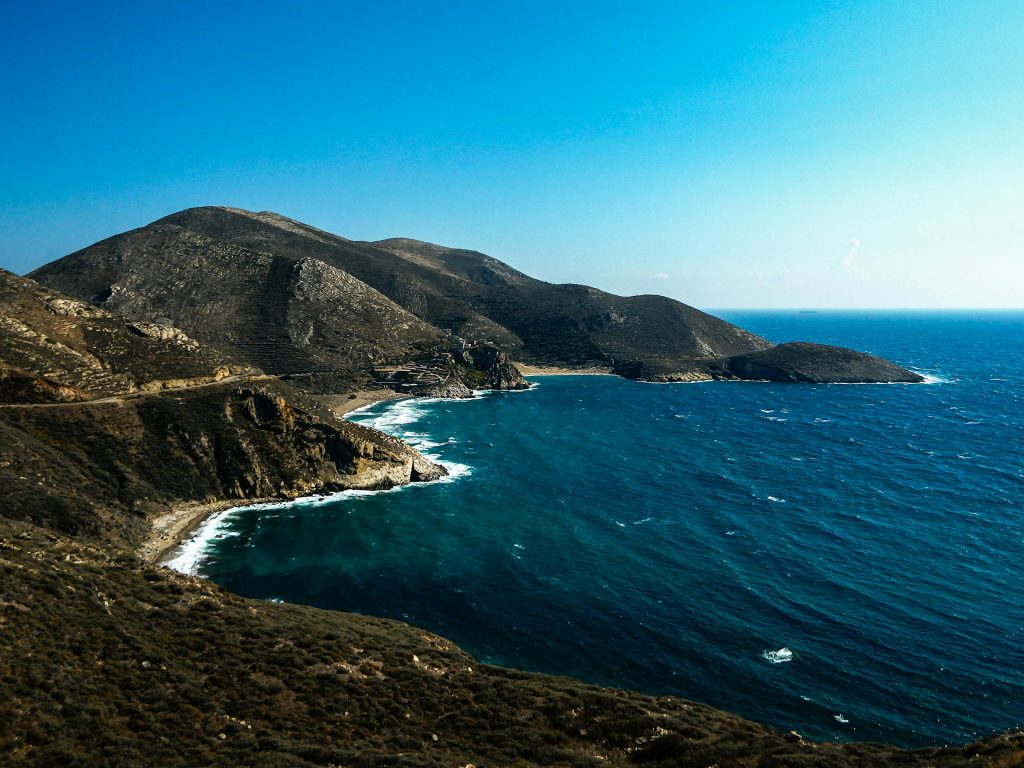
Greek travel curators and archaeologists distinguish the Peloponnese from the islands by its vastness and diversity. While the islands can feel frantic in high season the Peloponnese offers wide-open spaces towering mountains and deserted beaches. Historians highlight that this region holds some of the most significant ruins in Greece such as Olympia and Mycenae which can often be explored without the crowds found at the Acropolis.
Agrotourism specialists point to the Mani Peninsula as a unique destination for solitude characterized by its austere stone towers and stark landscape. The driving here is spectacular and unhurried winding through olive groves and coastal villages that have not been surrendered to mass tourism. Americans visit to experience the permanent vacation vibe of the mainland where the hospitality is personal and the pace is dictated by the seasons.
Saaremaa In Estonia
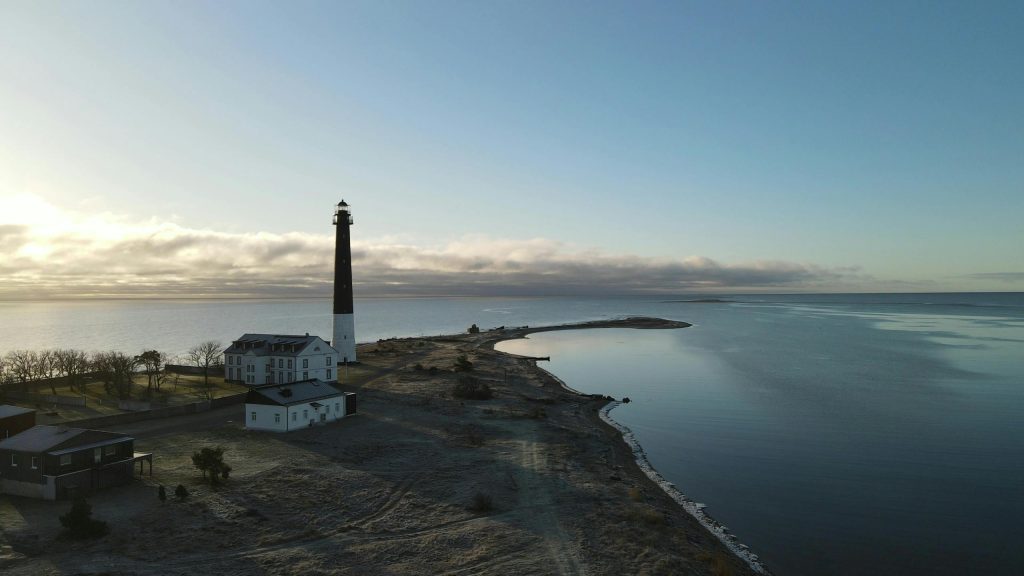
Baltic travel specialists and spa consultants identify Saaremaa as a unique sanctuary for Nordic zen. As the largest island in Estonia it has historically been isolated first by the Soviet military and now by its geography. Nature guides emphasize the unique landscape of juniper forests meteorite craters and lonely lighthouses which creates a surreal and almost mythical atmosphere.
Wellness experts note that Saaremaa has the highest density of spas in the world relative to its population a legacy of its curative mud traditions. Visitors come here to sweat in saunas walk on empty windswept beaches and eat black bread and smoked fish. The silence of the island is its main export attracting travelers who want to escape the digital noise of the modern world.
Abruzzo In Italy
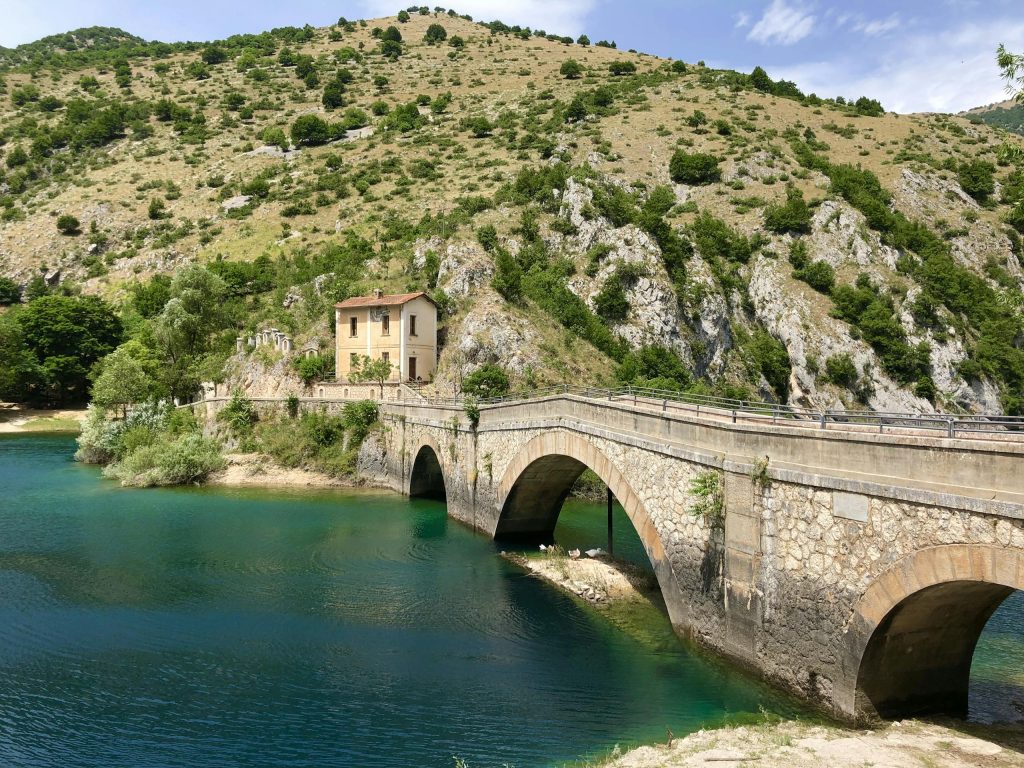
Adventure travel guides and park rangers describe Abruzzo as the wildest region in Italy where bears and wolves still roam the Apennines. Unlike the manicured landscapes of the north Abruzzo is rugged and raw offering a sense of frontier exploration. Environmentalists highlight that a third of the region is protected as national parkland ensuring that the views remain free of development.
Cultural preservationists value the borghi or villages of the region for their lack of pretension. Towns like Santo Stefano di Sessanio have been restored as scattered hotels allowing visitors to sleep in medieval rooms distributed throughout the village. The experience is intimate and quiet focusing on hiking eating simple mountain food and interacting with a local population that is genuinely surprised and pleased to see visitors.
The Julian Alps In Slovenia
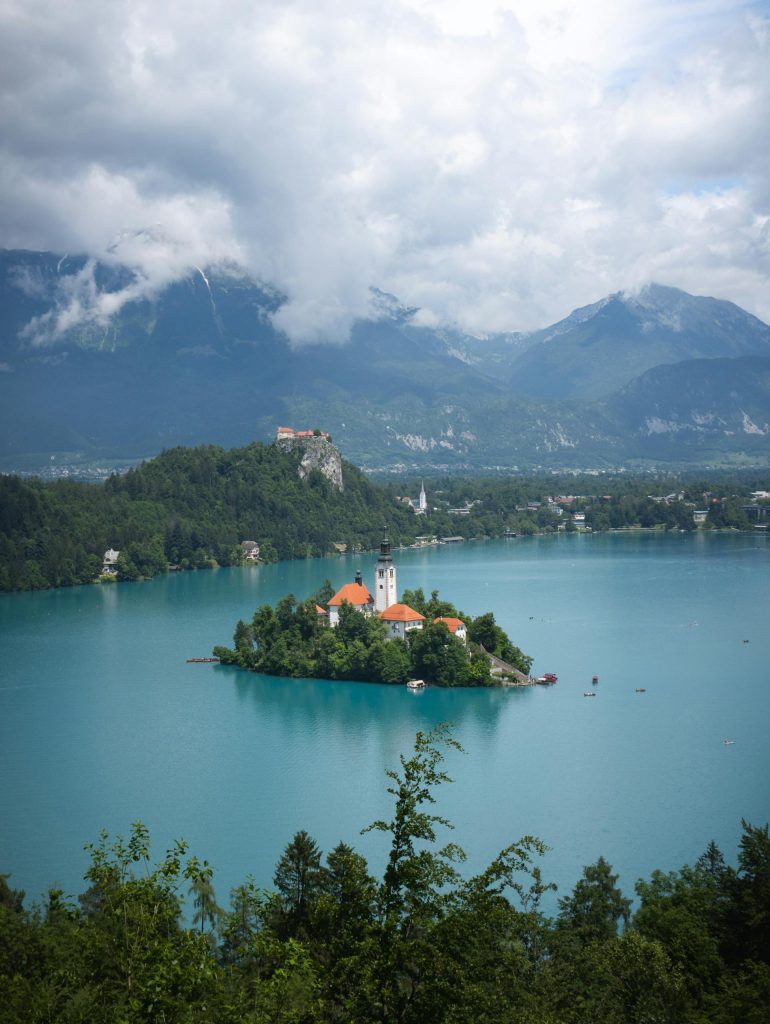
Sustainable tourism advocates and alpine guides view the Julian Alps in Slovenia as the Europe of fifty years ago. The region offers the same dramatic limestone peaks and turquoise rivers as the Swiss or Austrian Alps but with a fraction of the commercial development. Outdoor experts emphasize that the focus here is on low-impact activities like hiking fly-fishing and beekeeping tourism.
Green urbanists praise the commitment to sustainability in the region which is visible in the pristine cleanliness of the landscape. Lake Bohinj specifically is often cited as the calm alternative to the more famous Lake Bled offering a wilder and quieter experience. Americans visit to breathe the clean air and experience a culture that is deeply connected to nature where the definition of a good day involves a mountain hike and a plate of buckwheat dumplings.
The Faroe Islands
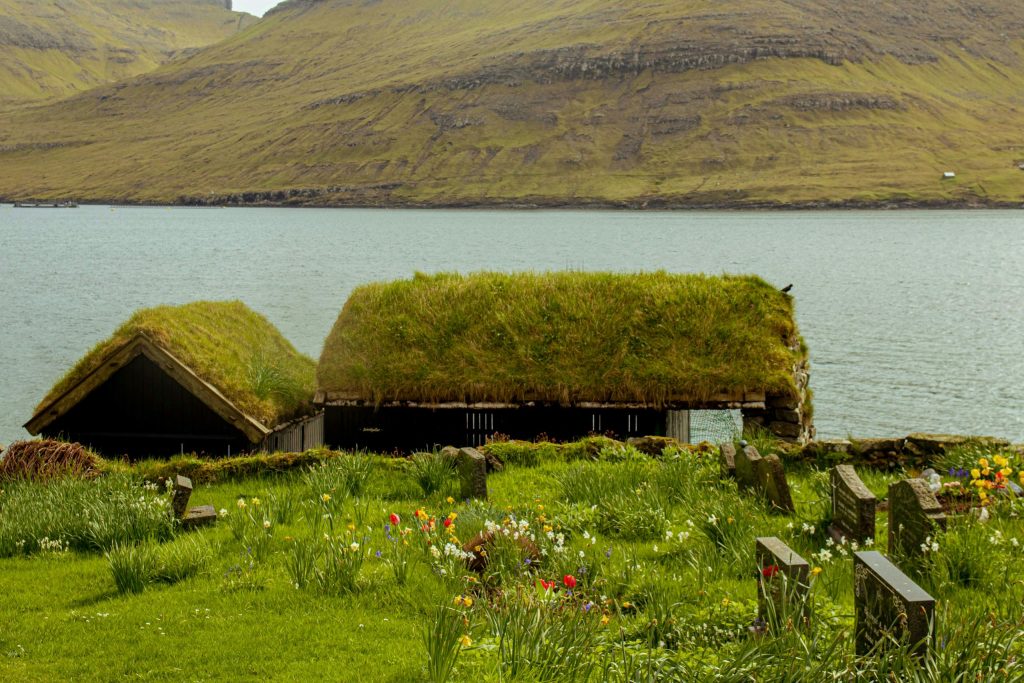
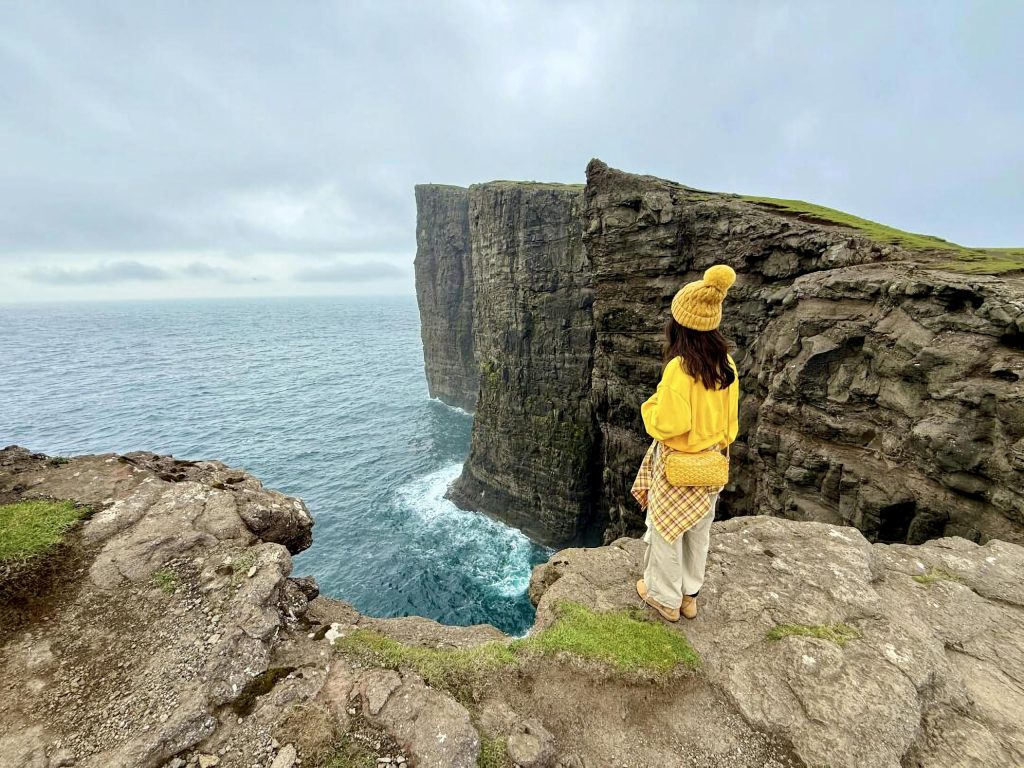
Landscape photographers and Nordic travel experts describe the Faroe Islands as a destination for those who find peace in the dramatic power of nature. The archipelago is defined by its volatile weather sheer cliffs and absolute isolation in the North Atlantic. Ornithologists note that the puffin colonies and seabird cliffs are the primary population centers outnumbering humans by a significant margin.
Infrastructure planners highlight the remarkable tunnel network that connects the islands allowing for easy road trips through some of the most dramatic scenery on earth. However the experience is not about driving to a viewpoint but about feeling the scale of the ocean and the wind. It is a destination for introverts and nature lovers who find calm in the raw and unpolished edge of the world.