12 European Towns That Still Feel Untouched by Mass Tourism
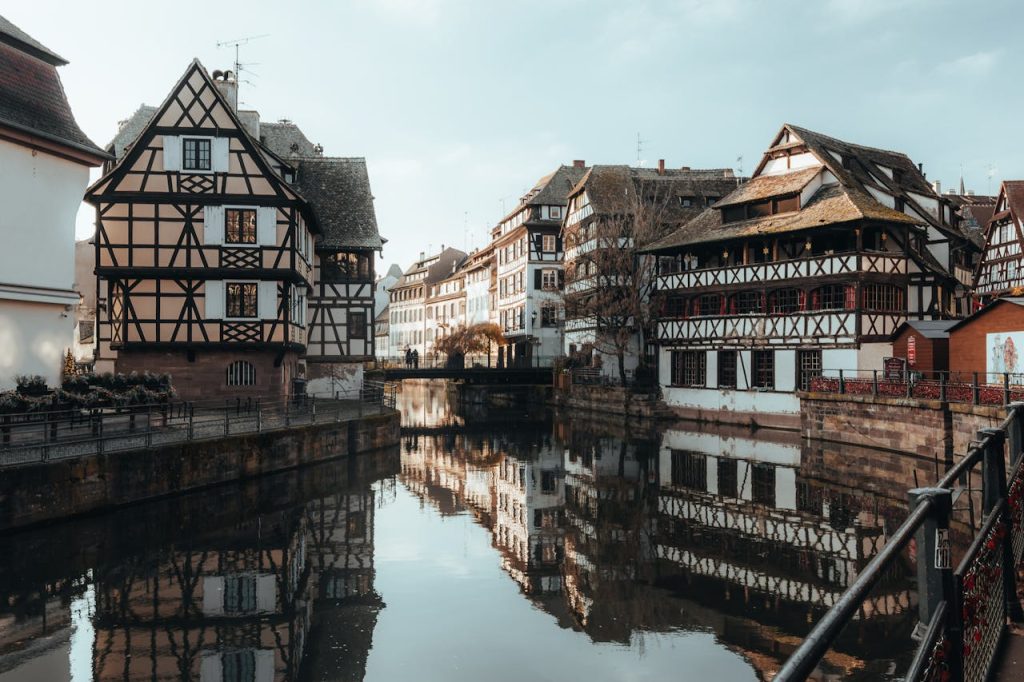
Travel anthropologists and urban planners frequently observe a shifting trend in European travel where the search for authenticity leads visitors away from the congested capitals to smaller, historically preserved municipalities. Heritage conservationists note that while cities like Venice and Barcelona struggle with the logistical and social burden of overtourism, a specific tier of European towns has successfully maintained their architectural integrity and local rhythm. These destinations often benefit from geographic isolation, strict preservation laws, or a lack of direct high-speed rail access which acts as a natural filter against the day-tripping crowds that define the modern mass tourism experience.
Cultural geographers emphasize that the “untouched” quality of these towns is rarely accidental but rather the result of deliberate municipal strategies to prioritize residential livability over commercial expansion. By restricting the entry of large tour buses and limiting the conversion of housing into short-term rentals, these communities preserve the social fabric that attracts thoughtful travelers in the first place. Understanding the specific heritage value and logistical nuances of these twelve towns allows visitors to experience Europe as it existed before the era of budget airlines and cruise ships.
Albarracín In Spain
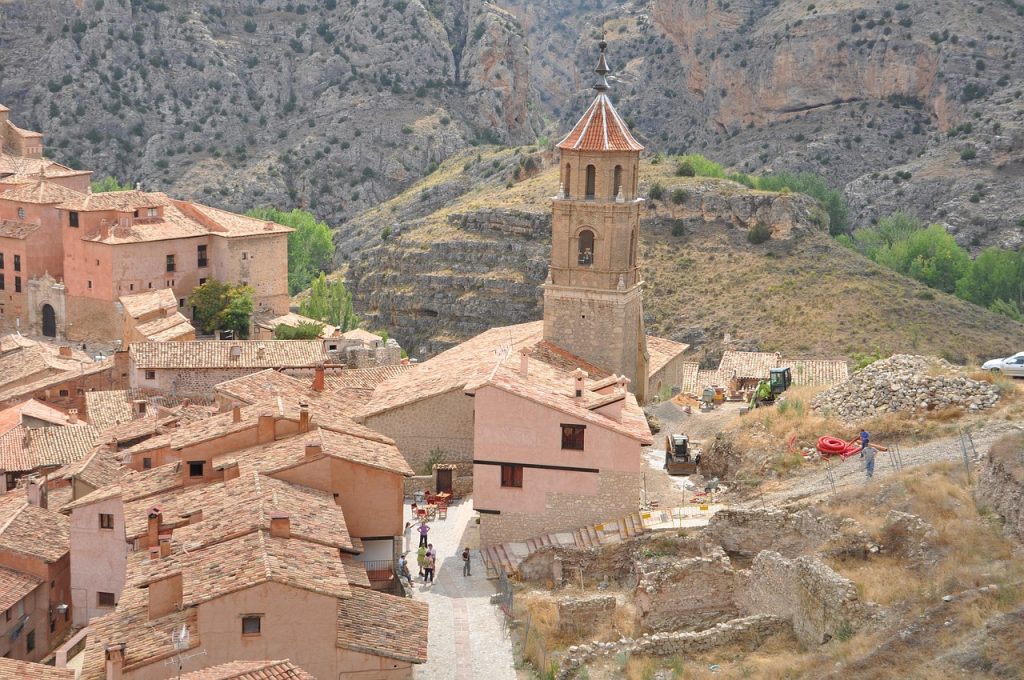
Architectural historians consistently rank Albarracín as one of the most perfectly preserved medieval villages in Spain due to its strict adherence to aesthetic codes. The town sits perched on a vertical curve of the Guadalaviar River where the physical geography limits any modern sprawl or hotel block construction. Preservation experts note that the monochromatic pink gypsum plaster used on every building creates a visual uniformity that has remained virtually unchanged since the Middle Ages.
Local heritage boards enforce rigorous restoration guidelines that prohibit the use of modern materials or discordant colors on building exteriors. This regulatory framework ensures that the narrow, steep streets retain their authentic Islamic and medieval Christian character. Visitors walking through the upper quarters encounter a silence and structural harmony that is increasingly rare in the Iberian Peninsula where coastal development often encroaches on historic sites.
Quedlinburg In Germany

UNESCO World Heritage officials recognize Quedlinburg as an exceptional example of a medieval European town because it escaped significant damage during the Second World War. The town features over one thousand timber-framed houses spanning six centuries which architectural conservators describe as a living textbook of building techniques. Urban planners highlight that the medieval street pattern remains completely intact offering a navigational experience that mirrors the layout of the tenth century.
Heritage tourism consultants point out that Quedlinburg lies in the Harz Mountains away from the primary tourist corridors of Bavaria or the Rhine. This relative isolation protects it from the saturation seen in Rothenburg ob der Tauber. The Collegiate Church of St. Servatius stands as a testament to the Ottonian dynasty and remains a site of quiet historical contemplation rather than a backdrop for mass selfies.
Viscri In Romania

Rural sociologists and conservationists champion Viscri as a model for sustainable heritage tourism in the Transylvanian Saxon region. The village gained attention through the patronage of the Mihai Eminescu Trust which works to restore the traditional saxon houses using original methods and materials. Agricultural experts note that the traditional land-use patterns surrounding the village remain active meaning that the landscape is a working farm system rather than a manicured park.
The Fortified Church of Viscri serves as the community anchor and operates under a management plan that limits visitor numbers to protect the structure. Travel anthropologists observe that the lack of paved roads leading into the village historically acted as a barrier to large coaches preserving the quiet atmosphere. Today the village offers a glimpse into a pre-industrial European lifestyle where horse-drawn carts are still a functional part of the daily transport network.
Conques In France

Religious historians and pilgrimage route managers identify Conques as a crucial spiritual stop on the Way of St. James that has resisted commercialization. The village is organized entirely around the Abbey Church of Sainte-Foy which holds a reliquary that has drawn pilgrims for a millennium. Art historians emphasize that the preservation of the Romanesque architecture is absolute with modern signage and electrical wiring carefully concealed to maintain the twelfth-century aesthetic.
The geography of the village which clings to a steep hillside in the Aveyron valley physically prevents the construction of large hotels or parking lots. This natural constraint ensures that the visitor capacity remains aligned with the small scale of the settlement. Experts in medieval history note that the silence of the village at night offers an authentic approximation of the medieval pilgrim’s experience free from the noise pollution of modern urban life.
Monsaraz In Portugal
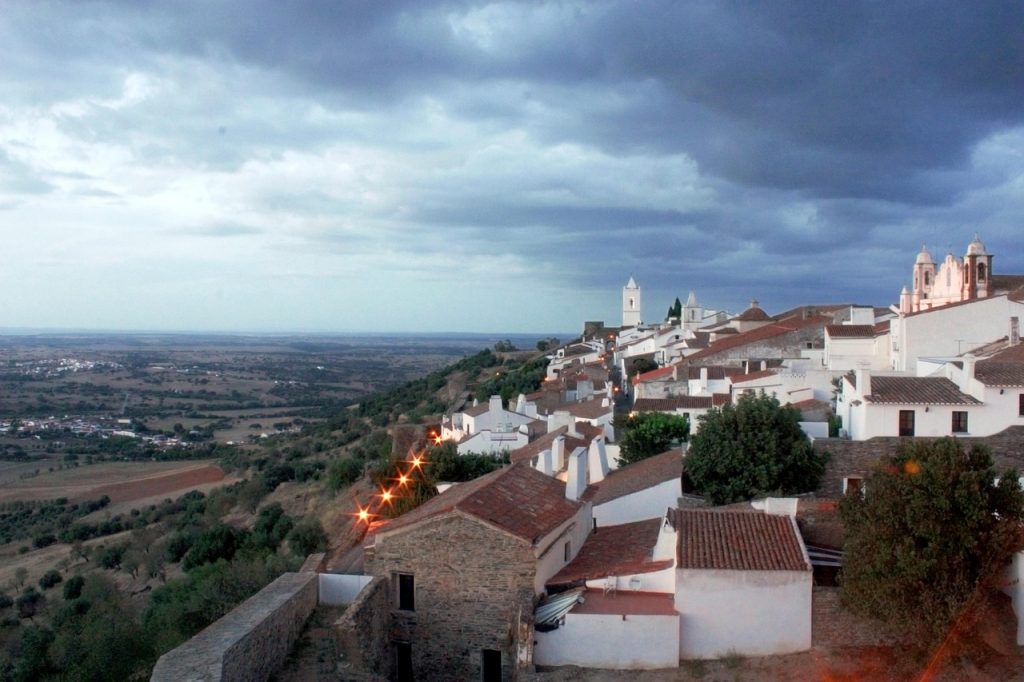
Astronomers and dark sky advocates celebrate Monsaraz as the first destination in the world to receive the Starlight Tourism Destination certification. The hilltop fortress town in the Alentejo region maintains low light pollution levels that allow for pristine views of the night sky. Regional planners restrict street lighting and commercial signage to ensure that the medieval atmosphere persists after sunset.
Heritage architects note that the use of schist and whitewash in the construction of the village creates a stark, clean aesthetic that reflects the heat management strategies of the region. The town overlooks the Alqueva Dam reservoir but remains physically separated from the water-based tourism below. This elevation and the walled fortification create a sense of detachment from the modern world allowing the quiet rhythms of the local population to dominate the streetscape.
Pitigliano In Italy
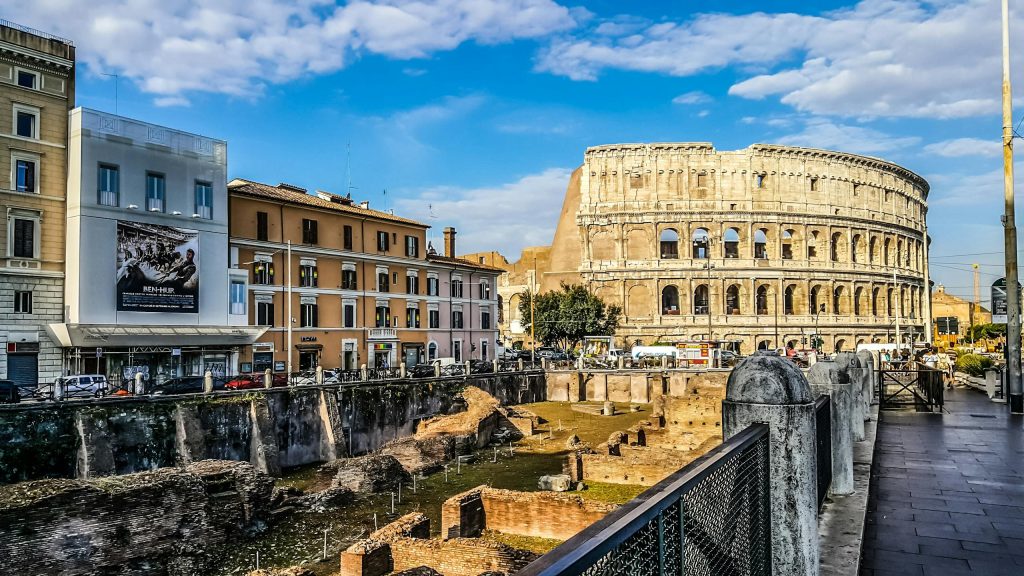
Geologists and urban designers cite Pitigliano as a unique example of a town carved directly from the volcanic tuff rock on which it stands. The “Little Jerusalem” of Tuscany is famous for its historical Jewish community and the intricate network of caves and cellars dug into the cliff face. Structural engineers monitor the stability of the soft rock which naturally limits heavy traffic and large-scale development within the historic center.
Preservationists highlight that while Tuscany is one of the most visited regions in the world Pitigliano remains an outlier due to its distance from the main rail lines connecting Florence and Rome. The town requires a deliberate journey by car or bus through the Maremma countryside. This logistical hurdle acts as a filter ensuring that those who visit are specifically interested in the unique Etruscan and medieval heritage of the site.
Ærøskøbing In Denmark
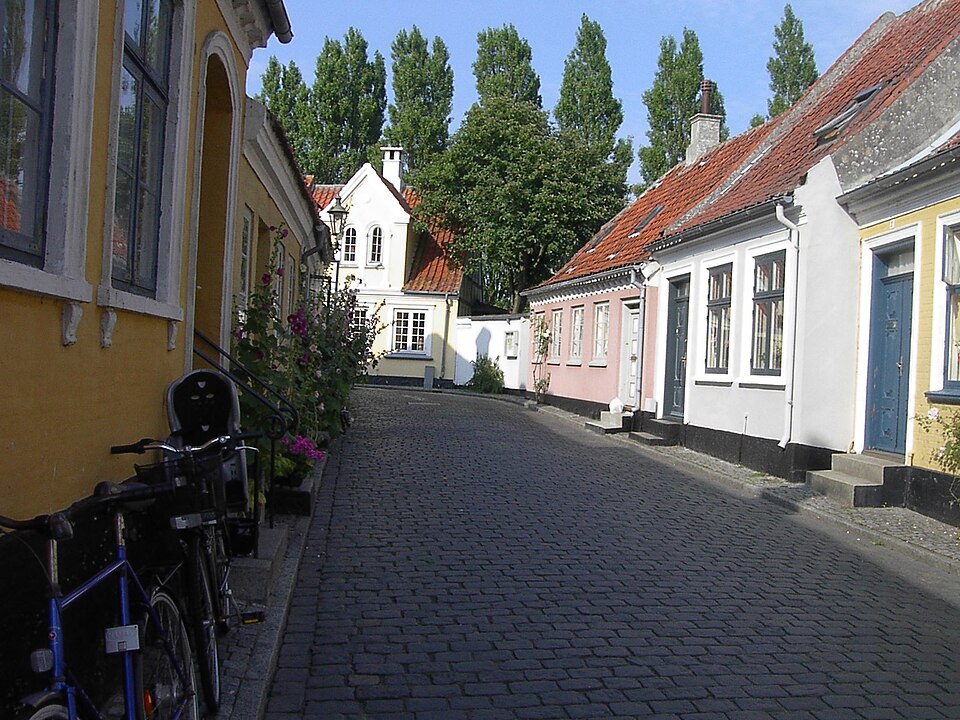
Maritime historians and Danish heritage authorities regard Ærøskøbing as the best-preserved eighteenth-century town in Denmark. The local preservation trust enforces strict rules regarding the maintenance of the brightly colored half-timbered houses and their distinctive front doors. Cultural anthropologists note that the town operates as a living community rather than a museum with residents actively engaged in the upkeep of the historic fabric.
Ferry logistics experts explain that the island location of Ærø acts as a natural buffer against mass tourism. The need to book ferry passage limits the volume of daily arrivals and prevents the overcrowding seen in mainland coastal towns. The absence of holiday parks or large resort complexes ensures that the town retains its maritime character and small-scale social atmosphere.
Banská Štiavnica In Slovakia
Industrial archaeologists and mining historians view Banská Štiavnica as a masterpiece of technical engineering integrated into an urban environment. The town sits within a collapsed volcanic caldera and was once a center of European silver mining. Heritage managers note that the complex system of artificial lakes or “tajchy” built to power the mines now serves as a recreational network that blends seamlessly with the historic architecture.
Urban conservationists emphasize that the steep, winding layout of the town prevents the entry of modern tour buses into the central Trinity Square. The preservation of the burgher houses and the Old Castle reflects the immense wealth of the mining era without the overlay of modern commercial kitsch. The town remains a center for academic study and geological exploration rather than a hub for package tourism.
Tel? In Czech Republic

Renaissance art experts and architectural historians describe the main square of Tel? as one of the most complete examples of the Italian Renaissance influence north of the Alps. The pastel-colored gabled houses are connected by a continuous arcade that creates a unified architectural composition. Preservation officials enforce strict regulations on facade maintenance to ensure that the visual integrity of the square remains unbroken.
Travel industry analysts note that Tel? is often bypassed by tourists traveling solely between Prague and Vienna due to its location in the Vyso?ina Region. This positioning off the main highway preserves the tranquil atmosphere of the town. The chateau and the surrounding fishponds create a contained cultural landscape that functions as a harmonious unit undisturbed by the frantic pace of the capital cities.
Ohrid In North Macedonia

Byzantine scholars and Balkan historians recognize Ohrid as a center of Slavic literacy and culture with a density of churches that once numbered nearly four hundred. The town overlooks one of the oldest and deepest lakes in Europe which UNESCO protects as both a natural and cultural heritage site. Environmental scientists monitor the lake’s ecosystem closely and enforce regulations that limit shoreline development to protect endemic species.
Cultural heritage managers highlight the importance of the Ancient Theatre and the Church of St. John at Kaneo as sites that define the town’s identity. While the lake attracts summer visitors the historic old town on the hill retains a labyrinthine layout that discourages large groups. The steep cobblestone streets and the active preservation of the vernacular architecture ensure that the residential character of the upper town endures.
Piran In Slovenia
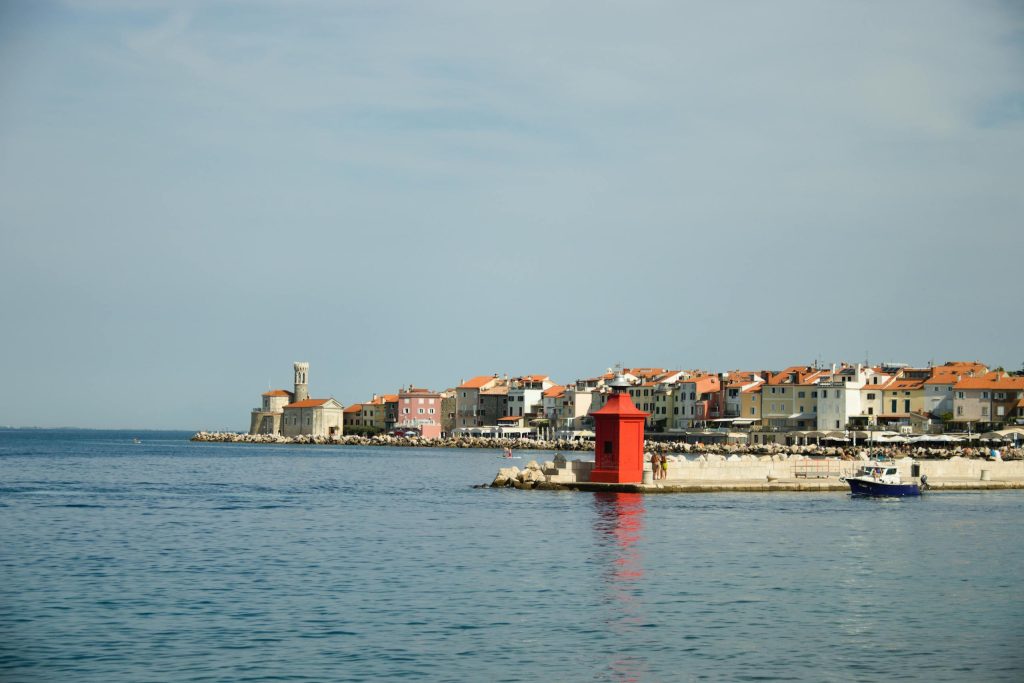
Maritime heritage experts and Venetian history scholars identify Piran as one of the most authentic examples of Venetian Gothic architecture outside of Italy. The town sits on a narrow peninsula jutting into the Adriatic Sea a geography that physically constrains expansion. Urban planners note that the decision to ban cars from the historic center allows the Tartini Square to function as a true public living room for residents and visitors alike.
Local historians emphasize that Piran has avoided the cruise ship congestion that plagues nearby ports by maintaining a smaller harbor profile. The preservation of the medieval city walls offers panoramic views without the need for modern observation towers. The town operates at the pace of a working fishing port where the salt pans of Se?ovlje continue to influence the local economy and gastronomy.
Hall In Tirol In Austria
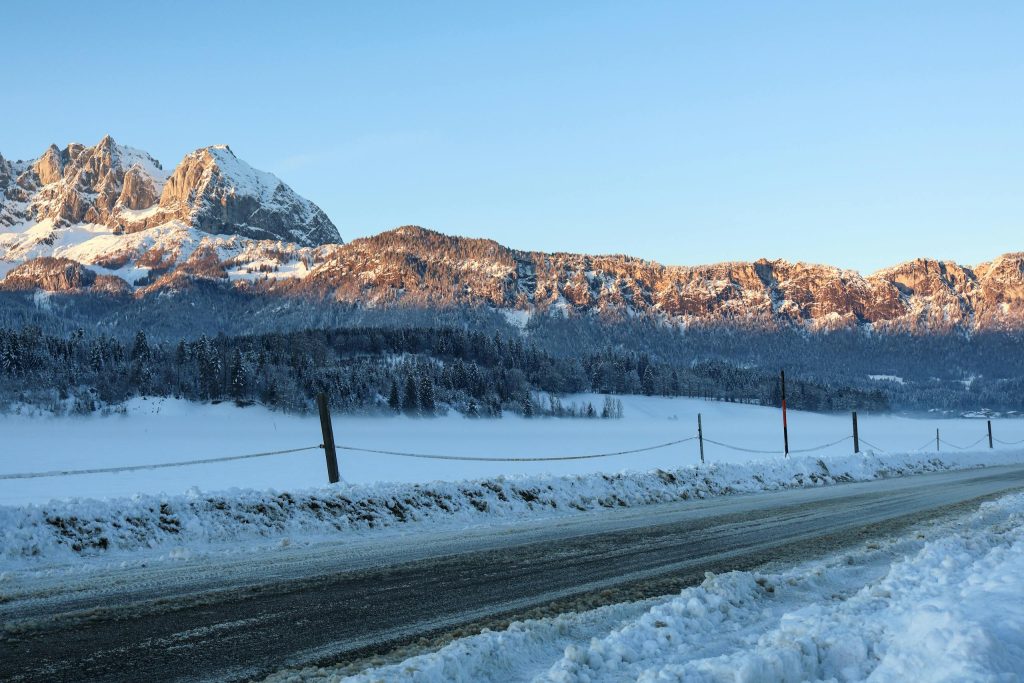
Economic historians and numismatists celebrate Hall in Tirol as the birthplace of the Thaler coin and a medieval minting powerhouse. The town features a larger and less disturbed medieval core than its famous neighbor Innsbruck. Heritage conservationists point out that the town prospered from salt mining and river trade leaving a legacy of grand merchant houses that have been meticulously restored.
Alpine tourism consultants note that Hall remains a functioning town rather than a dedicated resort. The absence of major ski lifts directly in the town center protects it from the seasonal fluctuations of the winter sports industry. Visitors wandering the upper town square encounter a space dedicated to local commerce and civic life offering a genuine perspective on Tyrolean history distinct from the souvenir-heavy streets of other alpine villages.