12 Fall Destinations That Feel Calmer Than Summer
Summer can turn even great places into logistics: heat, lines, sold-out rooms, and the sense that every view is shared. Fall loosens that grip. Crowds thin after school returns, temperatures settle, and destinations regain their natural pace without going quiet. Trails open up, restaurants stop rushing, and markets shift toward harvest season. Light softens, evenings get crisp, and small details start to matter again. In the right places, the reward is simple: the same beauty, with more space to enjoy it.
Bar Harbor And Acadia, Maine
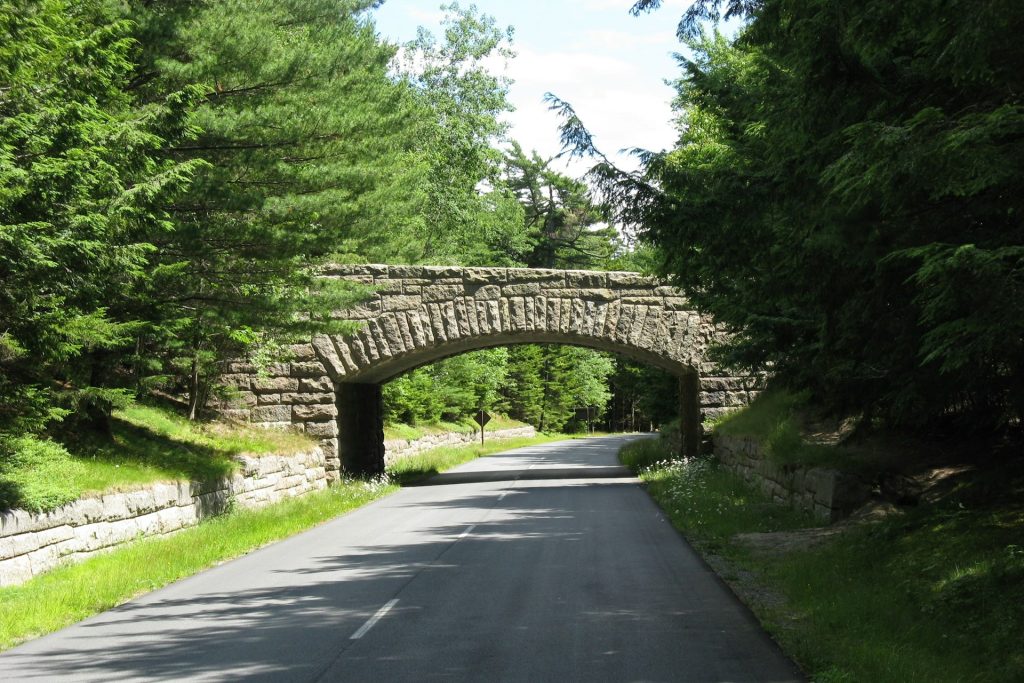
In fall, Acadia keeps its granite headlands, salt air, and bright Atlantic light, but the pressure around trailheads eases once summer calendars end. Cooler mornings make Ocean Path and Jordan Pond feel crisp, and sunrise on Cadillac Mountain becomes a quiet ritual instead of a parking sprint. Bar Harbor follows suit: shorter waits, calmer harbor walks, and boat captains with time to explain fog, tides, and seabirds. A day can hold a long hike, a slow seafood lunch, and an unplanned coffee stop without feeling squeezed by crowds. Even after dark, the town stays open, just softer, with room to linger by the water.
Lake Tahoe, California And Nevada
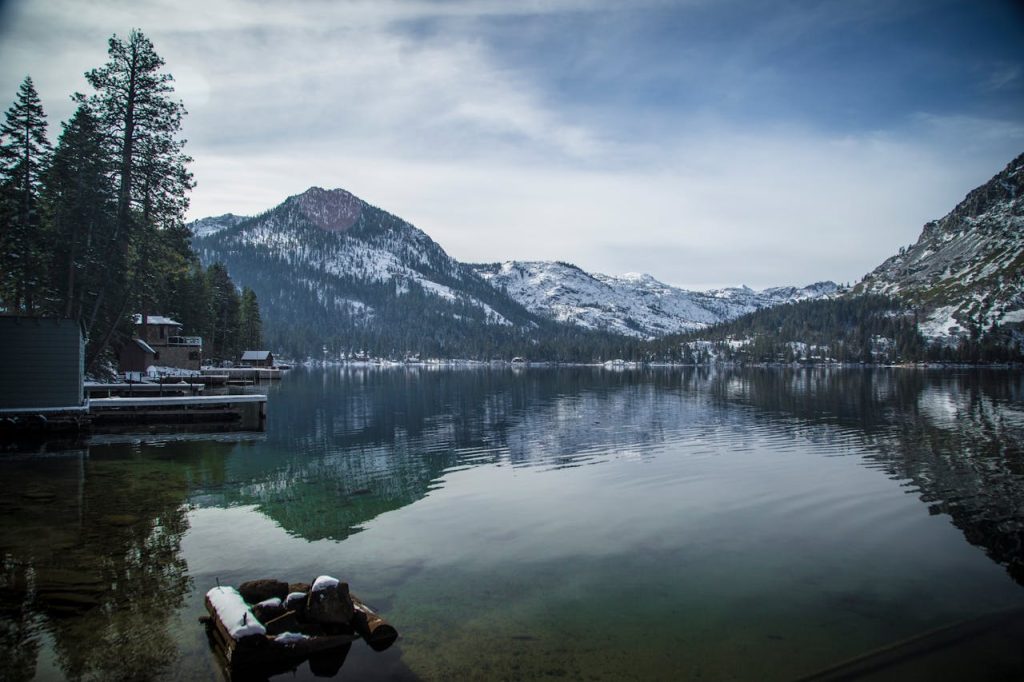
Tahoe in Sept. and Oct. feels like the lake has been handed back to itself. Beaches that were crowded in July regain space, and the rim roads stop behaving like a weekend traffic test. The water can stay inviting well after Labor Day, especially on clear afternoons, and trails near Emerald Bay and the East Shore become accessible without dawn alarms. Pullouts turn usable again, which changes the whole day. Evenings cool just enough for patio dinners and stargazing, and sunset becomes something people watch quietly, not something they compete for. Midweek lodging often relaxes, and simple plans stay simple because parking stops being a gamble.
Banff, Alberta
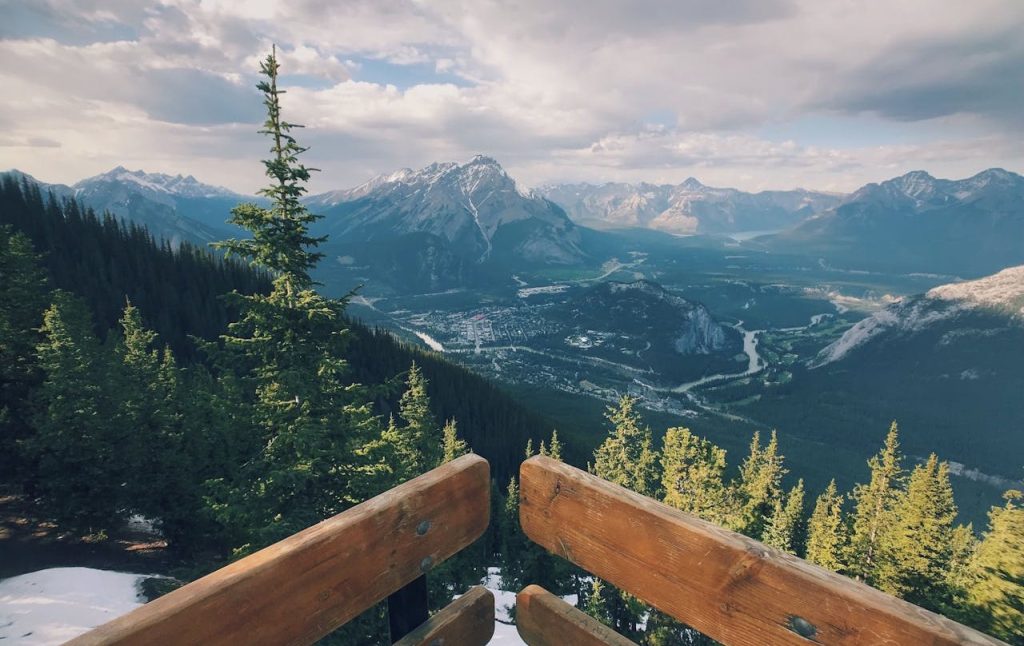
Banff in fall still looks cinematic, yet it moves at a more humane speed. With family trips tapering off, sidewalks in town loosen, shuttles run with less stress, and popular trailheads stop feeling like a competition with a clock. Clear air sharpens lake color and mountain edges, and mornings suit short hikes followed by warm coffee and long views. Wildlife watching improves in quieter hours, and the drive between overlooks feels calmer. The region stays lively, but the noise drops, leaving space for detours and an unhurried meal. Even the simplest stop, a lakeside bench or a river walk, feels available instead of crowded out.
Amalfi Coast, Italy
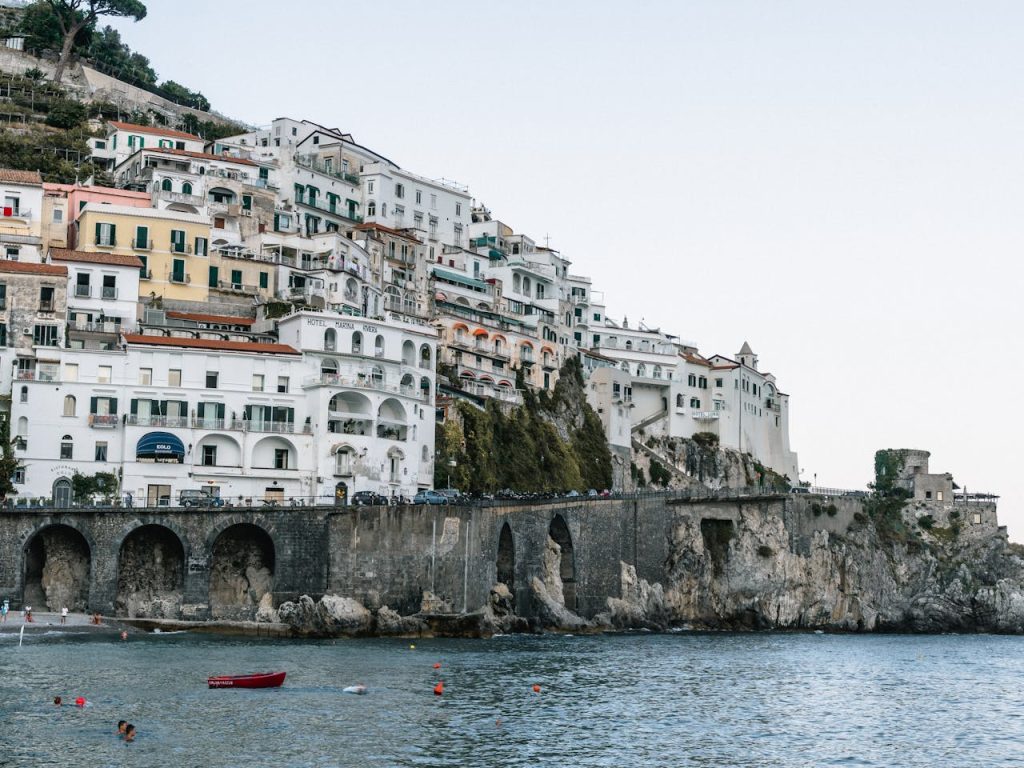
Early fall softens the Amalfi Coast without dimming the sea or the lemon-scented air. As August crowds fade, cliff roads lose their worst bottlenecks, restaurant reservations become realistic, and ferry lines stop stacking into the street. Positano’s stairs still demand effort, but the reward feels calmer: viewpoints with room to pause, beach clubs that are easier to book, and small coves where a quick swim is not a negotiation. Evenings lean toward long dinners, and the coast feels lived-in again, not like a daily puzzle built around schedules. Shopkeepers linger in doorways, and the sound of plates and waves carries farther than traffic.
Kyoto, Japan
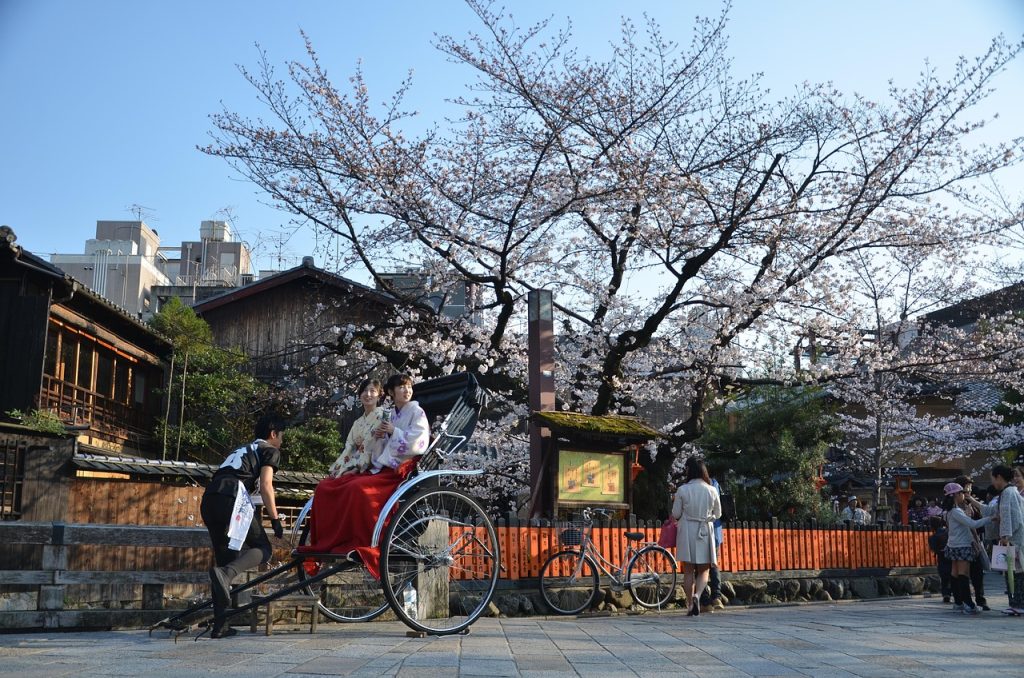
Kyoto in fall feels quieter in the ways that matter. Humidity fades, temple walks become comfortable, and neighborhood streets regain their everyday rhythm as summer peaks pass. Maples brighten gardens and canals, but the calm comes from the city moving at local speed: tea shops serving seasonal sweets, small markets that feel grounded, and train rides shared with commuters rather than dense tour groups. With clearer air, details stand out, from incense near gates to stone steps and the hush of courtyards. Even famous sites feel more reflective when time is not squeezed. Evening lanterns look gentle, not staged.
Lisbon, Portugal
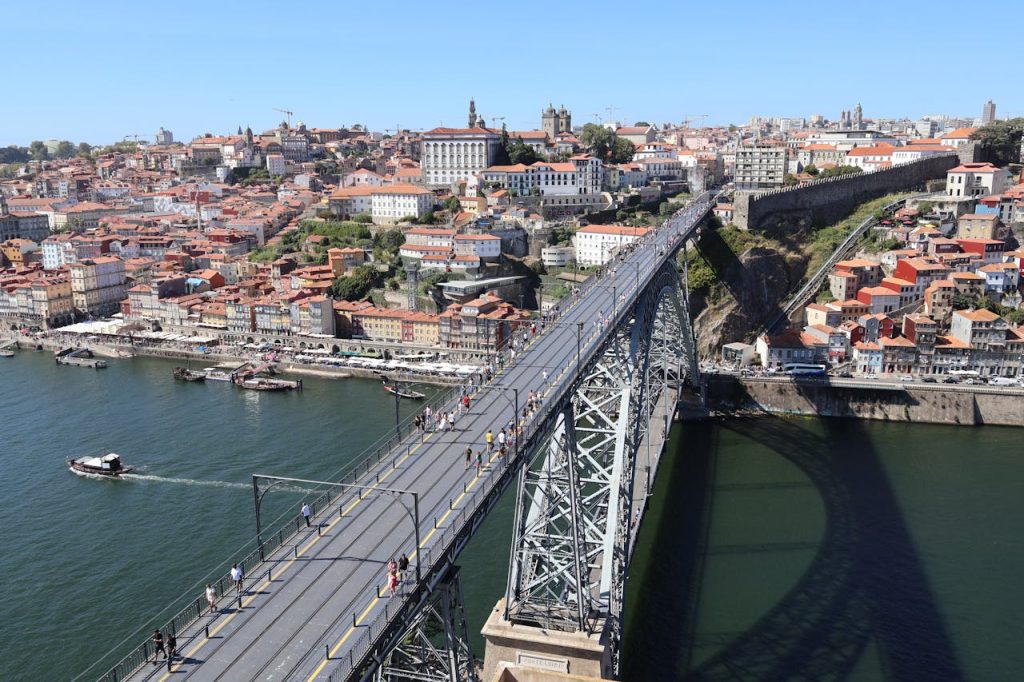
Lisbon’s fall calm arrives quickly once school holidays end. The city stays sunny, yet trams feel less packed, viewpoints open up at sunset, and restaurants stop running on pure speed. Walking Alfama, Graça, and Príncipe Real becomes easier in cooler air, and day trips to Sintra or Cascais stop feeling like a timed dash between crowded stops. The hills still work the legs, but the pace is gentler, with room for café pauses and small detours. Street music, tiled corners, and bakery lines remain, just with fewer elbows and more time to enjoy them. Prices often soften midweek, but the bigger gift is how easy it becomes to move without a plan.
Sedona, Arizona
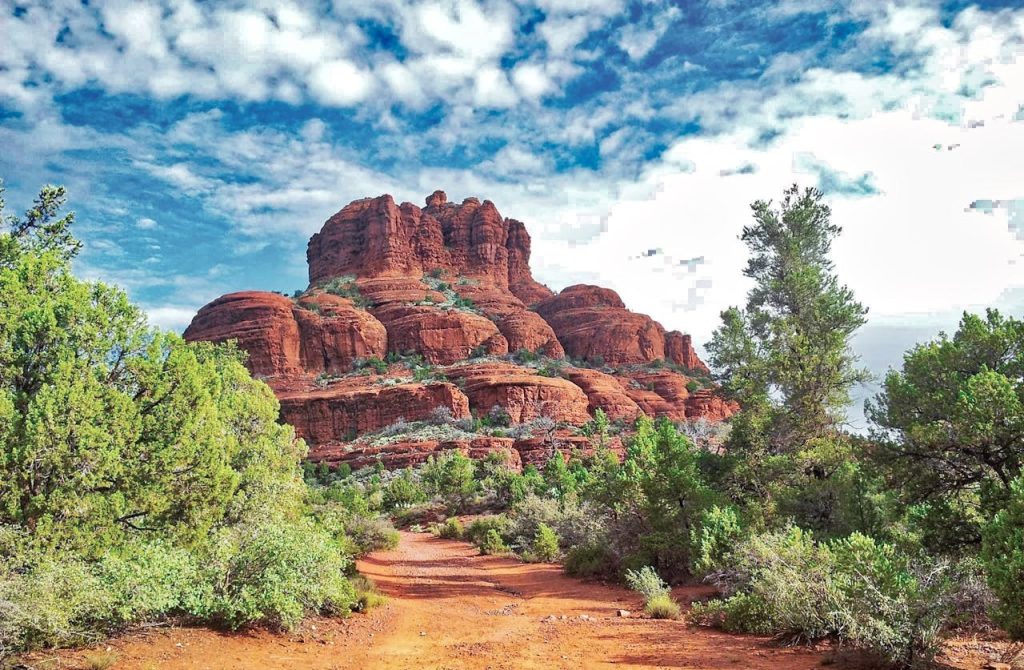
Sedona in fall trades sharp summer heat for clear skies and comfortable trail mornings. Visitor volume still rises on some weekends, but weekdays often feel open, and the red-rock landscape seems wider when parking is not a daily contest. Drives through Oak Creek Canyon turn scenic again instead of stop-and-go, and short hikes feel restorative rather than strategic. Cooler evenings bring a slower rhythm to patios and galleries, with early nights that feel natural in the desert. The calm is not emptiness. It is breathing room that lets simple plans hold. Trails like Cathedral Rock and Bell Rock stay popular, yet they stop feeling like a queue.
Outer Banks, North Carolina
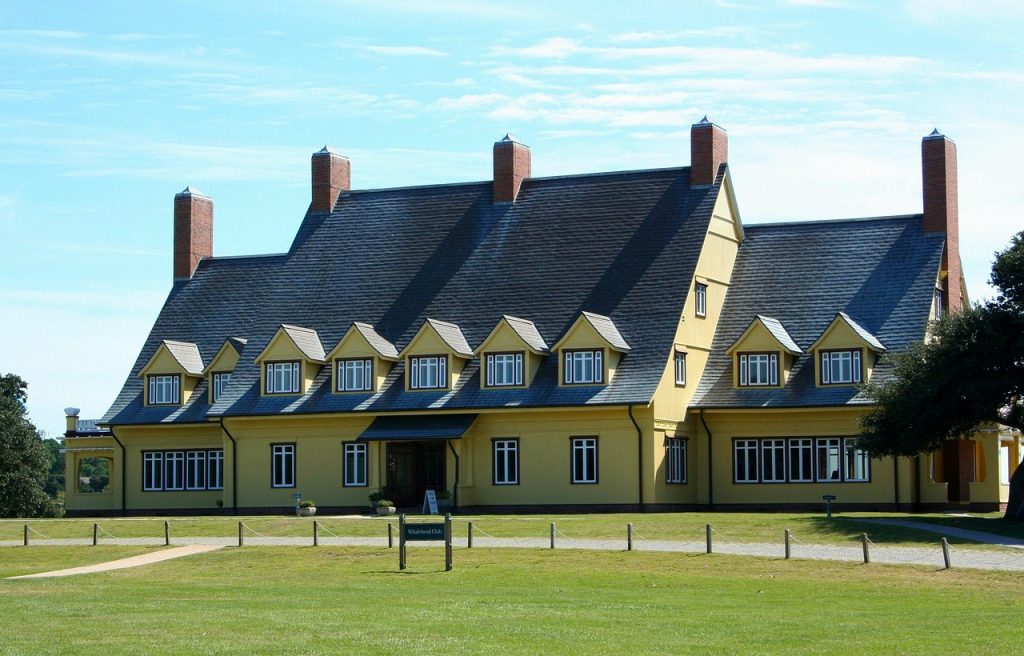
The Outer Banks in early fall keep warm water and steady breezes, but lose the changeover intensity of peak summer. Highway traffic eases, beach access lots stop filling at dawn, and long stretches of sand feel open again, especially away from the busiest village cores. Lighthouse climbs and soundside sunsets become easier to time, and seafood dinners stop requiring long waits or perfect luck. The islands return to what they are: wind, tide, and sky first, with human volume turned down. Long walks feel uninterrupted, and mornings feel like they belong to the coast again. Even rental prices can relax after Labor Day.
Edinburgh, Scotland
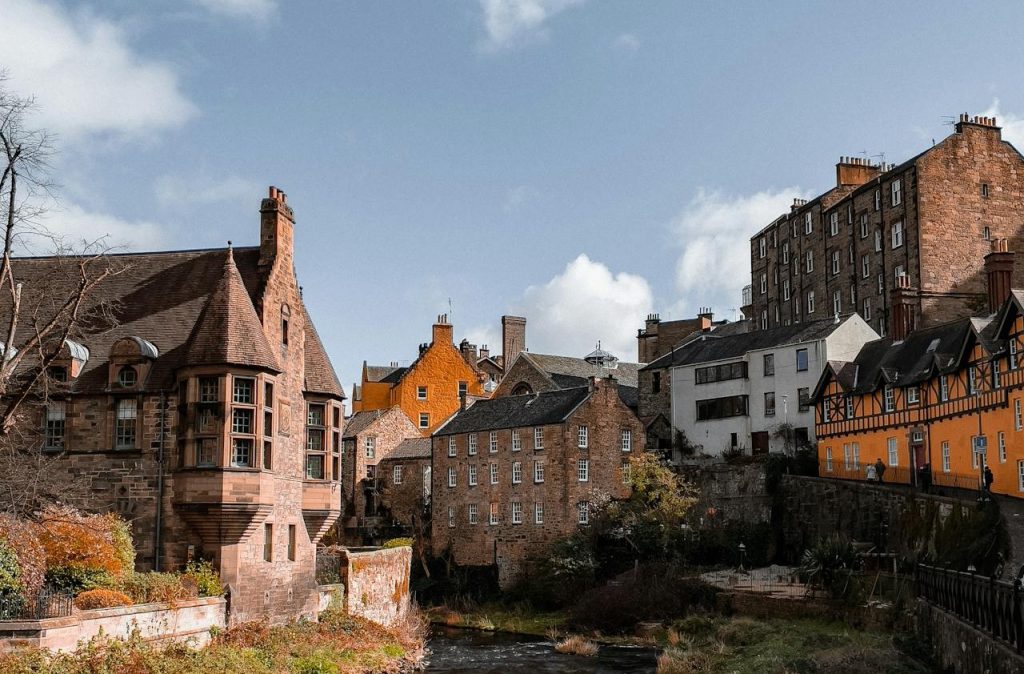
Edinburgh after August festival season feels like a city returning to its normal voice. With crowds gone, the Old Town becomes walkable again, cafés feel unhurried, and museum visits stop requiring a plan built around lines. Crisp air suits climbs to Arthur’s Seat, and the light turns dramatic over stone streets and the castle ridge as evenings arrive earlier. Nights settle into warm pubs and quiet conversations, not constant motion. Even a rainy day feels manageable when the city is not packed, and small discoveries, bookshops, closes, and courtyards, have room to land. Buses and trams feel like normal transit again, not a crush.
Quebec City, Canada
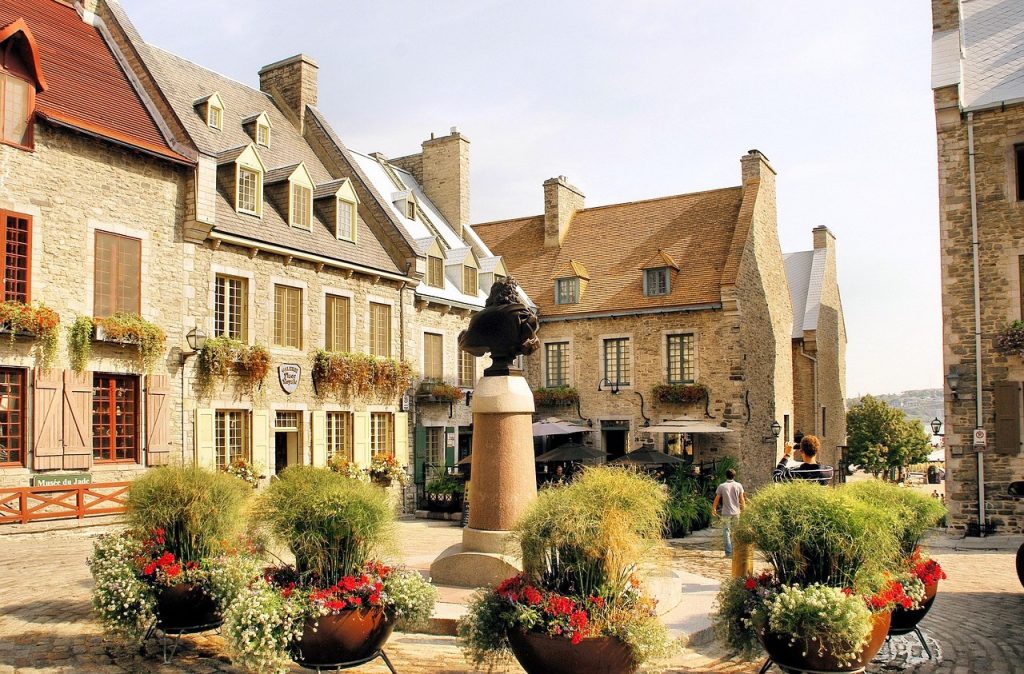
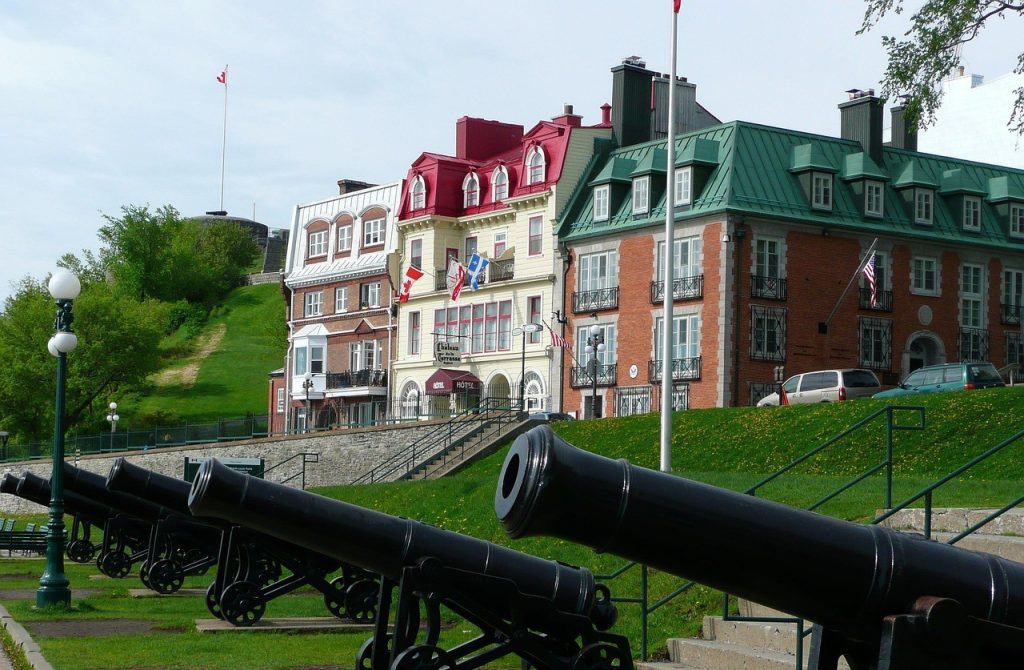
Quebec City in fall brings cooler air, turning leaves, and a drop in summer intensity without losing warmth or character. The walled streets become easier to wander, and bakeries and markets feel like natural anchors rather than quick stops. Views along the St. Lawrence sharpen in clear light, and restaurants feel welcoming instead of hurried. With fewer large groups, small details stand out: carved doors, tucked courtyards, slate roofs, and quiet stairways. The tempo shifts from busy to settled, and evenings feel cozy, with lights glowing against early darkness and warm food doing its job. Locals linger without rushing home.
Charleston, South Carolina
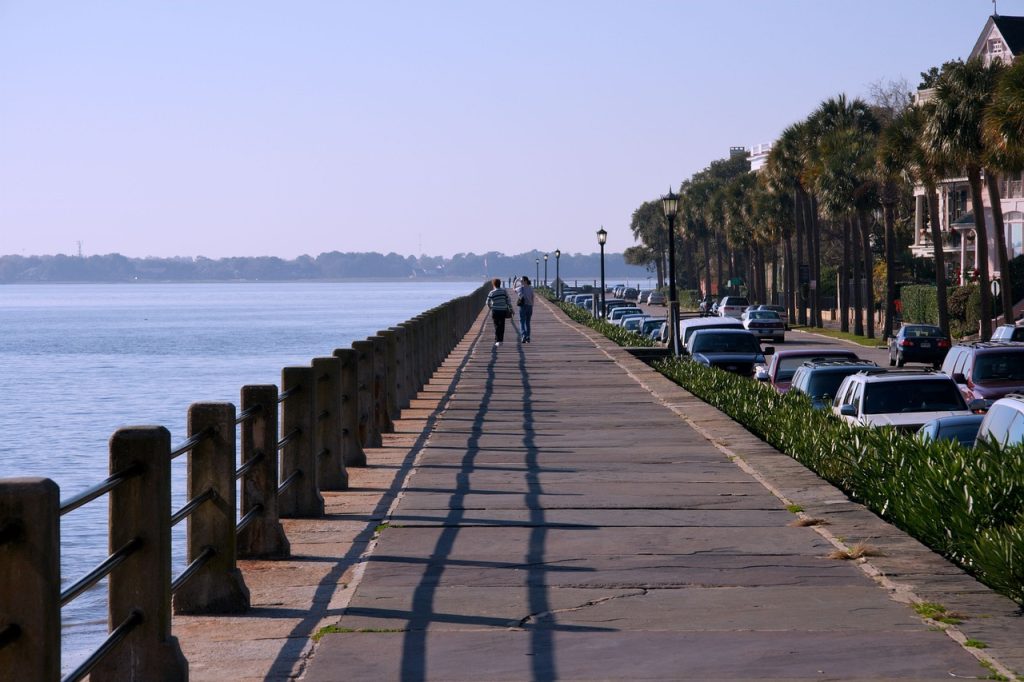
Charleston calms down as soon as the heavy heat breaks. Walking the historic district becomes comfortable, carriage routes feel less congested, and dining reservations stop being a sport played weeks in advance. The waterfront feels easier, and side streets lined with porches and gardens regain their quiet charm. Beaches nearby often keep late-season warmth, so day trips still land without the midsummer crush. Fall gives Charleston space to feel like a home first and a destination second. Hospitality feels personal again, not rushed, and the best moments arrive between plans. Even a simple walk to coffee can stay unhurried.
Crete, Greece
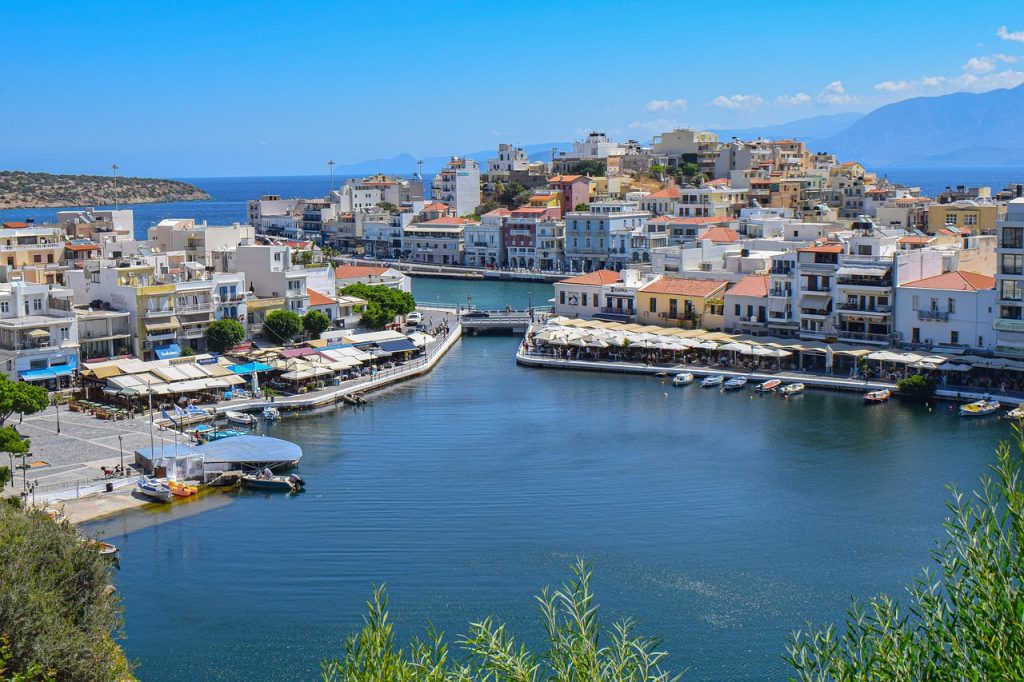
Crete in Sept. and Oct. often hits a rare balance: warm sea, long evenings, and fewer crowds pressing into every beach and harbor. Roads feel calmer, tavernas have time for conversation, and small villages regain their local rhythm after peak season fades. Ancient sites become easier to enjoy in cooler air, and coastal walks feel less like a queue. A simple day plan, swim, lunch, sunset, holds without constant negotiation for a table or a patch of sand. The island stays lively, but the volume drops, and that is when Crete feels most generous with time and space. Ferry docks and rental counters stop feeling frantic