12 Famous Tourist Spots That Are Now Mostly Just Shopping Malls
Once beloved for culture, history, and local character, many famous tourist destinations now feel dominated by retail. Renovations, privatization, and rising rents gradually replaced galleries, viewpoints, and civic spaces with chains and duty free corridors. Officials often argue shopping revenue funds preservation and maintenance, yet visitors increasingly describe interchangeable experiences. What were once landmarks now resemble malls with souvenirs and food courts. This shift affects how travelers engage with place and memory. The following twelve tourist spots illustrate where commercial transformation reshaped iconic locations, raising questions about authenticity, access, and the future of travel experiences.
Times Square New York City
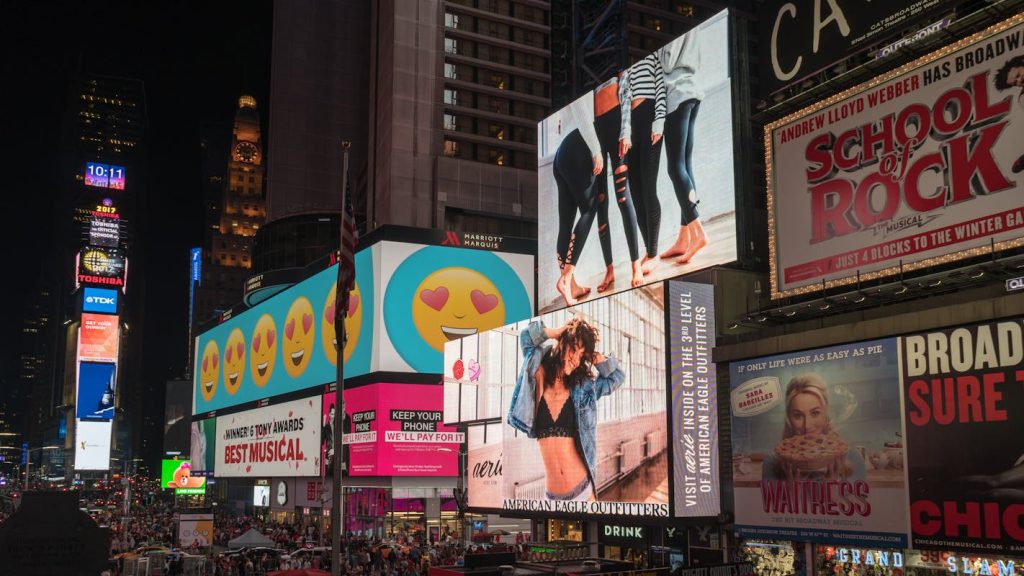
Times Square in New York City transformed from a chaotic entertainment district into a retail heavy pedestrian zone. Broadway theaters remain nearby, but ground level spaces fill with global brands, chain restaurants, and ticket shops. Public seating often funnels visitors through storefronts. Critics argue the area prioritizes consumption over civic experience. City officials credit redevelopment for safety and tourism growth. Many travelers describe the square as visually impressive yet commercially overwhelming. What was once gritty and unpredictable now feels curated, regulated, and strikingly similar to shopping districts worldwide for many international visitors today globally now.
Covent Garden London
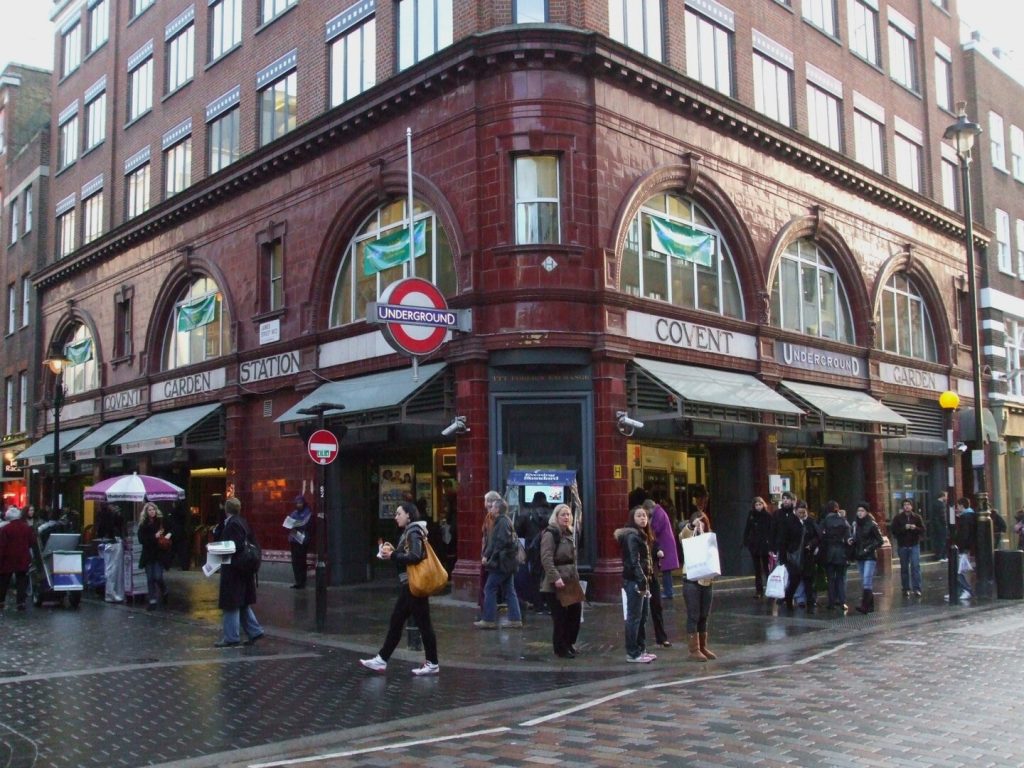
Covent Garden in London once centered on markets, performers, and local trade. Today the piazza and surrounding streets host luxury retailers, chain boutiques, and branded dining. Street performers remain, but they operate within managed schedules. Historic buildings now house flagship stores. Visitors often spend more time shopping than exploring cultural history. City leaders cite economic vitality and preservation funding. Critics say authenticity faded as rents rose. Covent Garden still attracts crowds, yet many travelers experience it as an open air mall rather than a neighborhood focused on commerce rather than community life today for visitors, locals, artists, small vendors, and longtime residents.
Downtown Dubai United Arab Emirates
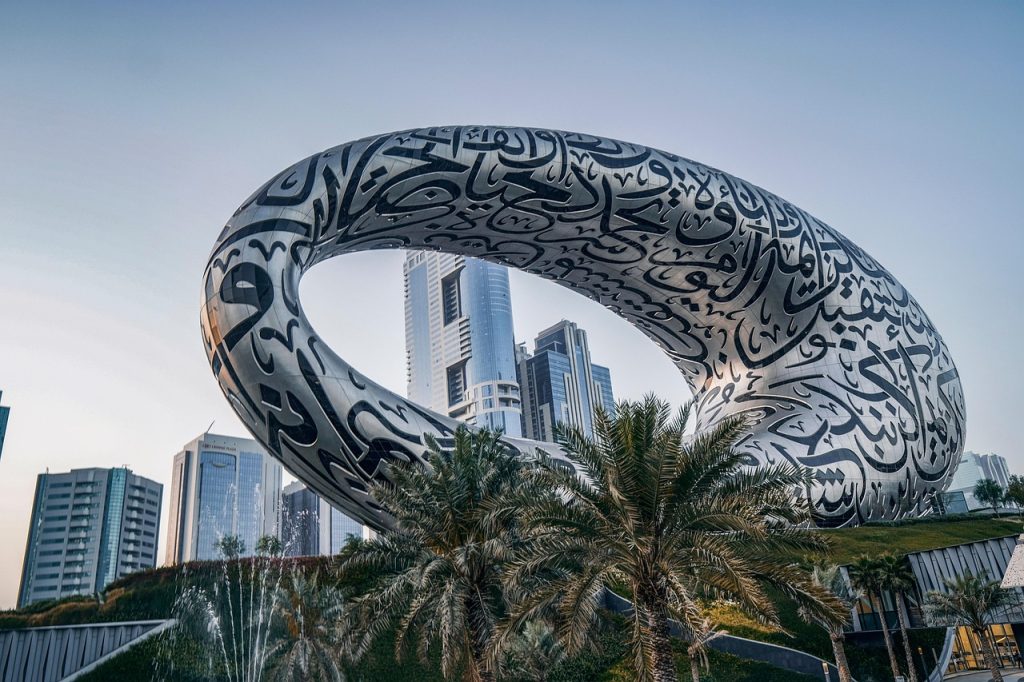
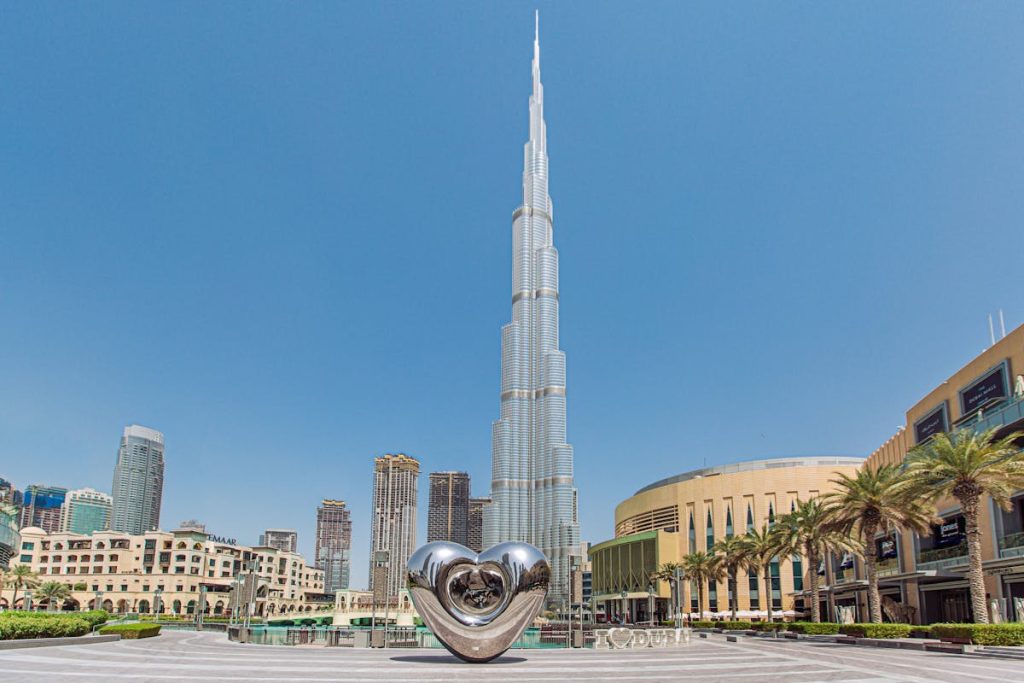
Downtown Dubai surrounds the Burj Khalifa with climate controlled promenades and retail complexes. What began as an urban spectacle now centers on Dubai Mall, one of the world’s largest shopping destinations. Fountains and views draw crowds, but most pathways route through stores. Public space blurs with commercial interiors. Officials promote the area as a lifestyle district. Critics argue cultural depth feels secondary to consumption. Visitors often describe the experience as impressive yet transactional. The district exemplifies tourism built around shopping rather than place specific heritage and everyday local life becomes less visible to many visitors, residents, workers, families, and returning travelers.
Las Ramblas Barcelona
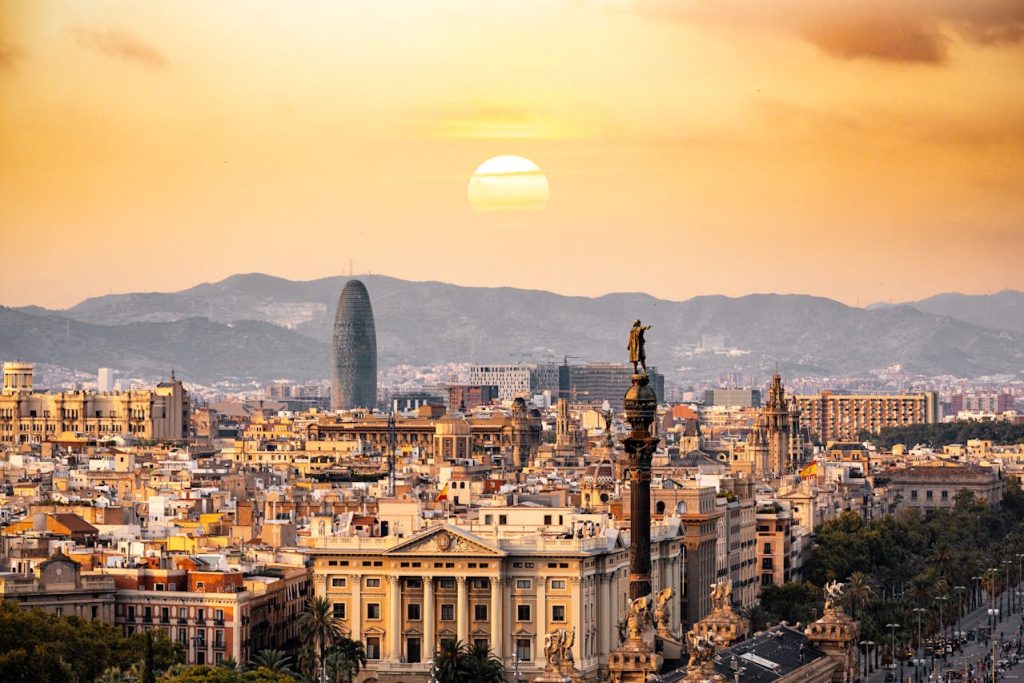
Las Ramblas in Barcelona was once celebrated for its street life, flower stalls, and local cafes. Today much of the boulevard is dominated by souvenir shops, fast food outlets, and international retail chains. Side streets increasingly mirror the same commercial mix. Longtime vendors struggle with rising rents. Visitors often walk the strip buying trinkets rather than engaging with Catalan culture. City officials acknowledge tourism pressure while attempting regulation. Many travelers now describe Las Ramblas as a shopping corridor rather than a cultural promenade, with authentic experiences pushed further into surrounding neighborhoods beyond the main avenue, especially during peak tourist seasons.
Waikiki Beach Honolulu
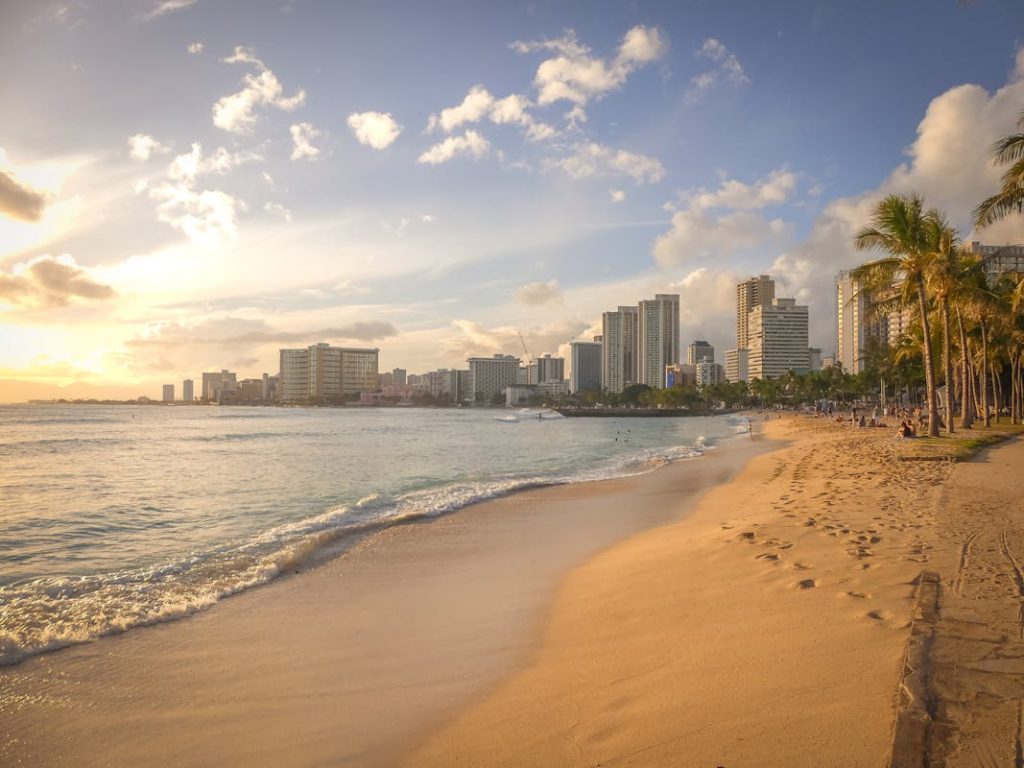
Waikiki Beach in Honolulu remains famous for its shoreline, but much of the surrounding district functions like an outdoor shopping mall. High rise hotels connect directly to luxury retailers, chain restaurants, and branded plazas. Beach access exists, yet most pedestrian routes funnel through retail corridors. Local businesses declined as rents rose. Visitors often spend more time browsing shops than learning Hawaiian history. Tourism authorities promote convenience and spending. Critics argue cultural identity feels diluted. Waikiki increasingly represents resort retail culture rather than the local traditions that once defined the area for generations of residents and longtime island communities.
Niagara Falls Canada
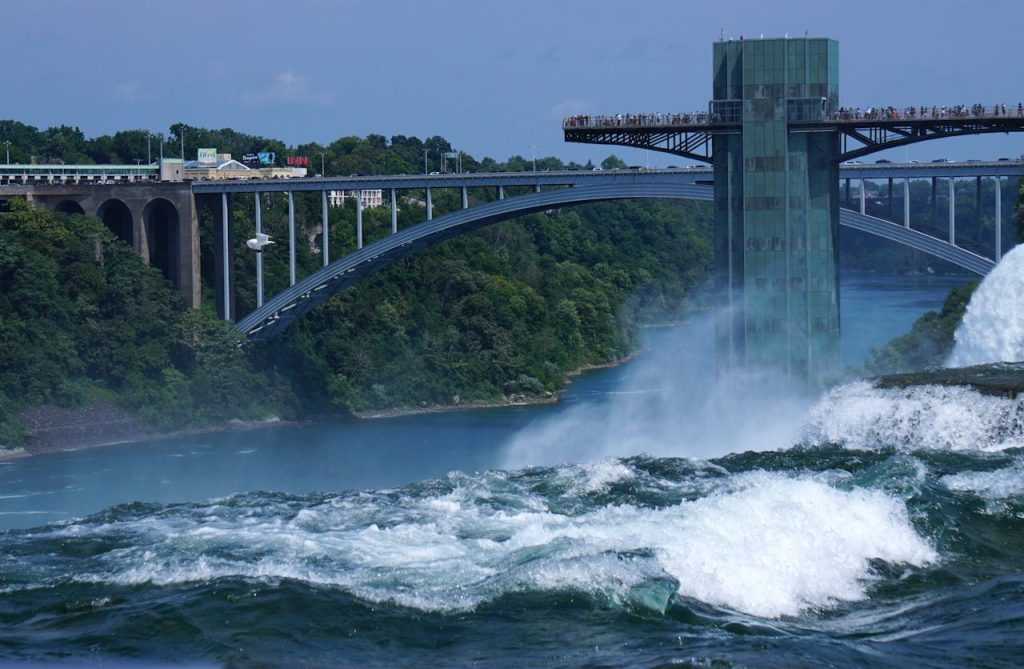
Niagara Falls Canada still draws visitors for its natural spectacle, but the surrounding tourist zone heavily emphasizes shopping attractions. Clifton Hill features souvenir megastores, chain restaurants, arcades, and themed retail complexes. Scenic views coexist with aggressive commercial signage. Many visitors describe the experience as mall like once away from the falls. Local historians note a shift from nature centered tourism to consumption driven entertainment. Officials cite economic benefits. Critics argue commercialization overwhelms the landmark. For many travelers, Niagara Falls feels split between awe inspiring scenery and an adjacent shopping strip designed primarily for spending and mass tourism consumption.
Venice Italy
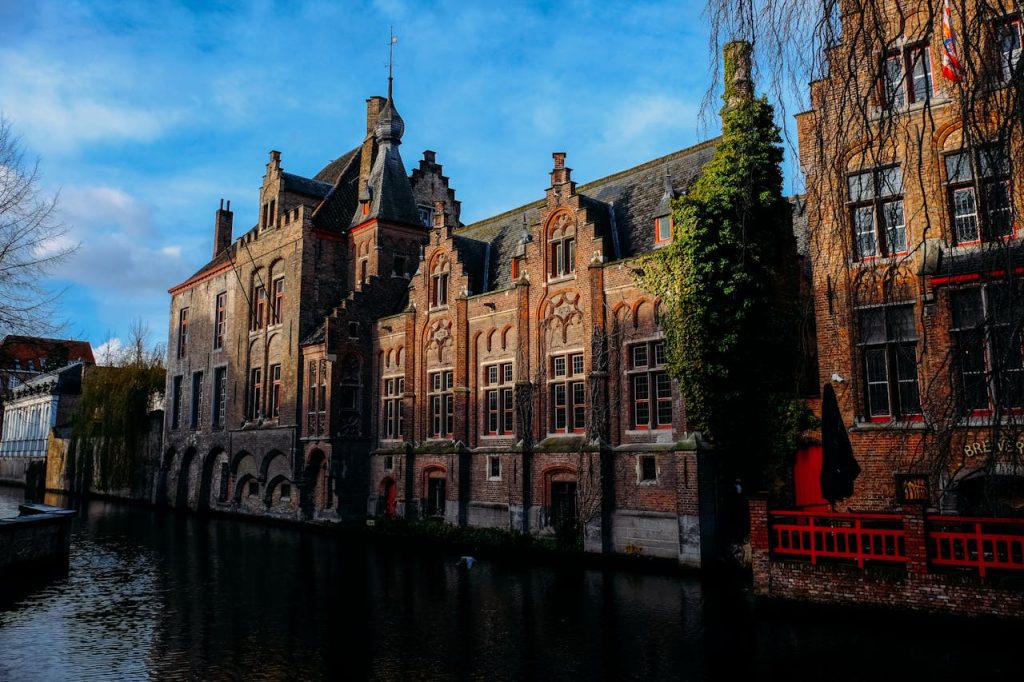
Venice Italy remains renowned for canals and architecture, yet much of its historic core now feels dominated by retail. Streets near San Marco host luxury brands, souvenir chains, and glass shops aimed at visitors. Everyday services for residents steadily disappeared. Tourists often navigate narrow corridors lined almost entirely with stores. City officials cite economic necessity and preservation funding. Critics argue Venice risks becoming a commercial stage set. What once functioned as a living city increasingly resembles a shopping district with historic scenery, where commerce overshadows local life and cultural continuity for remaining residents today, especially during high season tourism months.
Fisherman’s Wharf San Francisco
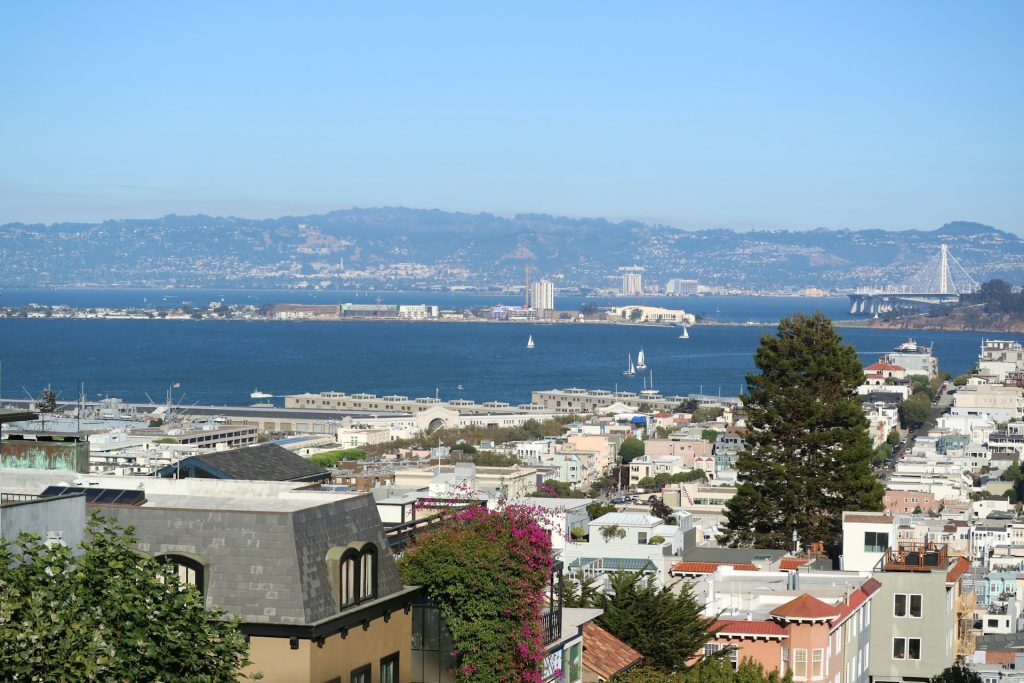
Fisherman’s Wharf in San Francisco evolved from a working waterfront into a retail driven attraction. Seafood stalls coexist with souvenir shops, chain restaurants, and themed stores. Visitors often spend hours shopping while overlooking maritime history. Working fishing operations moved elsewhere. City leaders highlight tourism revenue and accessibility. Critics say authenticity declined as commercialization increased. Public space funnels foot traffic toward storefronts. Many travelers describe the area as predictable and mall like. Fisherman’s Wharf illustrates how redevelopment transformed a cultural district into a shopping focused destination rather than a reflection of local industry and working waterfront heritage.
Orchard Road Singapore
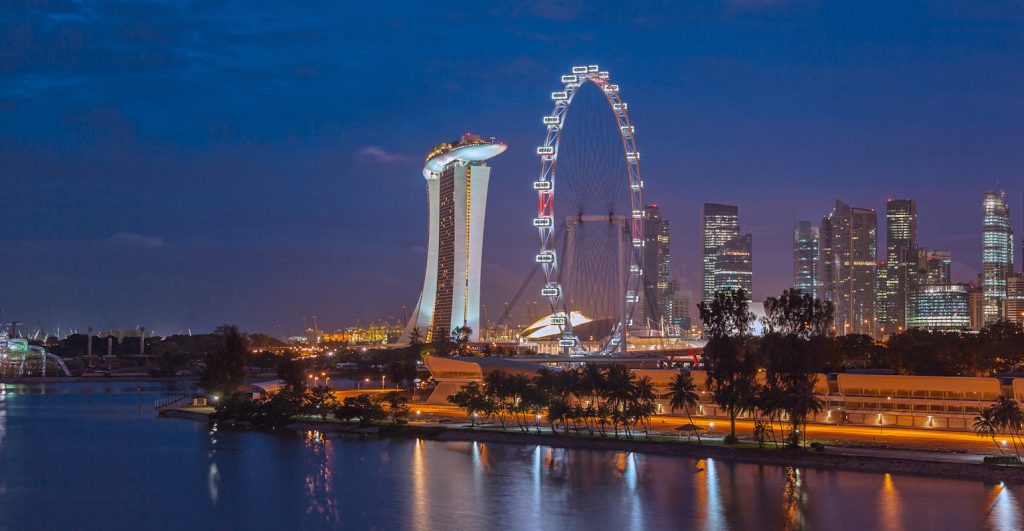
Orchard Road in Singapore began as a promenade with cultural landmarks but now functions primarily as a luxury shopping corridor for tourist. Mega malls dominate both sides of the street, connected by underground passages. Public gathering space exists mostly within commercial interiors. Tourists visit primarily to shop rather than explore history. Officials promote Orchard Road as an economic engine. Critics argue cultural elements diminished over time. For many visitors, Orchard Road feels less like a destination and more like an extended shopping mall integrated into the urban fabric of the city and surrounding commercial districts, especially during peak holiday seasons and major retail events.
The Strip Las Vegas
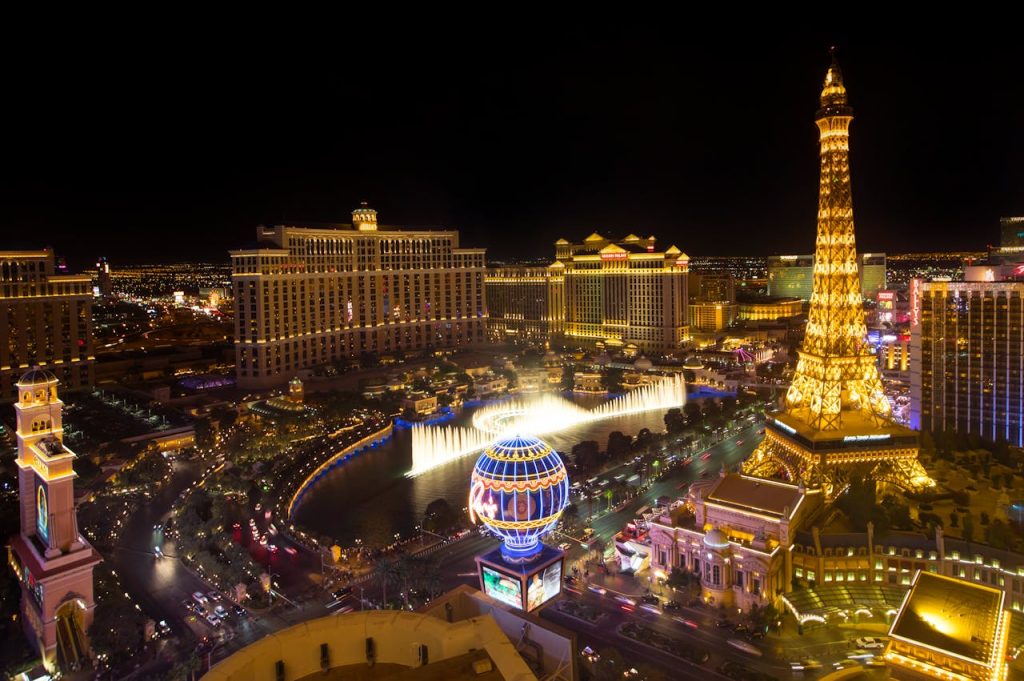
The Las Vegas Strip originally showcased casinos as entertainment landmarks. Over time, mega resorts integrated luxury malls, designer boutiques, and indoor promenades. Visitors often move through shopping corridors between gaming floors. Public space blends seamlessly with retail interiors. Developers promote the Strip as a complete lifestyle destination. Critics note experiences feel increasingly transactional. Tourists frequently spend hours shopping without engaging gaming or shows. The Strip now resembles a continuous indoor mall anchored by hotels, where consumption drives movement more than the spectacle of gambling, performance, or city identity itself for modern visitors seeking packaged experiences.
Galleria Vittorio Emanuele II Milan
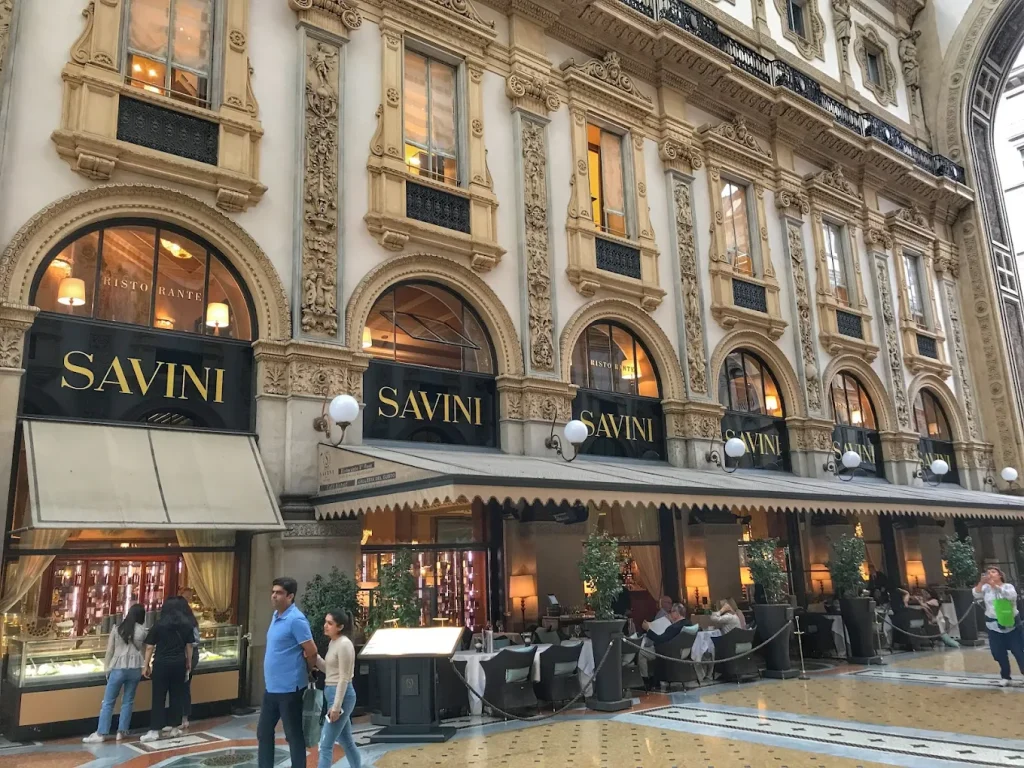
Galleria Vittorio Emanuele II in Milan was built as a civic passage connecting city landmarks. Today it hosts luxury fashion houses and high end cafés. Locals pass through, but retail dominates the experience. Architectural beauty remains, yet access centers on shopping. City leaders frame the galleria as cultural preservation through commerce. Critics argue everyday public use diminished. Many visitors experience the space primarily as a luxury mall beneath historic glass ceilings. The galleria increasingly functions as a commercial showcase rather than a shared urban corridor for daily Milanese life and spontaneous civic interaction. This shift reflects broader tourism trends reshaping historic European centers.
Navy Pier Chicago
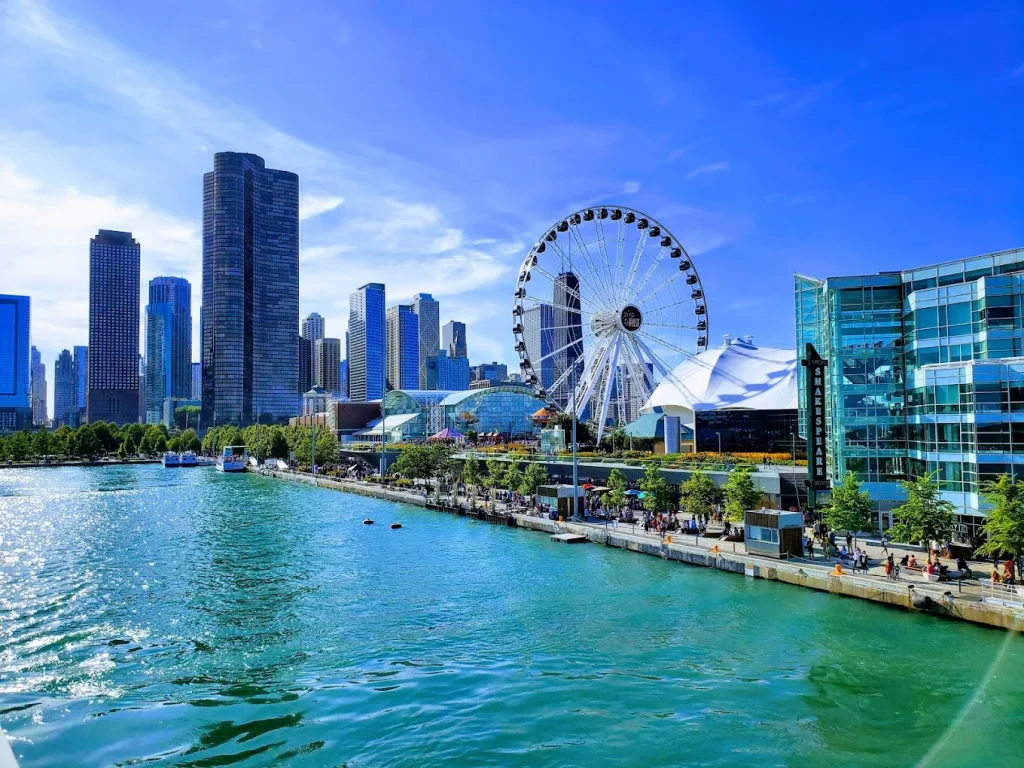
Navy Pier in Chicago began as a public recreational pier with civic functions, cultural events, and open lakefront access. Over time, retail chains, branded attractions, and food courts expanded throughout the structure. Visitors now follow shopping oriented pathways between rides and viewing areas. Public seating and free programming exist but feel secondary. City leaders highlight economic impact and tourism revenue. Critics argue the pier prioritizes consumption over authentic local culture. Many travelers experience Navy Pier as a waterfront shopping mall, where retail activity defines the visit more than Chicago’s maritime history or community life. This shift mirrors broader trends reshaping iconic destinations worldwide today.