12 Global Airports Notorious for Lost Luggage Labyrinths
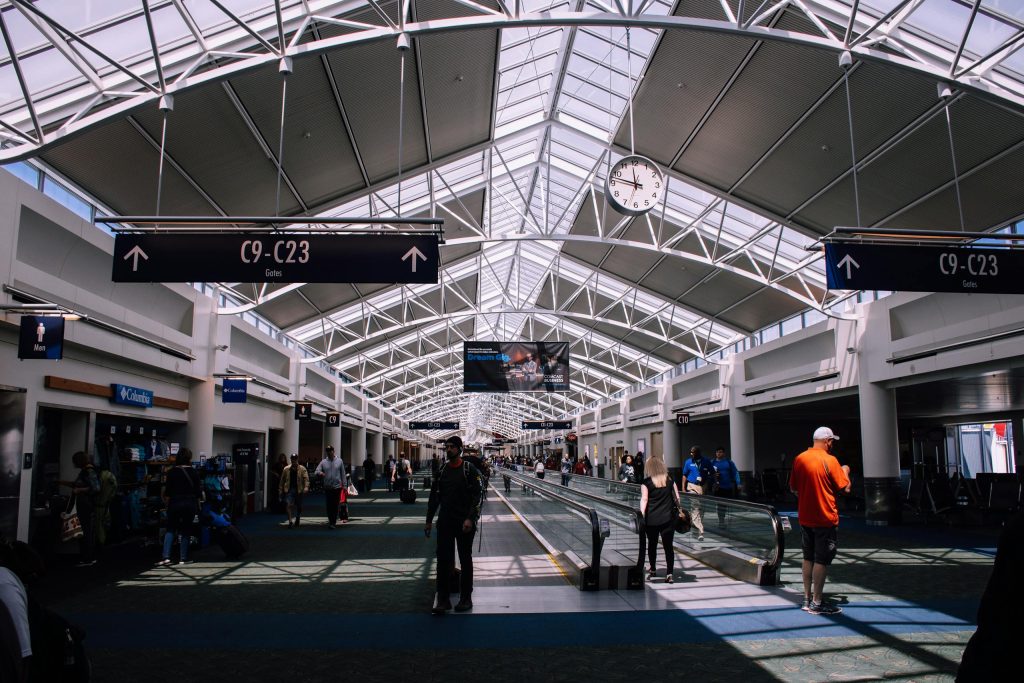
Aviation logistics analysts and travel insurance actuaries frequently identify specific international hubs where the probability of baggage mishandling spikes significantly. These experts point to the complexity of connecting flights, antiquated conveyor systems, and chronic staffing shortages as the primary drivers behind the phenomenon of the lost suitcase. While direct flights generally maintain a high rate of successful delivery, the data suggests that massive transfer hubs create a labyrinth of failure points where a single operational hiccup can leave thousands of bags stranded in holding facilities.
Ground handling consultants emphasize that the architecture of an airport often dictates its efficiency. Terminals that require bags to travel miles of track between connecting gates or undergo complex security re-screening are statistically more likely to experience tracking errors. By understanding the operational constraints of these notorious locations, passengers can better assess the risks associated with checking bags through the world’s most chaotic aviation choke points.
London Heathrow Airport In The United Kingdom
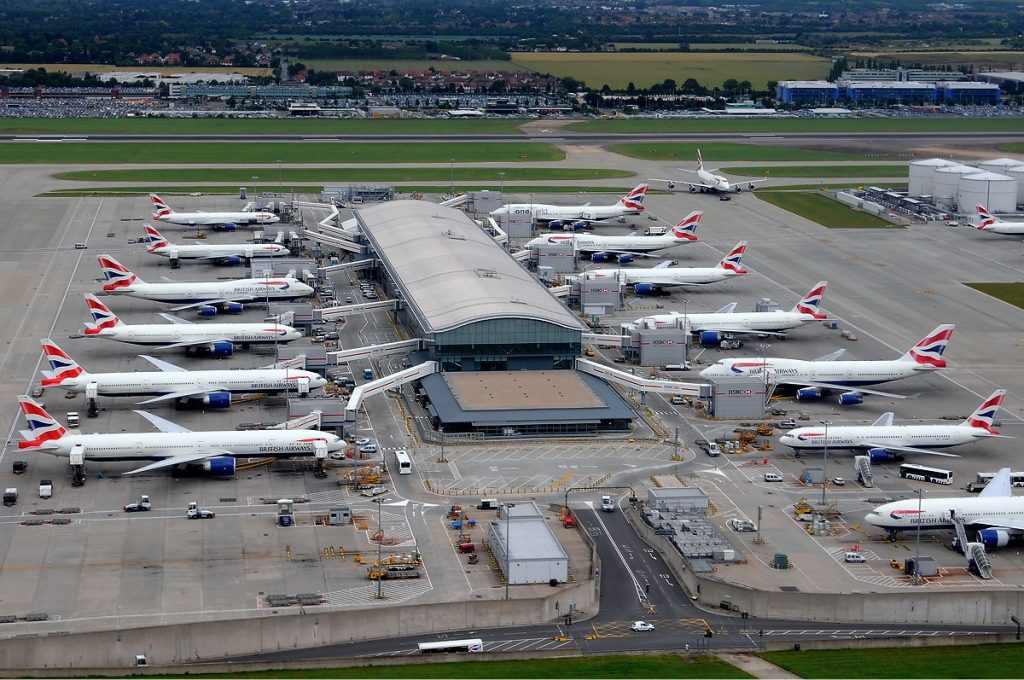
British aviation analysts have long scrutinized Heathrow for its susceptibility to baggage system meltdowns, particularly in the sprawling Terminal 5. The sheer volume of transfer traffic means that the automated baggage system must execute millions of complex routing decisions daily. When a software glitch or mechanical failure occurs, the backlog accumulates instantly, leading to the infamous mountains of luggage that have made headlines. Logistics experts note that the physical distance between terminals often exceeds the time allocated for transfer, meaning passengers might make the connection while their bags remain behind on a tarmac cart.
Union representatives for baggage handlers point to ongoing staffing deficits as a critical factor in the airport’s struggle to maintain reliable service. The rigorous security clearance process for new hires creates a bottleneck that prevents rapid scaling of the workforce during peak travel seasons. Consequently, when flight schedules are disrupted by weather or air traffic control restrictions, the ground crews lack the capacity to clear the accumulating luggage, resulting in delayed repatriation that can last for weeks.
Paris Charles de Gaulle Airport In France
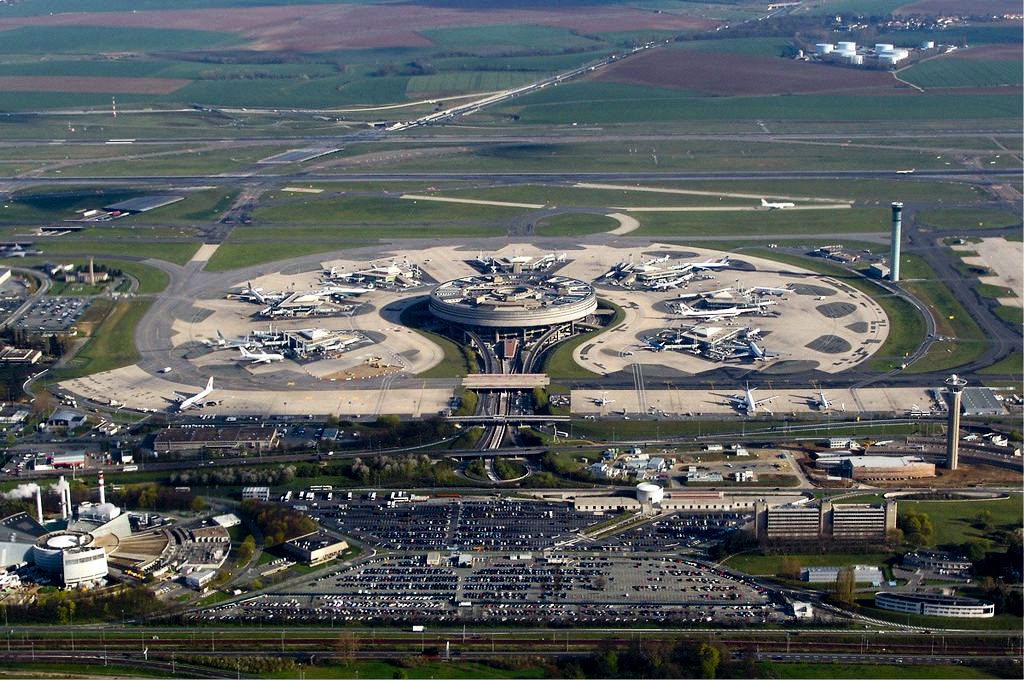
French transport officials and airline executives frequently acknowledge the logistical nightmares that plague Charles de Gaulle. The airport is a massive, decentralized complex where transferring between terminals often involves lengthy bus rides and complicated secure zone transitions. Infrastructure engineers explain that the fragmented layout requires bags to be manually transported across active taxiways, increasing the likelihood of items falling off carts or being misrouted to the wrong sorting facility.
Labor relations experts highlight that the frequent industrial actions in France often target ground handling services, causing immediate and severe disruptions to the baggage flow. During these strikes, the machinery of the airport grinds to a halt, trapping tens of thousands of suitcases in the system. Travel insurers categorize CDG as a high-risk transit point because the recovery phase following these disruptions is historically slow and disorganized.
Amsterdam Schiphol Airport In The Netherlands
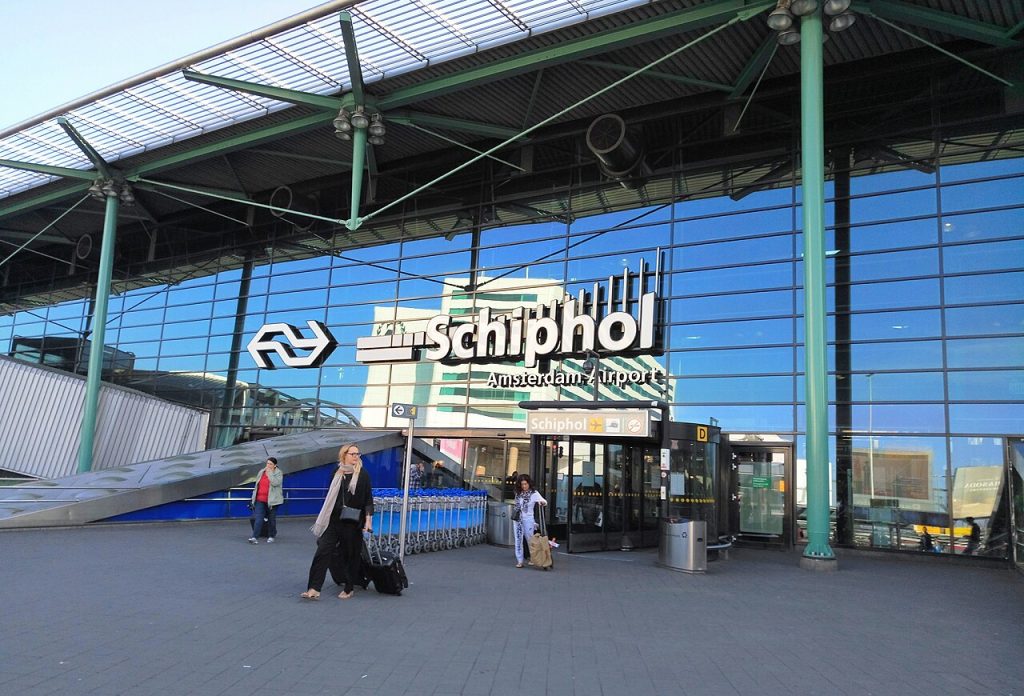
Dutch aviation regulators have been forced to cap flight numbers at Schiphol largely due to the inability of the ground handling infrastructure to cope with passenger demand. Workforce analysts cite a severe shortage of security and baggage personnel as the root cause of the operational collapse seen in recent years. The airport operates as a dense hub for European connections, meaning that a delay in one arriving flight ripples through the entire baggage sorting schedule.
Operational consultants observe that the automated baggage systems at Schiphol are advanced but fragile when pushed beyond capacity. When the buffers fill up with early or late bags, the system enters a fail-safe mode that requires manual intervention, which is impossible without adequate staff. This creates a feedback loop where bags are stored in temporary outdoor facilities, exposed to the elements and difficult for tracking systems to locate.
Toronto Pearson International Airport In Canada
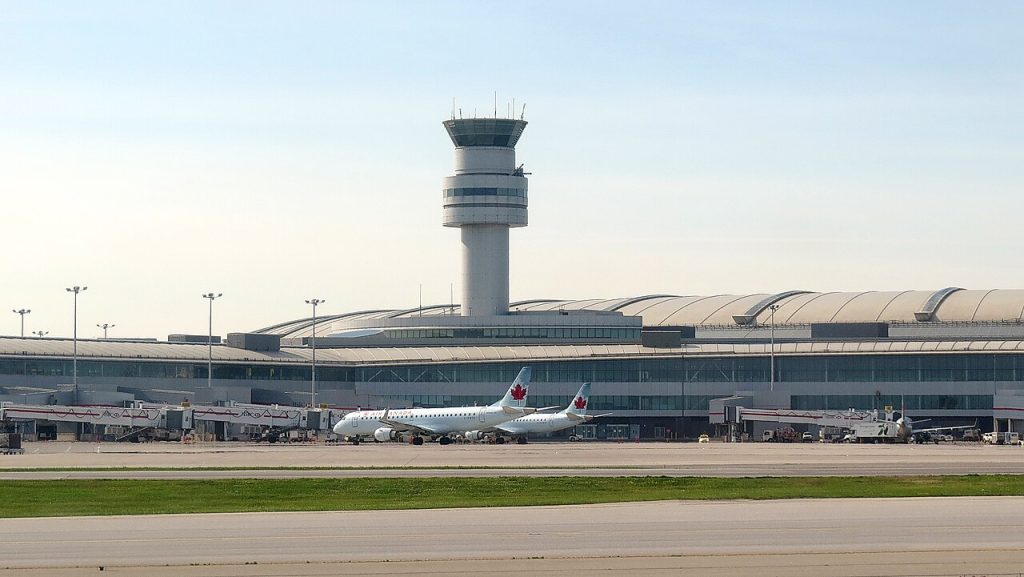
Canadian transportation safety advocates and airline watchdogs have flagged Pearson as a critical bottleneck for North American air travel. The airport serves as the primary global gateway for the country, yet its baggage infrastructure struggles to handle the peaks of summer and holiday travel. Industry observers note that the frozen equipment during harsh winters frequently immobilizes the belt systems, leading to immediate gridlock on the ramp.
The reliance on third-party ground handling agencies has been criticized by labor experts who argue that high turnover rates lead to inexperienced crews managing complex logistics. During periods of high stress, such as severe thunderstorms, the coordination between the airline tracking systems and the airport sorting facility often breaks down. This disconnect results in passengers arriving at the carousel to find silence while their belongings sit anonymously in a overflow warehouse.
Frankfurt Airport In Germany
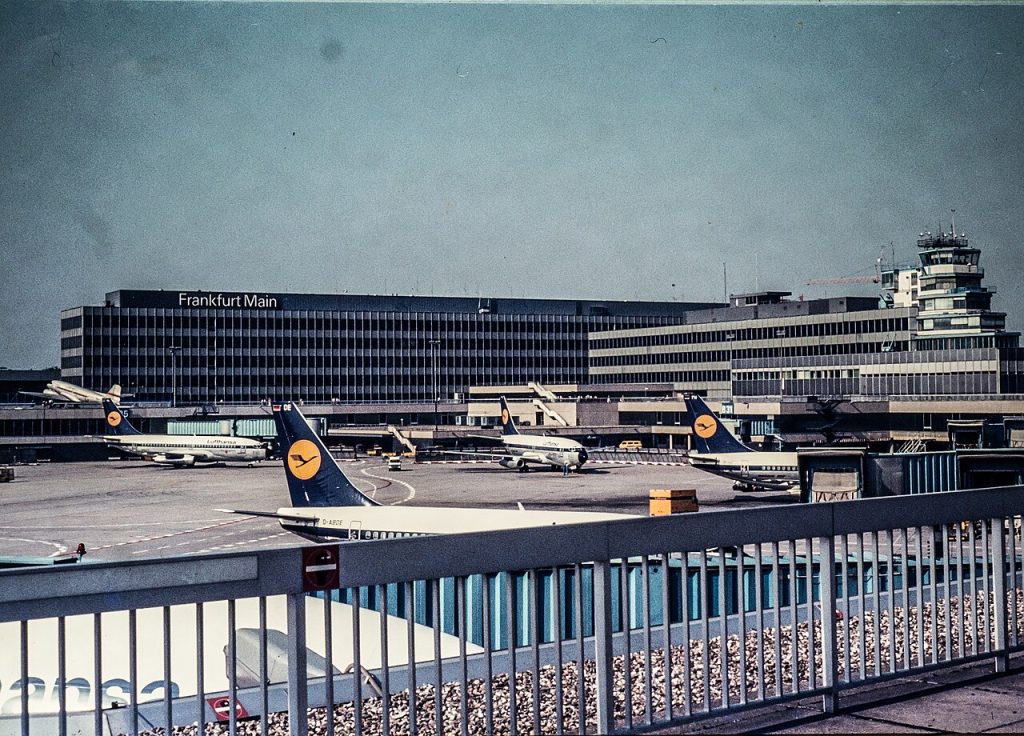
German logistics engineers view Frankfurt as a marvel of complexity that is inherently vulnerable to cascading failures. As the primary hub for Lufthansa, the airport manages a staggering number of short-connection transfers. Network planners explain that the minimum connection times sold to passengers often do not account for the reality of moving a suitcase from a regional jet parked on a remote apron to a waiting wide-body aircraft on the other side of the airfield.
Baggage system architects note that the subterranean tunnel network connecting the terminals is one of the longest in the world. While efficient when running perfectly, any mechanical interruption in this tunnel halts the flow of thousands of bags instantly. The precision required to operate this system leaves zero margin for error, meaning that a minor software update or sensor malfunction can result in a day of lost luggage for transiting passengers.
Lisbon Humberto Delgado Airport In Portugal
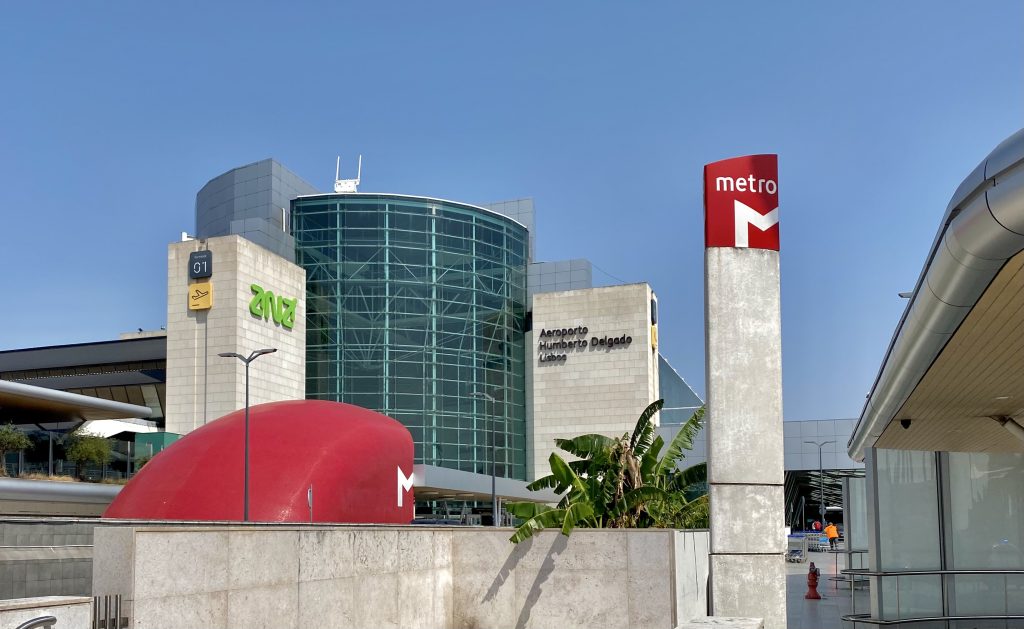
Portuguese tourism officials and airport management consultants recognize that Lisbon is operating far beyond its designed capacity. The physical footprint of the airport is constrained by the surrounding city, leaving no room to expand the baggage sorting halls. Operational analysts report that this lack of space forces handlers to stack luggage in precarious piles during peak hours, increasing the risk of tags being torn off or bags being overlooked.
Labor strikes have been a persistent issue that exacerbates the structural limitations. Union leaders emphasize that the ground crews are overworked and under-resourced, leading to higher error rates in manual sorting. The airport acts as a major bridge between Europe and South America, and the high volume of heavy, oversized luggage strains the aging belt systems, causing frequent jams that stop the intake of new bags.
Chicago O’Hare International Airport In The United States
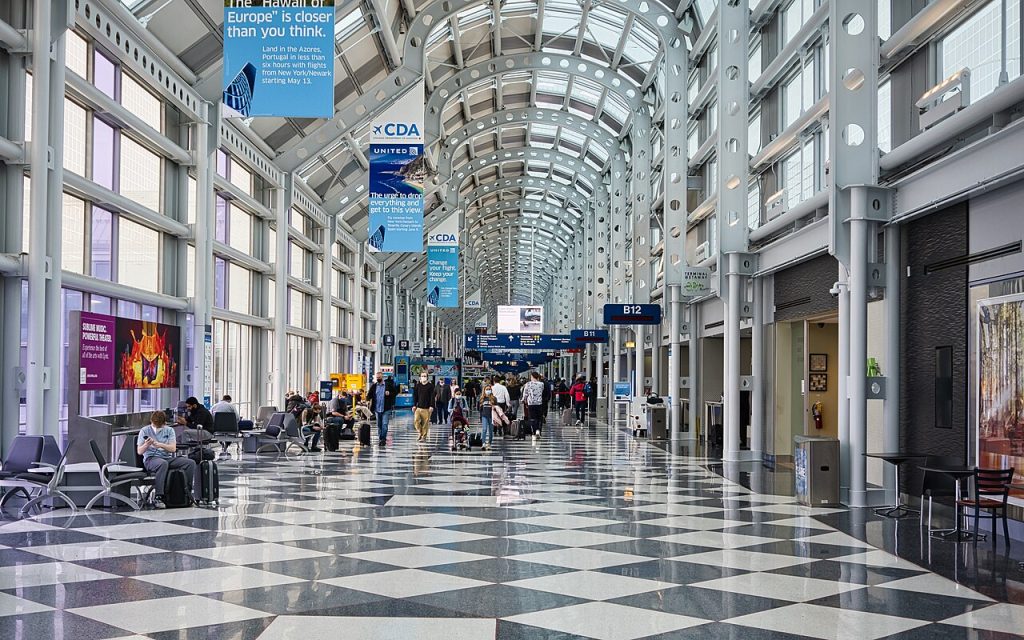
US Department of Transportation data frequently lists O’Hare as a leader in mishandled baggage claims, primarily due to weather-related disruptions. Meteorology experts explain that Chicago’s location makes it susceptible to both severe winter storms and summer convective activity. When ramps are closed due to lightning or ice, bags cannot be moved between aircraft, creating a massive stockpile that takes days to clear.
Aviation operations managers point out that O’Hare serves as a dual hub for two major global carriers, creating a dense web of connecting traffic. The transfer of luggage between different alliances often requires manual transport between distant terminals, a process rife with potential for human error. The sheer size of the facility means that a bag dropped at the wrong location may not be discovered and rerouted until the passenger has already reached their final destination.
Montreal-Trudeau International Airport In Canada
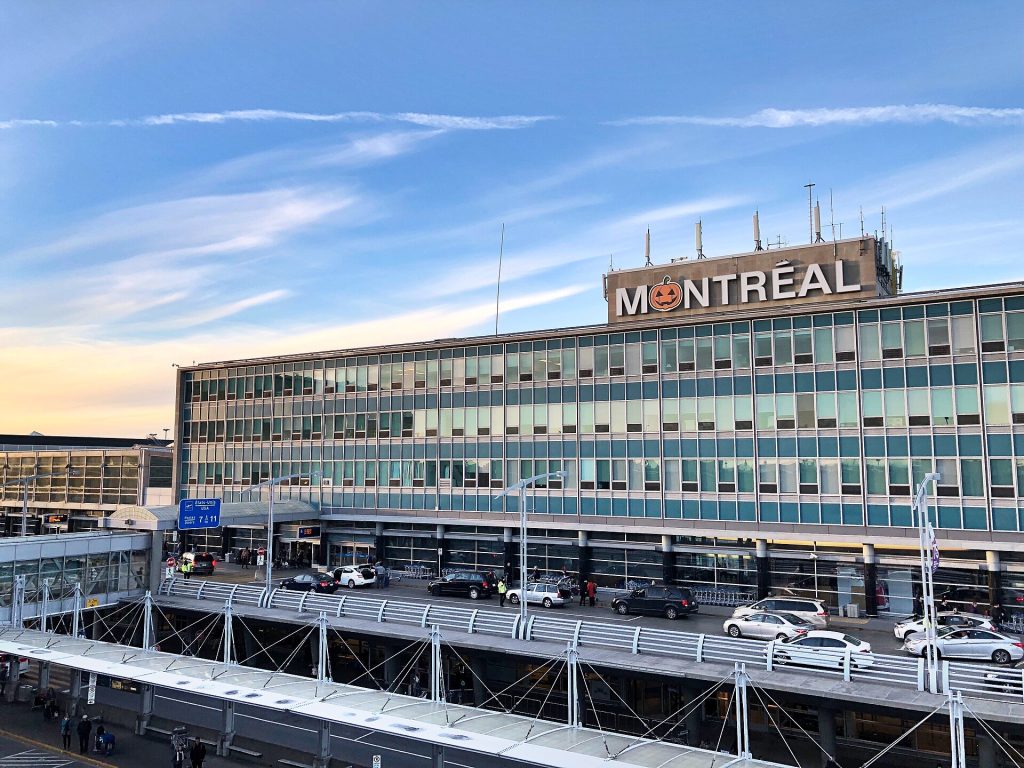
Quebecois transport analysts have noted that Montreal-Trudeau suffers from similar systemic issues as Toronto, particularly regarding the handling of connecting baggage. The airport has seen significant growth in international traffic without a corresponding expansion in ground handling resilience. Efficiency experts highlight that the baggage room technology is often overwhelmed by the volume of transfer bags during the peak transatlantic departure windows.
Travel consumer advocates frequently cite the difficulty of retrieving lost bags at this location, describing the customer service interface as a labyrinth of its own. When bags are missed, they often accumulate in unsecured areas of the arrivals hall due to a lack of secure storage space. This disorganization makes it difficult for airline staff to locate and scan individual items, prolonging the separation between the passenger and their property.
Manchester Airport In The United Kingdom
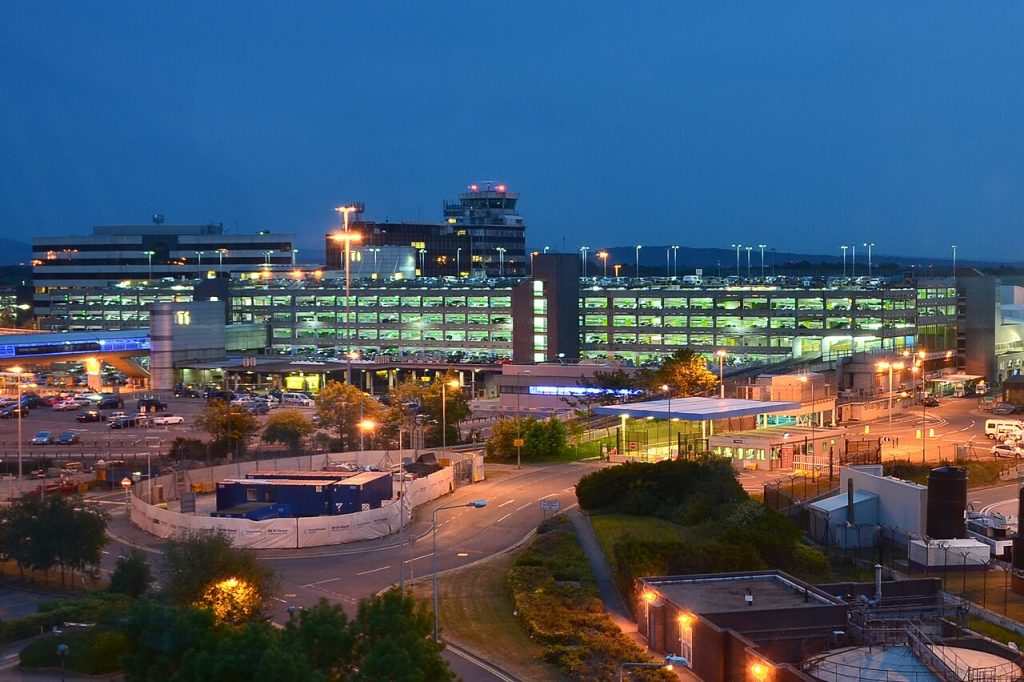
British travel industry commentators have documented a sharp decline in service standards at Manchester, driven by aggressive cost-cutting and staffing reductions. Ground handling agencies admit that the recruitment crisis left them unable to man the baggage belts sufficiently during demand surges. Security consultants observe that the chaotic scenes in the baggage halls often result from a lack of oversight, with bags falling off belts and piling up in corners.
The infrastructure at the airport is a mix of old and new systems that do not always integrate seamlessly. Maintenance engineers report that the older conveyor belts are prone to breakdowns which forces crews to switch to manual handling. In an environment already short on labor, this switch inevitably leads to bags being left behind or loaded onto the wrong carts as crews rush to meet departure slots.
Dublin Airport In Ireland
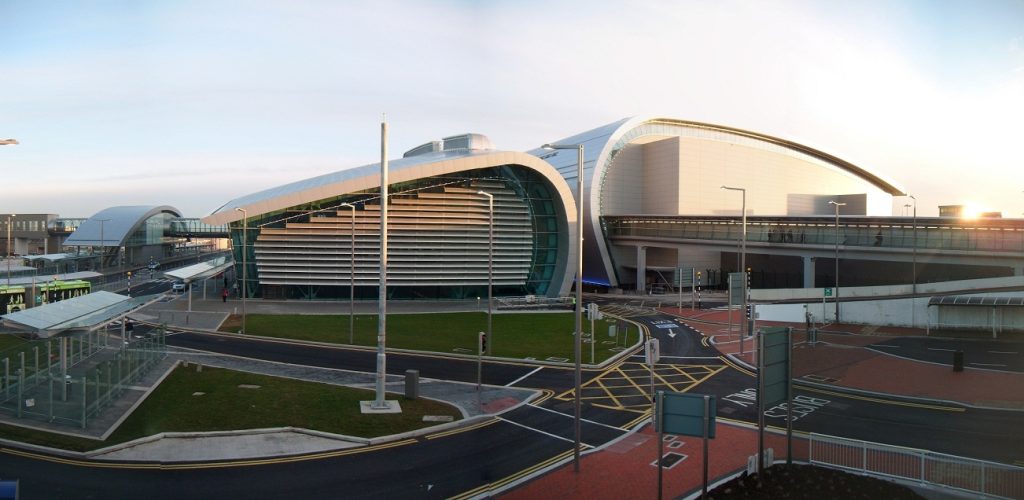
Irish aviation authorities have faced intense scrutiny over the baggage handling failures that have plagued Dublin, especially during holiday periods. The airport authority attributes the issues to the failure of third-party handling companies to retain experienced staff. Recruitment specialists note that the low wages and difficult working conditions on the ramp have led to a high turnover rate, stripping the operation of institutional knowledge.
Infrastructure planners emphasize that the airport has grown rapidly as a transatlantic hub, putting immense pressure on legacy baggage systems. The sorting software often struggles to prioritize tight connections, leading to bags missing flights even when the passenger makes it. The lack of redundancy in the system means that when a belt jams or a handler calls in sick, the impact is immediate and visible in the arrivals hall.
Sydney Kingsford Smith Airport In Australia
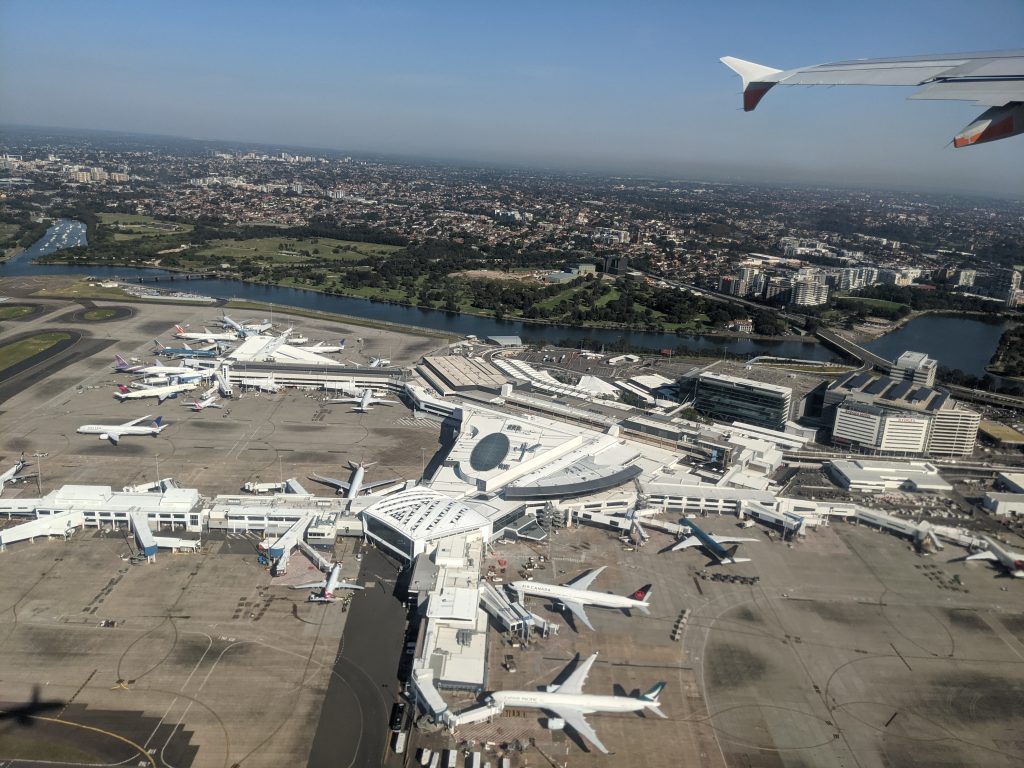
Australian aviation watchdogs have criticized the operational fragility of Sydney Airport following the post-pandemic travel rebound. Airline executives acknowledge that the outsourcing of ground handling services led to a degradation in performance reliability. Workforce analysts explain that many experienced ramp agents left the industry during the shutdowns and have not returned, leaving green crews to manage complex loading procedures.
The geographical isolation of Australia means that long-haul flights arrive with heavy loads of baggage that require efficient processing. Logistics experts note that the curfew restrictions at Sydney add pressure to the operation, forcing crews to rush loading procedures to get flights out before the cutoff. This haste often results in bags being tagged correctly but left on the tarmac as the aircraft doors are closed to meet strict departure deadlines.
New York John F. Kennedy International Airport In United States
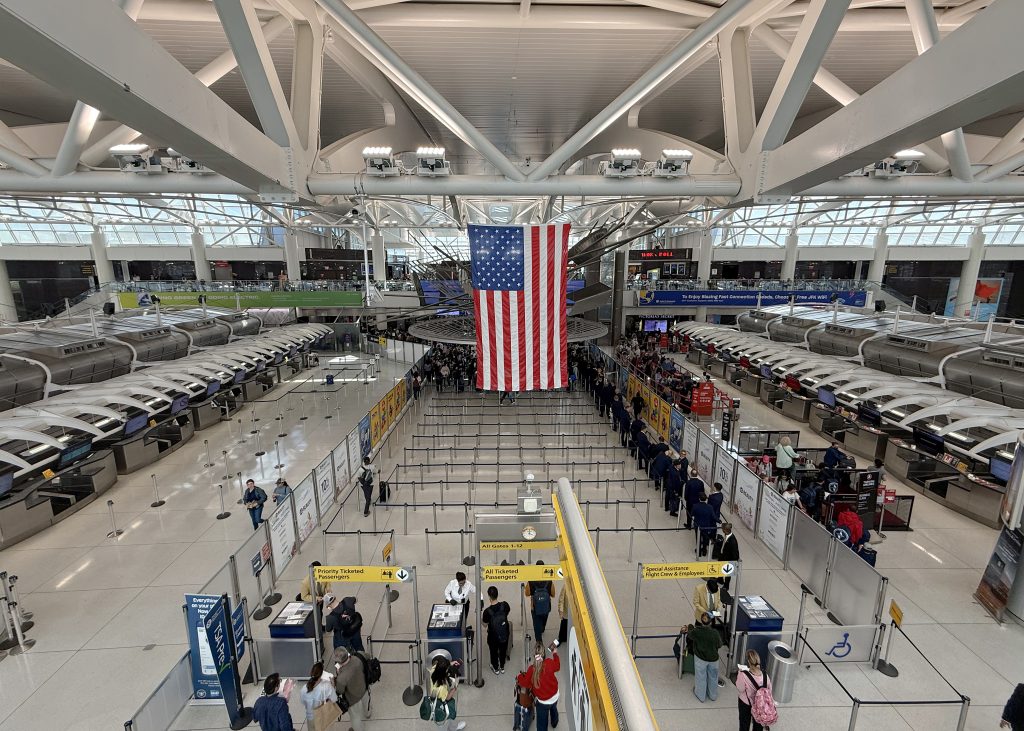
Terminal operators and airline logistics managers describe JFK as a collection of independent fiefdoms rather than a unified airport. Because each terminal is operated by different entities or airline consortia, transferring bags between them is a complex logistical hurdle. Ground transport experts explain that bags must often be driven across the airfield on tugs to connect between partner airlines, a process that is slow and vulnerable to traffic delays on the tarmac.
The aging infrastructure in several of the older terminals contributes to frequent mechanical failures. System engineers note that the scanning technology in some areas lags behind modern standards, leading to tracking gaps where the location of a bag becomes invisible to the digital system. The sheer volume of international arrivals ensures that any disruption in the flow creates a backlog that overwhelms the physical capacity of the baggage claim areas.