12 Heritage Properties Where Preservation Comes First
Heritage hospitality matters most when restoration is treated as responsibility, not décor. The finest properties protect old stone, timber, plaster, murals, and ceremonial layouts while allowing guests to feel present, not trapped in nostalgia. Every repaired cornice and conserved corridor carries local memory forward.
What sets these places apart is restraint. New systems for safety and comfort are tucked in quietly, while original proportions, regional craft, and historical logic remain visible. The result is rare: buildings that still speak in their own voice, season after season, because stewardship leads every decision.
Raffles Singapore, Singapore
Raffles Singapore is known for elegance, but its real achievement is conservation discipline. The restored colonial fabric still carries deep verandas, shaded arcades, and climate-smart planning from an earlier era. Public rooms keep their historic rhythm, so the building feels composed rather than theatrically remade.
Upgrades were inserted quietly. Services and lighting support comfort without competing with plasterwork, timber, and period detailing. That restraint keeps the landmark operational at modern standards while preserving architectural truth. The property feels luxurious, culturally legible, and historically honest.
Taj Falaknuma Palace, Hyderabad, India
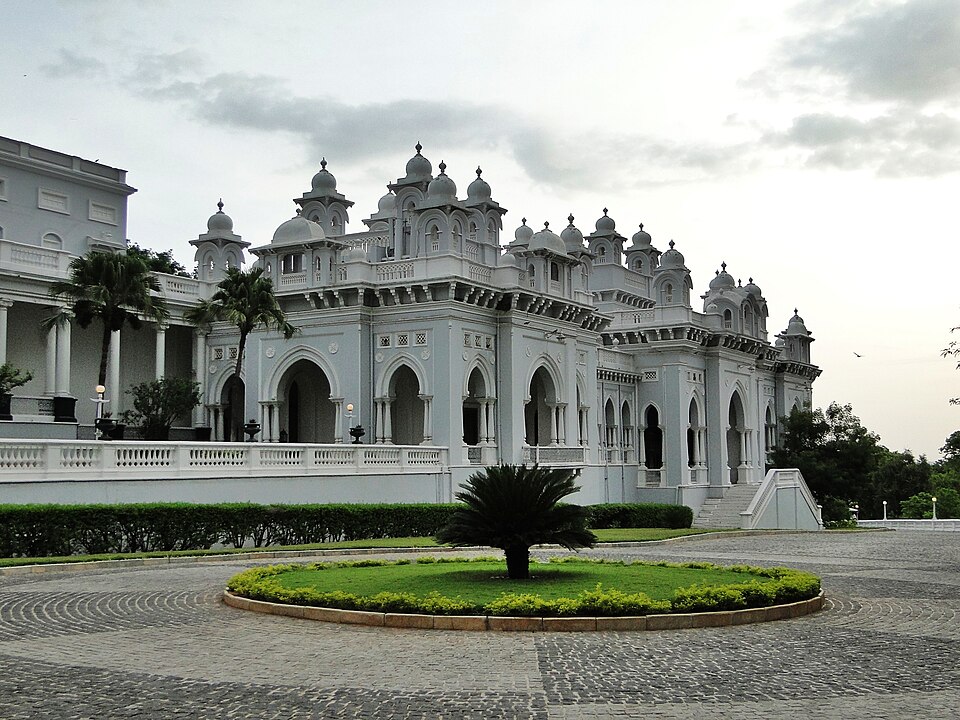
Taj Falaknuma Palace preserves royal grandeur without turning history into spectacle. Marble stairways, carved railings, painted ceilings, and ceremonial room sequences remain intact, so the palace still communicates how power, hospitality, and ritual once moved through the building. Its identity stays clear from entry to upper halls.
Conservation teams favor repair over replacement, retaining original surfaces and reviving traditional finishes where possible. Comfort systems are present but visually restrained, allowing the palace’s own character to lead. The result feels dignified and lived rather than staged.
Ashford Castle, County Mayo, Ireland
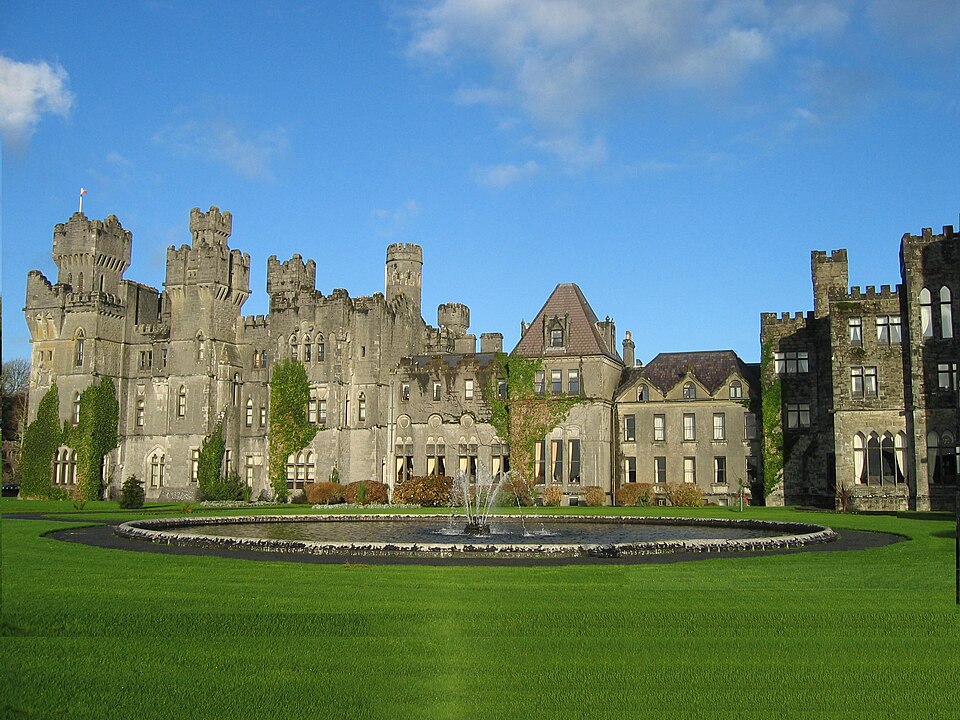
Ashford Castle carries centuries of additions, and its strength is preserving that layered story instead of simplifying it. Stone façades, carved interiors, fireplaces, and historic room proportions remain central, allowing multiple eras to coexist in one readable architectural narrative. The building still feels grounded and true.
Operational improvements were handled with care, so heritage fabric continues to shape movement and atmosphere. Landscape relationships also hold strong, with water, lawns, and built form working as one estate composition. The castle feels active rather than frozen.
Hotel de la Cité, Carcassonne, France
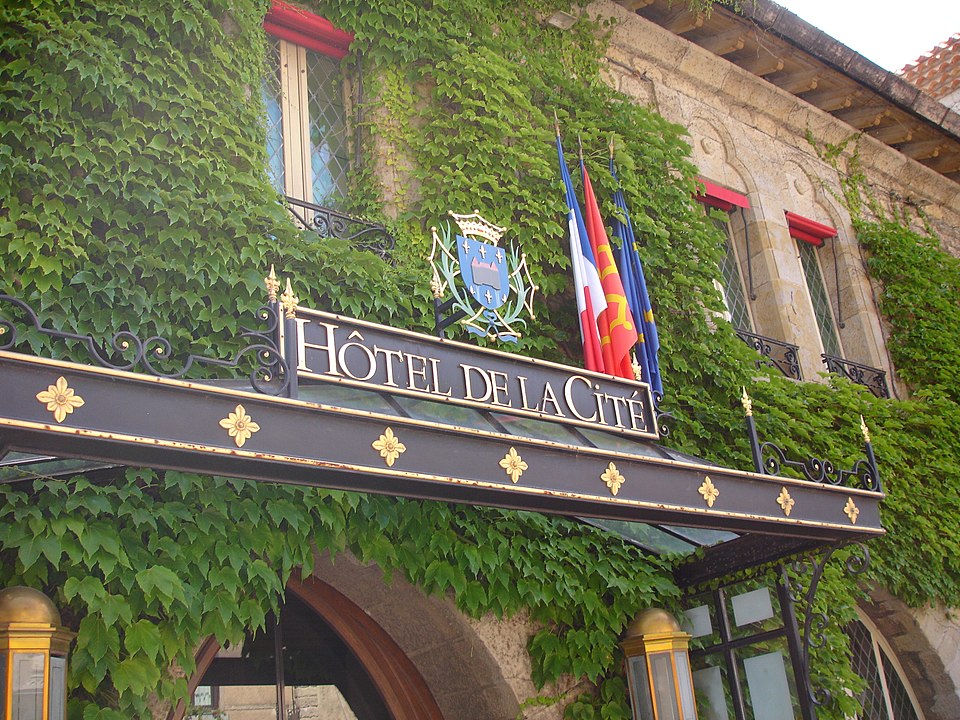
Within Carcassonne’s fortified medieval quarter, Hotel de la Cité succeeds by respecting context before style. Weathered stone, Gothic influence, and defensive urban texture remain the framework, giving the property an authenticity polished conversions rarely match. Age stays visible, and that honesty becomes a defining strength.
Interior updates are selective and restrained. Comfort has improved, yet patina and spatial character remain intact wherever possible, preventing a generic luxury feel. The result is refined but grounded, showing preservation and elegance can coexist through patient design decisions.
Parador de Santiago, Hostal dos Reis Católicos, Spain
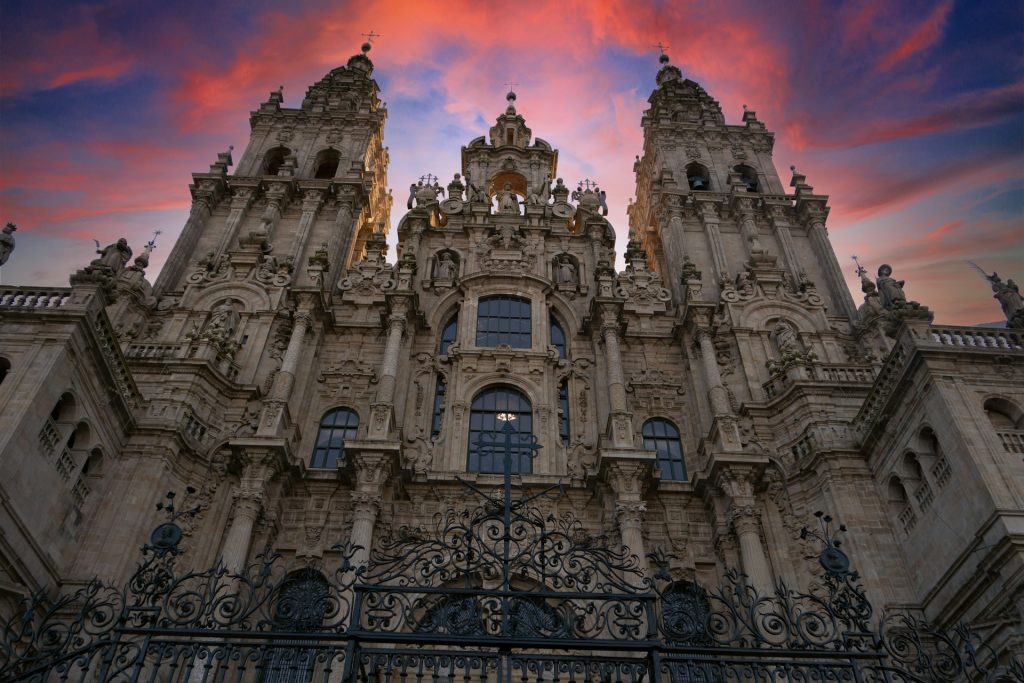
Parador de Santiago, in the former Hostal dos Reis Católicos, demonstrates adaptive reuse at civic scale. Cloisters, arcades, and monumental stone halls remain part of daily circulation, so history is encountered through movement, not isolated display. The building still conveys pilgrimage culture and urban memory.
Preservation here is ongoing practice, not a one-time restoration event. Planned maintenance, material monitoring, and measured interventions protect both structure and meaning. Guests experience a hotel that remains historically legible while fully operational and culturally significant.
Schloss Leopoldskron, Salzburg, Austria
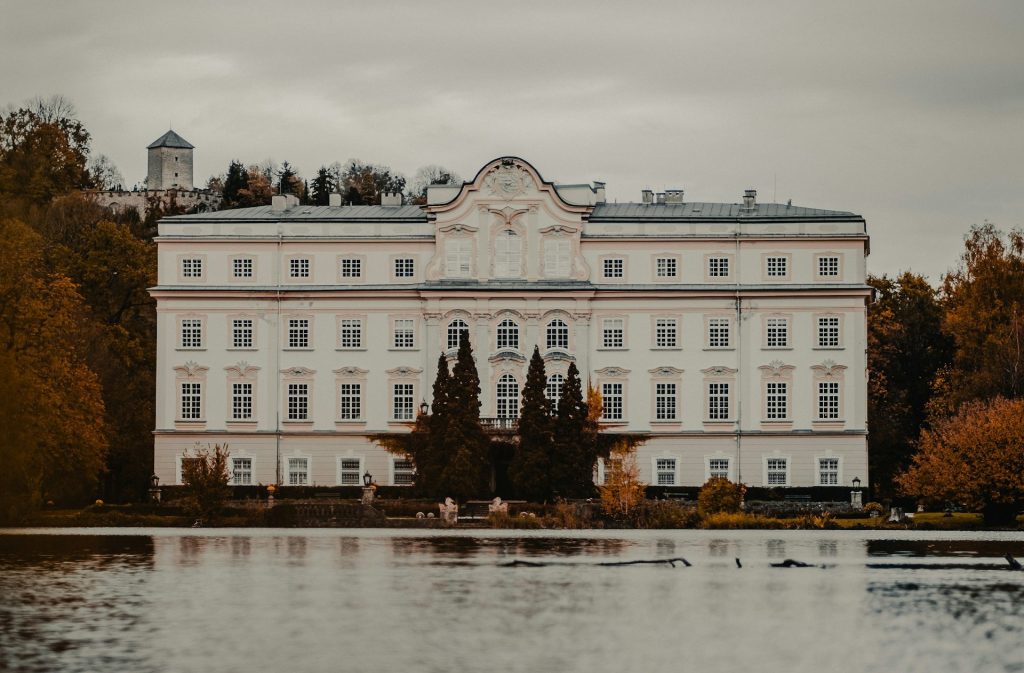
Schloss Leopoldskron preserves more than a beautiful façade. Stewardship protects the relationship between Baroque architecture, gardens, and lake views, keeping the estate’s original composition legible. Interior detailing retains period atmosphere through careful conservation, so rooms feel authentic rather than heavily reconstructed.
Contemporary use is integrated with discipline, allowing events and hospitality to support maintenance without distorting spatial logic. Occupation becomes a preservation tool: active enough to sustain funding, restrained enough to protect character over time.
The Oberoi Udaivilas, Udaipur, India
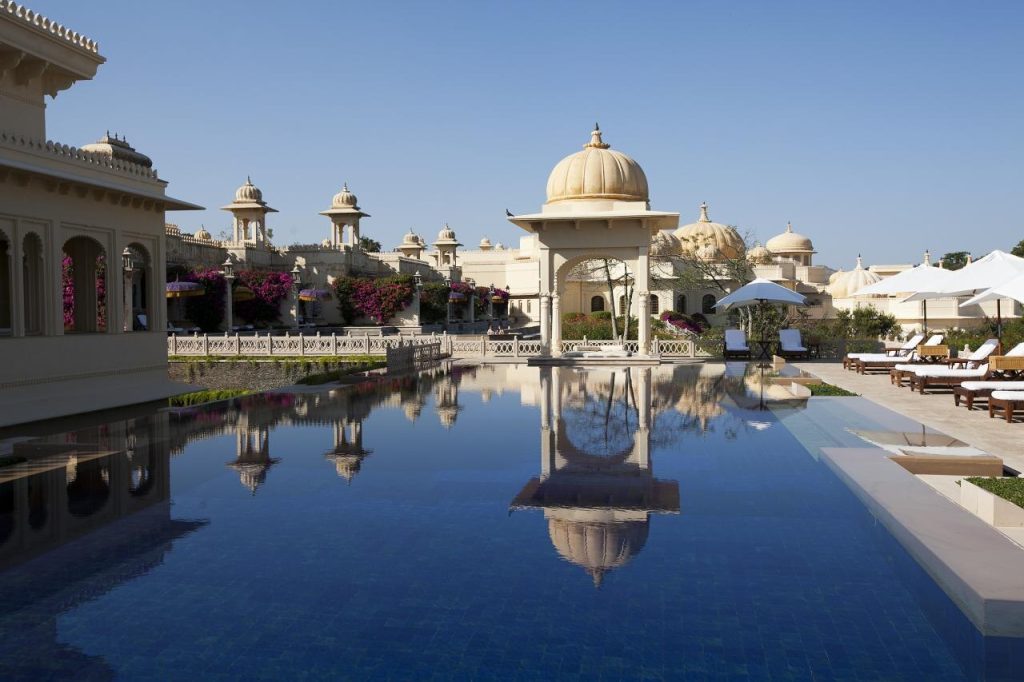
The Oberoi Udaivilas is newer than many icons, yet it protects regional architectural language with unusual seriousness. Courtyards, jalis, domes, and water geometry are part of planning and climate response, not surface decoration. That depth gives the property continuity with Rajasthan’s palace traditions and craft logic.
Its preservation approach centers on living artisanship. Stone carving, ornamental plaster, and hand-finished details remain visible and valued, sustaining skills across generations. Modern comfort is integrated carefully, but cultural vocabulary stays in command.
Belmond Hotel Monasterio, Cusco, Peru
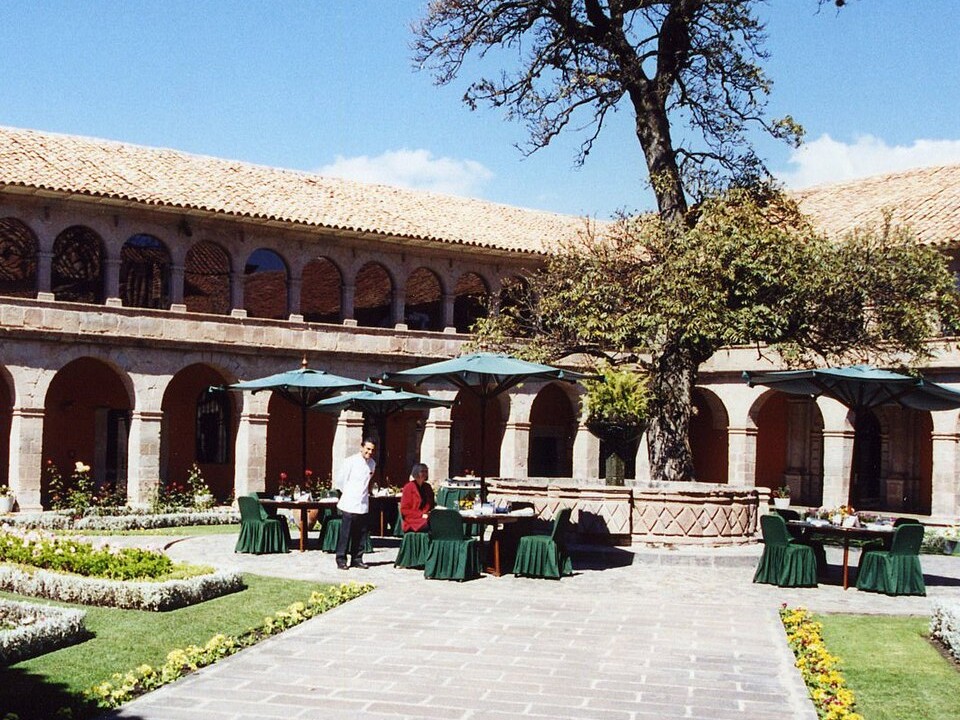
Belmond Hotel Monasterio preserves a layered intersection of Andean and colonial history in a former monastic complex. Courtyards, arches, chapel elements, and historic artworks remain integral, allowing the original identity to stay visible as hospitality functions evolve. The atmosphere feels devotional, civic, and distinctly local.
Conservation also addresses seismic realities, balancing structural safety with material integrity. Upgrades are precise and low-profile, so historic fabric remains readable at human scale. Adaptation supports meaning rather than diluting it, which keeps the experience calm and culturally faithful.
The Old Clare Hotel, Sydney, Australia
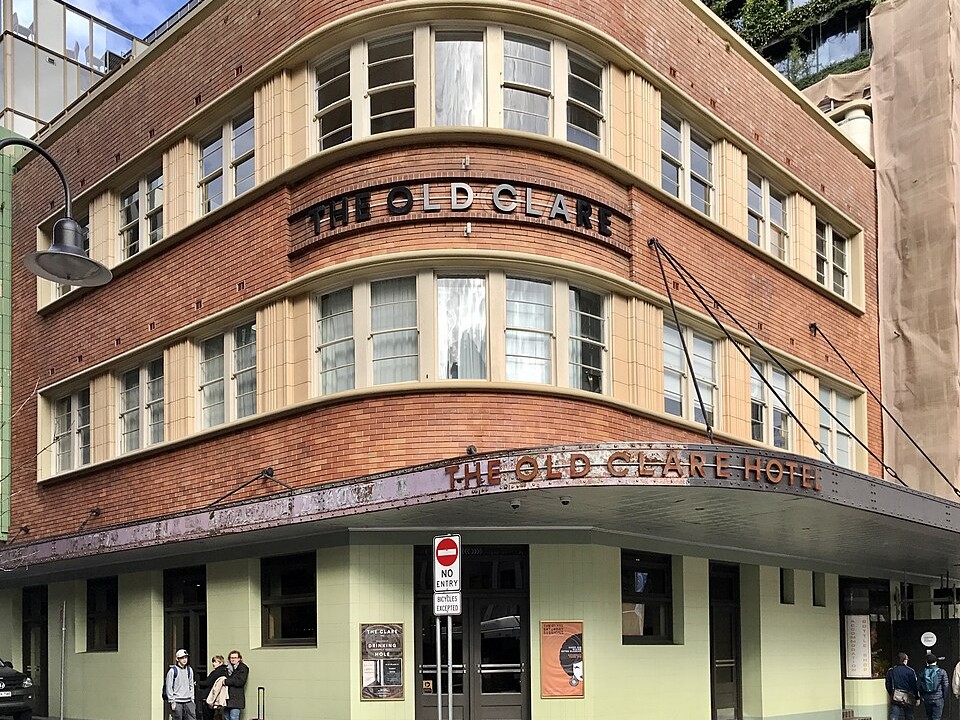
The Old Clare Hotel proves industrial heritage can be renewed without sanding away character. By combining former brewery and civic building fabric, the project preserves masonry texture, structural expression, and generous historic volumes. Marks of prior use remain visible, giving the property narrative depth and credibility.
New insertions are clearly contemporary, creating dialogue between eras instead of imitation. That clarity protects authenticity while supporting modern hospitality needs. The building feels urban, layered, purposeful, and materially honest in every major intervention.
21c Museum Hotel Louisville, Kentucky, U.S.
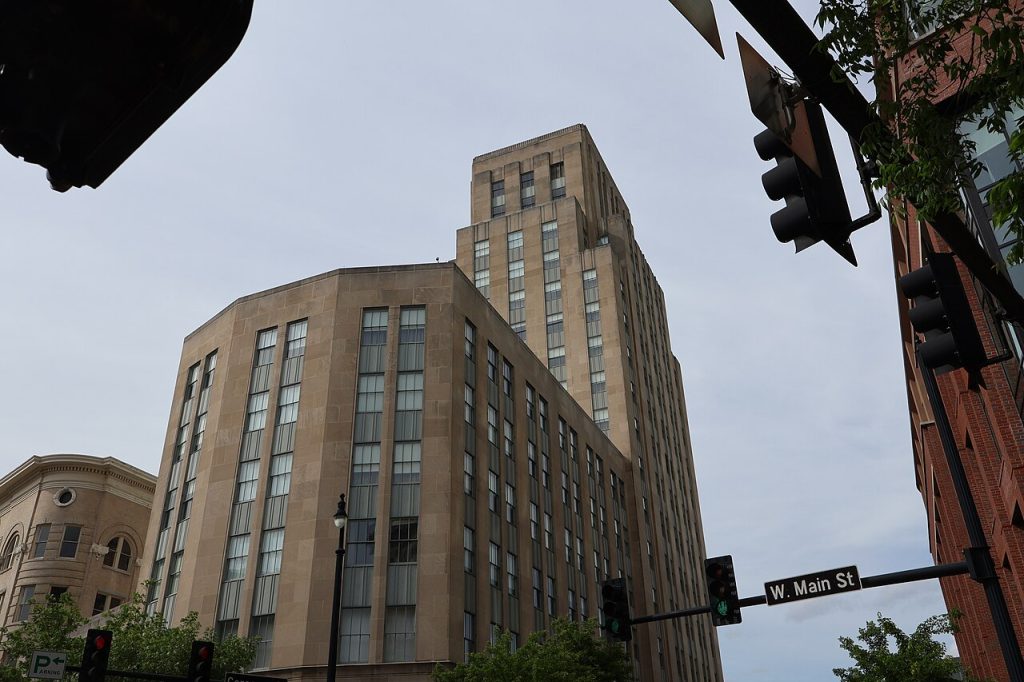
21c Louisville occupies restored 19th-century warehouse buildings and treats industrial character as core value, not brand garnish. Brick envelopes, structural cadence, and original scale remain intact, so architecture still reads as working mercantile fabric. The shift to hotel and museum use feels additive, not erasing.
Its strongest move pairs conservation with active public programming that keeps the site relevant and financially resilient. Preservation becomes an ongoing civic process, not a closed restoration chapter, and the buildings stay connected to daily city life.
The Fullerton Hotel Singapore, Singapore
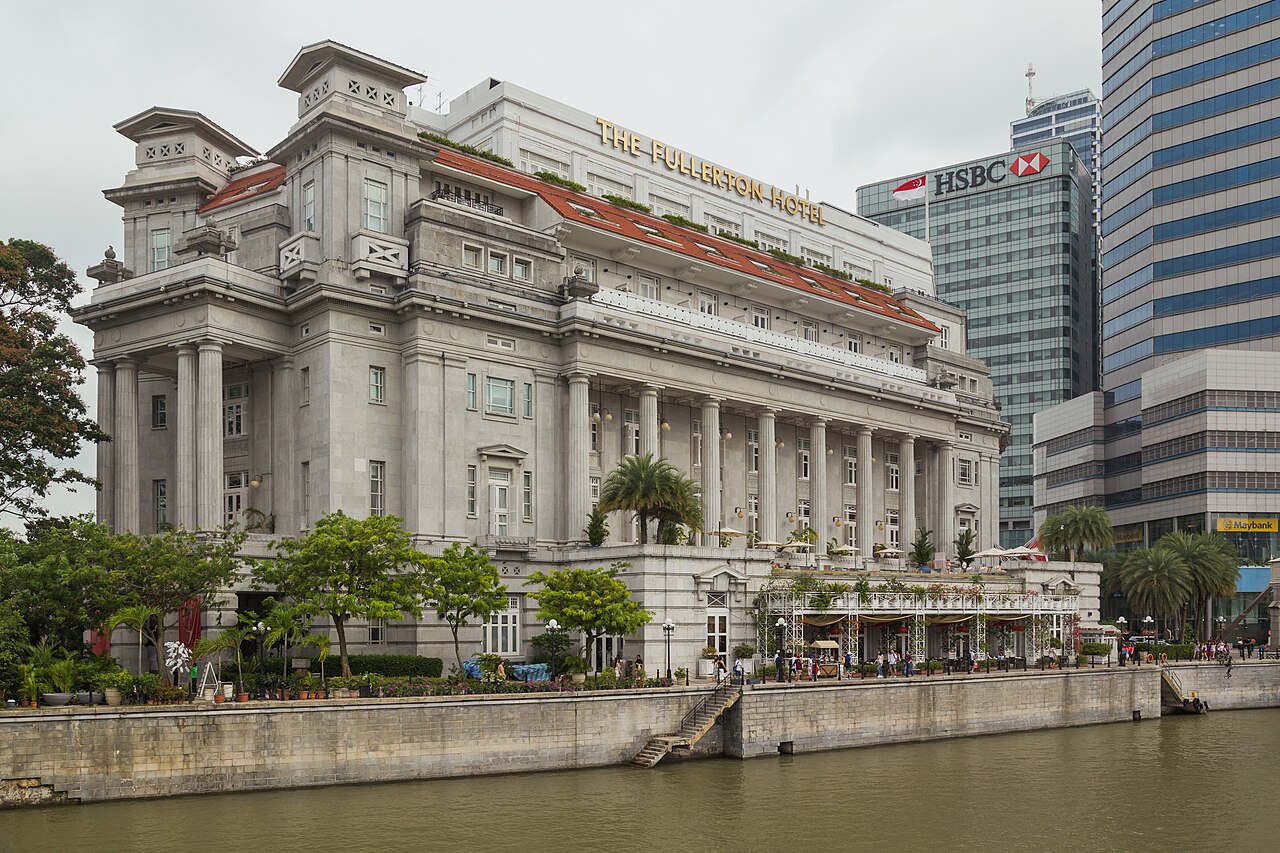
The Fullerton Hotel, once Singapore’s General Post Office, preserves civic monumentality with unusual clarity. Grand colonnades, stone façades, and vast interior volumes remain dominant, allowing institutional history to stay legible within a contemporary hospitality program. The conversion respects hierarchy, rhythm, and ceremonial presence.
Technical systems were integrated quietly so heritage elements retain visual authority. The landmark remains embedded in public consciousness, sustaining its role beyond private accommodation through consistent care, active use, and durable civic memory.
The Gritti Palace, Venice, Italy
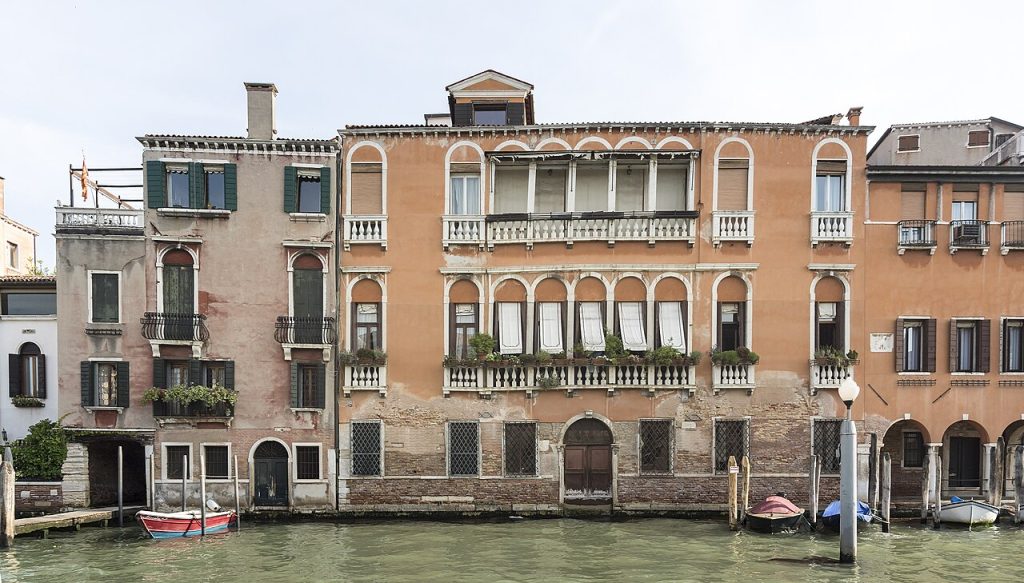
The Gritti Palace preserves Venetian palazzo identity shaped by canal light, layered occupancy, and artisan finish. Stucco, carved wood ceilings, historic textiles, and decorative surfaces are maintained with precision, while relationships to water and urban context remain central. Patina is treated as evidence, not flaw.
In Venice, conservation is relentless because moisture and age never pause. The Gritti’s maintenance culture shows preservation depends on discipline more than spectacle. Heritage feels alive here because daily technical care and cultural intent stay tightly aligned.