12 Hidden Islands Near the U.S. Most Women Don’t Know Exist
Travel anthropologists and coastal geographers observe that as mainland tourism reaches a saturation point, female travelers are increasingly seeking the profound stillness found on the periphery of the United States. These remote landmasses offer more than just a geographic escape; they provide a sensory reset where the constant hum of modern connectivity is replaced by the rhythmic movement of tides and the calls of migratory birds. According to wilderness experts, the appeal of these hidden islands lies in their preservation of a slower, more deliberate way of life that has largely vanished from the continental landscape.
Conservationists and island historians emphasize that these locations often serve as living museums of ecological and cultural heritage. From the wild horse sanctuaries of the Atlantic barrier islands to the abandoned military outposts of the Pacific, each destination possesses a distinct identity forged by isolation. Professional travel consultants suggest that visiting these sites requires a shift in mindset, favoring preparation and self-reliance over the conveniences of traditional resort vacations. These twelve islands represent the pinnacle of American coastal solitude, offering experiences that remain largely undiscovered by the average tourist.
Isle Royale In Michigan
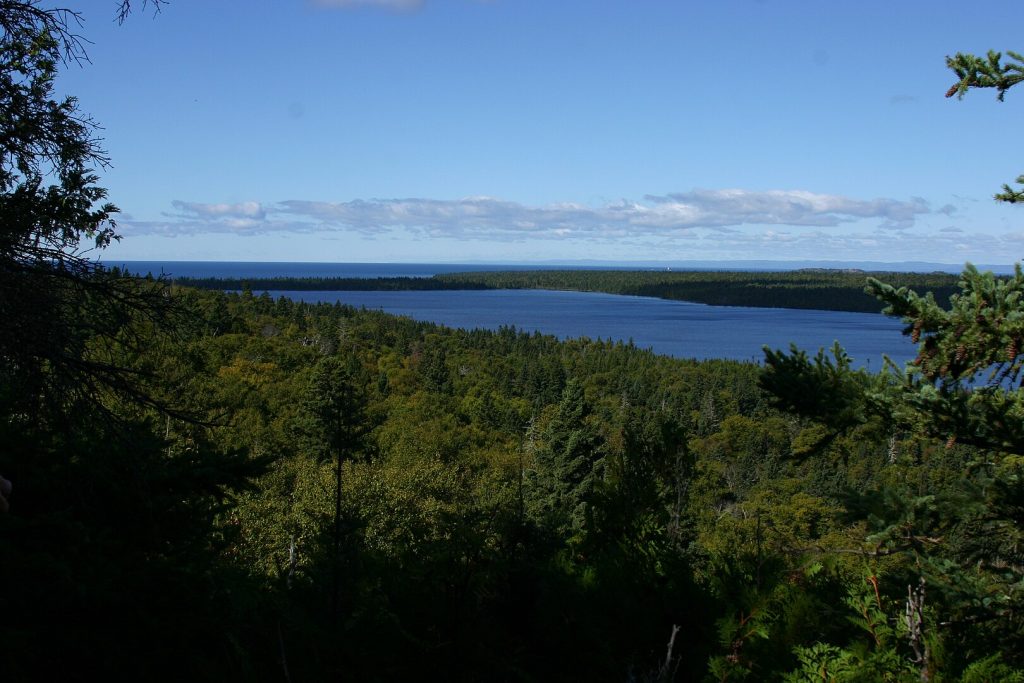
Wilderness rangers and freshwater biologists describe Isle Royale as one of the most rugged and isolated national parks in the country. Situated in the middle of Lake Superior, this island is only accessible by ferry or seaplane, and it remains closed for nearly half the year due to extreme weather. Experts explain that the island is a premier destination for those seeking a total immersion in nature, featuring over one hundred and sixty miles of hiking trails that wind through boreal forests and along rocky, volcanic shores.
Wildlife specialists highlight the famous predator-prey relationship between the island’s resident moose and gray wolf populations, which has been studied by researchers for decades. For women who enjoy backpacking, the absence of cars and the presence of some of the darkest night skies in the Midwest create a sanctuary for quiet reflection. The freezing, crystal-clear waters of Lake Superior harbor sunken shipwrecks that attract advanced divers, while the inland lakes provide a serene environment for kayakers to explore the island’s interior.
Dry Tortugas In Florida
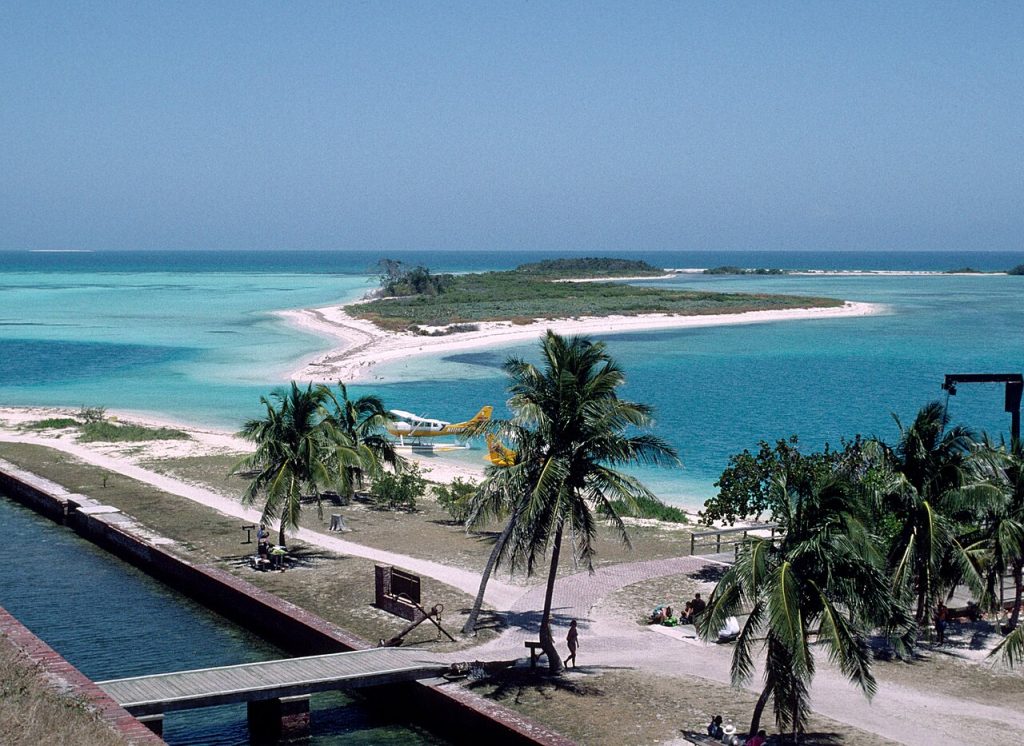
Marine archaeologists and National Park Service officials recognize the Dry Tortugas as a unique blend of Caribbean natural beauty and nineteenth-century military history. Located seventy miles west of Key West, this archipelago is dominated by Fort Jefferson, one of the largest masonry structures in the Western Hemisphere. Experts note that the fort was never fully completed, and its massive brick walls now serve as a striking contrast to the surrounding turquoise waters and white sand beaches.
Coral reef ecologists emphasize that the surrounding waters are some of the most undisturbed in the Florida Keys, offering world-class snorkeling and diving opportunities directly from the shore. The islands serve as a critical nesting ground for thousands of tropical birds, including the magnificent frigatebird and the sooty tern. Visitors often find that the lack of cell service and the limited number of daily visitors make the Dry Tortugas a perfect environment for a digital detox beneath the tropical sun.
Santa Cruz Island In California
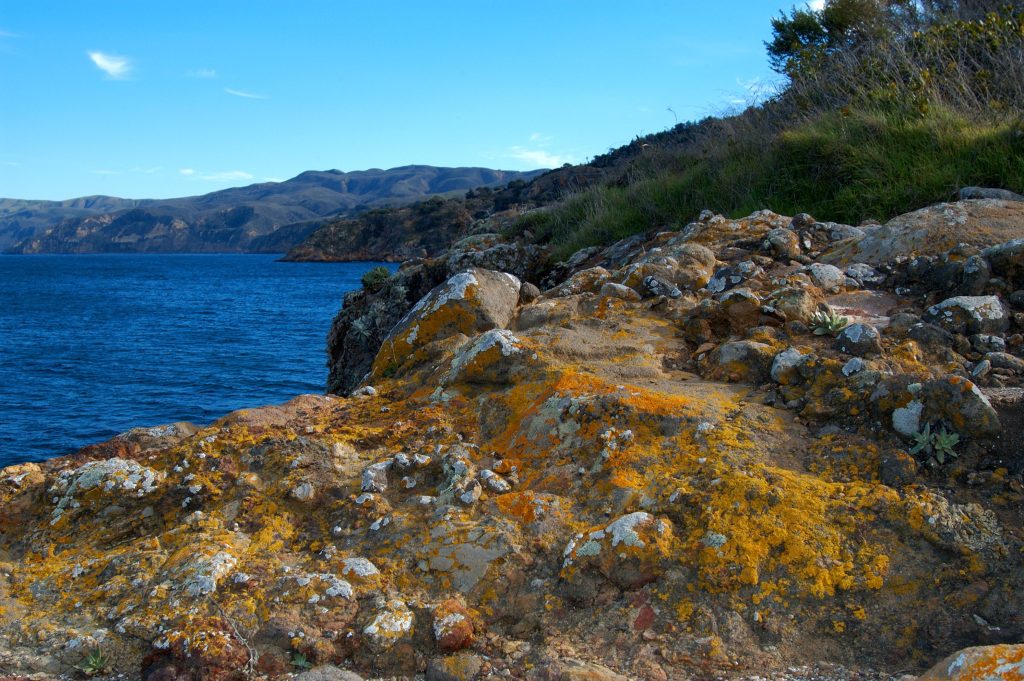
Restoration ecologists and Channel Islands park rangers identify Santa Cruz Island as a triumphant example of species recovery and landscape preservation. As the largest of California’s eight Channel Islands, it harbors over sixty species of plants and animals found nowhere else on earth, including the diminutive island fox. Experts explain that the island offers a glimpse into what coastal California looked like centuries ago, with dramatic sea caves and high granite peaks that drop steeply into the Pacific.
Sea cave kayakers and outdoor guides frequently lead expeditions into the Painted Cave, one of the largest sea caves in the world, where the colorful mineral deposits on the walls create a natural art gallery. The island’s extensive trail system allows hikers to traverse pastoral valleys and rugged ridges, offering panoramic views of the mainland on clear days. For female travelers seeking a raw and unedited coastal experience, the solitude of the Scorpion Anchorage provides a stark contrast to the bustling piers of Santa Barbara.
Cumberland Island In Georgia
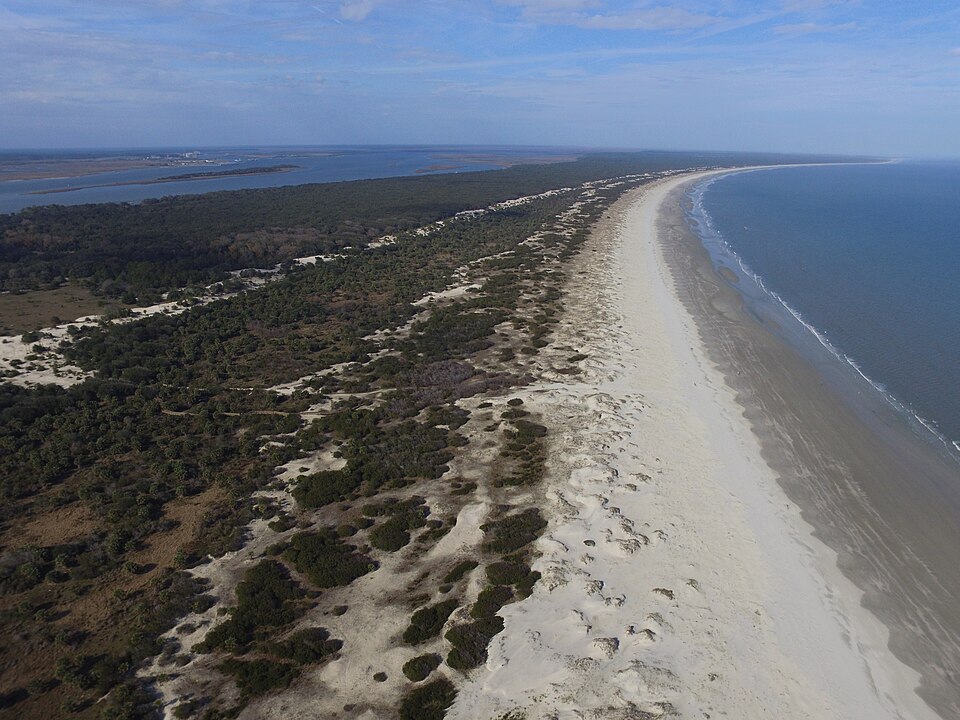
Maritime foresters and cultural historians describe Cumberland Island as a place where the grandeur of the Gilded Age meets the wild energy of the Atlantic coast. This southernmost barrier island in Georgia is famous for the feral horses that roam freely across its seventeen miles of undeveloped beaches and through its haunting tunnels of live oaks. Experts explain that the ruins of Dungeness, a once-massive Carnegie mansion, serve as a poignant reminder of the island’s layered history.
Environmental educators note that the island’s limited daily ferry capacity ensures that the beaches remain virtually empty, even during peak summer months. Beyond the historical ruins, the island features dense salt marshes teeming with roseate spoonbills and alligators, providing a diverse ecosystem for nature photographers. Staying overnight at the historic Greyfield Inn or camping in the primitive wilderness sites allows visitors to experience the island’s deep, nocturnal quiet under a canopy of Spanish moss.
Block Island In Rhode Island
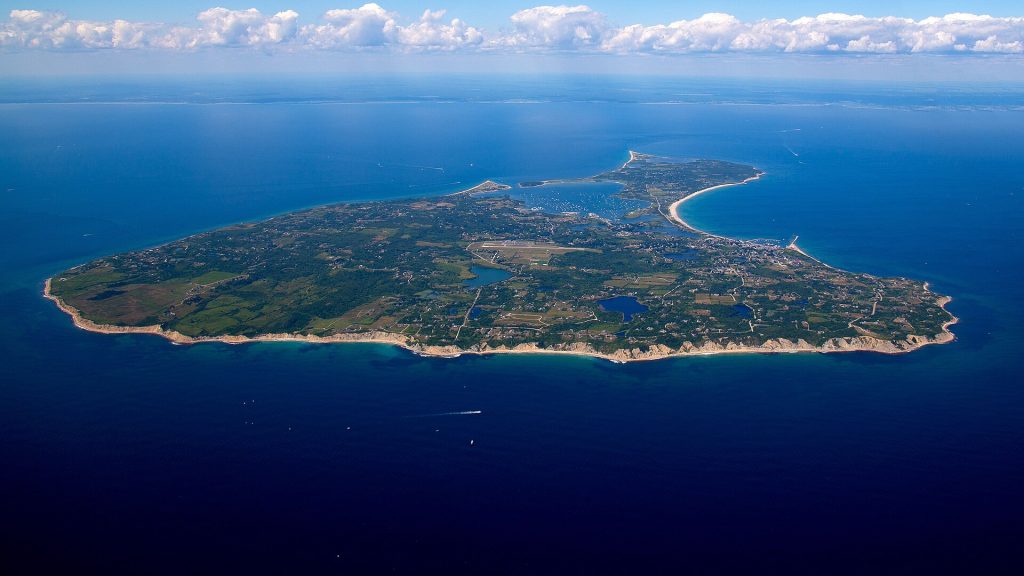
Geologists and coastal planners often refer to Block Island as the “pork chop” of the Atlantic due to its unique shape and its dramatic Mohegan Bluffs. Rising two hundred feet above the ocean, these clay cliffs offer a spectacular vantage point that resembles the rugged coastlines of Ireland. Experts explain that over forty percent of the island is preserved as open space, a result of decades of aggressive conservation efforts that have prevented the sprawl common to other New England destinations.
Bicycle touring specialists recommend exploring the island’s rolling terrain and winding stone walls on two wheels, as cars are a secondary concern on the narrow, salt-crusted roads. The Great Salt Pond serves as a hub for paddleboarding and shellfishing, while the North Light stands as a solitary sentinel over the island’s sandy northern tip. Many women find the island’s low-key atmosphere and independent boutiques a refreshing alternative to the more commercialized resort towns on the mainland.
Daufuskie Island In South Carolina
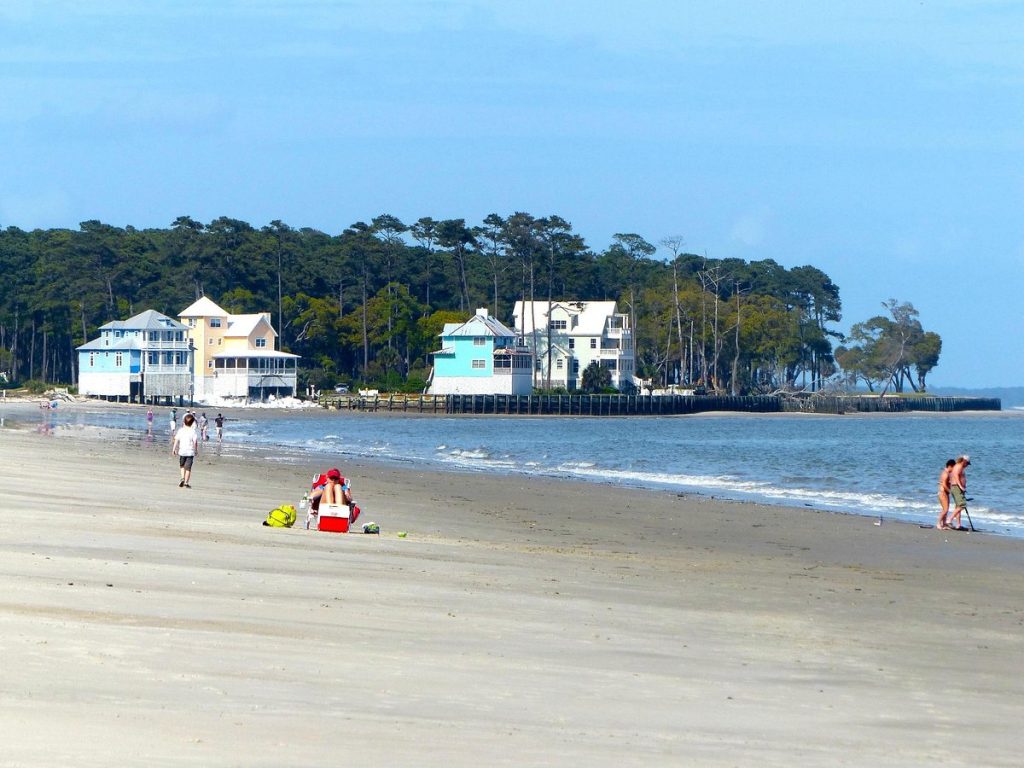
Gullah historians and Lowcountry preservationists identify Daufuskie Island as one of the few places where the traditional African-influenced culture of the sea islands remains vibrantly alive. Accessible only by boat and located between Savannah and Hilton Head, the island has no bridges and no traffic lights, with most residents and visitors traveling by golf cart. Experts explain that the isolation of the island helped preserve the Gullah language and customs, which are still celebrated by the local community today.
Artisans and gallery owners note that the island has become a magnet for creators who find inspiration in the ancient live oaks and the quiet, unpaved roads. The Iron Fish Gallery and other local studios showcase work that reflects the island’s maritime soul and rustic charm. For travelers who want to step back in time, a walk along the pristine shores of Bloody Point offers a sense of historical weight and natural beauty that is rare in the modern South.
Tangier Island In Virginia
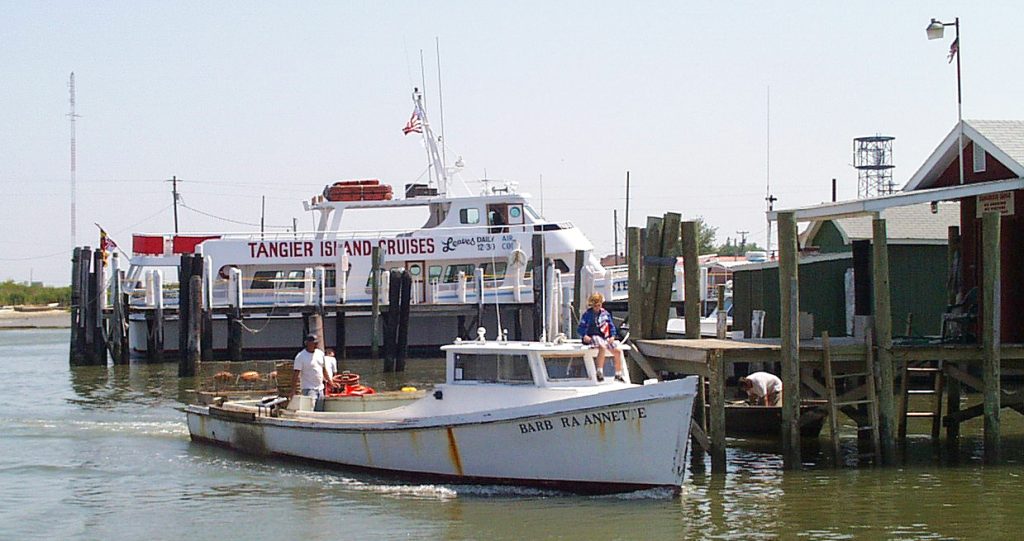
Linguists and maritime historians describe Tangier Island as a living time capsule situated in the middle of the Chesapeake Bay. The residents of this tiny fishing village are known for a unique dialect that traces its roots back to the seventeenth-century English settlers who first inhabited the island. Experts explain that the island’s economy remains centered on the blue crab industry, and the landscape is defined by the wooden crab shacks and narrow lanes where bicycles are the primary mode of transport.
Climate scientists and geographers warn that Tangier is one of the most vulnerable locations in the United States to rising sea levels and erosion. This sense of impending change adds a layer of urgency to every visit, as travelers come to witness a way of life that may soon vanish. For women interested in the intersection of culture and environment, the island offers a profound look at human resilience in a fragile landscape, surrounded by the vast, gray-blue waters of the bay.
San Juan Island In Washington
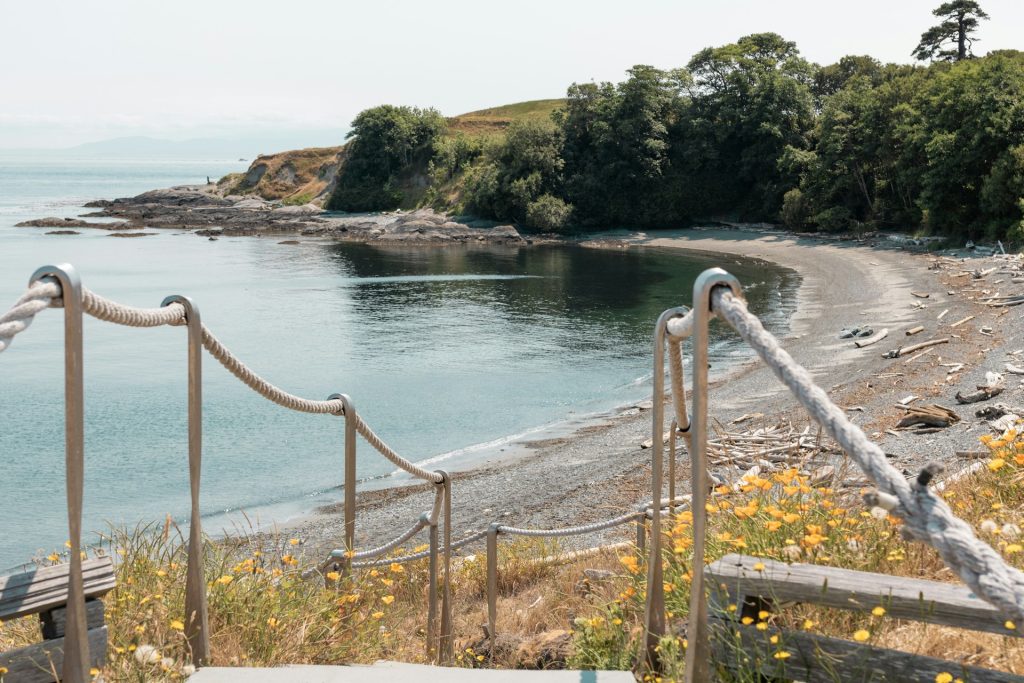
Marine mammalogists and Pacific Northwest guides recognize San Juan Island as one of the premier locations in the world for land-based whale watching. The rocky bluffs of Lime Kiln Point State Park provide a front-row seat to the movement of resident orca pods as they hunt for salmon in the Haro Strait. Experts explain that the island’s location in the rain shadow of the Olympic Mountains results in significantly more sunshine than the nearby mainland, making it a year-round destination for outdoor enthusiasts.
Local viticulturists and farm-to-table chefs highlight the island’s thriving agricultural scene, which includes lavender farms and independent vineyards that take advantage of the mild climate. Friday Harbor serves as a charming gateway with its galleries and seafood restaurants, while the interior of the island offers peaceful forests and historic sites like English Camp. The balance of high-end amenities and raw coastal wilderness makes it a favorite for those seeking a sophisticated but secluded escape.
Assateague Island In Maryland
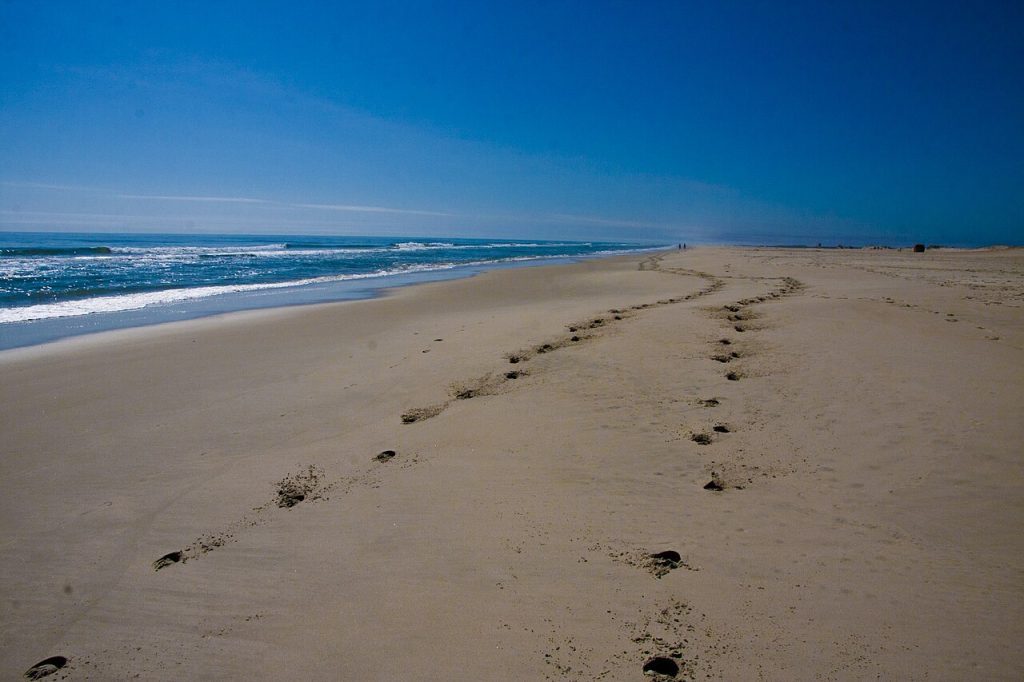
Equine biologists and coastal ecologists emphasize that Assateague Island is a rare example of a dynamic barrier island that is constantly reshaped by the wind and sea. Famous for its population of wild ponies, the island is split between a state park and a national seashore, offering miles of pristine dunes and salt marshes. Experts explain that the ponies are remarkably hardy, surviving on salt marsh cordgrass and bayberry bushes in an environment that would be inhospitable to most domestic animals.
Paddling instructors suggest exploring the bayside of the island, where the calm, shallow waters are ideal for watching herons and egrets from a kayak. The ocean side provides a starkly different experience with its powerful surf and wide, sandy beaches that are perfect for beachcombing after a storm. For many visitors, the experience of waking up to find ponies grazing outside their tent or vehicle creates a sense of wonder that is unique to this wild stretch of the Mid-Atlantic.
Monhegan Island In Maine
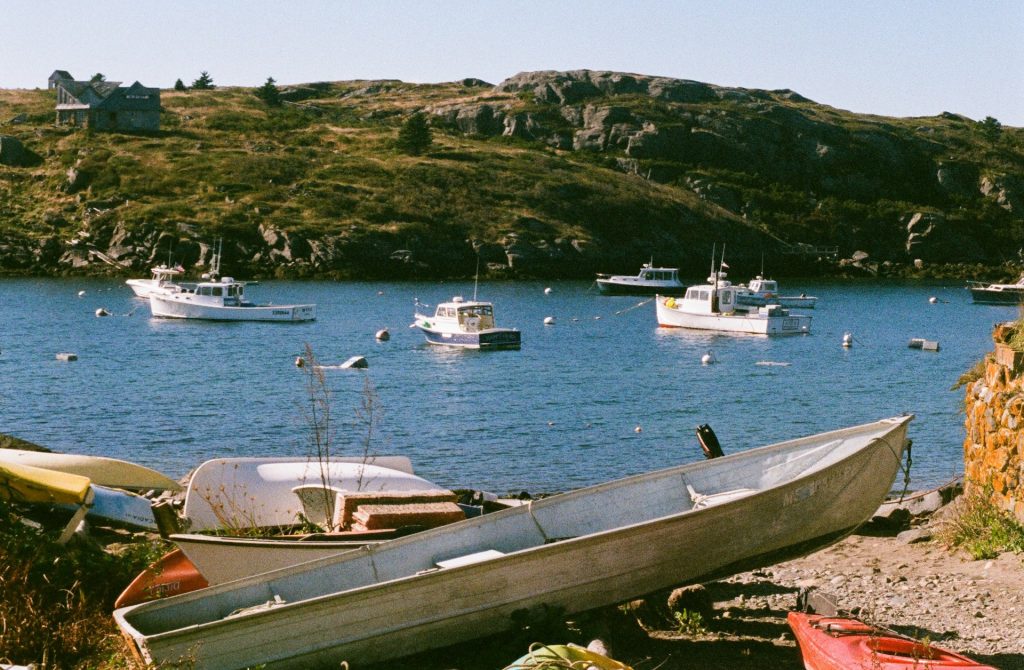
Fine art historians and North Atlantic maritime experts describe Monhegan Island as a legendary artist colony located ten miles off the coast of Maine. The island has attracted famous painters for over a century, drawn by the incredible clarity of the light and the dramatic heights of the headlands. Experts explain that the island is essentially a walking island, with no paved roads and a strict policy of preserving the “wildlands” that cover two-thirds of the territory.
Lobster fishing remains the backbone of the island’s economy, and the village harbor is perpetually filled with colorful boats and stacks of traps. Hiking the perimeter trail takes visitors through the “Cathedral Woods,” where the dense spruce trees create a hushed, spiritual atmosphere, before emerging onto the highest ocean cliffs in Maine. The isolation of Monhegan ensures that only the most dedicated travelers arrive, resulting in a community that values silence, artistic expression, and the raw beauty of the sea.
Cedar Key In Florida
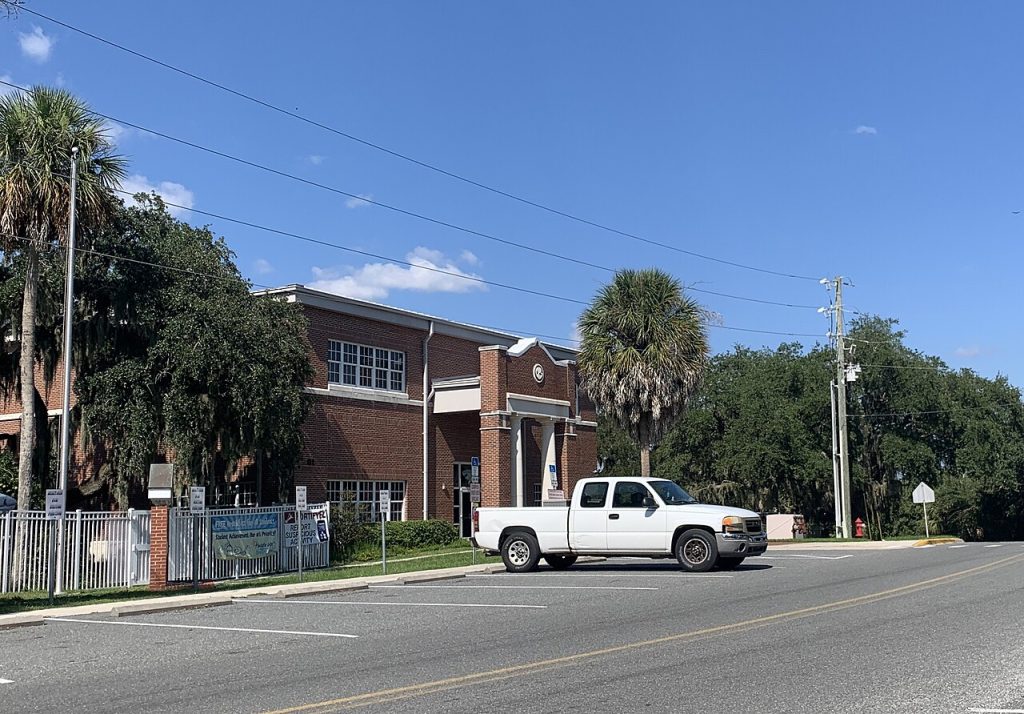
Historians and Gulf Coast ecologists refer to Cedar Key as a “drinking town with a fishing problem,” a testament to its laid-back and authentic Old Florida character. Located at the end of a long causeway on the Nature Coast, the town is a cluster of small islands that have managed to avoid the high-rise development typical of the state’s southern coasts. Experts explain that the area is home to the Cedar Keys National Wildlife Refuge, which protects thirteen islands that serve as vital nesting sites for migratory birds and sea turtles.
Kayaking enthusiasts often paddle out to Atsena Otie Key, where the ruins of a nineteenth-century pencil factory and a historic cemetery are slowly being reclaimed by the mangroves. The town’s waterfront is lined with stilted buildings that house clam shacks and galleries, offering views of the expansive salt marshes and the Gulf of Mexico. For women seeking a quiet, quirky destination that prioritizes sunset watching and local seafood over tourist traps, Cedar Key remains a well-guarded secret.
Ocracoke Island In North Carolina
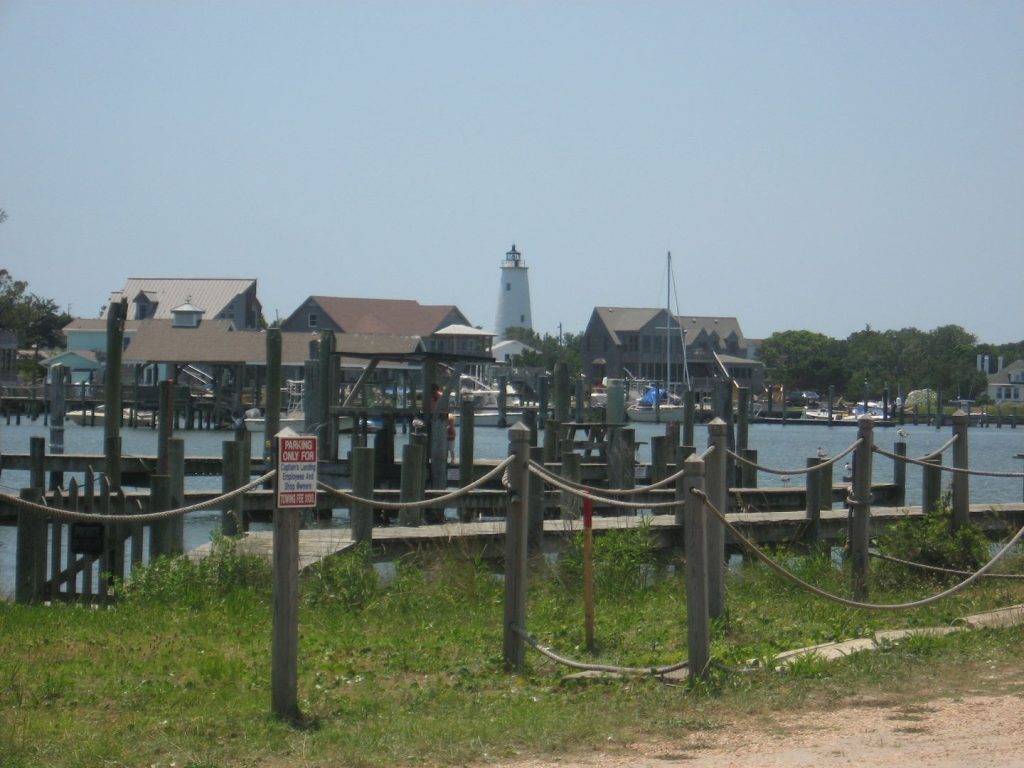
Outer Banks historians and maritime researchers describe Ocracoke Island as a remote outpost with a storied past involving pirates and shipwrecks. Accessible only by ferry, the island maintains a distinct identity from its northern neighbors, with a charming village centered around the picturesque Silver Lake Harbor. Experts explain that the Ocracoke Lighthouse, one of the oldest operating lighthouses in the country, serves as the symbolic heart of a community that has weathered centuries of Atlantic storms.
Beach researchers often rank Ocracoke’s sixteen miles of undeveloped shoreline as among the best in the nation for their cleanliness and lack of crowds. The island is also home to a unique herd of “Ocracoke Ponies,” which are kept in a large protected paddock and are thought to be descendants of Spanish mustangs. For travelers who appreciate the intersection of folklore and natural beauty, a walk through the maritime forest at Springer’s Point offers a chance to explore the legendary haunts of Blackbeard the pirate in a serene, wooded setting.