12 Hotel Amenities That Sound Luxurious on the Website and Are Never Worth the Upgrade
Hotel upgrades are getting more creative, and more expensive. But many of the extras that look polished on a booking page end up offering very little once travelers actually check in.
Across the U.S. travel market, hotels have added paid amenities to lift revenue beyond room rates, according to industry reporting and pricing trends tracked by major booking platforms. For travelers trying to stretch a vacation budget, the biggest question is simple: which upgrades truly add value, and which ones mostly sound good online?
Club lounge access
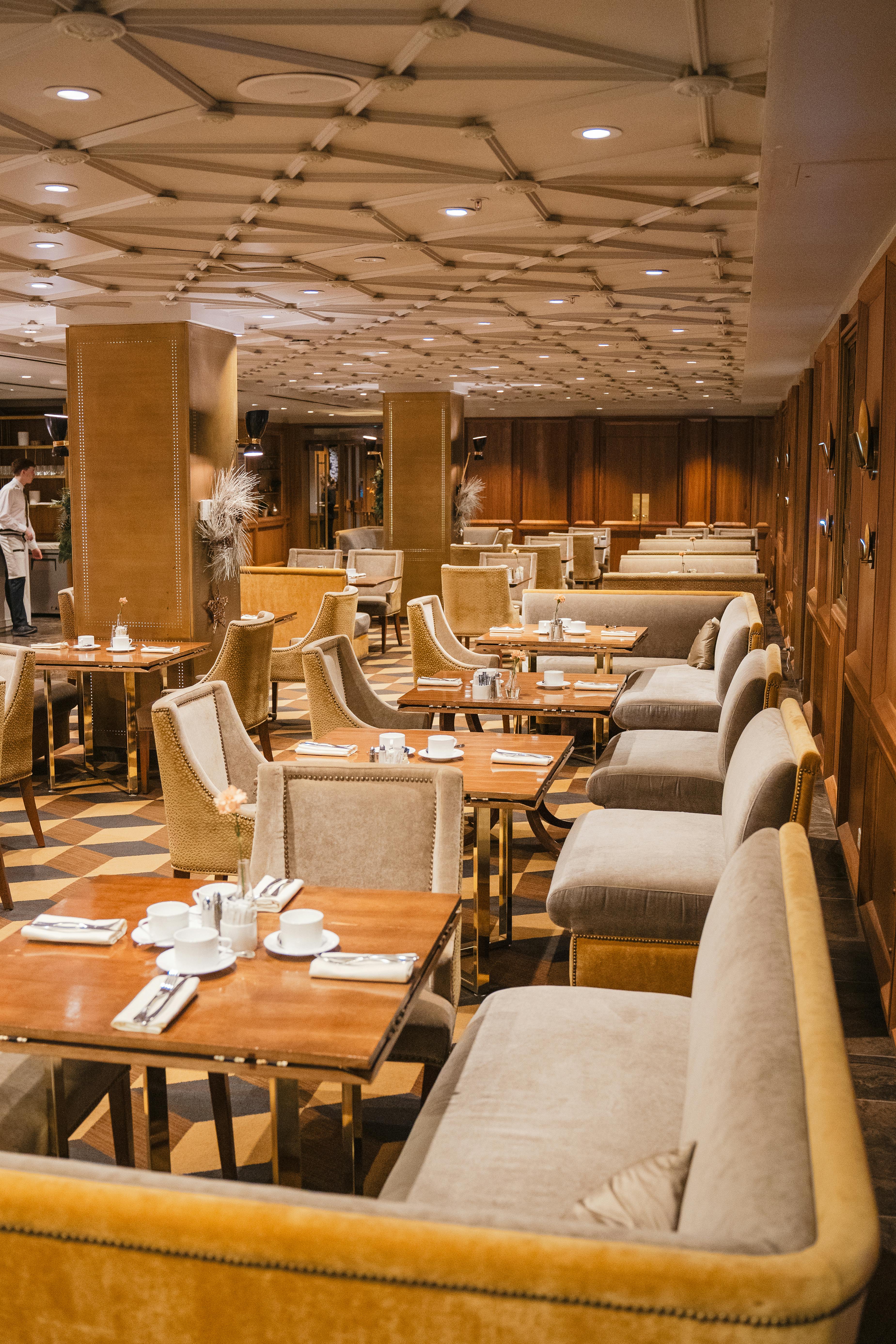
Club lounge access is often sold as a premium experience with words like exclusive, elevated, and personalized. In practice, many lounges offer a light breakfast, packaged snacks, and limited evening drinks that do not come close to justifying the extra nightly fee.
This matters because lounge access can add $40 to $150 per night at upscale properties in major U.S. cities. Unless a traveler plans to eat multiple meals on-site and spend real time there, the math usually does not work.
Travel advisors frequently note that lounge quality varies sharply by brand and property. Some are excellent, but many are quiet rooms with coffee machines, a few pastries, and not much else.
Premium Wi-Fi

Paying extra for premium Wi-Fi sounds reasonable until travelers realize standard internet is often already fast enough for email, streaming, and video calls. In many hotels, the upgraded tier simply promises better speeds without clear performance guarantees.
The issue is less about whether faster internet exists and more about whether guests will notice it. For a short stay, most people will not see meaningful differences between free access and a paid bump.
This upgrade has also aged poorly as expectations have changed. In 2026, travelers generally view reliable internet as a basic service, not a luxury worthy of a surprise add-on charge.
Minibar packages

Minibar packages are often framed as convenient indulgences, especially in upscale resorts and city hotels. Yet the prices are famously inflated, and the actual selection is often a few sodas, tiny liquor bottles, candy, and chips.
What makes this a weak upgrade is that convenience comes at a steep premium. A snack bundle that would cost under $15 at a nearby store can easily become a $50 room charge.
Hotels continue to promote these offers because they are simple revenue drivers. For guests, though, they rarely beat walking to a lobby market, drugstore, or corner shop after check-in.
Room with a view

A room with a view can be worth it in a handful of destinations, especially for major landmarks, coastlines, or national parks. But at many urban and airport hotels, the paid “view” upgrade means a slightly higher floor or a wider angle on the same skyline.
That can translate into a noticeable rate jump for a benefit guests may only enjoy for a few minutes. Most travelers spend limited waking time in the room, especially on business trips or busy city weekends.
Booking language can also be vague. A partial view, city view, or enhanced view may sound special, but in reality it may mean little more than a peek past another building.
Early check-in guarantees
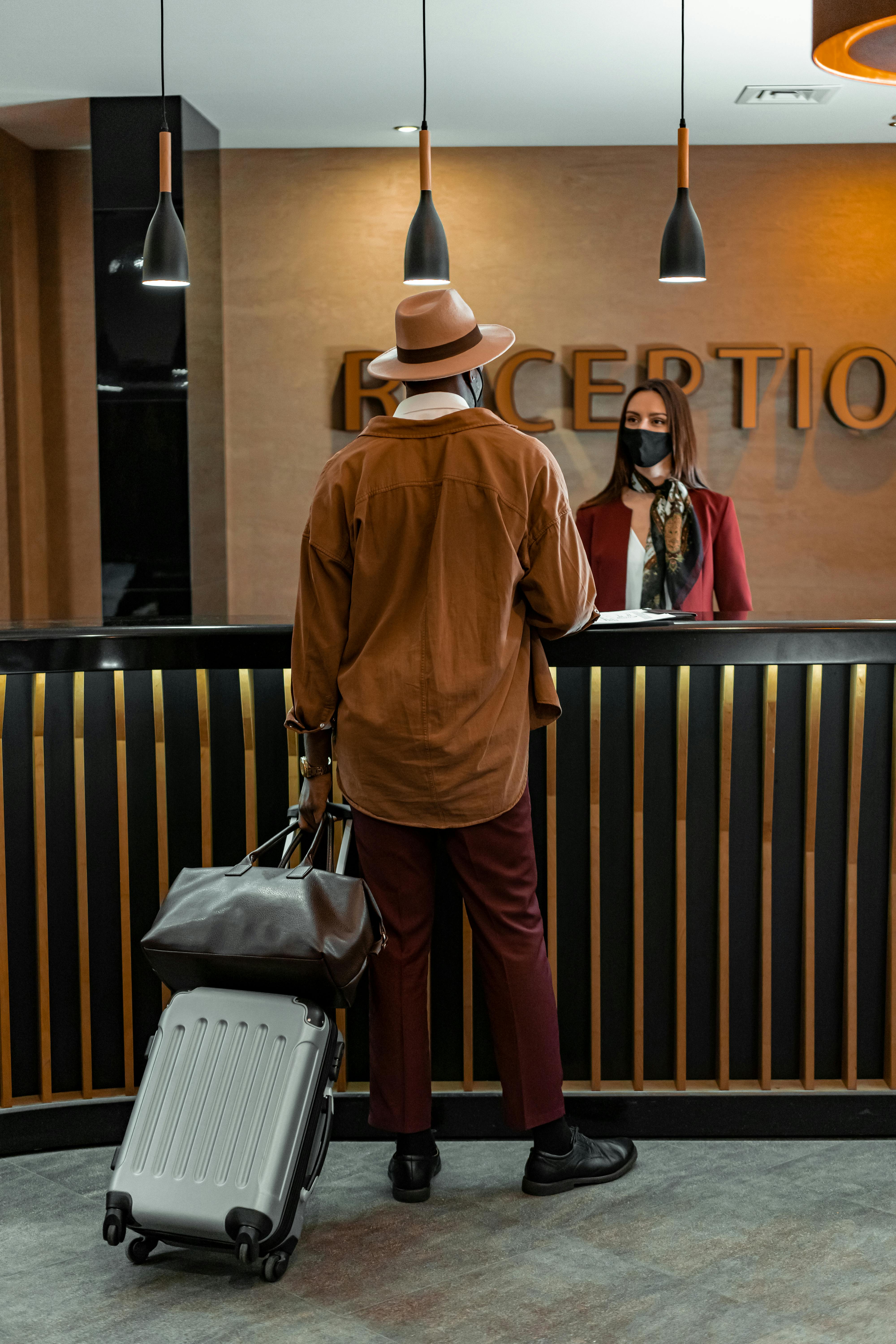
Early check-in can be useful after a red-eye flight or before a wedding or conference. Still, many hotels charge a significant fee for guaranteed early access even when rooms might have become available for free with a polite request later that morning.
The value depends heavily on timing. Paying in advance for a guarantee can make sense in very specific cases, but many travelers end up buying certainty they did not really need.
Front desk staff often handle early arrivals based on housekeeping turnover and occupancy. That means flexibility, loyalty status, and simple courtesy can sometimes deliver the same result without the extra charge.
Late checkout upgrades
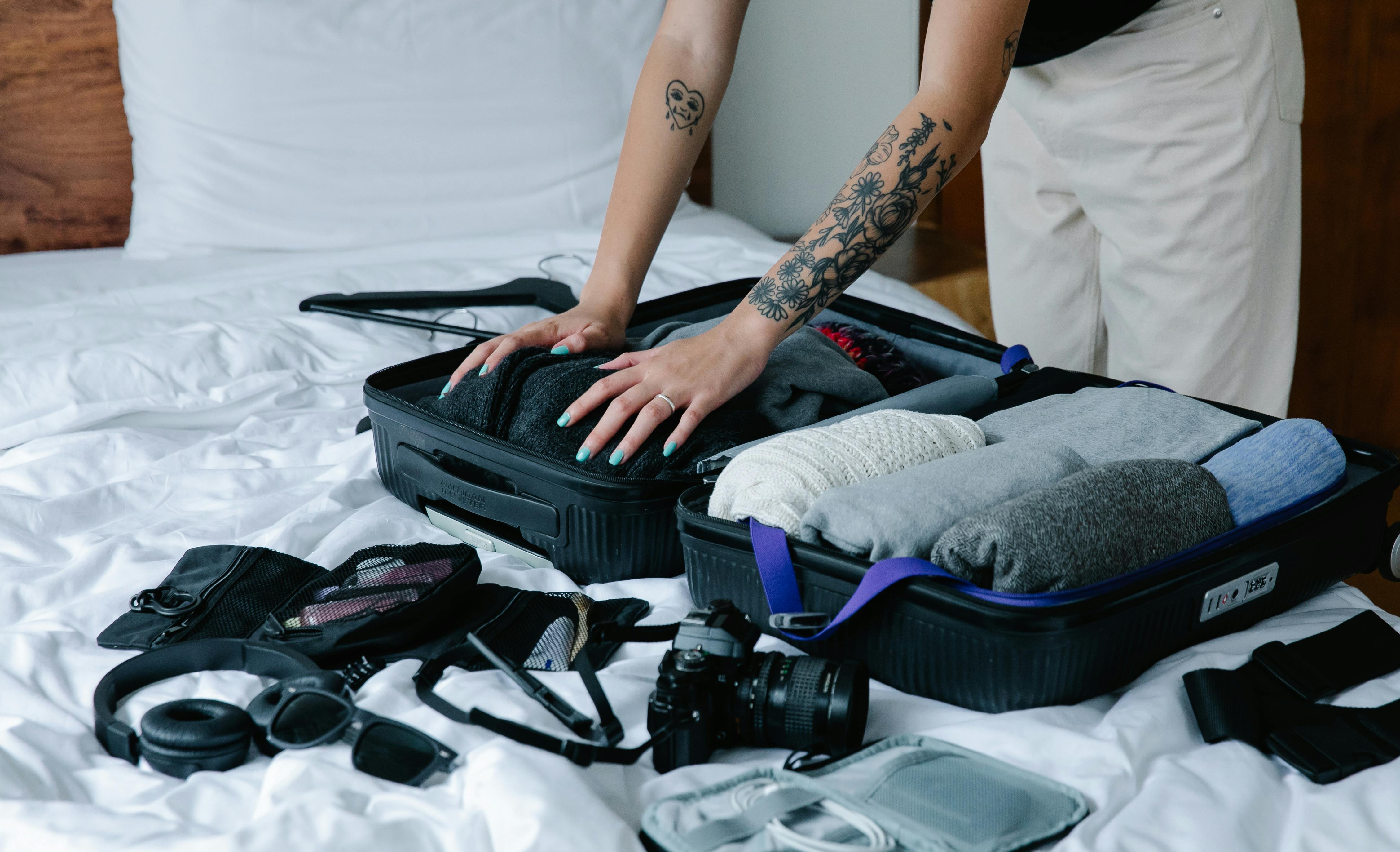
Late checkout is marketed as a stress-reducing luxury, especially at resorts and weekend destinations. But for many guests, paying extra to stay until 2 p.m. or 4 p.m. offers little benefit if luggage storage, airport transit, or local cafes already solve the problem.
This is one of those charges that looks small in isolation and less sensible when added to everything else. A $30 to $75 extension can feel wasteful if the room is mostly used for one shower and 20 extra minutes of packing.
Like early check-in, this perk is often negotiable. Elite members, direct bookers, and guests who simply ask at the right time are often granted flexibility without a formal upgrade fee.
Robe, slippers, and “wellness” kits

Hotels increasingly package basics like robes, slippers, eye masks, bath salts, and herbal teas into branded wellness upgrades. The presentation is polished, but the real value is often underwhelming, especially when many of those items are low-cost and lightly used.
These bundles appeal because they suggest rest and self-care without requiring much from the property. For the guest, though, they can feel like a gift basket priced as if it were a spa treatment.
A common issue is overlap with what travelers already have. Many people bring their own skincare, sleep aids, or comfortable clothing, making the paid package unnecessary from the start.
Premium toiletries
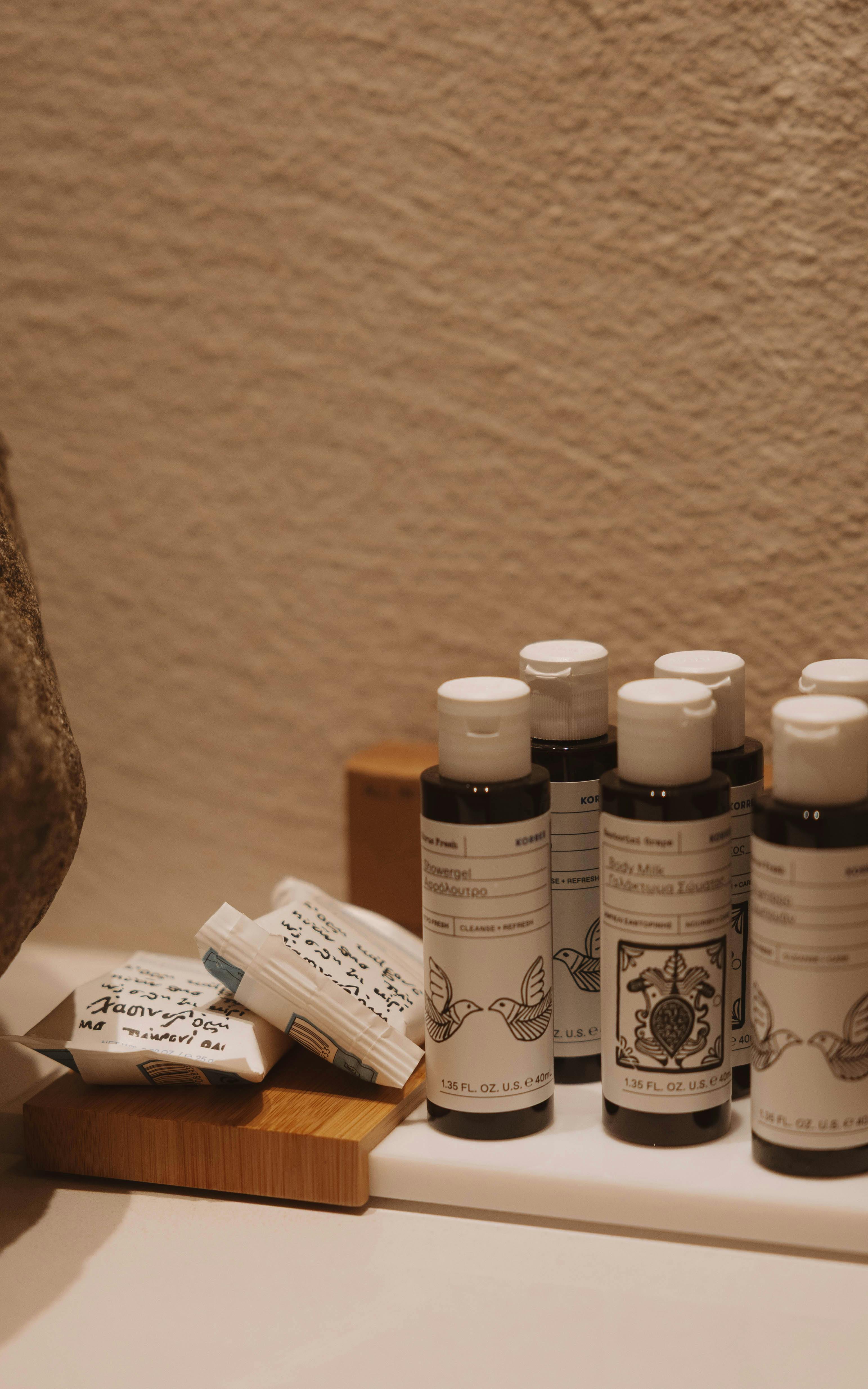
Luxury-branded toiletries can make a hotel bathroom feel more upscale. But paying extra for larger bottles, upgraded scents, or special bath amenities usually delivers a short-lived novelty rather than a meaningful improvement to the stay.
Hotels know recognizable product names can influence booking decisions. A guest may associate premium soap or shampoo with quality, even if the room itself is unchanged.
For most travelers, this is not where money is best spent. A cleaner room, better mattress, quieter location, or included breakfast tends to matter more than a higher-end body wash in a fancy bottle.
Paid breakfast upgrades
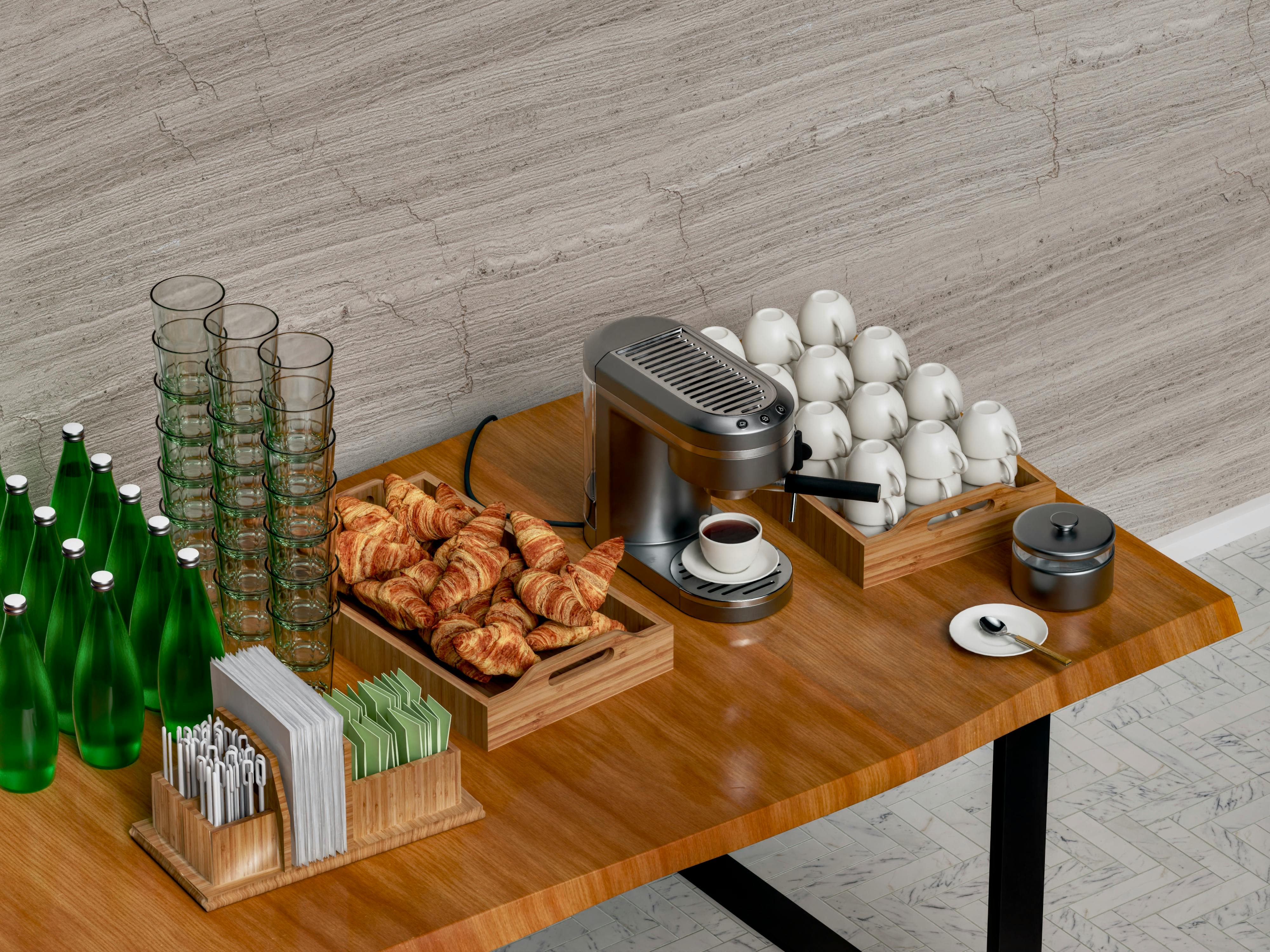
Breakfast upgrades sound practical because everyone needs to eat. The problem is that hotel breakfast pricing in the U.S. is often much higher than nearby diners, coffee shops, or fast-casual spots that offer fresher food and better value.
A hotel may charge $25 to $45 per person for a buffet that includes standard eggs, pastries, fruit, cereal, and coffee. For a family, that can become one of the most expensive parts of the morning.
There are exceptions, especially at resorts or remote properties with few alternatives. But in most cities and suburbs, prepaid breakfast is more about convenience than real savings.
Poolside cabanas

Private cabanas are a classic example of vacation marketing done well. Photos show shaded seating, plush towels, fruit trays, and attentive service, but the actual experience can amount to paying a few hundred dollars for reserved furniture near a pool.
At some U.S. resorts, cabana rentals now run from roughly $150 to more than $500 a day depending on season and location. That price may include little beyond water, a server call button, and a bit more privacy.
For travelers who plan to spend all day poolside, the splurge can occasionally make sense. For everyone else, standard loungers and a short walk to the bar are usually enough.
Bottled water and “hydration” packages
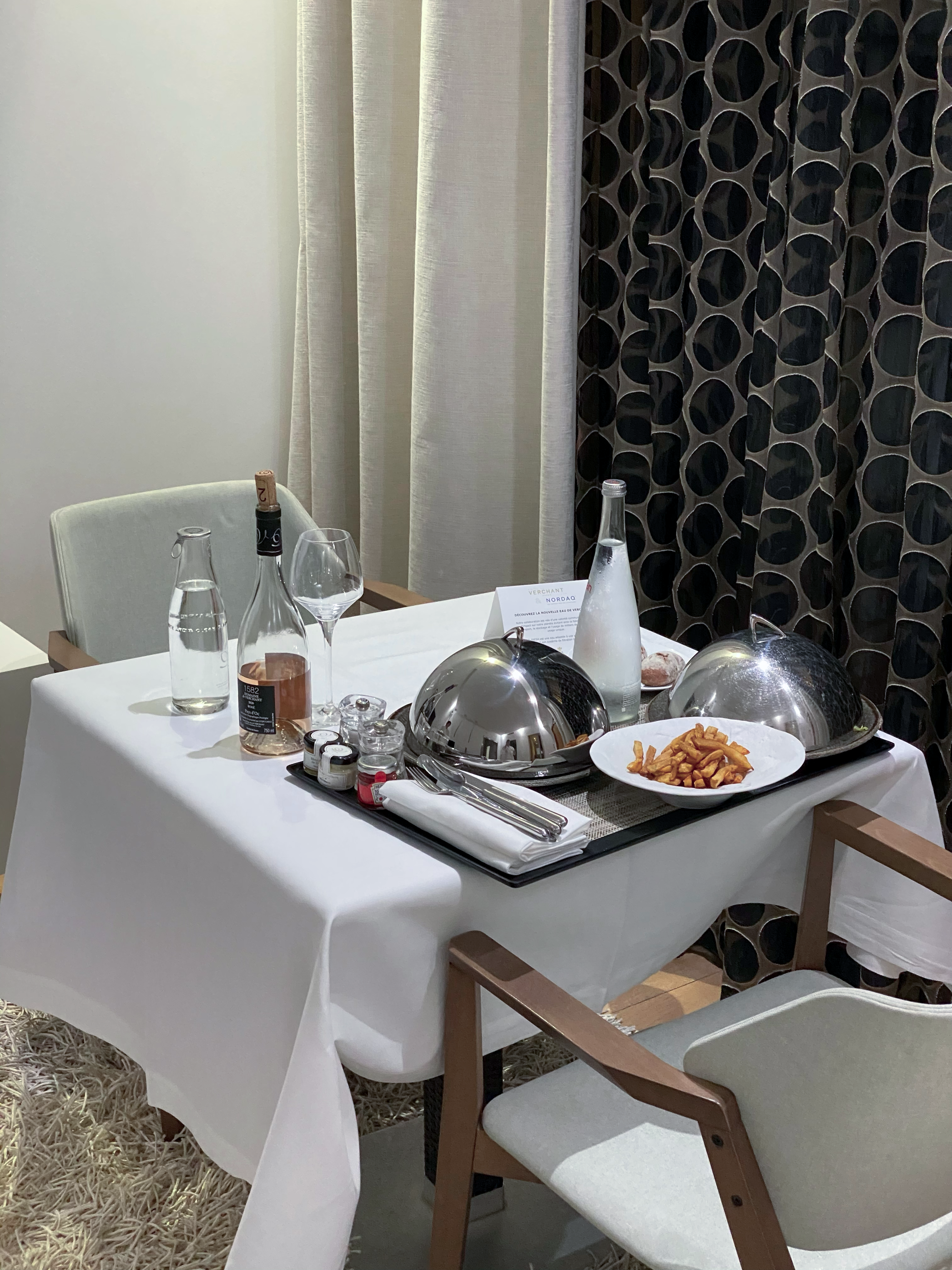
Few hotel upsells are as common, or as frustrating, as premium water offerings. Some properties now sell hydration packages that include imported bottled water, electrolyte drinks, or in-room restocking for prices far above what guests would pay outside.
This feels especially weak because water is increasingly viewed as a basic hospitality item. When hotels turn it into a paid luxury, travelers often notice the markup immediately.
In warm-weather destinations or resorts, the charge can grow fast over several days. A quick stop at a grocery store, pharmacy, or airport kiosk usually makes more financial sense.
Resort activity bundles

Activity bundles often combine bike rentals, yoga classes, beach chairs, paddleboards, or family programming into a single add-on. The idea sounds efficient, but the problem is simple: many travelers use only one or two parts of the package.
That leaves guests paying for access they never fully take advantage of. In some cases, the bundle is little more than a dressed-up version of a resort fee sold as a premium option.
Travel experts generally advise checking the à la carte prices before committing. If the individual activities are easy to book separately, travelers can avoid spending extra on a package that only looks luxurious on the website.