12 Indigenous Sites Offering Unique Travel Experiences
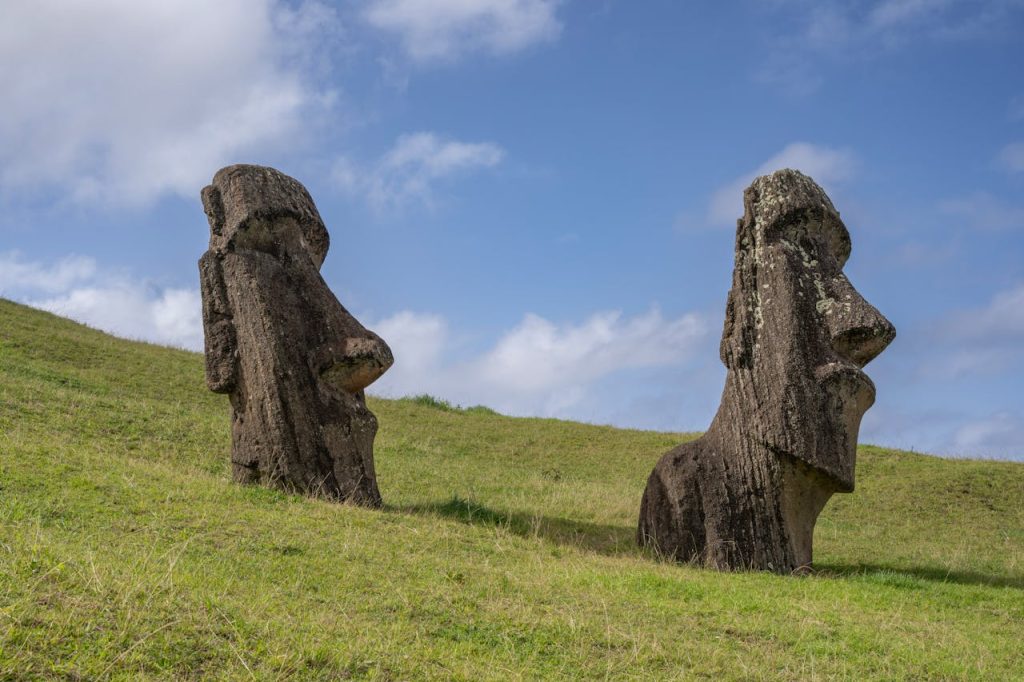
Indigenous heritage sites across the United States highlight deep connections between land, history, and community traditions that continue to shape local cultures today. These destinations offer a look into stories preserved through art, architecture, and longstanding practices grounded in place. Travelers find quiet landscapes, remarkable structures, and meaningful interpretations that enrich the experience. Each site carries a sense of continuity that invites thoughtful reflection and genuine appreciation for the histories that shaped it.
Mesa Verde National Park, Colorado
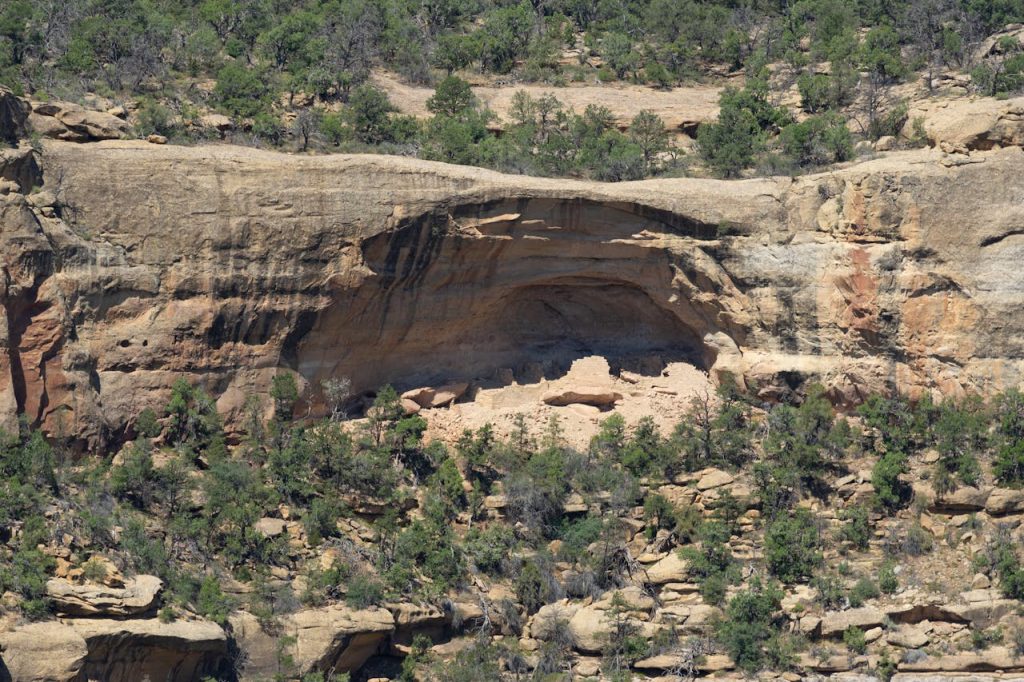
Mesa Verde contains centuries old cliff dwellings built by ancestral Pueblo communities within sheltered canyons that remain remarkably preserved. Stone walls reveal layers of craftsmanship while ladders and pathways highlight how daily life unfolded high above the valley floor. Guided routes explore kivas, plazas, and multiroom homes that reflect complex social structures. The park’s broad mesas provide sweeping views that connect the ancient settlement to its surrounding landscape.
Cahokia Mounds, Illinois

Cahokia Mounds represents one of North America’s largest pre Columbian cities, where earthen structures rise across wide fields once home to a thriving Mississippian community. Monks Mound anchors the site with its impressive height and carefully tiered design. Pathways lead past smaller mounds that reflect ceremonial, residential, and civic functions. Interpretive exhibits offer context that brings the ancient city’s reach and significance into clear focus.
Taos Pueblo, New Mexico
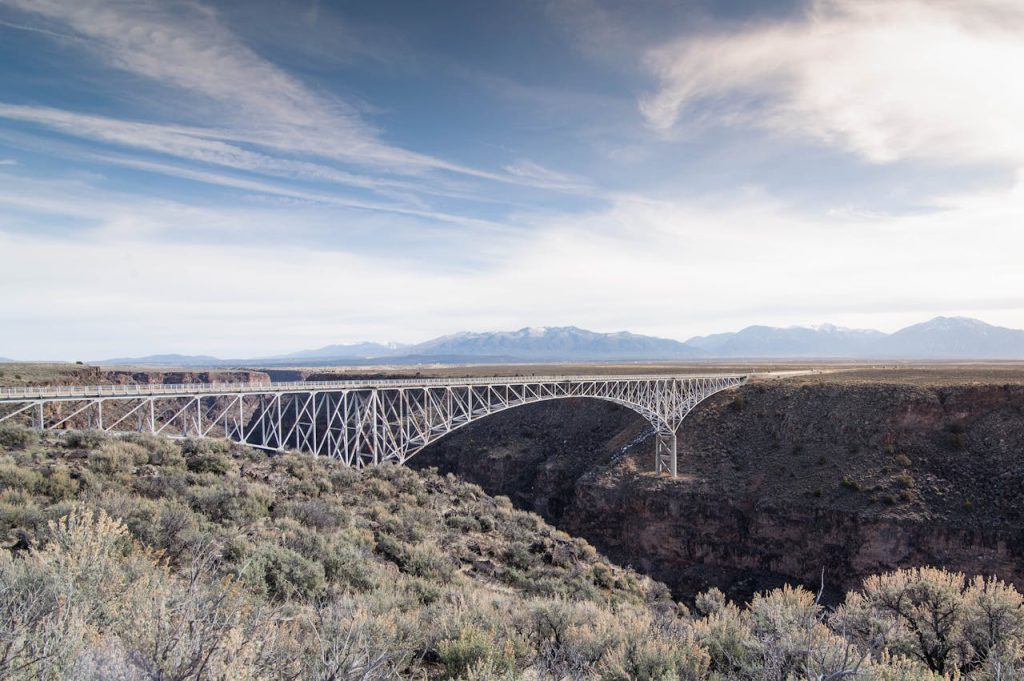
Taos Pueblo features multistory adobe homes that have been continuously inhabited for centuries, forming a living community centered around traditional architecture. Thick adobe walls, wooden beams, and open plazas highlight long standing building methods. The setting near mountain foothills adds a distinct sense of place shaped by natural surroundings. Visitors gain a deeper understanding of cultural continuity through the pueblo’s preserved design and community presence.
Chaco Culture National Historical Park, New Mexico
Chaco Canyon holds monumental great houses and ceremonial structures constructed with precise masonry and astronomical alignment. Broad plazas and towering walls reflect a highly organized society with wide reaching regional ties. Trails pass through rooms, stairways, and elevated overlooks that showcase the canyon’s architectural scale. The surrounding desert amplifies the sense of isolation that once made the site a powerful gathering center.
Serpent Mound, Ohio
Serpent Mound showcases a long earthen effigy shaped like a serpent winding across a high ridge above the landscape. Its form aligns with astronomical events, suggesting ceremonial and cultural importance to past Indigenous communities. Walking paths surround the structure, offering views that highlight its intricate curves and overall scale. The natural setting enhances the mound’s unique presence and longstanding significance.
Makah Cultural and Research Center, Washington
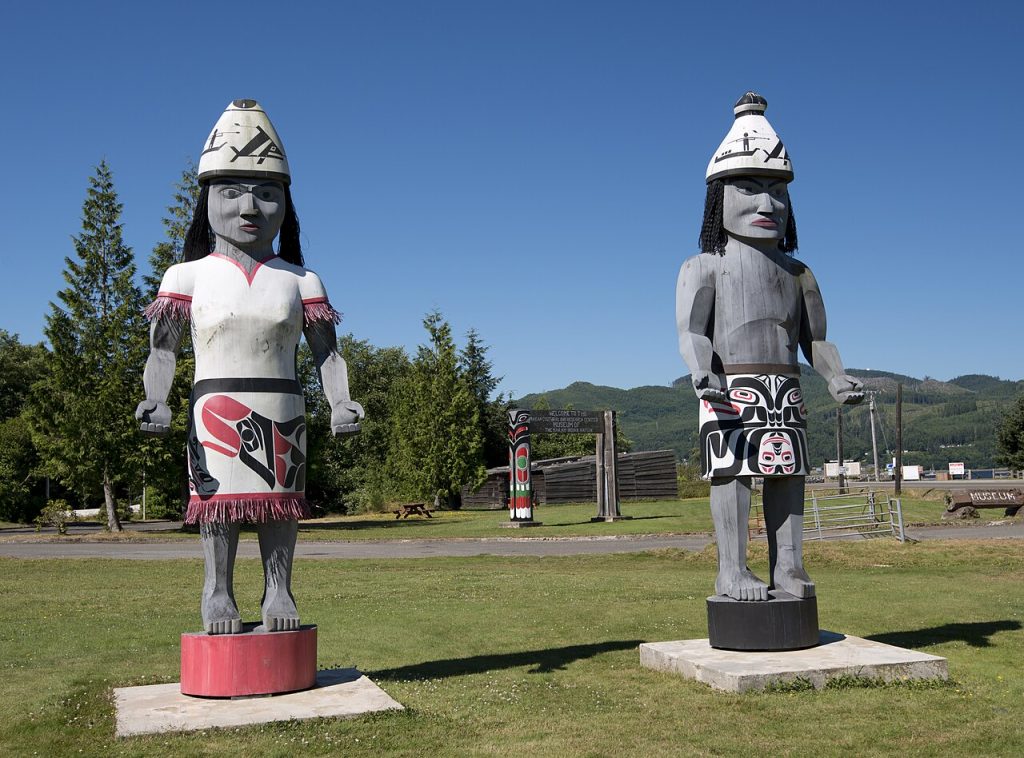
The Makah Cultural and Research Center preserves artifacts and stories connected to coastal lifeways shaped by maritime traditions. Exhibits feature tools, carvings, and recovered items that reflect deep knowledge of ocean ecology. Interpretive areas expand on seasonal practices and community history. The center’s connection to the surrounding coastal landscape reinforces the enduring relationship between people and sea.
Effigy Mounds National Monument, Iowa
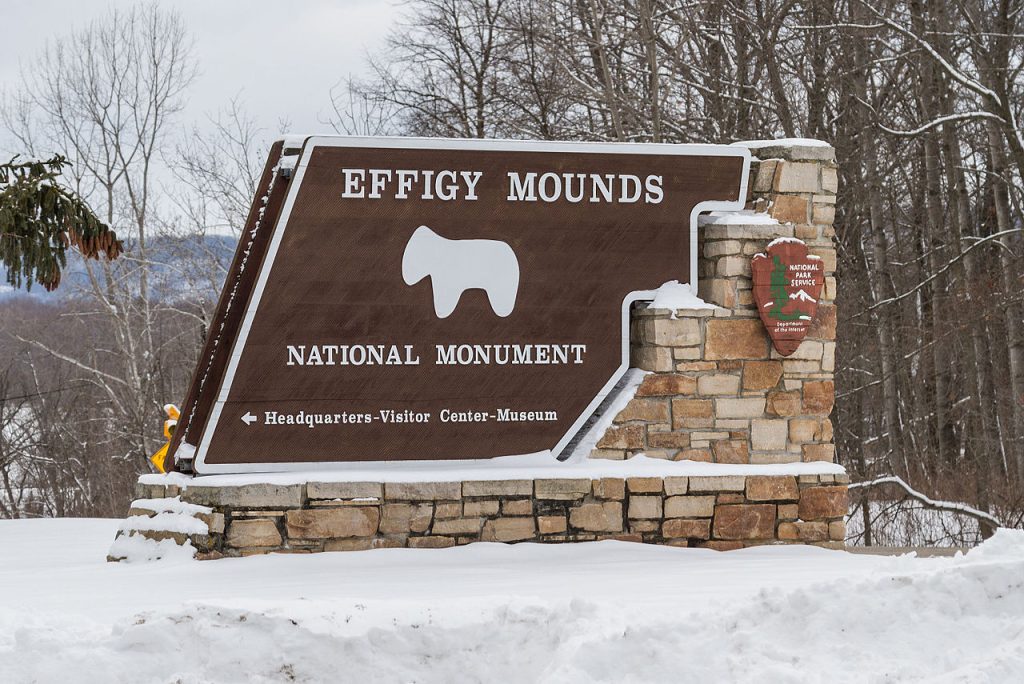
Effigy Mounds includes numerous animal-shaped earthworks set across bluffs and wooded hills that overlook the Mississippi River. Paths weave through forests where mounds appear in shapes such as bears and birds, each carrying cultural meaning. The quiet natural environment supports a reflective experience that emphasizes respect for the site. Elevated viewpoints connect the earthworks to the broader river valley.
Ocmulgee Mounds, Georgia
Ocmulgee Mounds features impressive earthworks and artifacts that reflect thousands of years of continuous human presence. Large platform mounds rise above open fields, and interior spaces such as the Earth Lodge showcase detailed structural craftsmanship. Trails connect preserved landscapes with museum exhibits that contextualize the region’s deep cultural roots. The site’s combination of open space and historic architecture creates a compelling sense of time.
Pueblo of Acoma, New Mexico
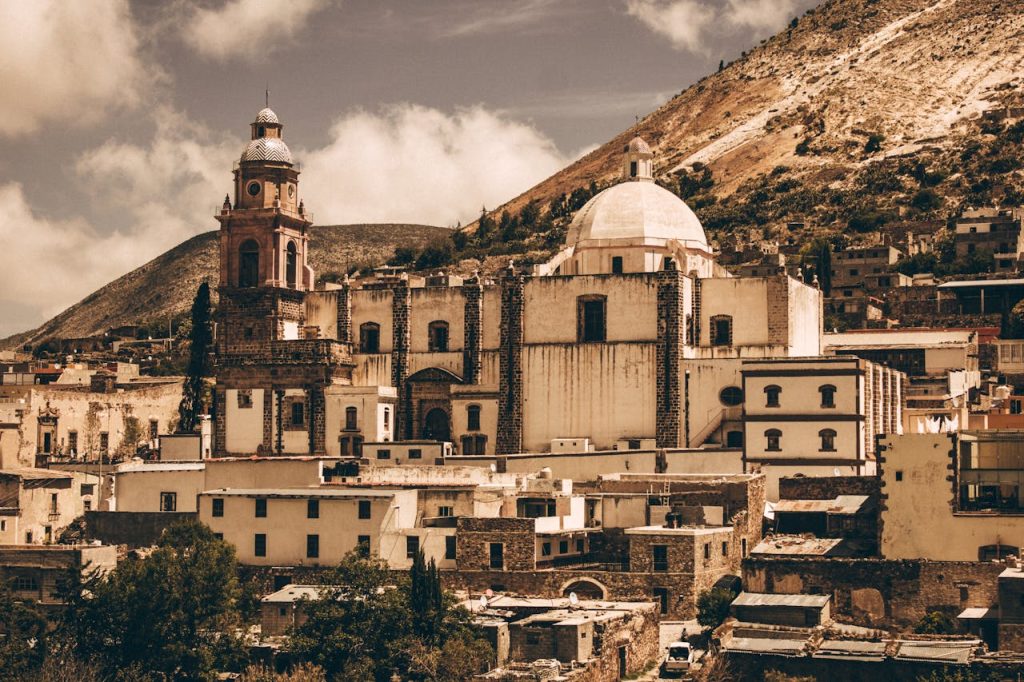
Acoma Pueblo sits atop a high mesa, offering striking views in every direction and reflecting centuries of resilient habitation. Adobe buildings cluster near the edge of the mesa, connected by narrow pathways and open courtyards. The pueblo’s elevated location highlights the importance of natural fortification and resourcefulness. Visitors observe architecture and cultural practices shaped by generations of life atop this dramatic landscape.
Moundville Archaeological Park, Alabama
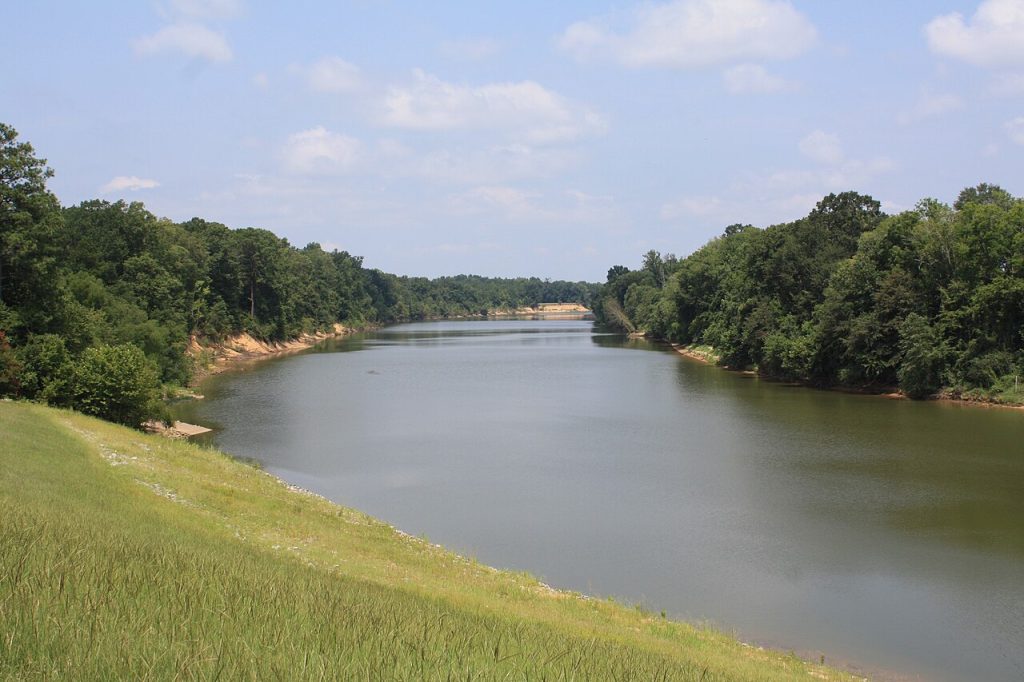
Moundville Archaeological Park contains large platform mounds arranged around an open central plaza once used for ceremonial and civic gatherings. The layout reflects a highly structured Mississippian community that influenced large portions of the region. A museum displays pottery, tools, and artwork that illuminate the site’s cultural complexity. The expansive grounds mirror the city’s former importance as a regional hub.
Hovenweep National Monument, Utah and Colorado
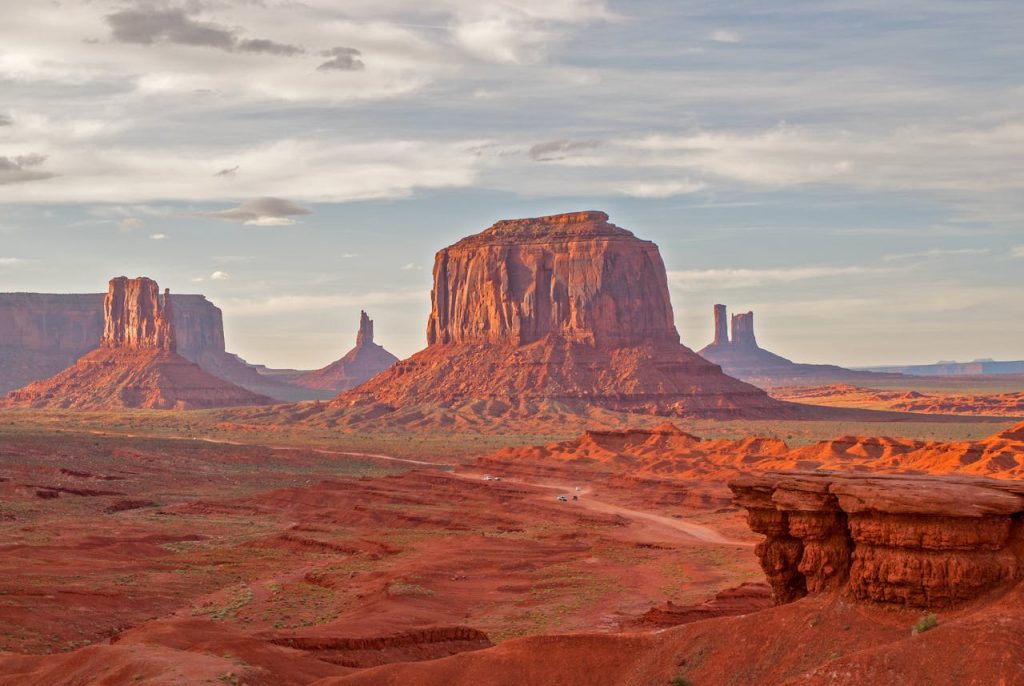
Hovenweep features stone towers perched on canyon rims and clustered near seasonal water sources, demonstrating remarkable engineering skill from ancestral Pueblo communities. Tall structures rise above deep ravines, revealing how architecture adapted to challenging terrain. Trails follow natural contours and lead to overlooks with clear views of multiple tower groups. The surrounding silence accentuates the ingenuity of the settlement.
Etowah Indian Mounds, Georgia
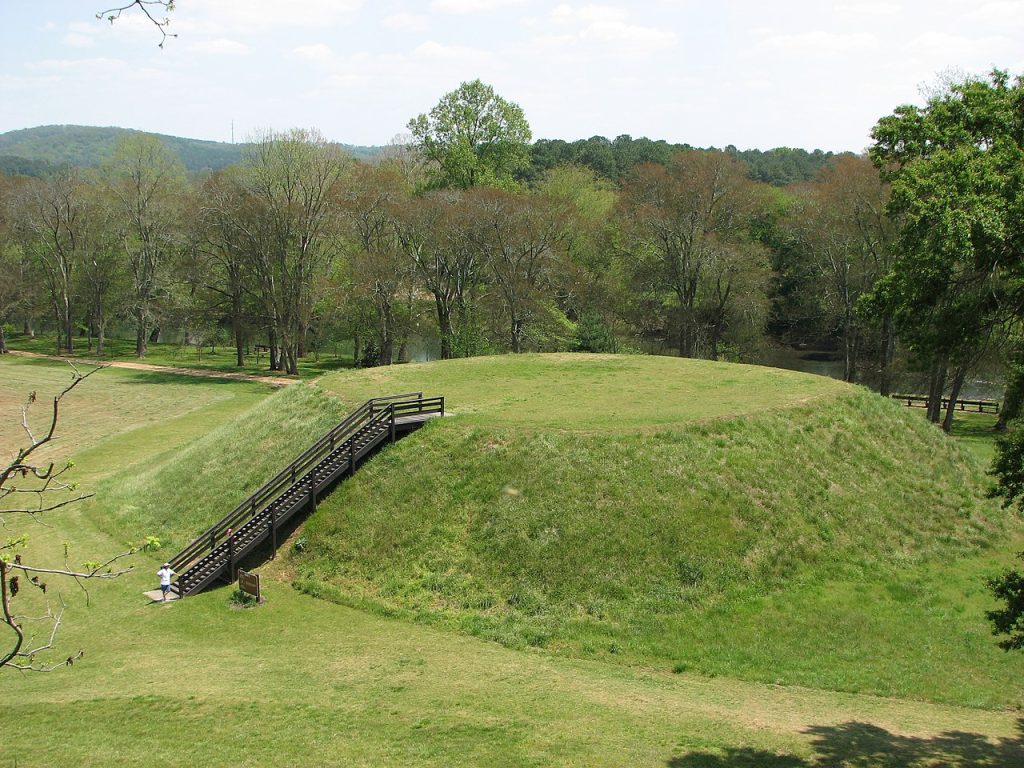
Etowah Indian Mounds includes large earthworks, village sites, and recovered artifacts that highlight the social and ceremonial life of the Mississippian culture. Topped mounds once supported structures central to community governance and ritual activity. Surrounding landscapes reveal agricultural fields and fortified sections that shaped daily living. The combination of preserved earthworks and interpretive spaces brings the site’s history into vivid focus.