12 Low Pressure Winters in New Mexico’s Gila Wilderness Just Right for Now
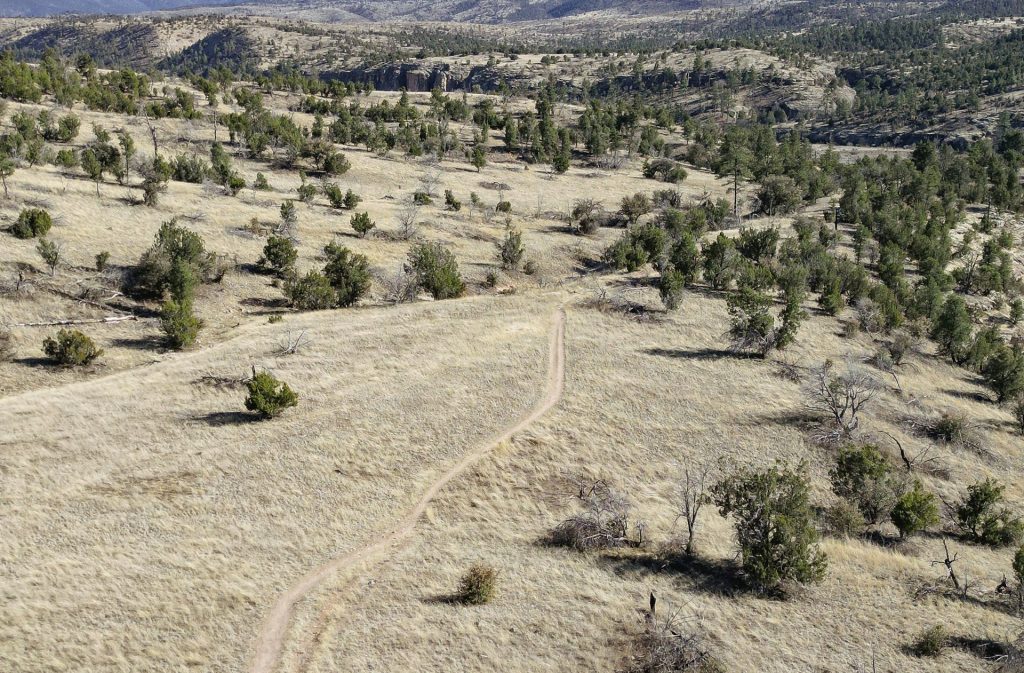
Winter in New Mexico’s Gila Wilderness can feel like a reset that asks for almost nothing. Cold air sharpens the light, the noise drops away, and the rivers keep moving through cottonwoods and canyon bends.
Instead of chasing miles, the season favors modest days: late starts, warm layers, and long pauses where the sun lands. Steam from hot springs curls into blue air, and animal tracks stitch quick stories into sand.
Practical choices keep it easy. Daylight is brief, crossings are cold, and roads can change fast, so steady pacing, a thermos, and a willingness to turn back can make the whole trip feel quietly right for now.
Clear Midday Light On The Gila River
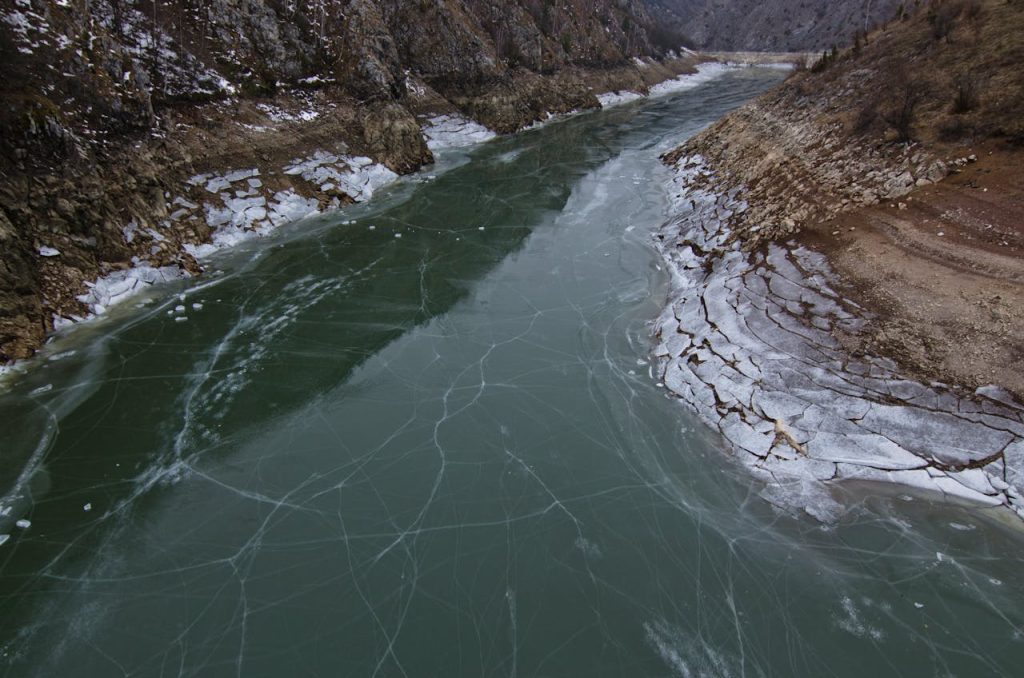
Winter lowers the volume along the Gila River Trail, and the canyon starts to feel like a room with the door closed. Cold nights firm the sandbars, and by midday the water often runs clear enough to show stones, roots, and leaf lines under shallow crossings.
With fewer hikers, sound becomes the scenery. Riffles keep time, wind clicks through bare cottonwoods, and breaks happen where sun reaches the gravel. The low-pressure win is simple pacing: poles for slick rocks, a dry layer sealed in a liner, and steady miles that never need to prove anything. Even a small turnaround can feel like a full day, especially when light stays steady.
Middle Fork Canyons That Slow Everything Down
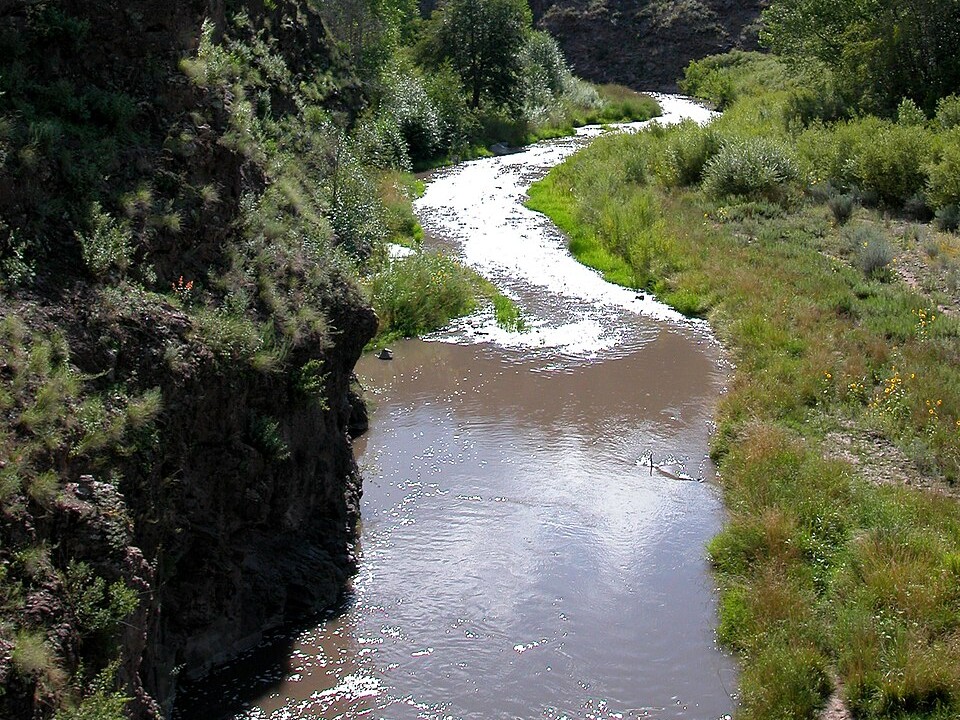
Middle Fork canyons do the pacing on their own. In winter, sunlight slides in late, warms sandy benches, and leaves long shaded stretches that keep the air crisp. Cliffs hold the sound, so conversation naturally softens and footsteps take over, one careful step at a time.
The route becomes a chain of calm choices. Frosty sand and slick rock reward slower steps, and short daylight nudges an earlier camp before cold settles in. A hot drink at noon, bare cottonwoods framing clear pools, and the steady river hum make the day feel full without chasing distance. The canyon offers enough, and the mind stops bargaining for more today.
Jordan Hot Springs As Earned Winter Comfort
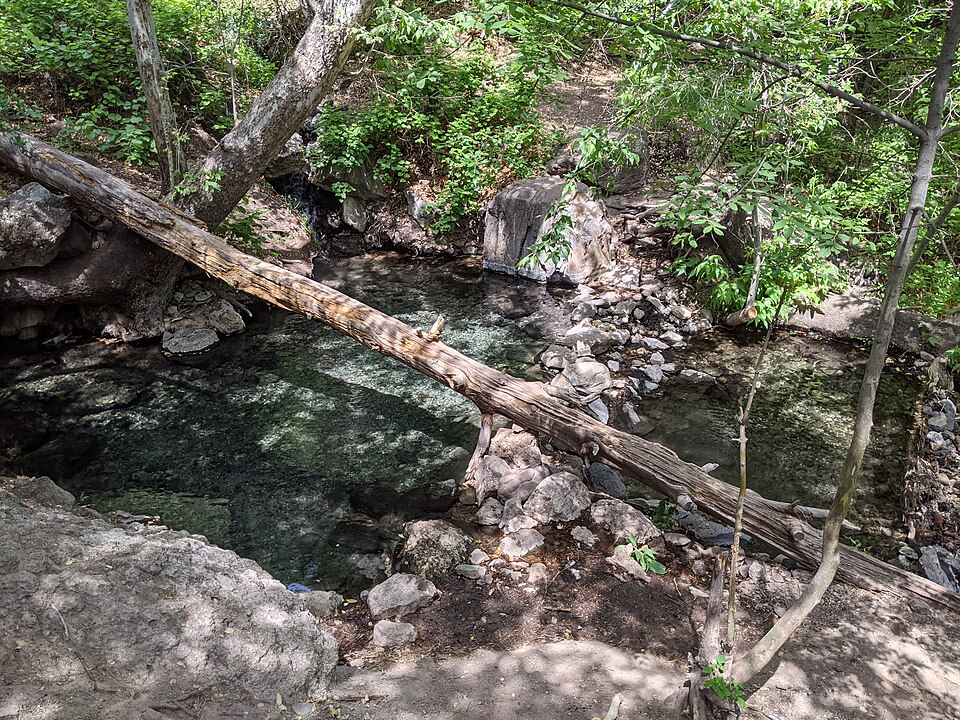
Jordan Hot Springs feels like a winter reward because the comfort has to be earned first. The hike is known for repeated river crossings, and cold water makes patience the main skill. Slick stones and shaded bends keep the pace honest, and stops happen where sun reaches sand.
Near the springs, three pools wait, and the largest is about 20 feet in diameter and three feet deep, with clear water near 94°F. After the soak, dry clothes go on fast, warm layers follow, and snacks stay ready, because canyon air cools quickly once skin is wet and the sun slips away. The walk out feels lighter than the walk in, and the day ends with a calm glow.
Gila Cliff Dwellings In The Short-Day Sweet Spot
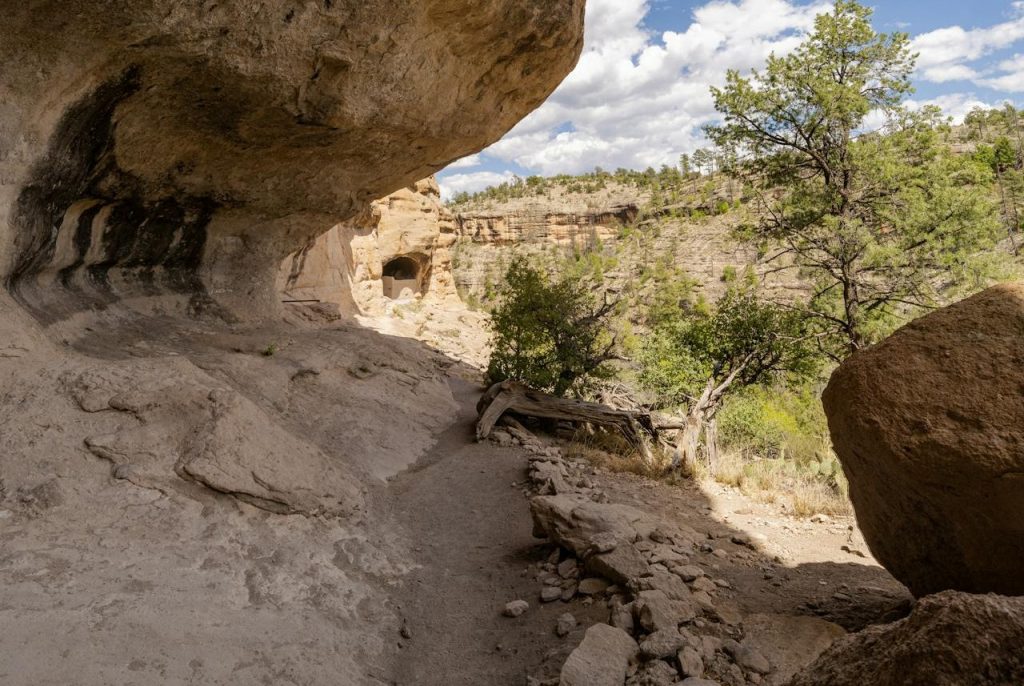
The Cliff Dweller Trail fits winter’s shorter days, which keeps the visit contained and calm. The visitor center, trail, and dwellings are open 9:00 a.m. to 3:59 p.m., and everyone must be out by 4:50 p.m., so daylight quietly runs the schedule and keeps the climb from stretching too long.
The rooms, built by Mogollon people in the late 1200s, sit tucked into caves above a narrow canyon. The loop is about one mile round trip and often takes one to two hours, with stairs that can feel slick in shade. Winter quiet makes it easier to linger, imagine daily life, and leave with a softer mood that lasts through the drive back and into the evening.
Gila Hot Springs For The Easy Warmth Day
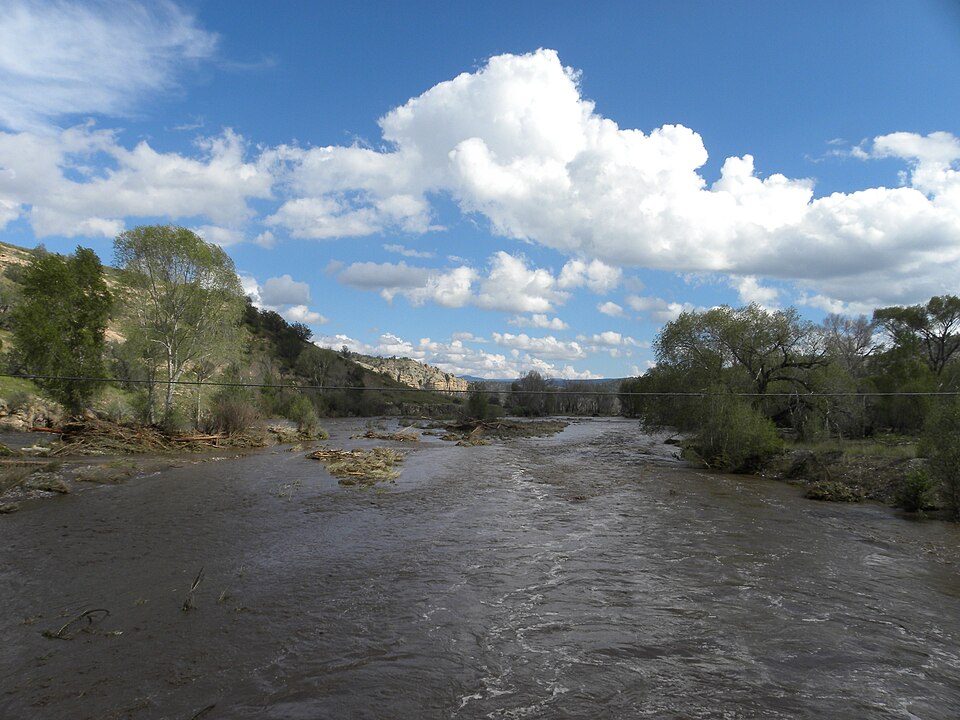
Some winter days in the Gila feel best without a long route. The small community of Gila Hot Springs offers nearby soaking, which keeps the comfort high when daylight is short or river crossings feel like too much. Steam rising into cold air can reset a whole week, and the valley smells like pine and wet stone.
The ease is the point, but it does not feel lazy. A slow drive, a short riverside walk, then a warm pool makes the day complete. Evenings come early in the canyon country, so a quiet meal, gear drying near a heater, and sleep before 10:00 p.m. can feel like the right kind of luxury, simple, deserved, and perfectly paced.
Daylight-First Roads Into The Wilderness
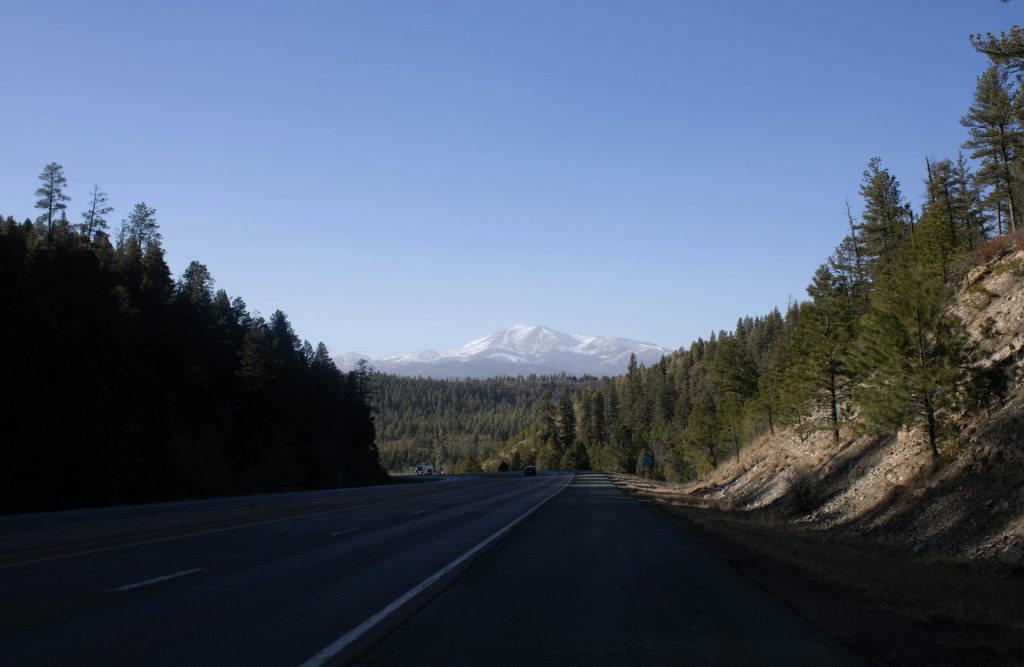
Winter travel into the Gila rewards daylight and patience more than bold schedules. Weather can change fast in the mountains, and road conditions vary, so checking forecasts and local updates keeps surprises low. Cell service fades in canyons, which makes simple prep feel wise and keeps timing realistic.
A full tank, extra water, and a conservative pace turn the drive into part of the calm. Overlooks get time, coffee stays warm, and detours feel optional. When a storm rolls through, waiting it out in town becomes the sensible move, not a compromise. The wilderness is better met without forcing a tight timeline that leaves no room to breathe.
Short Miles That Still Feel Complete
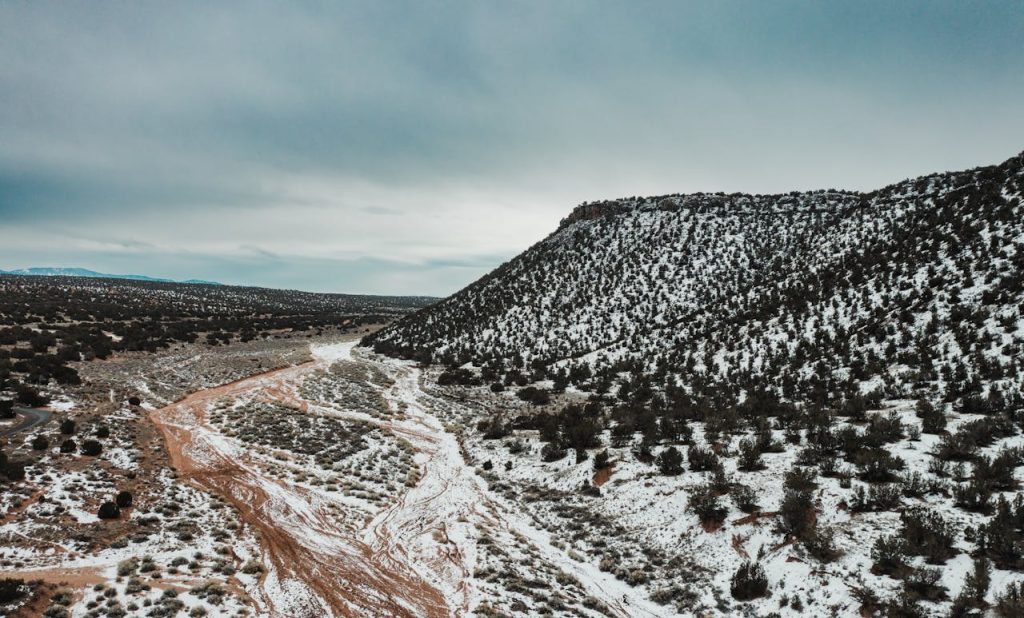
Winter makes it easier to choose short miles without feeling like something is missing. A two- to four-hour wander can hold plenty: a sunlit bend, a quiet crossing, and a ridge view that arrives without sweat. The land feels generous when expectations stay modest, and the body finishes the day with something left.
The trick is to plan for the clock, not the ego. Late starts keep mornings warmer, and early turnarounds keep exits calm. With a headlamp, a thermos, and a dry layer, even a small loop can feel like a real trip, not a placeholder. The reward is steady peace, plus time for a slow dinner and an early sleep, without sore legs.
Animal Tracks That Turn Walking Into Reading
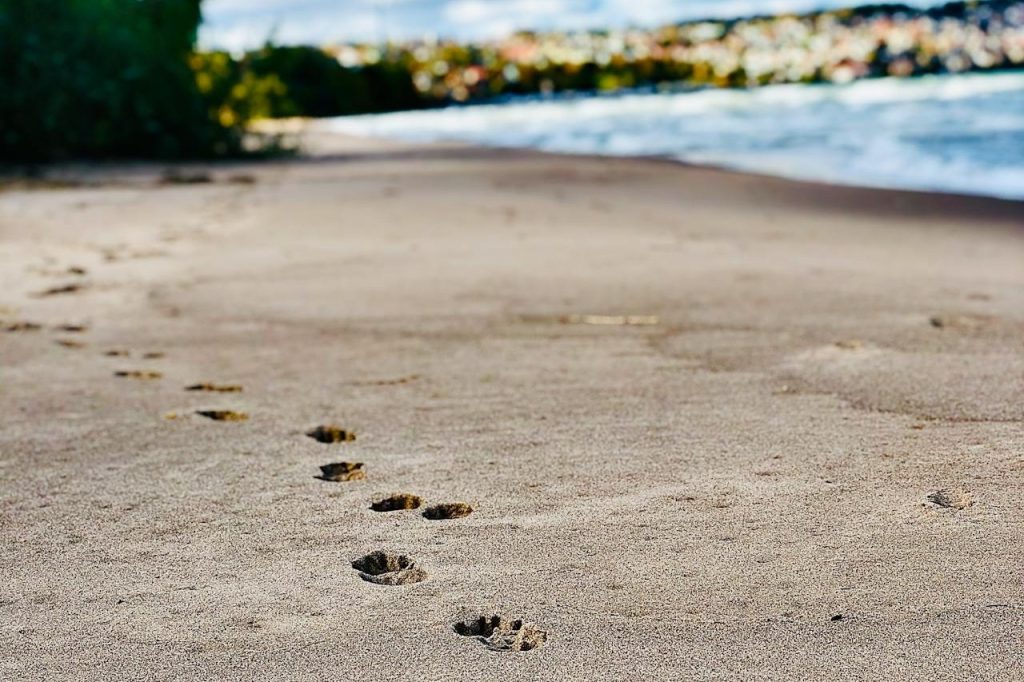
Winter makes the Gila easier to read. Mud edges hold fresh tracks, frost outlines hoof prints, and soft sand along the river becomes a record of elk, deer, and smaller night wanderers. Even the spacing between prints hints at pace, and a sudden scuff can mark a quick turn into cover.
It turns an ordinary walk into slow attention. People stop without guilt, follow a line to water, then notice the return path and the pause points in willow shade. With fewer voices on trail, small details stand out: a feather against rock, browse marks on stems, and prints crossing a sunlit bar like a sentence that ends in quiet, then rests.
Winter Birds Along Cottonwoods And Sycamores
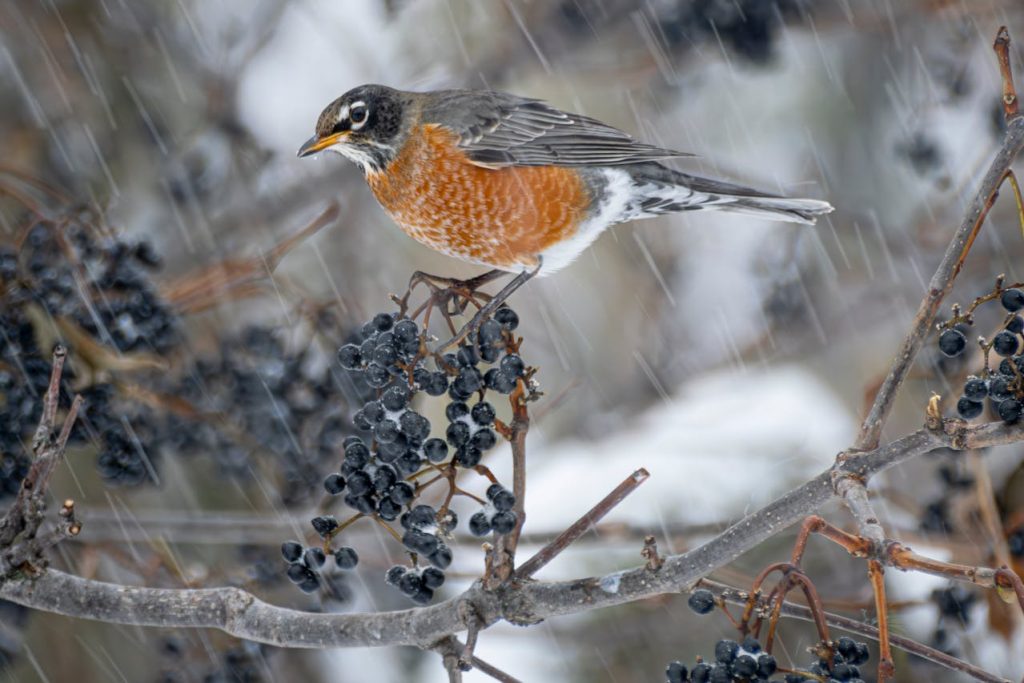
The river corridor stays lively in winter, just quieter. With fewer leaves, movement is easier to spot: a hawk riding a ridge breeze, a heron holding still at a slow pool, or small birds flicking through willow tangles. Cold air carries calls farther, and the absence of summer noise makes every wingbeat feel louder.
Birding fits the low-pressure mood because it rewards any pace. A short stroll from a pullout can deliver more than a long push, especially when sun warms a wall and insects wake briefly. Time spent listening is never wasted here. Sightings arrive as clean bonuses, and the day feels richer for paying attention.
Early Darkness And A Sky That Feels Close
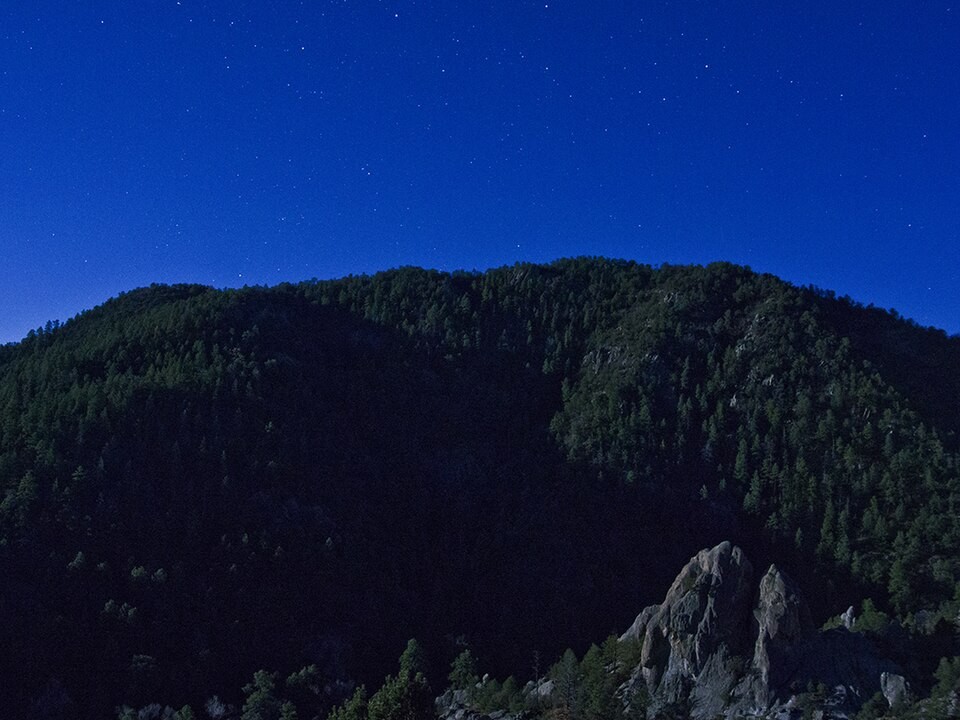
Winter darkness arrives early in the Gila, and that turns night into a feature instead of a problem. With little nearby light, stars sharpen, and the canyon can feel like a quiet bowl holding the sky. When the moon is low, the Milky Way reads clearly, and the cold makes the air look almost polished.
The low pressure comes from how little needs to happen. An early camp, a warm hat, and a mug held between gloved hands can be the whole evening plan. Cold air carries sound farther, so an owl call or distant coyotes land with extra clarity. The silence is not empty. It feels full, and sleep comes easy after a day that never had to shout.
Simple Camp Evenings That Still Feel Complete
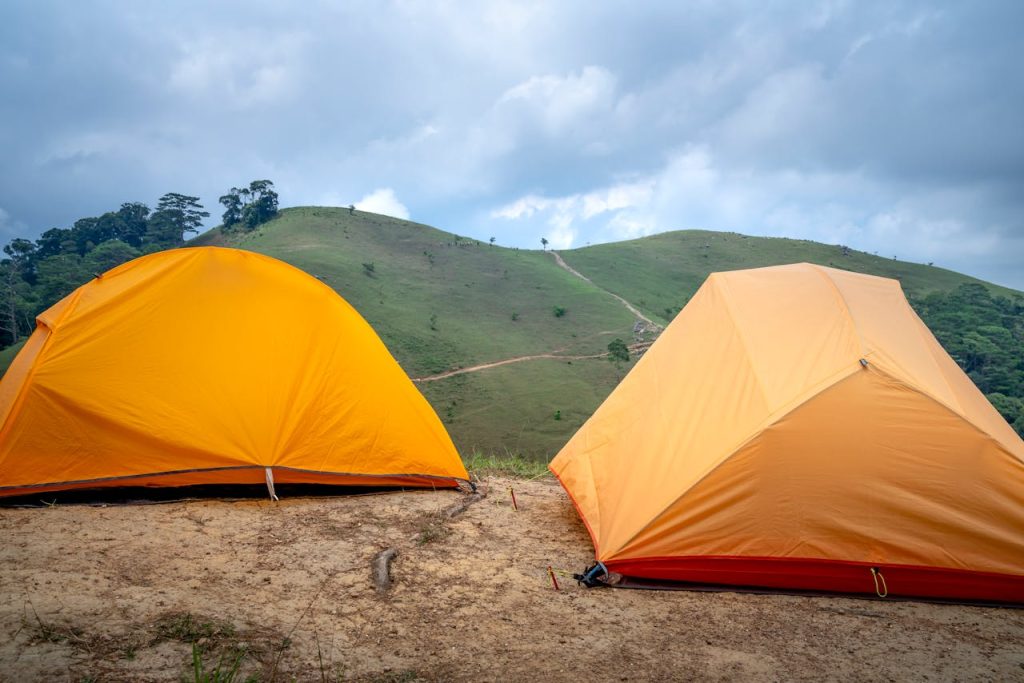
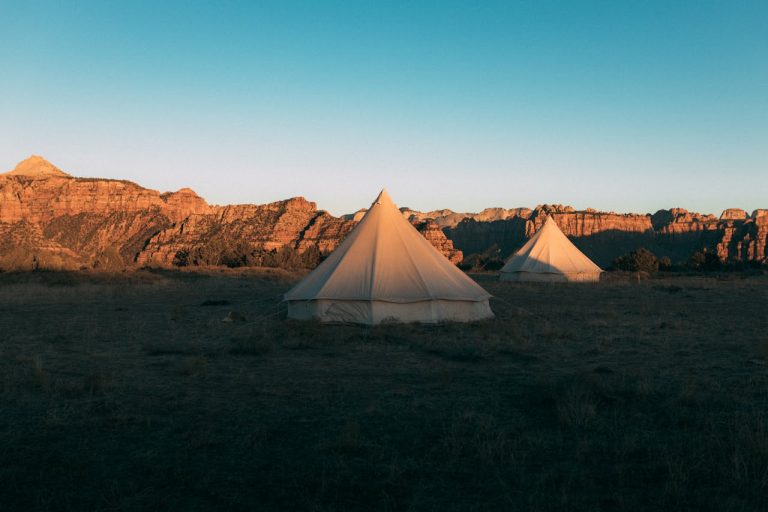
Winter camping in the Gila strips things down to what matters: warmth, water, and shelter from wind. Meals get simpler and better, because soup, tortillas, and coffee taste like real rewards when hands want to stay near a mug. Even small chores feel calmer when the air is still.
Planning stays gentle when miles stay modest. An earlier stop means time to filter before dusk, shake sand out of socks, and tuck wet shoes where they will not freeze solid. A warm hat and dry base layer do quiet, reliable work. When the setup is right, the night feels steady, and morning arrives without a scramble, just the river and the first thin light.
Silver City As A Gentle Winter Basecamp
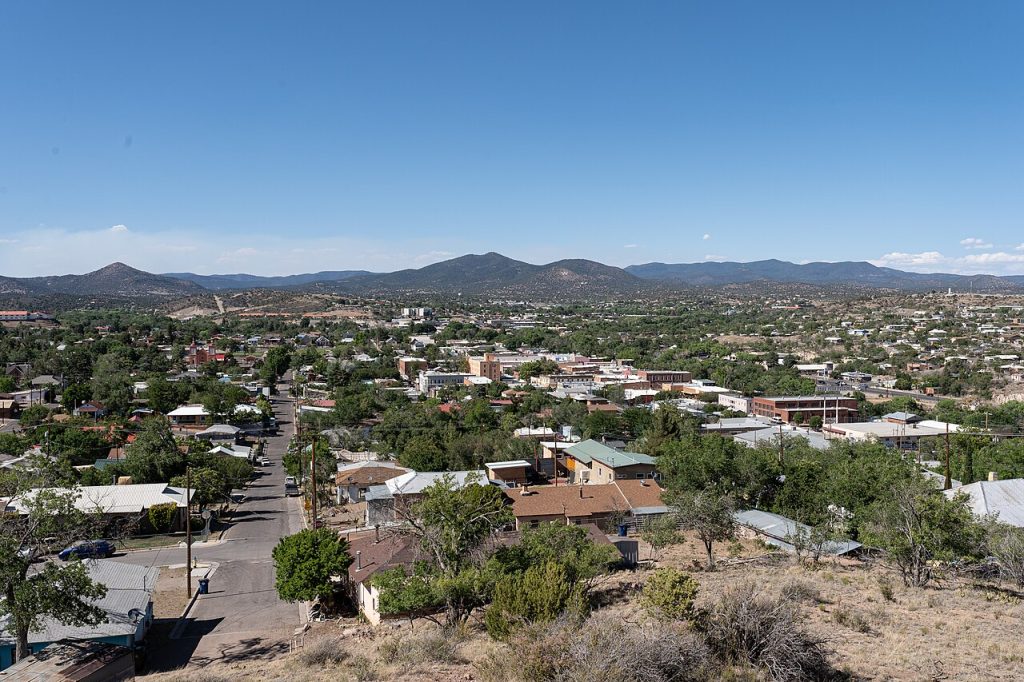
Silver City makes winter in the Gila easier to hold. It is close enough for early starts, but comfortable enough to keep the trip light, with groceries, warm food, and a place to dry gear after cold river days. Small comforts change the tone, especially after wet crossings and wind.
The town’s pace matches the season. Evenings come early, sidewalks feel calmer, and a café stop can turn wind-chapped hands into a soft landing. It also keeps decisions sane when forecasts shift. A storm day becomes rest, not disappointment, and returning to the canyon feels smoother because the basics are already handled, and energy stays intact.