12 Moroccan Medinas Feel Like Maze Traps
Moroccan medinas reward curiosity, but their logic is rarely straight. Sunlit lanes slip into shade, markets fork, and familiar doors start to repeat after only a few turns. A path that looked obvious at noon can feel like a different corridor once the crowd thickens.
Built for foot traffic, privacy, and cooler air, these quarters hide landmarks behind plain walls, then reveal them by sound and scent: bread ovens, metal taps, mint, and cedar. With carts, scooters, and archways cutting sightlines, direction can blur fast, and the same gate can feel farther at dusk, even when it sits only a block away on paper after sunset.
Fez El Bali, Fez
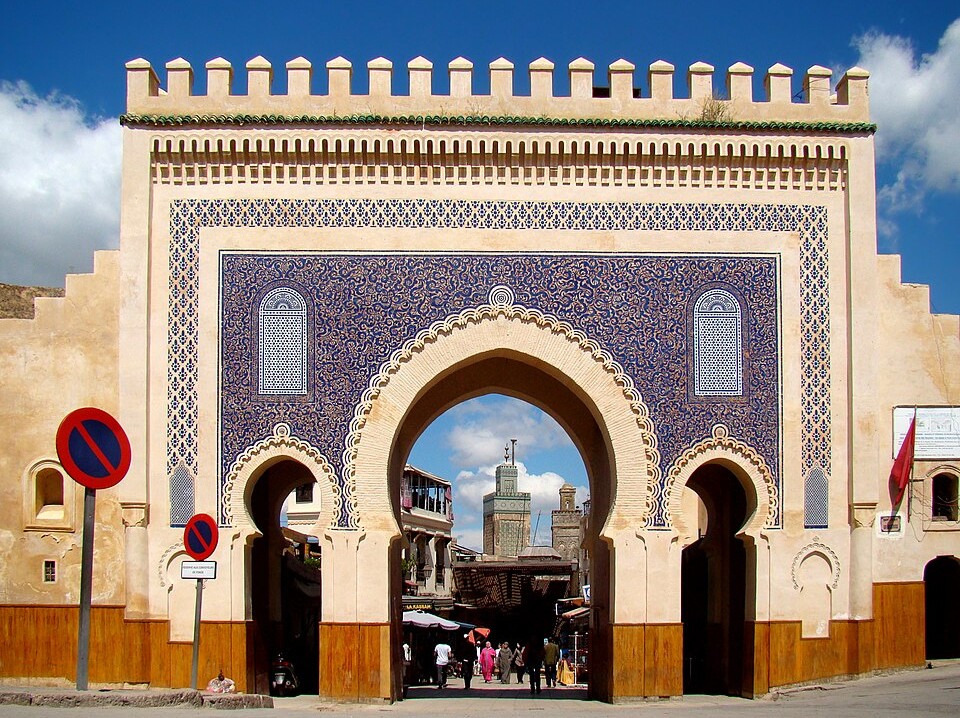
Fez el Bali compresses distance. Lanes fold into one another, then split again, so a route that felt obvious near a gate can lose its logic after two shaded bends. Even confident direction can soften when every corner looks like the last.
Workshops and courtyards sit behind plain doors, offering few clues at street level. Deliveries and handcarts create moving detours, and echoes under arches pull attention sideways. A quick turn can shift from dense souk to quiet homes, and the return path looks identical until a familiar fountain, a mosque entrance, or a known square anchors the walk again, with relief at last today, too.
Medina Of Marrakesh, Marrakesh
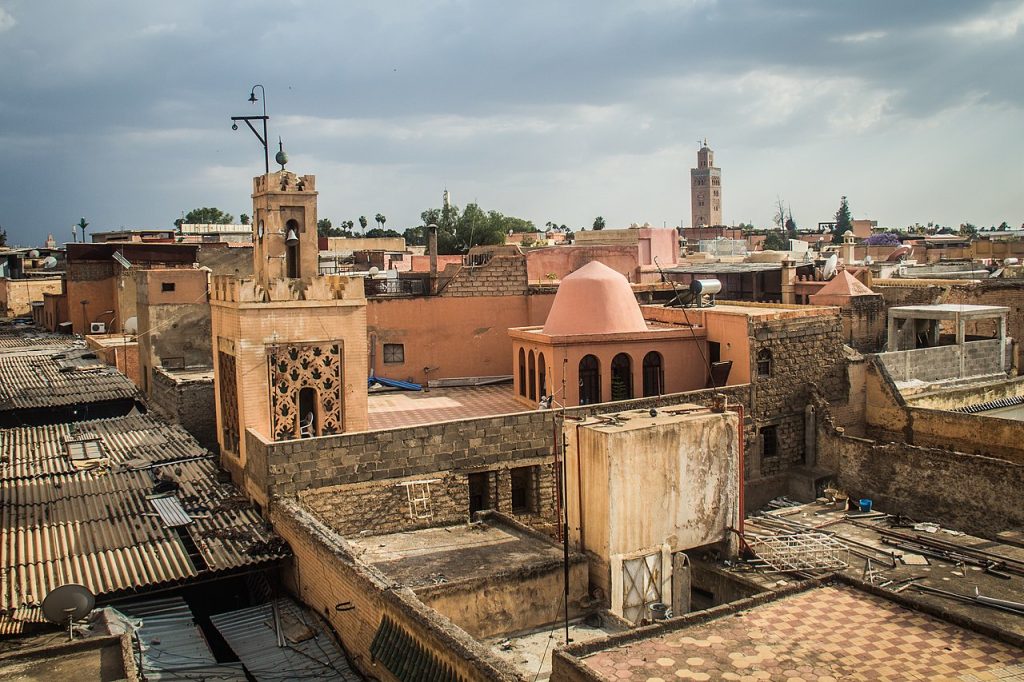
Marrakesh starts with open squares, then tightens into covered souk lanes where light flips from sun to shade in a few steps. Trades change by the turn, and scent can pull the feet faster than any plan. The pace stays quick, even when the map feels unsure.
Stalls spill into the corridor, and movement gets pushed to the edges, where side alleys branch without warning. Handcarts and scooters pass close, and echoes under awnings make a familiar café seem near when it sits one lane over. A simple errand can loop back to the same corner, with the right turn missed by a single doorway, then missed again minutes later in shade too.
Historic Medina, Meknes
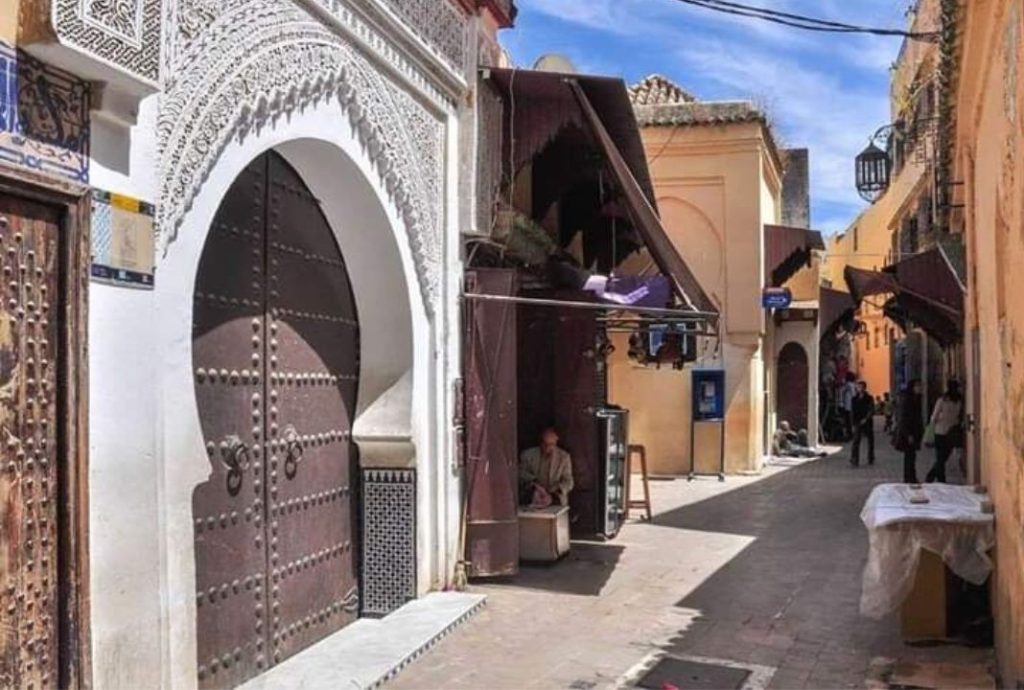
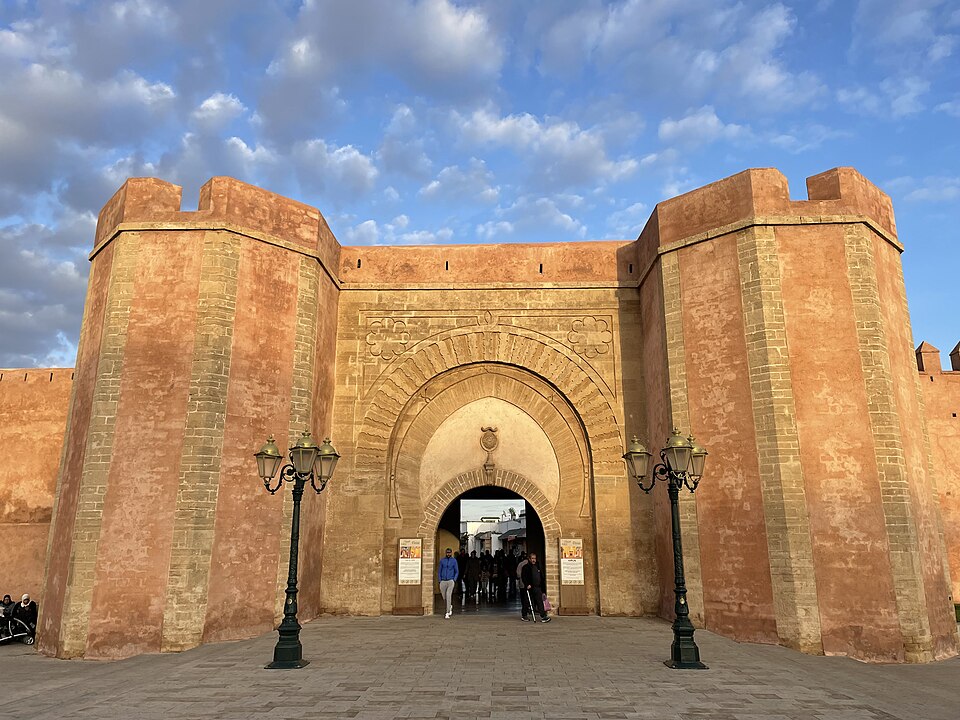
Meknes looks orderly from its monumental gates, then turns intricate once the path slips into older lanes where sightlines end at blank walls. Small bends arrive fast, and landmarks hide behind plain façades. Calm confusion builds without drama.
Markets cluster, thin out, then reappear around a corner with no warning. Quiet stretches can be more disorienting than busy ones because exits look like ordinary doorways. Voices reflect off stone, so direction seems to come from everywhere. A turn that felt like a shortcut can end at a closed door, and the return drops back into the same square from a new side minutes later again.
Medina Of Essaouira, Essaouira
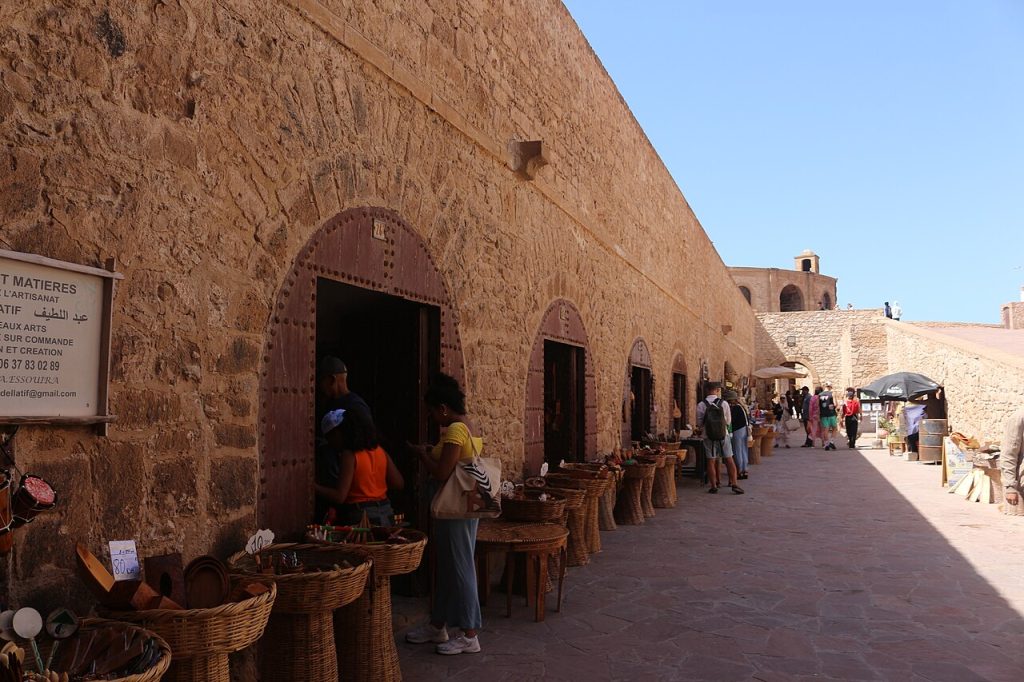
Essaouira feels airy near the ramparts, then tightens into lanes where sea wind nudges people toward the same corners all afternoon. White walls bounce light, and that brightness can make turns feel closer than they are. Even straight stretches can end in a sideways cut.
Gates offer anchors, yet interior passages still kink once stalls fill the street. Workshop alleys break the neatness, and a small misread can send feet into a loop of similar façades, each doorway repeating the last. Ocean sound helps only near the edge. Deeper in, calm rhythm makes detours feel gentle until the same corner appears again, uninvited quietly.
Medina Of Tétouan, Tétouan
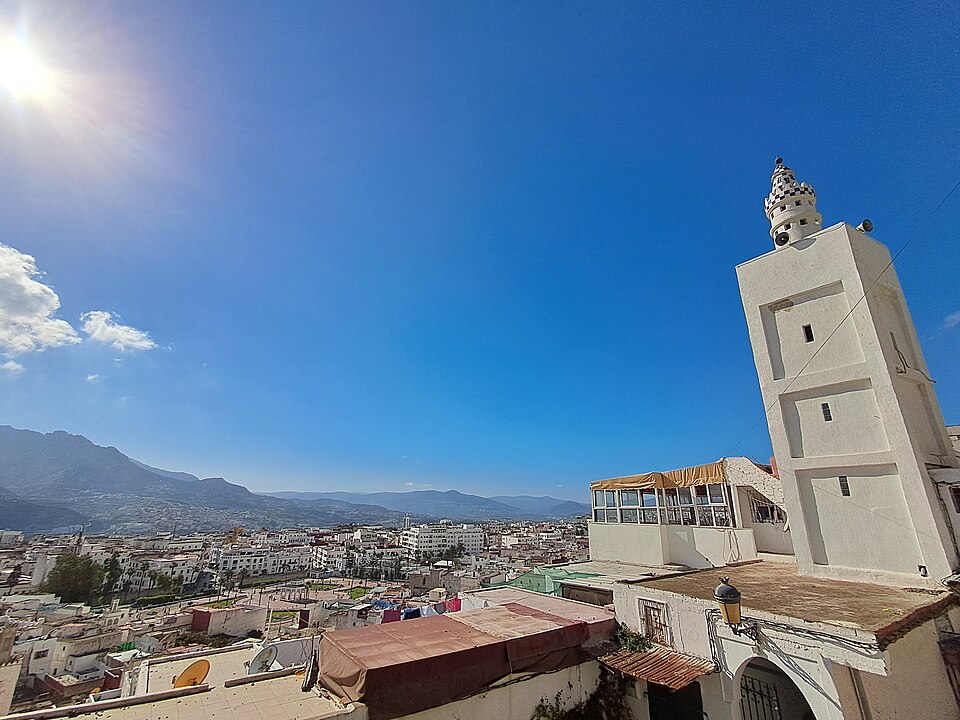
Tétouan’s medina climbs and dips, so direction shifts with the slope as much as with the turns. Alleys narrow into steps, open into small landings, then fold back inward before the eyes settle. The calm look of white walls can hide how fast angles change.
Stairways offer shortcuts, but they also create look-alike dead ends in residential lanes. Doors repeat a pale palette, and the next bend often hides the last reference point. Sound bounces off stone, making a busy corner seem near even when it sits above or below. One wrong stair resets the mental map, and the return feels like another street entirely for a while longer.
Rabat Medina And Kasbah Of The Udayas, Rabat
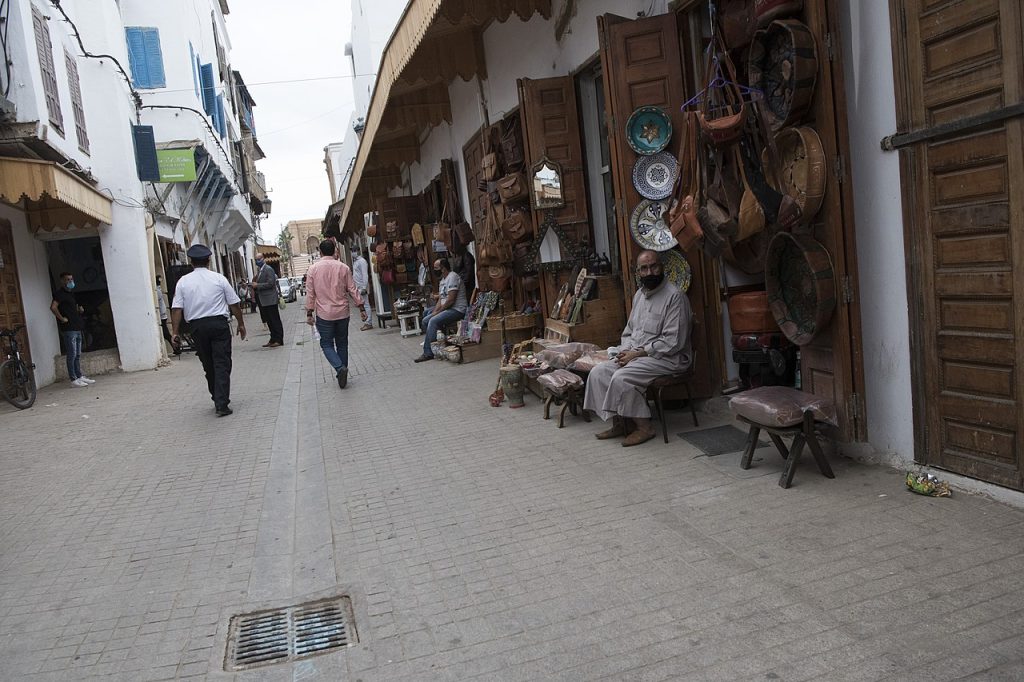
Rabat’s old quarters can feel like two moods stitched together, the working medina and the quieter Kasbah of the Udayas by the water. Wide city cues vanish at the first arch, and the change in scale resets direction. Landmarks tend to sit behind walls, not on them.
In the medina, stalls compress the corridor and turns arrive without pause. In the kasbah, calm streets curve into cul-de-sacs along the walls, so quiet becomes its own confusion. Light shifts off whitewash, making familiar corners look new, and one unmarked bend can overshoot a gate before the river breeze returns as a clue. The walk stays gentle, but attention has to stay sharp.
Salé Medina, Salé
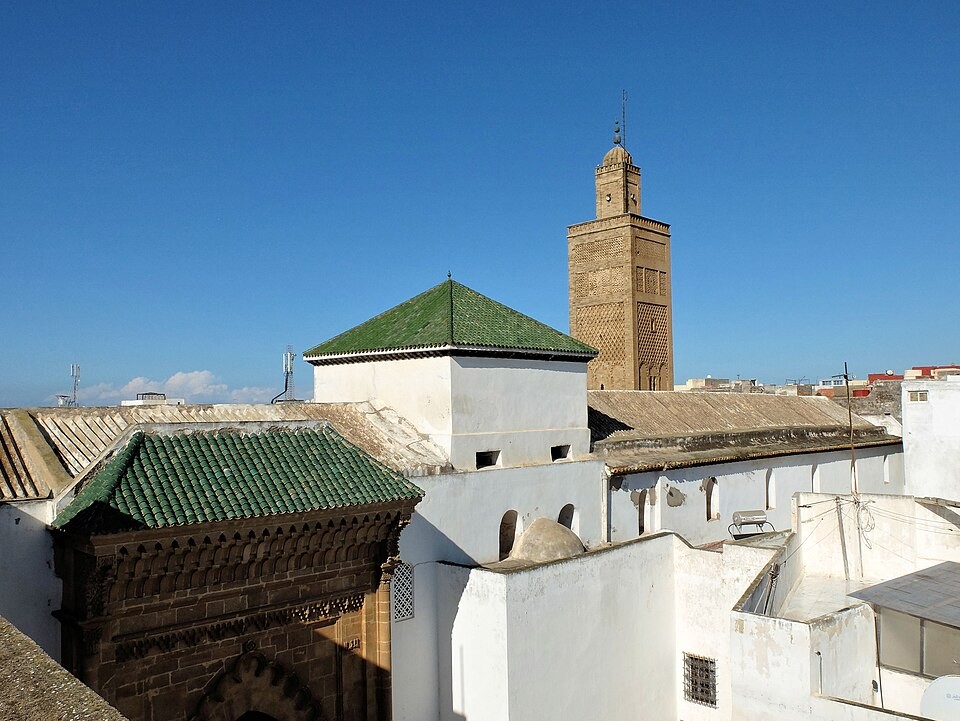
Salé’s medina feels certain at the entrance, then loosens into lanes that widen into small squares and pinch again. The rhythm is everyday and local, which makes turns feel effortless until the intended corner slips past. Following the flow is easy; tracking it is harder.
Movement runs on shortcuts held in muscle memory: quick turns, narrow passages, and side lanes that look identical at first glance. Sound travels between walls, so the next market seems close even when it is not. A quiet courtyard appears, then vanishes behind an arch, and the route loops until the right exit returns, as if the medina is testing patience.
Tangier Medina And Kasbah, Tangier
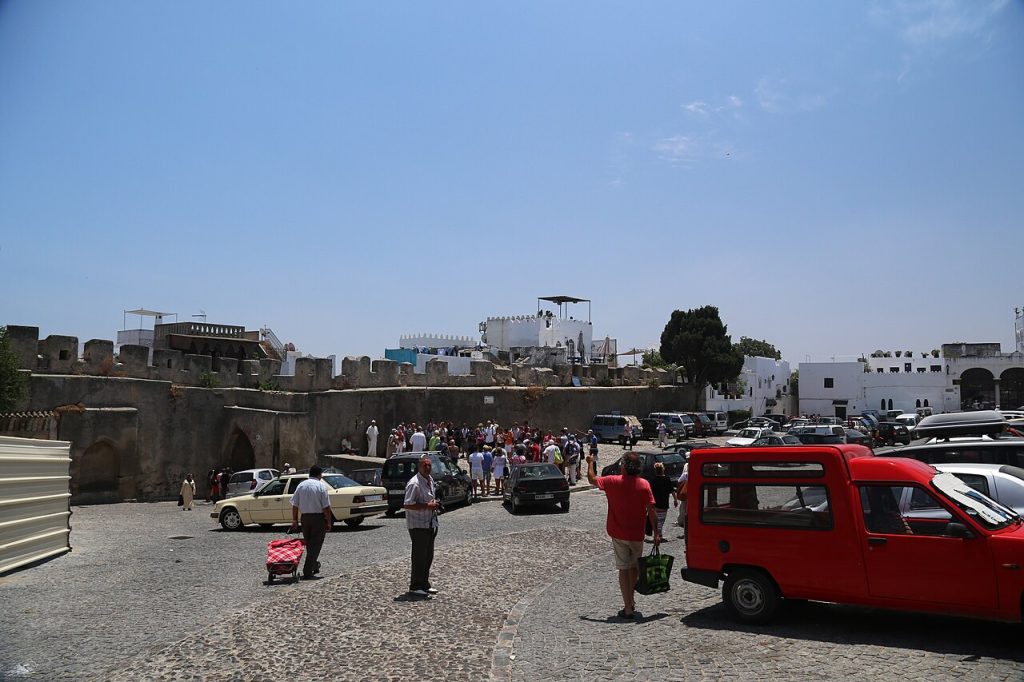
Tangier rises toward the kasbah, and the climb encourages constant turning as lanes layer over one another. An entrance that looks clear near a square can split into three choices within a block, each pulling uphill. The streets feel confident, even when direction does not.
White walls and blue doors repeat, and courtyards hide behind arches that look like passages until they end at private doors. Sound carries upward, so cafés seem near even when they sit one lane over. A short walk can become a spiral that returns to the same gate from a new angle, with the sea breeze arriving only when the route finally opens. again. too.
Chefchaouen Medina, Chefchaouen
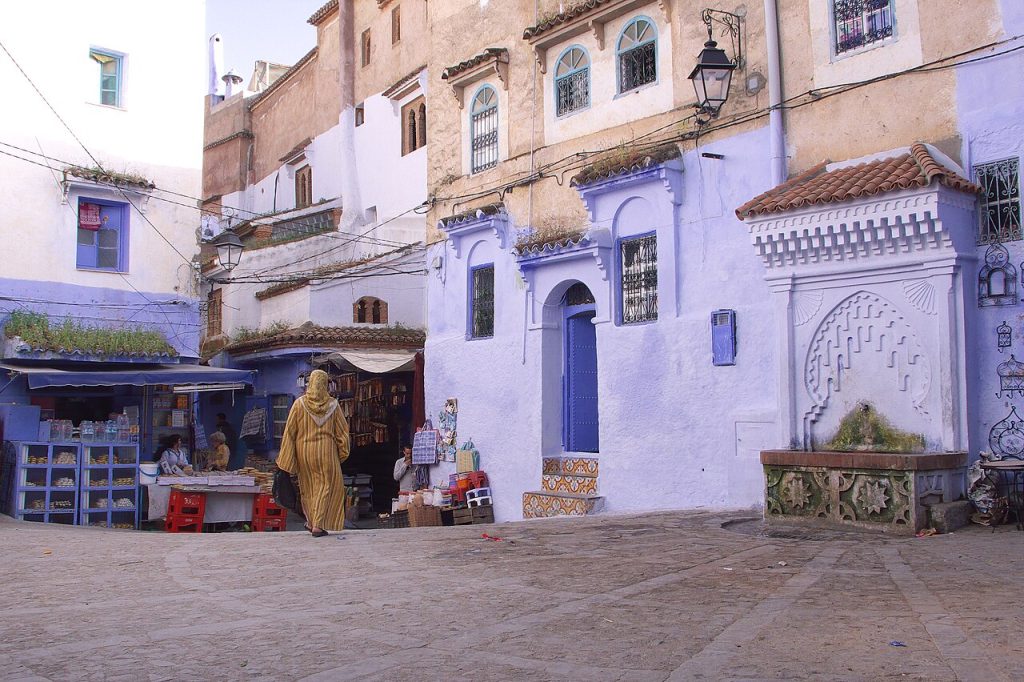
Chefchaouen’s blue-washed lanes feel soothing, yet the uniform color can blur distance and make corners seem interchangeable. Built into the slope, streets tilt into steps, then curve out of sight just as momentum builds. Memory loses anchors when everything shares the same tone.
Small plazas offer relief, then split into tight alleys that climb again, with doors and walls repeating cool shades. In late afternoon, the blue deepens and flattens contrast, so a turn that seemed distinct in sun can vanish. Photo pauses reset direction, and the next lane looks like the last. The kasbah square helps, but loops form quickly in the back streets.
Asilah Medina By The Ramparts, Asilah
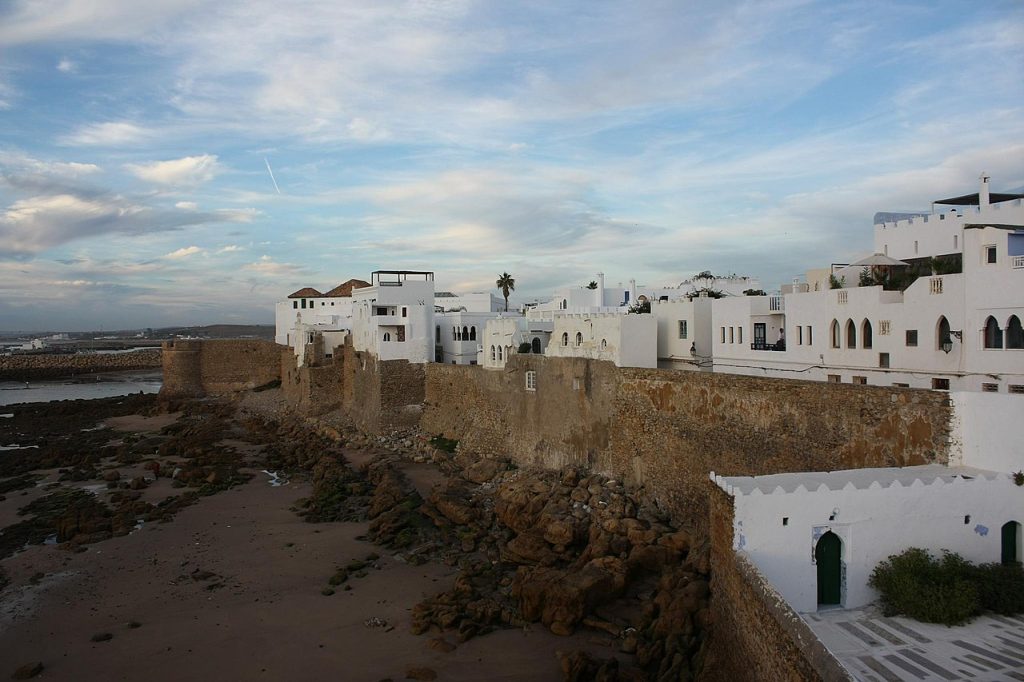
Asilah looks simple from the outside, white walls and ramparts framing a tidy old town. Step inside and the medina folds inward fast, and the ramparts vanish from view after a few bends. The calm makes detours feel shorter than they are.
Passages angle sharply and end at quiet courtyards, so progress feels like moving through rooms instead of streets. Murals make some lanes memorable, yet repetition wins when similar patterns appear again. Small cafés and galleries sit behind plain doors, offering few cues at intersections. Sea wind carries gull calls in every direction, so sound is a weak guide, and a stroll can drift into a gentle loop.
Taroudant Walled Medina, Taroudant
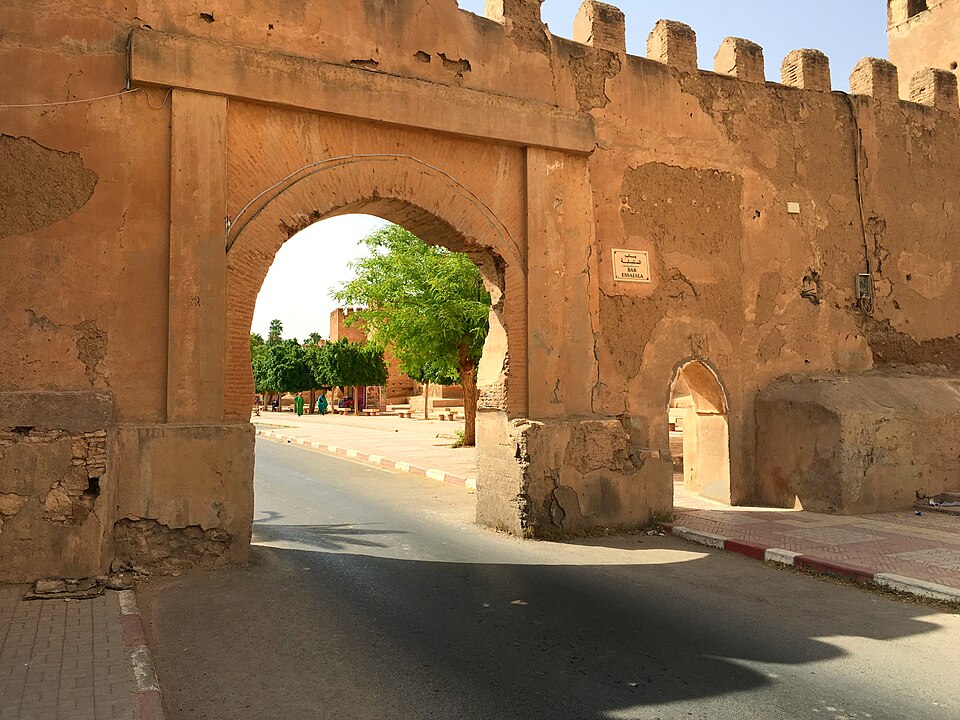
Taroudant’s walls create a strong boundary, so the town feels contained before the first turn. Past the gate, lanes braid around souks, then slip into back streets where textures repeat and time stretches. Sightlines stay short, so the ramparts disappear quickly.
Clay walls, produce stalls, and leather shops can look similar from block to block, and sunlight cuts hard between buildings, hiding turns in shadow until the last moment. Without a clear landmark, direction becomes a chain of guesses. The calm makes wandering easy, and it can send feet back to the same market corner with surprising ease, twice in one walk at dusk.
Old Medina, Casablanca
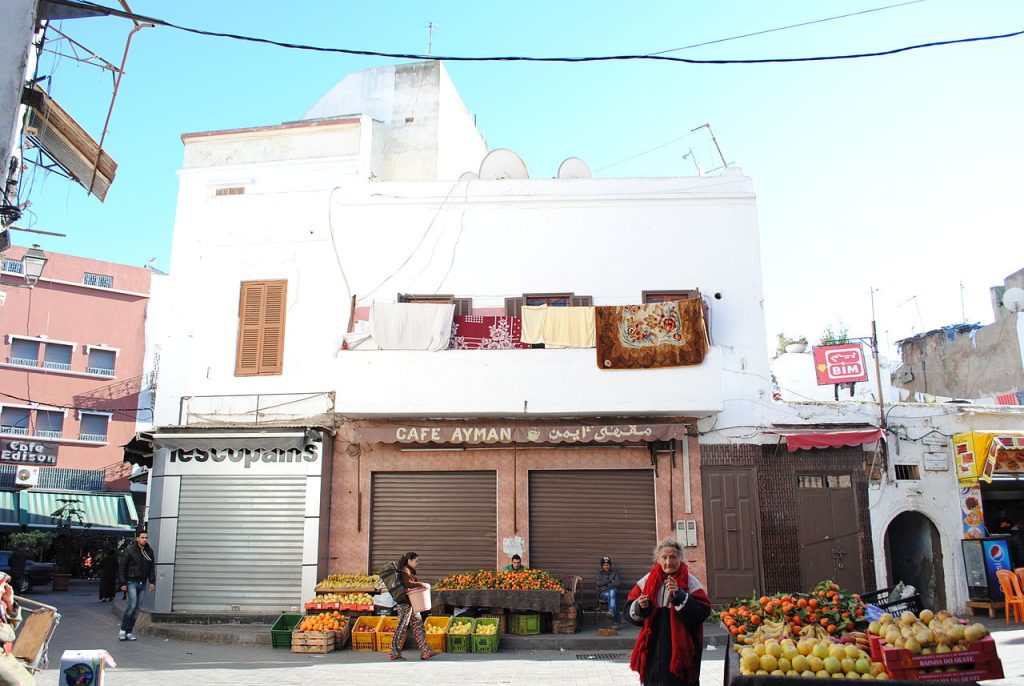
Casablanca’s old medina is modest in size, yet it can feel tangled because modern avenues press against its edges and cut off long sightlines. Step through a gate near the port and wide geometry disappears at once. Navigation becomes a chain of small decisions.
Shops, cafés, and daily errands crowd winding passages where turns arrive quickly and shopfronts blend together. Corners repeat, and new routes appear behind a single arch, while skyline glimpses create false confidence, then vanish. Movement follows vendors and pedestrians, not the map, and the quarter can send walkers back to the same junction before the right exit finally opens.