12 Nations Where US Tourists Are Now Pivotally Replacing Chinese Travelers
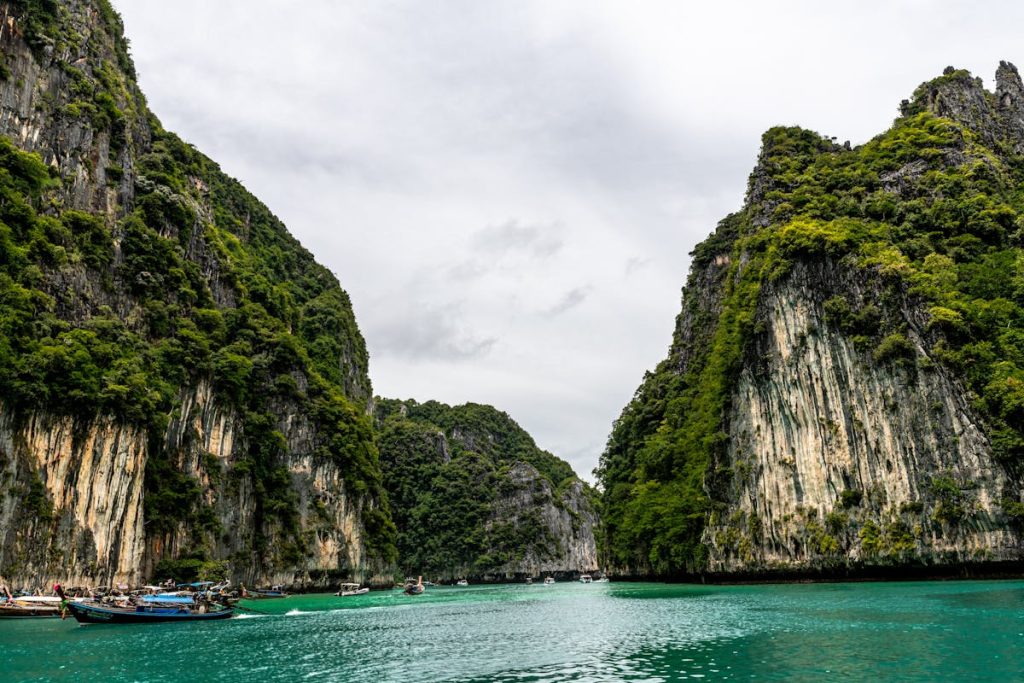
Global tourism patterns have shifted in recent years as international travel habits changed across major outbound markets. Several countries that once depended heavily on Chinese visitors experienced sharp declines caused by regulatory changes, economic pressures, and shifting consumer behavior. To adapt, destinations adjusted airline routes, marketing strategies, and visitor services to appeal more strongly to American travelers. U.S. tourists now play a central role in sustaining hotels, attractions, and tour operators. Their preferences for longer stays, cultural engagement, and independent travel have gradually reshaped tourism economies while creating new global travel dynamics.
Thailand

Thailand’s tourism economy once relied heavily on Chinese group travel concentrated in Bangkok and major resort areas. As those arrivals declined, visitors increasingly filled hotels, tours, and domestic flights across the country. Travelers often stay longer and explore beyond traditional hubs, supporting regional towns, and independent travel experiences. Authorities adjusted messaging toward wellness, culture, and nature-based travel that aligns with American preferences. The shift helped stabilize revenue streams, reduce reliance on a single market, and sustain employment across hospitality sectors during a period of global travel realignment. The shifts continue redefining tourism recovery patterns across multiple destinations.
Vietnam

Vietnam experienced rapid tourism growth driven by Chinese tour groups before recent changes reshaped arrival patterns. American tourists now represent a larger share of long-haul visitors exploring cities, historic sites, and coastal regions. Travelers frequently favor multi-city itineraries, and guided historical travel that spreads spending beyond major gateways. Hotels and tour operators expanded English-language services and customized offerings to meet this demand. Transition allowed Vietnam to maintain tourism momentum while improving resilience by diversifying visitor sources across its hospitality and transportation networks. The shifts continue redefining tourism recovery patterns across multiple destinations.
Japan
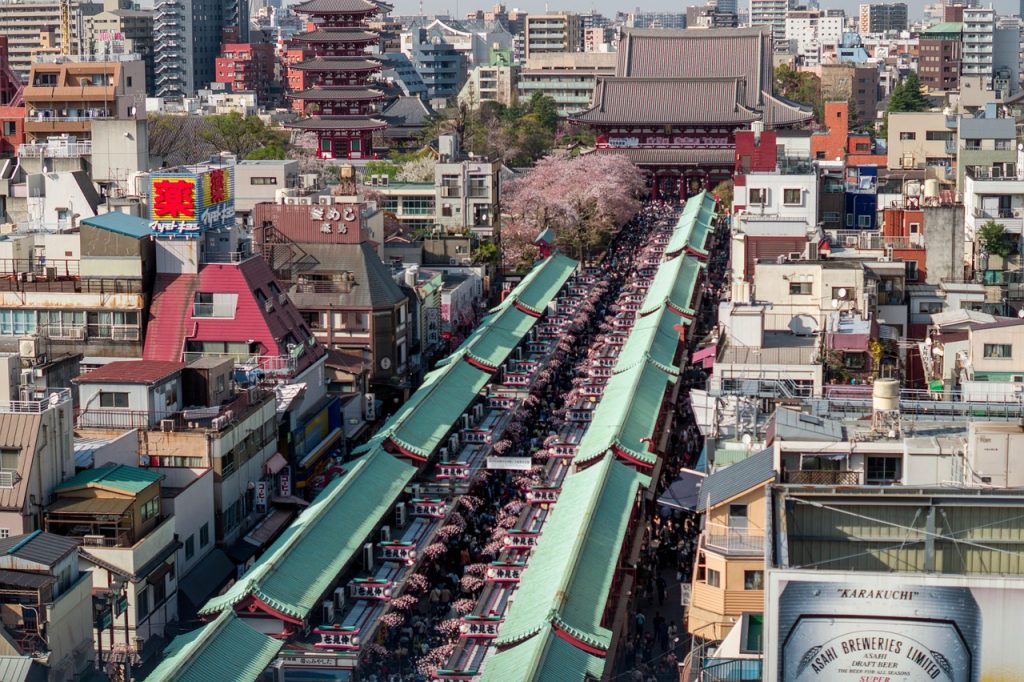
Japan’s international tourism boom previously leaned on visitors from nearby Asian markets, particularly China. As those numbers fluctuated, American travelers increasingly replaced lost volume in major cities and regional destinations. U.S. tourists often prioritize cultural immersion, seasonal travel, and rail-based exploration across multiple prefectures. Japan responded by expanding English signage, booking access, and regional tourism promotion. These adjustments supported a more balanced visitor mix while encouraging economic activity beyond urban centers and reducing dependency on a single outbound market. These shifts continue redefining tourism recovery patterns across multiple destinations.
South Korea
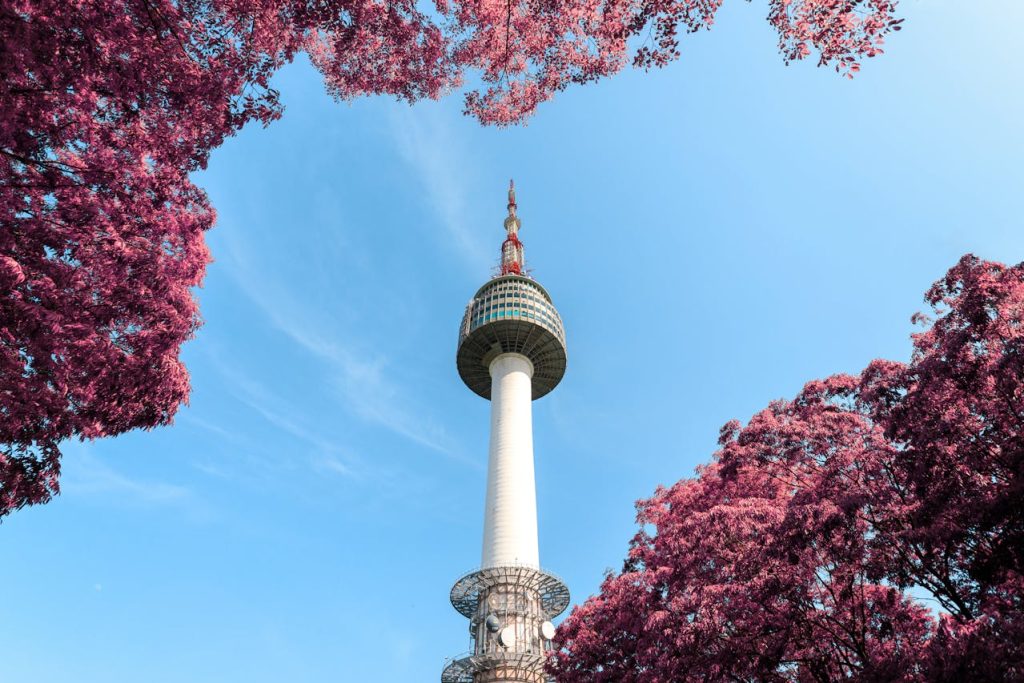
South Korea historically welcomed large numbers of Chinese tourists, especially in Seoul and Jeju Island. With reduced arrivals, American travelers now account for a growing share of international visitation. U.S. tourists commonly focus on cultural landmarks, food experiences, and destinations connected to Korean media exports. Tourism agencies adapted outreach strategies toward independent travel and longer stays. This shift helped offset earlier declines while supporting local businesses, museums, and hospitality providers that benefit from consistent and diversified international travel demand. These shifts continue redefining tourism recovery patterns across multiple destinations.
Malaysia
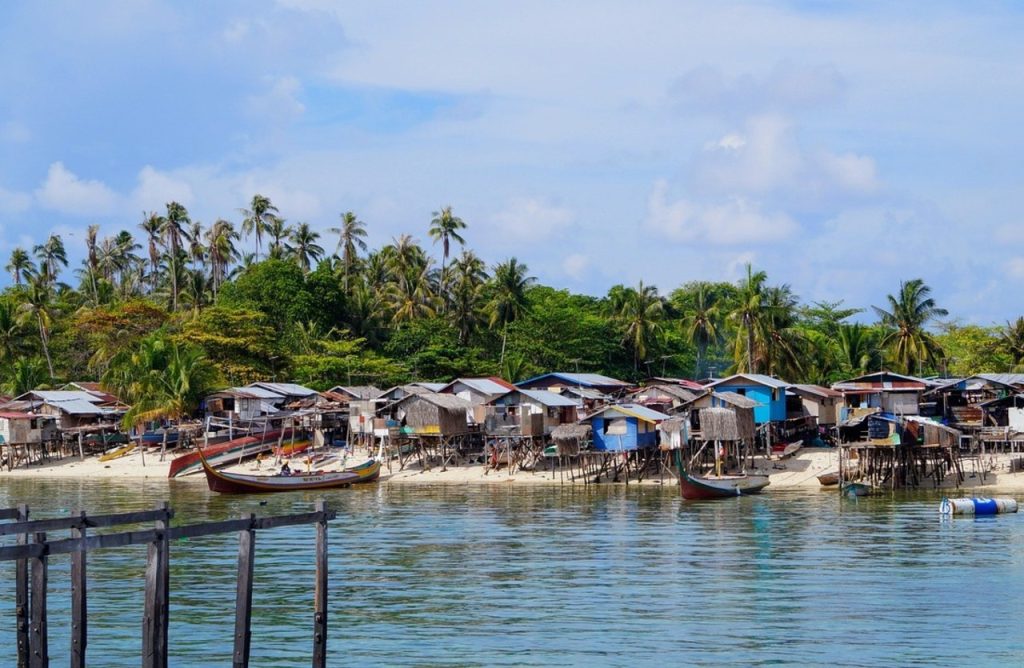
Malaysia experienced tourism shifts as Chinese arrivals declined across urban and regional destinations. Travelers increasingly filled hotels in Kuala Lumpur, Penang, and Borneo, supporting food tourism, wildlife, and city exploration. Visitors often stay longer and travel independently, spreading spending beyond single hubs. Tourism agencies expanded English services and promoted eco focused itineraries. Airlines adjusted routes while operators tailored experiences for American expectations. The transition helped stabilize employment, diversified visitor sources, and reduced reliance on one outbound market during continued global travel uncertainty for communities adapting to changing demand patterns worldwide today globally.
Indonesia

Indonesia adjusted tourism strategies as Chinese group travel declined in key regions. Visitors increasingly supported Bali, and cultural destinations through longer stays. Travelers favored wellness retreats, diving locations, and community based experiences beyond resort. Operators refined offerings for English speakers and flexible travel styles. Tourism authorities promoted sustainable practices and remote work friendly infrastructure. This shift maintained revenue, expanded market, and encouraged resilient growth across hospitality sectors facing evolving international travel conditions. Employment benefited while small businesses adapted services to meet new visitor expectations nationwide successfully.
Cambodia

Cambodia faced tourism changes as Chinese tour groups declined at major heritage sites. American travelers increasingly visited Angkor Wat and surrounding towns, supporting guides, hotels, and artisan communities. U.S. visitors often sought historical context and longer itineraries rather than brief group stops. Tourism agencies improved interpretation and visitor services for English speakers. This transition strengthened cultural preservation efforts, stabilized local income, and diversified tourism demand beyond reliance on one source market. Infrastructure investments followed, helping communities manage crowds responsibly while protecting historical integrity for future generations.
Sri Lanka

Sri Lanka adjusted tourism recovery as Chinese arrivals declined following global disruptions. American visitors became an important replacement market for beaches, wildlife reserves, and heritage routes. U.S. travelers frequently planned multi region trips, spreading spending beyond resort centers. Tourism boards increased North American outreach and simplified booking access. This shift supported employment, rebuilt confidence, and reduced vulnerability to single market dependence during recovery. Regional airlines, guides, and hotels adjusted operations to accommodate evolving traveler expectations and seasonal demand patterns supporting long term stability for local tourism economies.
Turkey

Turkey experienced tourism shifts as Chinese arrivals declined in Istanbul and Cappadocia. American travelers increasingly filled cultural tours, hotels, and regional excursions across the country. U.S. visitors often favored historical landmarks, cuisine focused itineraries, and guided experiences. Tourism authorities expanded English language services and diversified marketing outreach. This transition helped stabilize tourism revenue, supported local guides, and reduced dependence on a single source market. Airlines, museums, and hospitality businesses adjusted offerings to meet American expectations while maintaining steady international demand during broader global travel realignments for regional economies and employment.
Egypt

Egypt adjusted tourism strategy as Chinese groups declined across major destinations. American visitors increasingly joined Nile cruises, museum tours, and archaeological excursions. U.S. travelers often preferred guided focused itineraries and longer stays. Authorities emphasized safety communication, cultural education, and English language services. This shift supported continued tourism activity, preserved local livelihoods, and stabilized visitor numbers. Hotels, guides, and transportation providers adapted operations to serve American expectations while maintaining consistent international demand during ongoing global travel uncertainty affecting regional economies employment stability and long term planning nationwide.
Peru
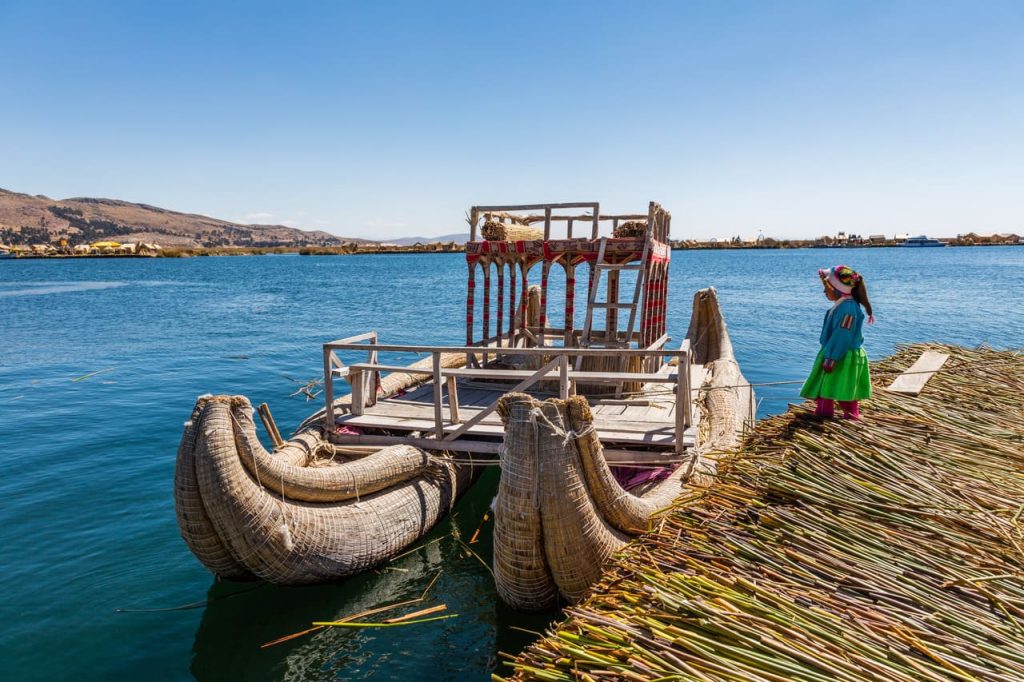
Peru saw tourism adjustments as Chinese group travel declined at major archaeological sites. American tourists increasingly visited Cusco, Lima, and trekking regions, supporting guides and hospitality businesses. U.S. travelers often favored history, hiking, and culinary exploration through extended itineraries. Tourism boards improved English language services and regional promotion. This transition balanced visitor flows, strengthened local economies, and reduced reliance on single markets. Airlines, tour operators, and small businesses adapted offerings to meet evolving American expectations during changing global travel conditions affecting employment stability investment planning and regional development efforts nationwide.
Kenya

Kenya experienced tourism shifts as Chinese arrivals declined in safari regions. American travelers increasingly filled lodges, conservation tours, and wildlife experiences. U.S. visitors often prioritized sustainability, photography, and longer guided safaris. Tourism agencies adjusted outreach and booking systems for American audiences. This change supported conservation funding, stabilized employment, and diversified tourism. Lodges, guides, and transporters adapted services to align with American expectations while maintaining responsible tourism standards during fluctuating global travel patterns affecting local communities economic resilience long term planning and environmental protection efforts nationwide.