12 Outlaw Hideouts You Can Visit
Outlaw hideouts across the United States provide insight into places once used for secrecy, planning, and escape in regions shaped by rugged terrain and limited oversight. These locations, ranging from canyon systems to dense forests, reveal how fugitives depended on natural features for protection. Many hideouts sit far from major settlements, reducing the chance of unexpected encounters. Others occupy concealed spaces near active trade routes that supported movement without drawing attention. Visiting these areas helps illustrate how geography and resourcefulness shaped survival strategies for those living outside the law during turbulent frontier periods.
Jesse James Cave
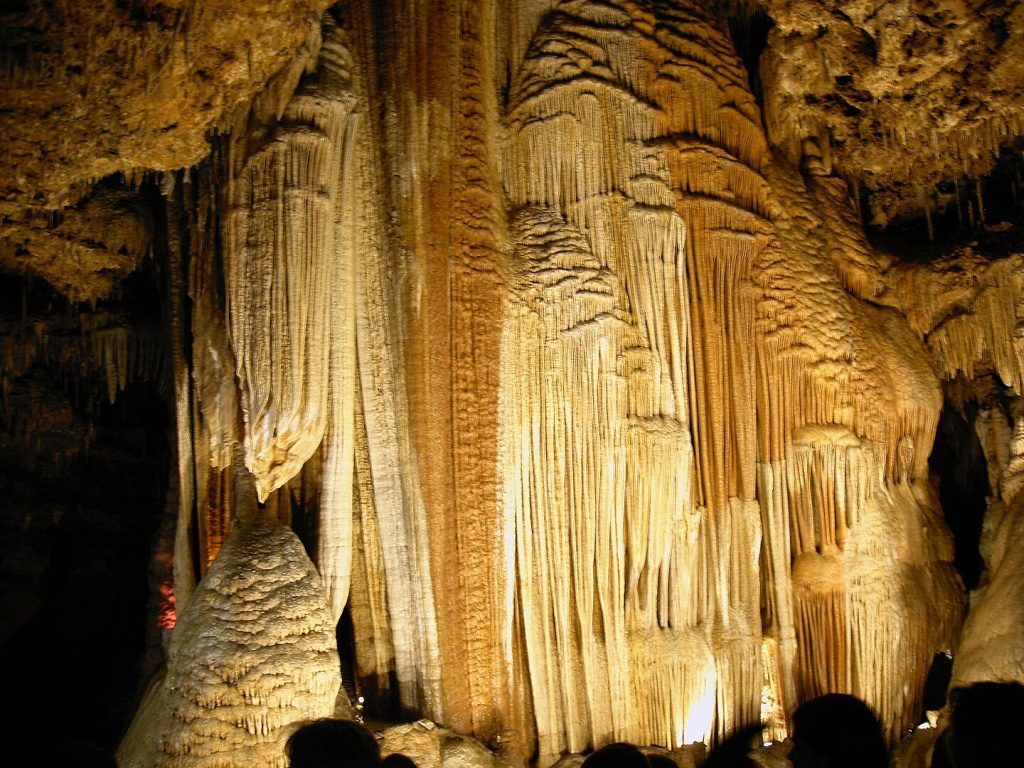
Jesse James Cave in Missouri sits within a rocky hillside where twisting passages and cool interior chambers created dependable shelter for riders moving across the region. The narrow entry points limited visibility from outside and helped block sudden pursuit along nearby trails. Its secluded placement in wooded terrain allowed temporary refuge while offering natural sound barriers that concealed movement. The cave’s internal layout reflects the strategic value early outlaws found in locations combining concealment, controlled access, and landscape familiarity that supported rapid escape when danger approached unexpectedly.
Robbers Roost
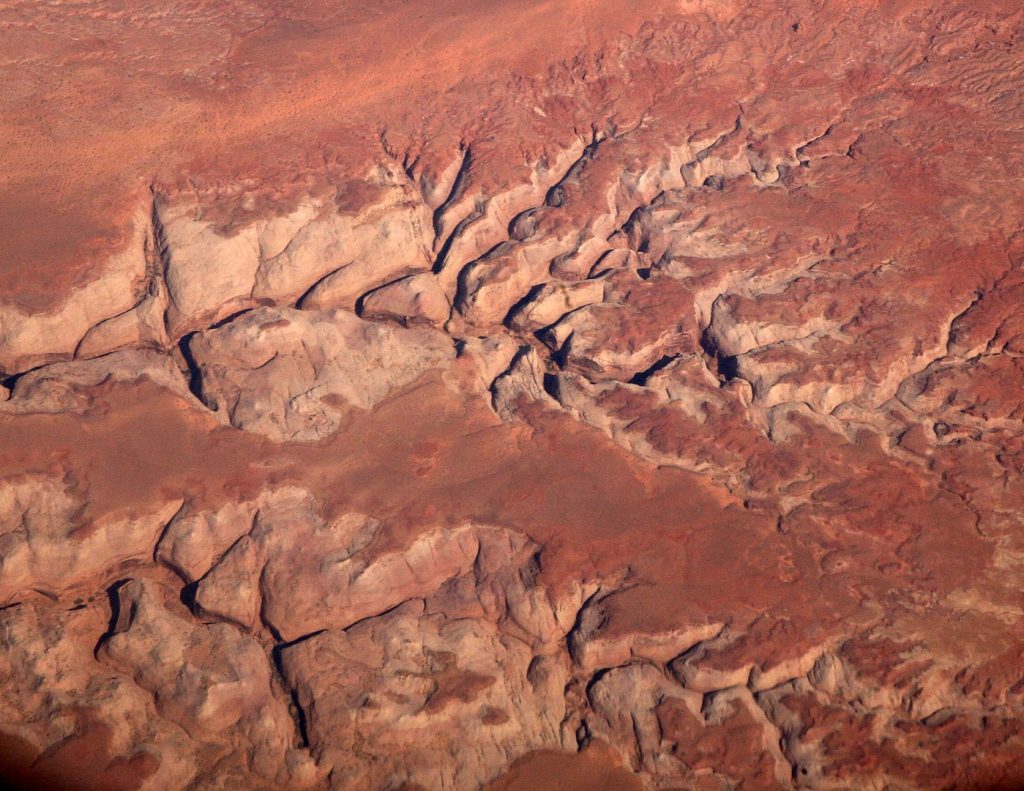
Robbers Roost in Utah stretches across a maze of red rock canyons that formed one of the most secure hideouts used by Butch Cassidy and his associates. Sheer walls and narrow access routes prevented lawmen from approaching without detection, giving residents time to prepare or retreat deeper into protected areas. Elevated cliffs provided long sightlines over the surrounding desert, strengthening the natural defenses of the hideout. The remoteness of the landscape reduced travel by outsiders, preserving a sanctuary where groups could rest, plan, and move livestock while avoiding capture across hostile and unforgiving terrain.
Billy The Kid’s Hideout
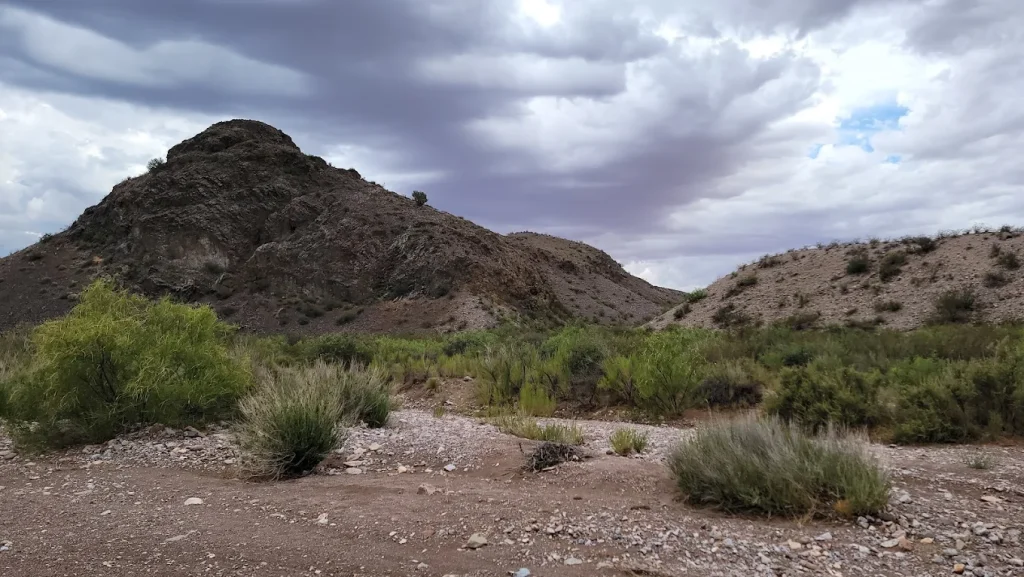
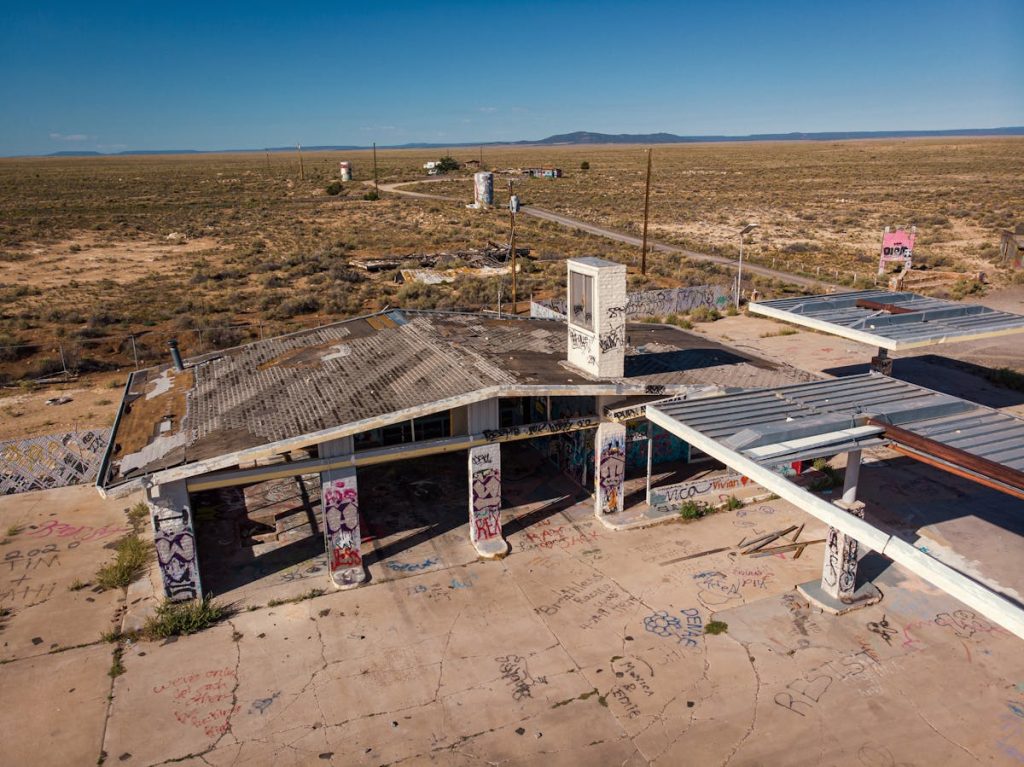
Billy the Kid’s Hideout in New Mexico stands within open plains broken by low structures and distant ridgelines that supported early warning advantages. The surrounding landscape allowed residents to observe approaching threats while maintaining enough cover to stay hidden during periods of pursuit. Modest buildings blended with the environment, helping reduce attention from patrols moving across the territory. The wide horizons and dispersed vegetation show how the Kid relied on visibility, mobility, and familiarity with the terrain to avoid sudden capture in a region where law enforcement often traveled great distances between settlements.
Hole In The Wall
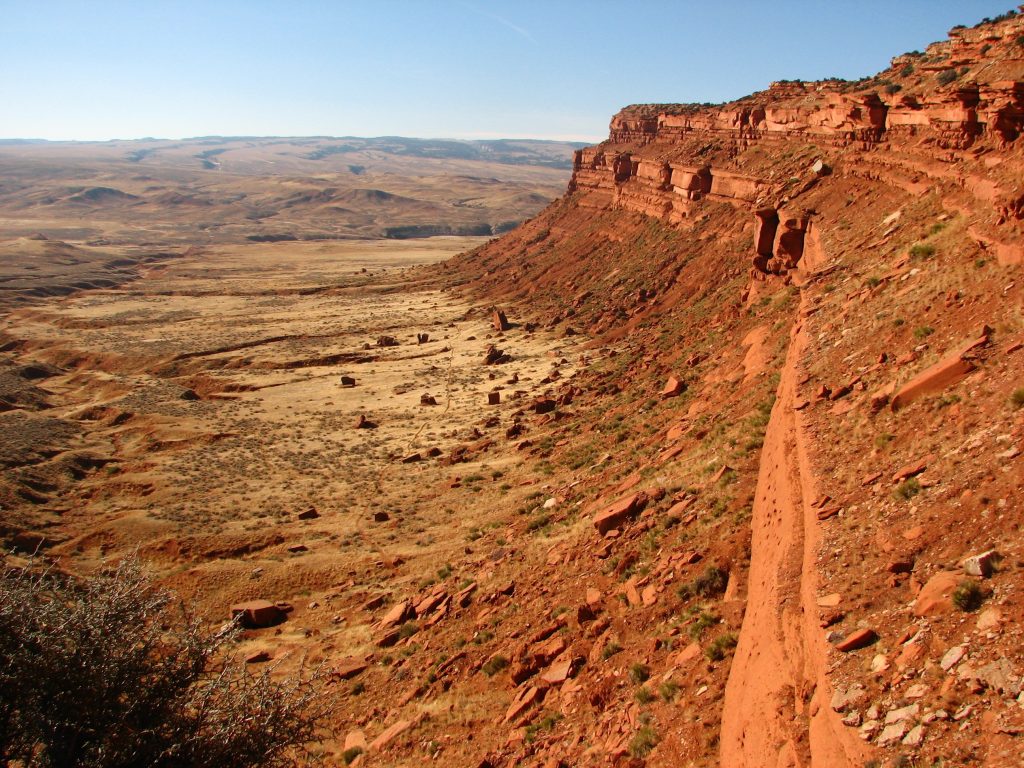
Hole in the Wall in Wyoming occupies a rugged series of canyons with a steep, narrow entry point that forced all visitors through a predictable path. Towering sandstone walls funneled approaching riders into exposed positions while granting residents time to respond. The protected meadows and sheltered alcoves surrounding the hideout supported extended stays with accessible grazing areas for horses. Multiple escape routes wound through branching ravines, strengthening the strategic value of the site. These geological features explain why numerous outlaw groups trusted the area as a dependable defensive stronghold during turbulent frontier activity.
Dalton Gang Hideout
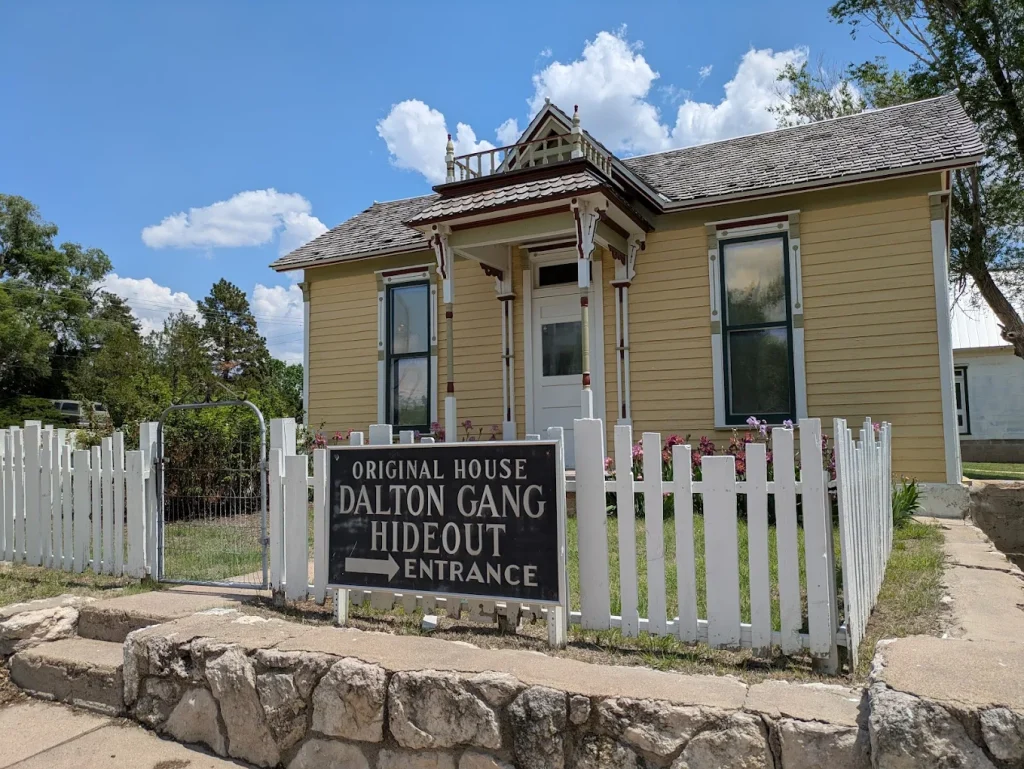
The Dalton Gang Hideout in Oklahoma preserves a historic home and surrounding grounds that illustrate how the group balanced daily living with concealed movement during periods of pursuit. Narrow rooms and discreet exits reveal how interior spaces were adapted for emergency escape without attracting attention from neighbors. The property’s position within a quiet community protected residents through familiarity and predictable foot traffic. Its modest appearance helped conceal criminal activity behind ordinary routines. Visiting the site demonstrates how domestic settings provided effective cover when combined with strategic planning and the ability to move quickly when threats intensified.
Old Fort Griffin Area
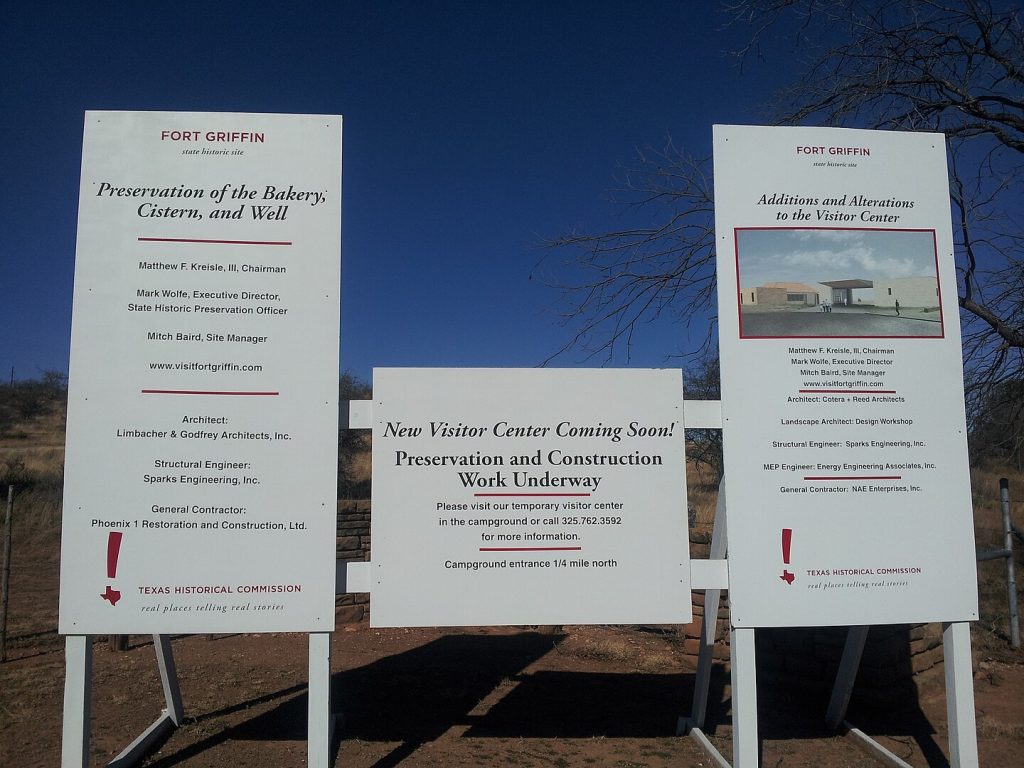
Old Fort Griffin in Texas sits on expansive grasslands once filled with saloons, trading posts, and lawless gatherings where outlaws blended easily with travelers, ranch hands, and soldiers. The bustling frontier atmosphere allowed fugitives to disappear within daily activity while still accessing essential supplies. Scattered structures across the settlement reveal a mix of commerce and opportunity that contributed to its reputation as a rough meeting point. The wide surrounding plains allowed fast reconnaissance of approaching patrols. These conditions created an environment where anonymity served as a powerful protective tool for individuals evading capture.
Kaymoor Mines
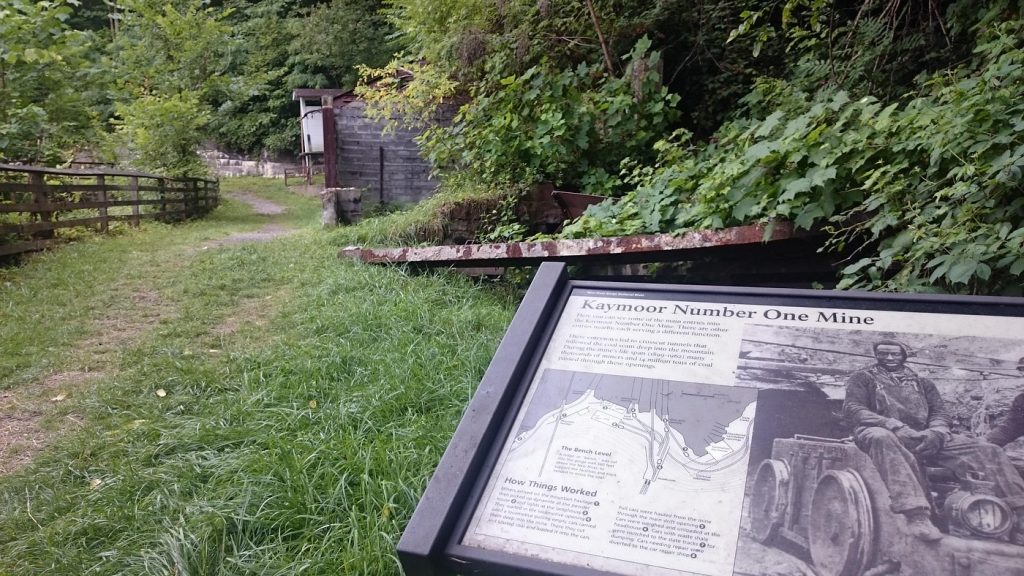
Kaymoor Mines in West Virginia lie along steep forested slopes where abandoned industrial buildings created temporary refuge for those seeking distance from towns. Dense tree cover and rugged switchbacks obscured movement, allowing safe passage to hidden structures deep within the hillside. The mine corridors, once used for coal operations, provided shelter during storms and concealed noise from search parties. High elevations and thick vegetation contributed to natural isolation, making the area suitable for individuals relying on secrecy. The remains of the site illustrate how industrial landscapes occasionally functioned as unintentional sanctuaries during unsettled periods.
Robber’s Cave State Park
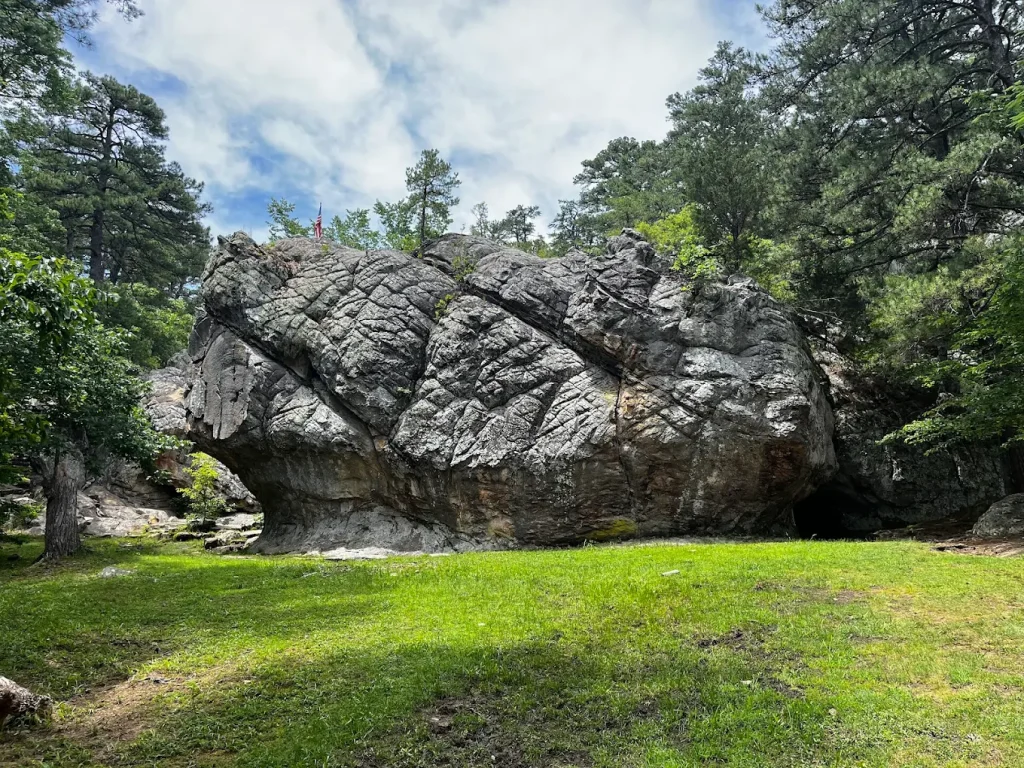
Robber’s Cave State Park in Oklahoma contains sandstone formations filled with tight crevices, shaded chambers, and elevated vantage points long associated with outlaw stories. These natural features gave residents quick access to cover while enabling surveillance of nearby forests. The layered rock systems allowed quiet movement between protected spaces, decreasing the likelihood of detection by patrols. The cave’s position near well-traveled routes created opportunities for supply access without sacrificing security. This landscape demonstrates how terrain complexity played a crucial role in selecting discreet hideouts during eras of increased law enforcement pressure.
Brown’s Park
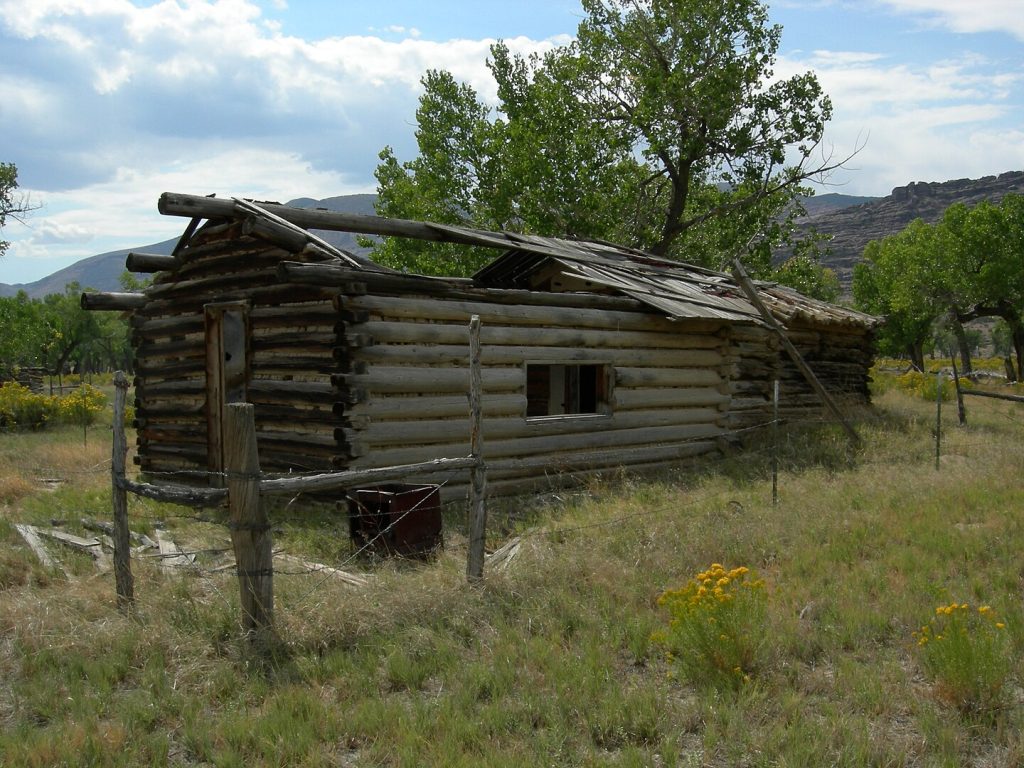
Brown’s Park on the Colorado border spans a wide valley surrounded by high ridges and isolated grasslands that once supported long term refuge for homesteaders, traders, and fugitives. The region’s sparse population reduced the risk of unexpected encounters, while open sightlines allowed residents to monitor movement across the basin. Natural barriers formed by distant hills created layers of protection from pursuit. The valley’s calm atmosphere today reflects the same qualities that historically attracted those seeking privacy and distance from authority in a landscape shaped by vastness and reliable concealment.
Pioneer Cabin Tree Area
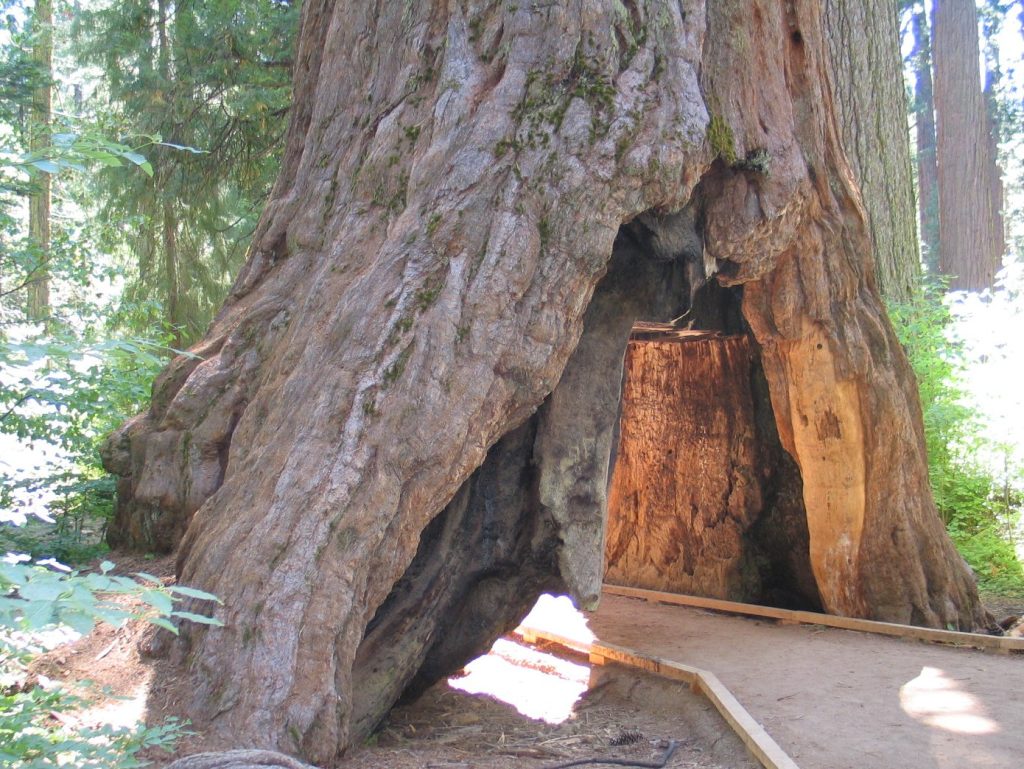
The Pioneer Cabin Tree Area in California lies within a dense forest where towering trees and thick vegetation formed strong natural barriers for individuals seeking cover. Shadowed trails and interwoven foliage reduced visibility from a distance, aiding undetected movement across the terrain. The enormous trunks created sheltered pathways that prevented overhead observation. This environment allowed persons in hiding to remain close to resource rich areas while staying concealed. The forest’s depth and structure demonstrate how woodland density influenced early hideout choices in regions where tree cover supported both mobility and protection.
Stillwater Mountain Camps
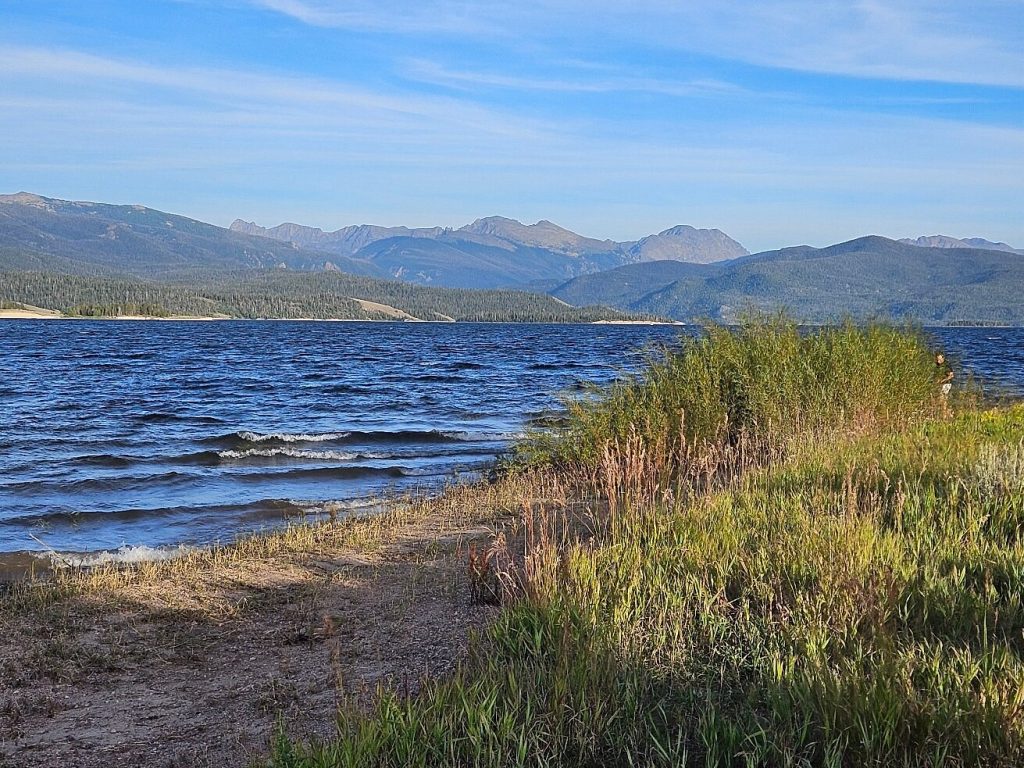
Stillwater Mountain Camps in Montana rest within remote high elevation terrain marked by steep paths, dense evergreen stands, and rustic cabins that once offered refuge for those avoiding populated areas. The rugged landscape provided natural insulation from visitors, while rough access routes discouraged pursuit. Cabins served as temporary bases for rest and planning during unpredictable periods. Wildlife resources and sheltering ridgelines supported extended stays. The area’s isolation continues to reflect the same advantages that once made it an effective retreat for individuals seeking distance from law enforcement and daily settlement activity.
Cave In Rock
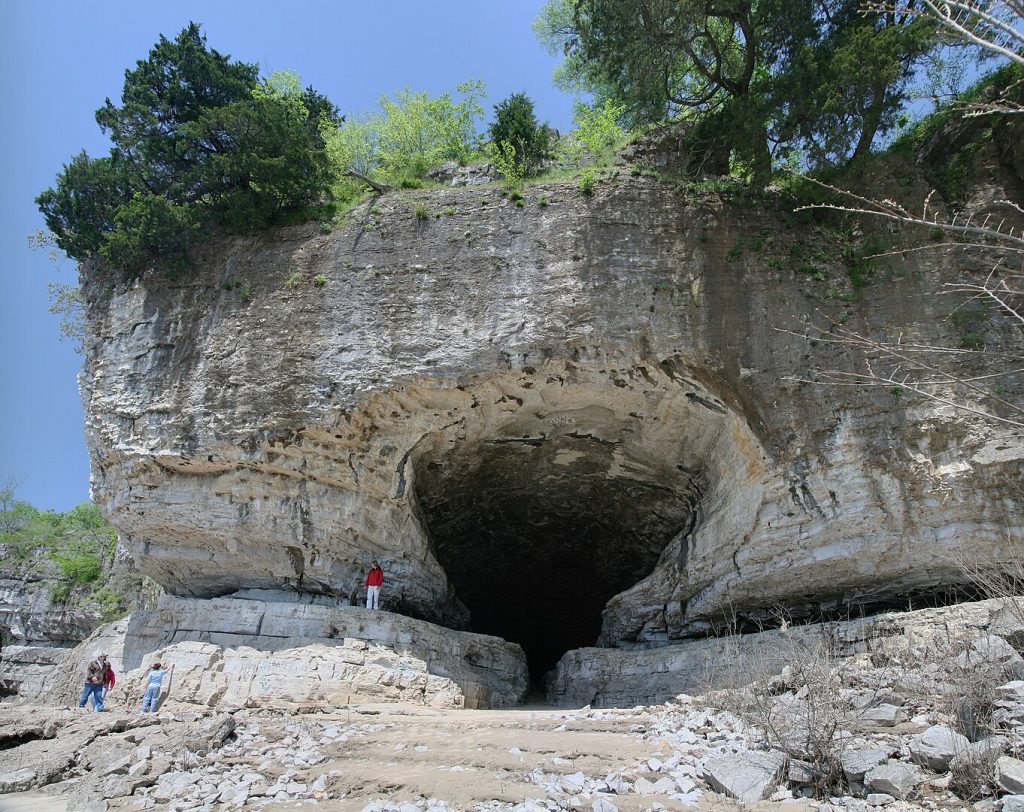
Cave in Rock in Illinois sits along the Ohio River with a massive stone opening that once sheltered river pirates and early bandits operating along busy waterways. The cave’s large interior chamber offered protection from weather while providing clear views of approaching boats. Its strategic position allowed occupants to monitor traffic while remaining hidden within the cavern. Access to the river supported rapid movement and escape when conditions shifted. The structure’s natural durability and prominent placement reveal why it became a favored hideout during frontier activity in a region shaped by trade and shifting loyalties.