12 Packing Mistakes That Customs Officers Say They See From American Travelers Every Single Day
Airport officers say many travel problems start long before a passenger reaches the checkpoint. The issue is often not what people pack for vacation, but what they forget can trigger questions at customs.
U.S. Customs and Border Protection, the Transportation Security Administration, and travel compliance experts have repeatedly warned that ordinary items can become major problems when they cross borders. Here are 12 packing mistakes officials say American travelers keep making, and why they matter.
Packing fresh food, meat, or produce without declaring it

Customs officers say one of the most common mistakes is bringing fruit, vegetables, meat, seeds, or homemade food across borders without declaring it. Travelers often assume a snack packed at home is harmless, but agricultural rules are strict because pests and plant diseases can spread through ordinary food items.
CBP has long said all agricultural products must be declared on entry to the United States, even when a traveler is not sure an item is allowed. Officers can inspect the item and decide whether it can enter. Failing to declare it can lead to seizure and civil penalties, even if the food itself seems minor.
The same problem happens on outbound trips. Other countries have their own rules on pork, beef, dairy, citrus, and fresh produce. Travelers who pack sandwiches, apples, or sealed sausages for long flights sometimes reach inspection points only to learn those items are prohibited.
Travel advisers say the safest approach is simple. If it is edible, plant-based, animal-based, or homemade, declare it and expect screening. Being honest usually causes only a brief delay, while failing to mention it can turn a routine arrival into a costly inspection.
Carrying prescription drugs in loose pills or unmarked containers

Another problem officers see every day is travelers carrying prescription medication in plastic bags, pill organizers, or mixed containers with no pharmacy label. That may seem convenient for a short trip, but it can create immediate questions about what the pills are and whether they were legally prescribed.
TSA generally allows medications through checkpoints, but customs rules abroad can be very different. Some countries limit narcotics, ADHD medications, sleep aids, and injectable drugs. A medicine that is legal with a U.S. prescription can still require documentation or prior approval elsewhere.
Travel attorneys and pharmacists often advise passengers to carry medicines in original labeled containers and bring a copy of the prescription or a doctor’s note for controlled substances. This is especially important for travelers carrying syringes, liquid medicine over standard limits, or refrigerated drugs.
Officers are not just looking for illegal substances. They are also trying to confirm that a traveler can lawfully carry the medication. Clear labels, matching identification, and a basic medical document can prevent delays that start with one unmarked bottle in a carry-on.
Forgetting cash reporting rules when carrying large amounts of money

Many Americans still do not realize that carrying large sums of cash is legal, but failing to report it can become a serious customs issue. In the United States, travelers entering or leaving the country with more than $10,000 in currency or monetary instruments must file the required report.
CBP officers say travelers often split money between family members, tuck it into separate bags, or hide it in clothing because they think that avoids disclosure. It does not. The reporting threshold applies to the total amount being transported by a family or group traveling together.
The problem is not limited to bills. Cashier’s checks, money orders, and certain negotiable instruments can also count. Officers are trained to ask direct questions, and inconsistent answers can quickly raise suspicion about source of funds, intended use, or possible structuring.
Travel finance experts say honest reporting is the key point. Declaring cash does not automatically mean the money will be taken, but trying to conceal it can lead to seizure, questioning, and missed flights. A simple form is far easier than explaining hidden envelopes to federal officers.
Packing counterfeit goods or knockoffs bought on vacation
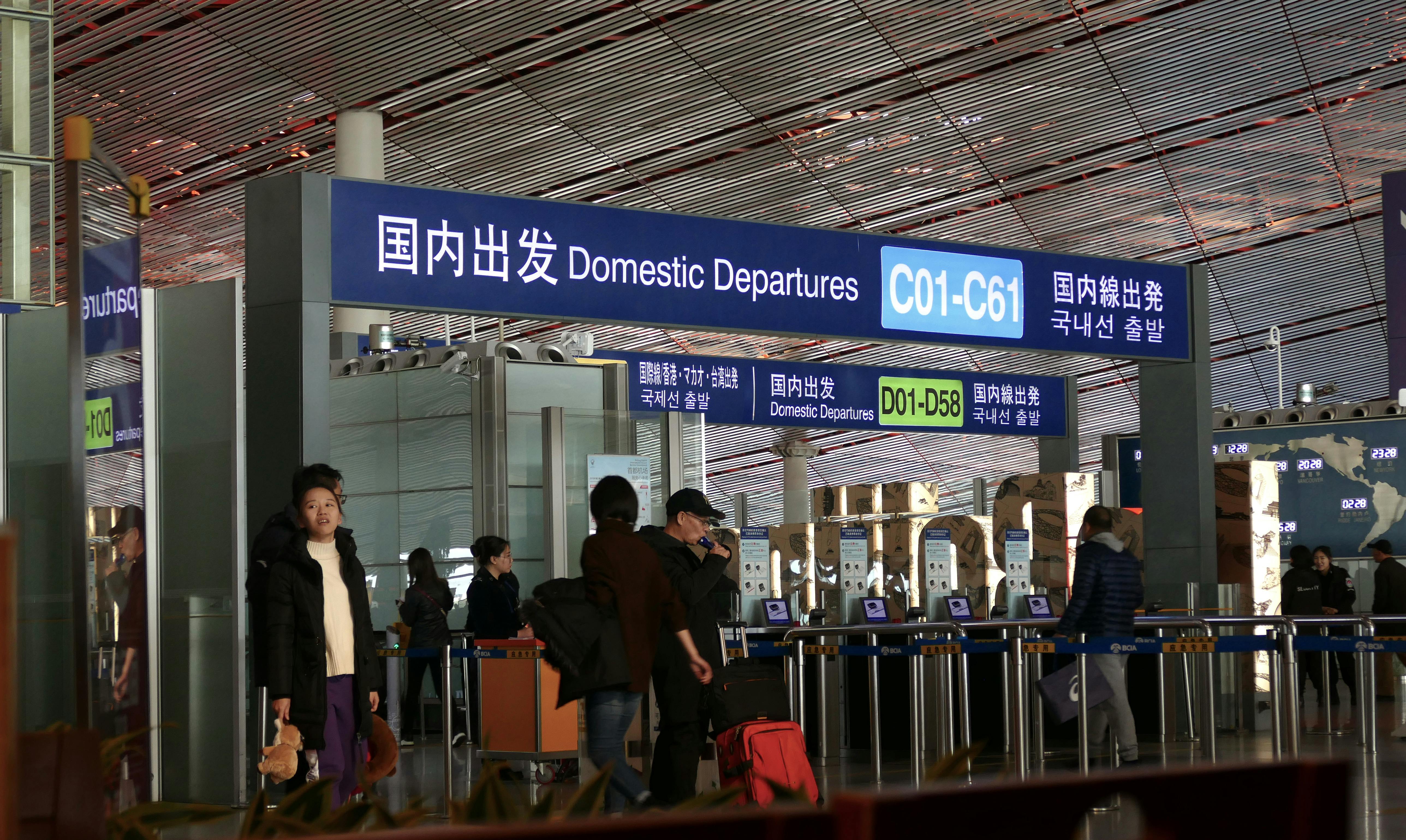
Customs officers also report frequent issues with counterfeit handbags, watches, shoes, sports jerseys, and electronics. Travelers often buy them in street markets abroad and assume one personal item will not matter. But bringing counterfeit goods into the United States can still violate intellectual property laws.
CBP regularly announces seizures of fake luxury products and counterfeit consumer goods. The concern is not only brand protection. Officials say counterfeit items can also be tied to organized crime, unsafe materials, and electronics that fail basic safety standards.
Some travelers claim they did not know an item was fake. That can happen, especially in informal markets where packaging looks convincing. But obvious warning signs include unusually low prices, missing serial numbers, poor stitching, spelling errors, or sellers who insist on cash-only deals.
Travel industry analysts say souvenir shopping should include basic caution. If a product appears to imitate a major brand and the price makes no sense, it may attract customs attention. Buying from reputable retailers and keeping receipts gives travelers a much stronger defense at inspection.
Leaving prohibited items buried deep in carry-on bags
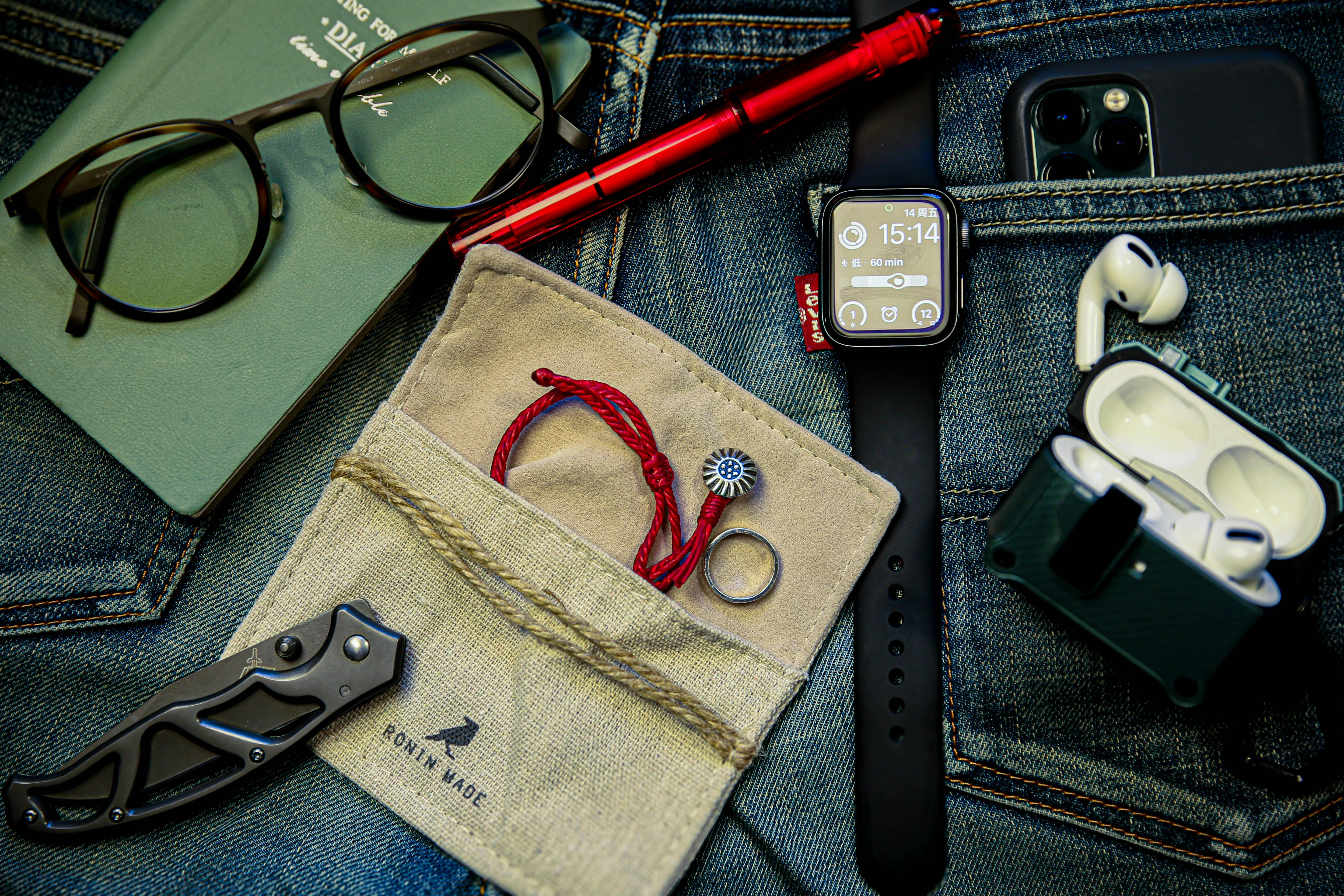
At airport checkpoints, officers say one of the most common packing mistakes is leaving banned or restricted items in backpacks, purses, and side pockets. Multi-tools, pepper spray, oversized liquids, pocket knives, lighters, and self-defense items are regularly found during screening.
TSA rules differ depending on the item, the size, and whether it is in checked or carry-on luggage. That is where travelers get tripped up. Something allowed in checked baggage may be prohibited in the cabin, and a forgotten camping or work item can trigger secondary screening.
Customs officers may later become involved when a bag contains undeclared items or when screening delays cause travelers to miss connections at international terminals. Even when there is no fine, the lost time can be significant, especially during busy departure banks at major U.S. airports.
Frequent fliers say the best habit is a full bag reset before any international trip. Empty every compartment, check old toiletry kits, and inspect laptop sleeves and key clips. The items people forget are usually not dramatic. They are the small everyday tools buried at the bottom.
Bringing alcohol or tobacco over the limit and assuming it is fine
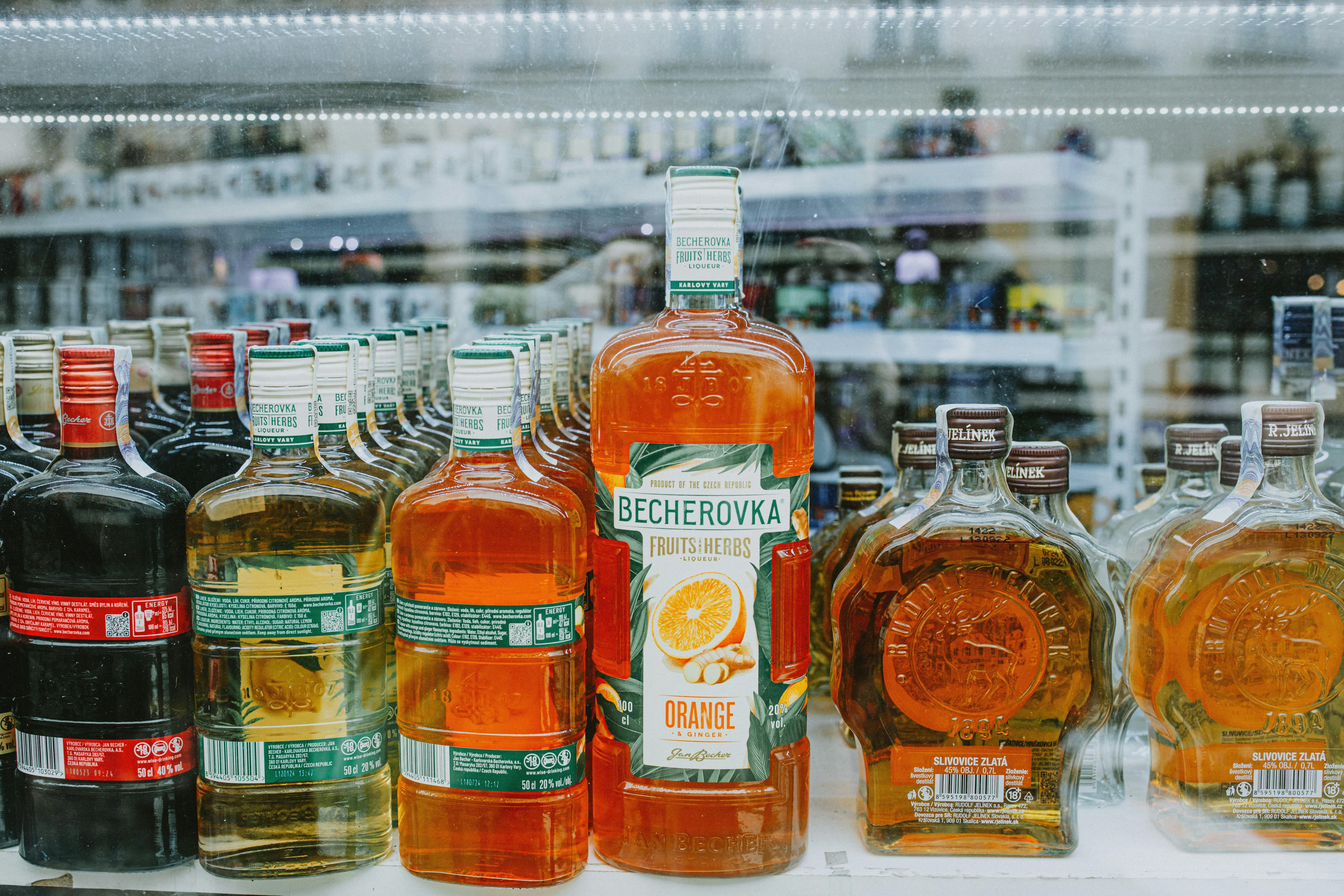
Travelers often treat duty-free purchases like a free pass, but customs officers say alcohol and tobacco limits still matter. Americans returning from abroad can bring certain amounts for personal use, but amounts above the exemption may be taxed, restricted, or questioned depending on state and federal rules.
The confusion grows because different jurisdictions set different standards. A traveler may be allowed to buy multiple bottles at an airport shop, then discover on arrival that only part of that quantity qualifies for exemption. Age restrictions and state alcohol control laws can also apply.
Tobacco creates similar problems. Cigarettes, cigars, and smokeless tobacco products are subject to quantity rules, and some specialty products draw extra scrutiny. Customs officers also look for undeclared commercial quantities, which can suggest resale rather than personal use.
Travel experts say receipts and truthful declarations help, but they do not erase quantity limits. If travelers plan to bring back wine, liquor, or tobacco gifts, they should expect questions and possible duty. Assuming officers will ignore overages is a mistake officials say they see constantly.
Packing drone batteries, power banks, and lithium items the wrong way

Battery-related packing mistakes have grown as travelers carry more electronics. Power banks, spare lithium-ion batteries, e-bikes accessories, camera batteries, and drone gear often create confusion because aviation safety rules are stricter than many passengers realize.
Federal aviation guidance generally requires spare lithium batteries and power banks to travel in carry-on baggage, not checked bags. Terminals should also be protected from short circuit. That means loose batteries tossed into a suitcase can lead to inspection, removal, or a conversation at the gate.
Drone travelers face another layer of complexity when crossing borders. Some countries restrict drone imports, require permits, or limit the use of high-powered radio equipment. A traveler may legally own a drone in the United States but still face customs questions on arrival overseas.
Aviation safety specialists say travelers should check watt-hour ratings, airline limits, and destination country rules before departure. Keeping batteries in original packaging or protective cases makes inspections easier. It also reduces fire risk, which is the reason these rules have tightened over time.
Failing to declare high-value gifts, purchases, or luxury items

Customs officers say many returning travelers underreport what they bought abroad, especially jewelry, watches, designer goods, electronics, and art. Some assume gifts do not count, while others believe wearing or using an item before landing makes it exempt. In many cases, that is not true.
Duty-free allowances are real, but they are not unlimited. Travelers are expected to declare items acquired abroad and let officers determine whether duty applies. Receipts matter because customs may need to verify value, especially when a purchase appears expensive or commercially packaged.
This issue becomes more serious with luxury goods. A new watch, engagement ring, camera, or handbag may prompt questions about where it was purchased and whether it was previously owned in the United States. Without proof, the traveler may struggle to show the item was not recently imported.
Travel advisers often recommend keeping receipts for major purchases and photographing expensive personal items before departure. That record can help if questions arise on return. Customs officers say the key mistake is not buying something nice. It is trying to slide past inspection without declaring it.
Traveling with restricted animal, plant, or wildlife products
Some souvenirs can trigger customs trouble even when they look harmless. Officers frequently stop coral jewelry, shells, feathers, ivory carvings, reptile leather, certain traditional medicines, and plant products that may be protected under wildlife or conservation laws.
These cases often involve travelers who bought an item at a market and never asked what it was made from. A bracelet might contain endangered coral. A leather wallet might come from a protected species. A herbal remedy may include restricted animal ingredients or undeclared plant material.
The United States enforces wildlife trade rules through CBP and the Fish and Wildlife Service, and other countries do the same. Documentation requirements can be strict, especially for CITES-listed species. Without permits, an item may be seized even if the traveler bought it openly from a store.
Experts in sustainable tourism say buyers should ask direct questions before purchasing natural-material souvenirs. If a seller cannot clearly identify the source, species, or permit status, that is a warning sign. Customs officers say many travelers are surprised by these seizures, but the rules are longstanding.
Forgetting destination-country rules for over-the-counter medicines

American travelers often focus on U.S. airport rules and forget that customs inspection also happens at the destination. That matters with common over-the-counter products such as cold medicine, melatonin, strong pain relievers, sleep aids, and decongestants that may be restricted abroad.
Some ingredients sold routinely in the United States are controlled or banned in other countries. Japan, the United Arab Emirates, and several Southeast Asian destinations, for example, have had strict rules covering certain stimulants, codeine products, or sedatives. Travelers are often caught off guard.
The issue is rarely dramatic at the packing stage. A traveler tosses in a familiar medicine kit without checking labels, then faces questions on arrival. Customs officers may confiscate the item, and in some jurisdictions penalties can be much more serious than travelers expect.
Travel medicine clinics say a pre-trip review of all medicines, supplements, and sleep products is one of the smartest steps before flying overseas. Original packaging helps, but legality matters more than convenience. What is normal in a U.S. pharmacy may not be normal at a foreign border.
Stuffing bags so tightly that inspections become slow and suspicious

Customs officers say overpacked luggage is not illegal, but it often creates avoidable trouble. Bags that are crammed shut, wrapped in layers, or filled with tightly packed bundles can slow screening and make it harder for officers to inspect what is inside.
At airports and land crossings, officers are trained to notice unusual packing patterns. Dense clusters, hidden compartments, repeated wrapping, and items stuffed into shoes or food boxes can resemble concealment methods. That does not mean the traveler did anything wrong, but it does mean more time spent explaining.
The practical problem is simple. If an officer needs to inspect a bag and every item is jammed into vacuum packs or taped bundles, the search becomes longer and messier. Repacking at a crowded inspection table is also stressful, especially with children, connections, or multiple suitcases.
Packing consultants say travelers should leave bags organized and accessible, with electronics, toiletries, medication, and expensive items easy to identify. A neat suitcase does not guarantee a quick crossing, but it reduces friction. Customs officers consistently say messy, overstuffed bags invite slower inspections.
Assuming customs rules are the same everywhere
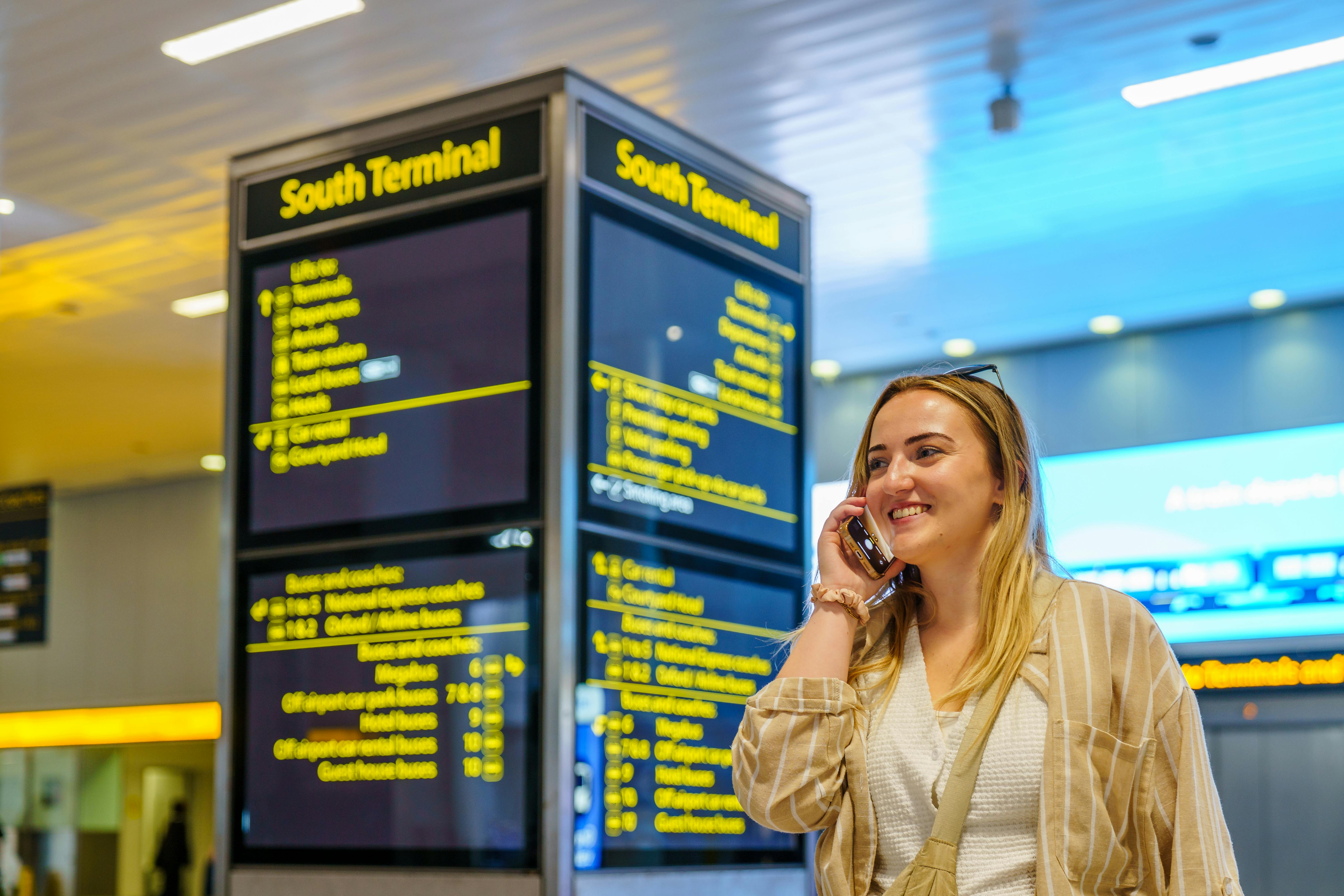
The broadest mistake, officials say, is treating international travel as if one rulebook applies to every trip. It does not. A product allowed into Mexico may be banned in Australia. Medication accepted in France may require paperwork in Singapore. Even neighboring countries can differ sharply.
That misunderstanding often starts with good intentions. Travelers check one airport rule, one airline rule, or one social media tip and assume they are covered. Customs officers say real compliance depends on the departure country, transit point, destination, and the type of item being carried.
For Americans, the safest habit is to research both sides of the border before packing. That includes customs declarations, agriculture restrictions, medication rules, battery limits, and shopping allowances. It also means checking updates close to departure, because rules can change with health alerts or security concerns.
Travel professionals say most customs problems are preventable. The travelers who move through inspection most smoothly are usually not the lightest packers or the most experienced fliers. They are the ones who pack carefully, keep records, and answer questions directly when officers ask.