12 Places for Stargazing Off the Grid in the U.S.

Stargazing off the grid provides a break from crowded spaces and artificial lighting, creating opportunities to enjoy the night sky in its most natural form. Remote locations across the country offer some of the clearest views of stars, planets, and distant galaxies. These areas highlight how elevation, dry air, and wide horizons enhance visibility. Spending time beneath these dark skies encourages a slower pace and deep appreciation for the quiet beauty overhead.
Great Basin National Park, Nevada
Great Basin National Park offers remarkably dark skies created by its remote desert setting and high elevation. Minimal development surrounds the region, allowing celestial objects to appear with exceptional clarity during clear nights. Mountain ridges and quiet valleys provide expansive viewing points with little atmospheric disturbance. Dry air supports sharp visibility, making the park one of the most reliable places for uninterrupted night sky observation.
Big Bend National Park, Texas

Big Bend National Park features wide open desert landscapes where low humidity and sparse development create prime conditions for stargazing. Clear air allows faint stars to stand out brightly, while the park’s distance from major cities protects its darkness. Elevated viewpoints across the Chisos Mountains reveal sweeping horizons that enhance nighttime contrast. The region’s quiet atmosphere helps maintain strong visibility throughout long evenings under the stars.
Natural Bridges National Monument, Utah
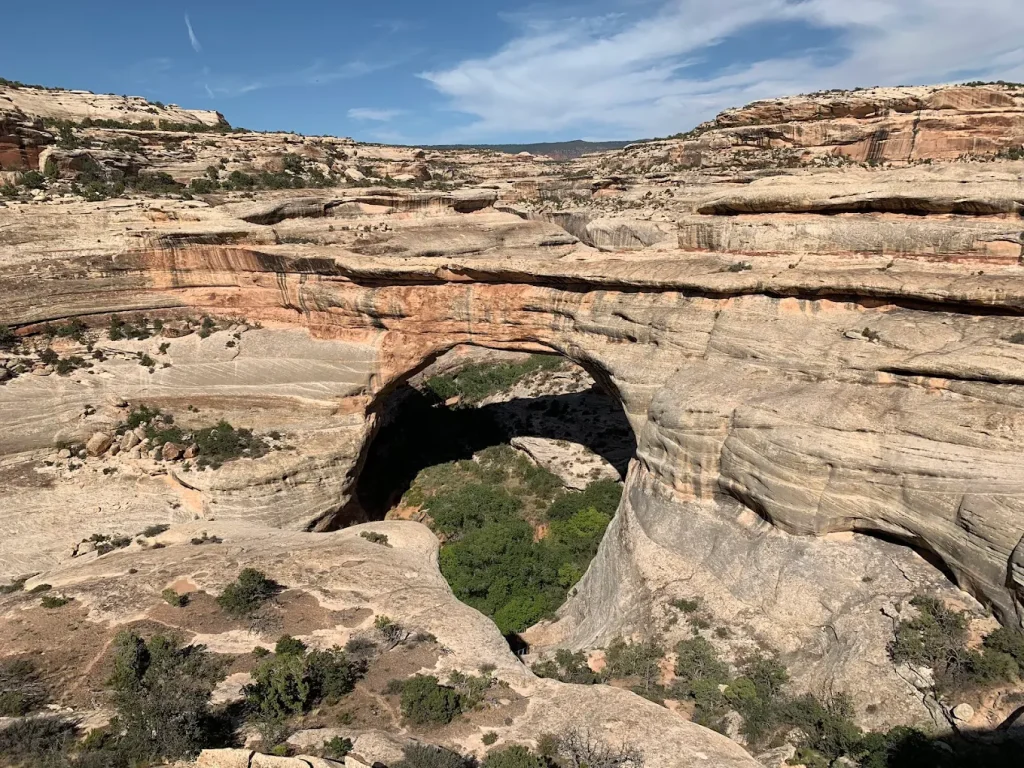
Natural Bridges National Monument is known for exceptionally dark skies preserved by its remote location and limited surrounding infrastructure. Sandstone formations frame the night sky with dramatic silhouettes, creating unique viewing angles from canyon floors and high plateaus. Dry air and stable weather patterns support consistent clarity during much of the year. The monument’s stillness enhances the sensation of watching celestial patterns unfold across vast open space.
Cherry Springs State Park, Pennsylvania

Cherry Springs State Park remains one of the premier dark sky locations in the eastern United States due to its high elevation and carefully protected surroundings. Thick forests block stray light from nearby towns, preserving a deep level of darkness ideal for astronomy. An open observation field offers unobstructed views of the Milky Way and seasonal constellations. Stable nighttime air often delivers crisp, clear visibility across the sky.
Death Valley National Park, California
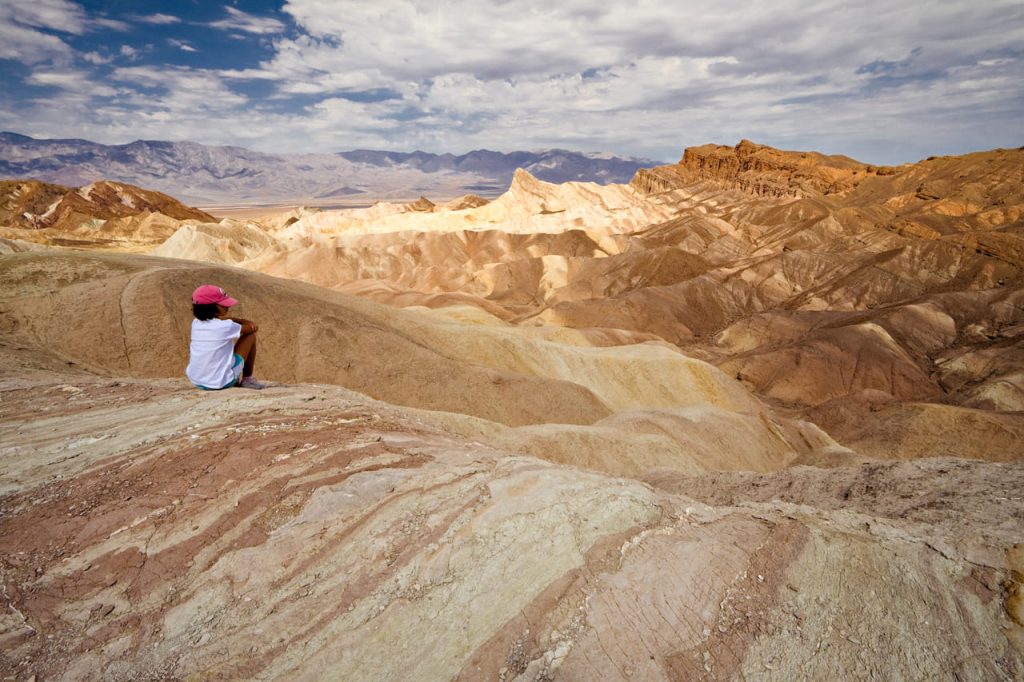
Death Valley National Park provides expansive desert basins where dry air and extreme remoteness create near perfect viewing conditions. The park’s low elevation helps stabilize atmospheric layers, allowing stargazers to see distant celestial objects with unusual precision. Wide horizons create uninterrupted views in every direction. The absence of major light sources ensures consistently dark nights that reveal even subtle astronomical details.
Sedona Backcountry, Arizona

The Sedona backcountry offers exceptional stargazing supported by high desert air, clear horizons, and limited light pollution outside the city center. Red rock formations create striking contrasts with the night sky, especially in open plateaus and remote trails. Dry conditions help maintain sharp visibility of stars and planetary features. The atmosphere remains relatively stable, making the region a reliable option for extended nighttime viewing.
Upper Peninsula Wilderness, Michigan
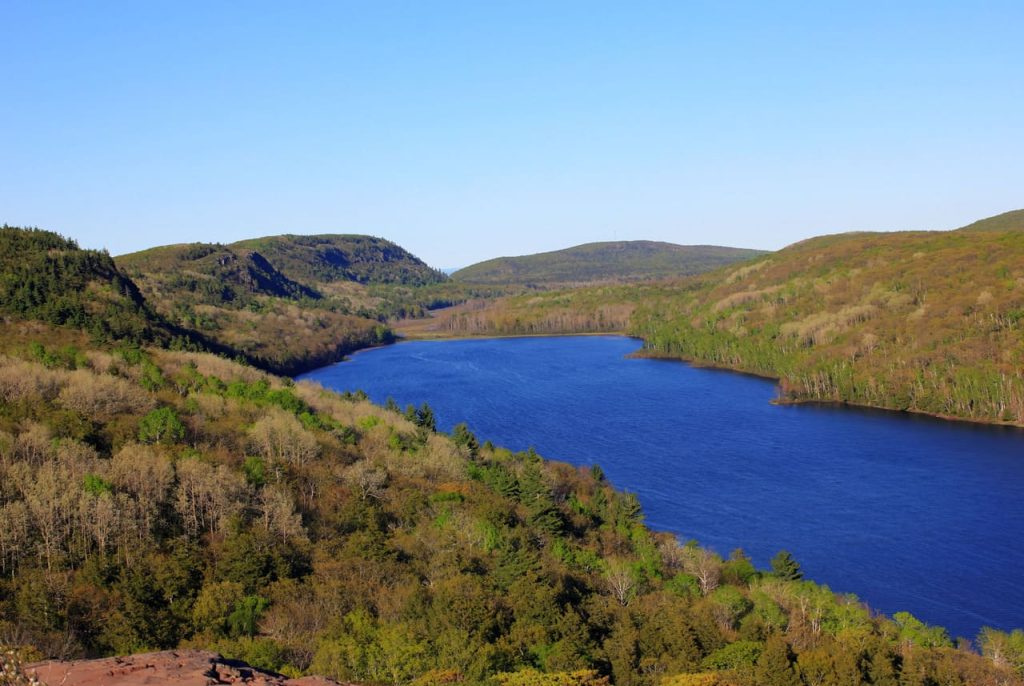
Wilderness regions across Michigan’s Upper Peninsula provide expansive darkness ideal for stargazing along lake shores and forest clearings. Cold, clear nights create excellent conditions for observing constellations reflected across calm water. Dense forests shield distant light sources, preserving the natural darkness of the landscape. Seasonal changes bring unique viewing opportunities as different constellations rise across northern skies.
Organ Mountains Desert Peaks, New Mexico
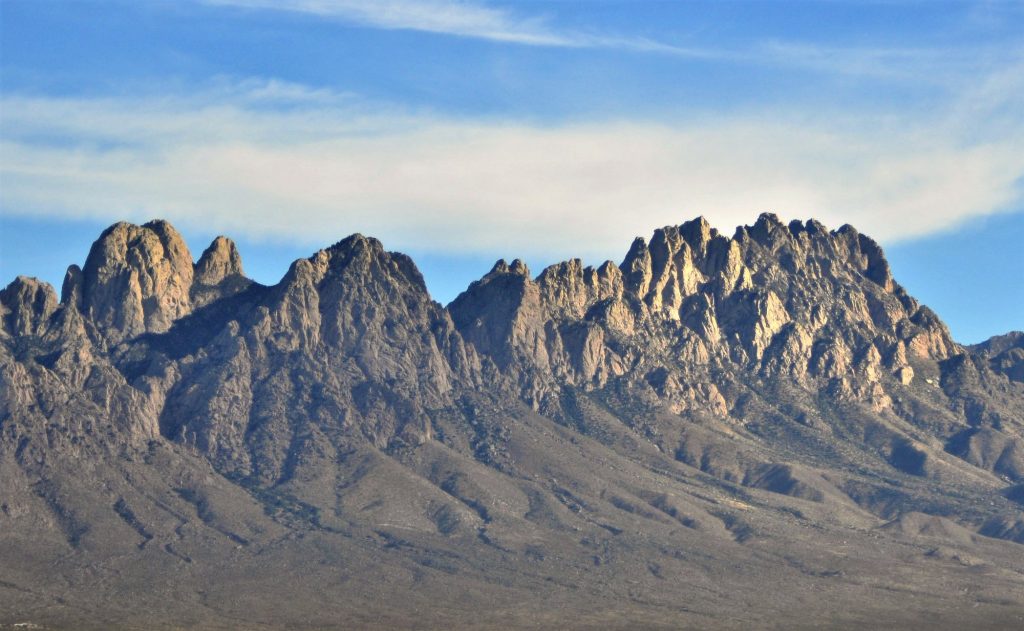
Organ Mountains Desert Peaks National Monument features high elevation ridges and sprawling desert plains that enhance stargazing conditions. Clear skies and minimal surrounding development contribute to some of the darkest nighttime environments in the region. Mountain silhouettes add depth to the viewing experience, especially during meteor showers or planetary alignments. Dry air supports strong visibility well into the night.
Mt. Hood National Forest, Oregon
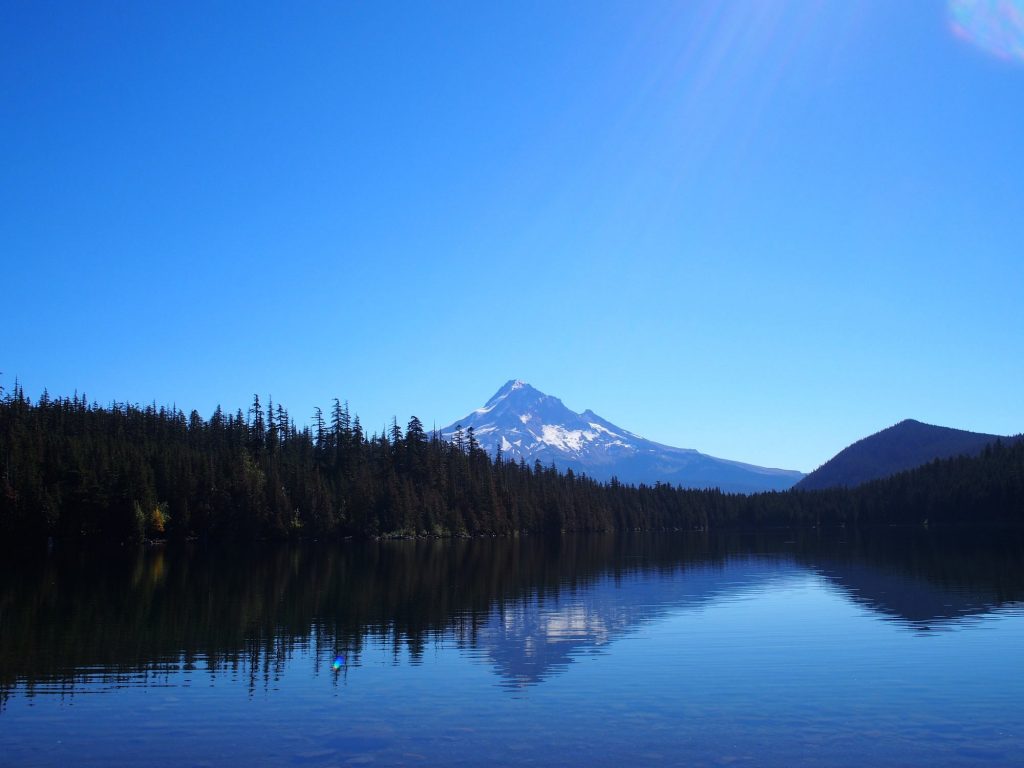
Mt. Hood National Forest includes several remote sites where volcanic terrain and thick forests help block light pollution from nearby towns. Open meadows and lakesides provide broad viewing angles across the sky. Cooler evening temperatures often clear haze from the air, improving overall brightness and sharpness. Higher elevation points give access to crisp, uninterrupted celestial views.
Black Hills National Forest, South Dakota

Black Hills National Forest offers secluded locations with rolling terrain and deep forests that create naturally dark environments. Elevated overlooks reveal wide stretches of star filled sky with minimal interference. Stable nighttime air supports consistent visibility during clear evenings. The region’s quiet atmosphere enhances the experience, allowing extended viewing without distraction.
Pisgah National Forest, North Carolina
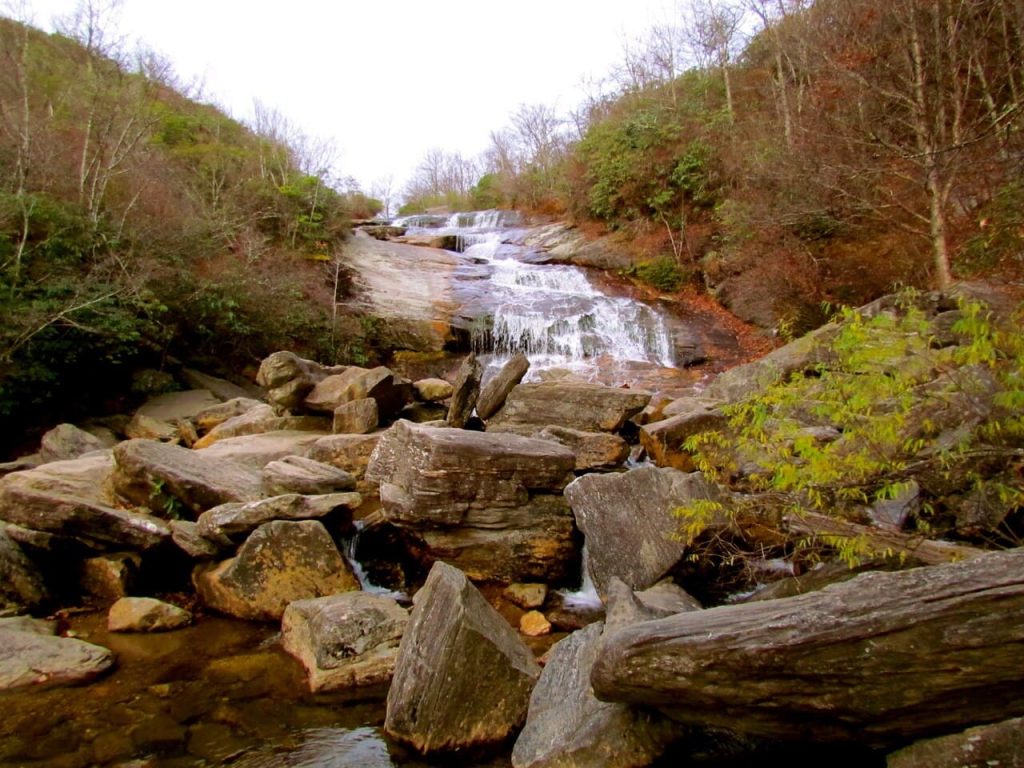
Pisgah National Forest provides excellent stargazing from high elevation balds and remote ridgelines where distant light fades behind mountain layers. These elevated points reduce atmospheric distortion, producing sharp views of constellations and passing satellites. Forest cover shields lower areas from scattered illumination. Seasonal clarity often makes the Milky Way visible across the sky.
Redwood National And State Parks, California
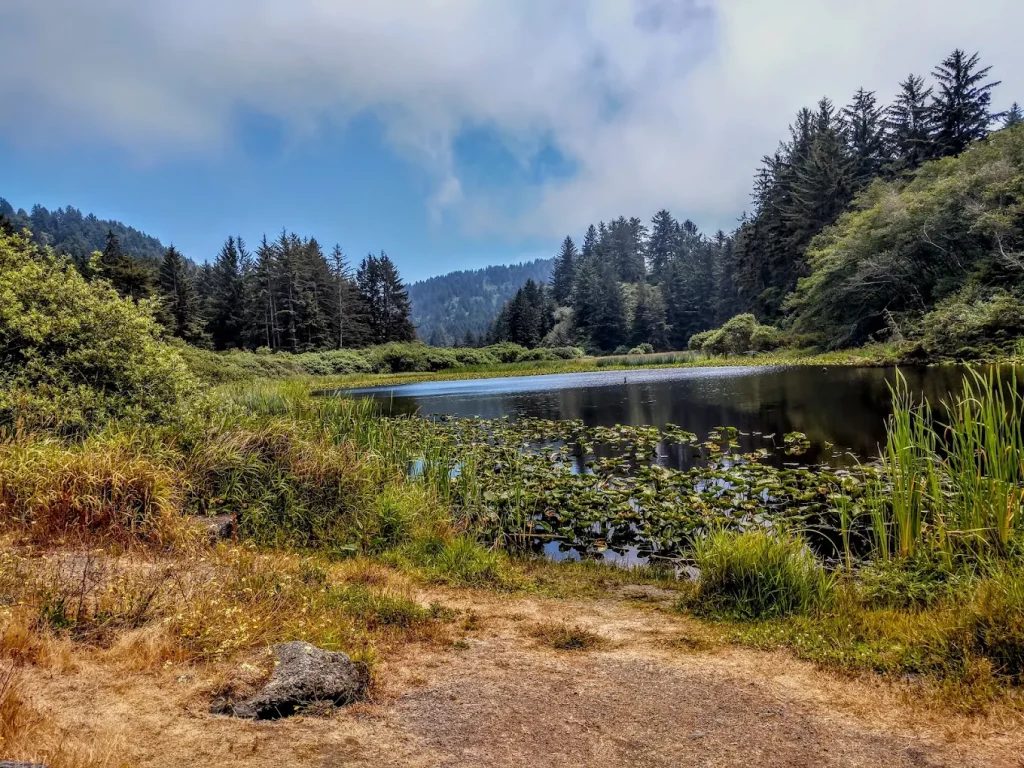
Redwood National and State Parks feature dramatic contrasts between towering trees and open coastal areas ideal for nighttime observation. Dense forests block scattered light, while coastal clearings offer wide sky views above the Pacific. Cool marine air stabilizes visibility and enhances contrast across the night sky. These combined elements create striking stargazing experiences in one of the country’s most iconic landscapes.