12 Places to Travel in the U.S. If You Want to Avoid the Biggest Crowds Right Now

Crowd fatigue has changed how people plan U.S. trips. In 2024, National Park Service sites logged 331,863,358 recreation visits, and pressure clustered in famous names, iconic overlooks, and easy roadside stops. That pushed a different kind of traveler toward places where effort filters noise and quiet still feels normal.
The shift is not about bragging rights or remote suffering. It is about breathing room, unhurried trails, and mornings that sound like wind instead of shuttle brakes. The 12 destinations below stay calmer right now for clear reasons: distance, logistics, seasonality, and lower baseline demand across most weeks.
Gates Of The Arctic National Park, Alaska

Gates of the Arctic is still the clearest answer to crowd avoidance because access itself does the filtering. The park recorded 11,907 recreation visits in 2024, and there are no roads or trails inside, so arrival usually requires bush-plane logistics and strong backcountry readiness. Trip windows stay narrow and deliberate.
That barrier is exactly why the experience feels different. Hikers move through huge, unmarked country where silence carries and itineraries stay flexible around weather. It is not a casual add-on stop, but for travelers who want true distance from bottlenecks, few U.S. destinations offer this much space by default.
North Cascades National Park, Washington
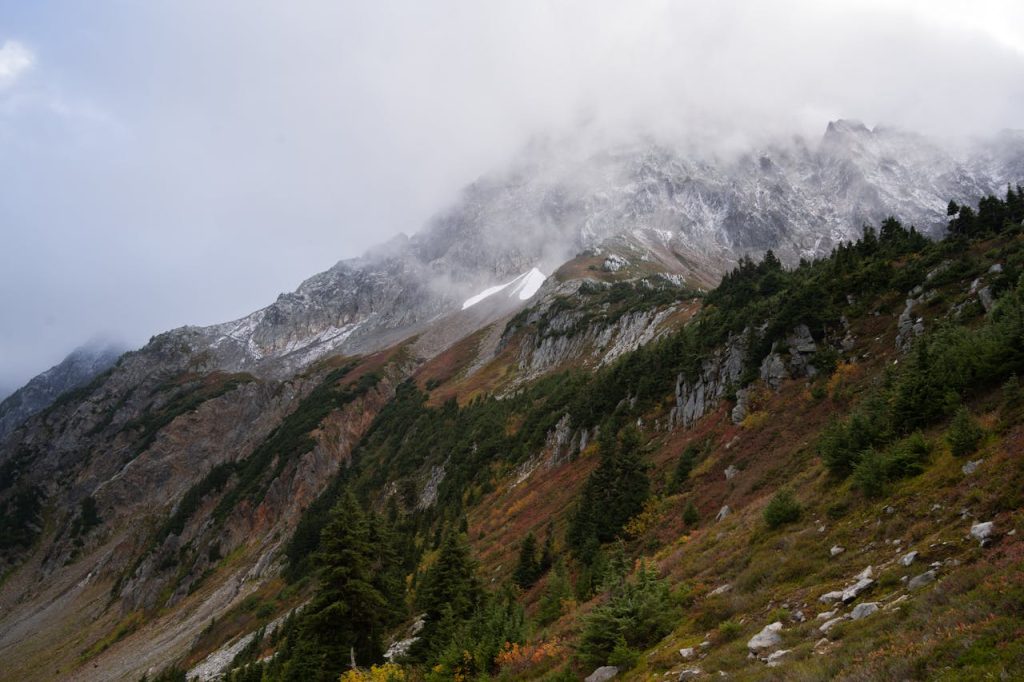
North Cascades keeps surprising travelers because it is reachable from Seattle yet still lightly used. The park logged 16,485 recreation visits in 2024, and its interior has limited road penetration. Nearby State Route 20 also closes seasonally in winter, narrowing high-volume travel windows.
That combination preserves a quieter rhythm beyond the main pullouts. Glaciated peaks, deep forests, and long trail approaches spread people out quickly, even in stronger summer weeks. For travelers who monitor conditions and pick shoulder dates, North Cascades can deliver alpine scale without the stop-and-wait pattern common elsewhere.
Kobuk Valley National Park, Alaska

Kobuk Valley remains among the least visited parks in the system, with 17,233 recreation visits in 2024. It has no roads and no formal trail network, so spontaneous traffic stays very low. Reaching it usually means coordinating air access, weather windows, and backcountry plans well before departure day.
That friction protects the feeling people now chase: true quiet, not just shorter lines. The Great Kobuk Sand Dunes and migration country feel immense because few parties overlap in time. Travelers who approach the trip as an expedition rather than a checklist stop usually find both scenery and the mental reset that isolation brings.
Lake Clark National Park And Preserve, Alaska
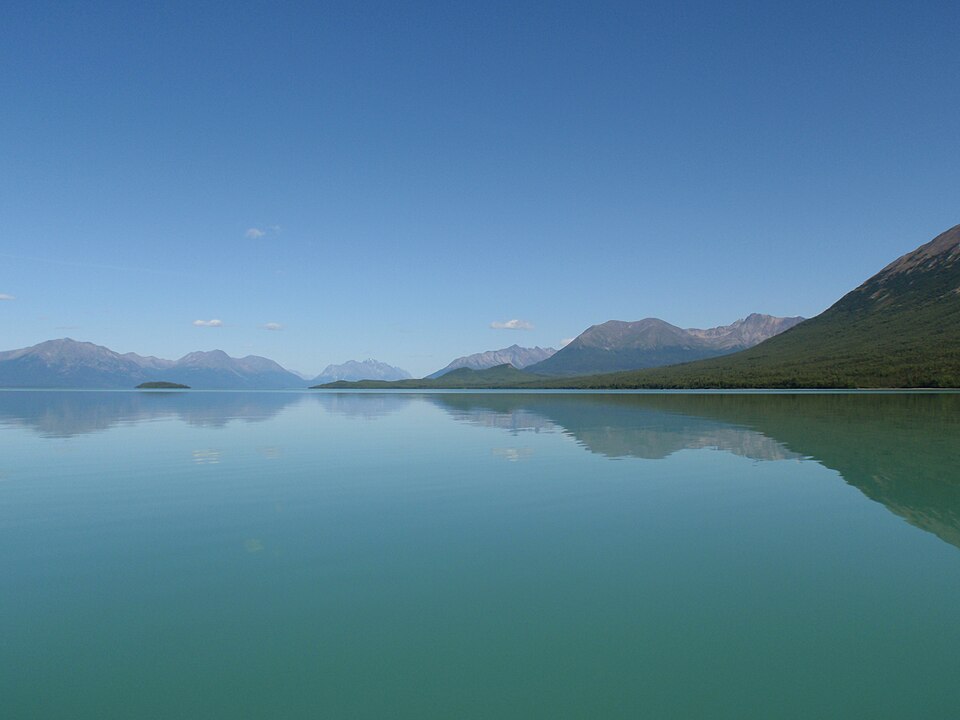
Lake Clark drew 18,505 recreation visits in 2024, and that low count reflects how the park works in practice. There are no roads connecting it to Alaska’s highway system, so most visitors enter by small aircraft or boat. Logistics, weather, and cost screen out last-minute volume.
What remains is a landscape where active volcanoes, salmon rivers, and coastal mountains do not feel overrun. Camps, lodges, and day-use zones stay comparatively dispersed, and the pace is set by transport schedules rather than parking turnover. For travelers trying to avoid crowds right now, Lake Clark offers rare wild scale with real breathing room.
Isle Royale National Park, Michigan
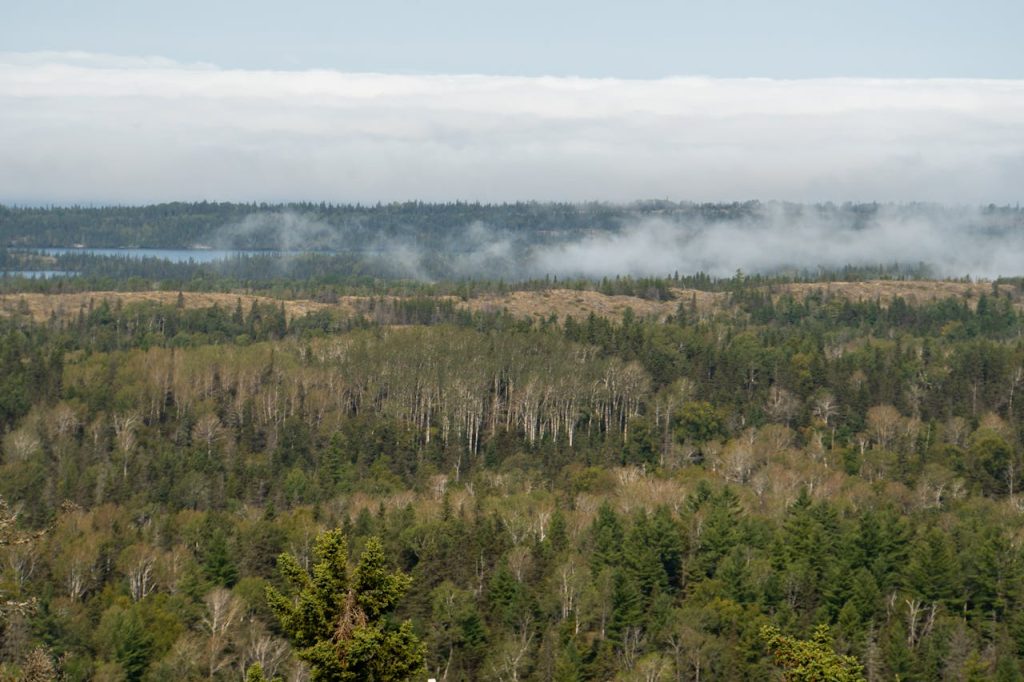
Isle Royale stays calm because Lake Superior still acts like a natural gatekeeper. The park recorded 28,806 recreation visits in 2024, and it closes to visitors from Nov. 1 through Apr. 15 each year. Reaching the island requires ferry or seaplane planning, so volume builds slower than at drive-up parks.
Once on the island, movement is mostly by foot or paddle, and behavior shifts quickly. Days become less about collecting overlooks and more about rhythm, weather, and long trail segments. Even when boats arrive full, groups disperse into backcountry routes and shoreline camps, preserving the low-noise atmosphere many travelers now prioritize.
Katmai National Park And Preserve, Alaska

Katmai logged 36,230 recreation visits in 2024, low enough that even its famous bear-viewing season can feel controlled rather than chaotic. Most destinations are reached by air taxi or boat, and there are no roads linking the park to a standard drive circuit. That structure limits overflow.
Brooks Camp may draw concentrated attention, but the wider park is vast and logistically segmented. Outside peak platform hours and transfer windows, quiet returns quickly, and many areas still feel remote. Travelers who want wildlife encounters without shoulder-to-shoulder boardwalk traffic often find Katmai offers a better balance of access and space.
Wrangell–St. Elias National Park And Preserve, Alaska

Wrangell–St. Elias remains a strong low-crowd pick at enormous scale, posting 81,670 recreation visits in 2024. Road entry is limited mainly to the Nabesna and McCarthy corridors, both unpaved, and that alone slows casual flow. Distance between services discourages rushed itineraries.
Because entry points are few and far apart, density rarely resembles packed scenes from marquee parks. Historic mining areas, glacier viewpoints, and backcountry routes absorb people into separate pockets instead of funneling everyone into one loop road. For travelers seeking big scenery without constant queuing, it still delivers uncommon breathing room.
Dry Tortugas National Park, Florida
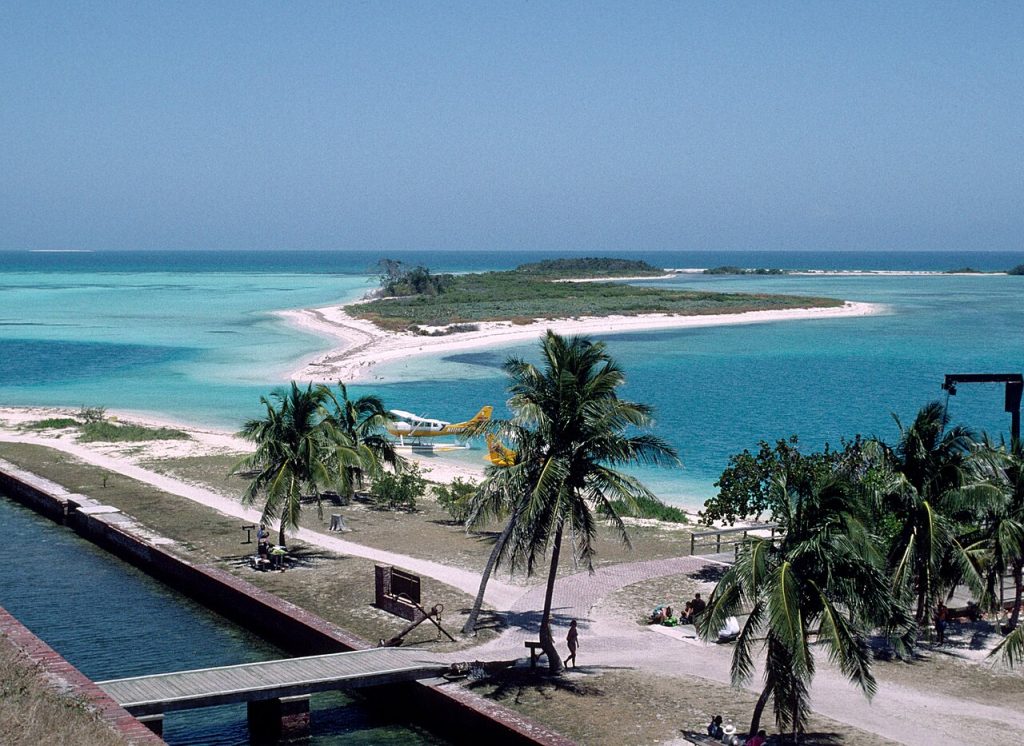
Dry Tortugas is remote by design, and that logistics wall keeps numbers down despite strong name recognition. The park recorded 84,873 recreation visits in 2024, and access from Key West is by boat or seaplane rather than private car. Because arrival depends on limited transport schedules, flow stays capped.
Garden Key can feel lively when ferries unload, but that pattern is predictable and temporary. Time windows, weather shifts, and return departures thin crowds quickly, especially outside holiday spikes. Travelers wanting clear water, history, and open horizon without foot traffic often find it easier to manage than mainland hotspots.
Great Basin National Park, Nevada
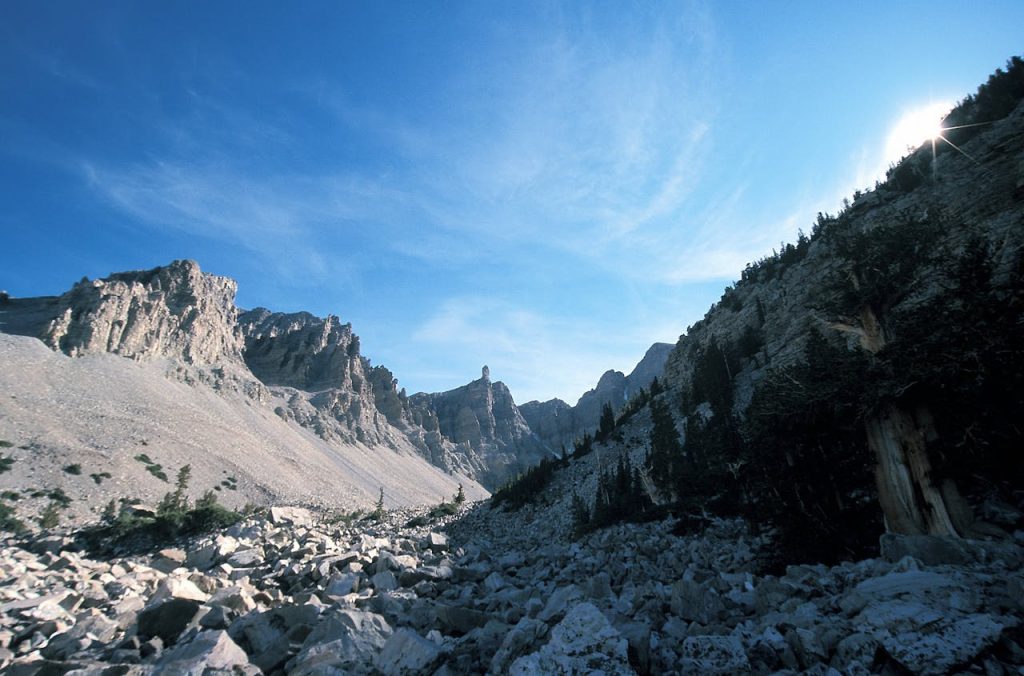
Great Basin drew 152,068 recreation visits in 2024, modest by national-park standards and low enough to preserve a quieter tempo most days. Its remote location between major metro centers limits pass-through tourism. The park also runs astronomy programs that spread activity into evening hours.
That timing shift matters. Bristlecone groves, mountain drives, and cave tours still require planning, yet circulation feels less compressed than in heavily promoted parks. Even in summer, visitors report long trail stretches with only occasional encounters. For travelers avoiding dense daytime crowds, Great Basin offers space and after-dark rhythm.
Voyageurs National Park, Minnesota
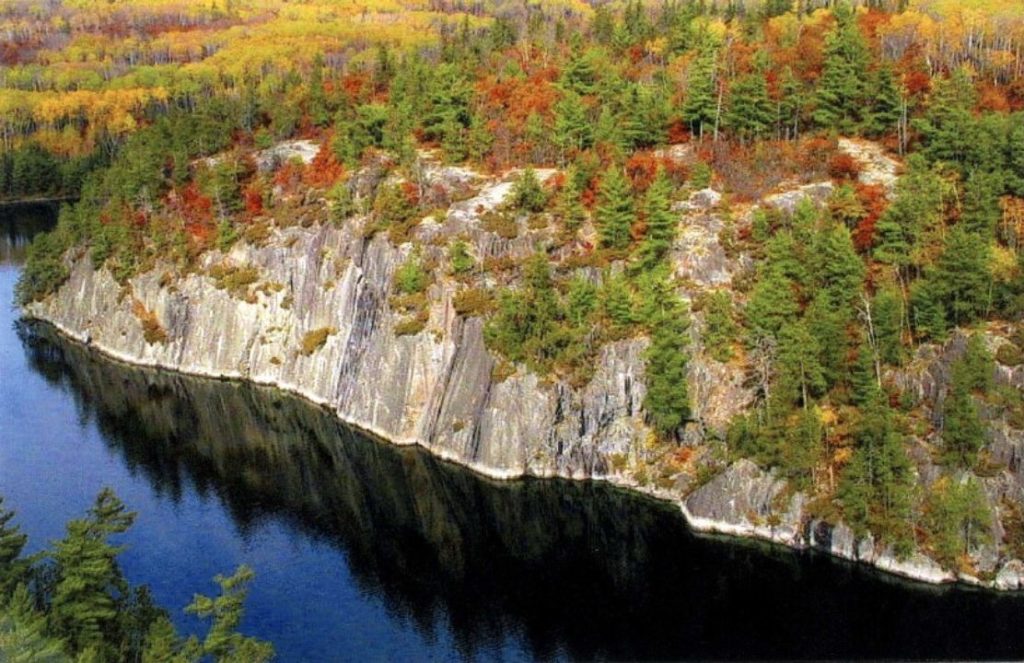
Voyageurs posted 199,030 recreation visits in 2024, higher than several western parks here but still far below the biggest U.S. pressure points. Its water-based layout keeps practical capacity in check: many campsites and interior experiences require a boat or water taxi, filtering quick day traffic.
The park’s calm also comes from how people move after arrival. Paddling and boating routes disperse visitors over distance, and shoreline geography breaks sightlines that can create a crowd sensation. Even on popular weekends, careful launch timing opens quiet windows. It is a strong option for travelers who want nature without shoulder traffic.
Guadalupe Mountains National Park, Texas

Guadalupe Mountains logged 226,134 recreation visits in 2024, keeping it in a lower-traffic tier relative to marquee parks across the West. Location is part of the story: Pine Springs is about 110 miles east of El Paso, and the long approach discourages casual stop-ins and day-trip spillover.
The terrain also rewards purposeful pacing over quick roadside sightseeing. Hikes are often steep, exposed, and commitment-heavy, which naturally thins numbers beyond the first miles. Sunrise starts and shoulder-season dates can feel open, with wide desert views and minimal noise. For crowd-averse travelers, Guadalupe remains a reliable choice now.
Congaree National Park, South Carolina
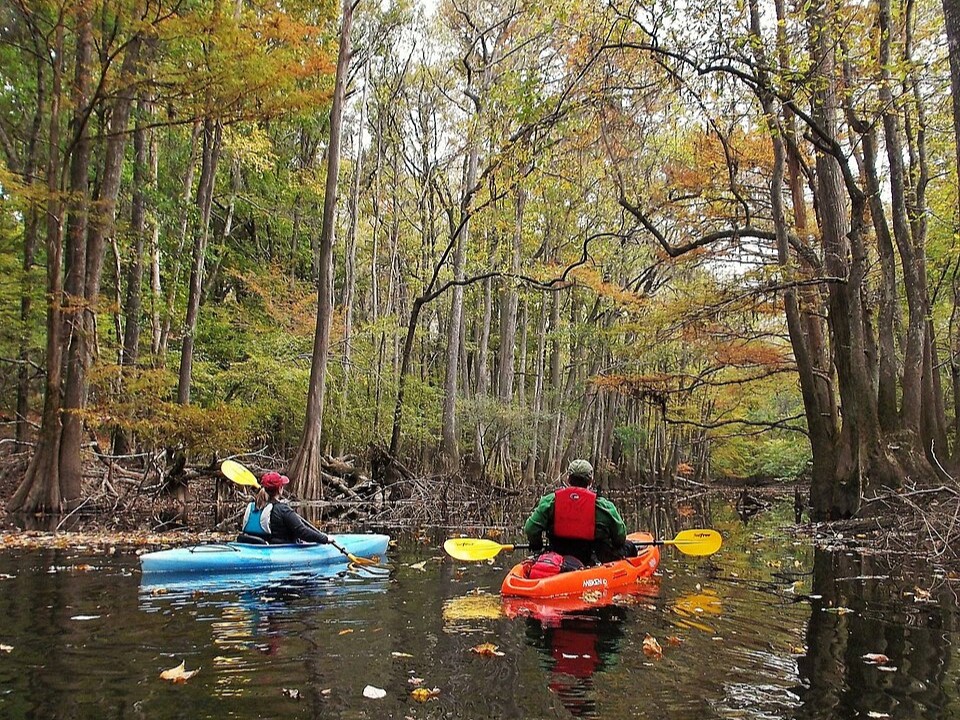
Congaree recorded 242,049 recreation visits in 2024, modest for an East Coast park and far below the biggest U.S. crowd magnets. Its signature Boardwalk Loop introduces old-growth floodplain forest, while longer trails and paddle routes disperse traffic quickly beyond the main entry corridor.
That quieter profile works in travelers’ favor. A short walk past familiar access points often restores solitude, especially on weekday mornings and cooler-season dates. Dense canopy, blackwater channels, and wetland silence create a slower pace than high-volume mountain parks. For anyone trying to avoid crowds right now, Congaree is a practical reset.