12 Places Travelers Say Weren’t Worth the Long Trip
Travel disappointment usually starts before boarding. Expectations are built by perfectly framed reels, aggressive bucket list marketing, and the idea that distance equals payoff. Then reality shows up with lines, noise, inflated pricing, and rushed itineraries.
A large 2025 review-based analysis from Radical Storage looked at 97,409 Google reviews across 100 heavily visited cities and highlighted places where negative language appeared more often than travelers expected.
At the same time, overtourism pressure is no longer a quiet local complaint. Reuters documented coordinated protests across parts of southern Europe in 2025, with residents linking tourism intensity to housing stress and daily-life disruption.
What this really means is simple: a long trip is only worth it when expectations match on-ground reality. The places below are not bad places. They are places where hype, timing, and trip design often collide.
Cancun, Mexico
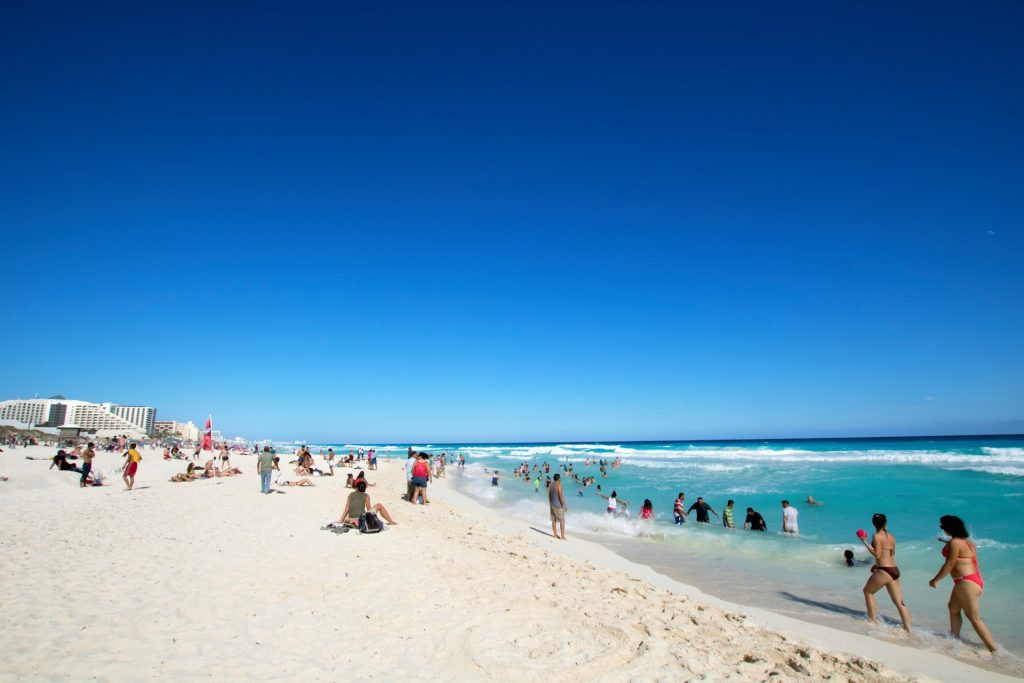
Cancun ranked first among underwhelming cities in the 2025 Paris Syndrome dataset, with 14.2% negative mentions in the study sample. The same report also noted a relatively high frequency of rip-off language in reviews.
Most long-haul travelers arrive expecting effortless paradise. Instead, many land in a corridor built for high-volume tourism where prices can jump quickly once transport, excursions, and beach access are bundled.
The mismatch is rarely about the sea itself. It is about paying premium money for a version of the destination that feels crowded, scripted, and harder to personalize than expected.
Cancun tends to reward travelers who go slower, stay outside peak dates, and split beach time with day trips to less saturated areas. Without that planning, the trip can feel expensive and interchangeable.
Antalya, Turkey
Antalya appeared second in the same underwhelming-city ranking, with 12.2% negative mentions in the review analysis.
On paper, it has everything: coastline, resorts, history, and reliable weather. But many long-distance visitors report that large resort ecosystems can make the experience feel detached from local life.
The issue is not beauty. The issue is sameness. If most time is spent in all-inclusive zones, the destination can blur into a generic sun package that could have been taken much closer to home.
Antalya works better when the itinerary is built beyond resort gates, with old-town walks, regional food stops, and off-hour sightseeing. Otherwise, distance and outcome often feel out of balance.
Punta Cana, Dominican Republic
Punta Cana placed third in the same review-led ranking at 11.9% negative mentions. The report also flagged frequent complaints about rude service in some reviews.
Travelers often choose it for pure rest. That plan can succeed, but expectations sometimes tilt toward cinematic isolation while the reality is a high-throughput leisure system with fixed rhythms and set experiences.
When everything is prepackaged, small frictions feel bigger. Slow check-ins, upselling, crowded transfers, and weather disruption can make a premium trip feel strangely transactional.
The destination improves when travelers treat it as a comfort-first break, not a discovery-heavy trip. If someone wants cultural depth and variety, this may not deliver enough return for the flight time.
Beijing, China
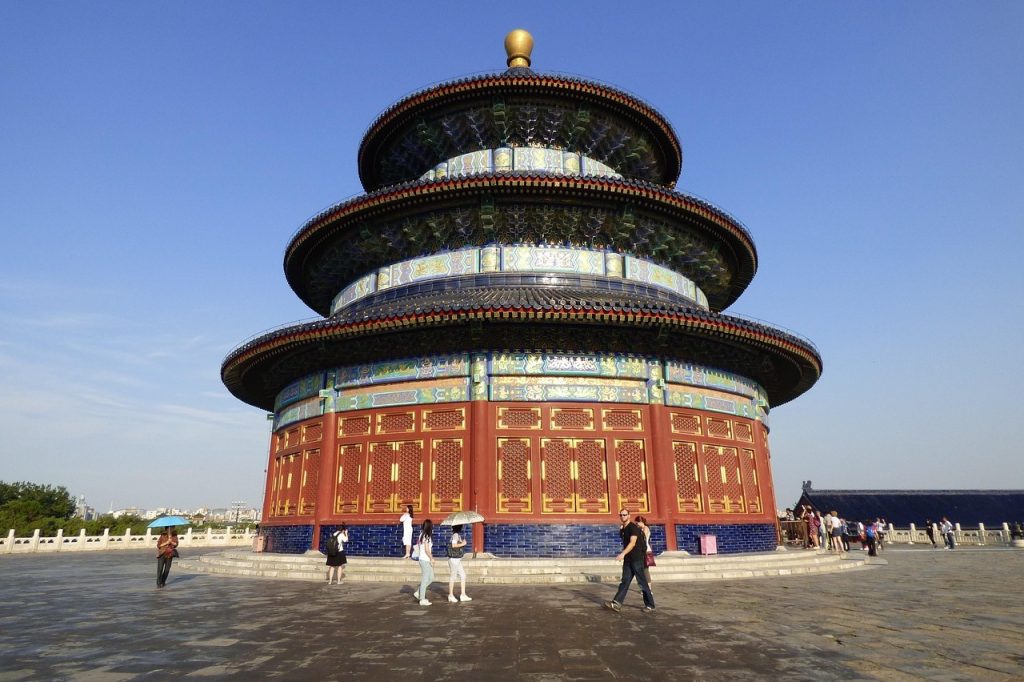
Beijing ranked fourth in the same dataset at 11.2% negative mentions, and the report noted elevated use of the word bad in related reviews.
For long-haul visitors, the challenge is pace and scale. Distances between key sites are large, major attractions can be crowded, and timing mistakes can erase hours in transit and queues.
The city is extraordinary historically, but first-time travelers can feel overwhelmed by planning complexity, language friction, and strict booking windows for headline attractions.
Beijing rewards preparation more than spontaneity. With advance reservations, neighborhood-based routing, and realistic daily limits, it can be powerful. Without that structure, the trip can feel hard-earned and under-felt.
Orlando, United States
Orlando appeared fifth in the 2025 analysis at 10.6% negative mentions, and the same source notes it had also ranked as the most underwhelming destination in an earlier edition.
Families often arrive expecting nonstop wonder and smooth logistics. The reality can include heat, high add-on costs, queue strategy pressure, and exhaustion that builds by mid-afternoon.
Theme park magic is real, but it is operationally demanding. A trip can become a series of timed decisions about ride windows, food slots, transport loops, and budget triage.
Orlando tends to feel worth it when visitors accept it as a planned campaign, not a relaxed holiday. Buffer days, mid-day breaks, and tighter park goals make a dramatic difference.
Mumbai, India
Mumbai ranked sixth in the same underwhelming-city table with 10.0% negative mentions in the analyzed reviews.
Long-distance travelers sometimes expect a polished city-break format. Mumbai offers intensity instead: density, speed, traffic, contrasts, and sensory overload that can be both thrilling and draining.
For some visitors, that energy is exactly the draw. For others, it becomes hard to decode quickly, especially on short trips with ambitious schedules and limited local guidance.
Mumbai is usually most rewarding when travelers slow down and focus district by district. Treating it like a checklist city often leads to fatigue and the feeling that the destination never opened fully.
Honolulu, Hawaii
Honolulu appeared seventh in the 2025 ranking at 9.9% negative mentions.
Many travelers imagine immediate serenity after a very long flight. What they sometimes meet first is urban resort density, traffic, and premium pricing concentrated in the most famous zones.
The disappointment often comes from expectation shape, not destination quality. Visitors may seek secluded island calm while booking the busiest district at the busiest time.
Honolulu works best when travelers design contrast into the trip. Early starts, neighborhood food exploration, and time beyond the main tourist strip can restore the sense of distance being worth it.
Johor Bahru, Malaysia
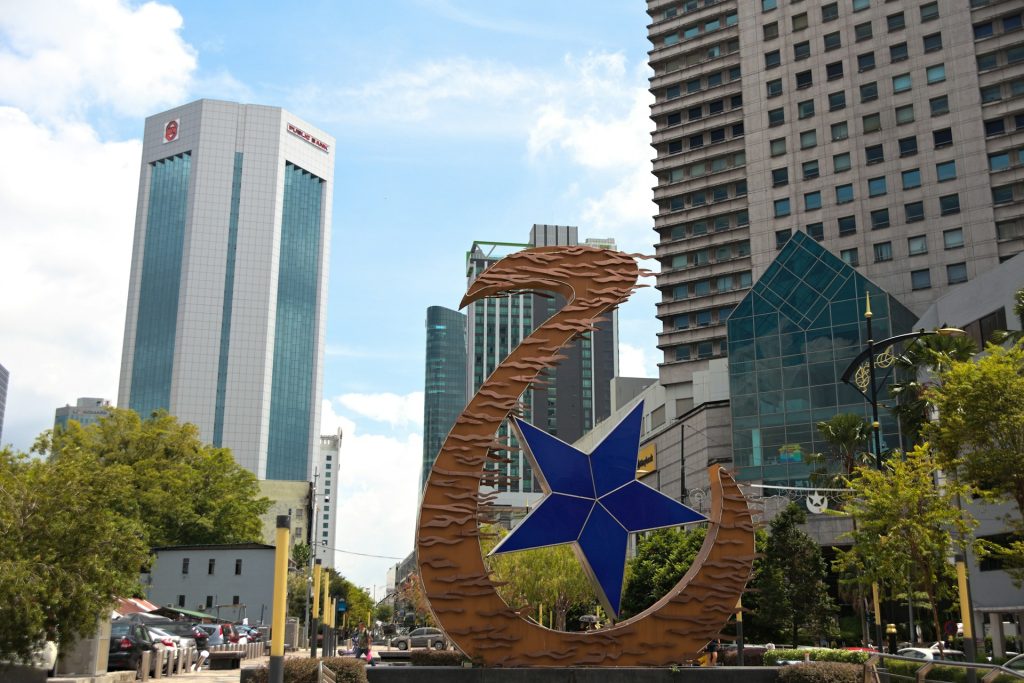
Johor Bahru ranked eighth in the same report with 9.4% negative mentions.
It can be a practical stop, but some long-haul visitors treat it like a standalone headline destination and then feel underwhelmed by pace and attraction density compared with their expectations.
The city’s strengths are convenience, family stops, and regional positioning. Those are real advantages, yet they do not always match the dramatic payoff many people expect from a far-away trip.
Travelers who pair Johor Bahru with broader Malaysia or Singapore itineraries usually report better overall value. On its own, it can feel like a transit city stretched into a finale.
Kyoto, Japan
Kyoto ranked ninth in the same underwhelming list at 9.1% negative mentions.
At the same time, Japan recorded a new inbound tourism high in 2024, adding visible pressure to famous areas, and Kyoto’s Gion district introduced stricter controls on private alleys after resident complaints.
For long-haul visitors, the gap is emotional: they expect tranquil heritage scenes, then encounter packed buses, photo bottlenecks, and tightly shared public space at peak hours.
Kyoto still delivers deeply, but it demands timing discipline. Dawn visits, shoulder-season dates, and neighborhood diversification can transform the experience from crowded performance to meaningful encounter.
Playa del Carmen, Mexico
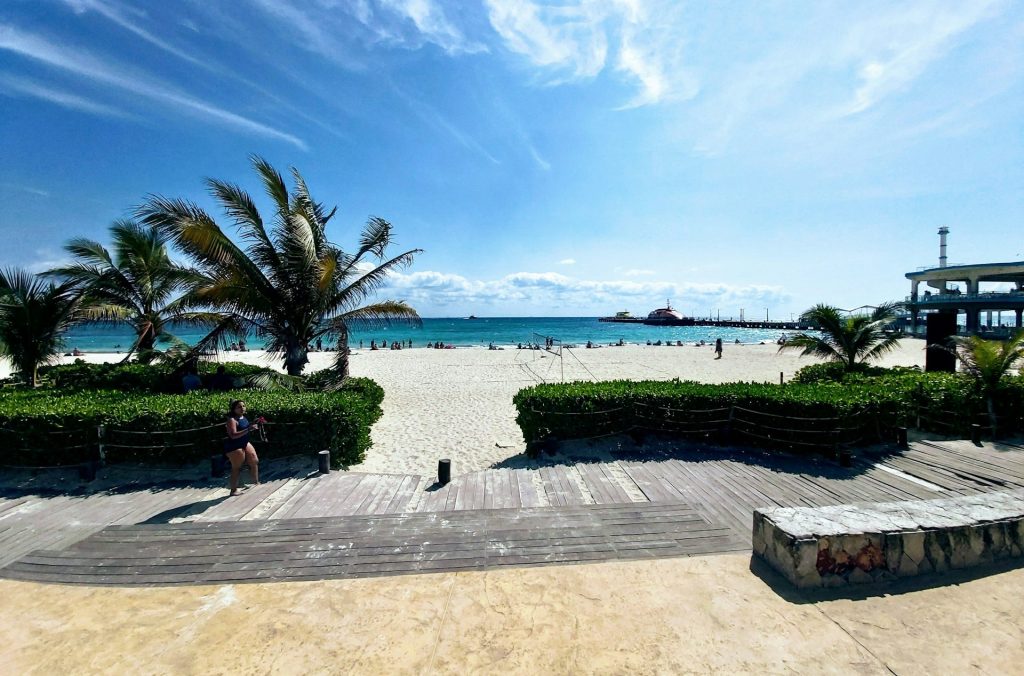
Playa del Carmen rounded out the top ten underwhelming cities in the 2025 dataset with 9.0% negative mentions.
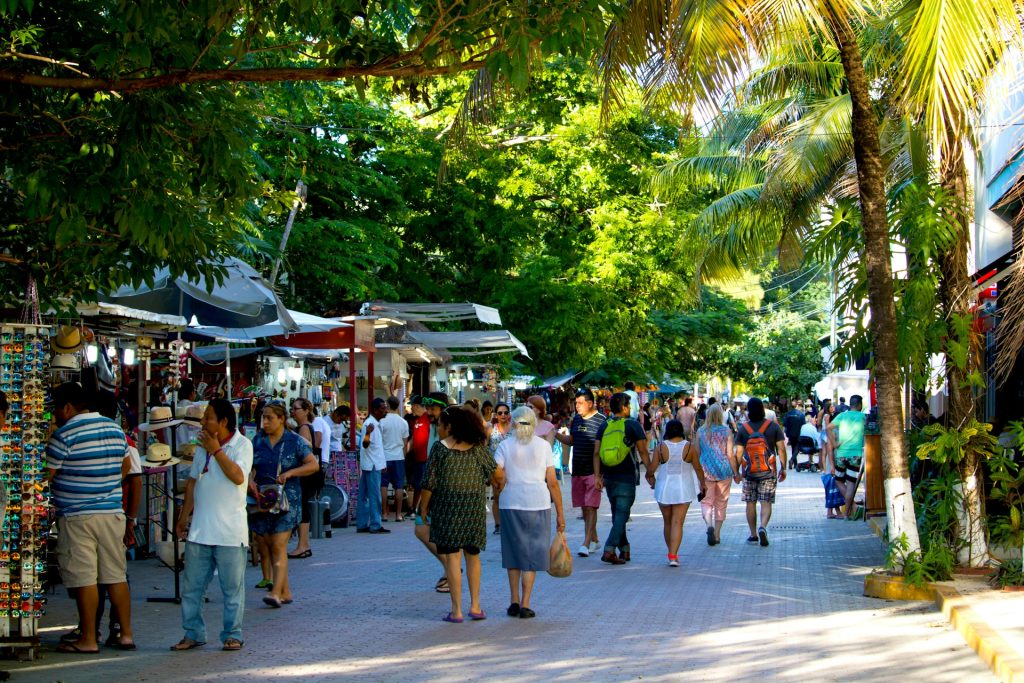
It is popular for good reasons, yet heavy commercialization in core zones can make some visitors feel they traveled far for a familiar template: bars, branded tours, and repetitive pricing tactics.
This does not erase the upside. It explains why expectation control matters. Travelers seeking laid-back local texture may find the center more staged than imagined.
The place often shines when used as a base, not a bubble. Mixing reef, cenote, and inland cultural days can recover depth that the main strip alone may not provide.
Venice, Italy
Venice introduced a day-tripper access fee in 2024, the first system of its kind, as officials tried to manage crowd intensity on specific high-pressure days.
Authorities later expanded and adjusted the model for 2025, including more fee days and higher last-minute costs in parts of the season.
For many long-distance travelers, the challenge is not whether Venice is beautiful. It is whether the experience feels intimate or congested once daytime volumes peak.
Venice rewards either shoulder-season travel or overnight pacing that shifts activity to early mornings and late evenings. Done that way, it can still feel exceptional instead of overrun.
Santorini, Greece
Reuters reported strong pressure on Santorini, where local officials discussed cruise-flow limits and infrastructure strain during high season.
Greece also moved toward additional cruise-related levies for heavily visited islands, including Santorini, as part of wider overtourism management.
The disappointment pattern here is predictable. Visitors come for cinematic calm and get concentrated crowd windows tied to cruise schedules, narrow pathways, and sunset congestion.
Santorini can still justify the distance when the trip is built around off-peak shoulder hours, fewer fixed checklists, and a realistic budget. Without that, the postcard can feel harder to reach than expected.
Sources
- Radical Storage: Paris Syndrome 2025 Report
- Reuters: Protesters Against Overtourism in Southern Europe
- Reuters: Venice Introduces Tourist Entry Charge
- Reuters: Venice Expands Tourist Entry Fee System
- Reuters: Santorini Bursts With Tourists as Locals Seek a Cap