12 Places Where Cashless Payments Catch Visitors Off Guard
Cash can feel like a safety blanket while traveling, a simple backup when cards fail or language gets tangled. In more places, that backup is disappearing. Transit systems, cafés, museums, and even public restrooms increasingly expect a tap, a scan, or a stored-value card. The surprise is not that digital payments exist. It is how quickly a visitor can get stuck at a gate or counter with the wrong method. A little preparation keeps plans on track and prevents small money moments from turning into unnecessary stress.
Stockholm, Sweden

Stockholm’s cashless habits show up in ordinary moments, from subway entrances to small corner cafés, and visitors notice it faster than expected in every district. Many shops, museums, bars, and kiosks prefer cards or phone taps, and some display cashless signs because registers are not stocked with coins or spare bills for change, even for tiny purchases. The surprise lands in practical places like a metro gate, a waterfront snack stand, a pop-up market stall, or a restroom turnstile, where cash feels like a safe backup but the routine expects a clean tap, a quick receipt, and the next person stepping forward.
Oslo, Norway

Oslo runs on quick taps, and a lot of everyday businesses act as if cash belongs to another era, especially in central neighborhoods and near transit hubs. Coffee bars, corner shops, casual lunch spots, and even some event venues assume contactless, and staff may explain that change is unavailable because the till was set up to avoid handling coins, counting bills, and storing cash safely. The awkward moment tends to happen when time is tight, like a short ferry hop, a late-night takeaway, a museum café, or a small purchase between trains, when a line forms behind the counter and the city’s rhythm expects instant checkout, not slow math.
Copenhagen, Denmark
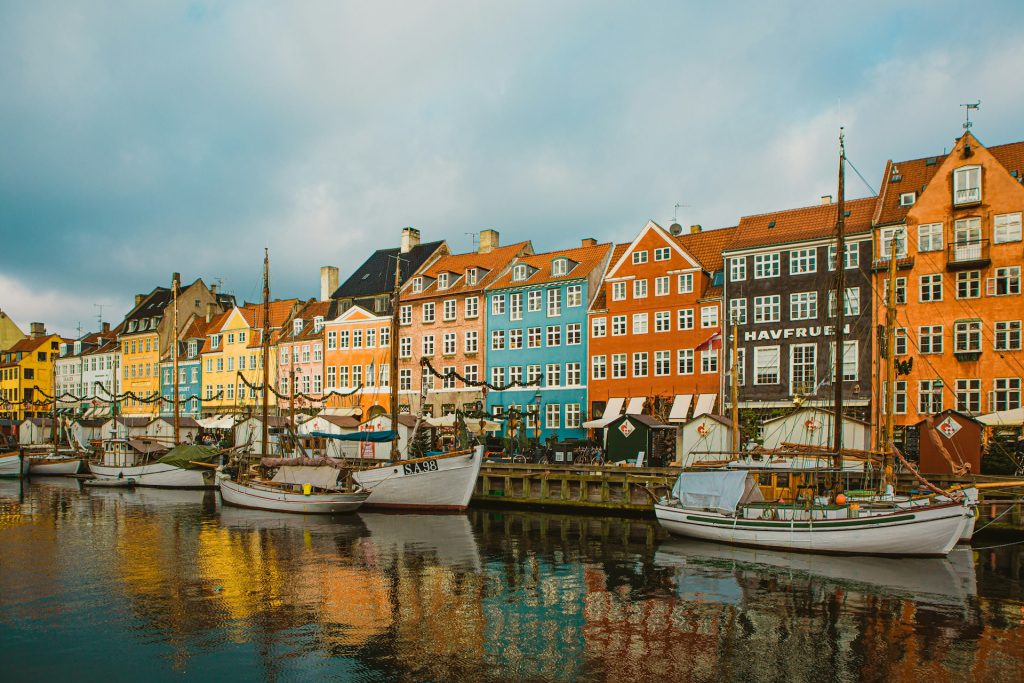
Copenhagen’s payment culture feels as streamlined as its bike lanes, and the default is speed with minimal friction at the counter, even for small amounts. Many bakeries, bars, and boutiques rely on contactless taps, and cash can earn a polite pause because staff may not keep change, especially during busy hours near stations, canals, and nightlife streets. The catch appears during small pleasures like a morning pastry, a canal-side drink, a cloakroom fee, or a quick museum ticket, where the transaction needs to finish in seconds so the crowd keeps moving and the mood stays light and easy most days.
Reykjavik, Iceland
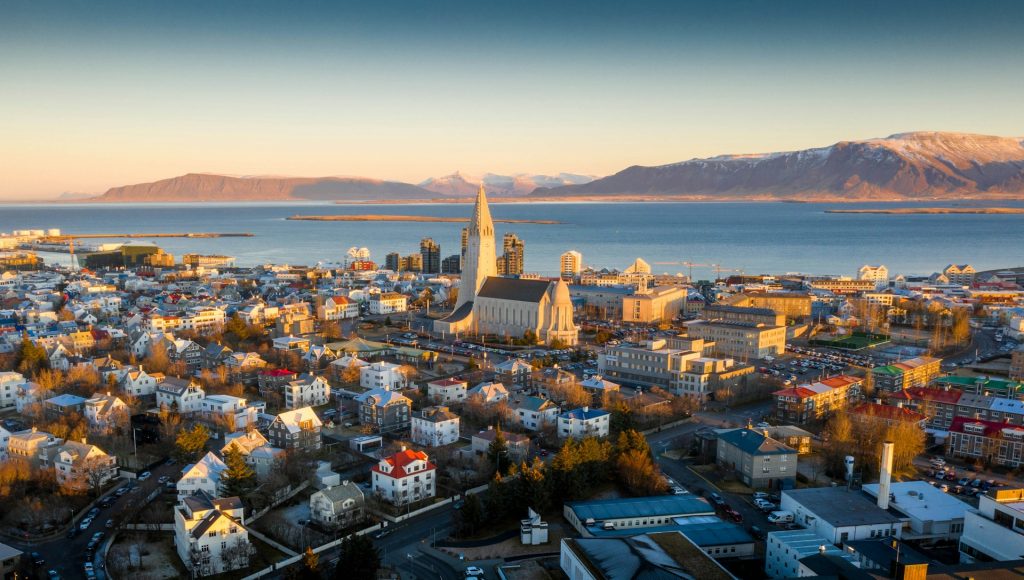
Reykjavik can surprise travelers who arrive expecting cash to cover the small, everyday parts of a trip, from snacks to simple transport. Cards and taps work almost everywhere, and some businesses operate fully cashless, which turns bills into dead weight rather than a useful backup, particularly in the center and around popular stops. Friction shows up in simple moments like a café order, a bus fare, a shop purchase, or a last-minute add-on at a tour desk, because many counters are built for taps, may not keep change, and prefer a quick transaction that lets staff focus on service, not cash handling.
Helsinki, Finland
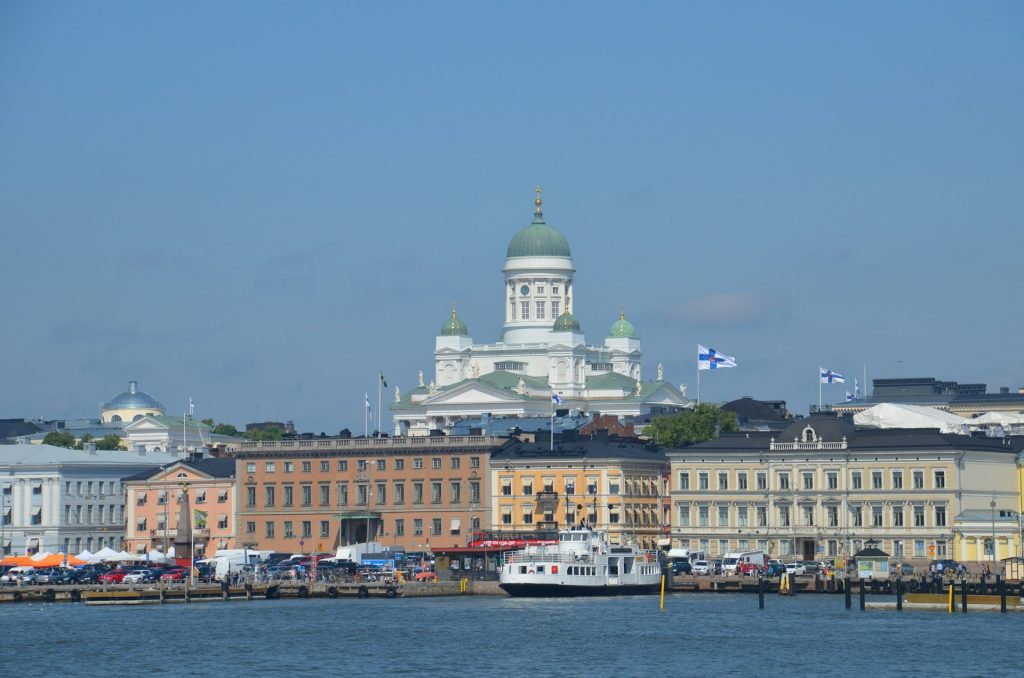
Helsinki’s calm efficiency extends to payment, where contactless is treated as the default and everyday errands are designed to move without fuss. From cafés to convenience stores, checkout is quick and predictable, and cash can feel out of sync when the till is not prepared to make change or the counter shows only card logos, even in quieter neighborhoods. Visitors often discover this during ordinary stops like a tram ticket, a cinnamon roll, a locker fee, or a small grocery run, when the line advances on taps and the whole experience assumes a simple beep, a receipt, and a step aside without delay.
Amsterdam, Netherlands
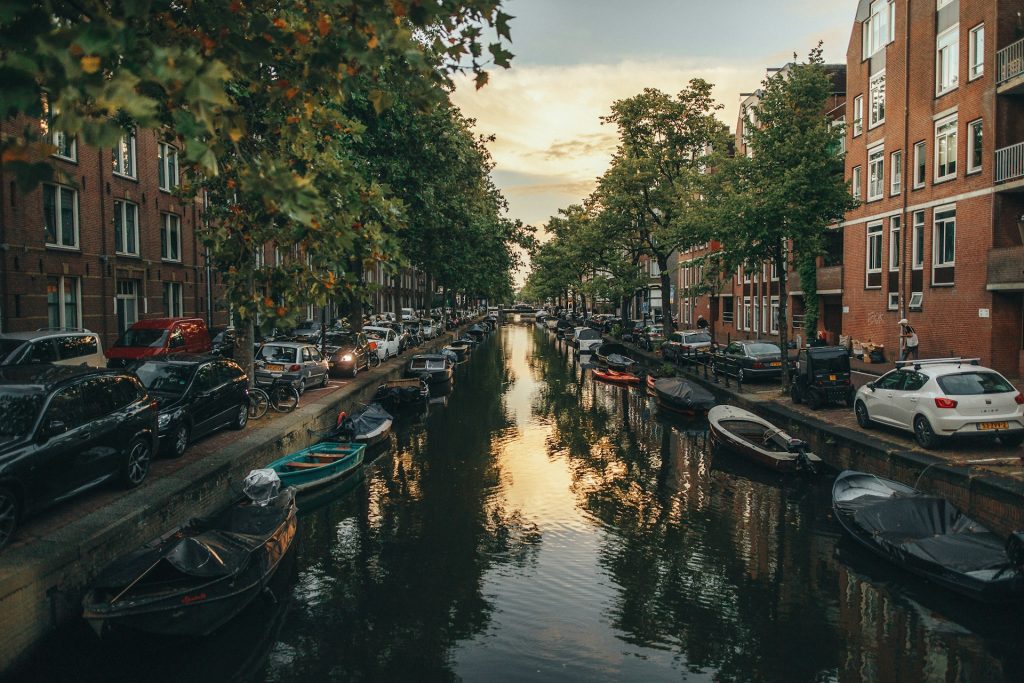
Amsterdam catches some visitors in a specific way: cash exists, but many counters are optimized for cards, and payment preferences can be stricter than expected. Some smaller places favor debit-style payments and may decline certain foreign cards, while also refusing cash as a fallback because it slows checkout and requires change, especially in crowded central streets. That mismatch can send travelers on an irritating loop from café to shop to ATM, and the surprise is how ordinary it feels to locals, who are used to fast card transactions and do not treat cash as the universal solution it once was.
London, United Kingdom
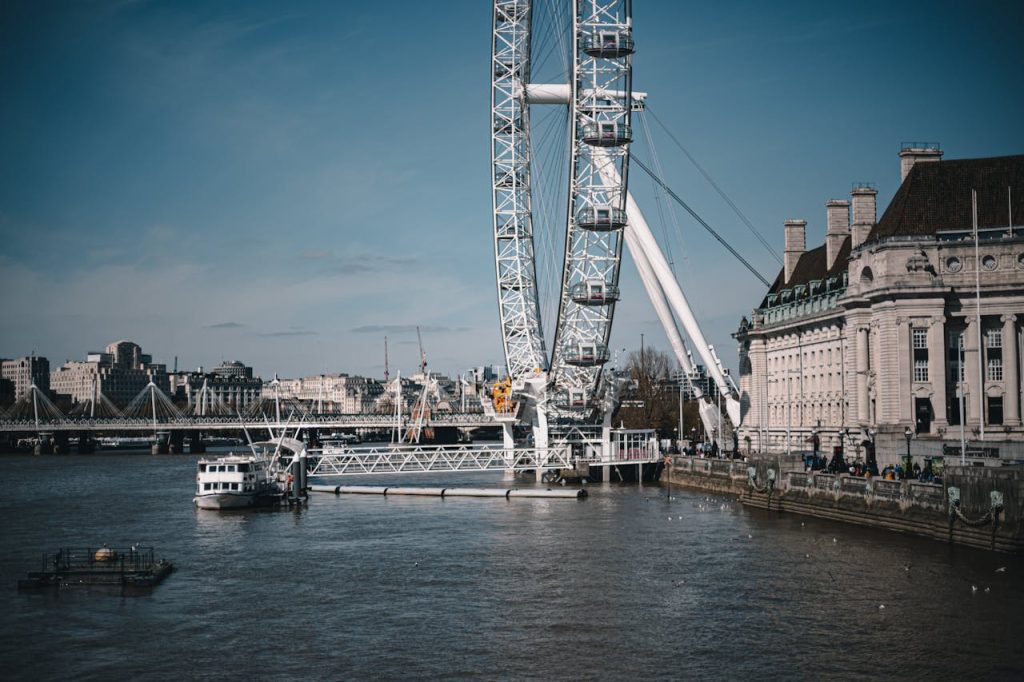
London’s cashless surprise often arrives on transit, where buses do not accept cash and travel is built around Oyster or contactless taps across the city. That rule can derail a day if discovered at the curb during a rush, because drivers cannot pause while someone searches for a workable option, and nearby ticket machines may not help in the moment. The card-first mindset spills into daily spending too, as many quick-service spots prefer taps and some locations run card-only at peak times, turning cash into something that cannot solve a time-sensitive moment at a gate, kiosk, market stall, or counter.
Singapore
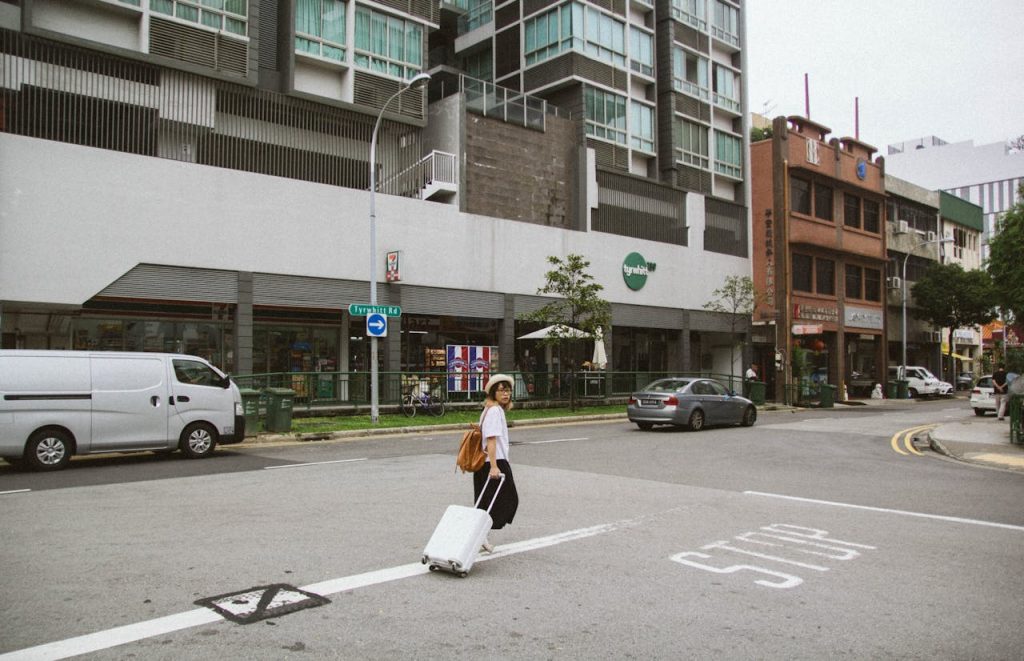
Singapore is built for speed, and payments follow that same logic across transit, food courts, and everyday errands in busy commercial districts. Station gates, buses, and many small purchases assume contactless taps, stored-value cards, or QR scans that keep queues moving with almost no pause, even at 8 a.m. and during evening rush. Visitors feel the pressure at high-traffic moments like an MRT entry, a busy hawker center, a museum café, or a convenience store line, where cash may work sometimes but can slow the rhythm in a city trained on quick, orderly transactions and steady crowd flow all week.
Hong Kong
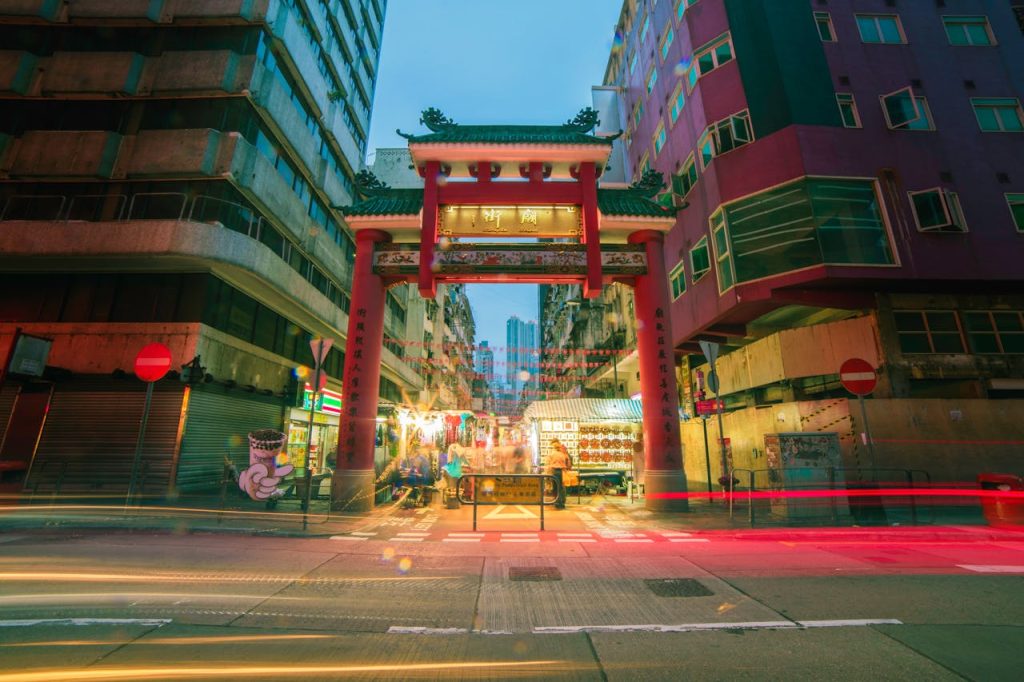
Hong Kong’s pace is dense and fast, and the city’s tap culture can surprise newcomers within hours of arrival, especially around stations and ferry piers. Transport, convenience stores, bakeries, and countless small purchases are designed around a clean beep, and crowds expect forward motion at gates, escalators, and counters without hesitation. The stress point often appears when a foreign card hesitates or cash is counted out in a tight space, but once a stored-value option is set up, everyday payments become nearly invisible and the city feels easier, calmer, and more navigable from breakfast runs to late-night errands.
Sydney, Australia
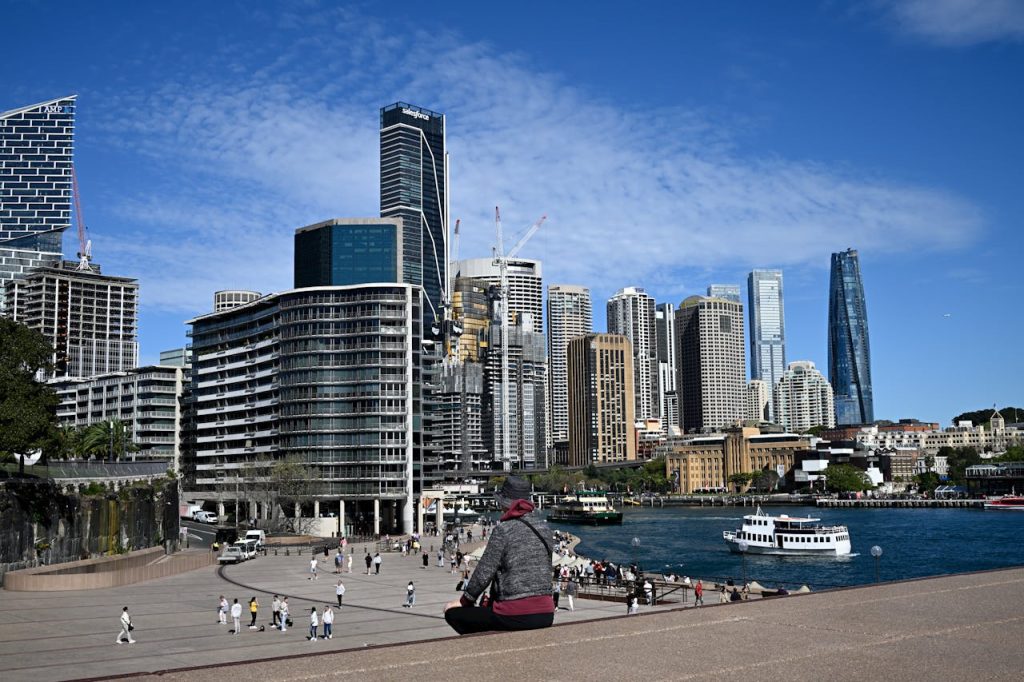
Sydney feels tap-friendly in a way that can make cash seem oddly out of place, especially in busy corridors near ferries, stations, and stadium events. Many daily purchases and transport payments lean on contactless cards and phone wallets, and staff often assume checkout will take a second, not a conversation about breaking a bill at the counter. Visitors can be caught by inconsistencies between operators, where one service accepts cash and another refuses it, so the smoothest days tend to be the ones where a reliable contactless method covers coffee runs, quick lunches, and short hops across the harbor.
Toronto, Canada
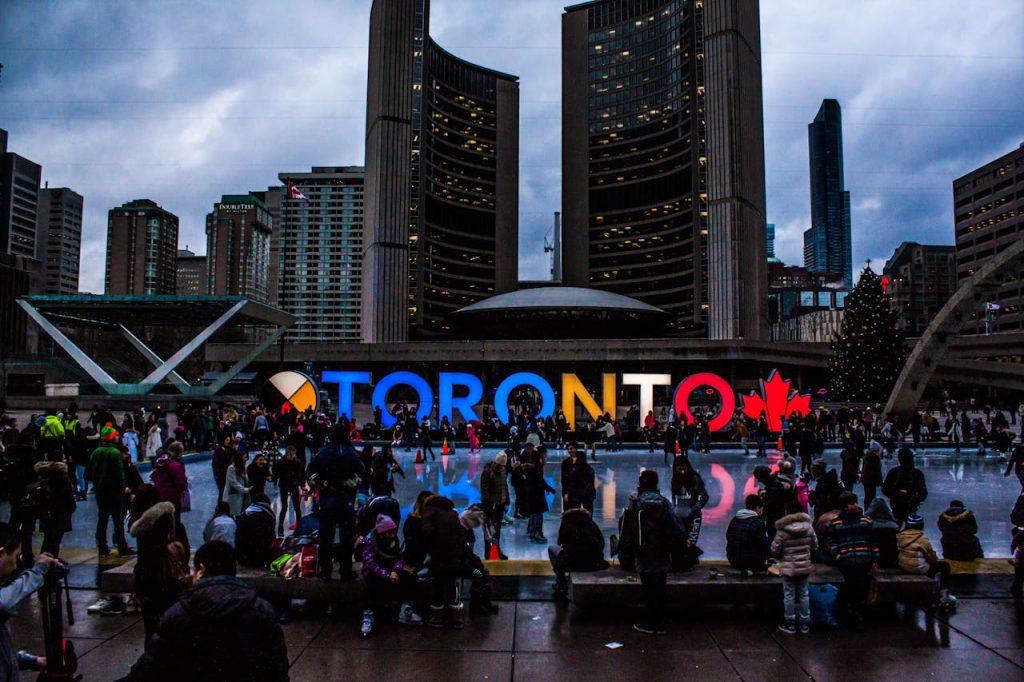
Toronto’s cashless surprises often cluster around transit and quick errands, where the city expects movement more than discussion at the point of payment. Entry points and onboard fares are designed for taps, and even when cash exists as an option it can feel slower, limited, or unclear during rush periods and event surges, particularly on busy routes. Visitors notice at station gates, streetcar boarding, or airport links, when the crowd expects a tap and forward motion, and the inconvenience repeats until payment is set up once and then fades into the background, letting the day run smoothly.
Major U.S. Sports Arenas

In many U.S. stadiums and arenas, cash can become useless the moment the gates close behind the crowd and the concourse starts to surge toward concessions. Concessions and merchandise stands increasingly operate as cashless points of sale, pushing cards and mobile wallets to keep lines short and accounting simple during tight breaks, with staff trained to move quickly. Some venues offer machines that convert cash into prepaid cards, but the surprise often hits at halftime, when time is short and lines are long, and a simple drink, snack, or souvenir turns into a payment snag created by policy, not price, in the middle of the buzz.