12 Places Where Travel Requires Cultural Awareness
Travel is easier when people treat culture as practical guidance, not decoration. In many destinations, respect is not a bonus trait. It shapes where people stand, how loudly they speak, what they wear, and when a camera should stay in a pocket. Those choices affect real routines, not staged experiences. A thoughtful visitor notices the local pace before adding their own.
Cultural awareness is not about being flawless. It is about attention, restraint, and course-correction. People who listen first usually get better conversations, smoother days, and fewer tense moments. They also leave less friction behind. That is why these places ask for more than planning. They ask for social intelligence in motion.
Kyoto, Japan
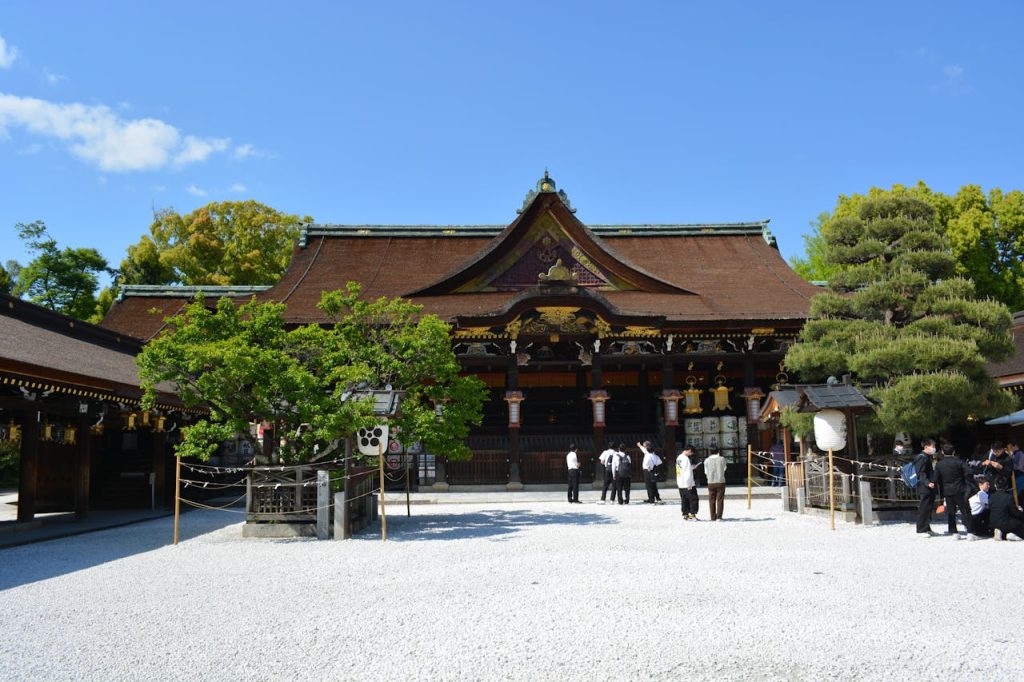
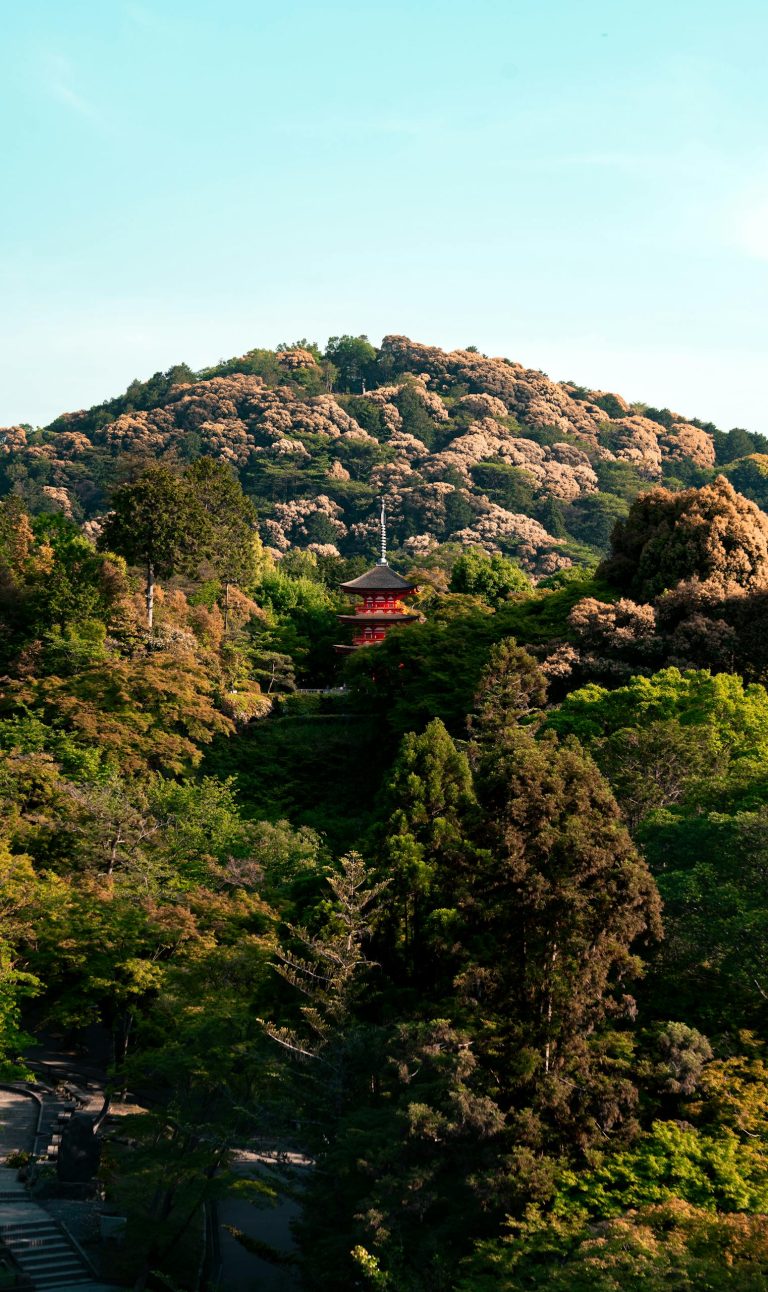
Kyoto rewards composure. On trains and buses, low voices and quiet phone habits are normal, and that same discipline carries into temple districts and historic lanes. People queue with care, avoid blocking paths, and treat shared space as a common good. The city feels gentle, but that feeling is maintained through thousands of small choices made every day by residents.
Visitors who match that rhythm usually have a richer experience. Shopkeepers engage more warmly, shrine visits feel less rushed, and crowded streets stay surprisingly calm. Kyoto does not demand formal perfection. It responds to awareness. A softer voice and better timing often open more doors than any premium reservation.
Dubai, United Arab Emirates
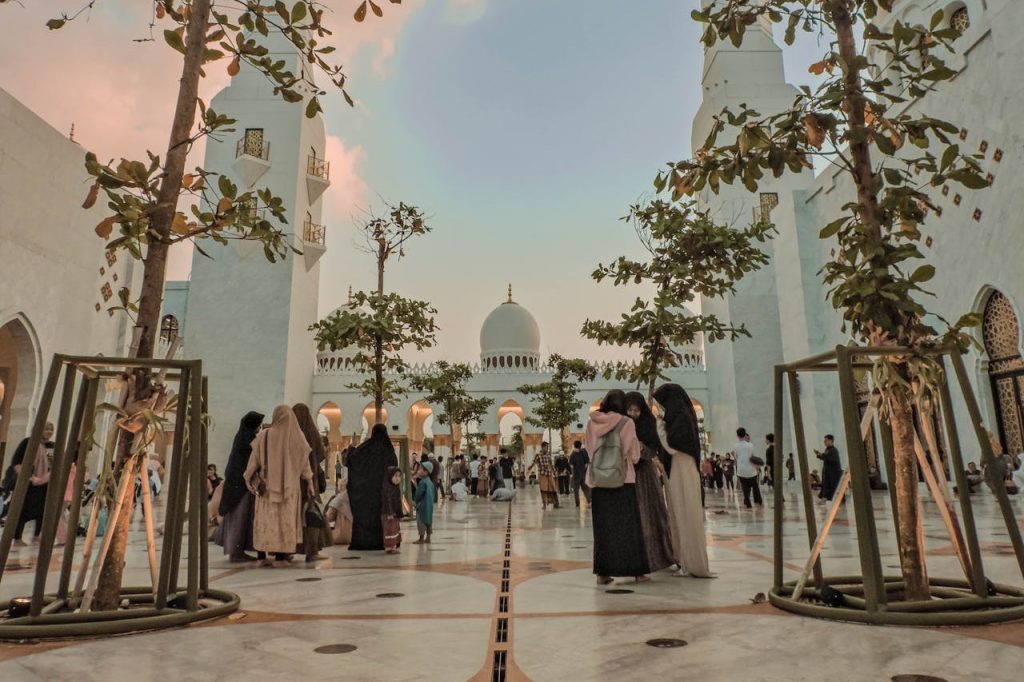
Dubai looks highly international, yet local expectations still shape public life. Modest dress is appreciated in many settings, especially near mosques, older districts, and family-focused spaces. During Ramadan, social sensitivity matters more, including tone, conduct, and awareness around daytime eating in shared public areas. None of this is obscure. It is simply part of respectful coexistence.
Travelers who adapt early usually move through the city with less friction. Service interactions improve, misunderstandings drop, and transitions between malls, souks, beaches, and heritage zones feel natural. Cultural awareness here is practical and visible. It signals maturity, and that signal often brings clearer guidance and warmer hospitality.
Singapore
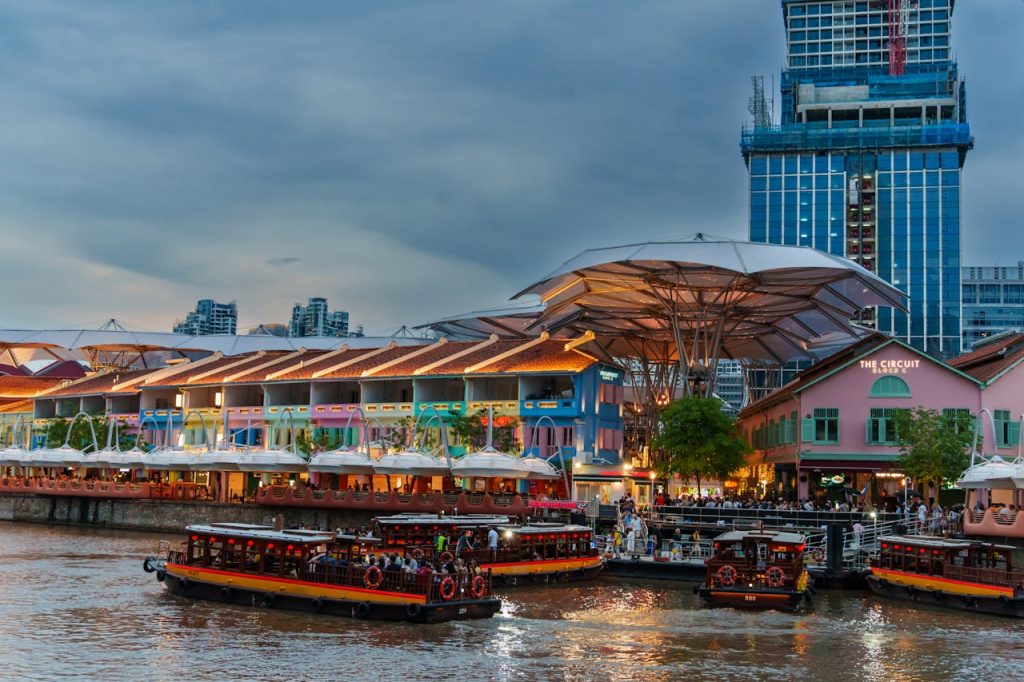
Singapore pairs openness with clear civic rules. Cleanliness, queue discipline, and public order are treated as everyday responsibilities, not optional preferences. In dense spaces like stations and food centers, small behavior choices have large effects, so rules are enforced and social expectations are direct. Visitors who ignore posted guidance can face penalties, and locals rarely see that as harsh.
People who respect the system usually find the city remarkably smooth. Transit runs predictably, shared areas stay usable, and daily movement feels calm because everyone follows the same baseline norms. Cultural awareness in Singapore is mostly civic literacy. Learn the rules, follow them consistently, and the city works exactly as intended.
Marrakech, Morocco
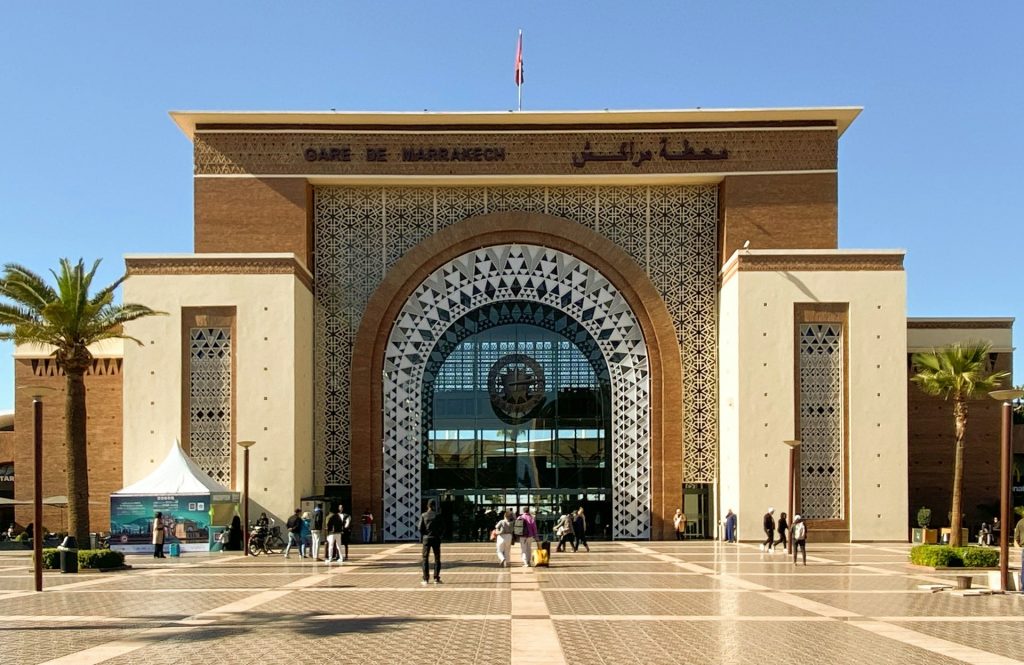
Marrakech is lively and warm, yet dignity is central to social exchange. In medina lanes and market districts, modest clothing and measured tone are read as respect. Bargaining is expected, but aggressive posture often works against better outcomes. Vendors respond more positively to patience, direct communication, and steady pace than to theatrical pressure or rushed demands.
Photography needs the same care. Asking before portraits changes the interaction from extraction to mutual regard, especially where people are working. Travelers who slow down usually receive better help, better stories, and better prices. Marrakech can feel intense at first, but cultural awareness turns that intensity into trust and real connection.
Varanasi, India
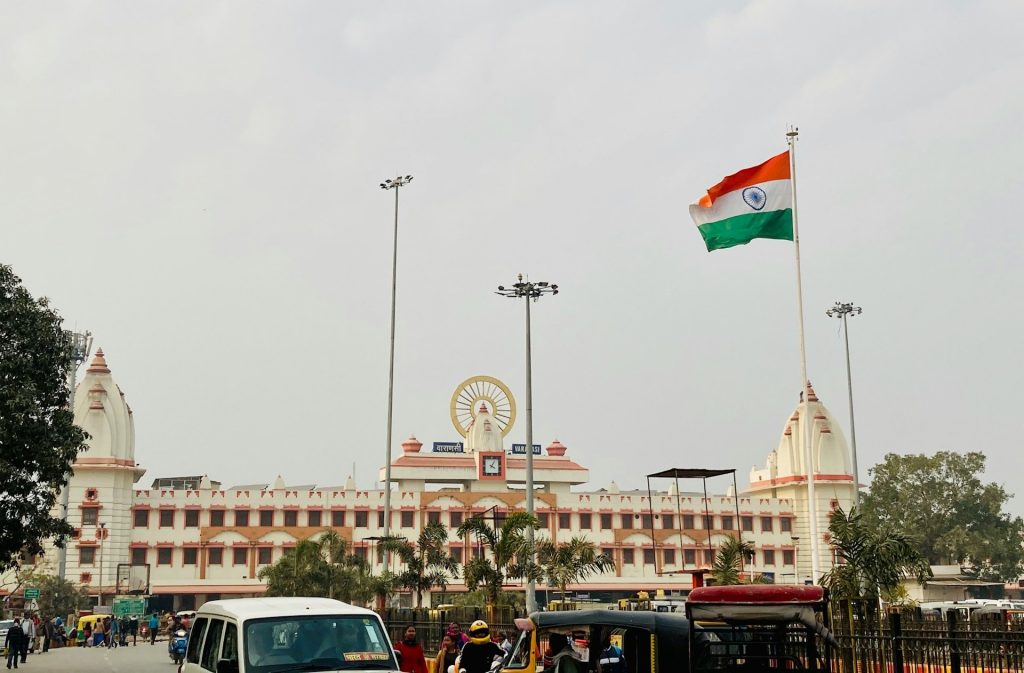
Varanasi is an active sacred city, not a passive heritage backdrop. Ghats and temples host daily rituals tied to devotion, grief, and community continuity. Cultural awareness begins with posture: modest dress, quieter observation, and thoughtful camera choices, especially near cremation zones and prayer spaces where privacy and reverence carry deep meaning for local families.
That restraint is quickly recognized. Priests, boatmen, and residents are often more open when visitors respect ritual boundaries and avoid turning solemn moments into spectacle. With patience, the city becomes more legible and less overwhelming. Varanasi gives far more depth to travelers who arrive with humility than to those who arrive only chasing visuals.
Istanbul, Türkiye
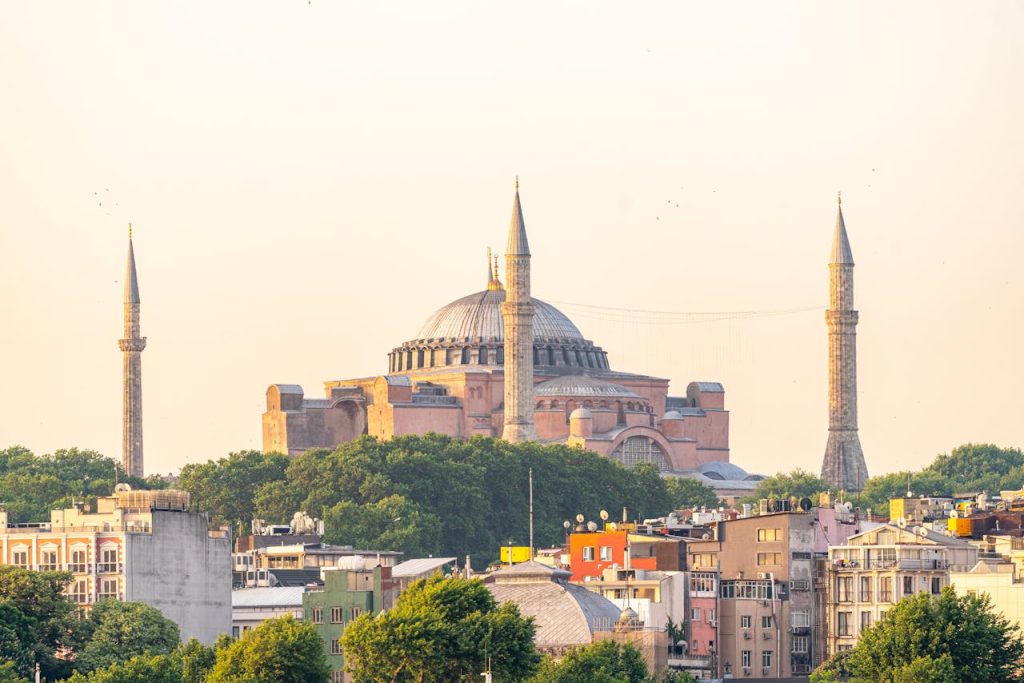
Istanbul asks visitors to hold modern pace and living faith together. Major mosques welcome guests, but expectations are clear: modest attire, calm movement, and awareness of prayer times. Shoes come off where required, and worshippers should never be treated as scenery. These norms are straightforward, yet they shape whether sacred spaces feel respected or interrupted.
Outside mosques, social reading still matters in bazaars, ferries, and neighborhood streets. Travelers who watch context before acting usually move through the city more smoothly. Istanbul rewards balance. Curiosity opens encounters, while restraint keeps them constructive. When both are present, the city feels coherent rather than split between attraction and avoidable friction.
Bangkok, Thailand
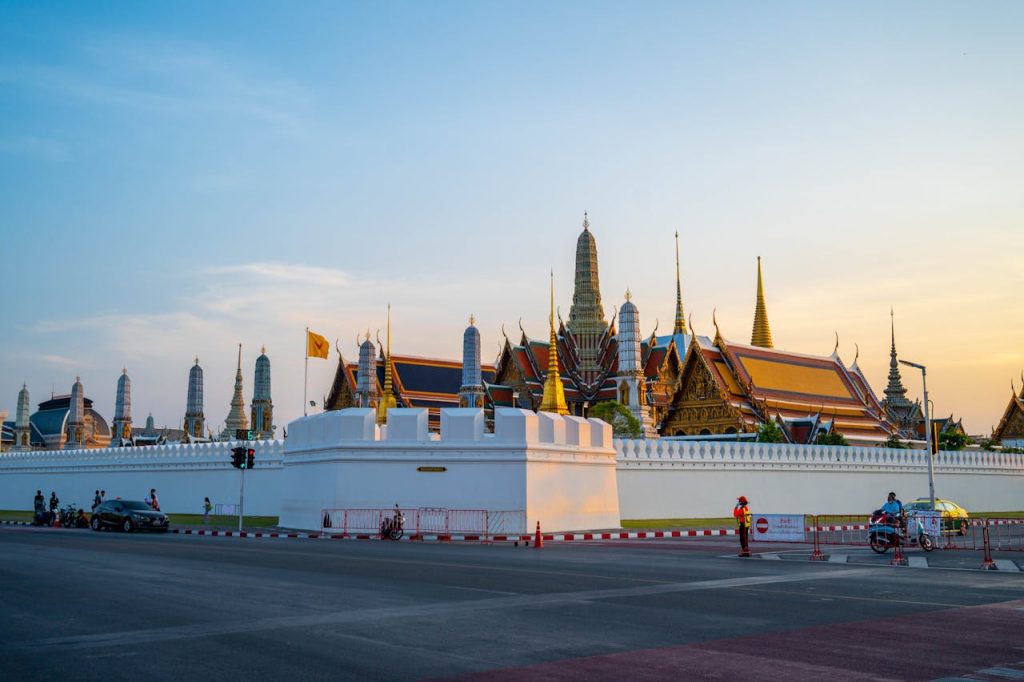
Bangkok can feel informal and energetic, but temple etiquette is precise. Covered shoulders and knees, removed shoes where requested, and composed behavior around prayer areas are expected at major religious sites. Street spontaneity does not transfer automatically into sacred compounds, and locals notice quickly when visitors understand that shift in social tone.
People who make that adjustment usually enjoy the city more fully. Markets and nightlife stay vibrant, while temple visits remain calm and meaningful. The day feels balanced instead of disjointed. Bangkok is welcoming, but it expects situational judgment. Respectful pacing and body language turn a crowded itinerary into a clearer, richer experience.
Gion District, Kyoto, Japan
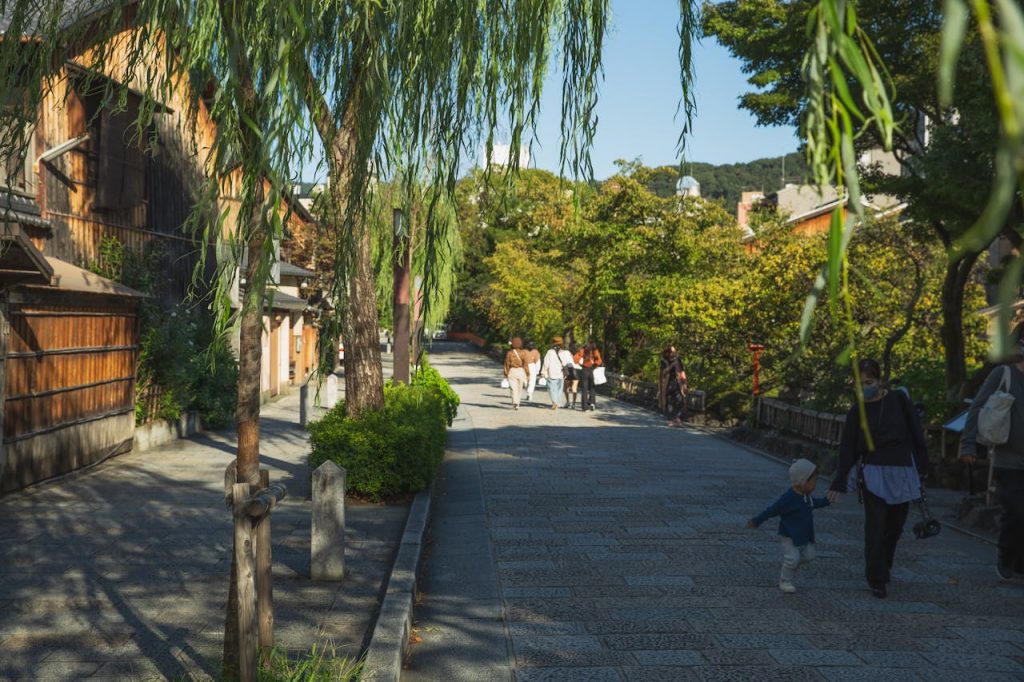
Gion is a functioning neighborhood where residents, workers, and traditional arts communities share narrow lanes. It is not a stage set. Intrusive photography, blocked walkways, and loud group behavior disrupt daily routines quickly, which is why local expectations are practical protections rather than symbolic requests for courtesy from temporary visitors.
Respectful conduct is straightforward: keep passages clear, avoid photographing people without consent, and stay quiet in evening streets. Travelers who follow those basics generally have better visits anyway. The district feels calmer, more authentic, and less defensive. In Gion, restraint preserves access and dignity at the same time for residents and guests.
Reykjavik And Icelandic Nature Routes
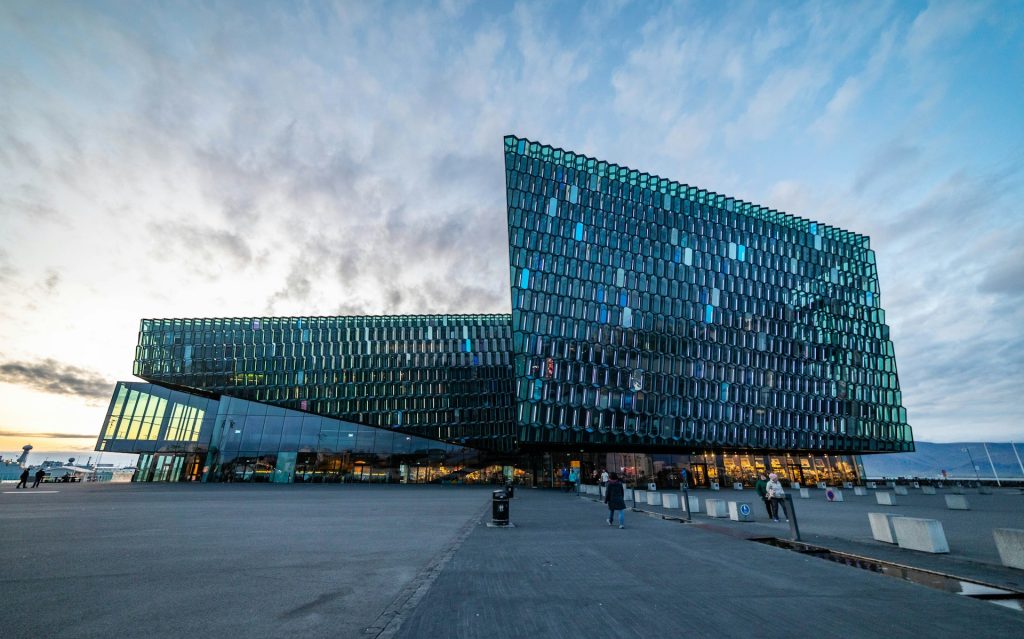
In Iceland, cultural awareness extends into environmental behavior. Respect means staying on marked paths, following safety advisories, and resisting risky shortcuts for photos. Fragile terrain can be damaged quickly, and weather shifts can escalate minor decisions into rescue situations that strain local teams and infrastructure. Stewardship is treated as standard social conduct.
Reykjavik itself feels relaxed, but nature norms are firm for good reason. Visitors who follow guidance usually have safer, smoother days and better access to landscapes that remain intact. In Iceland, responsibility is part of the travel culture. People are expected to participate in protection, not just consume scenery and leave.
Bhutan
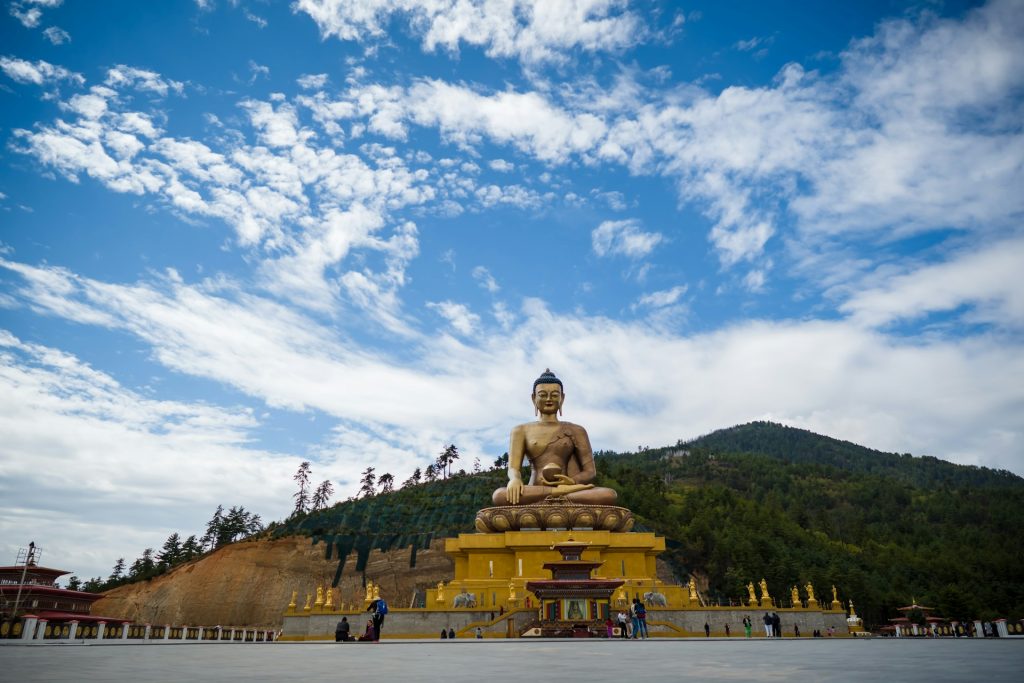
Bhutan structures tourism around cultural and environmental care rather than pure volume. That model naturally sets a slower pace and clearer expectations for conduct in monasteries, dzongs, and villages. Modest dress, respectful speech, and attentive behavior in shared spaces are treated as baseline literacy, not ceremonial extras for special moments only.
This framework changes the quality of interaction. Guides and hosts can offer more context when visitors signal respect from the start, and exchanges feel less transactional overall. Travelers who adapt often report stronger trust and deeper conversations. Bhutan is welcoming, yet precise about boundaries. Cultural awareness is central to how access is earned and understood.
Nara, Japan
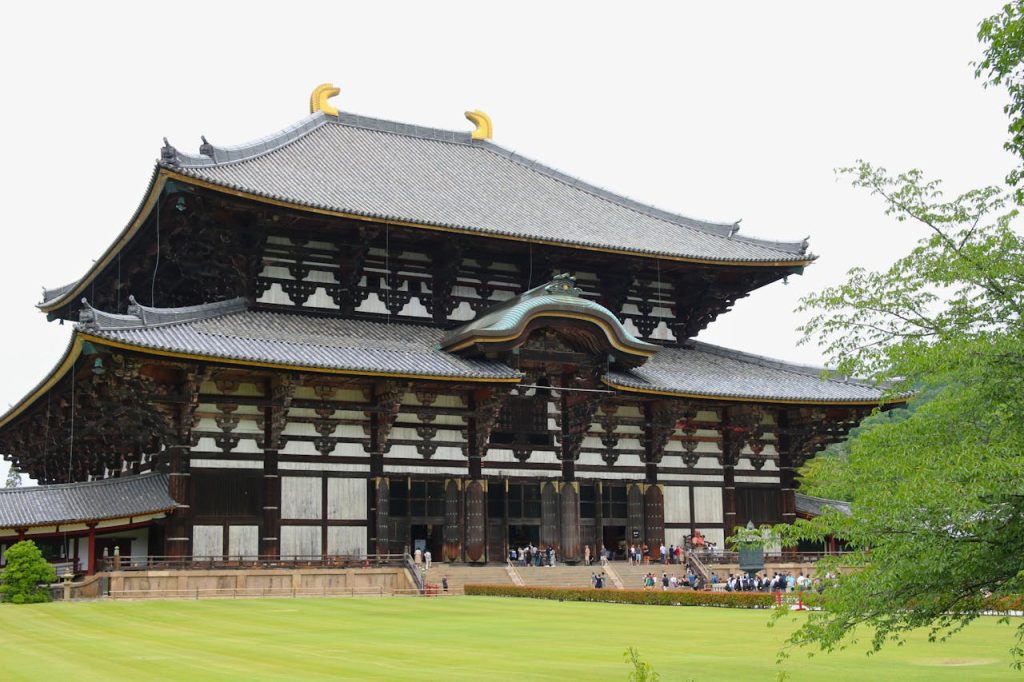
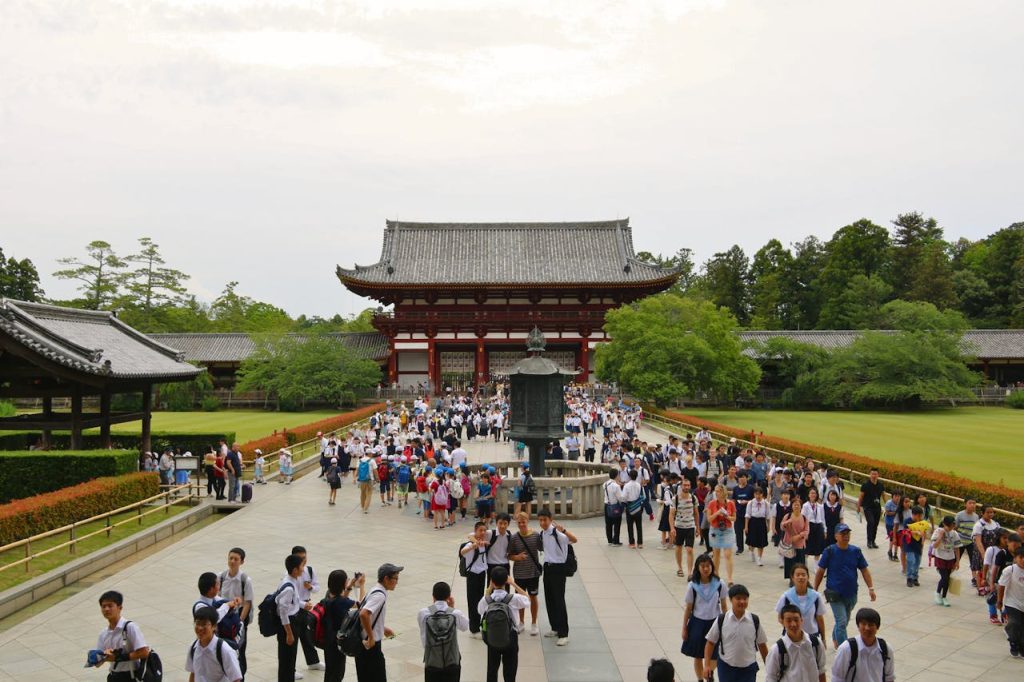
Nara looks serene, yet it still requires careful etiquette. Temple precincts are active sacred environments, so tone, movement, and clothing matter. Visitors should avoid blocking worship areas, crowding narrow approaches, or treating quiet zones as casual staging points. Small behavior choices strongly influence whether shared spaces remain calm during busy hours.
Deer interactions need the same maturity. Feeding norms and distance affect both animal welfare and public safety, and playful crowd behavior can escalate quickly. Travelers who stay patient usually have better outcomes: fewer tense moments, calmer temple visits, and clearer appreciation of place. In Nara, respect is practical, immediate, and returned quickly.
A Marae Visit, Aotearoa New Zealand

A marae is a living M?ori communal space governed by tikanga and kawa, not a generic cultural stop. Cultural awareness begins with listening to hosts, observing the welcome process, and following local protocol on speaking order, movement, and conduct in shared spaces. The key is not performance. The key is sincere, disciplined presence.
Visitors do not need perfect prior knowledge. They need humility and willingness to be guided. That posture transforms the encounter from observation into relationship, and trust builds quickly when protocol is honored. A marae visit carries lasting meaning because respect is active at every step, from first greeting to final departure.