12 Places Women Didn’t Expect to Love, But Quietly Did
Travel psychologists and cultural anthropologists report that a significant phenomenon in modern tourism involves the deep satisfaction found in low-expectation destinations. According to these experts, when a traveler approaches a famous city like Paris or New York, the weight of preconceived images often creates a barrier to authentic discovery. In contrast, mid-sized American cities and overlooked regions allow for a psychological opening where the brain is more receptive to subtle beauty and genuine social interactions. This leads to a quiet form of affection that lingers far longer than the fleeting excitement of a crowded tourist hub.
Urban planners and hospitality consultants observe that many of these unexpected favorites provide a human-scale experience that massive megalopolises have lost. These locations often feature walkable downtowns, high concentrations of independent businesses, and a palpable sense of community pride that is visible to outsiders. Experts suggest that the lack of overwhelming crowds allows female travelers to move through these spaces with a sense of safety and agency, facilitating a deeper connection with the local culture. The following twelve destinations represent the premier examples of places that consistently win over hearts through understated charm and surprising sophistication.
Cleveland Ohio
Urban planners and museum curators report that the industrial heritage of Cleveland has transformed into a sophisticated cultural landscape that rivals much larger cities. The city houses the second largest performing arts center in the country at Playhouse Square, which historic preservationists cite as a triumph of restoration over demolition. This district provides a grand architectural experience that many travelers assume only exists in the nation’s most famous coastal hubs. The presence of the world-renowned Cleveland Museum of Art, which offers free general admission, further establishes the city as a serious intellectual and artistic sanctuary.
The proximity to Cuyahoga Valley National Park adds a dimension of natural accessibility that tourism experts highlight as a key draw for those seeking a balance of culture and wilderness. Park rangers manage over one hundred miles of trails that are easily reached from the city center, offering a quiet escape into lush forests and along the winding river. This integration of a world-class orchestra and a national park creates a versatile itinerary that often catches the unprepared visitor by surprise with its refined and quiet elegance. Travelers frequently find themselves captivated by the historic West Side Market, where the communal energy and architectural scale provide a visceral sense of the city’s enduring spirit.
Boise Idaho
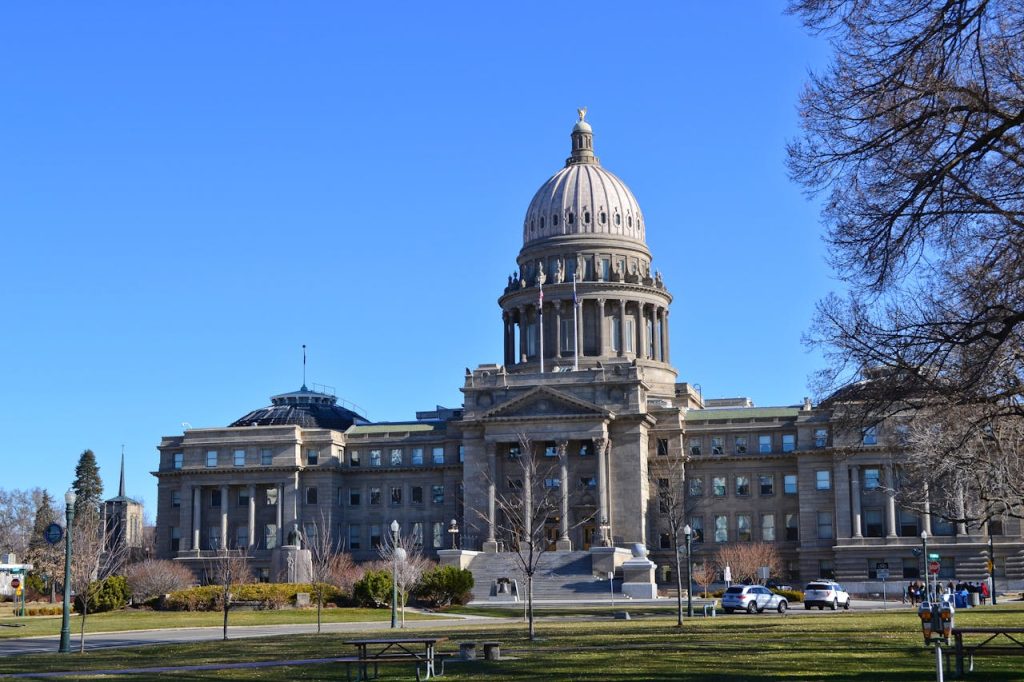
Landscape architects and city planners identify Boise as a premier example of the “city in the trees,” where urban development and natural preservation exist in a rare, symbiotic balance. The centerpiece of this harmony is the Boise River Greenbelt, a twenty-five-mile long park that winds through the heart of the city. Experts explain that this pathway offers a safe and scenic route for commuters and recreationists alike, fostering a culture of health and outdoor engagement that defines the local atmosphere. The presence of the Boise Foothills provides immediate access to thousands of acres of protected high-desert trails, allowing for solitary reflection just minutes from the downtown core.
Cultural historians and culinary analysts note that the city’s Basque Block serves as a vibrant and unique cultural anchor. As home to one of the largest Basque populations outside of Europe, Boise offers a personal and authentic look at a heritage that is often overlooked in broader American narratives. The preserved historic buildings and traditional markets in this district provide a tactile connection to the past. Visitors often report that the city’s friendliness and the ease of navigation create an immediate sense of belonging that is rarely found in more frantic urban environments.
Oklahoma City Oklahoma
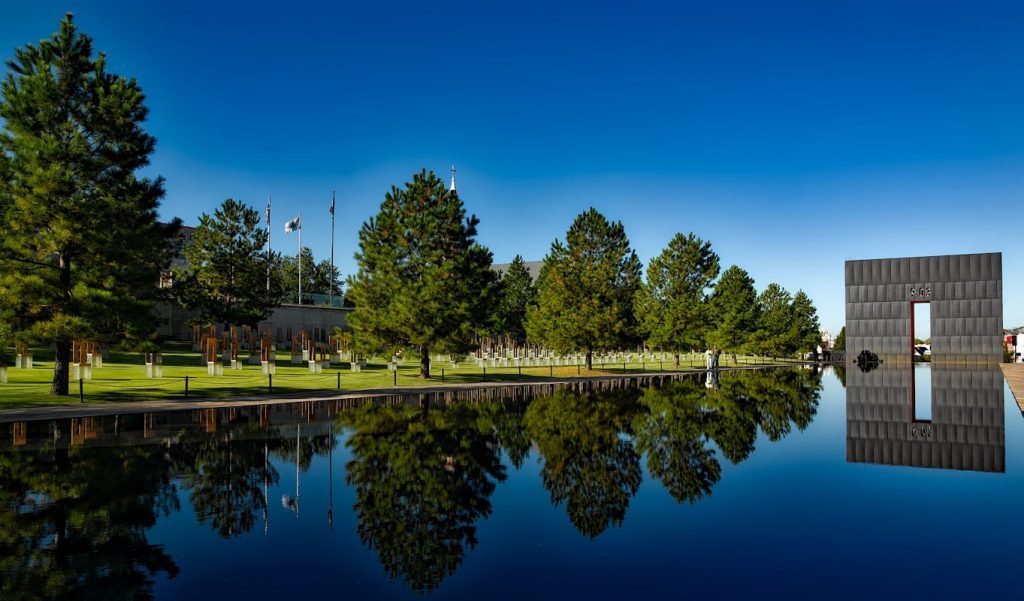
Tourism directors and historical researchers describe Oklahoma City as a destination that has undergone a profound structural and cultural renaissance. The development of the Bricktown Canal and the surrounding entertainment district transformed a formerly industrial area into a walkable, water-front corridor that emphasizes public space. Experts highlight the First Americans Museum as a critical institution that offers a deeply personal and authoritative look at the history of thirty-nine tribal nations. This museum provides a narrative depth that challenges standard historical assumptions and creates a lasting emotional impact on its guests.
Urban designers also point to the Scissortail Park as a model for modern public infrastructure, offering seventy acres of green space that connects the downtown area to the shore of the Oklahoma River. The park features meticulously planned gardens and quiet walking paths that provide a peaceful retreat within the city. Many women find that the city’s commitment to commemorating its history while building for a sustainable future creates a grounded and respectful environment. The quiet strength of the community, reflected in the solemn beauty of the Oklahoma City National Memorial, leaves a permanent impression of resilience and grace.
Greenville South Carolina
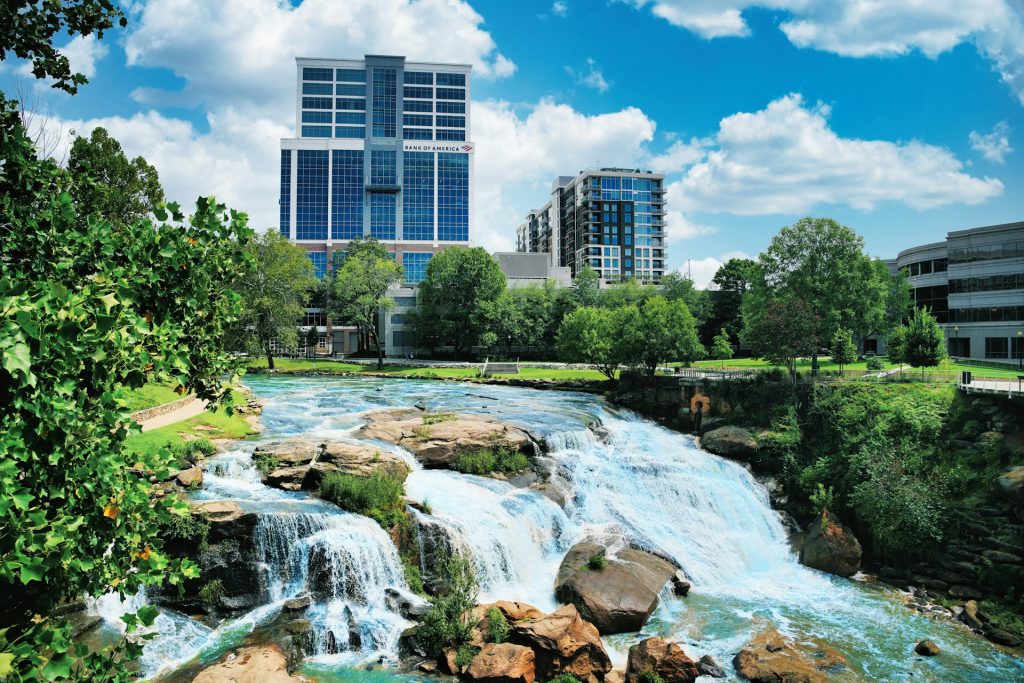
Hospitality consultants and downtown developers frequently cite Greenville as the gold standard for mid-sized city revitalization. The transformation of Main Street into a pedestrian-friendly canopy of trees and independent boutiques is a result of decades of careful urban planning. Landscape architects emphasize the importance of Falls Park on the Reedy, where a curved suspension bridge offers a stunning view of a natural waterfall in the middle of the city. This park provides a sanctuary for quiet contemplation that is integrated into the daily rhythm of the urban environment.
The city’s thriving arts scene is anchored by the Greenville County Museum of Art, which houses one of the premier collections of American watercolors. Experts note that the presence of high-quality cultural institutions in a city of this scale allows for a more intimate and less hurried viewing experience. The proximity to the Blue Ridge Mountains offers easy access to high-altitude scenery and mountain trails, providing a scenic contrast to the manicured beauty of the town. Travelers often discover that the city’s blend of southern hospitality and modern sophistication creates a comfortable and deeply satisfying travel experience.
Sioux Falls South Dakota
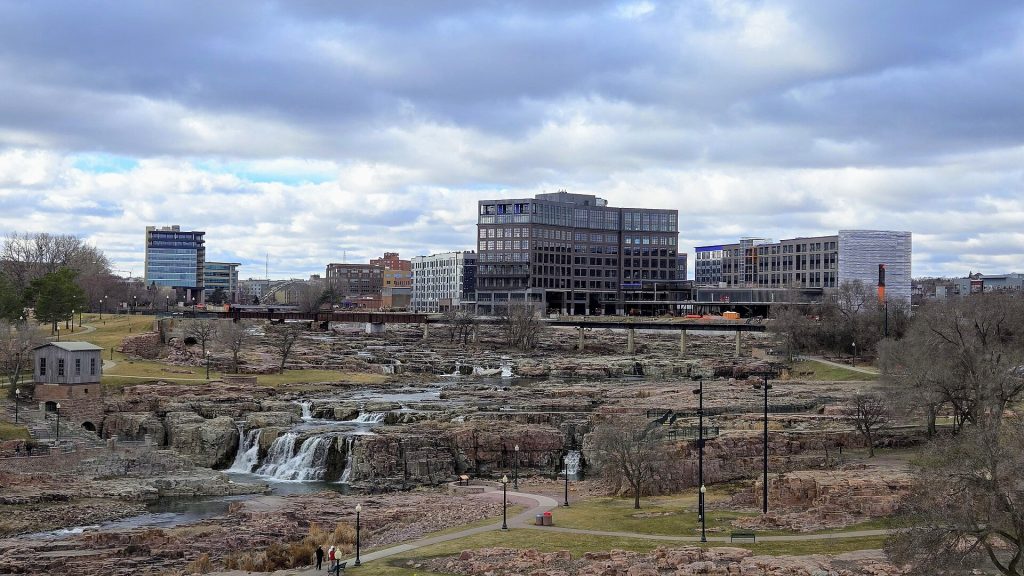
Park rangers and public art coordinators identify Sioux Falls as a destination where natural wonders and civic creativity are the primary attractions. The namesake falls of the Big Sioux River serve as a powerful focal point, located within a massive public park that is accessible to all. Geologists explain that the pink quartzite ledges over which the water tumbles are hundreds of millions of years old, providing a sense of ancient permanence amidst the modern city. The park offers numerous vantage points for visitors to sit and observe the power of the river in relative solitude.
The city’s commitment to public art is visible in the SculptureWalk, a year-round outdoor exhibit of high-quality original sculptures that changes annually. Experts in urban aesthetics note that this program turns the simple act of walking through the downtown core into a cultural exploration. The absence of high-pressure tourist attractions allows for a slower pace of discovery that many women find restorative. The combination of the roaring waterfalls and the quiet galleries of the Washington Pavilion creates a balanced and enriching atmosphere that often exceeds initial expectations.
Omaha Nebraska
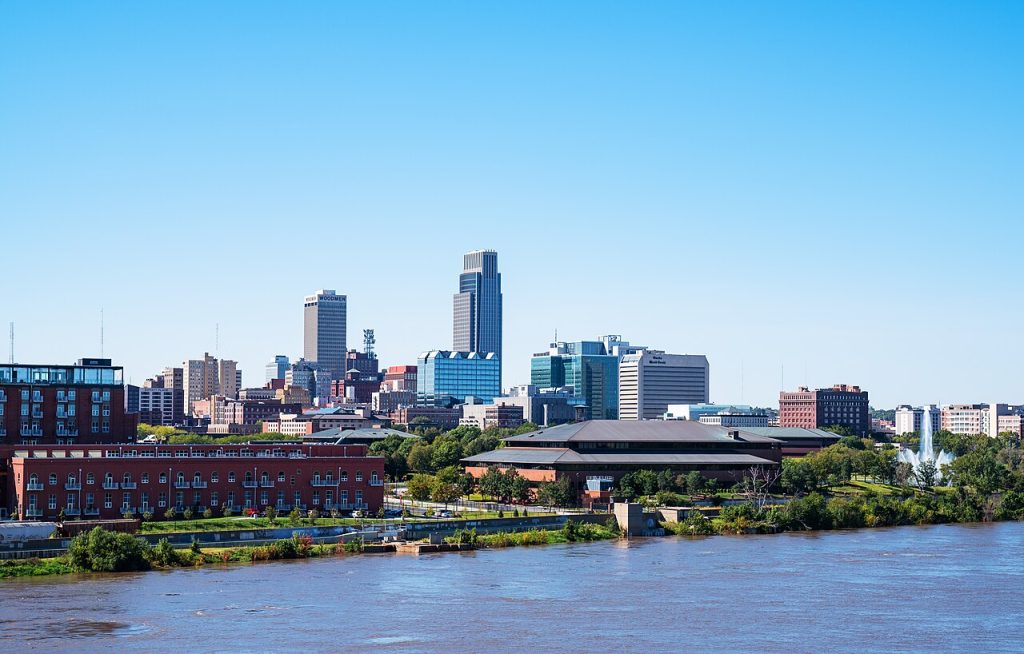
Botanical researchers and zoo curators describe Omaha as a surprising hub of scientific research and natural beauty. The Henry Doorly Zoo and Aquarium is consistently ranked among the best in the world, featuring the world’s largest indoor desert and a massive geodesic dome. Experts emphasize that the facility is not just a tourist attraction but a serious conservation center that offers an immersive look at global ecosystems. The adjacent Lauritzen Gardens provide over one hundred acres of outdoor botanical displays, including a quiet sanctuary in the Victorian Garden.
Historic preservationists point to the Old Market district as the city’s cultural heart, where cobblestone streets and nineteenth-century brick buildings house independent bookstores and local cafes. The district maintains a sense of historical integrity that is rare in modern urban centers. Social researchers note that the city’s high quality of life and friendly social atmosphere make it an exceptionally comfortable destination for independent travelers. Visitors often leave with a newfound respect for the city’s ability to offer world-class attractions within a humble and approachable framework.
Detroit Michigan
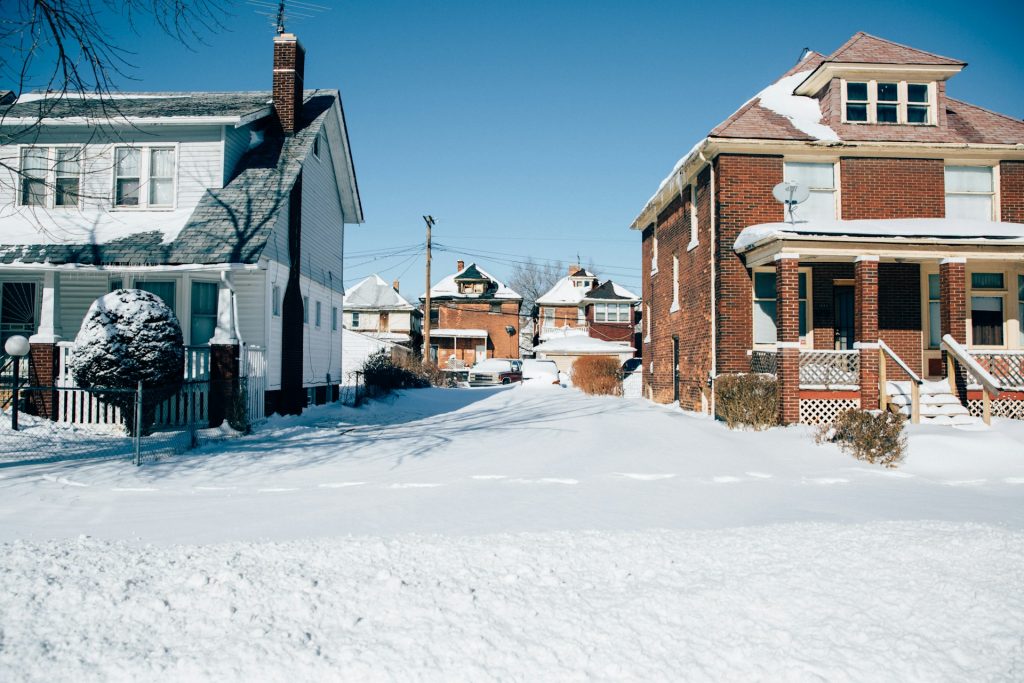
Historic preservationists and riverfront developers report that Detroit is experiencing a cultural and physical rebirth that is both profound and authentic. The Detroit Institute of Arts is frequently cited by curators as one of the most significant museums in the United States, housing the iconic Detroit Industry Murals by Diego Rivera. Experts explain that the museum’s encyclopedic collection provides a level of depth and authority that is traditionally associated with the largest global capitals. The building itself stands as a testament to the city’s historical wealth and commitment to the arts.
The revitalization of the Detroit Riverfront has created a miles-long greenway that offers a scenic and safe space for walking and cycling. City planners emphasize that this project has successfully reclaimed the waterfront for the public, providing views of the Canadian skyline and a peaceful urban escape. Culinary historians also note the significance of the Eastern Market, which has served as a central food hub for over a century. The raw energy and historic grit of the city, combined with its emerging creative class, create a dynamic and soulful environment that many women find unexpectedly moving.
Des Moines Iowa
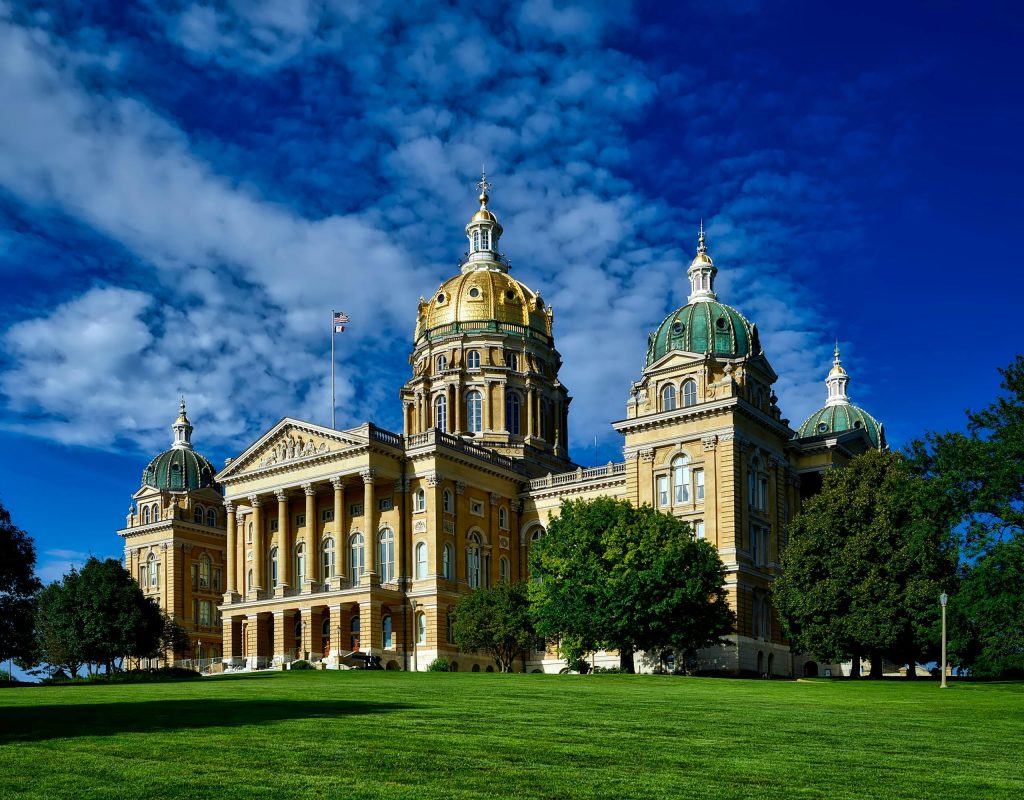
Art curators and urban designers identify Des Moines as a hidden capital of public art and modern architecture. The Pappajohn Sculpture Park features twenty-eight works by world-renowned artists set within a four-acre park in the center of the city. Experts note that the open-air nature of the gallery allows for a democratic and unhurried engagement with high-level art. The nearby Greater Des Moines Botanical Garden offers a stunning geodesic conservatory that provides a lush, tropical retreat even during the harshest Iowa winters.
The city’s East Village district is a center for independent retail and local dining, housed in beautifully restored historic buildings near the State Capitol. Tourism experts observe that the city’s compact size and lack of traffic make it an exceptionally easy place to explore solo. The combination of sophisticated cultural offerings and a low-stress environment leads many visitors to appreciate the city’s quiet competence. The balance of modern design and midwestern sincerity creates a unique travel experience that often results in a lasting affection for the city.
Sacramento California
Culinary analysts and state historians describe Sacramento as the “Farm-to-Fork Capital” of the country, highlighting its role as the center of a vast agricultural region. The city’s proximity to some of the world’s most productive farmland ensures a food scene that is fresh, diverse, and deeply connected to the local landscape. Experts explain that the presence of numerous year-round farmers markets and independent restaurants creates a vibrant and healthy urban culture. The historic district of Old Sacramento provides a tactile look at the city’s Gold Rush origins, with preserved wooden sidewalks and riverfront views.
City planners emphasize the beauty of the “city of trees,” noting that Sacramento has one of the highest tree densities of any urban area in the world. This canopy provides natural cooling and a sense of forest-like immersion even in the middle of the city. The Crocker Art Museum, the oldest public art museum in the Western United States, offers a blend of Victorian architecture and modern design that houses a significant collection of California art. Travelers often find that the city’s relaxed pace and rich historical layers provide a sophisticated and grounded alternative to the more frantic coastal cities.
Richmond Virginia
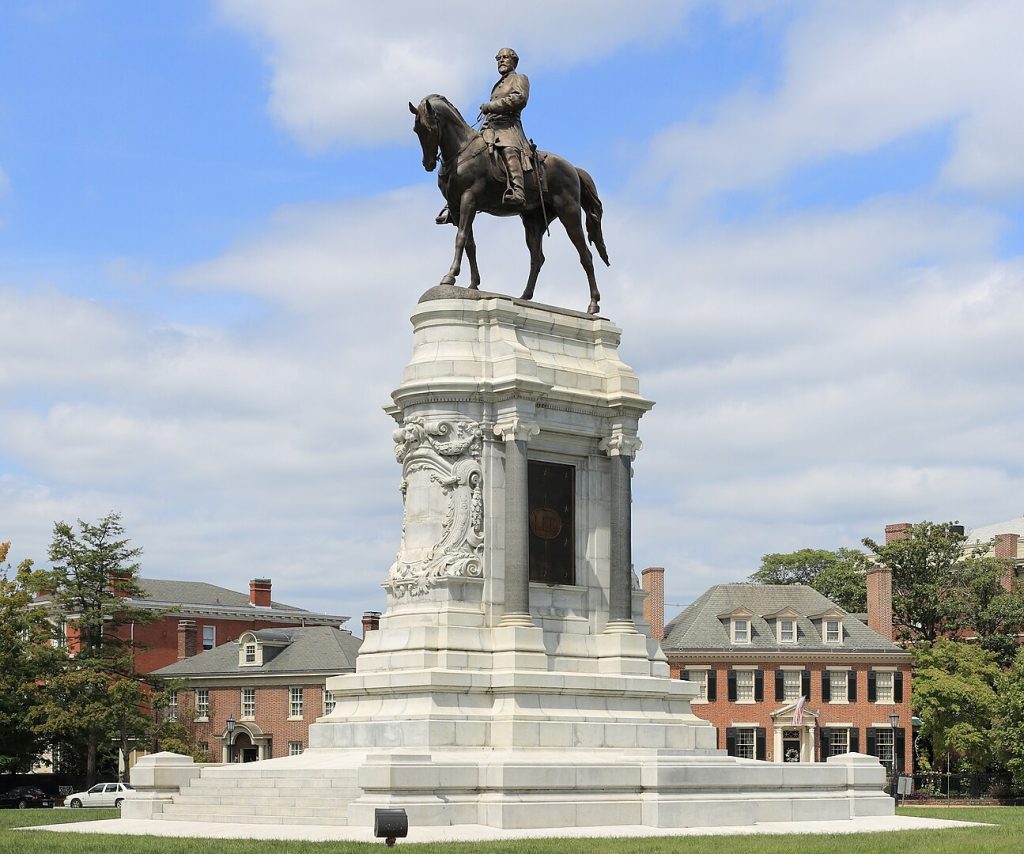
River guides and historic researchers identify Richmond as a rare urban environment where Class IV rapids run through the heart of the downtown area. The James River Park System provides thousands of acres of wilderness and rocky islands that are accessible by footbridge, offering an immediate escape into the wild. Experts explain that the ability to kayak, swim, or simply sit on the massive granite boulders in the middle of the river creates a unique urban-nature connection. This accessibility to the water is a primary draw for those seeking a physical and mental reset.
Historic preservationists point to the Fan District and Church Hill as some of the most intact Victorian neighborhoods in the country. The gas-lit streets and brick row houses provide a sense of historical continuity that is both beautiful and educational. The Virginia Museum of Fine Arts offers a world-class collection in a setting that includes a massive reflecting pool and a sculpture garden. Many women appreciate the city’s blend of southern history and a modern, creative energy that is reflected in its numerous murals and independent shops. The memory of the river rushing past historic bridge pillars often becomes a defining image of the trip.
Duluth Minnesota
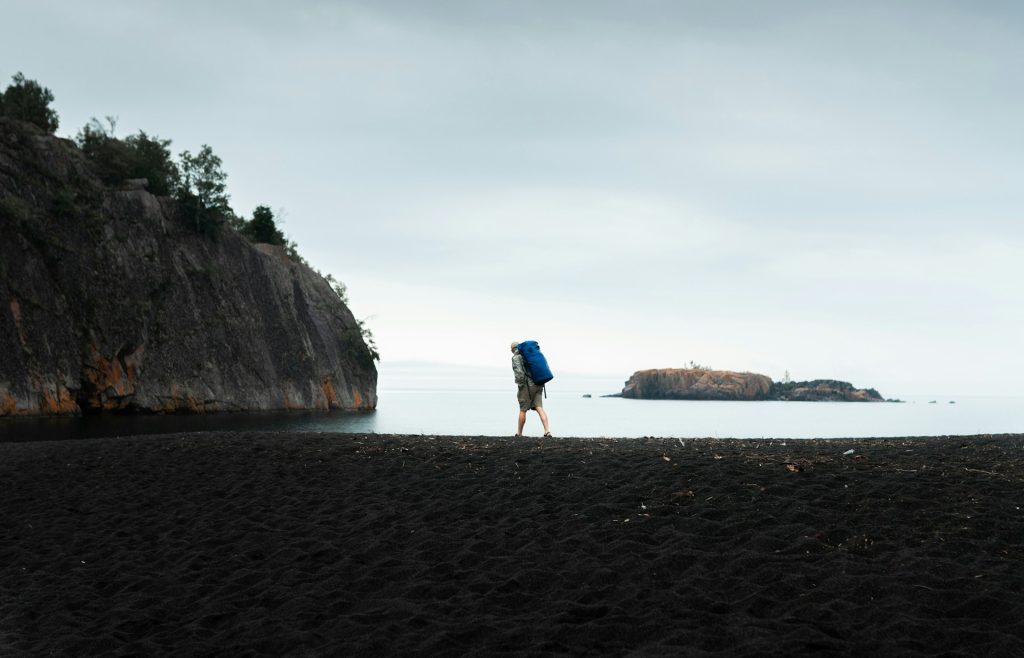
Maritime historians and geological experts describe Duluth as a rugged and majestic port city that serves as the gateway to the North Shore of Lake Superior. The Aerial Lift Bridge is a landmark of industrial engineering that overlooks the massive, ocean-like expanse of the world’s largest freshwater lake. Experts explain that the presence of the Lakewalk, a seven-mile paved path along the shore, allows for a safe and scenic exploration of the rocky coastline. The sound of the waves against the basalt rocks provides a constant, rhythmic backdrop to the city.
Park rangers at nearby Gooseberry Falls and Tettegouche State Park emphasize the dramatic beauty of the region, where waterfalls and high cliffs define the landscape. The city’s Canal Park district offers a blend of maritime history and local shops housed in former warehouses. Social researchers note that the city’s “north woods” culture is defined by a sense of hardiness and outdoor adventure that is infectious. Visitors often find that the raw power of Lake Superior and the unpretentious nature of the local community create a profound sense of peace and wonder.
Albuquerque New Mexico
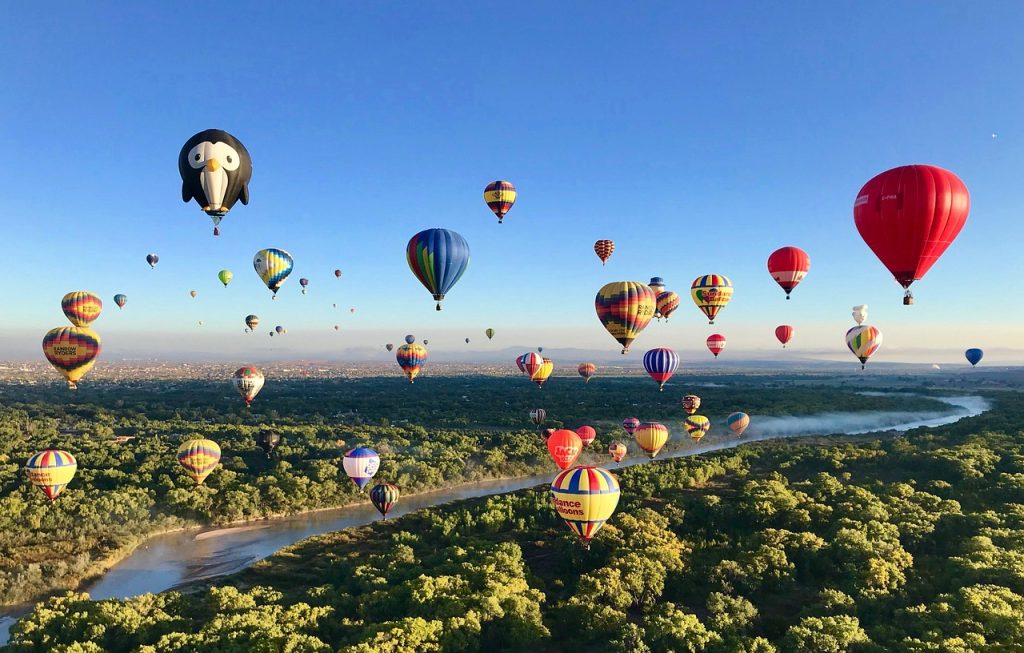
Cultural historians and park rangers identify Albuquerque as a city where ancient traditions and high-altitude desert beauty create a unique sensory experience. The Old Town Plaza has served as the community’s heart since 1706, featuring adobe architecture and hidden courtyards that house local artisans. Experts explain that the Petroglyph National Monument offers a rare look at thousands of ancient carvings etched into volcanic rock, providing a direct connection to the region’s indigenous history. The landscape is dominated by the Sandia Mountains, which turn a vibrant pink at sunset.
The Sandia Peak Tramway offers a vertical journey to the ten-thousand-foot summit, providing panoramic views of the Rio Grande Valley. Experts in desert ecology highlight the unique flora and fauna that thrive in this high-altitude environment. The city’s commitment to preserving its Pueblo and Spanish heritage ensures a cultural depth that is visible in its architecture, festivals, and cuisine. Women often find that the vast horizons and the clear, dry air of the desert provide a sense of clarity and space. The quiet intensity of the landscape makes a lasting impression that often pulls travelers back to the high desert.