11 Public Spaces That Have Removed Trash Cans (And Why It’s a Problem)

Public trash cans once symbolized convenience and shared responsibility in cities and public spaces. In recent years, however, many governments and agencies quietly removed them, citing security risks, cost savings, or behavioral change goals. Officials argue fewer bins discourage littering or reduce threats, yet the reality often proves messier. Visitors, commuters, and residents report confusion, inconvenience, and increased litter elsewhere. Vulnerable groups face added challenges managing waste. These removals reshape how people interact with shared environments. The following public spaces reveal why eliminating trash cans often creates new problems instead of solving existing ones.
London Underground Stations
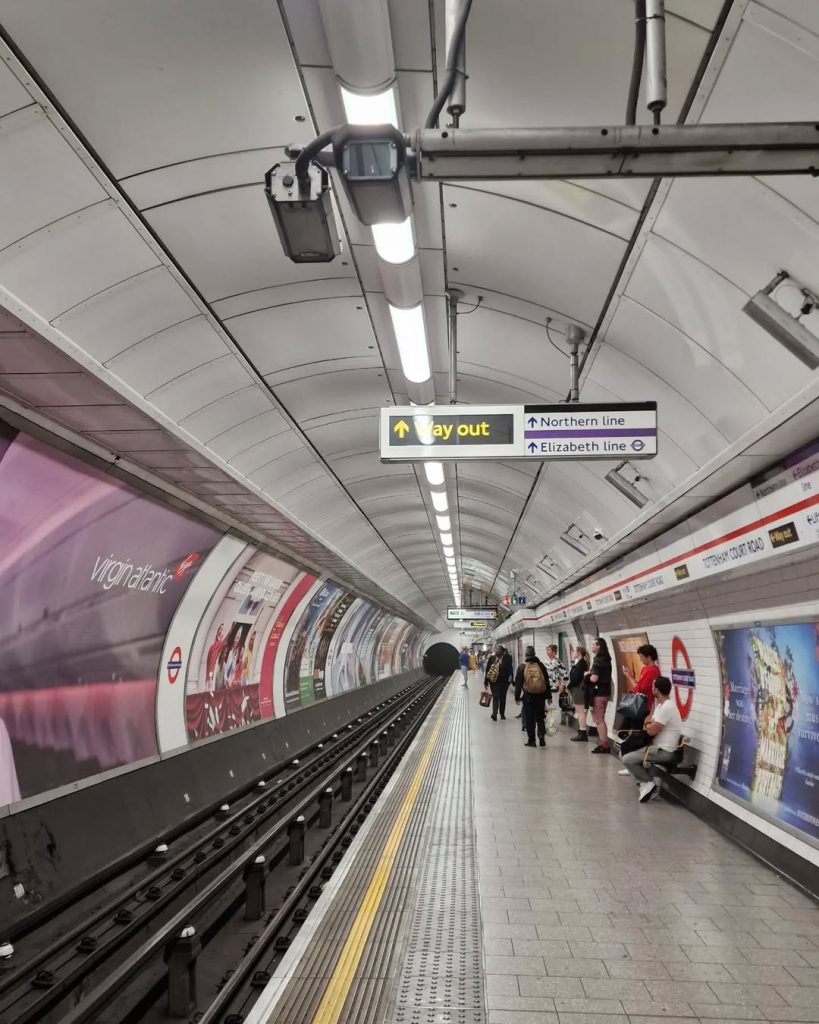
London Underground stations removed most trash cans following security reforms after past bombing incidents. Officials argued bins could conceal dangerous items. Passengers now carry waste until exiting stations, shifting responsibility rather than eliminating trash. While security concerns remain valid, platforms and train cars often collect discarded items instead. Tourists unfamiliar with the system struggle to manage food packaging. Cleaning crews report increased workload in non station areas. Accessibility advocates note difficulties for elderly riders and families. The policy demonstrates how security driven design can unintentionally reduce cleanliness, comfort, and efficiency across heavily used transit environments every day.
Tokyo Public Parks

Tokyo public parks operate with very few trash cans, reflecting Japan’s cultural emphasis on carrying waste home. Authorities credit this approach for overall cleanliness and reduced pest issues. However, visitors unfamiliar with expectations often search unsuccessfully for bins. During busy seasons, temporary litter accumulates near benches before removal. Park staff increase monitoring and signage, yet language barriers remain. Critics argue the policy shifts responsibility without consistent education. In shared leisure spaces, the absence of bins can undermine visitor experience despite strong local compliance norms. Seasonal tourism spikes further strain cleanup efforts and visitor understanding.
New York City Subway Stations
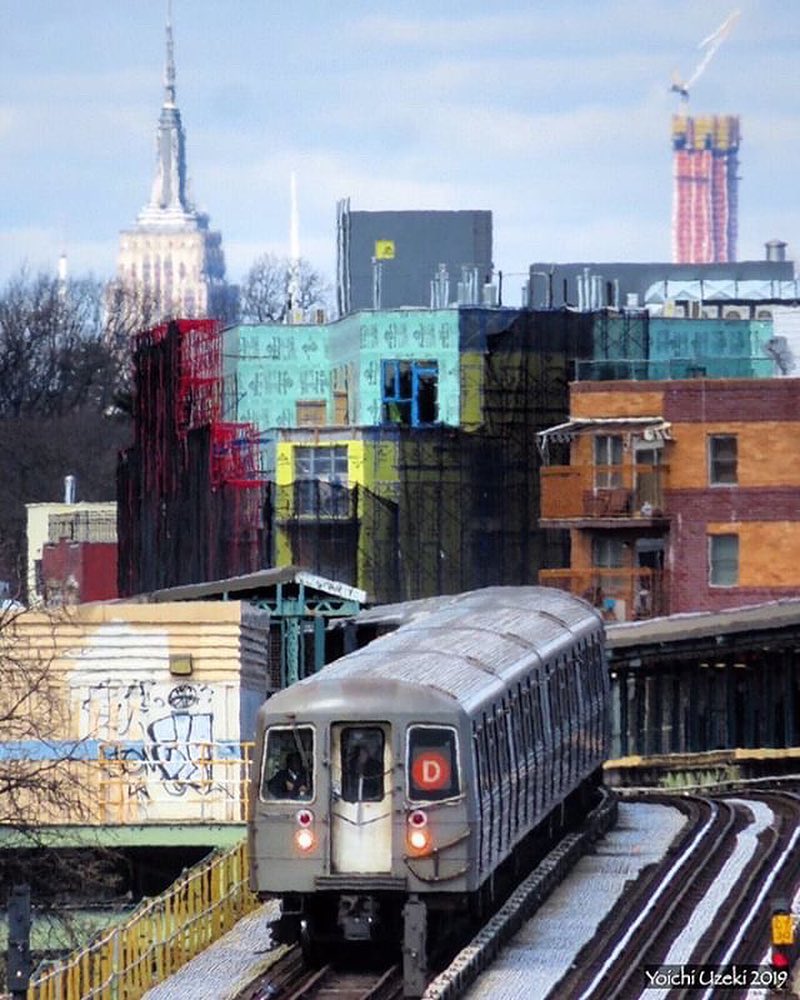
New York City subway stations removed most trash cans during heightened security periods and never fully restored them. Officials cited terrorism prevention and maintenance efficiency. Riders must hold waste until street level, which frustrates commuters and tourists alike. Food packaging often ends up on platforms or tracks. Station agents report confusion among visitors unfamiliar with local norms. While security risks declined, sanitation challenges increased elsewhere. The policy highlights tradeoffs between safety and cleanliness in dense transit systems where millions rely on intuitive infrastructure to manage daily waste responsibly. Peak travel hours amplify these sanitation and confusion issues significantly.
Central Park New York City

Central Park removed many trash cans following policy shifts emphasizing waste reduction and security. Officials encouraged visitors to pack out trash or use limited collection points. During high traffic weekends, overflow appears near lawns. Tourists picnicking generate packaging that accumulates quickly. Park staff increase cleanup patrols, redirecting resources. Critics say the approach confuses visitors unfamiliar with expectations. Wildlife occasionally scatters exposed waste. The absence of convenient bins complicates accessibility for families. Central Park demonstrates how reduced infrastructure in heavily visited spaces often creates unintended sanitation and management challenges during peak seasonal tourism periods.
Paris Metro Stations

Paris Metro stations removed numerous trash cans after security reforms linked to past attacks. Authorities argued bins posed concealment risks. Riders must exit stations to dispose of waste. Tourists navigating unfamiliar routes struggle with food packaging. Litter sometimes accumulates near ticket machines and platforms. Cleaning crews adjust schedules to compensate. Critics argue the policy displaces trash rather than reducing it. Accessibility advocates note difficulties for elderly passengers. Paris Metro illustrates how security driven decisions can conflict with cleanliness and passenger comfort in crowded urban transit environments during daily commuting hours and heavy tourist seasons annually.
Amsterdam Central Station
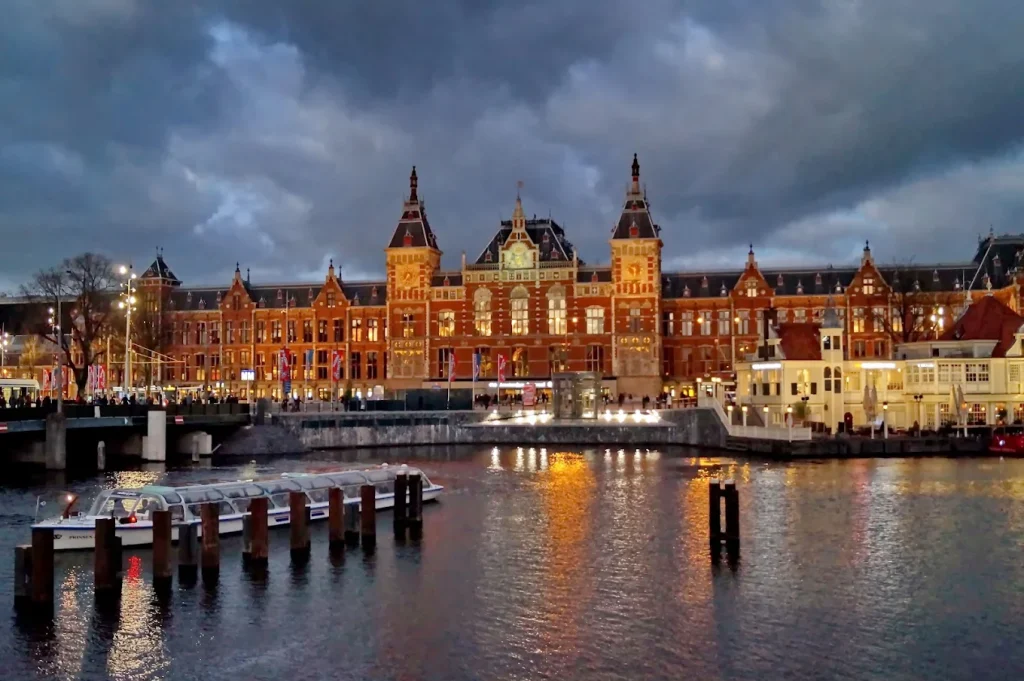
Amsterdam Central Station removed many trash cans during renovations aimed at improving security and pedestrian flow. Officials stated fewer bins reduced concealment risks and simplified cleaning routines. Travelers now carry waste onto trains or outside plazas. Tourists often appear confused when searching for disposal options after purchasing food. Litter sometimes accumulates near seating areas and ticket counters. Station staff report increased cleanup needs elsewhere. Accessibility advocates highlight challenges for families and elderly travelers. Amsterdam Central demonstrates how infrastructure changes meant to improve safety can unintentionally complicate cleanliness and visitor experience in one of Europe’s busiest rail hubs.
San Francisco Civic Center Plaza

San Francisco Civic Center Plaza has removed multiple trash cans as part of efforts addressing vandalism, misuse, and maintenance costs. City officials hoped fewer bins would discourage dumping and illegal activity within the city. Instead, visitors report litter collecting near walkways and seating areas. Tourists attending events often struggle to find disposal points. Cleanup crews redirect efforts to surrounding streets. Community groups argue the change reduces usability of public space. The plaza illustrates how removing basic amenities can undermine accessibility, cleanliness, and enjoyment in civic gathering areas intended for broad public use and cultural events throughout the year.
Washington National Mall

The Washington National Mall reduced trash can placement during security reassessments surrounding major monuments and events. Officials cited crowd safety and threat mitigation. Visitors must walk longer distances to find bins. Tourists picnicking or attending demonstrations report frustration managing waste. During busy seasons, temporary litter accumulates before collection. Park staff increase patrols to maintain cleanliness. Critics argue the approach shifts inconvenience to visitors. The National Mall highlights how security priorities can conflict with practical needs in iconic public spaces visited by millions annually for recreation, remembrance, and civic expression activities.
Rome Historic City Center

Rome’s historic city center has seen trash cans removed or reduced near landmarks to address security and overcrowding. Officials cited protection of ancient structures and crowd control. Tourists purchasing food struggle to find disposal points. Litter accumulates near fountains and seating edges. Cleanup crews compensate with frequent sweeps. Visitors unfamiliar with local rules express frustration. Critics argue the approach shifts burden onto tourists rather than managing infrastructure. Rome’s experience shows how heritage preservation efforts can unintentionally affect cleanliness and visitor satisfaction in dense, globally visited urban environments year round, particularly during summer travel peaks.
Chicago Millennium Park
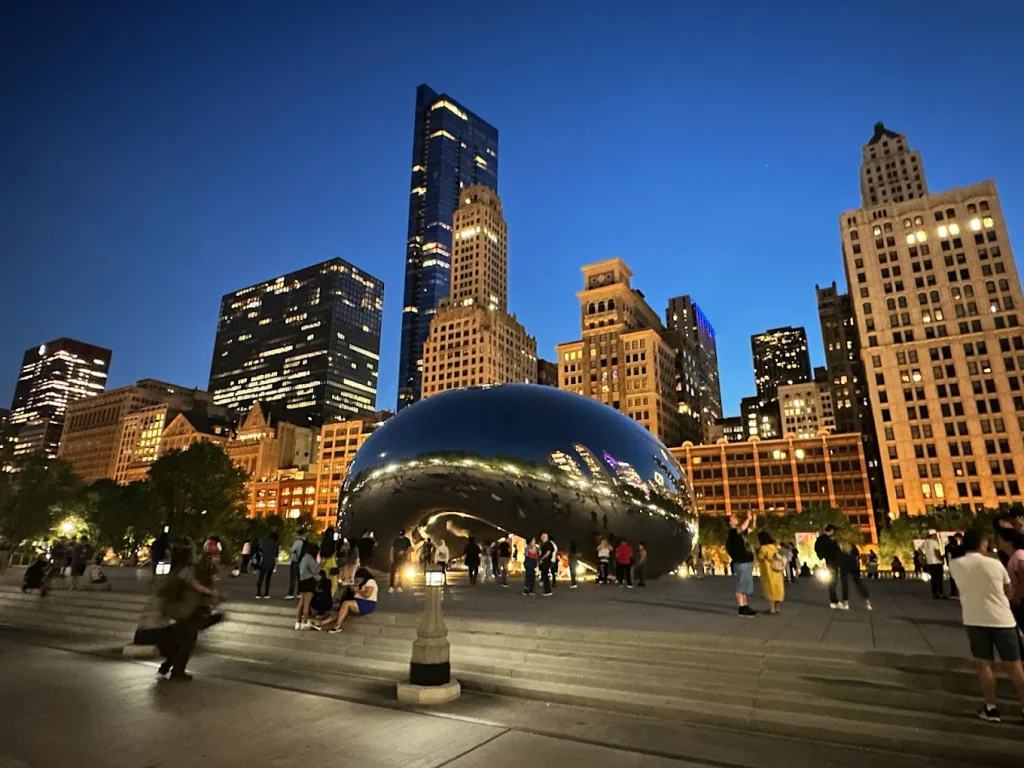
The Chicago Millennium Park reduced trash cans in select areas following maintenance and event security changes. Officials hoped to streamline cleanup and discourage misuse. Visitors attending concerts or attractions often search unsuccessfully for bins. Food waste collects near seating and lawn edges during busy days. Park staff increase cleanup patrols during events. Families and tourists report inconvenience. Critics argue fewer bins reduce usability of shared space. Millennium Park highlights how popular public destinations face challenges balancing security, cost control, and basic visitor needs in high traffic recreational environments during festivals and seasonal celebrations.
Los Angeles Metro Stations

Los Angeles Metro stations removed many trash cans citing security reviews and sanitation efficiency. Riders must carry waste until exiting stations. Tourists navigating unfamiliar routes often discard items improperly. Platforms and stairwells collect debris during peak hours. Cleaning crews adjust schedules to compensate. Accessibility groups note added burden for elderly passengers. Officials argue the policy reduces risks, yet critics say it shifts problems elsewhere. Los Angeles Metro illustrates how infrastructure decisions aimed at safety can complicate cleanliness and rider experience in sprawling transit systems serving diverse populations daily across extensive urban regions.