12 Reasons Some Travelers Choose Not to Visit the United States
Travel decisions are rarely about one headline or one dramatic story. They are usually a quiet math problem that blends money, paperwork, safety perception, and how much uncertainty a family can absorb before a trip stops feeling like a break. For many international travelers, the United States still sits high on a wish list, but planning can feel heavier than expected.
That hesitation is not about one viral post. It is often practical: fees that stack, rules that vary by state, long internal distances, and the chance of expensive surprises if anything goes wrong. Mechanics of travel, not just dreams of travel, now shape the final decision.
Visa And Entry Fees Can Feel Front-Loaded

For travelers from countries that need a visitor visa, the starting cost is meaningful before flights or hotels enter the picture. The U.S. Department of State lists a 185-dollar MRV fee for B1/B2 applications, and the payment is generally non-refundable even if plans change or a case is refused.
For Visa Waiver travelers, the ESTA pathway is simpler, but not free. CBP’s official ESTA portal now shows an authorization charge around 40 dollars after the 2025 fee update. On tight budgets, these fixed costs can make another destination look easier before itinerary planning begins, especially for families filing multiple applications.
Interview Backlogs Can Derail Timing

Even when travelers are willing to pay, timing can become the deal-breaker. U.S. authorities note that nonimmigrant interview wait times vary by location, and applicants filing outside their country of residence can face even longer queues than expected.
Recent public data in India has shown B1/B2 waits ranging from months at some posts to substantially longer lines at others. That variance makes group planning hard, especially for weddings, family reunions, student visits, and seasonal trips where dates cannot move without losing deposits, air credits, school-term alignment, paid leave windows, and coordinated hotel bookings.
Border Entry Still Feels High-Stakes
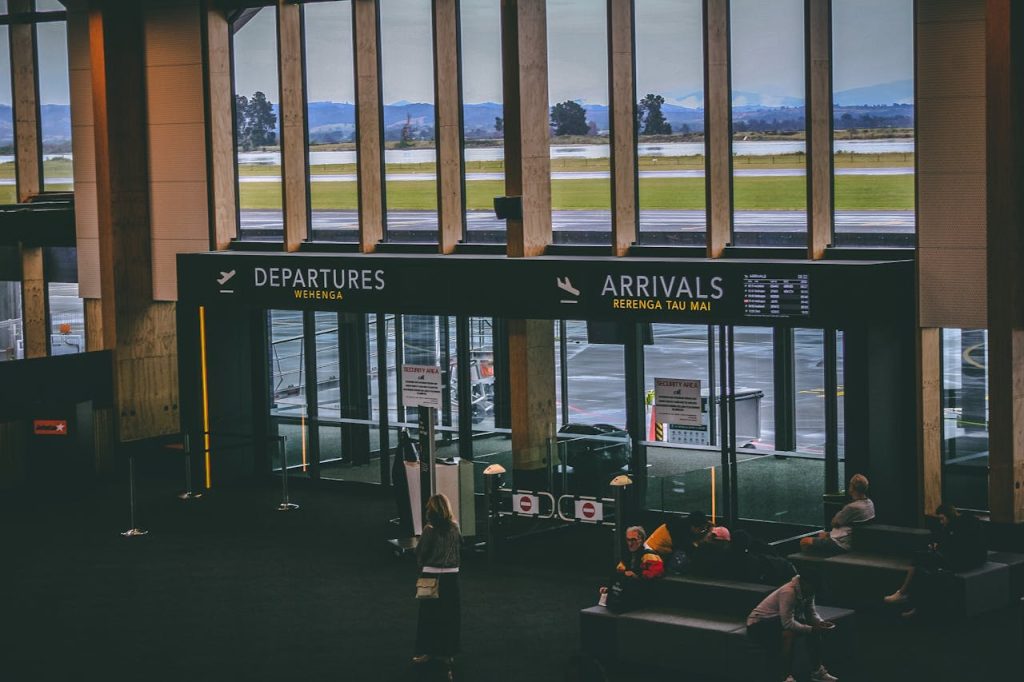
Entry rules are clear on paper, yet the lived experience can still feel high-pressure. Many travelers know admission is ultimately determined at the border, so even fully prepared visitors sometimes describe uncertainty right up to the final officer interaction at the airport hall.
Official advisory pages reinforce that mindset by urging strict document discipline and compliance with all federal and state laws while in-country. For cautious travelers, that does not always read as fear, but it can read as friction, and friction is often enough to push a vacation toward destinations perceived as lower-stress from arrival onward.
Data Privacy Concerns Influence Choice
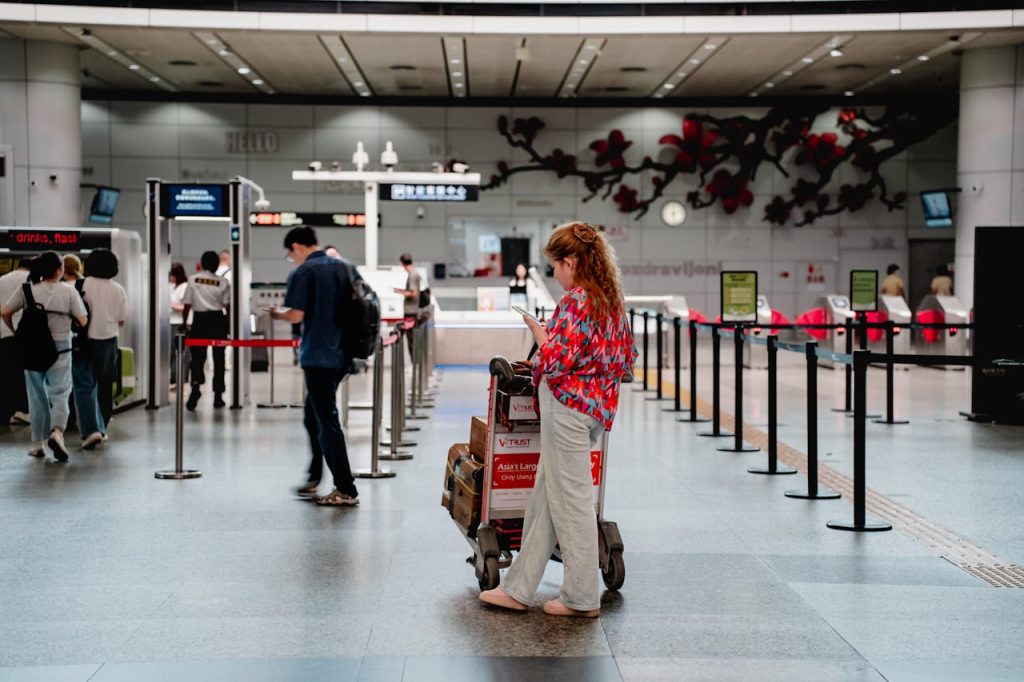
Digital privacy has become part of travel planning in a way it was not a decade ago. CBP reports that officers searched 55,318 electronic devices in fiscal 2025 out of more than 419 million arriving travelers, a very small share overall, but still a widely discussed one.
The low percentage matters statistically, yet perception runs on stories, not denominator math. Travelers carrying sensitive work files, confidential client material, or private family records may decide the risk tolerance is too low and choose countries where device-search anxiety feels less central to entry decisions and border-control expectations today.
Medical Cost Anxiety Is Real

Health care cost exposure is another major concern, especially for older travelers and families with children. OECD comparisons continue to place U.S. health spending per person above peer countries, which reinforces the belief that even routine urgent care can become expensive without strong insurance.
That worry grows when trips include hiking, road travel, winter weather, or long-distance driving, where minor incidents are more likely. Even travelers who can afford the vacation itself may still avoid the destination if they are not confident their policy will cover emergency treatment and follow-up care without a painful claims fight.
State-By-State Rules Add Mental Load
Many visitors are surprised by how much everyday law can vary between U.S. states. UK government guidance explicitly reminds travelers that state and federal rules both apply, and that legal differences can affect conduct that may be routine elsewhere for visitors.
For practical trip planning, this means more homework before crossing state lines: transport rules, local restrictions, ID expectations, and event-related street closures. Travelers who prefer one-rulebook simplicity often choose countries where intercity movement feels more legally uniform, easier to brief for groups, and mentally lighter from day one to departure.
Safety Advisories Shape Family Decisions

Safety perception is deeply personal, but official language still shapes behavior. New Zealand’s advice for the U.S. points to a higher incidence of violent crime and firearms possession than at home, and recommends comprehensive medical and travel insurance before departure.
Canada’s advisory also flags demonstrations that can disrupt transport and occasionally escalate without much notice. Most visits are uneventful, yet travelers planning with children or older parents often optimize for predictability. If risk signals feel elevated, many simply pick places where advisories read less cautionary and planning conversations feel calmer.
A Strong Dollar Shrinks Budgets Fast

Exchange rates quietly influence destination choices long before ticket purchase. Federal Reserve broad dollar data shows the U.S. currency remained very strong through 2024 and into 2025, which made spending power weaker for many foreign visitors converting local money into dollars.
A strong dollar does not cancel demand, but it changes behavior fast: shorter stays, fewer paid attractions, and lower tolerance for big-city hotel prices. For cost-sensitive travelers, the same holiday budget can stretch further in destinations where currency conversion leaves more room for food, transport, spontaneous plans, and a small buffer for emergencies.
Internal Distances Raise Total Trip Cost

Scale is part of U.S. appeal, but it is also a logistical hurdle. Moving between iconic regions often requires additional flights or long drives, and those extra legs can inflate both cost and fatigue in ways first-time visitors frequently underestimate during early planning.
BTS reported an average domestic airfare of 386 dollars in Q2 2025, with round trips averaging 470 dollars, so internal repositioning is not trivial for families. A two-city trip can quickly become a multi-ticket operation, and many travelers decide a smaller country offers more variety with fewer transfers, fewer missed-connection risks, and less schedule stress.
Car Dependence Limits Flexibility

Outside a handful of dense metros, many U.S. itineraries work best with a car. Census commuting data underscores the structural reality: most workers drive alone, while a small share rely on public transit, reflecting how auto-centric many regions remain beyond core downtown corridors.
For tourists who do not want to drive abroad, that design can feel limiting. Car rental availability, parking fees, tolls, and unfamiliar road rules add cognitive load that some travelers avoid. Destinations built around rail-first movement often feel easier for mixed-age groups, especially when every day includes multiple stops and evening returns to one city.
Weather Volatility Adds Planning Risk

Weather volatility is no longer a background detail in trip planning. NOAA’s disaster tracking recorded 27 U.S. billion-dollar weather and climate events in 2024, a reminder that storms, floods, fires, and heat extremes can disrupt travel across different seasons and regions.
Most disruptions are manageable, yet uncertainty raises hidden costs: flexible fares, backup hotels, and buffer days that not everyone can afford. Travelers choosing one international trip per year may favor places with narrower climate swings during their vacation window, to reduce cancellation risk, rerouting stress, and itinerary whiplash through multistop plans.
Pricing Trust Is Recovering, But Slowly

Trust in final pricing still affects destination confidence, even after regulatory progress. The FTC’s rule against deceptive fee practices took effect in May 2025 and now requires upfront total-price disclosure for short-term lodging and live-event tickets across covered sellers.
That is a meaningful consumer win, but behavior changes slowly after years of complaints about late-stage charges and checkout surprises. When travelers compare destinations, memory matters as much as current law. If a market is associated with hidden extras, some people delay booking until they see enough transparent pricing in practice over multiple seasons