12 Small U.S. Airports That Are Becoming Travel Nightmares
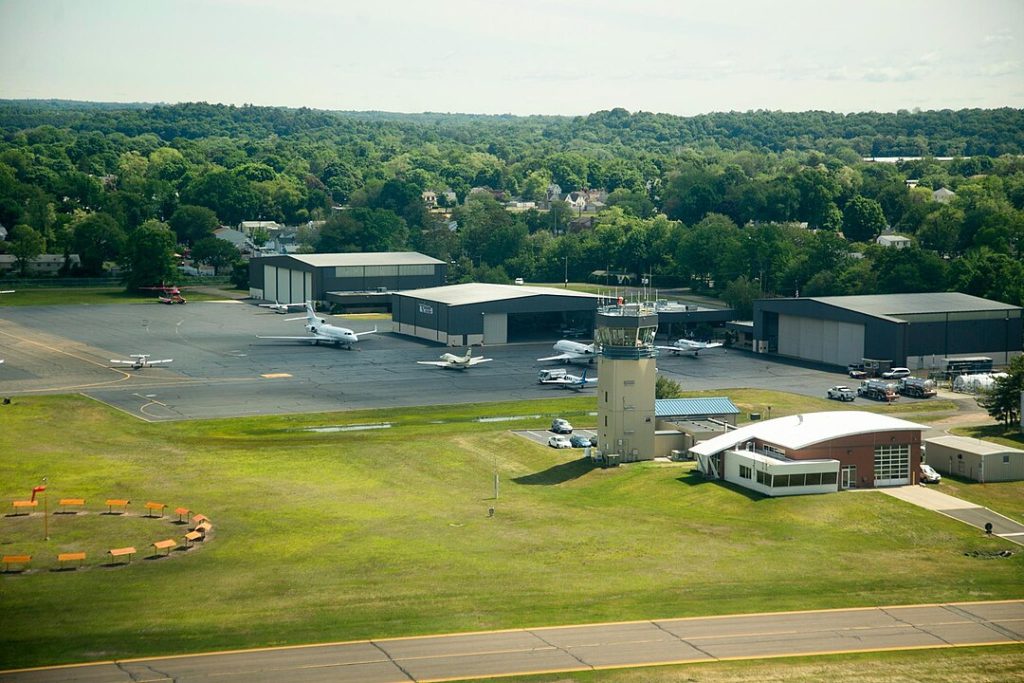
Small airports sell a promise: quick curb-to-gate walks, shorter lines, and a trip that feels manageable. But when flight schedules thicken, staffing stays lean, or construction reshapes the building, the same small terminal can start acting like a stressed hub. With only a few departures a day, one late inbound can cascade into crowded gates, delayed bags, and limited rebooking choices. Weather, parking shortages, and single security checkpoints magnify every hiccup. These airports are not broken. They are simply stretched past what their footprint was designed to absorb.
Aspen Pitkin County Airport, Colorado (ASE)
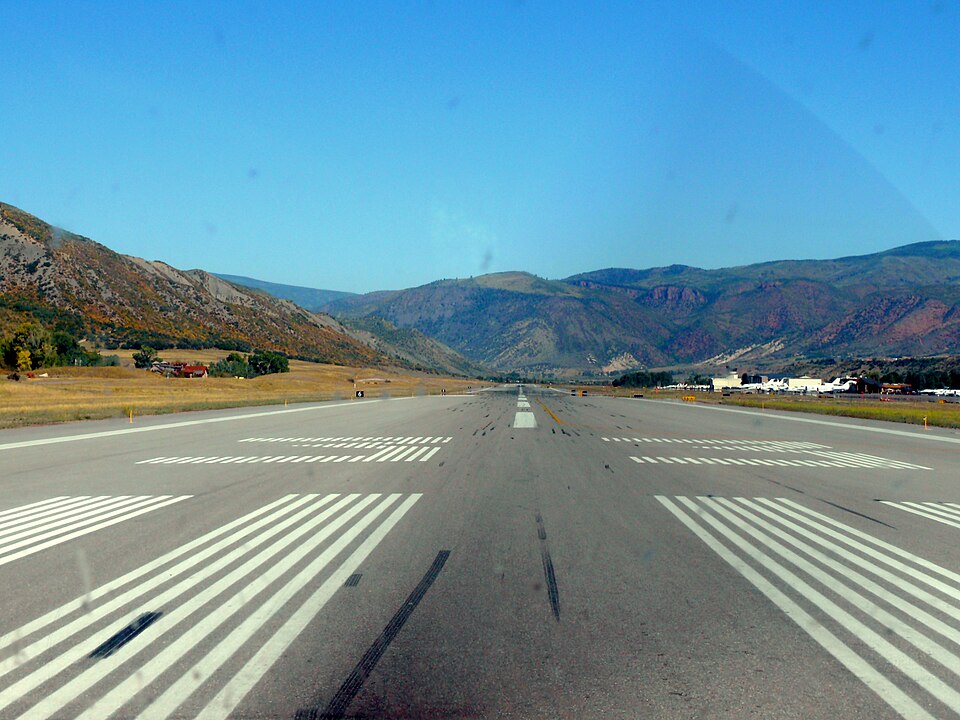
Aspen’s airport runs on a tight mountain schedule, so there is no slack when weather, runway work, and late arrivals collide, especially during ski changeovers and summer weekends. With limited flights and few practical alternates nearby, one missed departure can turn into hours of waiting while the gate area fills, bags sit behind the counter, and agents juggle rebookings with thin seat inventory and little flexibility for same-day fixes. Parking maxes out, the security stream compresses into one slow line, and a delay that would be minor elsewhere can spill into missed connections, hotel scrambles, and a long drive to another airport.
Bozeman Yellowstone International Airport, Montana (BZN)
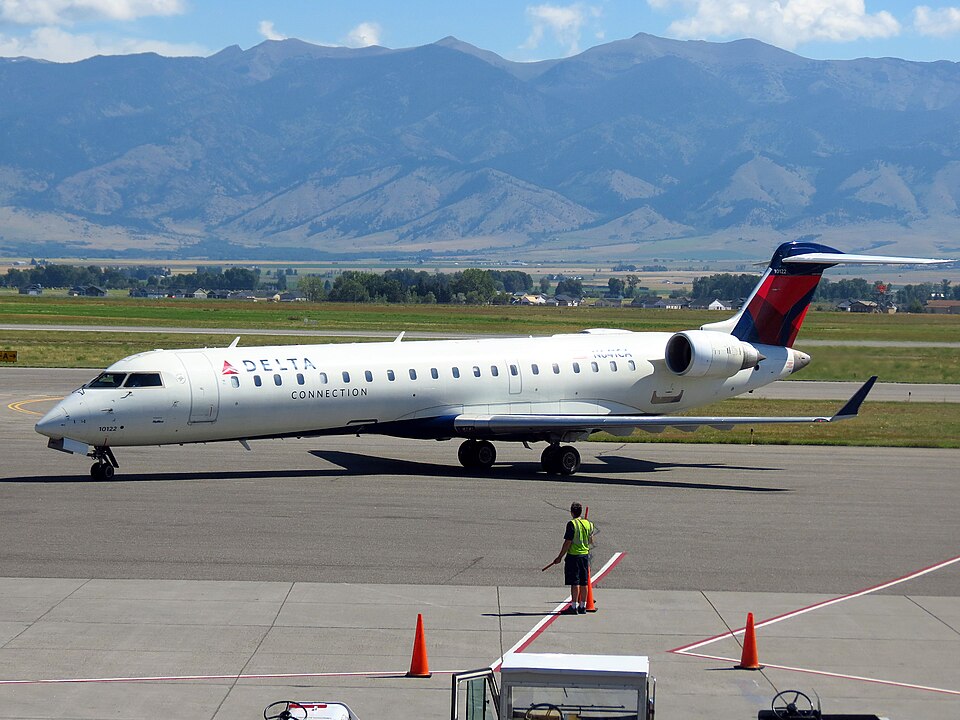
Bozeman’s popularity has outgrown the small-airport rhythm that once defined it, and the pressure shows when several flights bunch into the same hour during peak outdoor seasons. The path from curb to check-in to screening is narrow, so a minor slowdown stacks into long lines, crowded seating, and baggage delays that linger after the aircraft is on the ground, with families and gear filling every corner. When weather or a late inbound shifts the schedule, rebooking options are thin, rental cars disappear, rides get scarce, and the terminal feels overfull in a way that makes simple tasks like finding a seat or charging a phone frustrating.
Martha’s Vineyard Airport, Massachusetts (MVY)
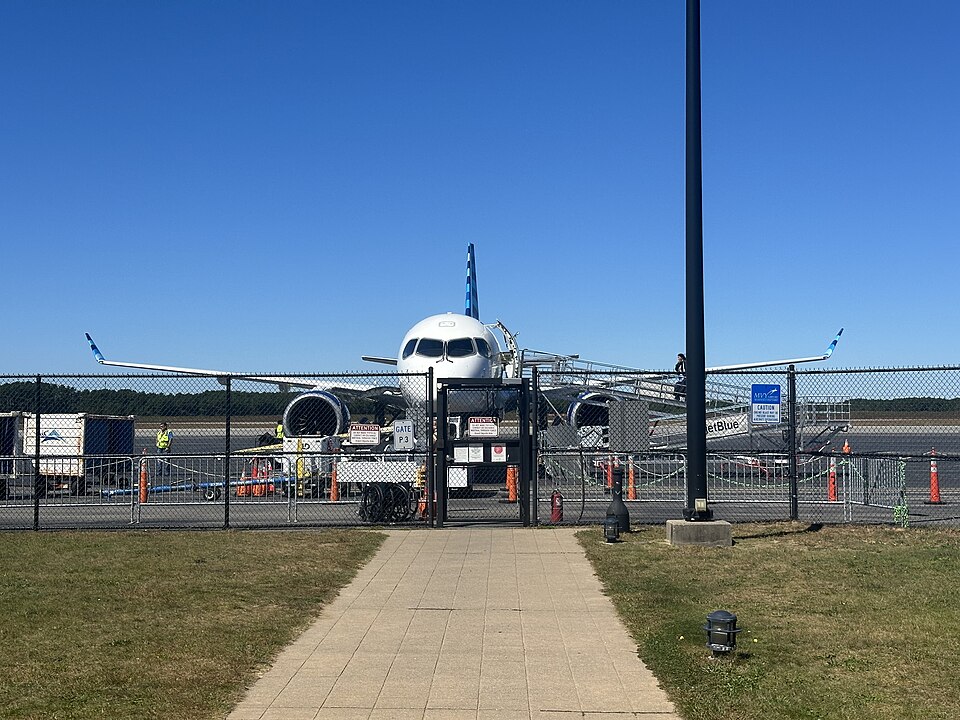
Martha’s Vineyard is small by design, but island travel makes every disruption heavier because later seats can be scarce and alternates are not always practical. Fog, wind, and shifting conditions can compress departures into a tight window, leaving passengers clustered in a compact waiting space while updates trickle in, connections slip away, and bags stack up behind the counter with little room to reorganize or breathe. When a flight cancels, the fallback often becomes a long wait and a chain of ferry, car, and hotel plans that stretches the inconvenience far beyond the terminal’s doors and into the next day.
Nantucket Memorial Airport, Massachusetts (ACK)
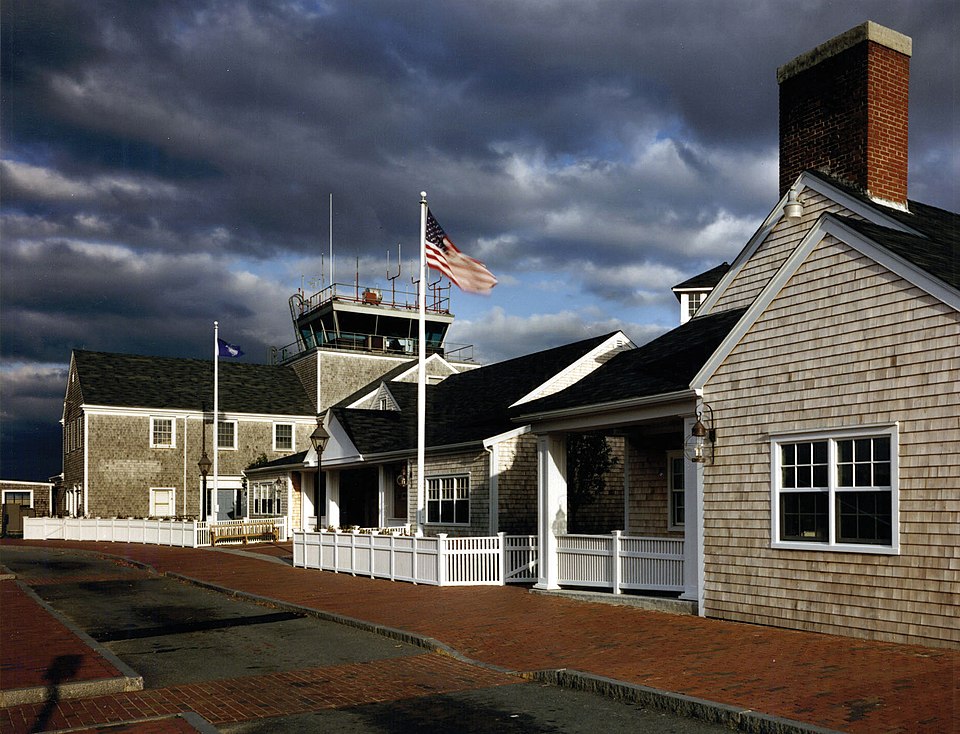
Nantucket’s airport is built for quick turns, which is why congestion feels sharp when summer changeover waves hit and the island is already full. A surge of bags, rental counters, and curb pickups can overwhelm the footprint, and one late inbound can snowball into crowded gates and a pickup lane full of circling cars because everyone is trying to move at once within the same narrow arrival window. With limited daily flights, a missed slot is not just inconvenient, it can become an unplanned overnight, a scramble for scarce seats, and a vacation day reshaped by logistics, calls, and changed plans.
Key West International Airport, Florida (EYW)
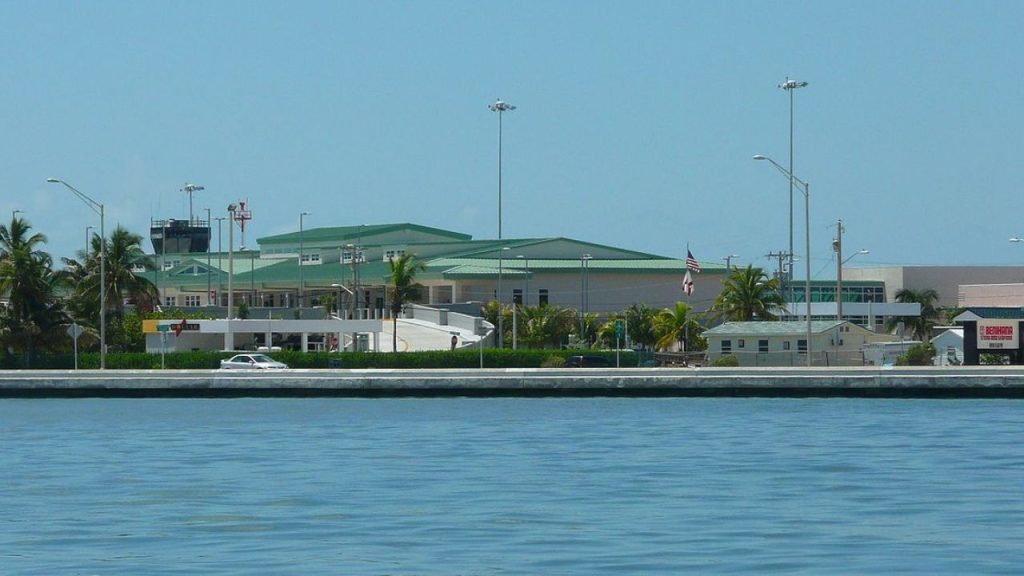
Key West combines steady tourism with a small footprint, so overlapping departures can strain the entire flow at once on weekends and holiday returns. Security lines stretch, gate seating disappears, and baggage claim slows into a tight shuffle as families, strollers, and suitcases compete for space, with limited room to reroute crowds when a gate change happens and few quiet corners to reset or spread out. When storms disrupt the chain and the schedule has little depth to recover, delays linger, rebook lines grow, and the mood shifts from beach trip to logistics triage that lasts for hours for many.
Idaho Falls Regional Airport, Idaho (IDA)
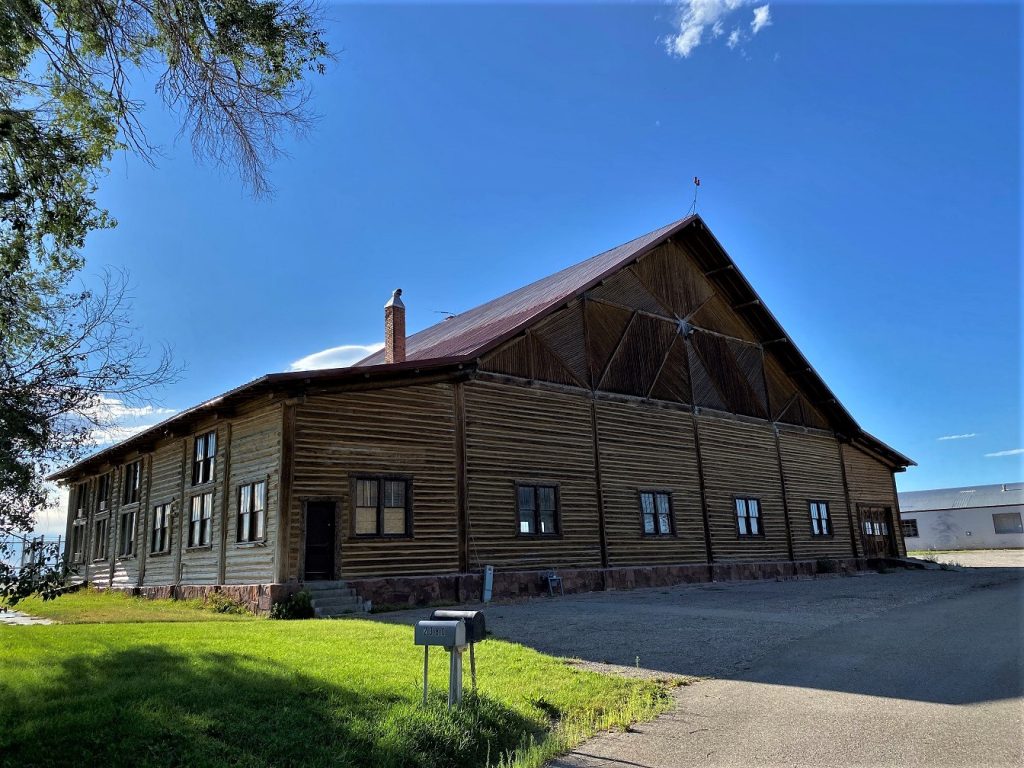
Idaho Falls is seeing demand rise, and even a few added flights can transform the experience because the terminal runs on one narrow pipeline from lobby to gate. When departures cluster, check-in, screening, and boarding areas fill quickly, and minor delays make the room feel tight, louder, and harder to navigate with skis, strollers, and multiple bags, especially when two flights overlap and everyone arrives early. Late arrivals can also strain rentals and rides after hours, so the disruption continues outside the building and turns a short delay into a longer chain of logistics and waiting for staff to catch up.
Monterey Regional Airport, California (MRY)
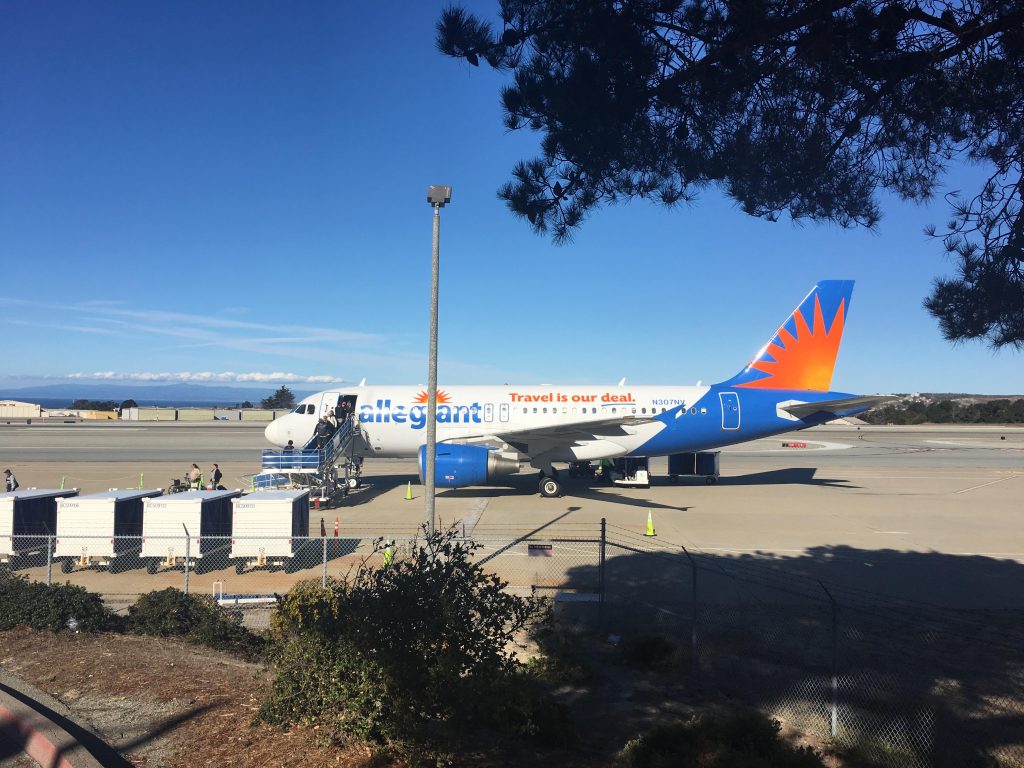
Monterey’s appeal is simplicity, but upgrades and active work zones can turn that calm into detours, temporary chokepoints, and a less predictable curb-to-gate routine. With a modest route map, cancellations matter more because there may not be another flight until the next day, and reroutes can mean a long drive instead of a quick rebook even when skies clear and the runway is open again. When delays hit, the gate area fills fast, food and seating run thin, and coastal fog can reduce flexibility in ways that make every announcement feel heavier and more final than expected in the moment, even for short hops.
California Redwood Coast-Humboldt County Airport, California (ACV)
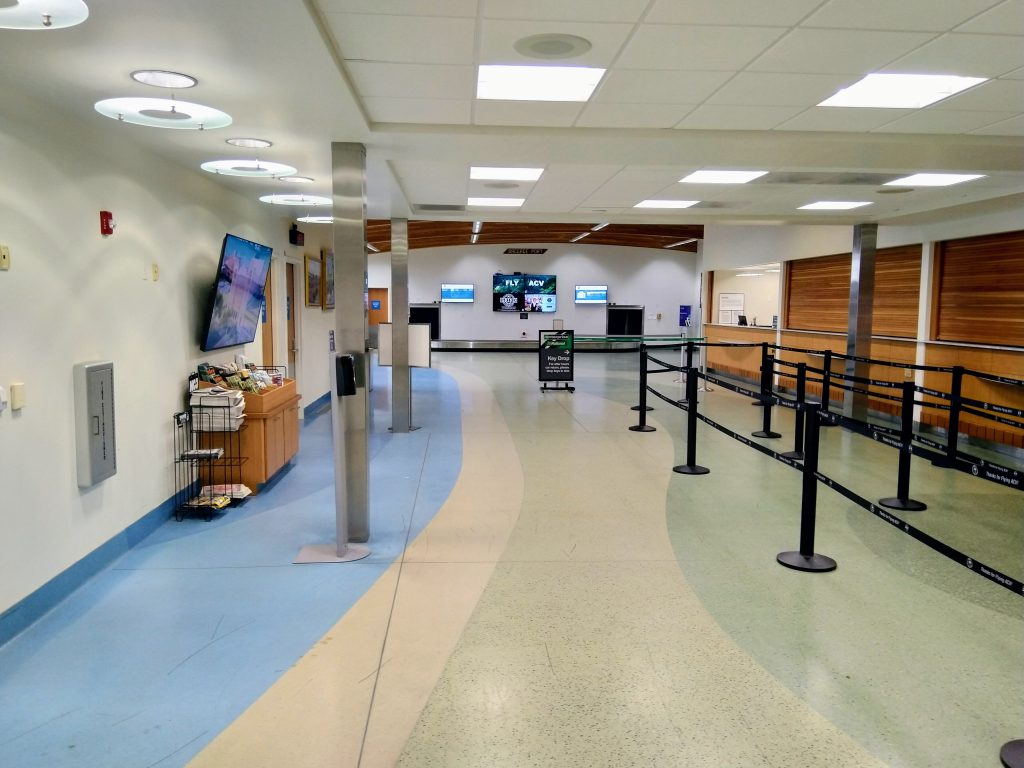
Redwood Coast is a regional airport where limited flights and coastal fog can make the timetable fragile, even when the lobby looks calm and the day starts on time. When a flight cancels, options narrow fast because there are few later departures to pivot onto, and the next available seat can be a full day away, forcing plans to reset with little clarity on timing or connection protection. Rebooking lines form quickly, rides and lodging tighten, and a short itinerary can quietly turn into a long, improvised plan that stretches into the night, with long drives as the only sure alternative in practice.
Arnold Palmer Regional Airport, Pennsylvania (LBE)
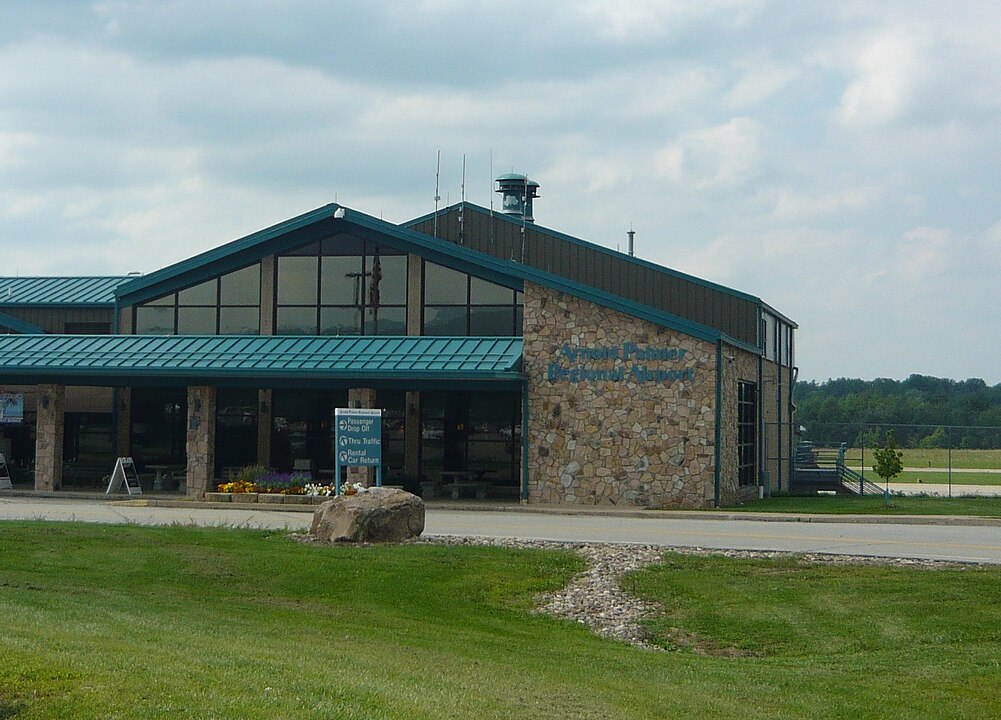
Arnold Palmer Regional is small enough that any bottleneck becomes the whole story, especially when multiple flights overlap and passengers arrive at once. If staffing is thin or the schedule bunches, the checkpoint and counter back up fast, and the gate area has nowhere to spread, so every delay becomes visible and personal, with people standing in aisles, watching the clock, and negotiating space. With limited inventory for rebooks and few comforts to pass the time, even a modest slip can feel like a drawn-out ordeal that lingers well after boarding and drains the energy from the trip quickly.
Abilene Regional Airport, Texas (ABI)
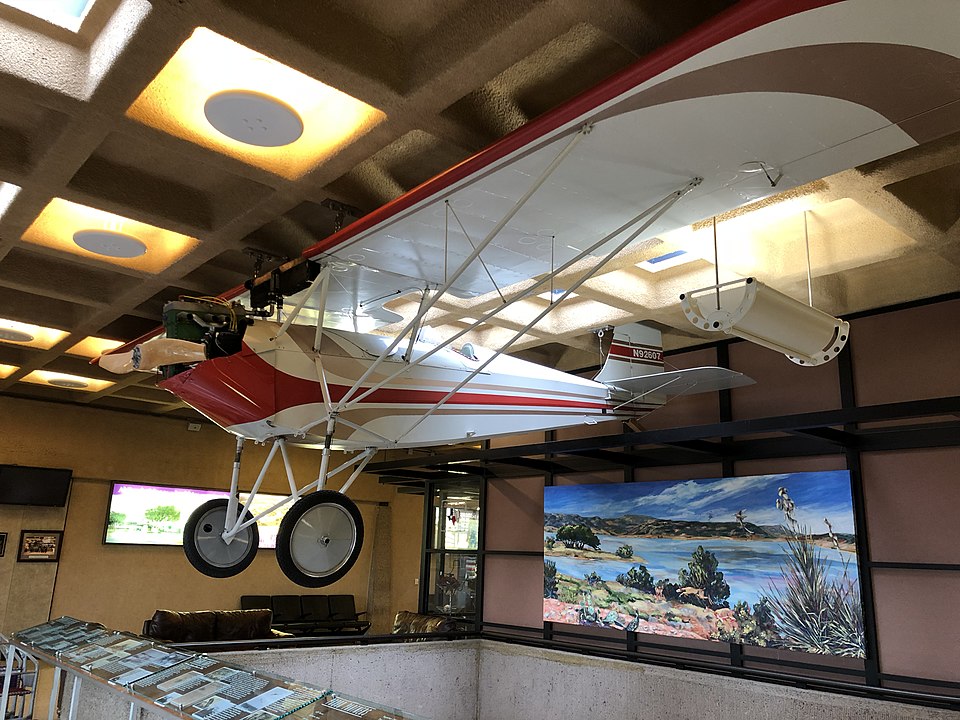
Abilene’s stress comes from scale: one busy departure bank can strain an airport built for steady, low-volume rhythms where the same few counters serve everyone. If a late inbound pushes passengers into the same hour, lines compress at check-in and security, and the gate area fills with little overflow space to absorb the crowd or separate boarding groups, so the whole room moves at one slow pace. Limited service makes missed connections harder to fix because the next option might be later in the day or not until tomorrow, turning small delays into big scheduling problems and extra costs that add up quickly.
Tweed New Haven Airport, Connecticut (HVN)
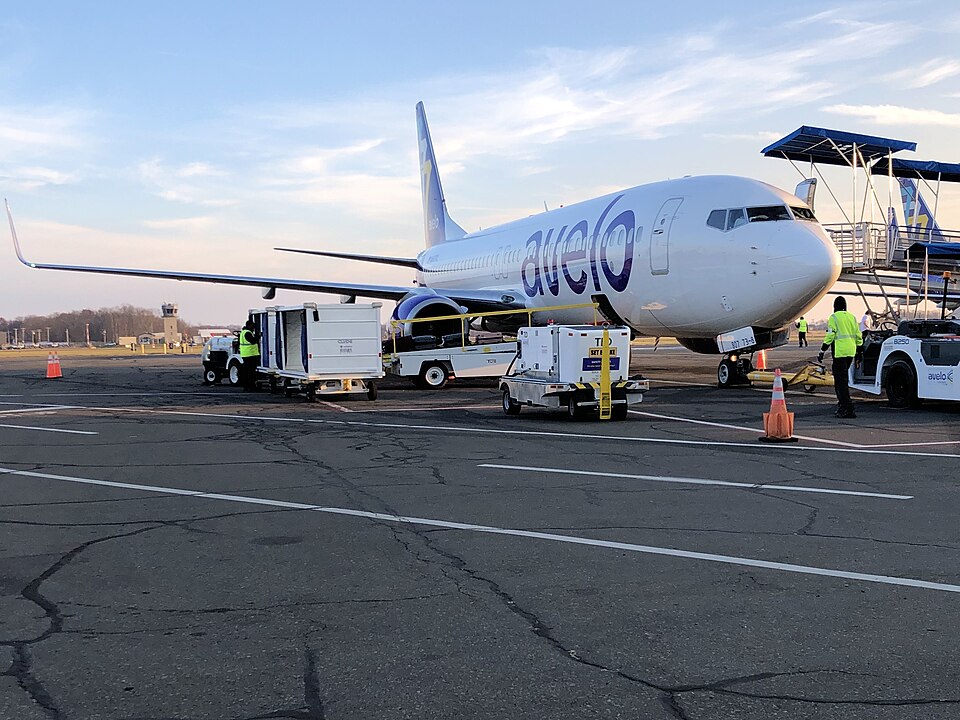
Tweed has become a popular alternative, but rapid growth can outpace a small airport’s daily mechanics in visible, uncomfortable ways. Parking fills early, curb pickup gets crowded, and gate seating runs out when flights overlap, forcing everyone into tight lanes with limited outlets, limited concessions, and little room to step aside while announcements bounce between gates and boarding groups stack. Because the schedule is not deep, routine delays feel amplified, cancellations leave few rebook choices, and the experience stretches far beyond a short flight time and into a long wait on busy days.
Punta Gorda Airport, Florida (PGD)
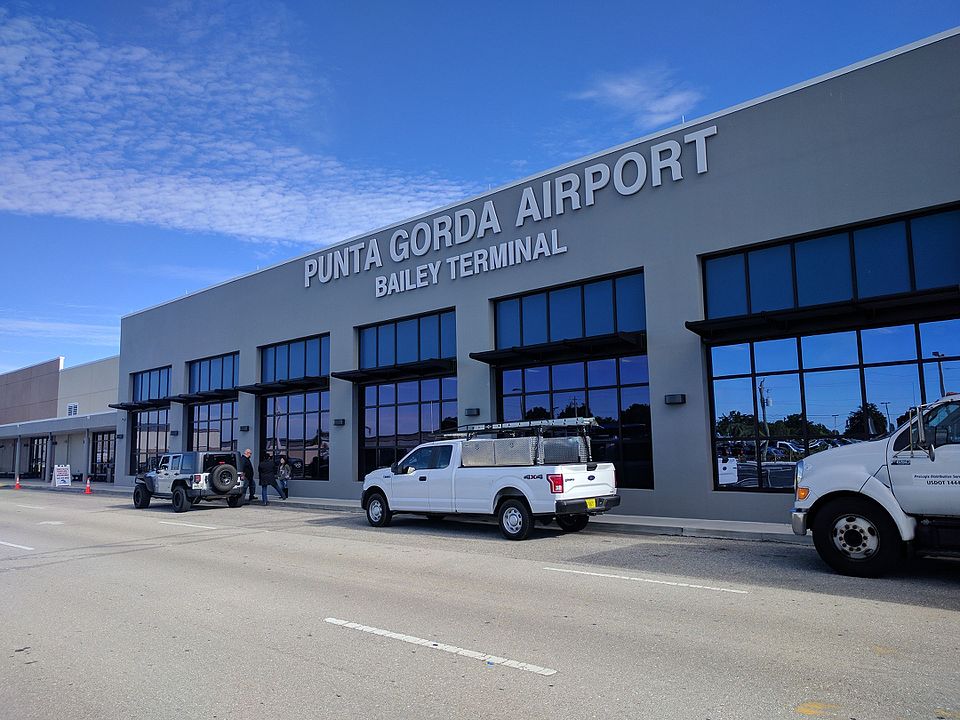
Punta Gorda thrives on low-cost demand, which can create sharp surges that a compact terminal must process in short windows with several departures close together. When flights line up, the checkpoint becomes the pinch point, and gate areas feel packed well before boarding starts, especially if renovations create temporary routes and slower circulation that funnels everyone through the same narrow turns and doorways. If a departure slips, overlap turns into crowding and slow updates, and rebooking is limited by a schedule that is not deep, making a small delay feel bigger and harder to escape.