12 Small U.S. Towns Travelers Say Feel the Most Welcoming
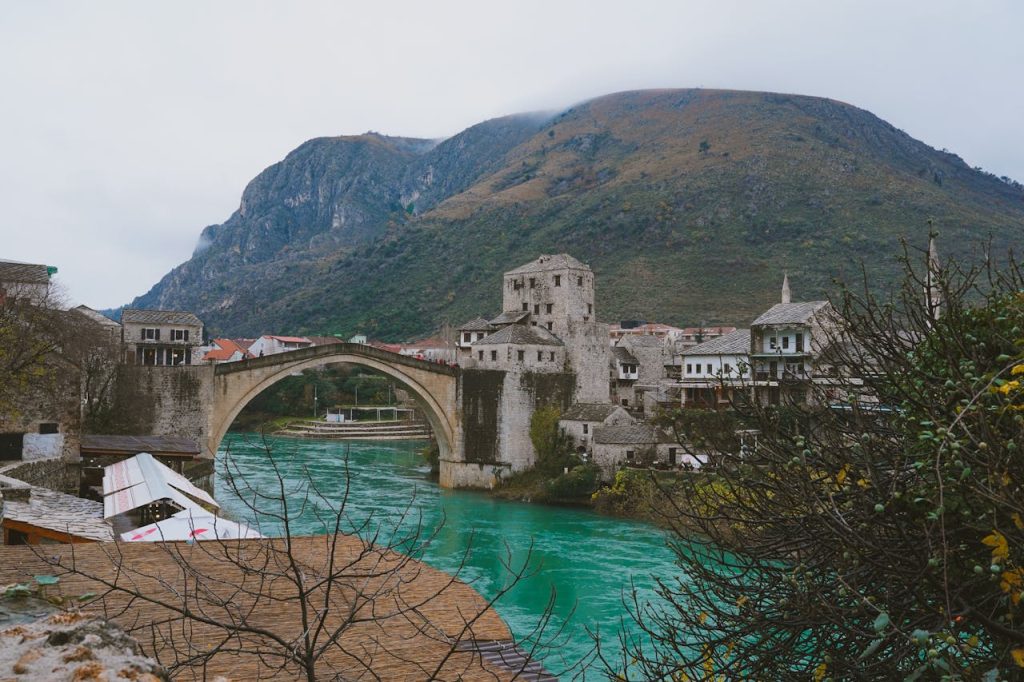
Travel industry analysts and hospitality experts report a significant shift in domestic tourism, with travelers increasingly bypassing major metropolises in favor of smaller communities that prioritize connection over commerce. According to recent reader polls and tourism board data from late 2024 through early 2026, the most highly rated destinations are those that actively preserve their cultural heritage and foster genuine resident-visitor interactions. Sociologists note that this trend reflects a growing desire for “third places”—social environments distinct from home and work—where the pace of life allows for meaningful conversation and a sense of belonging.
Urban planners and main street revitalization experts emphasize that the towns topping these lists share specific structural characteristics: walkable historic districts, locally owned businesses, and robust public programming. These elements create a “civic living room” effect that naturally encourages hospitality. By focusing on community-led preservation and sustainable tourism, these twelve towns have cultivated atmospheres where visitors feel less like consumers and more like temporary neighbors, earning them reputations as the most welcoming spots in America.
Madison In Georgia
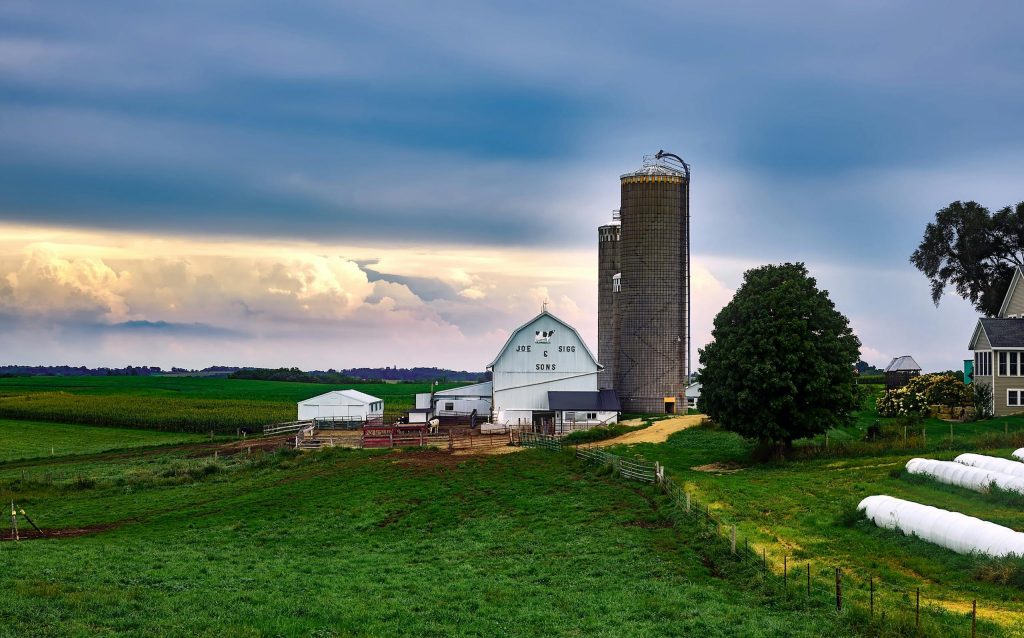
Architectural historians and members of the local Historic Preservation Commission consistently cite Madison as a masterclass in antebellum preservation that prioritizes livability over museum-like sterility. Unlike other historic towns that can feel gated or exclusive, Madison’s design encourages walking and interaction. Experts note that the town’s strict adherence to design guidelines has preserved a visual harmony that frames the community’s daily life, making the extensive historic district feel accessible and lived-in rather than just a backdrop for photos.
Heritage tourism consultants highlight the Madison-Morgan Cultural Center as a pivotal institution that bridges the gap between the town’s storied past and its welcoming present. By repurposing an 1895 school building into a hub for arts and history, the community has created a neutral ground where locals and visitors mingle. Preservationists observe that this commitment to adaptive reuse signals a respect for continuity, fostering a culture where new arrivals are invited to participate in the town’s ongoing narrative rather than just observe it from a distance.
Solvang In California
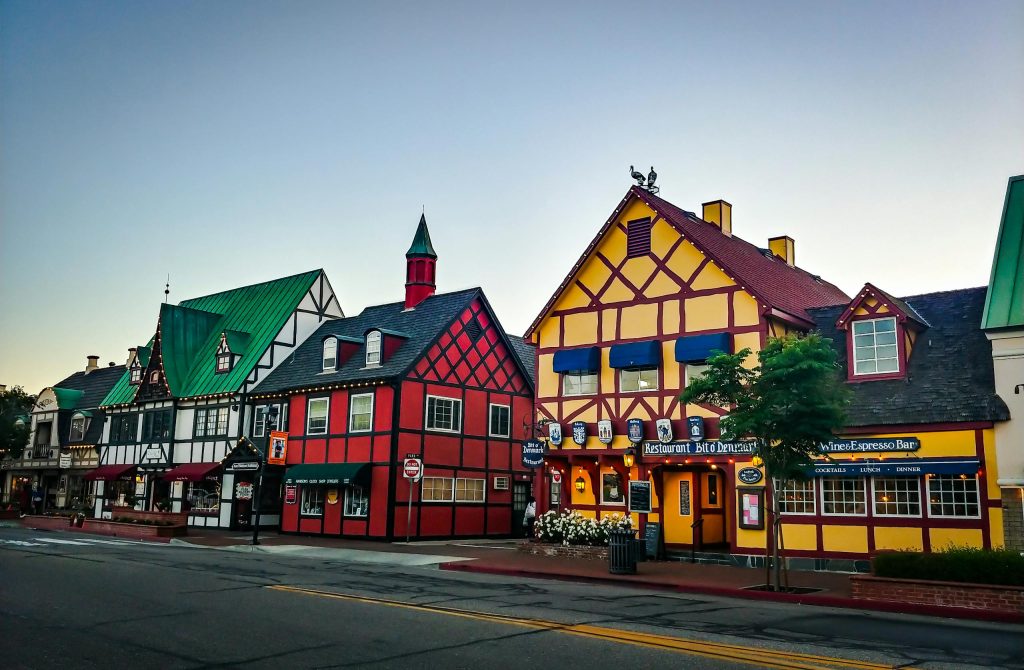
Curators at the Elverhøj Museum of History & Art and Danish heritage experts attribute Solvang’s enduring popularity to its authentic commitment to “hygge”—a Danish concept roughly translating to cozy contentment. While the windmills and half-timbered architecture might seem theatrical to the untrained eye, cultural historians explain that these are expressions of a deep-seated community identity established by Danish-American educators in 1911. This foundational ethos prioritizes warmth, conviviality, and shared meals, creating a social environment where visitors are aggressively welcomed into the fold.
Tourism board directors note that the town’s hospitality is structural, built around open-air courtyards and communal bakeries that force a slower pace. The absence of national chains in the historic core allows independent shopkeepers to act as cultural ambassadors, sharing personal stories that deepen the visitor experience. Experts say this direct engagement transforms a simple shopping trip into a cultural exchange, leaving travelers with a profound sense of having been hosted rather than just serviced.
Abingdon In Virginia
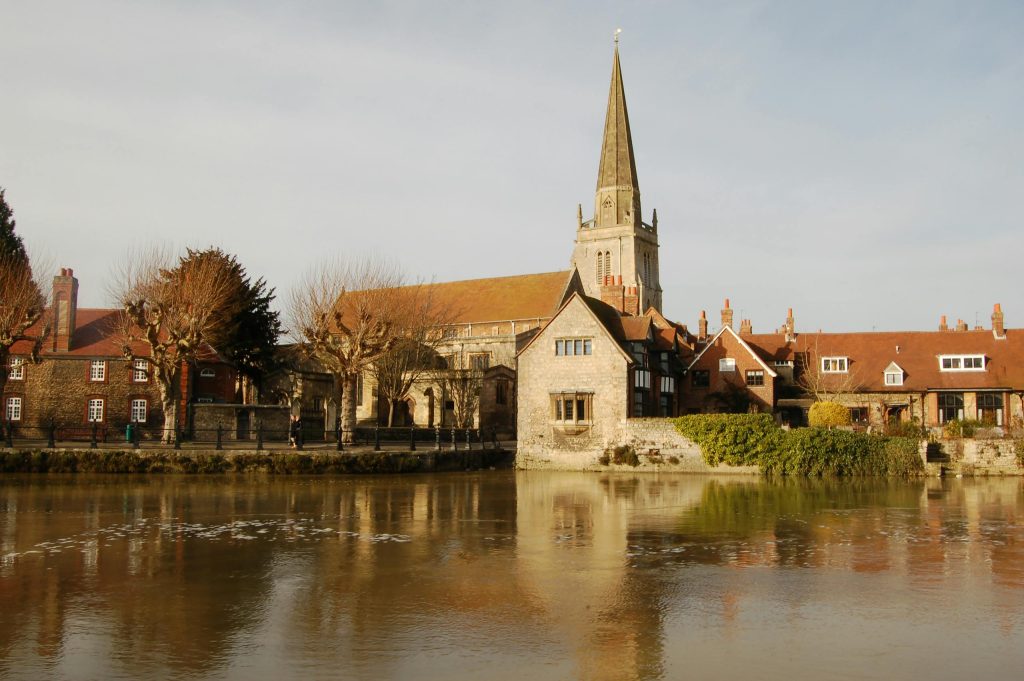
Theater directors and cultural historians point to the Barter Theatre as the beating heart of Abingdon’s welcoming spirit. Founded during the Great Depression on the principle that “with vegetables you cannot sell, you can buy a good laugh,” the theater established a precedent of mutual support that defines the town to this day. Arts community leaders emphasize that this legacy of trading goods for culture has evolved into a hospitality mindset where the arts are viewed as a communal utility, accessible to all.
Culinary historians observing the town’s vibrant food scene note that it functions as an extension of this artistic heritage. Chefs and local farmers collaborate to create a dining landscape that feels personal and rooted in Appalachian tradition. By integrating the Virginia Creeper Trail with the downtown district, urban planners have physically connected outdoor recreation with high culture, ensuring that hikers, cyclists, and theater-goers all converge in the same welcoming public spaces.
White Rock In New Mexico
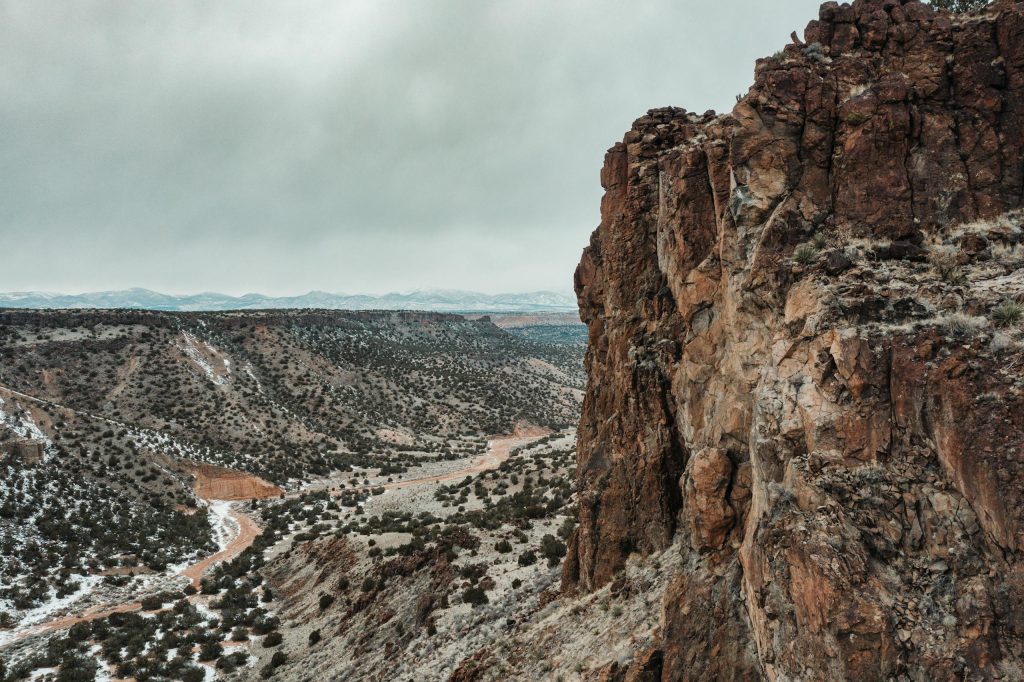
National Park Service rangers at the nearby Bandelier National Monument describe White Rock as a unique gateway community that fully embraces its role as a portal to ancient history. Unlike typical tourist towns that can feel transactional, White Rock is characterized by a population of scientists and historians connected to Los Alamos who are eager to share their knowledge. Archaeologists note that this intellectual generosity creates an atmosphere where curiosity is rewarded, and visitors are treated as students of the land rather than mere customers.
Local historians highlight the town’s layout, which offers sweeping views of the Rio Grande Valley, as a factor in its open nature. The community has invested in parks and overlooks that are free and accessible, signaling a lack of pretension. This accessibility, combined with a deep respect for the Ancestral Pueblo sites, fosters a shared sense of stewardship between residents and travelers, making the experience of visiting feel like a collaborative discovery.
Crystal River In Florida

Marine biologists and wildlife conservationists with the U.S. Fish and Wildlife Service identify Crystal River as a global model for sustainable human-wildlife interaction. As the only place in the United States where people can legally swim with manatees, the town has developed a culture of “passive observation” that permeates the community. Experts explain that the strict training required for tour operators creates a guardian mindset, where the focus is on protecting the animals, which paradoxically leads to a more gentle and welcoming experience for humans as well.
Ecologists note that the preservation of the Three Sisters Springs serves as a community anchor, rallying residents around the cause of clean water. This shared environmental mission creates a strong sense of civic pride that spills over into how visitors are treated. When travelers arrive, they are welcomed not just as tourists, but as partners in conservation, a distinction that shifts the dynamic from exploitation to education and mutual respect.
Stockbridge In Massachusetts
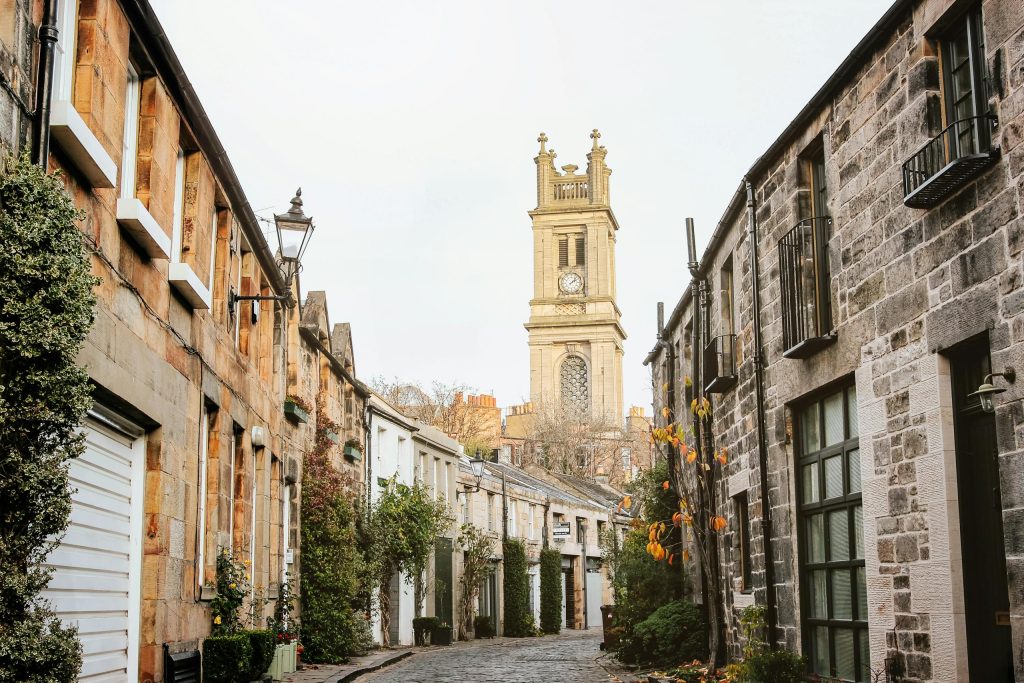
Curators at the Norman Rockwell Museum emphasize that Stockbridge does not just look like a Rockwell painting; it actively works to embody the values of community and kindness depicted in his art. Art historians note that the town has successfully resisted the erosion of its “Main Street” character, maintaining a physical environment that encourages face-to-face interaction. The preservation of landmarks like the Red Lion Inn ensures that the social rhythms of the 19th century—porch sitting, parlor conversations—remain viable options for modern connection.
Heritage experts point out that the town’s welcoming nature is reinforced by its literary and artistic legacy, which attracts a thoughtful demographic of visitors and residents. The community supports a density of cultural institutions that is disproportionate to its size, creating a calendar of events that brings people together year-round. This continuous celebration of the humanities fosters a climate of openness, where dialogue and exchange are valued over speed and efficiency.
Sisters In Oregon
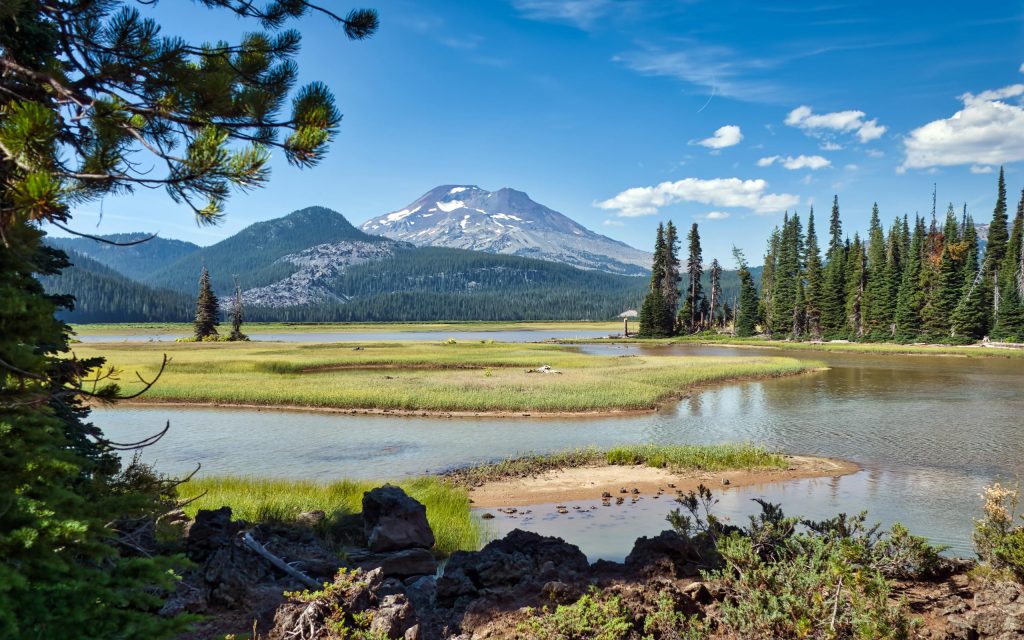
Forest Service rangers and leaders of the Sisters Arts Association attribute the town’s welcoming vibe to its successful integration of rugged outdoor culture with a refined arts scene. Located at the gateway to the Cascade Mountains, the town attracts a mix of ranchers, hikers, and artists who share a common reverence for the landscape. Community organizers explain that this shared value system bridges social divides, creating a unified community identity that is warm and unpretentious.
Event planners highlight the Sisters Outdoor Quilt Show as a prime example of the town’s radical hospitality. As the largest outdoor quilt show in the world, it turns the entire town into an open-air gallery, free of charge. Experts say this willingness to turn the town inside out for visitors demonstrates a profound level of trust and generosity, setting a tone of unconditional welcome that persists long after the quilts are taken down.
Hot Springs In South Dakota
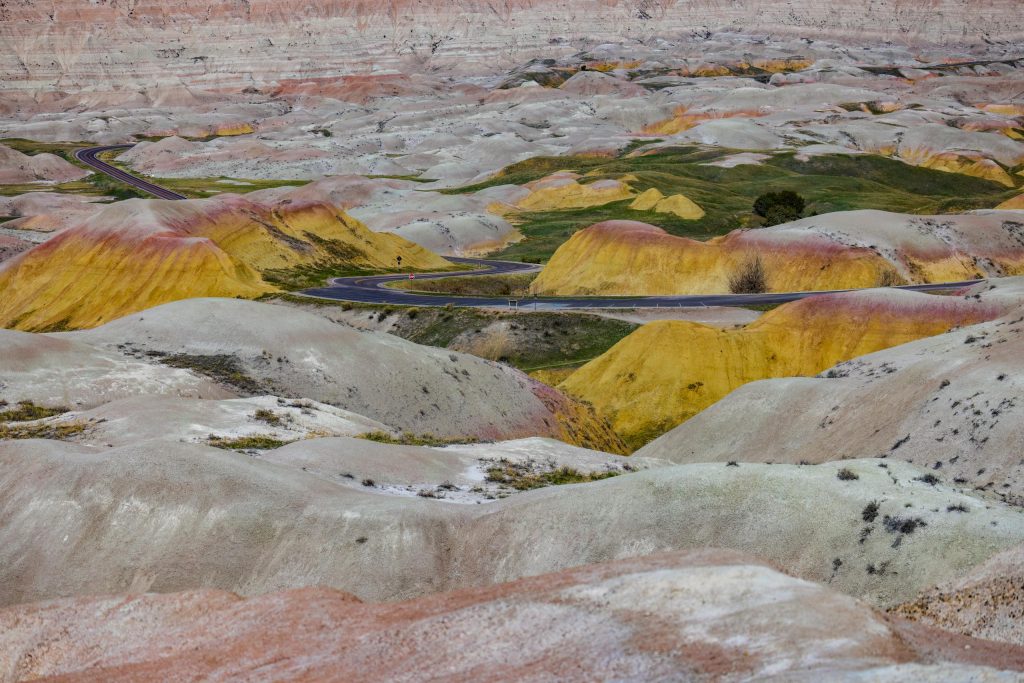
Paleontologists at The Mammoth Site and local geologists describe Hot Springs as a community defined by deep time and warm water. The presence of the world’s largest concentration of mammoth remains has turned the town into a hub for scientific inquiry that remains accessible to the public. Museum educators note that the active dig site allows visitors to witness discovery in real-time, breaking down the barriers between experts and laypeople and fostering an inclusive atmosphere of learning.
Hydrologists and spa historians point to the town’s namesake thermal springs as a natural driver of hospitality. For centuries, these waters have been a place of healing and gathering. This tradition continues today, with the town’s architecture and daily life oriented around the river and bathhouses. Experts observe that the relaxing physiological effects of the springs seem to permeate the social fabric, resulting in a community demeanor that is noticeably calmer and more patient than the national average.
Kanab In Utah
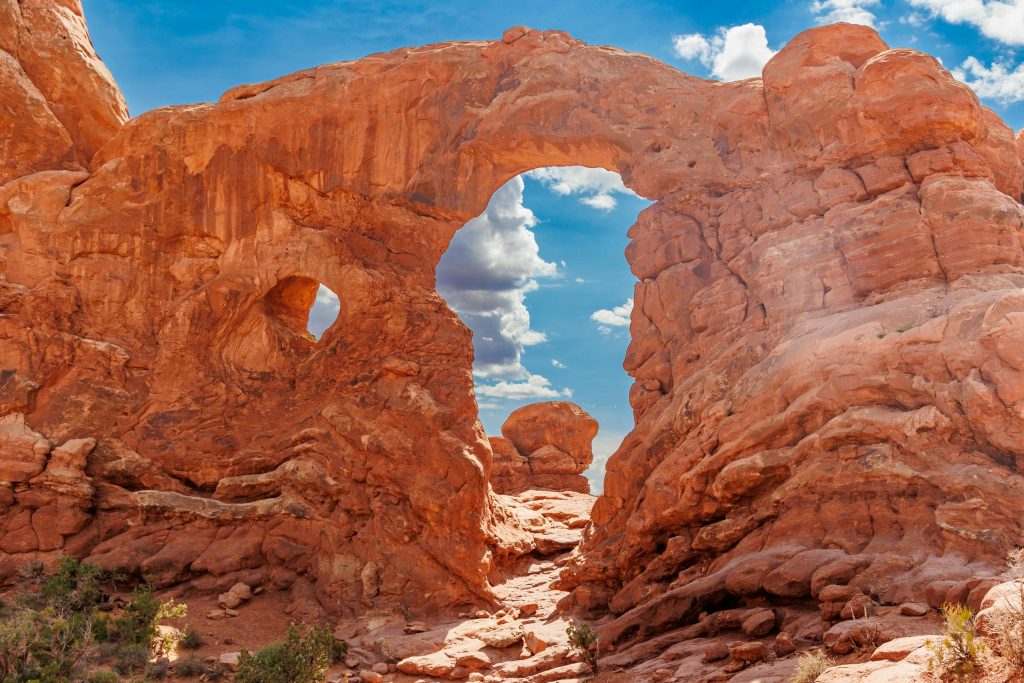
Film historians and curators at the Little Hollywood Museum identify Kanab as a town that has mastered the art of playing host to the world. Having served as the backdrop for hundreds of Western movies and TV shows, the community developed a specialized infrastructure for accommodating film crews and stars. Cultural experts explain that this history of hospitality has evolved into a modern tourism culture that is unfazed by outsiders and skilled at making them feel at home in the high desert.
Land management officials from the Bureau of Land Management note that Kanab serves as the central hub for some of the Southwest’s most coveted natural features, including The Wave. The town has embraced its role as a basecamp, with locals acting as informal guides and advisors for visitors navigating the lottery systems and rugged terrain. This helpfulness is a point of local pride, transforming potentially frustrating logistical hurdles into opportunities for positive resident-visitor interaction.
Beaufort In South Carolina
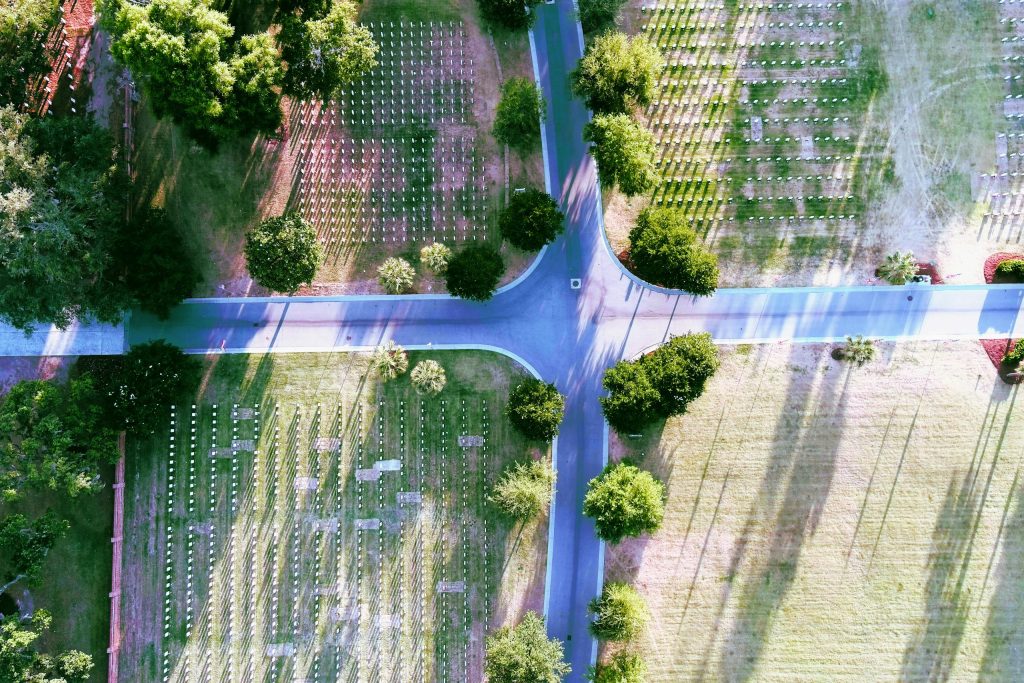
Historians and cultural preservationists with the Gullah Geechee Cultural Heritage Corridor attribute Beaufort’s exceptional welcome to its deep, complex roots in Lowcountry history. Unlike newer resort towns, Beaufort wears its history—both the tragic and the triumphant—on its sleeve. Experts note that the active preservation of Gullah culture and the Reconstruction Era history provides a narrative richness that encourages deep engagement. The community’s willingness to tell the whole story invites visitors into a dialogue rather than a monologue.
Urban designers praise the town’s orientation toward the water, with the Henry C. Chambers Waterfront Park serving as a communal front porch. This public space is designed to facilitate mixing, with swings and benches that invite lingering. Sociologists observe that the physical layout of the town, with its antebellum homes and moss-draped avenues, imposes a slower walking pace that naturally increases the frequency and quality of social greetings between strangers.
Healdsburg In California

Sustainable viticulturists and winemakers in Sonoma County distinguish Healdsburg by its refusal to separate the agricultural from the social. Unlike more commercialized wine regions, Healdsburg maintains a functioning town square that serves as a true civic center. Agricultural experts note that the farmers and winemakers here are often the ones pouring the wine, shortening the distance between producer and consumer. This proximity creates an intimacy that is rare in the luxury travel sector.
Hospitality consultants highlight the town’s “farm-to-table” philosophy as a social value, not just a culinary one. The emphasis on local sourcing creates a tight-knit web of relationships between chefs, farmers, and residents. When visitors dine here, they are effectively stepping into this web of connection. Experts say that the pride residents feel in their local bounty translates into an eagerness to share it, resulting in a form of hospitality that feels generous and grounded rather than performative.
Girdwood In Alaska
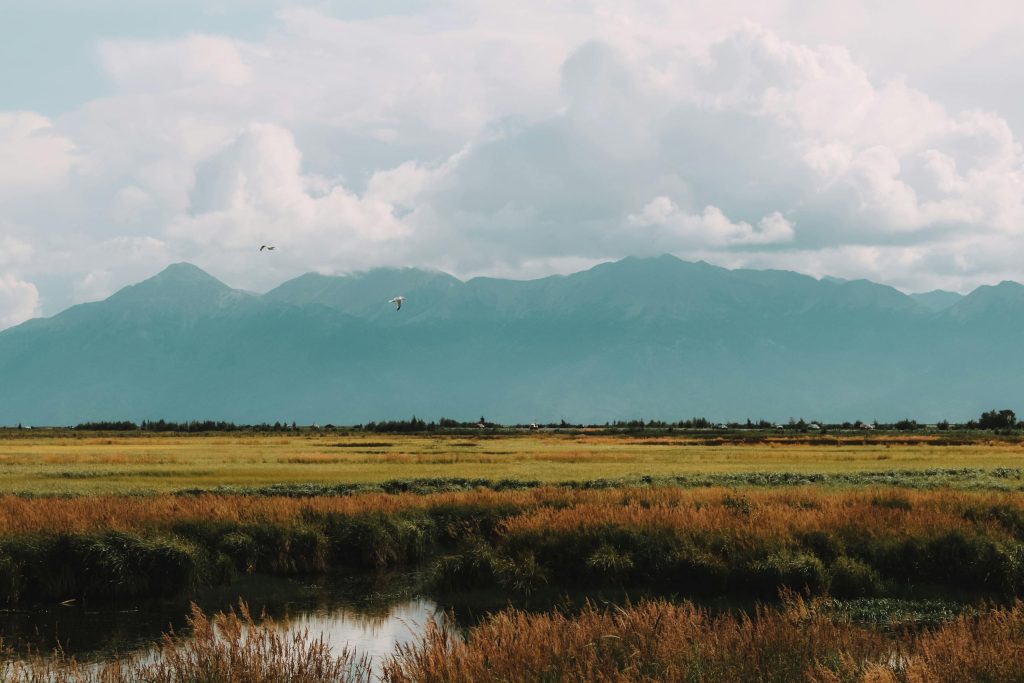
Outdoor safety experts and rangers from the Chugach National Forest describe Girdwood as a community forged by shared adventure and resilience. Isolated by geography and defined by extreme weather, the residents have developed a strong culture of mutual reliance. Mountaineering guides note that in environments where nature dictates the terms, social pretenses fall away quickly. This results in a direct, honest form of friendliness where help is offered before it is asked for.
Ski resort managers at Alyeska highlight that despite being a world-class destination, Girdwood has fiercely protected its “ski bum” soul. The town lacks the exclusionary air of many luxury mountain resorts, maintaining a funky, eclectic mix of housing and businesses. Urban sociologists observe that this lack of hierarchy makes the town exceptionally approachable, where billionaires and seasonal lift operators share the same barstools, and visitors are judged by their attitude rather than their zip code.