12 Things Women Can Expect on U.S. Trips This Year

U.S. travel for women in 2026 feels more deliberate than carefree. The trips are still bright with discovery, but expectations have changed at airports, hotels, national parks, and streets. Planning now includes stronger attention to ID checks, app safety settings, timing windows, and backup options, because small details can decide whether a day stays smooth or turns exhausting.
The mood is not anxious. It is steady, informed, and self-directed. Women are choosing comfort without sacrificing adventure, building itineraries that protect energy, money, and peace of mind while leaving space for surprise, connection, and joy across all seasons.
Airport Security Starts With Real ID

Airport stress now begins with documents, and women are handling that step earlier. IDs are checked while booking, backups are packed, and screenshots are saved before leaving home. That routine cuts down checkpoint surprises and prevents rushed choices that can derail an otherwise smooth departure.
The biggest gain is mental bandwidth. When identification is settled, attention moves to boarding time, food and rest instead of damage control. Travel still brings delays, but this specific problem is now easier to avoid with one disciplined preflight habit. It gives the day a cleaner start and less rush.
Refund Rules Are Easier To Enforce

Flight disruptions still happen, yet women are handling them with clearer expectations. Many now keep confirmation emails, capture delay notices, and request refund terms in writing instead of relying on rushed counter conversations. That turns stress into a decision based on evidence rather than guesswork.
Quick refund recovery protects the full itinerary. Hotel nights, onward trains, and family commitments are less likely to collapse when money returns on time. Strong travelers treat policy language as practical leverage, because documentation often matters as much as patience. It keeps choices clear.
Hotel Fee Transparency Changes Budgeting
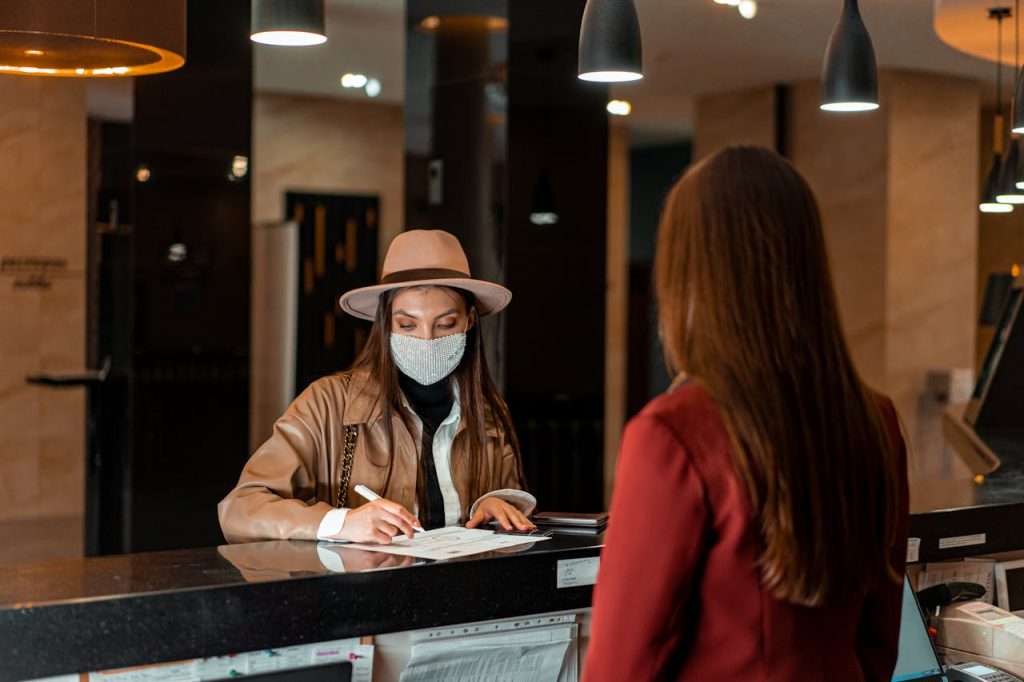
Hotel budgeting has become more realistic as full pricing appears earlier in booking flows. Women comparing stays can spot mandatory charges sooner, which makes neighborhood and timing choices more honest. Clear totals reduce last-minute compromises that once pushed travelers toward inconvenient locations.
This shift helps safety as much as savings. When the real number is visible upfront, transportation distance, late arrival comfort, and walkability can be judged on equal terms. Better price clarity keeps plans stable and leaves room for meals, transit, and one intentional treat. It stays clear.
Rideshare Safety Tools Are Used Earlier

Rideshare safety is increasingly handled before wheels start moving. Many women set trip sharing, verification checks, and trusted contacts ahead of arrival, especially on night landings, unfamiliar routes. That setup lowers pressure at pickup and creates a steadier transition from terminal to hotel.
The deeper shift is routine. Safety features are no longer reserved for rare situations; they are part of normal travel prep, like checking room access and route timing. Early decisions usually produce calmer outcomes, because good judgment is easiest before fatigue, noise, and schedule stress pile up.
Women-Centered Group Trips Keep Growing

Women-focused group travel is growing because it solves practical problems without removing independence. Many travelers want solo flexibility by day and reliable community for transfers, evening movement, or remote excursions. This blended format reduces friction while preserving pace and control.
The emotional upside is clear. Women no longer need to choose between full solitude and rigid tours, because hybrid options offer support without pressure. The strongest programs feel local and adaptable, giving each traveler room to engage deeply or keep space when needed. It helps confidence stay high.
National Parks Need Time-Slot Planning

National park trips still deliver wonder, but many now require tighter timing discipline. Women planning spring and summer routes are matching trail goals to reservation windows, shuttle schedules, and parking patterns before booking lodging. That step protects daylight hours and reduces bottlenecks.
Once inside the gate, pacing improves. Timed entry can feel restrictive, yet it often lowers congestion and keeps movement more predictable across key corridors. Strong itineraries include a nearby backup stop, so weather shifts or permit issues do not erase the day’s outdoor momentum. It protects calm.
Heat Planning Becomes Standard

Heat planning has moved from optional advice to standard trip design. Women building warm-weather itineraries are shifting strenuous outdoor plans to early hours, then using midday for transit, meals, and indoor attractions. This is smart energy management across multi-day travel.
The payoff appears after the first burst of excitement fades. Travelers who plan around heat sleep better, think more clearly, and keep steadier moods through long itineraries. Comfort-first timing does not reduce discovery. It stretches the day, making each stop engaging rather than draining. It keeps energy and focus steady now.
Domestic Health Policy Differences Matter

Domestic travel now requires closer attention to state-by-state health access. Women are checking urgent care options, pharmacy reliability, and coverage details before long drives or remote stays, especially on itineraries that cross jurisdictions. That planning layer adds confidence without turning the trip into a legal project.
This is practical, not dramatic. Clear health logistics prevent small issues from becoming travel crises when timing is tight or support is far away. Alongside weather and transport checks, this preparation protects continuity and keeps decisions grounded. It fits well.
Backup Itineraries Replace One-Shot Plans
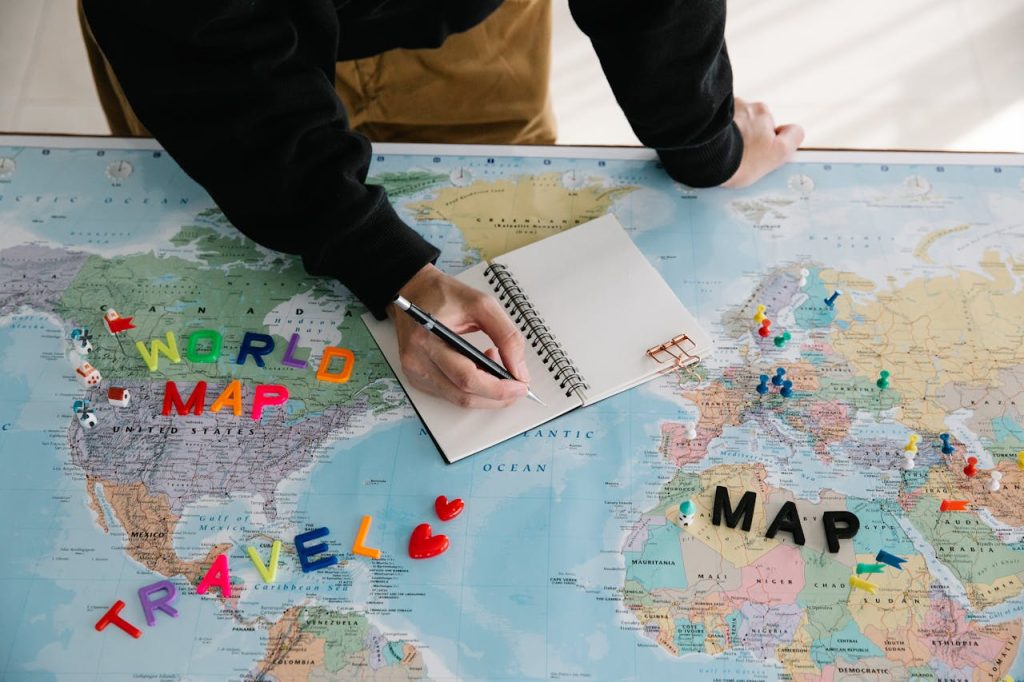
The one perfect itinerary is losing ground, and women are better for it. Strong plans now include fallback options for delays, sold-out entries, weather swings, and late check-ins. An alternate museum, second café, or backup route can preserve the tone of a whole day when the original sequence breaks.
This mindset is efficient, not pessimistic. When one plan bends, momentum survives and emotional whiplash drops. Travelers who preselect alternatives spend less time troubleshooting on sidewalks and more time experiencing the place itself. Resilience protects time and mood. It helps confidence hold.
Early And Late Travel Windows Work Better

Timing strategy now delivers one of the clearest advantages on U.S. trips. Many women place high-friction tasks in early hours, then reserve late afternoon for flexible local plans. That shift avoids the noisiest windows for transit, queues, and heat, making each day feel steadier and less rushed.
Better timing also supports safety and stamina. Smoother transfers reduce decision fatigue, while intentional pauses preserve focus for evening movement. Instead of pushing nonstop from breakfast to bedtime, successful itineraries alternate action and recovery. The rhythm feels lighter and memory holds.
Airport Support Services Are Used More

Airport support services are being used more proactively by women managing complex travel days. Assistance requests for mobility, medical needs, family coordination, or sensory stress are often made before departure, which helps reduce friction at checkpoints and gates when terminals are busy.
The key is clear, early communication. Specific requests improve handoffs between screening teams, gate staff, and onboard crews, especially during peak travel periods. Support will not remove every delay, yet it can stop minor issues from cascading into missed connections, lost rest, and pressure later. Calm.
Comfort-First Travel Replaces Endurance

A major shift this year is cultural, not technical. Women are moving away from endurance-style itineraries built on long checklists and short sleep and toward plans that protect energy, safety, and meaning. Manageable distances, thoughtful stops, and recovery windows now shape trips that feel full without feeling punishing.
This approach is not slow in a negative sense. It is intentional, and often more memorable. When pacing matches human limits, each day stays vivid rather than depleted. Comfort-first design creates room for surprise while keeping the traveler steady enough to enjoy what unfolds.