12 Tiny Historic Churches Worth a Stop on Your Next Road Trip
The charm of America’s smallest historic churches comes from the way they preserve stories, craftsmanship, and community traditions that shaped rural towns and remote landscapes for generations. Many of these churches still stand in quiet forests, along winding rural roads, or perched above valleys where early settlers built sanctuaries with limited resources and unwavering dedication. Their modest architecture, handmade details, and peaceful settings invite travelers to slow down and appreciate the places where communities gathered, celebrated, and supported one another across decades. These churches reflect cultural influences ranging from Norwegian homesteaders to Apache artisans, showing how different histories intertwine across the country. Visiting them offers a meaningful look at how faith, resilience, and local identity live on in small but powerful spaces that continue welcoming those who pause to explore.
Chapel of the Holy Dove, Flagstaff, Arizona

Chapel of the Holy Dove sits just north of Flagstaff near the San Francisco Peaks, offering travelers a peaceful wooden sanctuary surrounded by open meadows and evergreen forests. Built in 1962, the chapel became known for its handwritten messages left by visitors who stopped to reflect during road trips across northern Arizona. The interior features rustic wooden benches and panoramic windows that capture the area’s natural beauty while creating a serene atmosphere. A fire destroyed the original structure in 1999, but the community rebuilt it using the same welcoming design that made it beloved for decades. Today the chapel stands as a quiet refuge that reflects the dedication of those who preserved its spirit and ensured its small but powerful presence endures for future travelers.
St. Olaf Kirke (Old Rock Church), Cranfills Gap, Texas
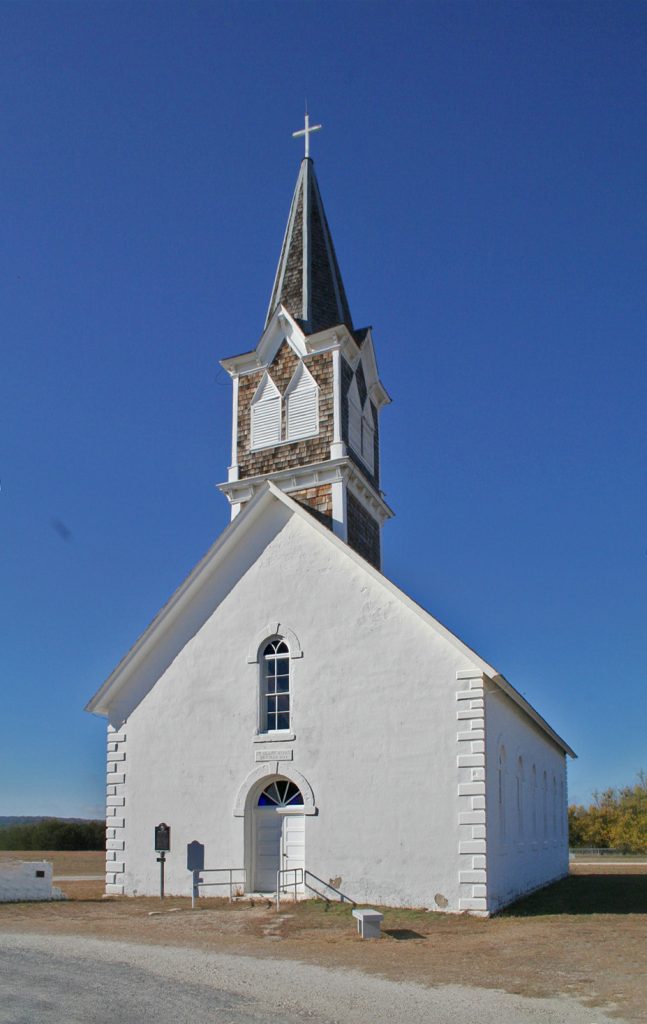
St. Olaf Kirke, known as the Old Rock Church, rests on a hilltop overlooking the countryside of Bosque County and reflects the legacy of Norwegian settlers who built it in 1886. This small limestone structure features hand-quarried rock walls, simple wooden pews, and a peaceful rural setting that has changed little over time. The church no longer hosts regular services, but families frequently gather for weddings, holiday celebrations, and community events that continue long-standing traditions. Its quiet landscape and preservation make it a favorite stop for travelers exploring Texas backroads. St. Olaf Kirke remains an enduring symbol of immigrant heritage and the craftsmanship that shaped early rural congregations, offering a glimpse into the cultural history that still defines this corner of Texas.
The Little White Church, Bunnell, Florida
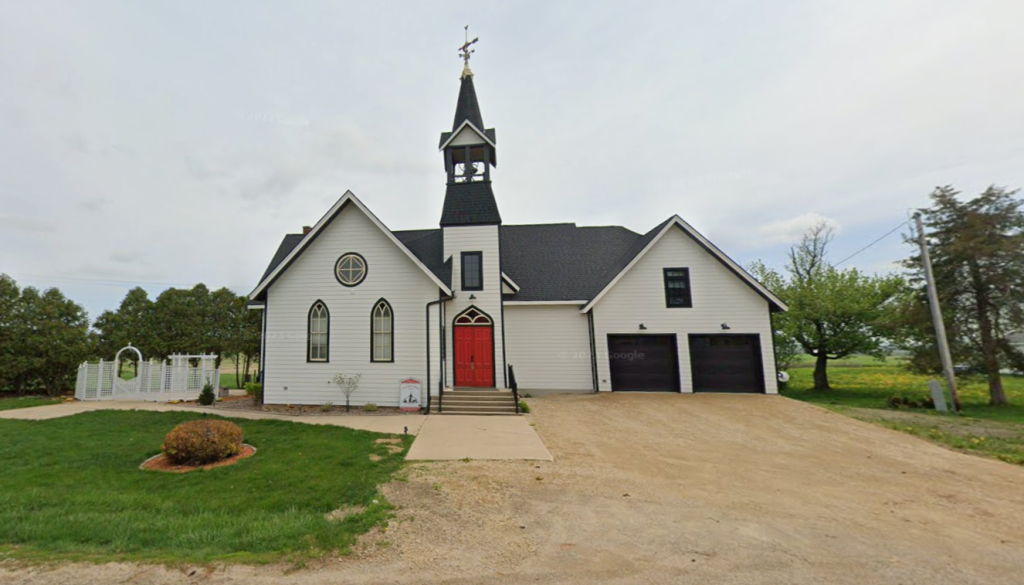
The Little White Church in Bunnell stands as one of Florida’s most charming small sanctuaries, built in 1914 to serve a tiny farming community in Flagler County. The church features a simple wooden steeple, bright white siding, and a modest interior that reflects early twentieth-century craftsmanship. Although it no longer hosts weekly services, it remains lovingly preserved by residents who value its role in local history. Travelers often stop to appreciate its peaceful setting and the timeless atmosphere created by the surrounding countryside. The church serves as a reminder of the small congregations that shaped Florida’s rural landscape and the enduring beauty found in traditional community-centered spaces. Its intimate size and historical significance make it a meaningful stop on a northern Florida road trip.
The Little Brown Church in the Vale, Nashua, Iowa
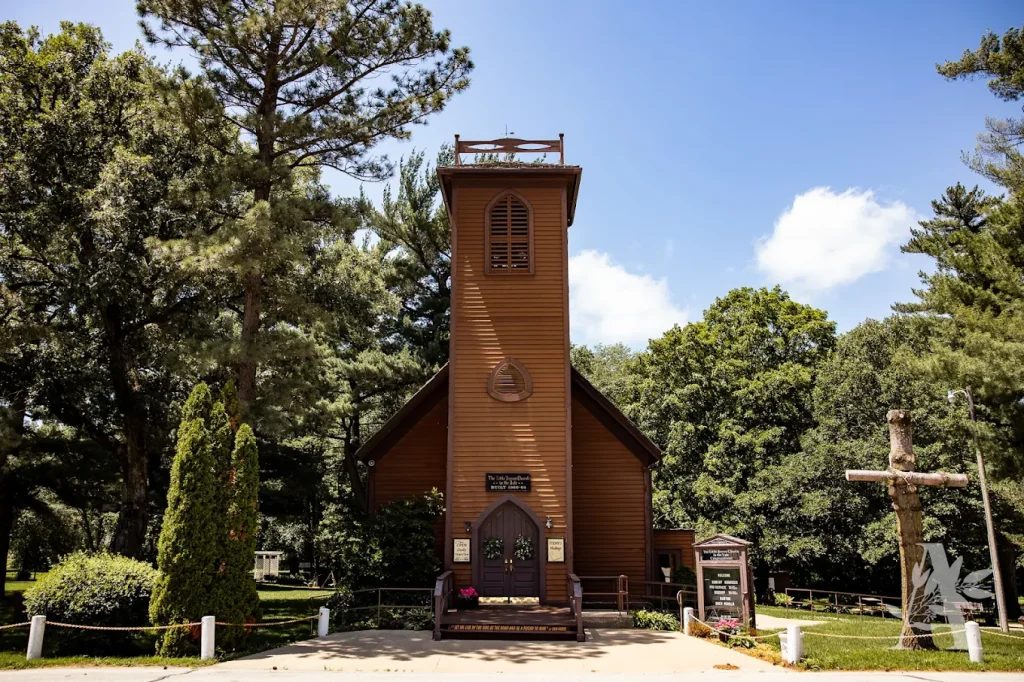
The Little Brown Church in the Vale gained fame through the nineteenth-century hymn that bears its name, but the church itself remains a modest and charming building nestled among quiet trees in rural Iowa. Built in 1864, it features warm brown siding, simple stained-glass windows, and a welcoming interior that has hosted countless weddings and community events. Travelers visit the church for its cultural significance as well as its peaceful atmosphere, which offers a glimpse into the rhythms of early Midwestern life. The congregation still holds regular services, preserving traditions that have lasted more than a century. Its continued presence highlights the connection between music, memory, and local heritage that makes this tiny church an iconic stop in Iowa’s countryside.
St. Joseph Apache Mission Church, Mescalero, New Mexico
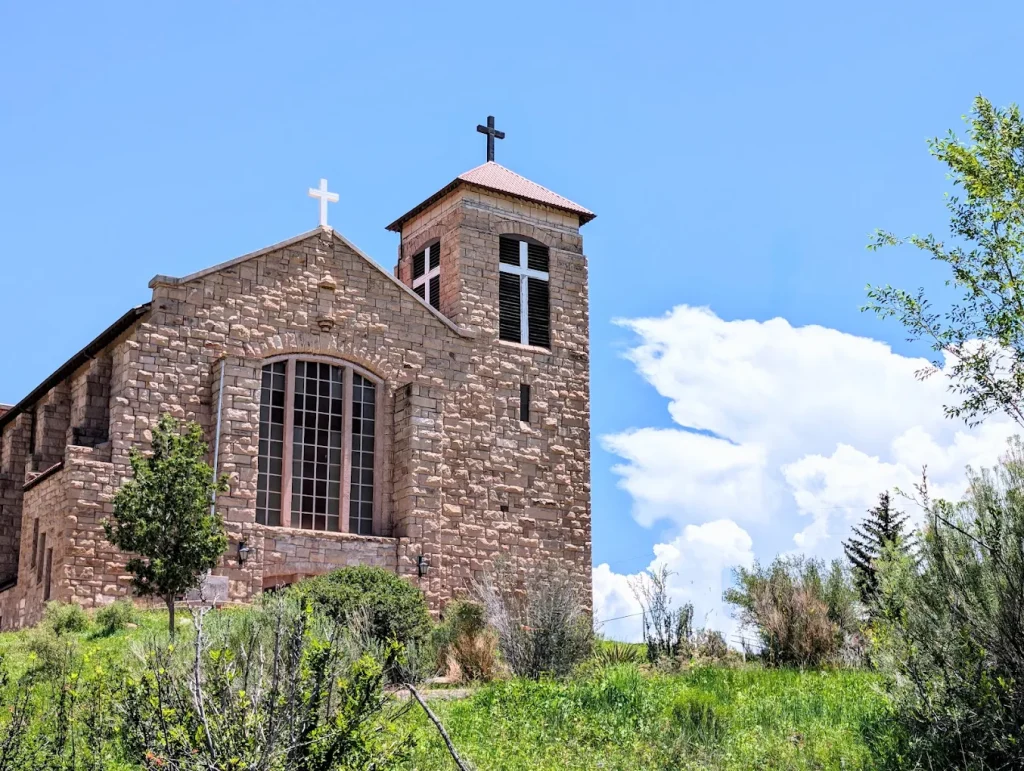
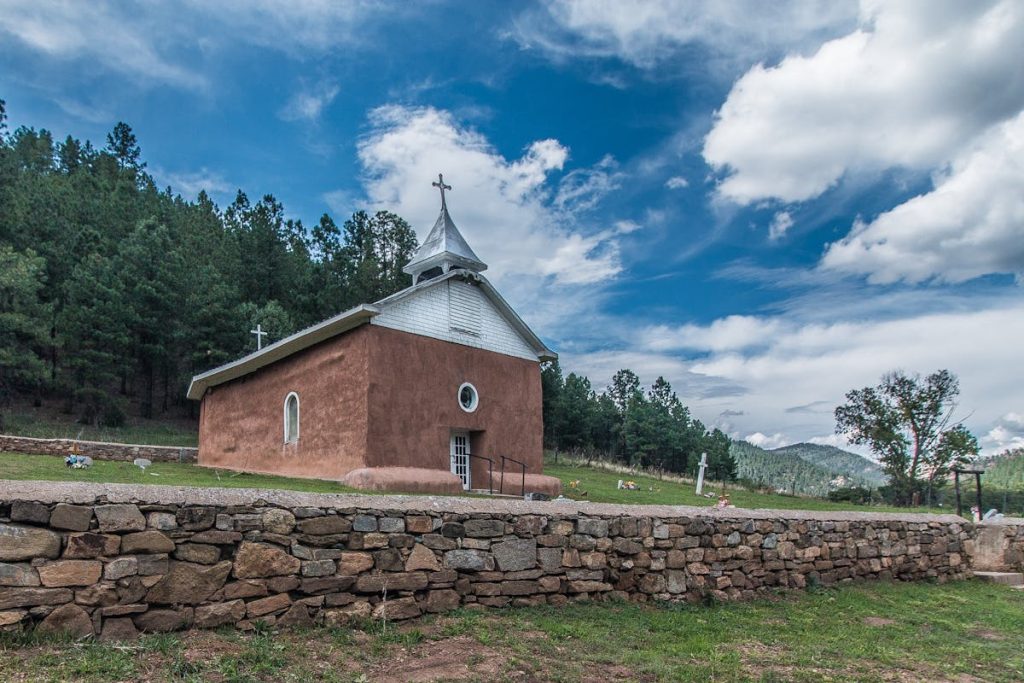
St. Joseph Apache Mission Church stands as a testament to the dedication of the Mescalero Apache community and Father Albert Braun, who began building the stone church in 1920. Constructed largely by hand over several decades, the church features striking stone walls, intricate craftsmanship, and a mountain backdrop that enhances its spiritual presence. Though larger than some tiny chapels, its intimate interior and handcrafted structure reflect the labor and devotion invested by the community. Visitors often pause to admire its architecture and the cultural significance it holds for the Mescalero Apache people. The mission remains an active place of worship and a landmark deeply connected to regional history, offering a meaningful stop for travelers exploring the mountains of southern New Mexico.
Hume Lake Chapel, Sequoia National Forest, California
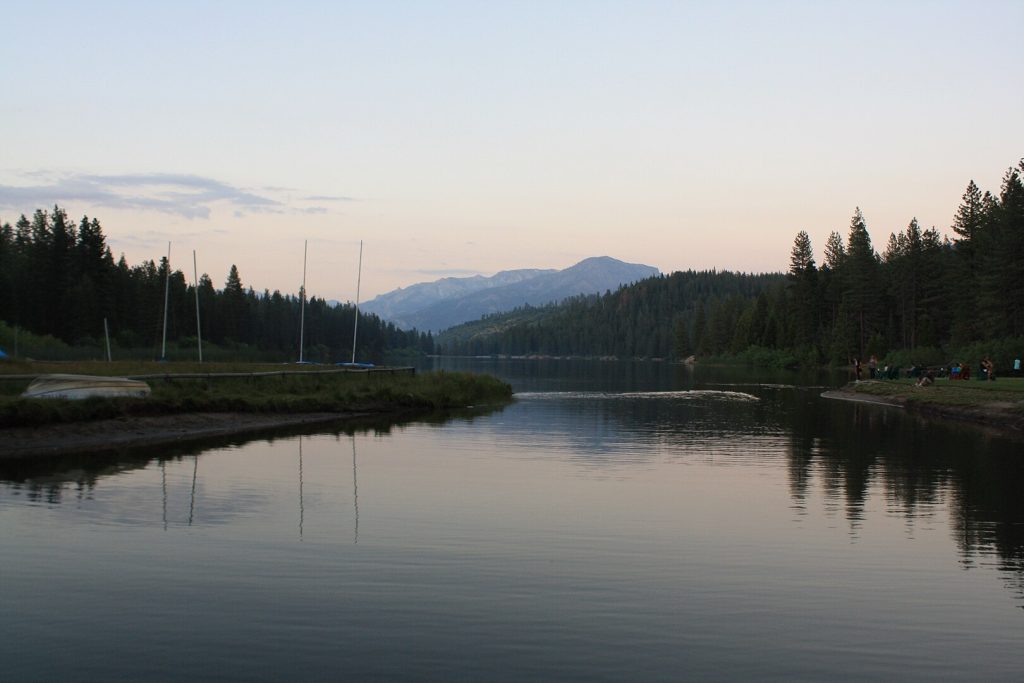
Hume Lake Chapel sits along the shoreline of Hume Lake in Sequoia National Forest, offering a small wooden sanctuary surrounded by towering pines and mountain air. Built in 1940, the chapel features simple benches, rustic architectural details, and scenic views that fill the interior with natural light. While the chapel serves retreat groups throughout the year, it also welcomes travelers who appreciate its peaceful setting and connection to California’s outdoor heritage. Its intimate scale highlights the handcrafted quality of early forest structures that supported small, remote communities. A visit to Hume Lake Chapel offers a quiet moment of reflection amid one of California’s most beautiful landscapes, making it a memorable stop on a mountain road trip.
St. Anne’s Episcopal Church, Oak Hill, Tennessee
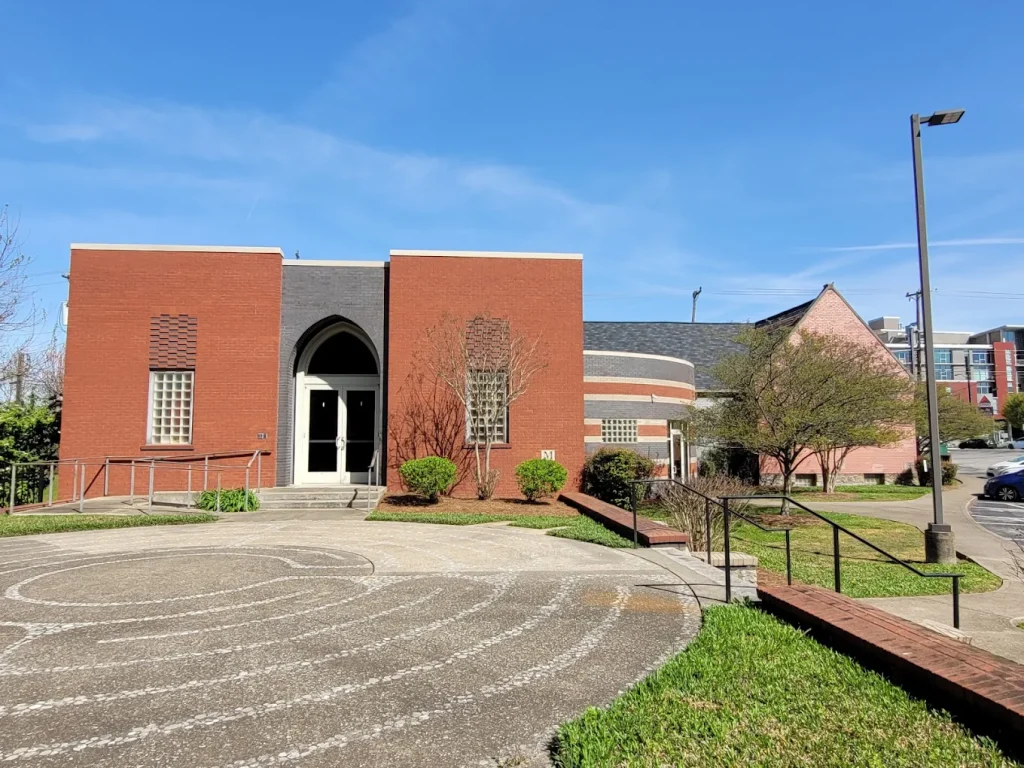
St. Anne’s Episcopal Church rests within the historic community of Oak Hill near Nashville, offering a one-room sanctuary built in 1919 that reflects early rural congregational life. The church’s modest wooden structure, original steeple, and shaded grounds create an atmosphere reminiscent of early twentieth-century Tennessee. Although larger congregations developed nearby, St. Anne’s preserved its historic character and continues to serve as a cherished gathering place for special services and community events. Travelers drawn to Southern backroads often appreciate the church’s understated beauty and the sense of continuity felt in its quiet setting. St. Anne’s remains a meaningful reminder of the small congregations that shaped local culture through fellowship and shared traditions.
Holy Family Shrine, Gretna, Nebraska
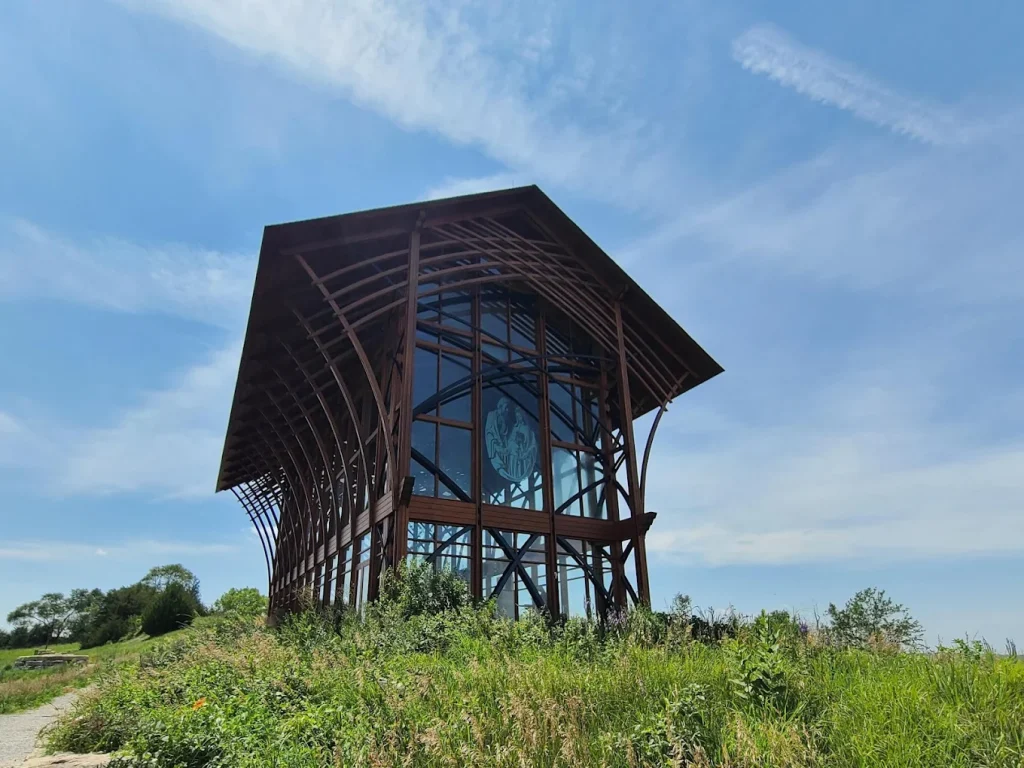
Holy Family Shrine in Gretna offers a contemporary yet deeply spiritual experience through its small glass-and-wood chapel perched on a hill overlooking the Nebraska prairie. Completed in 2002, the shrine draws inspiration from monastic simplicity and the open landscape, creating a space that feels both modern and timeless. Sunlight filters through the glass walls, illuminating the wooden beams and creating a serene atmosphere that attracts travelers from across the region. Though newer than many historic churches, its humble design and connection to local landscape reflect the same contemplative spirit found in older rural sanctuaries. Its peaceful setting off Interstate 80 makes it an ideal stop for those exploring Nebraska’s wide-open plains.
St. Paul’s Episcopal Church, Magnolia Springs, Alabama
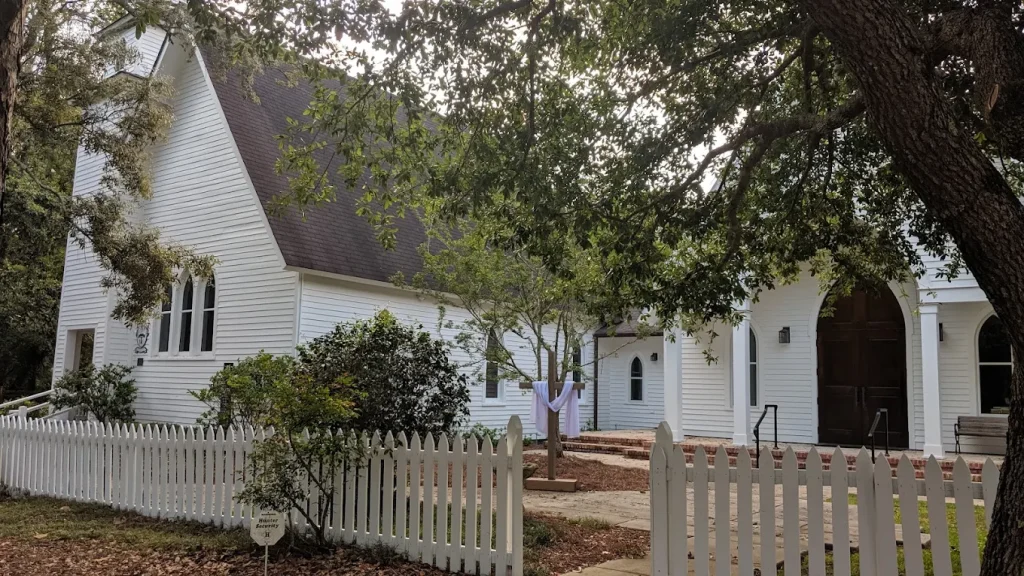
St. Paul’s Episcopal Church in Magnolia Springs offers a quiet Carpenter Gothic sanctuary built in 1902 along the shaded banks of the Magnolia River. The church’s pointed arch windows, wooden siding, and intimate scale reflect traditional Southern craftsmanship that has remained well-preserved for more than a century. Inside, simple wooden pews and soft natural light contribute to the peaceful atmosphere cherished by locals and visitors alike. The surrounding oak trees draped with Spanish moss enhance the timeless feel of the setting. St. Paul’s continues to host services and community events that strengthen its connection to local heritage, making it a meaningful stop for travelers exploring coastal Alabama.
Old Trinity Church, Church Creek, Maryland
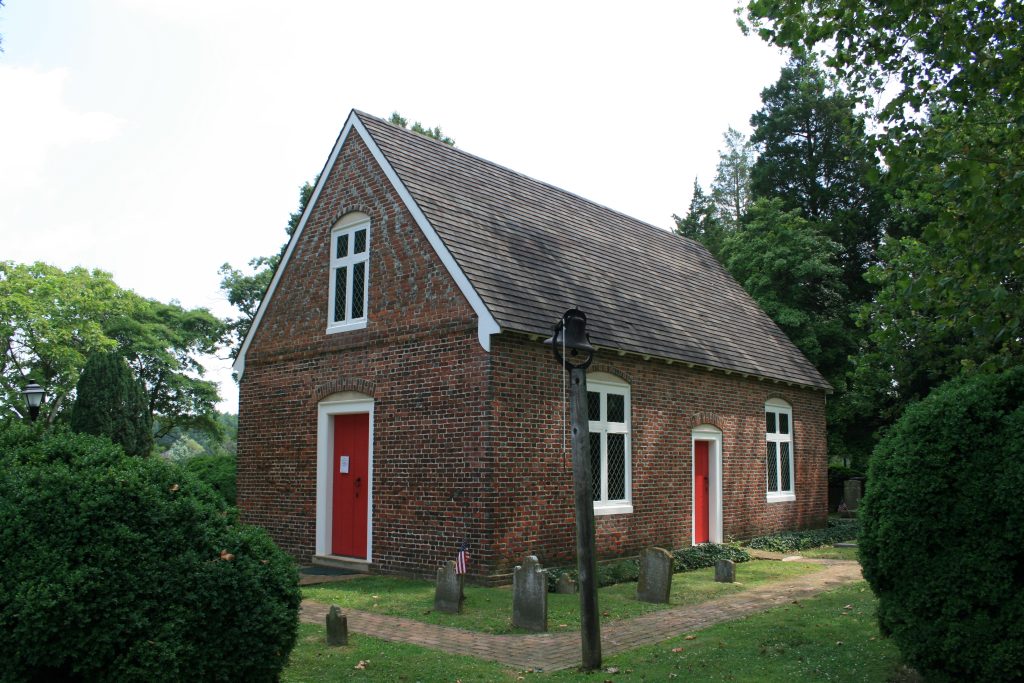
Old Trinity Church stands in Dorchester County as one of the oldest churches in continuous use in the United States, dating back to around 1675. Despite its historic significance, the church remains small in scale, with brick walls, a cedar-shingled roof, and a simple interior that reflects seventeenth-century design. The surrounding churchyard and marshland create a serene atmosphere that highlights the area’s early colonial history. Old Trinity continues to welcome worshippers and maintains traditions that stretch back more than three centuries. Travelers interested in American history often find the church especially compelling, as it offers a rare opportunity to experience a preserved colonial-era sanctuary along Maryland’s scenic Eastern Shore.
Christ of the Mines Shrine Chapel, Silverton, Colorado
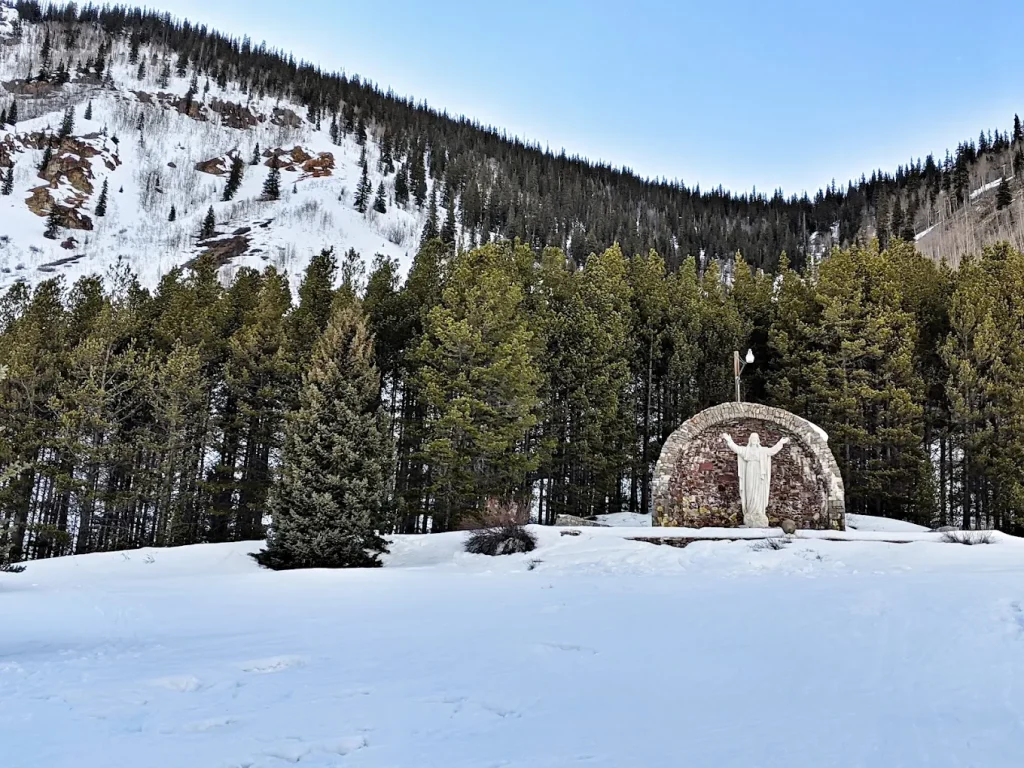
Christ of the Mines Shrine Chapel overlooks the historic mining town of Silverton from a rocky hillside, offering travelers a small stone chapel surrounded by dramatic mountain scenery. Built in 1959 to honor miners and their families, the chapel features simple wooden pews, hand-laid stone, and a location that reflects the town’s rugged heritage. The view from the chapel extends across the valley, creating a powerful connection between the sanctuary and the landscape that shaped the community. Visitors often appreciate the chapel’s quiet presence and the sense of reflection it inspires. Its combination of natural beauty and local history makes it a memorable stop along Colorado’s scenic mountain routes.
St. Thérèse Little Flower Church, Rapid City, South Dakota
St. Thérèse Little Flower Church in Rapid City offers a small, historic parish built in 1920 to serve a growing immigrant community on the edge of the Black Hills. Its simple wooden architecture, compact sanctuary, and handcrafted details reflect the character of early twentieth-century churches across the Northern Plains. The church once served as a vital gathering place for families establishing new roots in South Dakota and continues to maintain its welcoming presence today. Travelers visiting Rapid City often appreciate the contrast between the church’s humble design and the rugged landscape surrounding it. St. Thérèse remains a meaningful reminder of how faith communities shaped life on the plains and contributed to the region’s cultural identity.