12 Tourist Zones Where Prices Change by the Hour
In crowded travel districts, prices can behave like a tide. They pull back in the morning, rise at lunch, and spike again when evening crowds arrive. What feels reasonable at 10:00 a.m. can cost more by 6:00 p.m., not because the product changed, but because demand did. Dynamic pricing now shows up far beyond flights. It shapes rides, tickets, rooftop seats, and even simple convenience choices. In the most visited zones, timing becomes a quiet skill, and a flexible schedule can matter as much as a good map.
Times Square, New York City
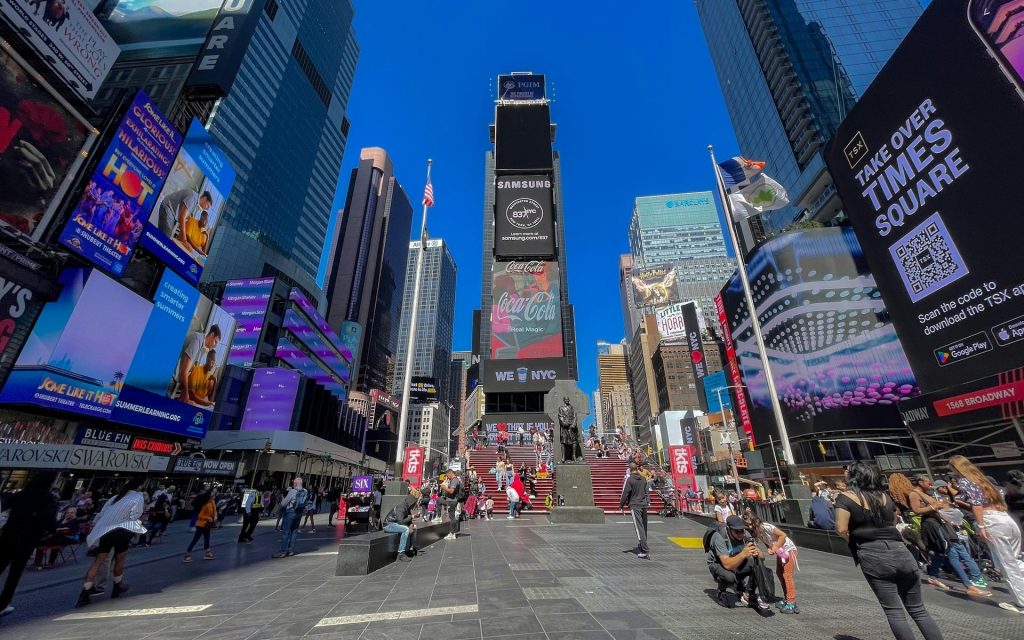
Times Square prices move with the crowd curve, climbing as tour groups roll in and peaking around showtime when sidewalks turn into slow-moving lanes. Theater seats tighten and jump, nearby food and souvenir spots charge for proximity, and rideshare costs swing sharply when traffic locks and pickups get harder. Even attractions that look fixed often add premium entry windows or skip-the-line options once queues thicken. Morning can feel manageable, but by late evening the same blocks cost more because speed and convenience become the scarce items everyone is trying to buy at once.
Las Vegas Strip, Nevada
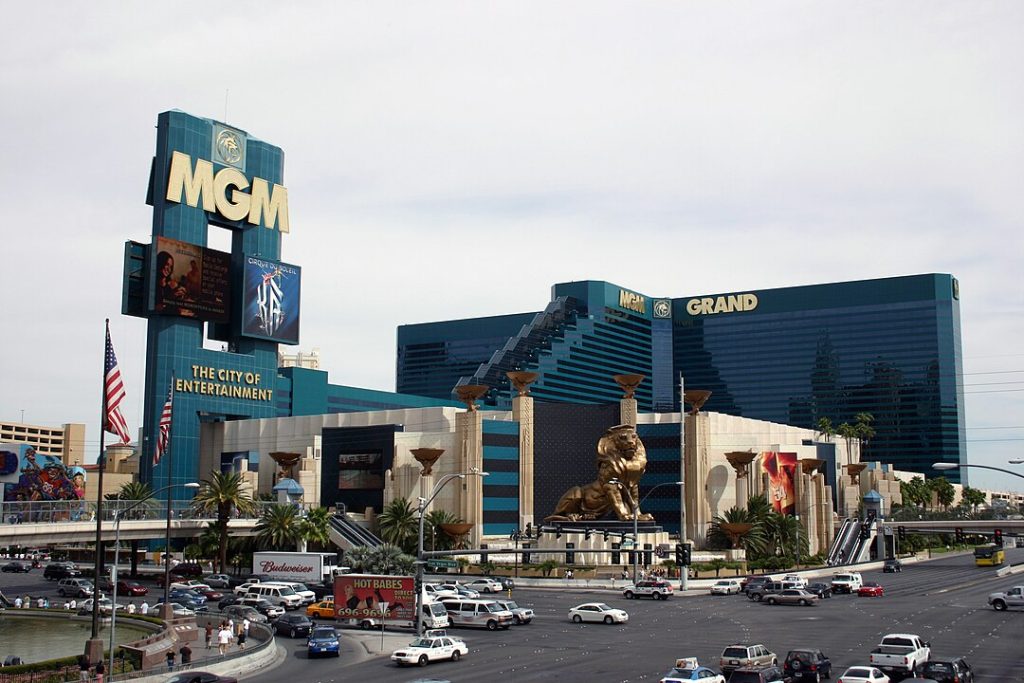
On the Strip, pricing changes feel immediate because events and crowds change hour by hour. Hotel rates rise with conventions and weekends, restaurants shift from happy-hour value to prime-time premiums, and pool-club covers climb as lines grow and tables become rare. Parking fees and rideshare prices jump when big shows end and foot traffic floods the curbs, turning short hops into expensive errands. The neon does not change, but demand does, and the Strip sells access, timing, and ease. Affordable afternoons can turn into costly nights simply because everyone wants the same moment and the same doorstep.
West End And Covent Garden, London
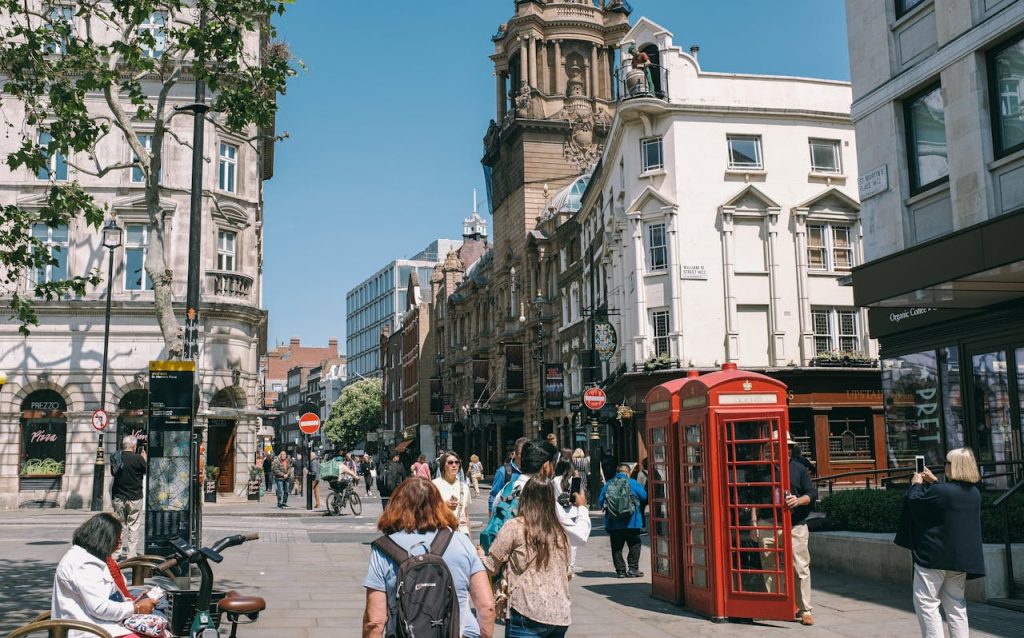
In the West End and Covent Garden, prices rise in waves tied to matinees, office exits, and evening theater crowds. Same-day seats can jump as inventory tightens, and last-minute booking fees make spontaneity expensive. Restaurants shift from pre-theater deals to fuller dinner pricing once tables get scarce, and ride apps spike during rain, Tube delays, or when a popular show empties onto the street at once. Late afternoon can feel reasonably priced, but by 9:00 p.m. the neighborhood often runs on peak demand, and the cost of moving quickly becomes the hidden surcharge.
Champs-Élysées And Eiffel Tower Area, Paris
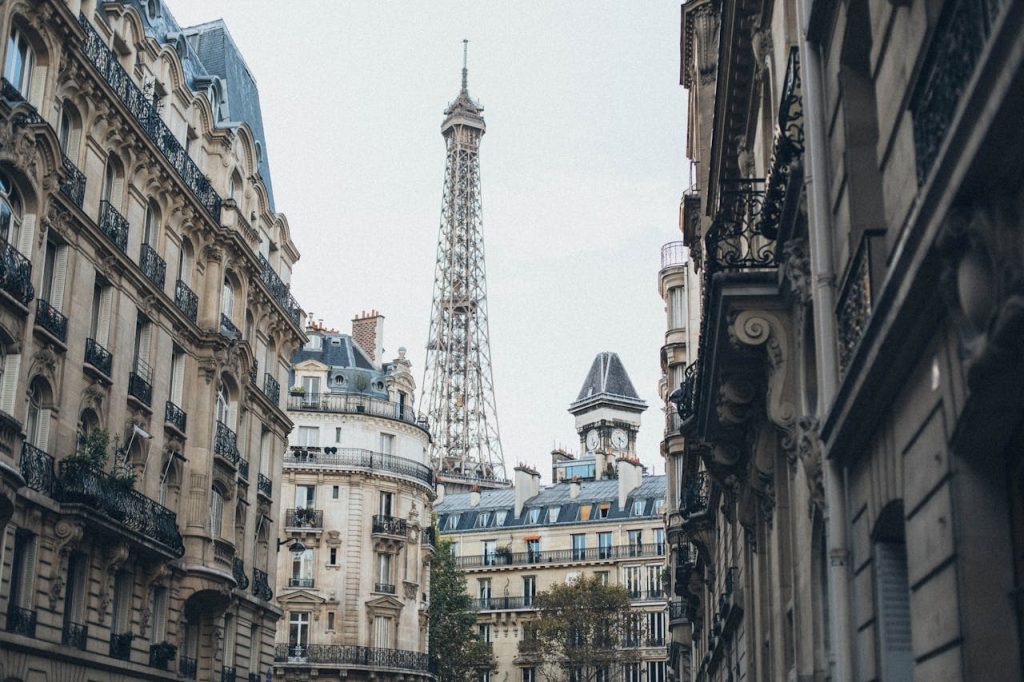
Around the Champs-Élysées and the Eiffel Tower, pricing often climbs with the light. Cafes drift from daytime coffee to evening markups, boats charge more for peak departures, and transport costs rise when traffic knots near bridges and popular drop-offs. Tickets for popular viewpoints and museums tend to push people toward bundles or priority entry once prime slots tighten, which raises the total quietly. A stroll that feels simple at 11:00 a.m. can feel noticeably pricier by 7:00 p.m., because the premium is not the view. It is having the view at the exact moment the whole city wants it.
Centro Storico, Rome
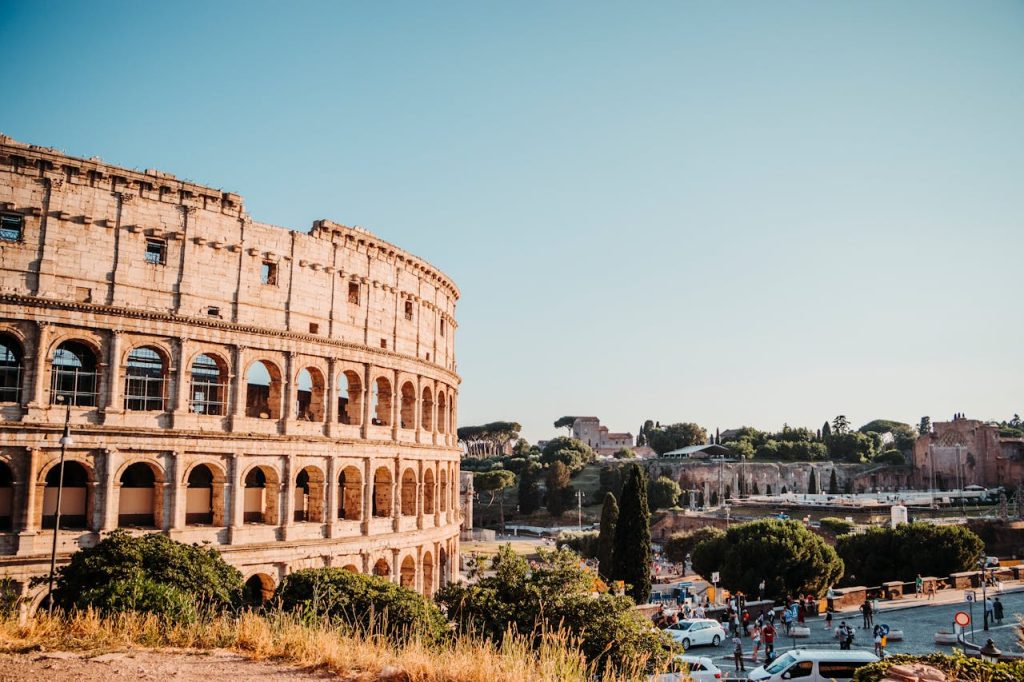
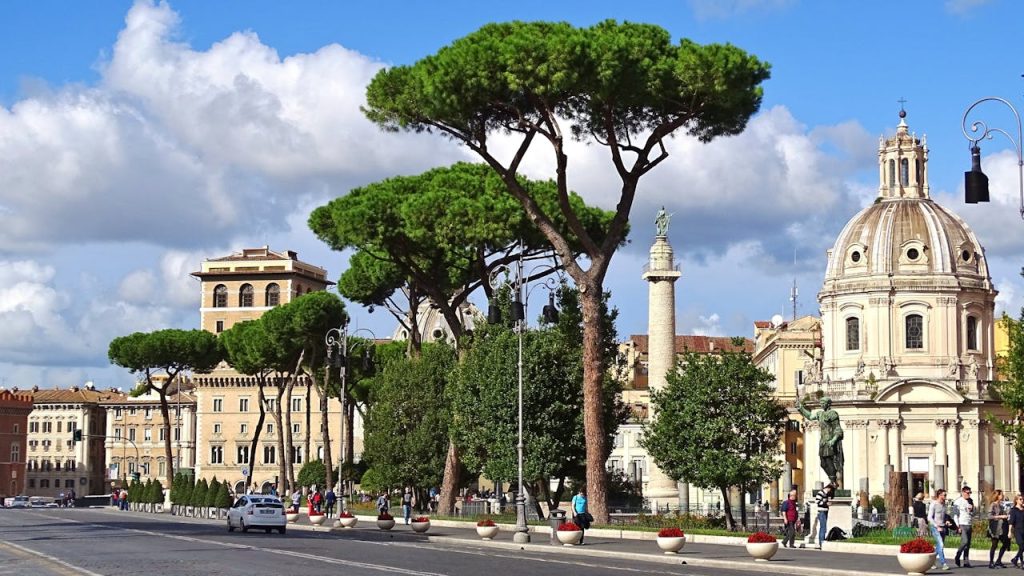
Rome’s Centro Storico can feel fair in the morning, then more expensive once crowds gather at fountains and piazzas and the dinner wave settles in. Landmark-adjacent trattorias often shift toward higher-priced evening service, and the best tables become a product, not a perk, as walk-up options shrink. Taxi and rideshare prices can climb when traffic slows near pedestrian zones, turning short distances into long trips. The same walk between the Pantheon and Trevi can carry two different budgets depending on timing, because convenience, shade, and a seat at the right hour are what people end up paying for.
Downtown Dubai And Burj Khalifa District
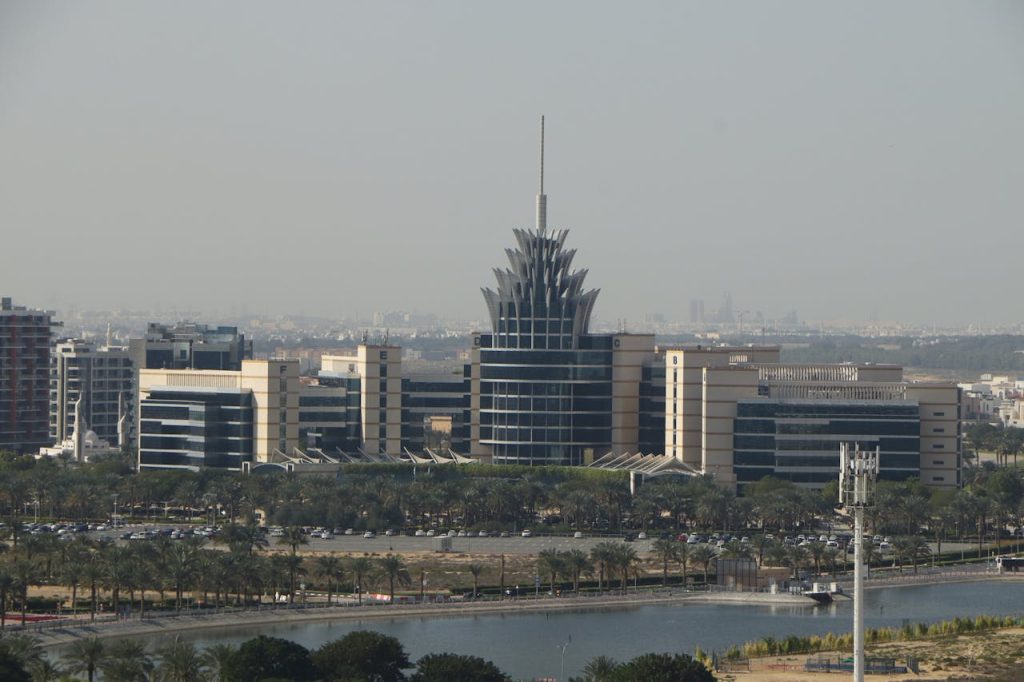
Downtown Dubai pricing often follows temperature and timing, because the district’s signature moments hit when the air cools and the skyline turns gold. Observation decks, fountain-view dining, and terrace seats cost more in the prime sunset window, and minimum spends climb when the best tables are limited and demand is high. Transport can spike after shows end and parking fills, making short rides feel overpriced compared to midday. The area stays polished all day, but evenings carry a clear premium because everyone wants the same view at once, and the district is designed to make that window feel like the main event.
Marina Bay, Singapore
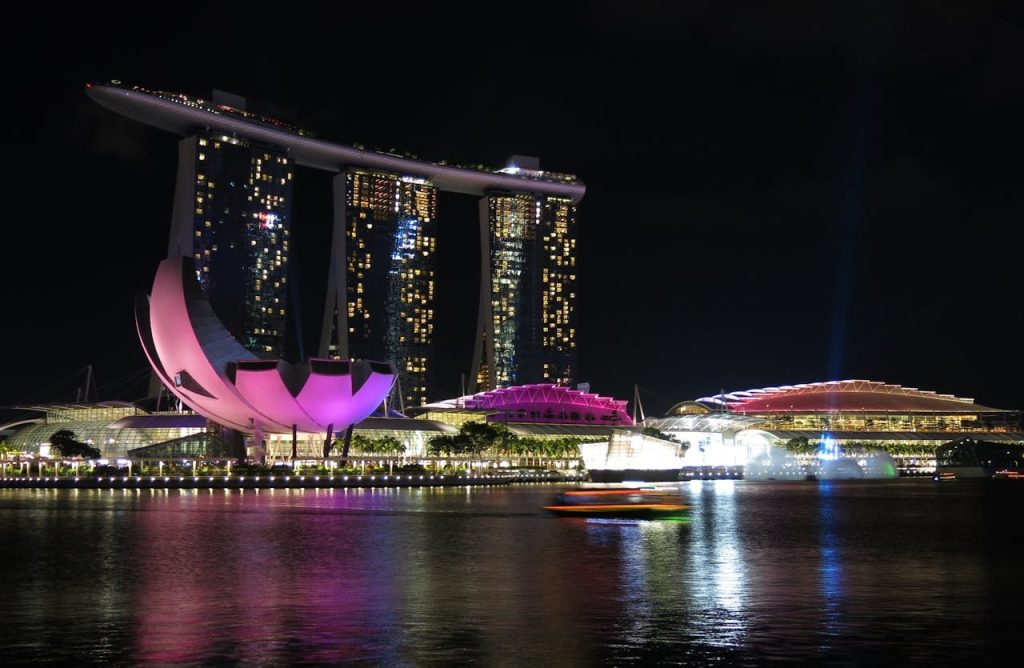
Marina Bay runs on spectacle, and prices tend to follow the show schedule rather than a static menu. Waterfront dining and skyline viewpoints cost more during golden hour and weekends, when reservations tighten and tables turn faster. After light shows and major events, ride prices can spike because pickups are harder and demand stacks at the same time. Some attractions bundle access or sell priority timing, which raises costs for anyone who arrives late. The bay stays calm and clean, yet the budget feels less stable once the evening crowd arrives, because timing becomes the real currency everyone is competing for.
Shibuya And Shinjuku, Tokyo
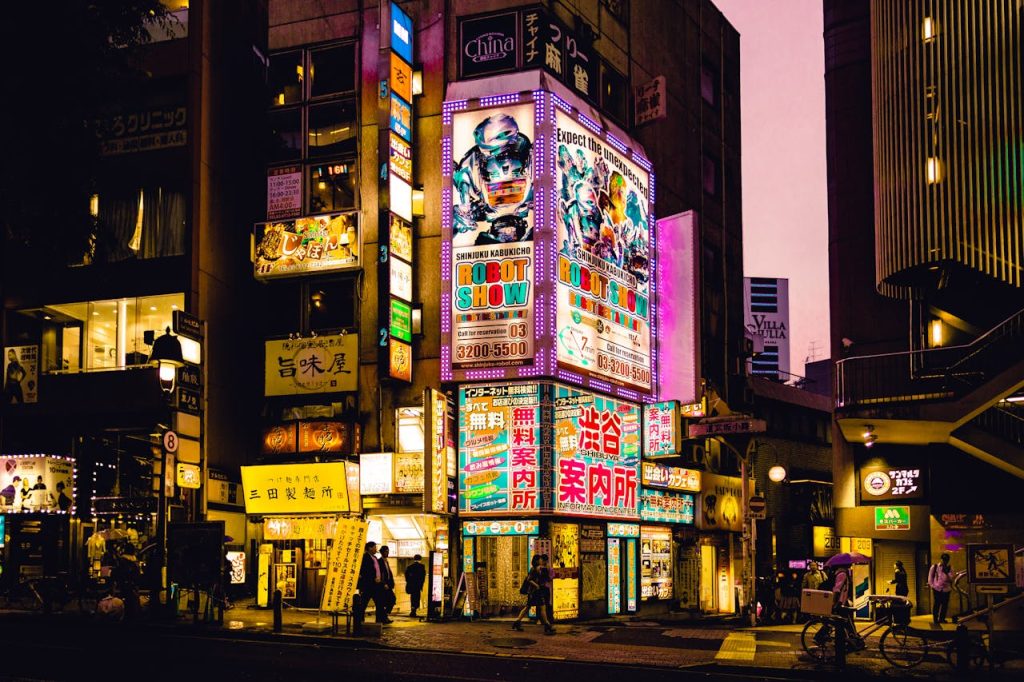
In Shibuya and Shinjuku, prices track the daily tempo, rising as offices empty and neon hours begin. Karaoke, themed cafés, observation decks, and nightlife entry often cost more at peak evening times, while late-night taxi urgency can push fares upward fast after concerts or games. Food counters stay steady, but entertainment does not, and reservations disappear quickly once the prime hours hit. An outing that feels reasonable at 4:00 p.m. can feel surprisingly expensive by 11:00 p.m., because crowds concentrate, shortcuts become desirable, and time becomes the thing everyone is paying to save.
Sukhumvit And Siam, Bangkok
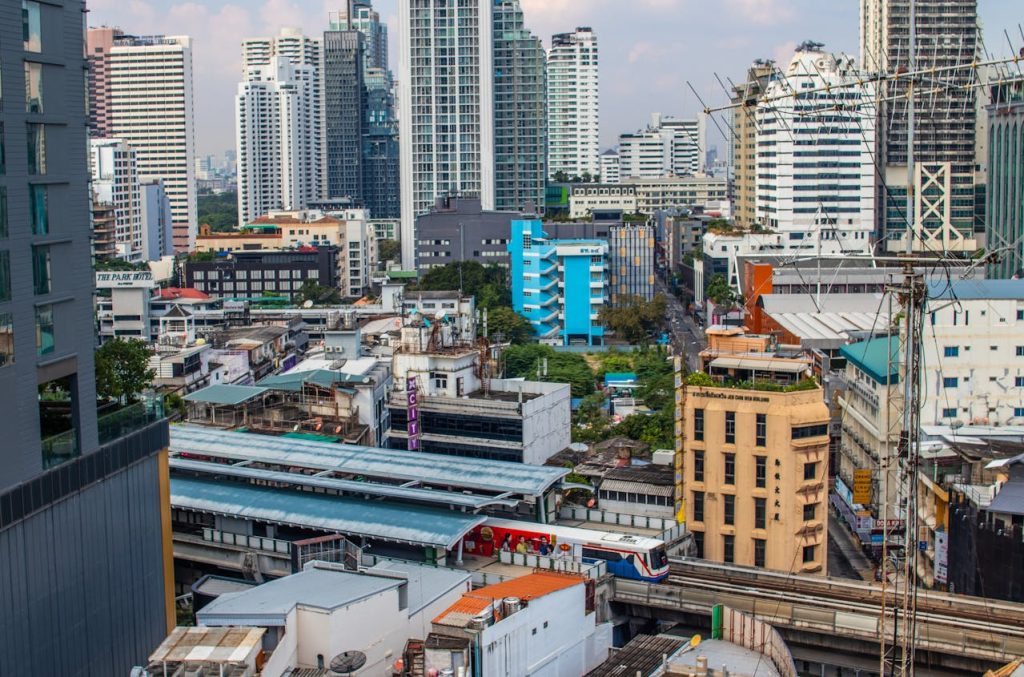
Bangkok’s Sukhumvit and Siam corridors show how timing controls value, especially when rain and transit disruptions shift the flow of people. Ride prices jump when storms hit or trains thin, and rooftop spots often adjust entry or drink minimums based on the line at the door and the view of the table. Some venues raise minimums after 8:00 p.m., when the skyline hour arrives and crowds commit to the night. The city can still be a bargain, yet in these zones the difference between late afternoon and late night is measurable, because air conditioning, quick transport, and a guaranteed seat become premium products.
Las Ramblas And Gothic Quarter, Barcelona
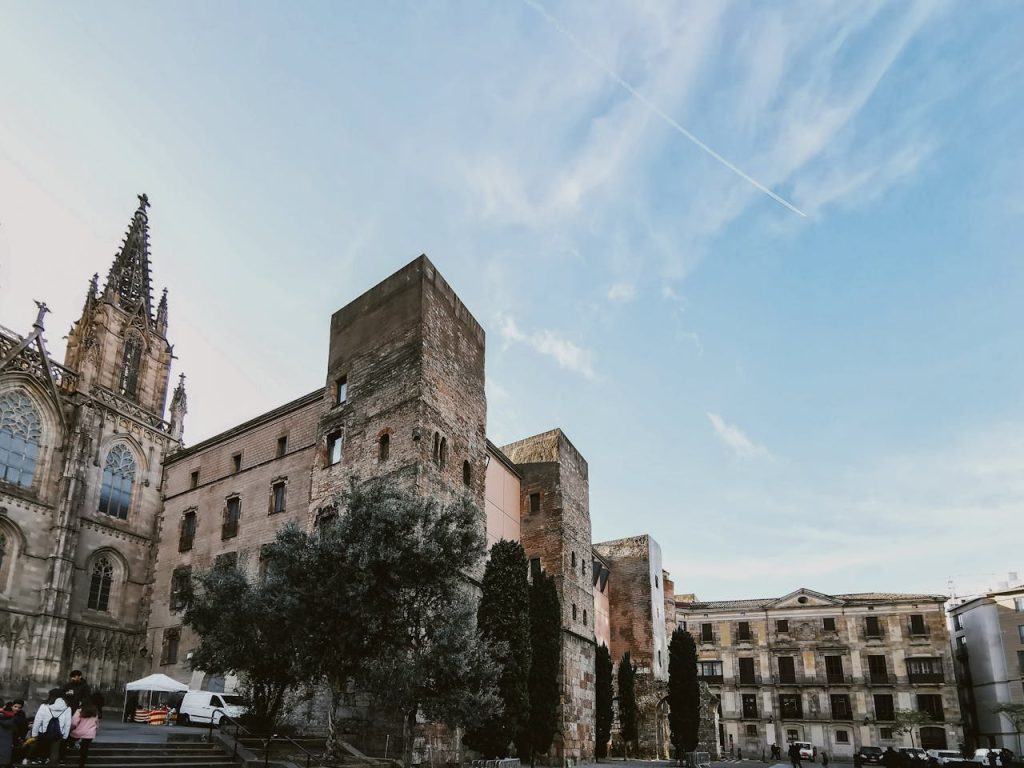
Along Las Ramblas and the Gothic Quarter, prices swing with cruise arrivals, match nights, and the dinner rush that floods narrow streets. Tapas spots often feel lighter at midday, then climb at night when tables become scarce and service slows under pressure. Tours and flamenco shows raise rates as prime slots tighten, and transport spikes when closures or crowds make routes inefficient. Even small choices, like when to eat or how to get back to the hotel, can change the total cost across a single day. The neighborhood stays charming, but peak hours can make it feel like a different market with different rules.
San Marco, Venice
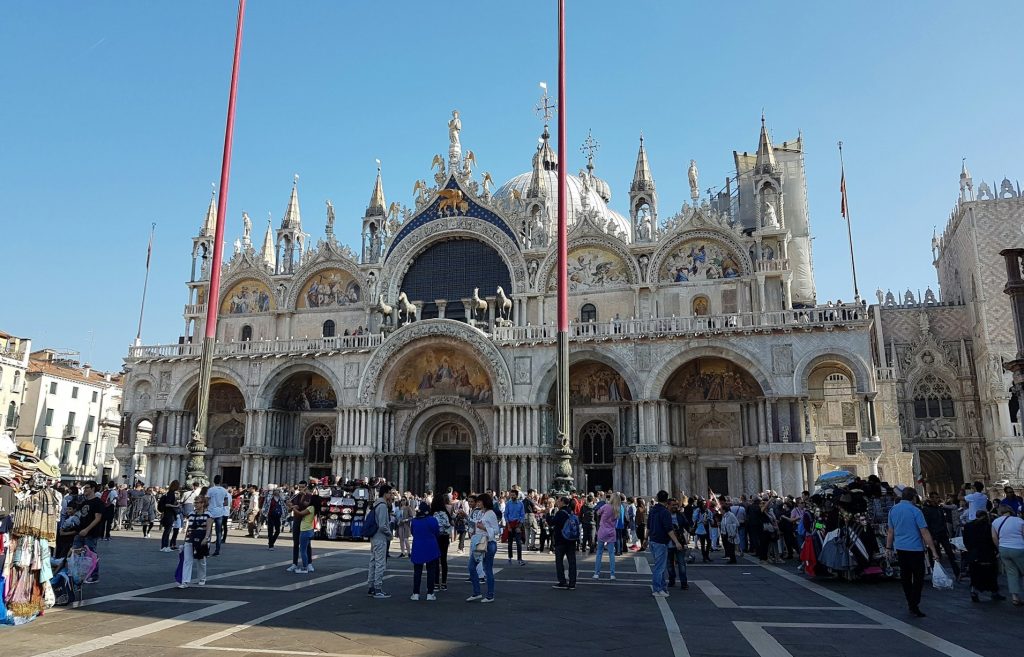
Near Piazza San Marco, demand is compressed into a small space, so prices react quickly to peak strolling hours. Iconic café tables, water taxis, gondola routes, and guided entries tend to cost more when lines stretch and the square turns cinematic. Some venues add music or service surcharges that land hardest at night, when people linger and staff manage constant turnover. Venice offers quieter lanes nearby, but San Marco itself sells the postcard, and the price of being close can rise within hours. The premium is not the coffee or the ride. It is the location at the moment everyone wants it.
Cancún Hotel Zone, Mexico
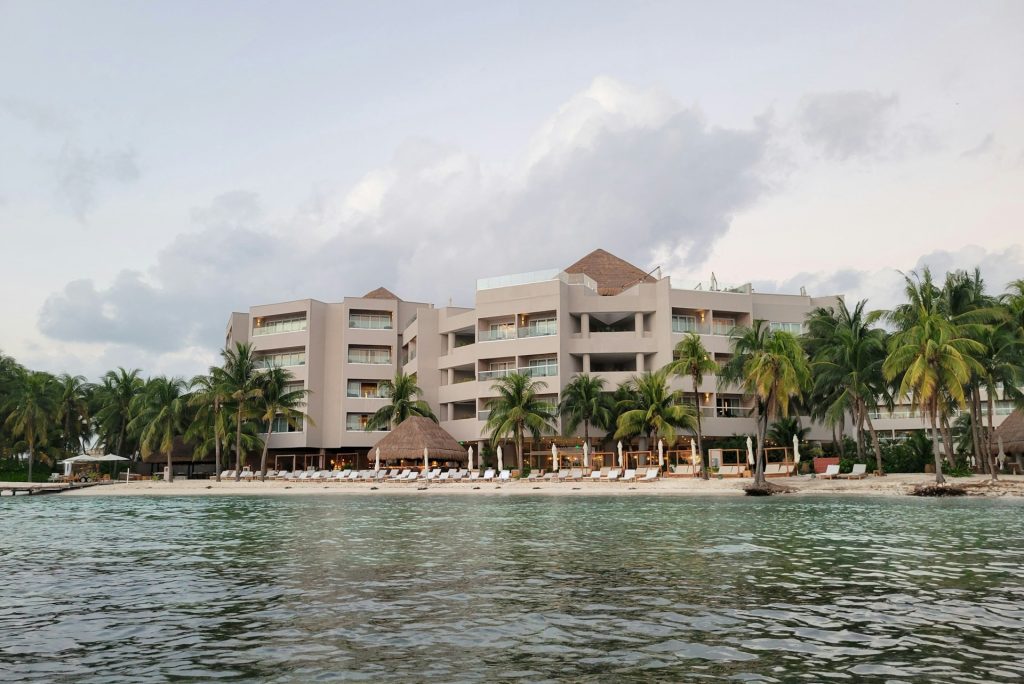
In Cancún’s Hotel Zone, prices shift with occupancy, weather, and the daily resort rhythm that peaks once the sun drops and nightlife starts. Beach clubs raise day-pass costs when chairs fill, excursions cost more as availability tightens, and transport can surge after clubs close or storms push everyone indoors at once. Even all-inclusive stays can hide timed premiums for cabanas, special dinners, and prime pool access. The sea looks unchanged, yet the best seat and the easiest ride can cost far more in the evening than they did at noon, especially on weekends when demand stacks fast and patience runs thin.