12 Travel Experiences That Feel Cozier in Winter
Winter travel often feels cozier because colder temperatures naturally draw people inward toward warmth, routine, and shared spaces. Instead of rushing between landmarks, days slow and evenings stretch longer. Cafes glow, lodgings feel more inviting, and quiet streets amplify a sense of calm. Seasonal rhythms encourage rest, reflection, and comfort rather than constant motion. Many destinations reveal a softer side in winter, shaped by tradition, food, and shelter. These experiences feel intimate rather than expansive. Together, they show how winter travel emphasizes atmosphere and connection, creating moments that feel contained, reassuring, and deeply comforting compared to busier seasons.
Staying In A Mountain Cabin
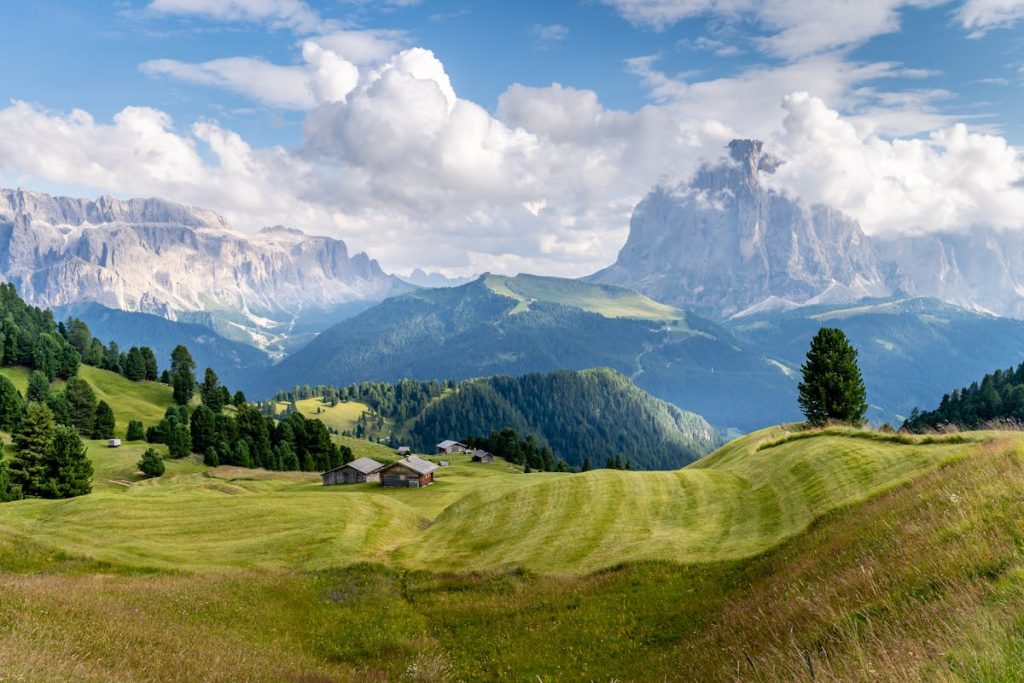
Staying in a mountain cabin feels cozier in winter because isolation pairs naturally with warmth and shelter. Snow muffles sound, creating quiet surroundings. Indoor spaces become central, encouraging reading, cooking, and conversation. Fireplaces or heaters define the rhythm of the day. Outdoor views feel dramatic without demanding constant activity. Movement slows as conditions require care. Even simple routines feel intentional. Cabins concentrate comfort within limited space, strengthening a sense of refuge. Winter turns these stays into contained experiences where rest matters more than exploration, allowing the environment to support calm rather than distraction throughout each day.
Visiting A European Christmas Market
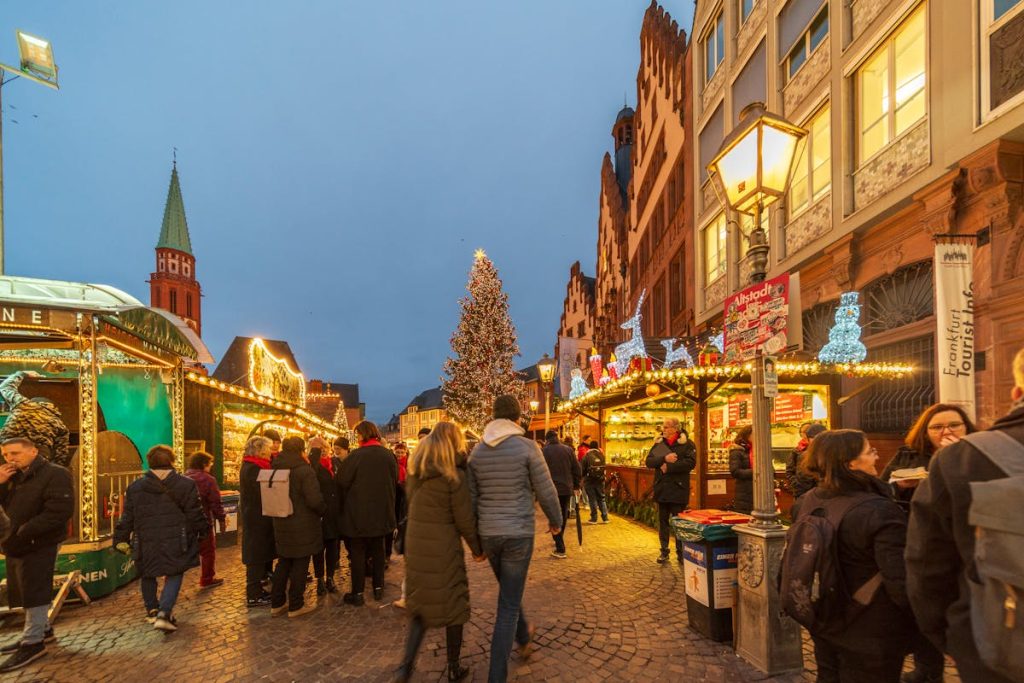
European Christmas markets feel especially cozy in winter due to light, scent, and tradition woven together. Short days highlight warm glows from stalls and surrounding streets. Seasonal foods provide comfort through familiar flavors and shared rituals. Crowds move slowly, bundled against cold, encouraging patience. Historic squares feel enclosed and intimate under winter skies. Music and tradition soften public spaces. Even brief visits encourage lingering. Shared warmth, tradition, and light transform cold evenings into memorable moments where winter enhances enjoyment and connection within compact, festive settings filled with gentle energy. These markets invite togetherness, nostalgia, and calm celebration amid seasonal chill.
Soaking In A Hot Spring
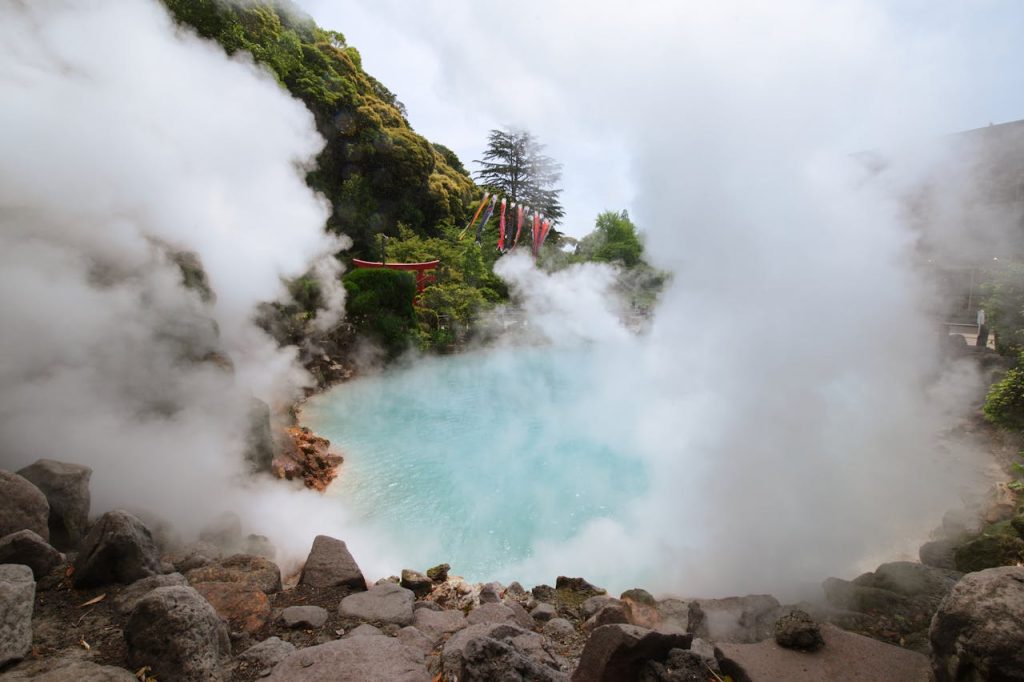
Soaking in a hot spring feels cozier during winter because contrast heightens physical sensation and awareness. Cold air sharpens appreciation of warmth and stillness. Steam rises, enclosing the space visually and emotionally. Muscles relax more deeply against low temperatures. Surroundings appear quieter and more contained. Time slows as movement becomes unnecessary. Outdoor springs feel protected rather than exposed. Winter transforms soaking into ritual rather than activity. The stillness enhances mindfulness, comfort, and a sense of timeless calm that makes the experience deeply restorative and quietly immersive. These moments encourage presence, patience, and gentle reflection throughout the season.
Spending Afternoons In Cafes
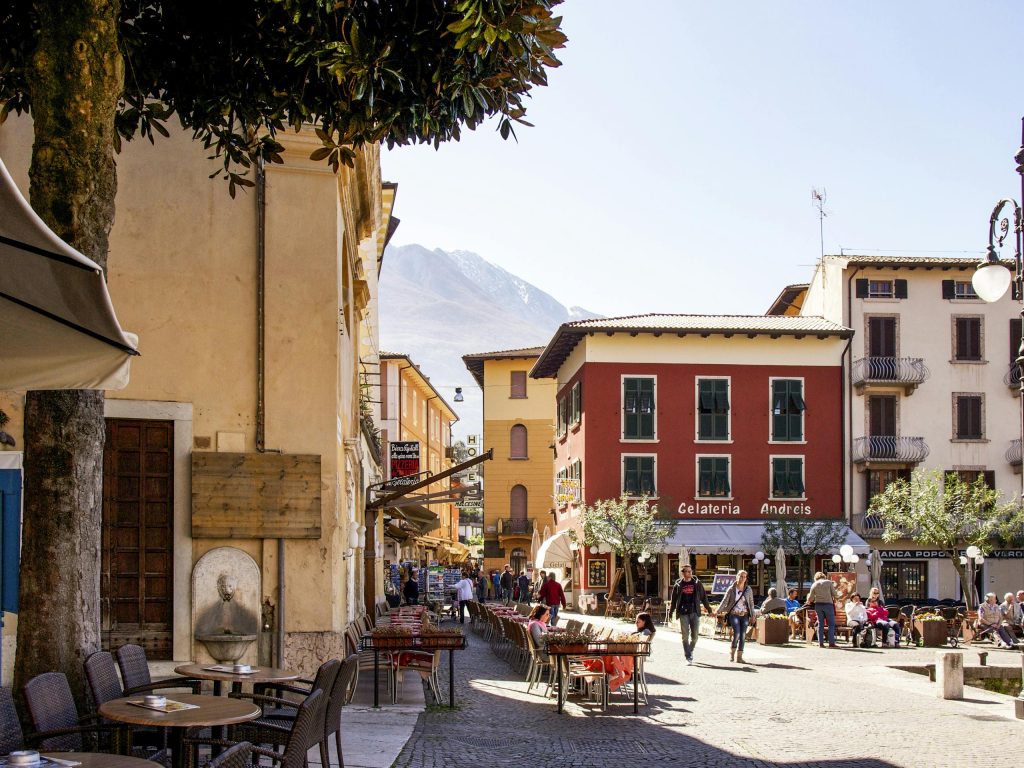
Winter afternoons in cafes feel cozier because cold weather encourages lingering indoors without guilt. Windows frame the outside world while warmth remains constant inside. Hot drinks become essential rather than indulgent. Conversations stretch longer as daylight fades early. Seating feels purposeful rather than temporary. Cafes act as informal shelters during travel days. Movement pauses naturally. Winter conditions reduce pressure to keep exploring. Lingering indoors nurtures reflection, warmth, and connection with local rhythms, turning cafes into anchors of comfort, observation, and calm presence within everyday life. These moments slow time and deepen connection to place gently.
Riding Scenic Trains
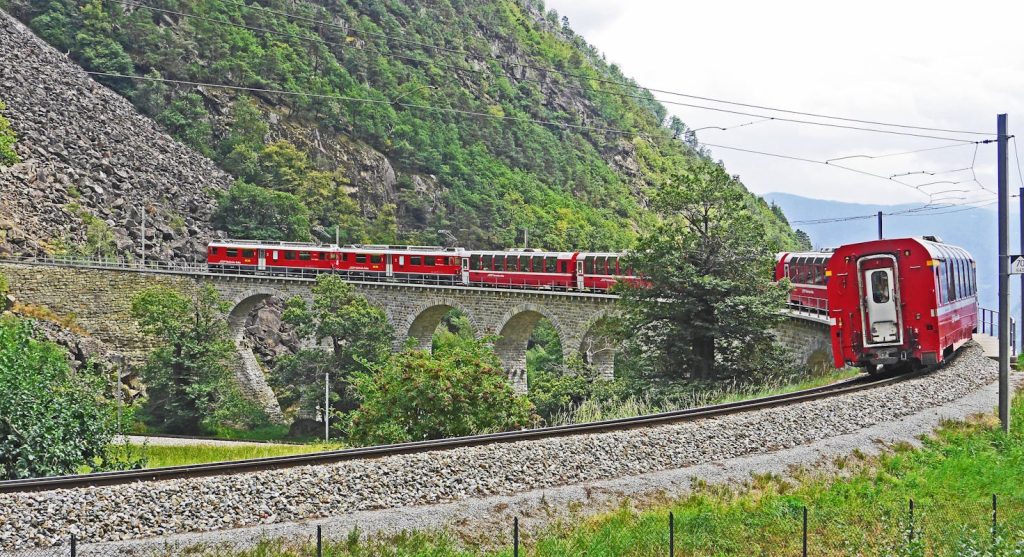
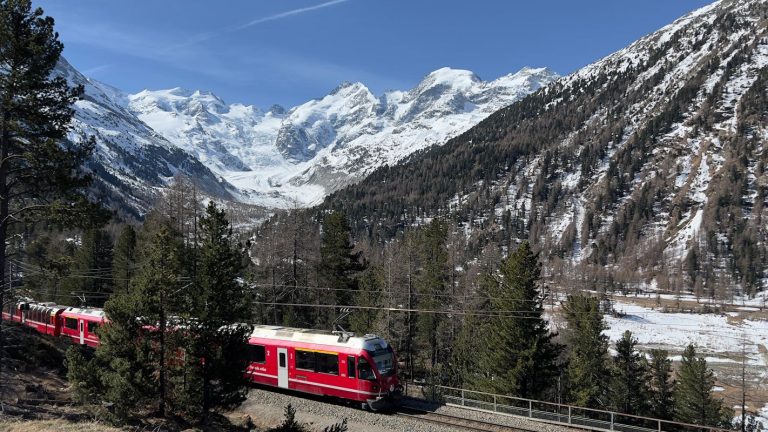
Scenic train rides feel cozier in winter because observation replaces physical effort. Snowy landscapes pass quietly outside large windows, softening attention. Heated interiors provide consistent comfort throughout the journey. Travel becomes passive rather than demanding. Fewer distractions encourage reflection and rest. Shorter days make interior lighting feel welcoming. The boundary between inside and outside sharpens awareness. Winter emphasizes refuge over movement. The enclosed warmth turns travel time into restorative, peaceful observation shaped by rhythm, warmth, and gently unfolding seasonal scenery. This calm fosters patience, comfort, and deeper appreciation of travel moments.
Walking Through Old Town Districts
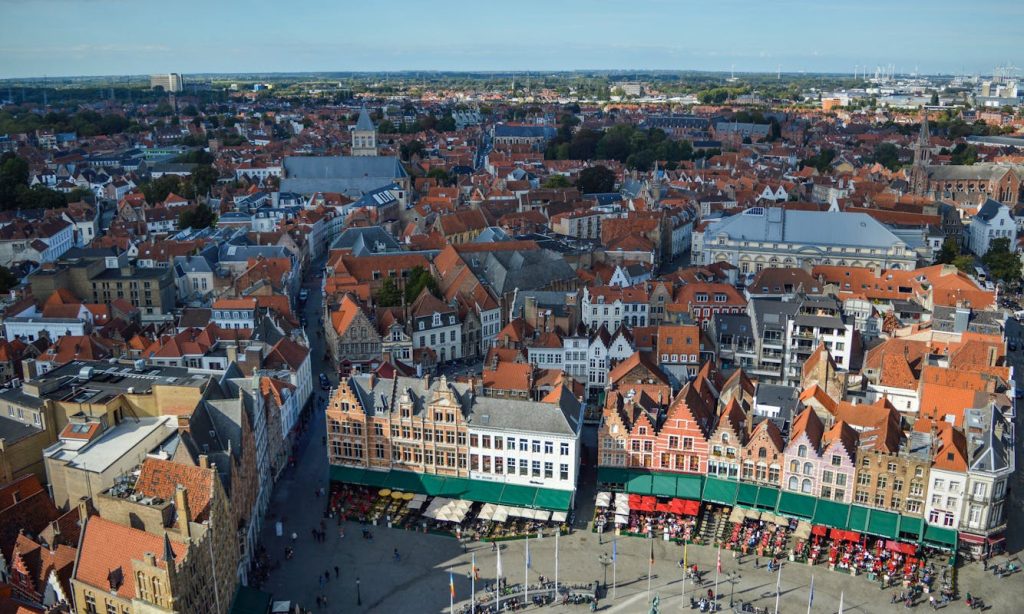
Old town districts feel cozier in winter because scale and shelter shape movement. Narrow streets block wind and reduce noise. Stone buildings retain warmth and history. Lighting softens against early darkness. Foot traffic slows naturally. Shops and bakeries draw people inward. Distances feel shorter when movement is deliberate. Winter reveals intimacy in architecture designed for compact living. Winter quiet reveals architectural intimacy and a slower, more thoughtful pace that encourages wandering without urgency or pressure to cover ground. This atmosphere invites mindful exploration, warm interactions, and appreciation for details that often disappear during faster seasons when crowds recede and daily rhythms settle.
Staying At A Small Country Inn
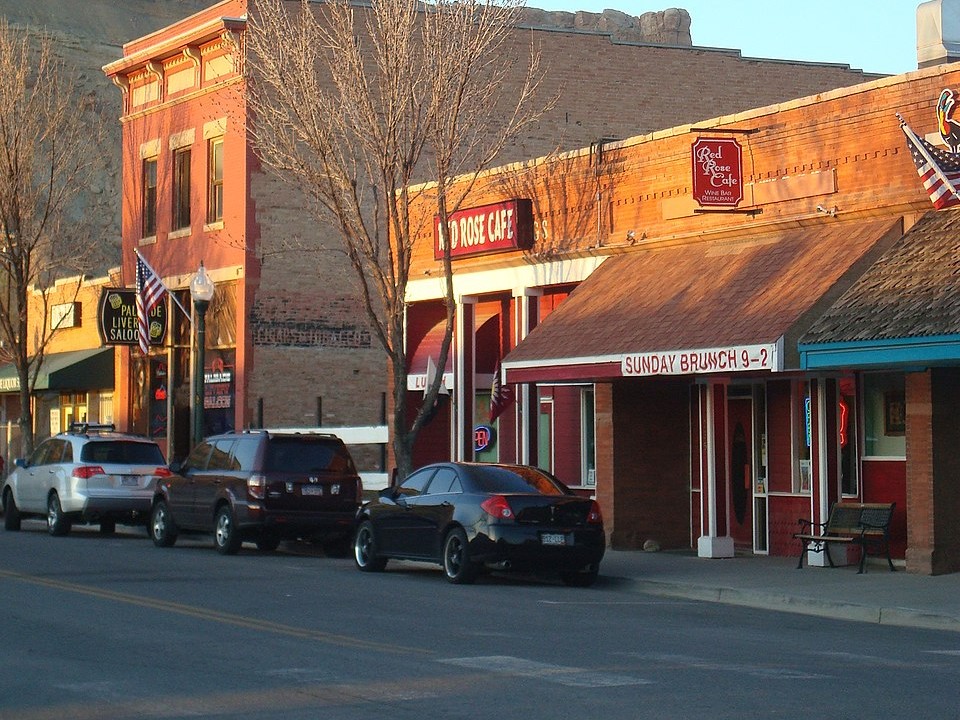
Small country inns feel cozier in winter because shared spaces take precedence over individual movement. Guests gather near warmth rather than dispersing. Meals become central events shaping the day. Quiet surroundings amplify indoor comfort. Limited daylight encourages early evenings and conversation. The rooms feel protective against the elements. Staff interactions feel more personal during slower seasons. Winter turns inns into havens rather than stopovers. Evenings center on comfort, conversation, and shared warmth among guests, creating familiarity through routine and simple hospitality. This seasonal intimacy fosters connection, ease, and a reassuring sense of belonging indoors.
Visiting A Snowy National Park

Snowy national parks feel cozier than expected because silence replaces spectacle. Wildlife movement quiets, and trails narrow, guiding slower exploration. Cold limits crowds, creating space and stillness. Observation matters more than distance covered. Lodges and shelters become meaningful destinations. Even short walks feel complete. Winter reframes vast landscapes into contained experiences. Shelter becomes meaningful, framing nature through warmth, patience, and safety while moments of refuge heighten appreciation for the surrounding environment. The contrast between exposure and comfort deepens awareness, encouraging reflection, gratitude, and respect for the landscape’s quiet power during winter months.
Enjoying Long Winter Meals
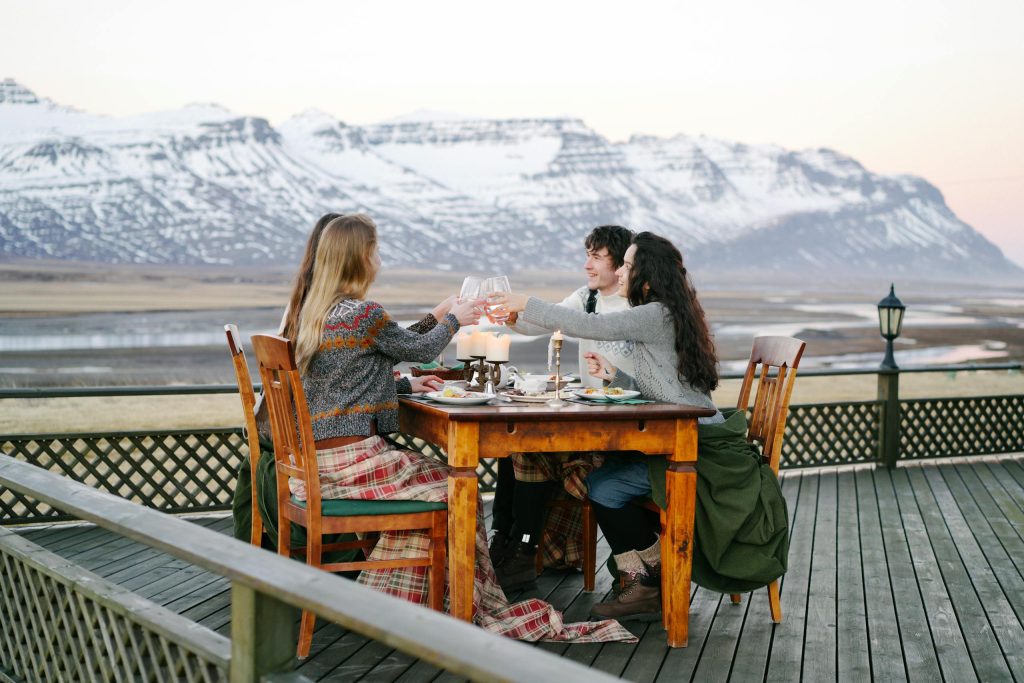
Long winter meals feel cozier because cold weather justifies extended time indoors. Food provides warmth and structure to the day. Conversations unfold without interruption or distraction. Evenings stretch naturally as darkness arrives early. Lighting softens dining spaces. Meals replace movement as the focus. Winter cuisine emphasizes comfort and tradition. Shared tables become destinations themselves. Extended meals replace motion, grounding travel in nourishment and presence while warmth and routine define the rhythm of each winter day. Slow dining encourages storytelling, deeper connection, and mindfulness, allowing travelers to savor flavors, company, and time itself while winter outside reinforces intimacy.
Attending A Winter Festival
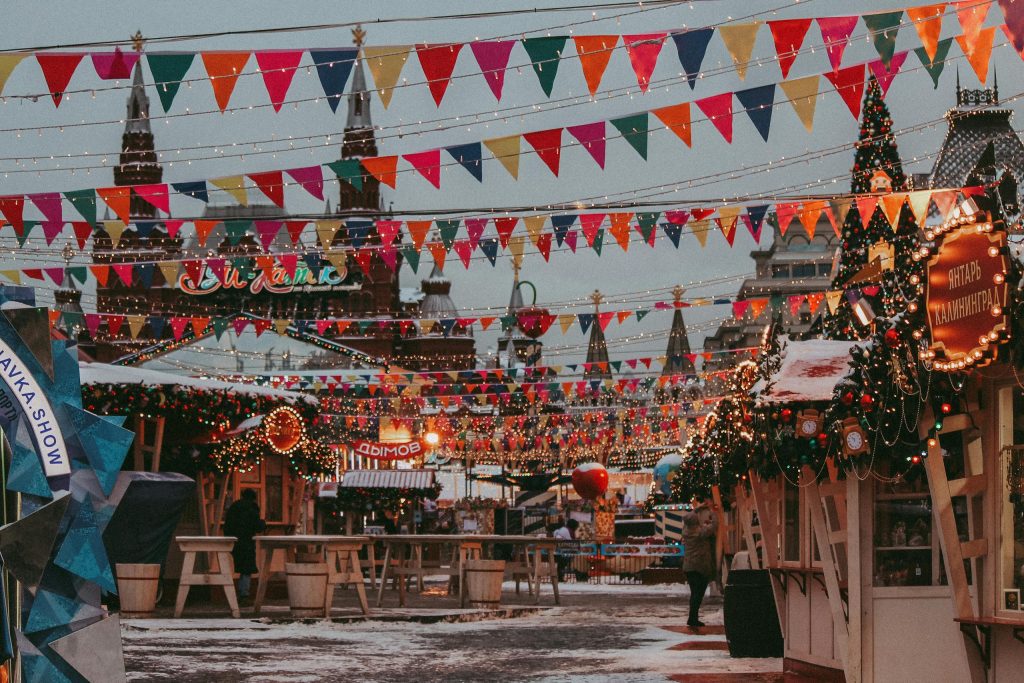
Winter festivals feel cozier because celebration concentrates within limited space and time. Cold encourages gathering rather than dispersal. Light and sound stand out against surrounding darkness. Ritual replaces novelty as focus. Participation matters more than scale. Warmth becomes shared and visible. Even brief attendance feels immersive. Seasonal limits heighten intimacy, participation, and collective warmth, creating contained moments of joy where winter constraint enhances focus rather than diminishing experience. These gatherings foster connection through shared rituals, warm foods, and close proximity. Allowing communities and visitors alike to feel included, and emotionally anchored despite cold conditions.
Staying In A Historic Hotel
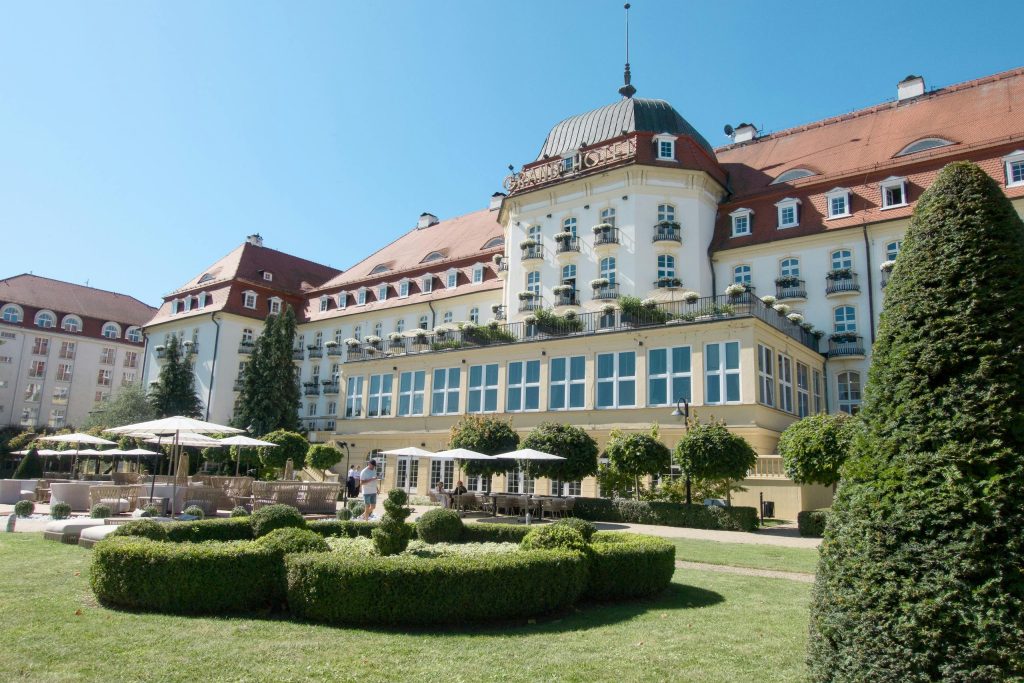
Historic hotels feel cozier in winter because architecture emphasizes enclosure and warmth. Thick walls insulate sound and temperature. Lounges invite lingering without pressure. Fireplaces and carpets matter more. Hallways feel quieter. History becomes tangible indoors. Winter shifts attention from surroundings to interiors. These hotels function as destinations themselves. Interior spaces invite lingering, reflection, and comfort rooted in tradition, making winter stays feel especially reassuring and grounded in place. The slower season highlights craftsmanship, routines, and shared spaces, allowing guests to experience a sense of continuity, protection, and calm that feels deeply aligned with winter’s reflective mood and quieter pace.
Exploring A Quiet Coastal Town

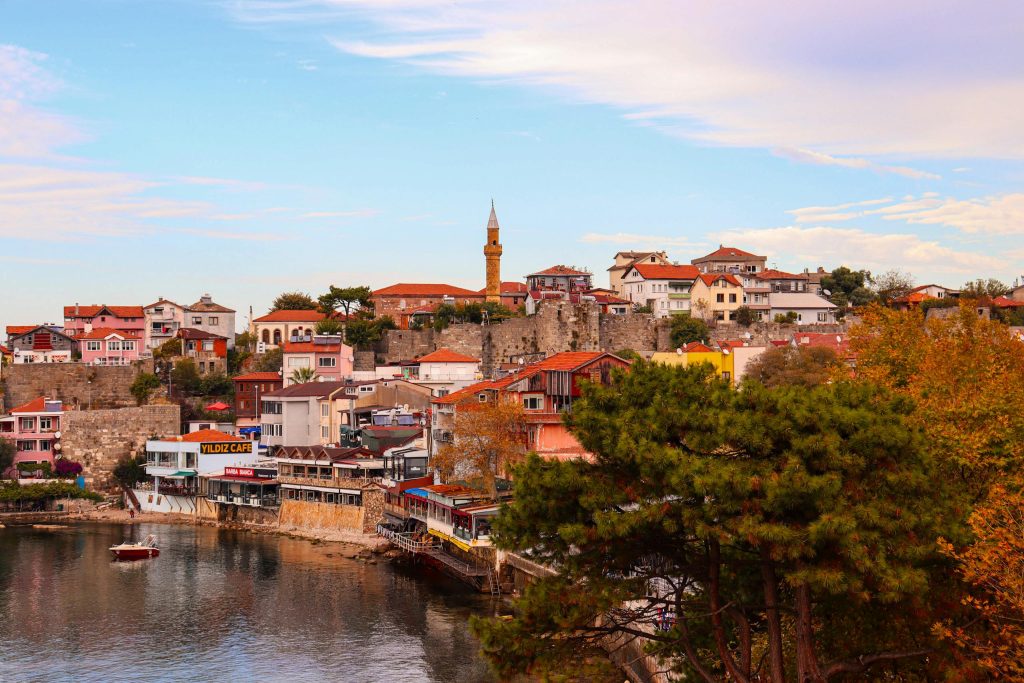
Quiet coastal towns feel cozier in winter because activity contracts inward. Wind and cold reduce crowds and noise. Cafes and inns become focal points of daily life. The sea feels distant yet present. Walks shorten, encouraging rest. Evenings arrive early. Winter reframes the coast as contemplative rather than energetic. Winter stillness encourages contemplation, warmth, and unhurried coastal routines defined by shelter, reflection, and understated seasonal comfort. Small rituals like warm drinks, quiet conversations, and early nights deepen the sense of seasonal refuge and belonging for everyone. This slower rhythm allows visitors to appreciate subtle details, local habits, and the comforting cadence of winter days.