12 Travel Styles That Feel Personal
Some trips feel like postcards, but the ones remembered longest match a traveler’s inner rhythm. A market visited twice, a seat claimed on the same tram, or a familiar soup tasted far from home can turn a plan into meaning. Personal travel is not about status or distance; it is about pace, a lens, and a few rituals that make a place feel close. Weather, timing, and even the block chosen to stay on can reshape the same city into a different experience. The best-fit style leaves room for surprise, but it still feels unmistakably like the person taking the trip. That is why small choices, repeated daily, often matter more than big-ticket sights.
Slow Travel With Rituals

Slow travel gives a place time to feel familiar, with days that repeat on purpose instead of racing onward from highlight to highlight. Morning coffee at the same counter, a daily loop past a schoolyard and a riverfront bench, and an evening stop for warm bread create steady anchor points that make navigation effortless and the mood calmer. By midweek, shortcuts appear, greetings warm up, and tiny details start to matter, like which alley smells of citrus after rain, which square fills at sunset, which vendor remembers an order, and how the air changes when the first lamps flick on near home again.
One-Address City Stays

One-address stays turn a huge city into a walkable world, because the same doorway, stairs, and keyring become a daily reset button after long hours outside. A single apartment or guesthouse stays constant while routes widen to corner bakeries, transit stops, small groceries, and the pocket park where elders sit at dusk and kids practice after school. Over a week, the city shifts from impressive to intimate through small routines, like knowing which café pours the strongest tea, where the bus actually stops, which kiosk sells phone credit, and which street feels brightest when clouds roll in, then clears.
Food-First Wandering
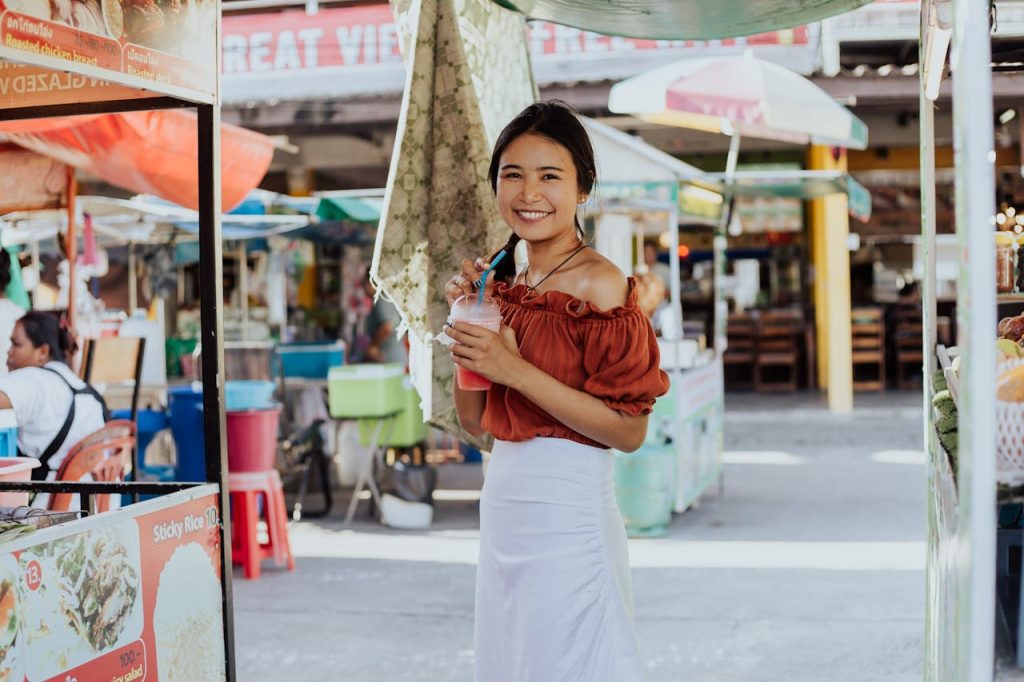
Food-first travel follows a place through taste, and that tends to reveal values faster than any formal tour or checklist of monuments. Markets, bakeries, and one-dish spots lead the way, and a class or tasting can explain why a region favors certain spices, fats, or breads, how weather and trade shaped the pantry, and which holidays or fasting days change menus overnight. The personal part arrives in small choices, like ordering the local staple without edits, learning condiment order, noticing what sells out first at eight a.m., and returning to the same stall because one bite kept echoing after the plate was cleared.
Nature Micro-Adventures
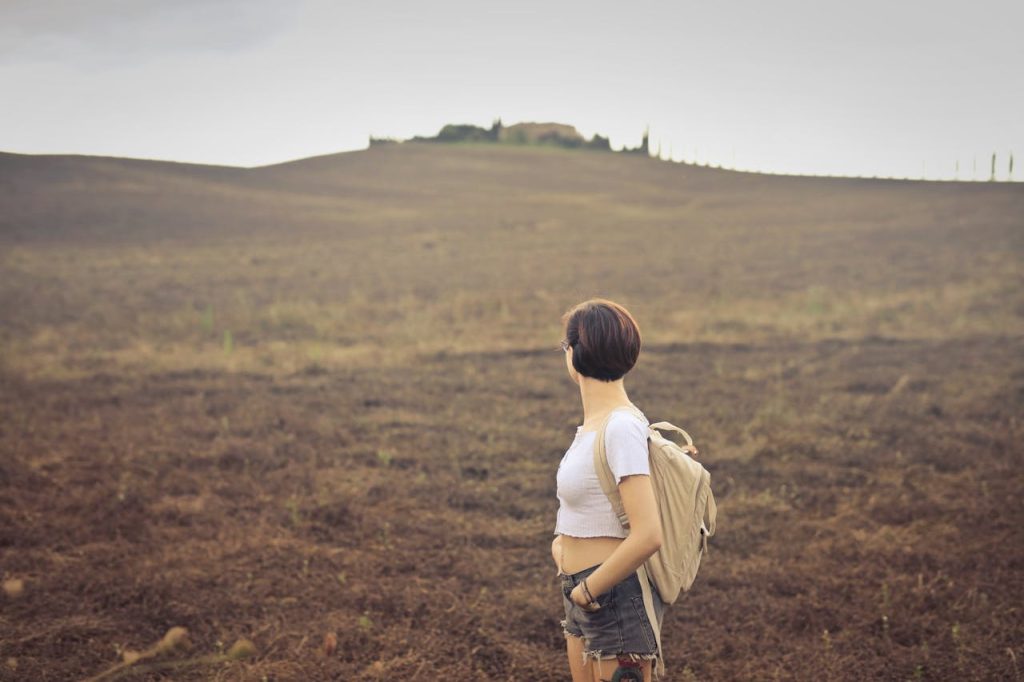
Micro-adventures keep travel personal by shrinking the radius and sharpening attention, turning a single morning into a complete story that fits between regular life. A dawn hike, a tide-timed shoreline walk, or a foggy bike loop can feel full when the goal is presence, not distance, especially in quieter months when trails feel roomy, birds are louder, and the air smells clean. Ranger notes, tide charts, and weather shifts do the planning, and the day ends with honest proof of the outing: muddy shoes, an empty thermos, salt in the air, a few photos taken slowly, and a mind reset by open space.
Rail-First Journeys

Rail-first journeys treat the in-between as the main event, letting movement carry meaning instead of being erased by airports and fast transfers. Stations offer everyday theater, and the view changes at human speed from suburbs to open fields to mountain cuts where snow can linger into late March, with rivers, factories, and villages sliding past while conductors call stops and locals unwrap snacks. Seat choices, small delays, and shared tables turn geography into texture, so by arrival the destination already feels introduced, as if the landscape has been telling its story for hours in plain, steady sentences.
Festival Pilgrimages
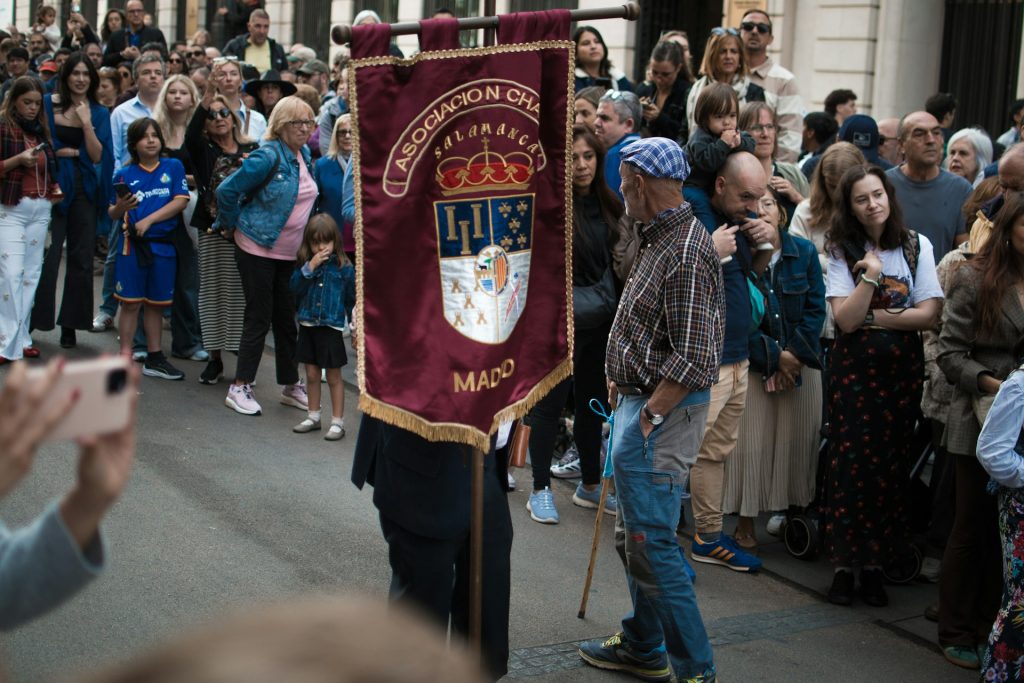
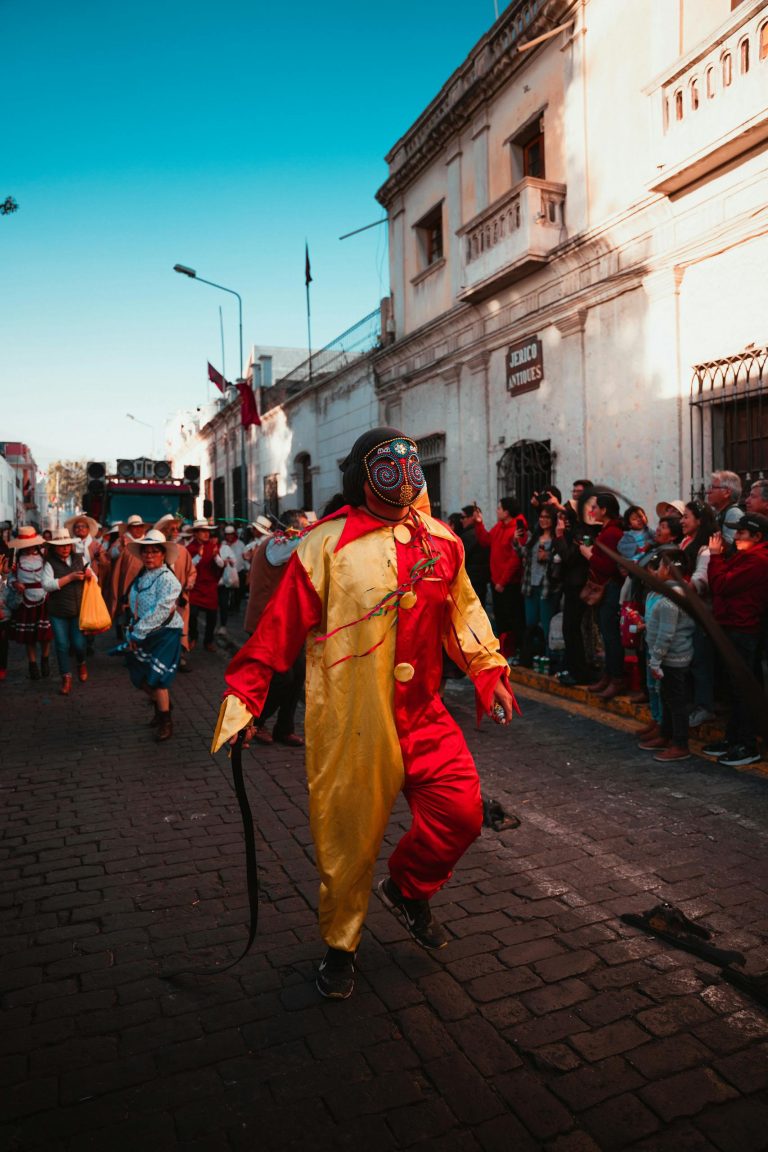
Festival travel carries a shared heartbeat, even for someone arriving alone, because the destination already runs on a collective schedule. Local calendars shape the days, from lantern nights and harvest parades to film weeks and neighborhood saints’ days, with set-up hours, dress norms, and small volunteer roles that locals treat as essential. Staying beyond the headline moment reveals the deeper charm: neighbors stacking chairs, vendors packing crates, cafés reopening for regulars, and streets returning to routine, leaving a sense of belonging that lingers after the music quiets for days afterward.
Creative Retreat Escapes

Creative retreats trade urgency for making time, whether the focus is writing, photography, ceramics, or sketching street corners with no pressure to perform. The destination matters, but the real itinerary is attention: a studio nook with good light, a museum visit for reference, a local workshop that teaches a technique, and long meals where ideas settle, plus quiet mornings protected like appointments. Walks are taken to notice color, shadow, texture, and the cadence of street life, and the trip ends with drafts, contact sheets, and new habits of looking closely at ordinary details that usually pass unseen.
Heritage And Ancestry Routes
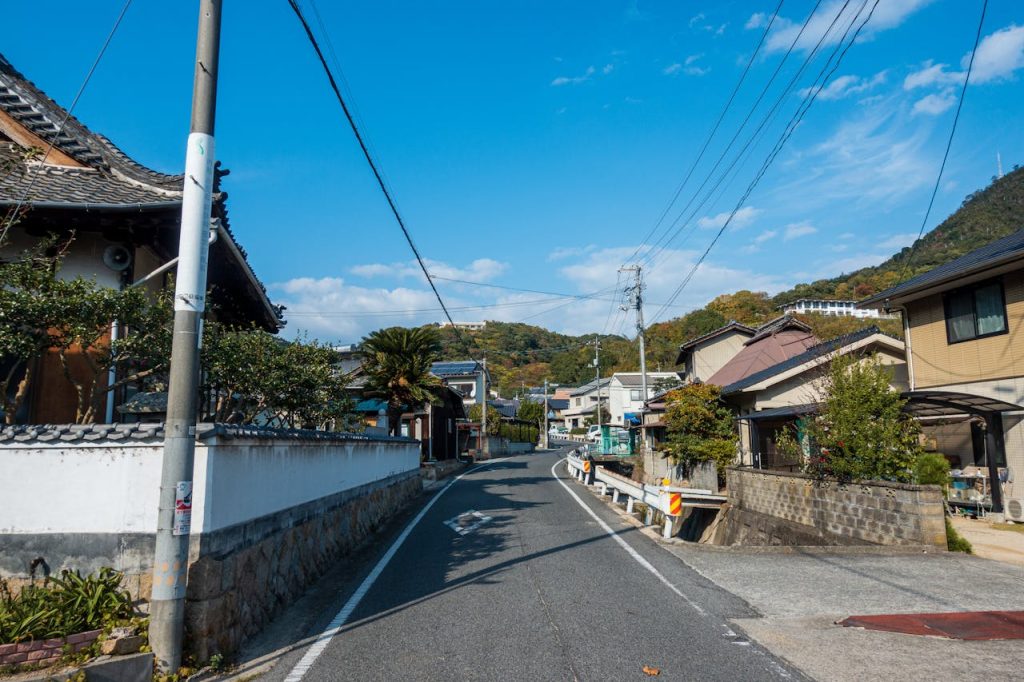
Heritage travel feels personal when it follows family threads rather than famous routes, turning history into something lived instead of displayed. It might mean tracing a surname in parish registers, visiting a village tied to grandparents’ stories, or walking a neighborhood linked to migration and first jobs, with time set aside for libraries, local archives, and community centers. Conversations often carry the strongest moments: a name pronounced correctly, a doorway matching an old photo, a recipe explained with pride, and a sense of how weather, work, and language shaped a family’s daily life.
Volunteer With A Light Footprint
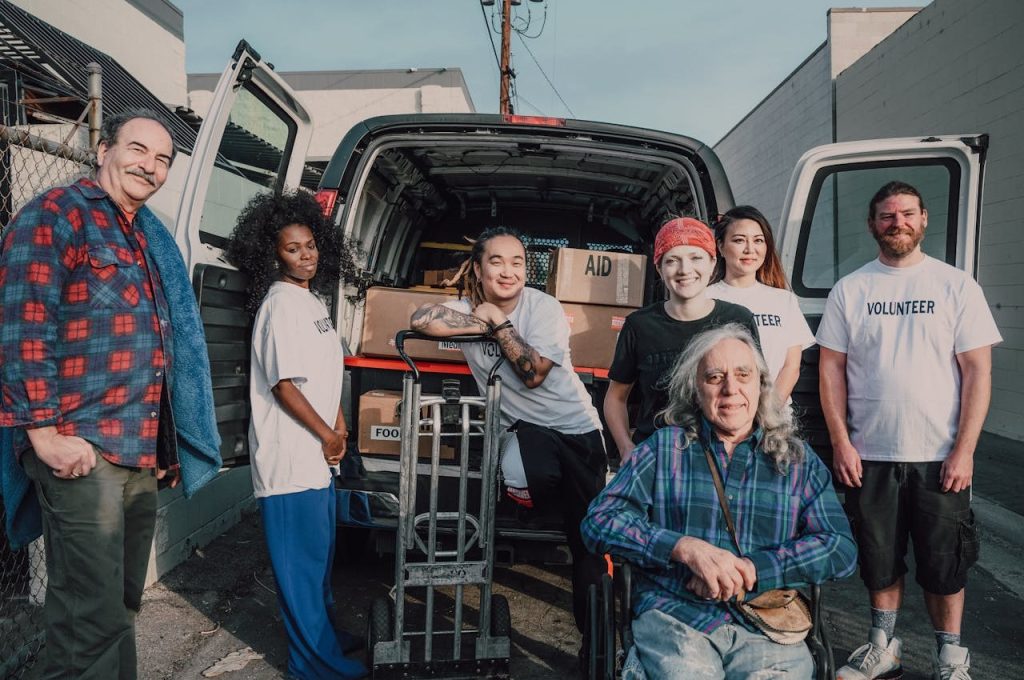
Short volunteering feels personal when it stays modest, skilled, and locally directed, offering help without big promises or spotlight moments. Beach cleanups, food bank shifts, trail days, and language exchanges can fit into a trip while following local plans and the pace set by organizers, including what to prioritize, what to leave alone, and how to work respectfully in shared spaces. Meaning comes from simple discipline: showing up on time, doing unglamorous tasks well, listening more than speaking, and leaving behind a clear improvement, then sharing a quiet meal with the team before everyone heads back to normal life.
Scenic Road Trips With Detours
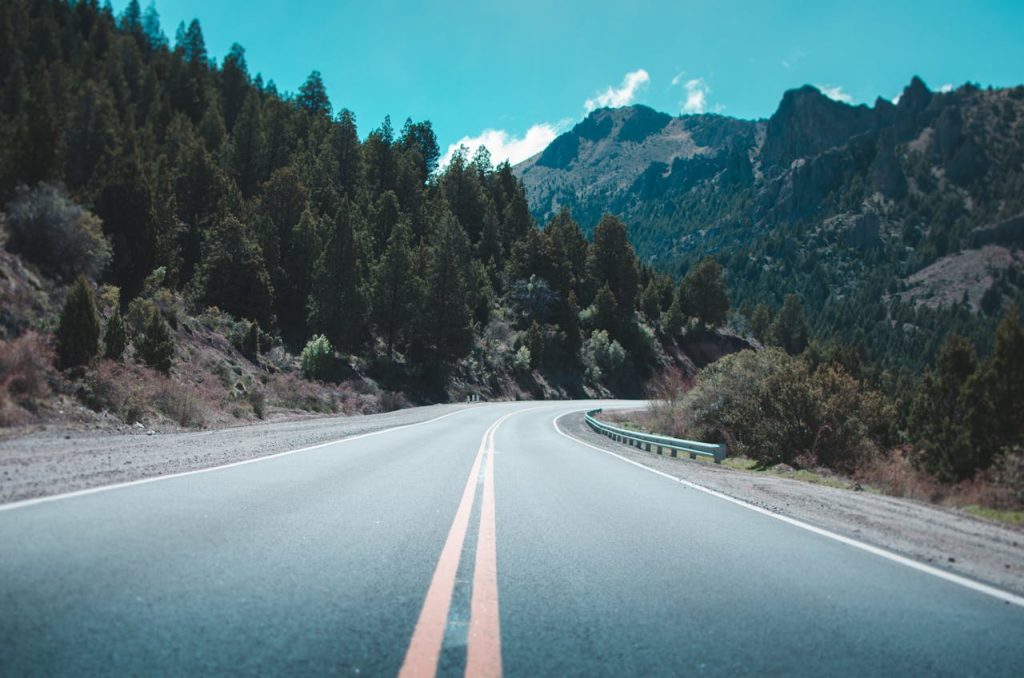
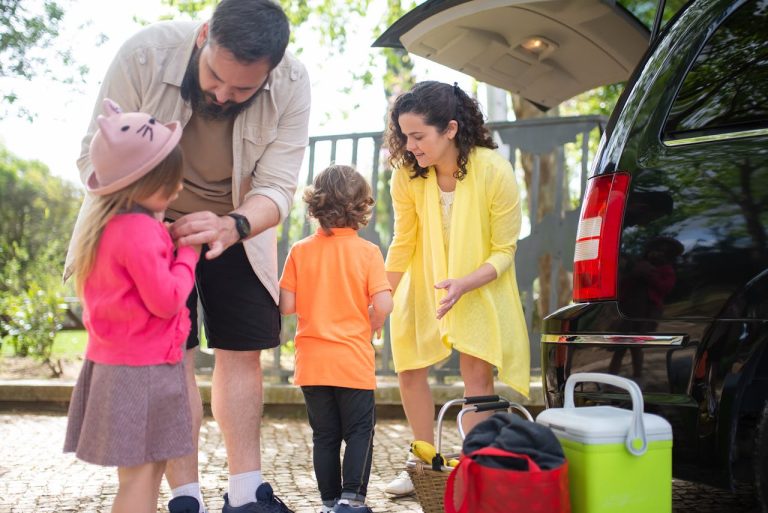
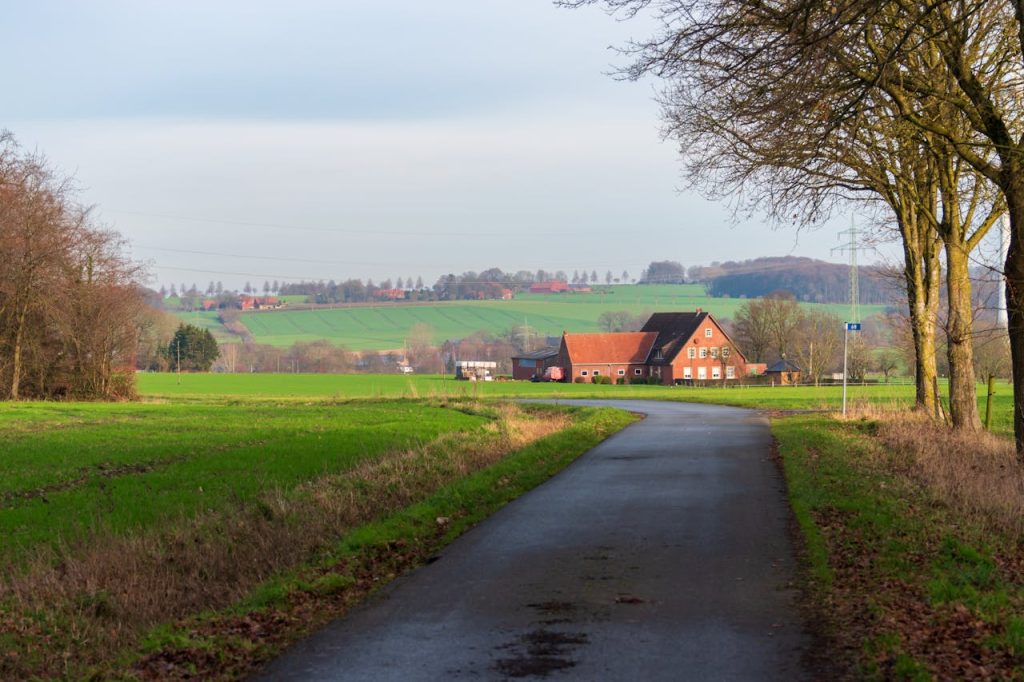
Road trips feel personal when the schedule leaves room for curiosity, weather, and small surprises, so the route responds to the day rather than controlling it. A scenic highway is only the spine; detours to farm stands, small museums, and overlooked viewpoints add character, along with local quirks like the diner that serves pie only on Fridays or the motel lobby with a handwritten guestbook. With stops made before dark, the drive becomes a moving diary of conversation, music, and places found by instinct, including the pullout where light turns hills copper and the backroad that ends at a quiet lake.
Night-Owl City Travel
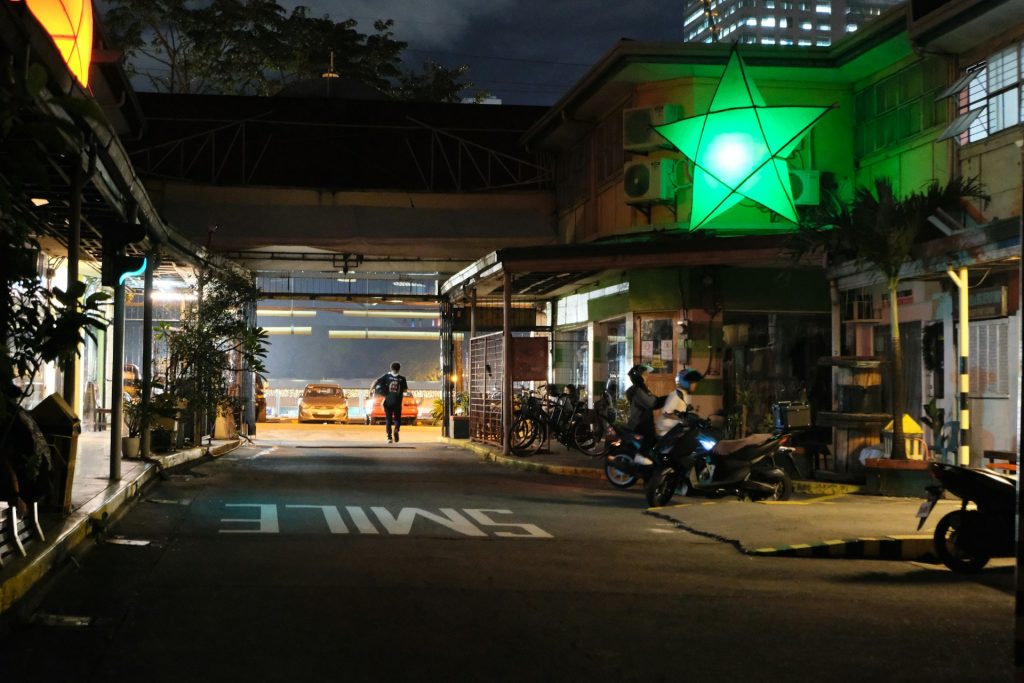
Night-owl travel connects to a city after dark, when crowds thin and local life shifts into softer scenes that feel more honest and less staged. Evening street food, late bookstores, basement jazz, and waterfront walks reveal different rhythms than daytime sightseeing, including which neighborhoods quiet early, which stay lively, and which cafés become living rooms for regulars after work. Planning keeps it relaxed: well-lit routes, clear meet-up points, transit hours noted, and a simple backup plan for getting home, plus respect for residential streets where people are winding down and shopkeepers are closing shutters.
Waterline Itineraries
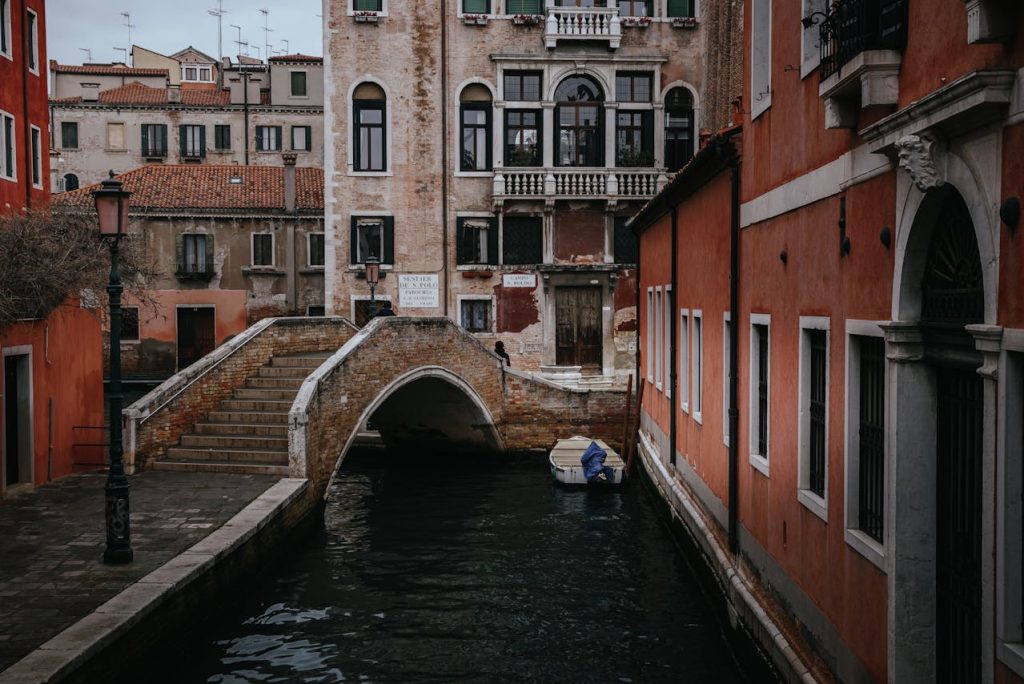
Waterline itineraries follow a natural narrative, whether it is a river through several towns or a coastline stitched by ferries, giving the journey an effortless direction. Harbors and bridges become landmarks, meals lean toward local catch, and dockside talk drifts to tides, winter swells, and the best month for seabirds, while the same salt air keeps showing up in every stop. Across the route, changing light ties everything together, so each town feels like a new chapter in one long story, and the trip returns home as continuity rather than a pile of disconnected moments held by the shoreline.