12 U.S. Bridges Travelers Are Scared to Cross (With Good Reason)
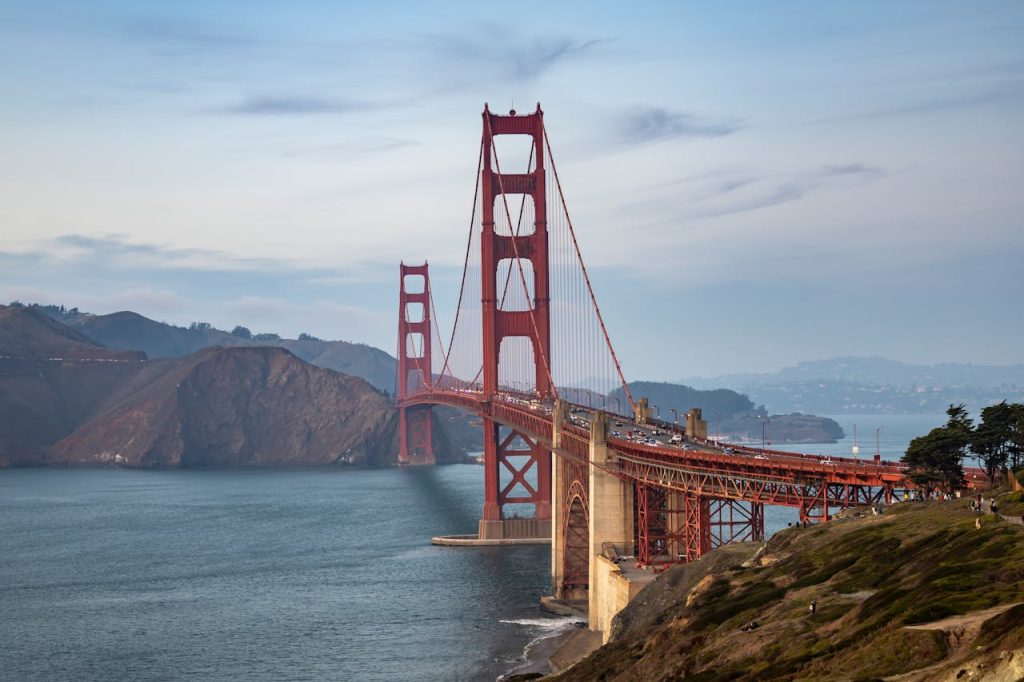
The United States features a remarkable range of bridges that span mountains, canyons, bays, straits, and rivers, and many of these crossings create intense reactions among travelers who find themselves confronting towering heights or long stretches of roadway. Some bridges challenge visitors with narrow lanes, sharp inclines, or exposure to unpredictable weather that transforms an ordinary drive into a tense experience. Others carry long histories shaped by engineering updates, memorable storms, or structural concerns that influence public perception. Despite the anxiety they provoke, these bridges also demonstrate extraordinary innovation and reveal the resilience of communities that depend on them daily. They highlight the blend of natural forces and human design that makes certain crossings both awe-inspiring and deeply intimidating.
Chesapeake Bay Bridge
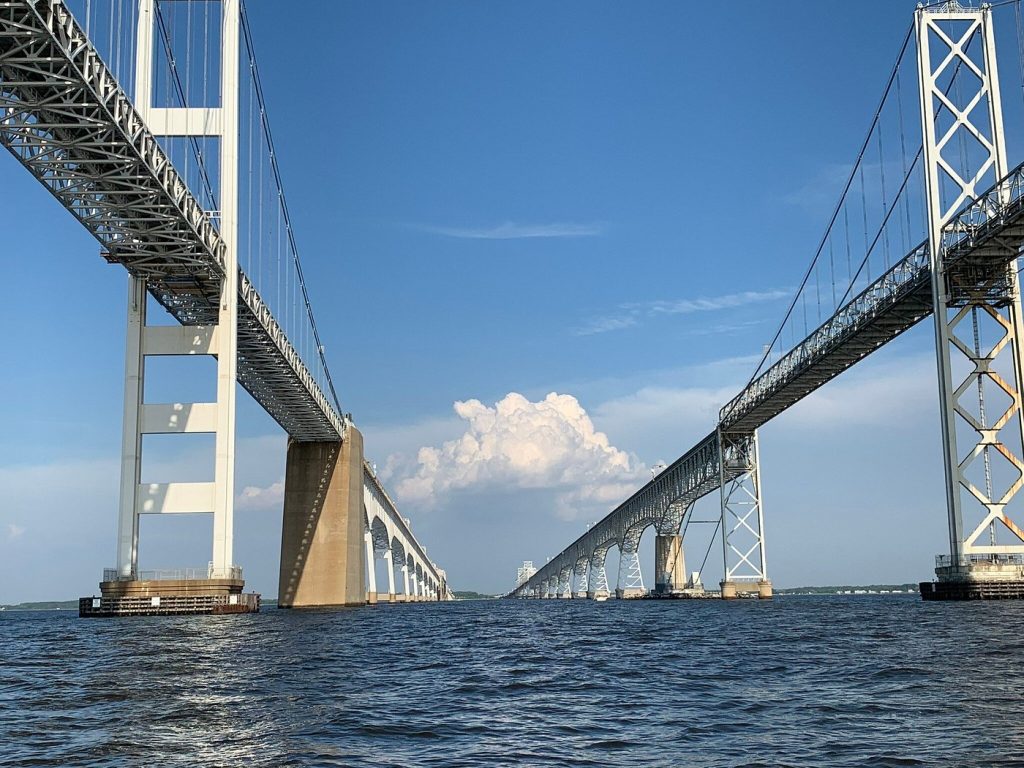
The Chesapeake Bay Bridge in Maryland has earned a widespread reputation as one of the most intimidating bridges in the United States because it stretches for more than four miles over open water while exposing drivers to strong winds, sudden fog, and quickly shifting coastal weather. Its height and scale create a dramatic setting that becomes even more unsettling during storms when choppy waves and dark clouds surround the roadway. Many travelers experience anxiety as they navigate its long, narrow lanes, prompting some to hire professional drivers who specialize in helping nervous visitors cross safely. These environmental factors, combined with the bridge’s impressive engineering, make it one of the most fear-inducing yet essential transportation links in the Mid-Atlantic.
Mackinac Bridge
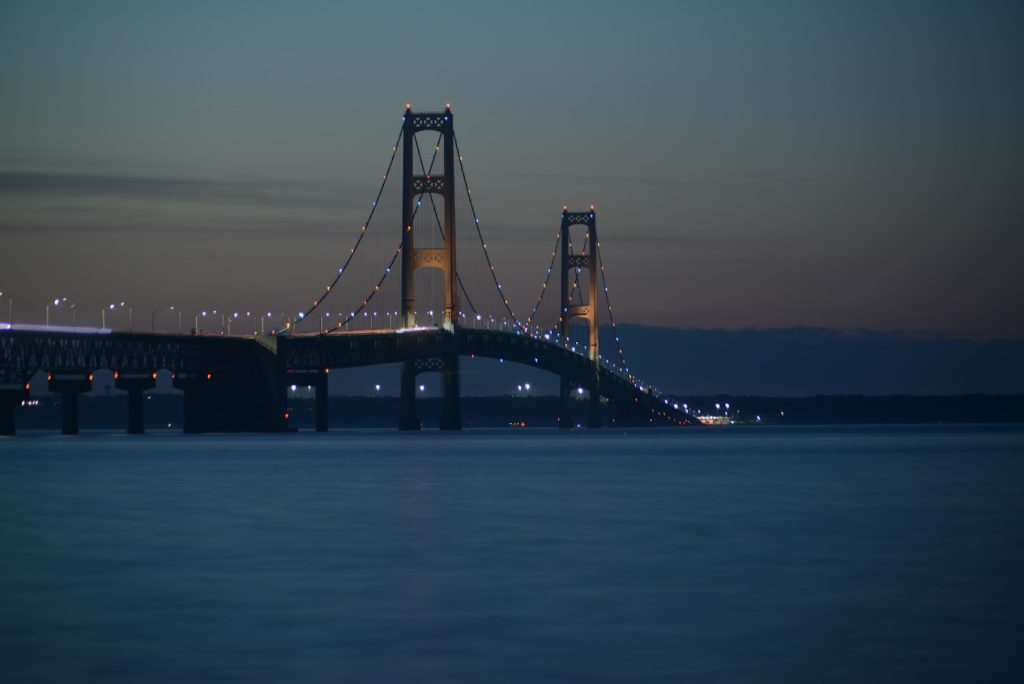
The Mackinac Bridge in Michigan connects the Upper and Lower Peninsulas and remains one of the longest suspension bridges in the world, a fact that contributes heavily to the nervousness travelers feel when approaching its towering structure. High winds sweeping across the Straits of Mackinac can create challenging conditions, occasionally prompting authorities to issue advisories or restrict certain vehicles. Portions of the roadway feature metal grates that produce a light vibration and unfamiliar sound beneath a vehicle’s tires, intensifying the tension for many drivers. The combination of height, length, wind exposure, and unusual pavement texture reinforces the bridge’s dramatic impact. Despite these intimidating qualities, the Mackinac Bridge stands as a celebrated engineering triumph that shapes Michigan’s identity.
Royal Gorge Bridge
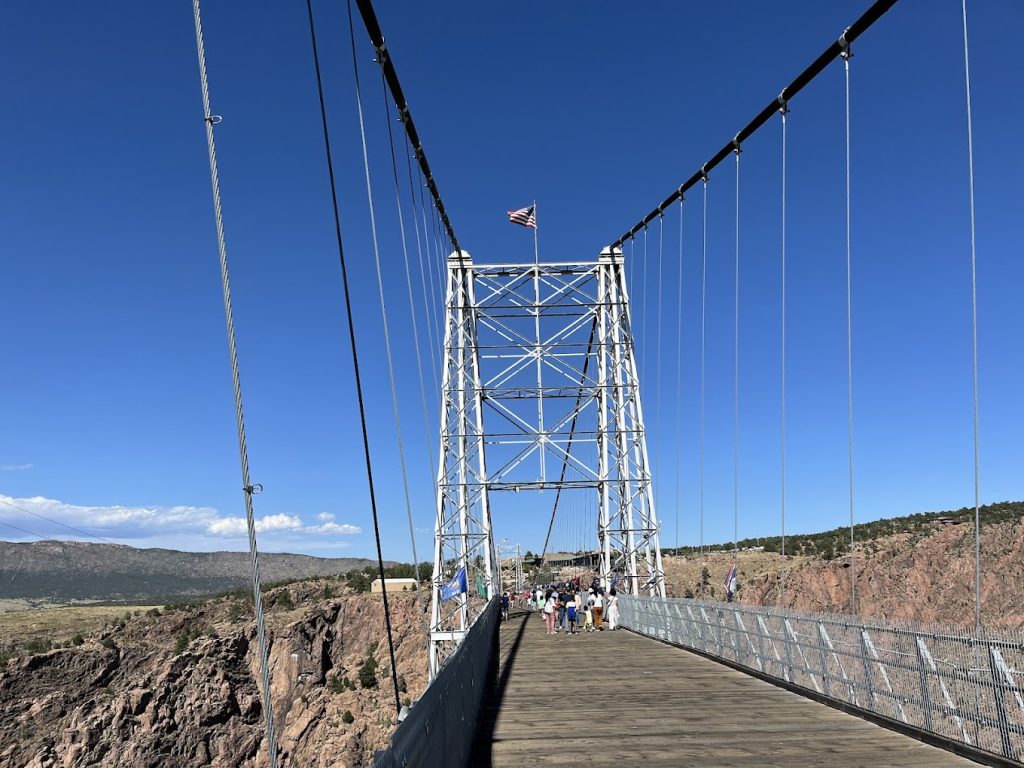
The Royal Gorge Bridge in Colorado stands as one of the highest suspension bridges in the country, rising hundreds of feet above the Arkansas River and spanning a canyon known for its depth and rugged beauty. Its wooden planks allow visitors to feel the structure shift slightly underfoot, creating a mix of excitement and apprehension. Strong gusts of wind move through the gorge, adding movement that heightens the sense of vulnerability for travelers unaccustomed to such elevation. The open views reveal the dramatic drop below, emphasizing the magnitude of the terrain. Although the bridge is primarily a pedestrian attraction rather than a transportation artery, its extreme setting and impressive scale make it a memorable and nerve-racking experience for many who visit Colorado’s high country.
Seven Mile Bridge
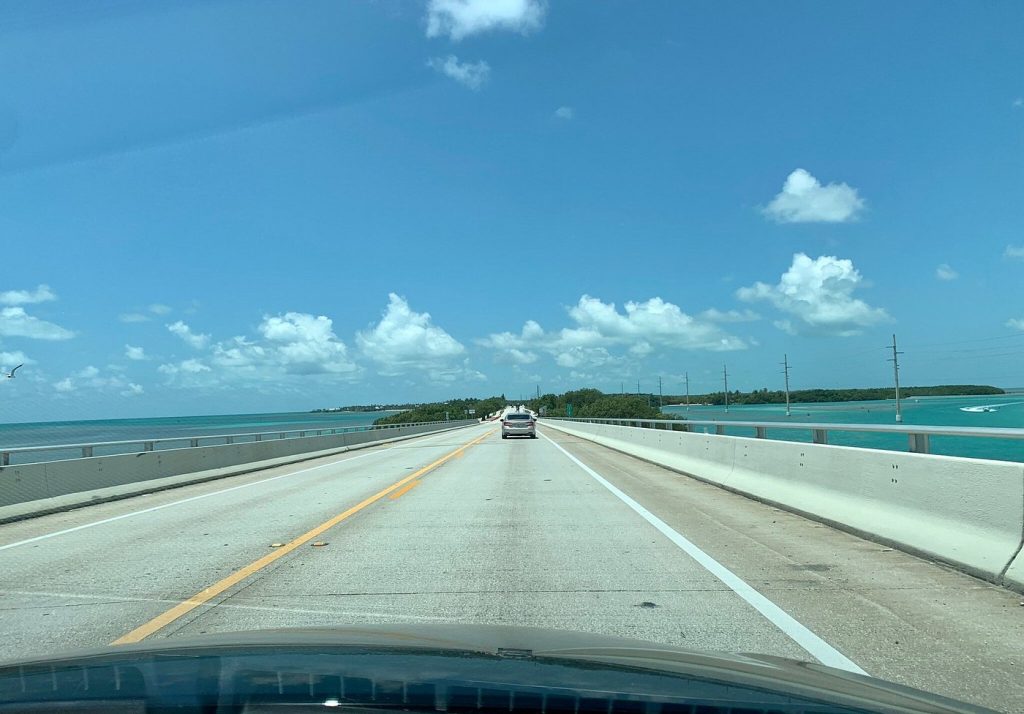
Seven Mile Bridge in the Florida Keys challenges travelers with its long, uninterrupted stretch across turquoise water, creating the striking sensation of driving miles into the distance without land on either horizon. The bridge’s placement along the Overseas Highway exposes it to tropical storms, strong sunlight, and wind patterns that shift rapidly across the open sea. Heavy travel seasons can produce traffic lines that heighten stress as drivers remain suspended above the water for extended periods. The isolation of the crossing, combined with its narrow structure and weather sensitivity, contributes to its reputation as one of the most intimidating roadways in Florida. Despite its fear factor, the bridge remains an essential connection between the Keys’ unique island communities.
Deception Pass Bridge
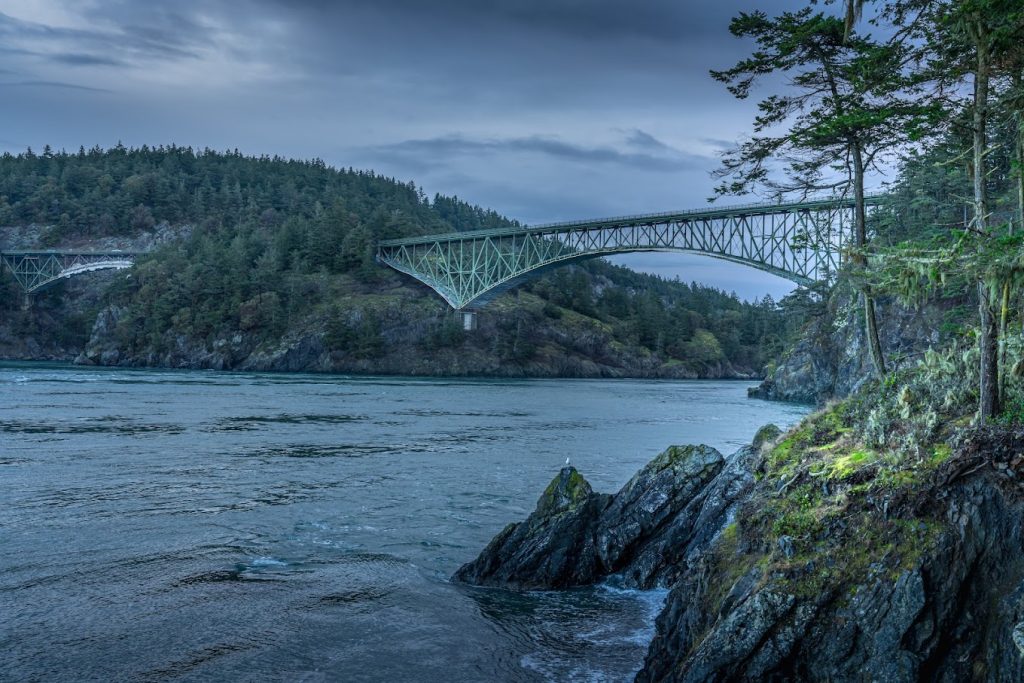
The Deception Pass Bridge in Washington connects Whidbey and Fidalgo Islands with a dramatic steel arch that towers over fast-moving tidal currents below. Fog frequently blankets the region, making the crossing especially tense for those unaccustomed to low visibility. The narrow pedestrian walkway offers breathtaking views that also intensify nerves due to the significant height and swirling water beneath. Travelers often pause to absorb the scenery, yet many feel a flutter of anxiety as wind pushes through the pass and adds to the sense of exposure. The surrounding cliffs and rugged shoreline create a setting that is both beautiful and intimidating, reinforcing the bridge’s status as one of the Pacific Northwest’s most awe-inspiring yet fear-inducing crossings.
Verrazzano-Narrows Bridge
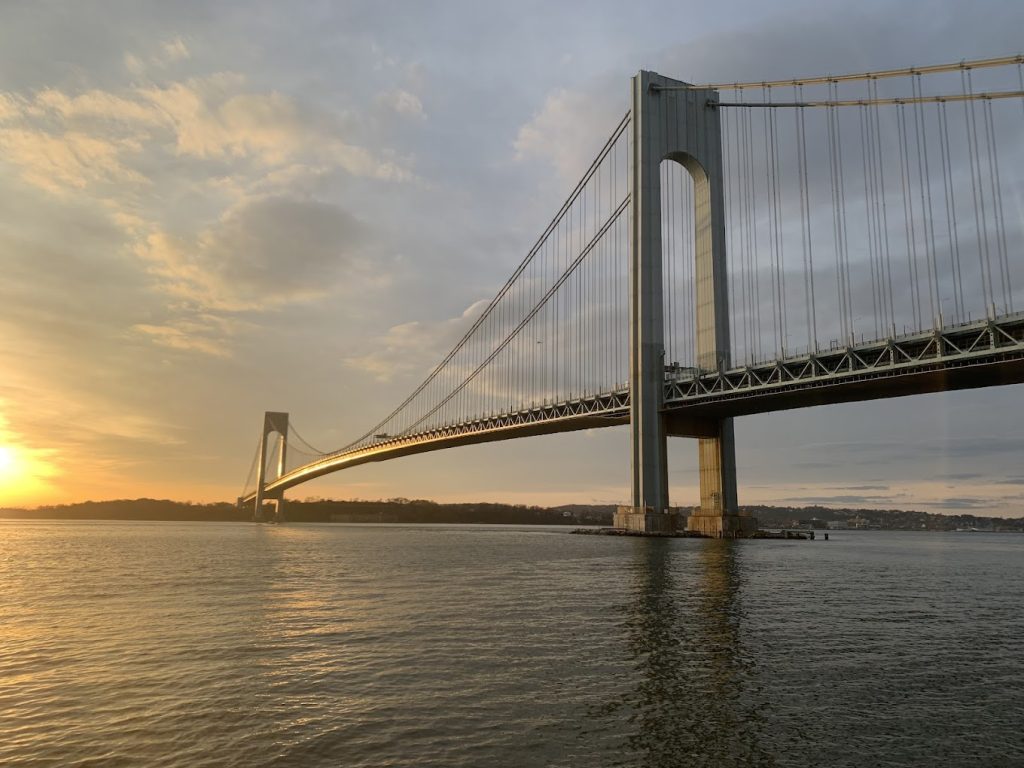
The Verrazzano-Narrows Bridge in New York spans the water between Staten Island and Brooklyn with a massive double deck design that commands attention from anyone approaching its sweeping structure. Its considerable height above the Lower New York Bay, combined with strong coastal winds, makes the crossing a tense experience for many travelers navigating its long central span. The scale of the suspension towers and the open view toward the Atlantic contribute to a sense of exposure uncommon on urban bridges. Although millions rely on it every year, nervous drivers remain wary of its dramatic elevation and broad shoulders. Its imposing presence continues to make it one of the most memorable and anxiety provoking bridges in the Northeast.
Lake Pontchartrain Causeway
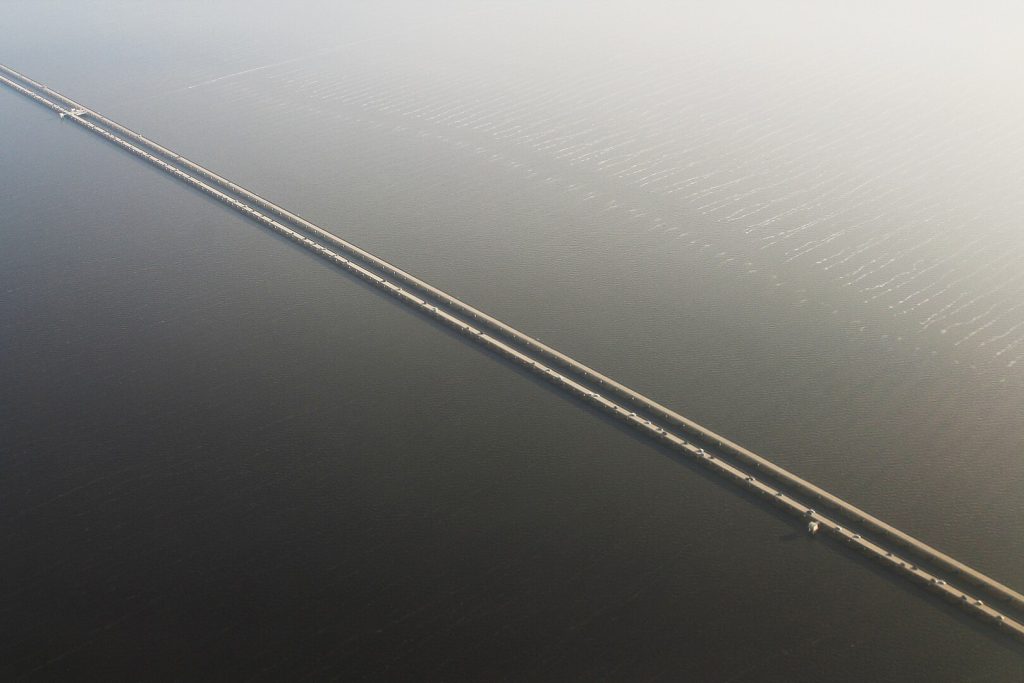
The Lake Pontchartrain Causeway in Louisiana stretches nearly 24 miles across open water, creating an experience that can feel surreal and isolating for travelers who lose sight of land for significant portions of the drive. Fog is common in the region and can reduce visibility so dramatically that the horizon appears to merge with the roadway. Emergency turnarounds exist but remain limited, reinforcing the sense of confinement. Afternoon thunderstorms can sweep across the lake with little warning, adding wind and heavy rain to the challenge of crossing. Although thousands use the causeway daily, its sheer length and exposure create enduring anxiety. It remains one of the world’s longest water crossings and one of America’s most unnerving.
Astoria-Megler Bridge
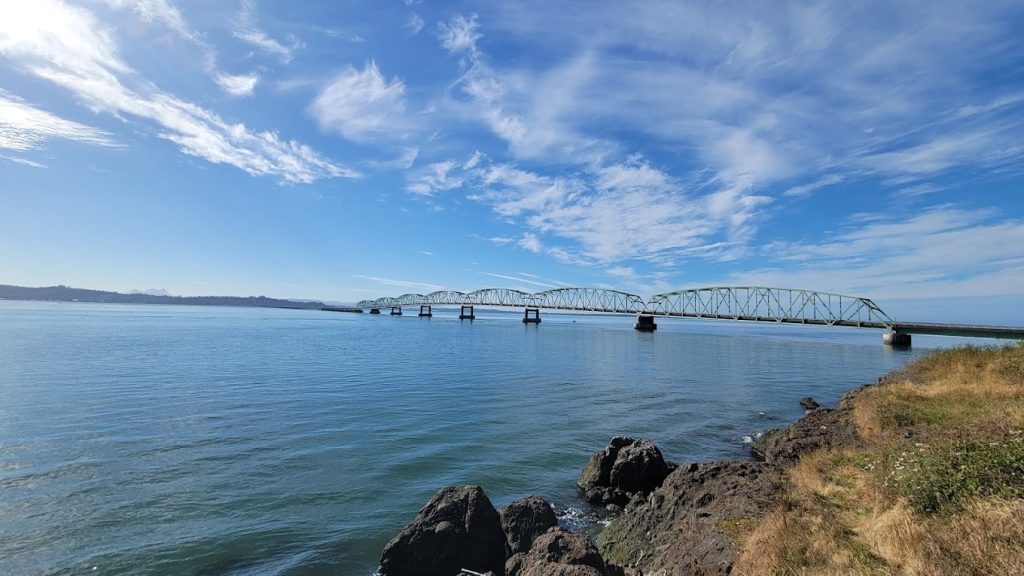
The Astoria-Megler Bridge linking Oregon and Washington spans the Columbia River with a striking combination of long low sections and a tall steel truss that climbs sharply before descending toward the opposite shore. The steep northern approach surprises many travelers as it reveals the full height of the structure overlooking the expansive river. Coastal winds near the Pacific Ocean often strengthen during storms, adding sway and tension to the drive. The bridge’s narrow lanes and extended length require steady focus, especially during high traffic periods. Although its scenic views attract photographers and travelers from across the Northwest, its varied elevations and exposure contribute to its reputation as an intimidating but essential regional crossing.
Sunshine Skyway Bridge
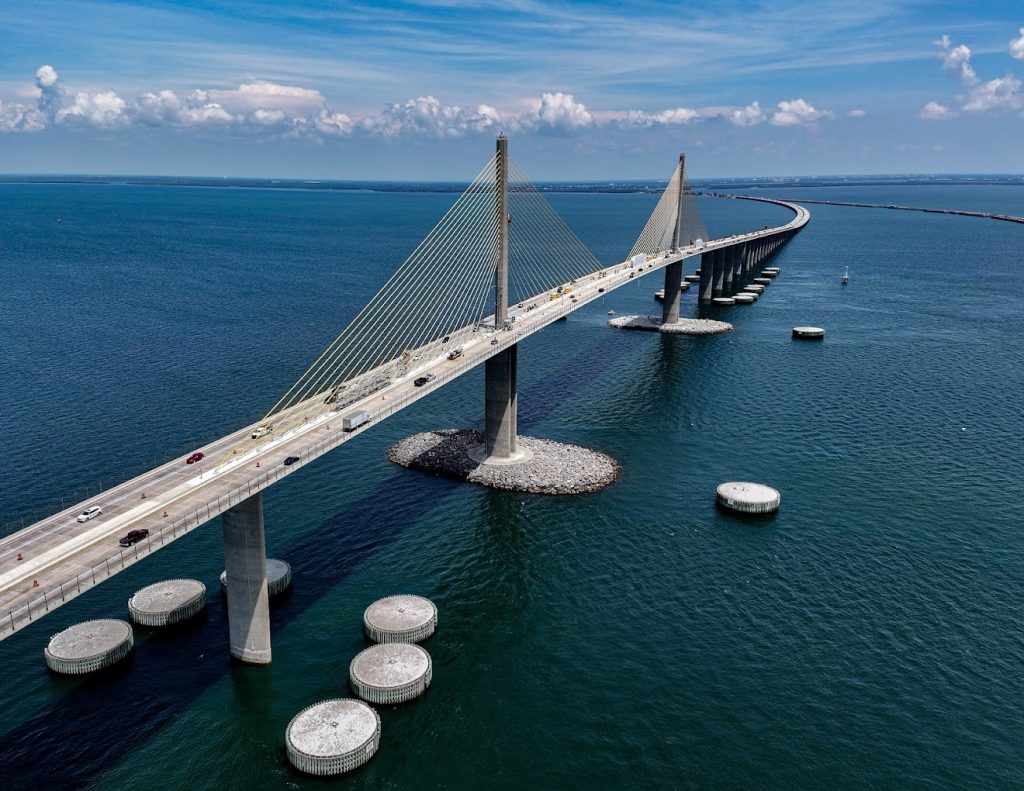
The Sunshine Skyway Bridge in Florida rises dramatically above Tampa Bay with bright yellow cables and a sweeping span that often inspires both admiration and apprehension. Strong winds move across the bay, and sudden weather shifts sometimes trigger temporary closures for safety. The bridge replaced an earlier structure struck by a ship in 1980, and that historical event adds a layer of tension for travelers aware of its past. The steep incline creates the sensation of ascending toward open sky before descending back toward land, a visual effect that can unsettle those uncomfortable with height. Despite these challenges, the bridge remains a celebrated example of engineering innovation and a central gateway to the region.
Confederation Bridge Approach (U.S. Travelers Entering Canada)
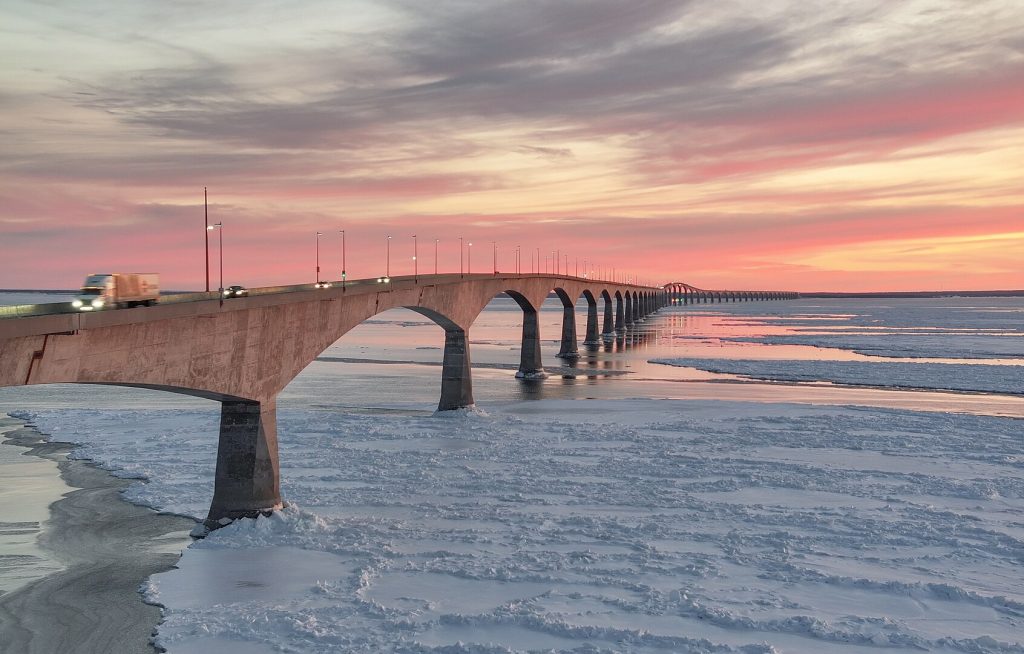
The Confederation Bridge, though located entirely within Canada, is commonly crossed by travelers from the United States who journey through nearby states before entering the long stretch above the Northumberland Strait. The bridge is elevated, lengthy, and exposed to strong coastal winds that often sweep across the open water, making the crossing tense for those unaccustomed to maritime conditions. Snow, ice, and fog frequently reduce visibility during winter months, adding to the stress. The gradual slope creates the feeling of being suspended far above the sea for an extended time, reinforcing its dramatic scale. While essential for travel between New Brunswick and Prince Edward Island, its environmental exposure ensures its reputation as one of North America’s most intimidating bridge experiences.
I-10 Calcasieu River Bridge
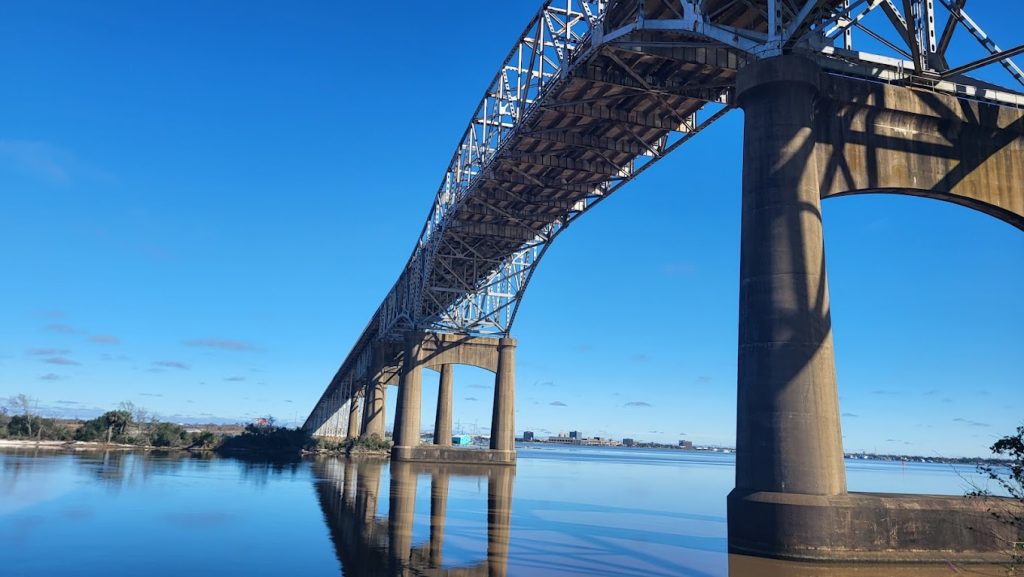
The I-10 Calcasieu River Bridge in Lake Charles, Louisiana often sparks concern because of its steep incline, narrow lanes, and older structural design dating back to the 1950s. Heavy truck traffic creates additional pressure on drivers who already feel uneasy navigating the bridge’s confined roadway. Its age contributes to public debate about long-term safety and the importance of ongoing maintenance for such widely used infrastructure. The steep approach and elevated height combine to create a dramatic visual angle that intimidates many travelers. Although the bridge remains a critical connection along Interstate 10, its structural characteristics and placement above the river continue to make it an unsettling experience for those passing through southwestern Louisiana.
Lions Gate Bridge
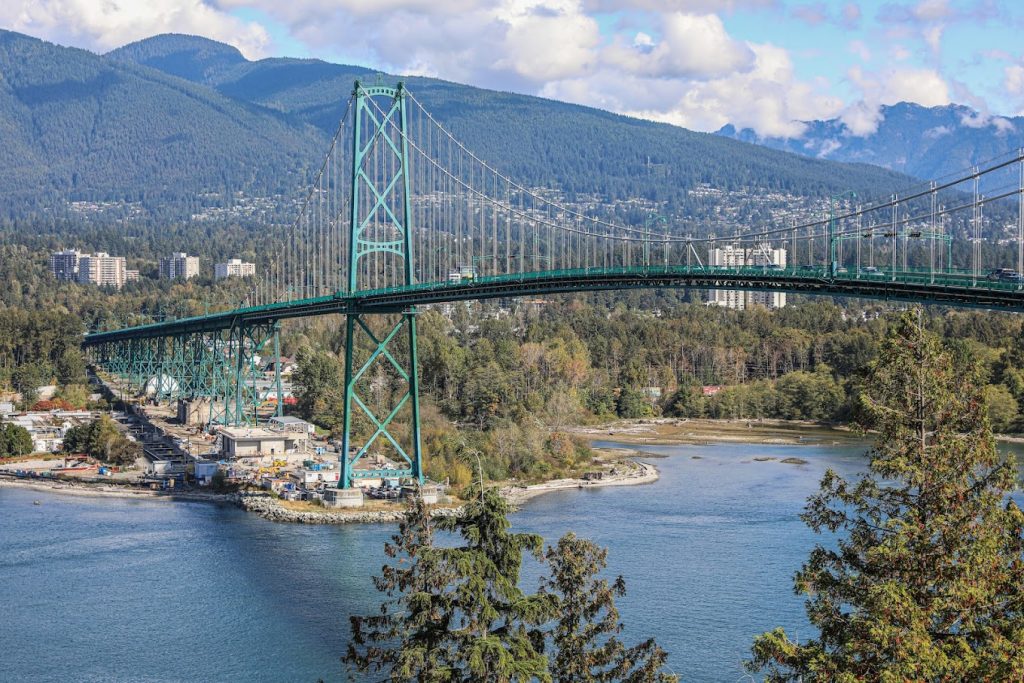
The Lions Gate Bridge in Vancouver, often crossed by U.S. travelers exploring routes between Washington and British Columbia, features narrow lanes, significant elevation, and sweeping views of Burrard Inlet that can unsettle visitors who are sensitive to heights. The central span rises dramatically before dropping toward Stanley Park, creating a scenic but nerve-racking perspective. Heavy traffic during peak hours intensifies the experience as vehicles crowd together along the slender roadway. The bridge’s iconic art deco towers and graceful suspension cables emphasize its height even further. Although celebrated as a regional landmark, the combination of elevation, narrow structure, and dense traffic ensures that many travelers view the crossing with apprehension.
The Bridge of the Gods
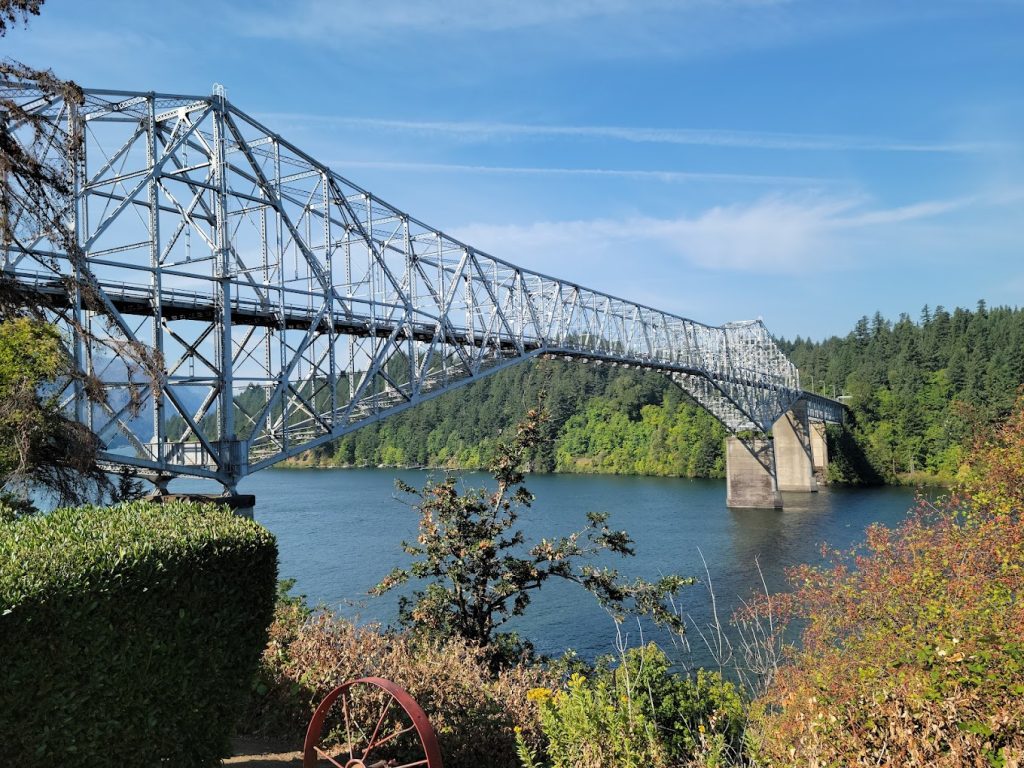
The Bridge of the Gods spanning the Columbia River between Oregon and Washington presents a unique challenge due to its open-grate steel deck that allows travelers to see directly through to the rushing water below. This feature, combined with the vibration and humming sound produced by tires crossing the metal surface, amplifies the sense of exposure. Seasonal winds within the Columbia River Gorge can become intense, causing vehicles to sway slightly and heightening nerves. The bridge’s narrow lanes require careful navigation, especially during periods of recreational traffic from hikers and travelers exploring the Pacific Crest Trail. Its dramatic natural backdrop and distinctive construction make it one of the most visually striking yet intimidating crossings in the Pacific Northwest.